













Published: July 14, 2026 · Reviewed by the SweetNight Sleep Comfort Team · 7 min read
Two nights, same thermometer reading, completely different sleep. One is dry and bearable; the other is muggy and miserable. The temperature did not change — the humidity did. A humid 78°F night can wreck your sleep worse than a dry 84°F one, and the reason comes down to a single cooling system your body depends on and humidity quietly switches off.
Why Humid Nights Feel Hotter: Your Sweat Can't Evaporate
Your body's main cooling method during sleep is evaporation. As sweat leaves your skin and turns to vapor, it carries a large amount of heat away with it. That is how you shed the heat that lets your core temperature fall for sleep.
Evaporation only works if the surrounding air has room to absorb more moisture. On a humid night the air is already close to saturated — it cannot take much more water — so your sweat has nowhere to go. It just sits on your skin, cooling you barely at all. You feel sticky, heavy, and hot even when the actual temperature is moderate. The thermometer is not lying; it simply is not measuring the thing that is keeping you awake. Humidity does not make the air hotter — it disables your ability to cool yourself.

Temperature vs. Humidity: What Actually Ruins Sleep
This is why "how hot is it?" is the wrong question on a muggy night. What matters is how much your body can cool itself, and humidity governs that.
| Conditions | How Your Cooling System Copes | Sleep |
|---|---|---|
| Dry heat (low humidity) | Sweat evaporates freely; you cool efficiently | Manageable even at higher temps |
| Humid heat (high humidity) | Sweat can't evaporate; cooling stalls | Disrupted even at moderate temps |
| Cool & humid | Some evaporation; damp, clammy feel | Sticky but tolerable |
The takeaway: on humid nights, managing moisture beats chasing a slightly lower temperature. For the deeper sleep-stage effects of heat and humidity, see how heat affects sleep quality.
The Best Humidity Level for Sleep
Aim for a relative humidity of roughly 40–60%. Above that band, evaporative cooling stalls and the room feels muggy and heavy. Below it, the air gets too dry and can irritate your throat and sinuses. A simple hygrometer (a few dollars) tells you where your bedroom sits, so you know whether to add moisture or remove it.
How to Sleep on a Humid Night
Beat a muggy night on two fronts: force whatever evaporation you can, and pull moisture out of the air.
- Run a fan. Moving air speeds evaporation and lifts the humid layer off your skin — it helps more on a muggy night than people expect. See fan placement to cool a room.
- Dehumidify. A dehumidifier or an AC (which removes moisture as it cools) is the most direct fix. Even lowering humidity a little restores your evaporative cooling.
- Stop adding indoor moisture. Don't dry laundry in the bedroom, use the bathroom exhaust fan after showers, and keep lots of plants out of a small room on humid nights.
- Time your windows. Keep them shut when the outdoor air is humid and hot; open to ventilate when the evening air turns drier.
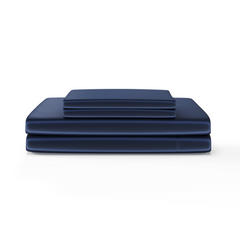
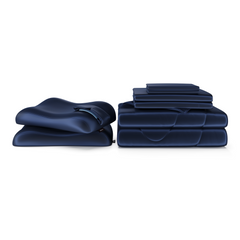
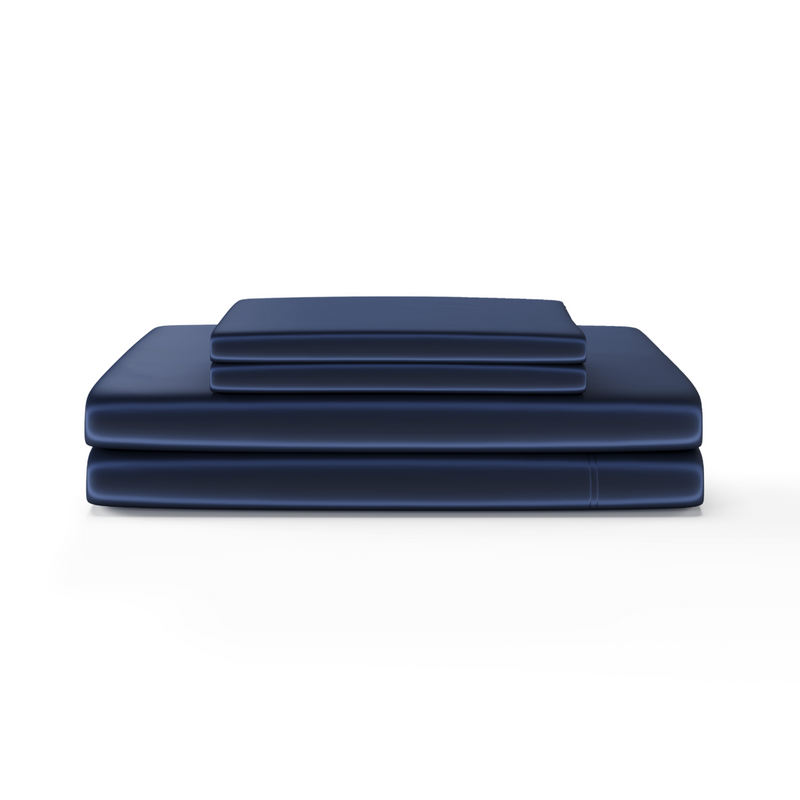
- Switch to breathable, wicking bedding. Non-breathable sheets trap the dampness right against you. Cotton, linen, and Tencel move moisture instead of holding it.
☀️ Muggy Nights Need Bedding That Breathes
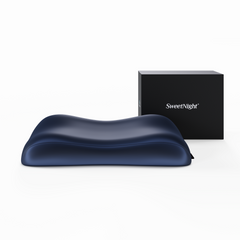
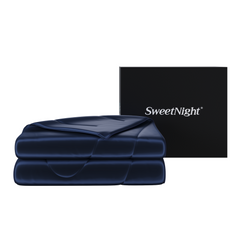
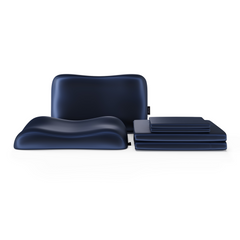
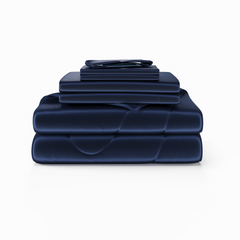
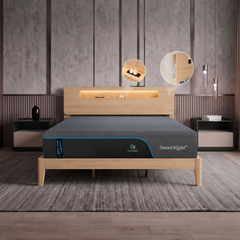
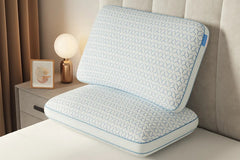
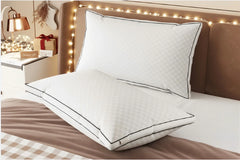
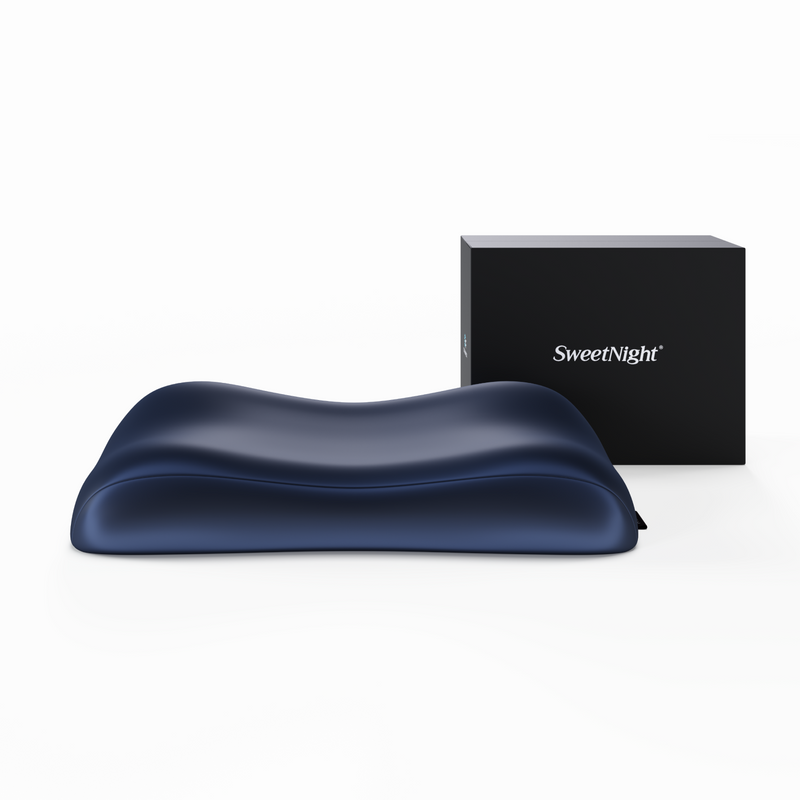
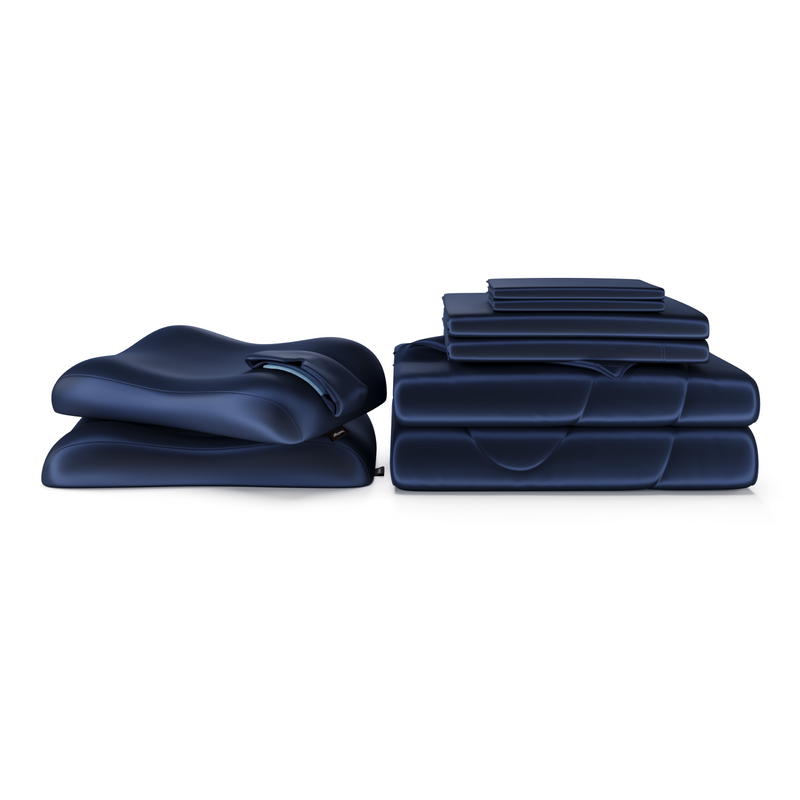
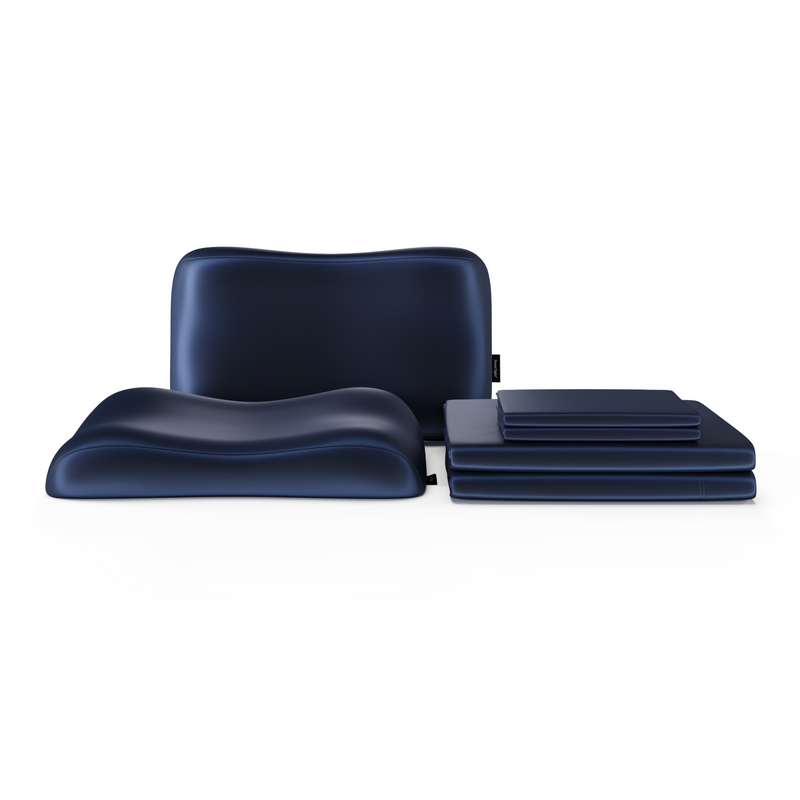
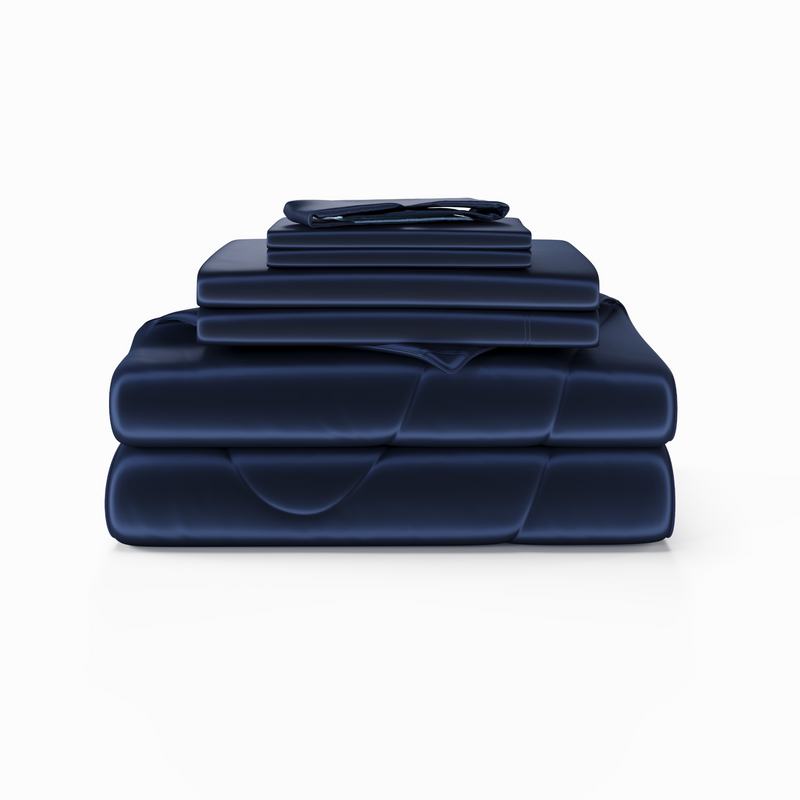
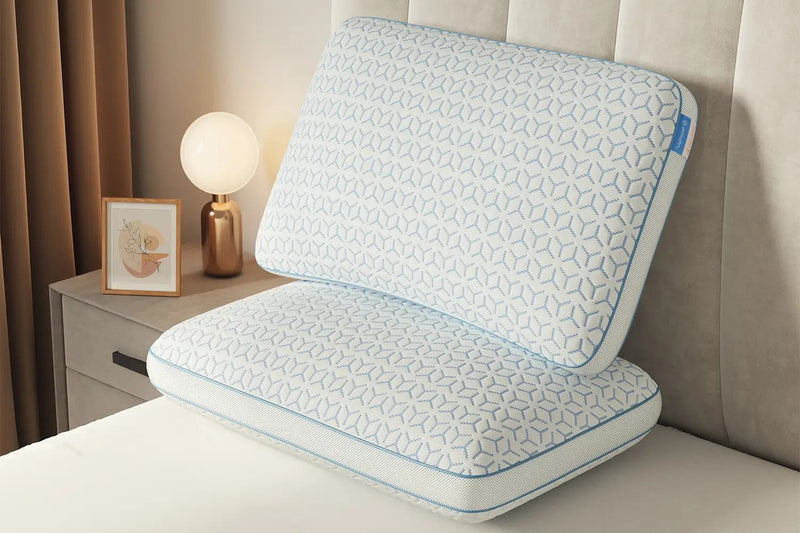
On a humid night, non-breathable bedding traps the dampness against you. Our breathable, moisture-wicking bedding, cooling pillows, and gel-infused and hybrid cooling mattresses are on sale now in the SweetNight Cooling Sale — 100-night trial, 10-year warranty.
Why a Breathable Mattress Matters More When It's Humid
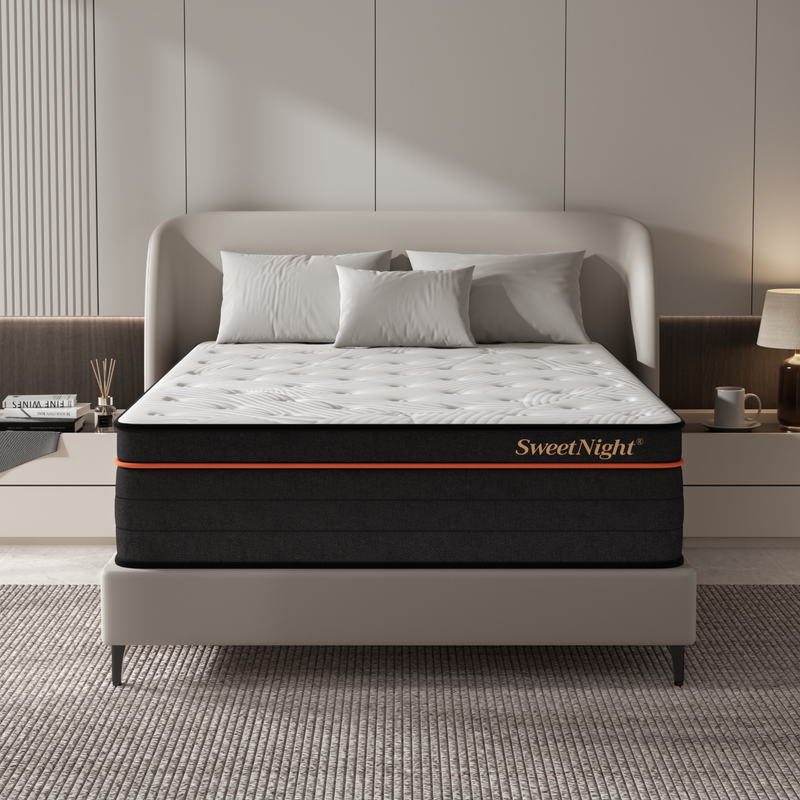
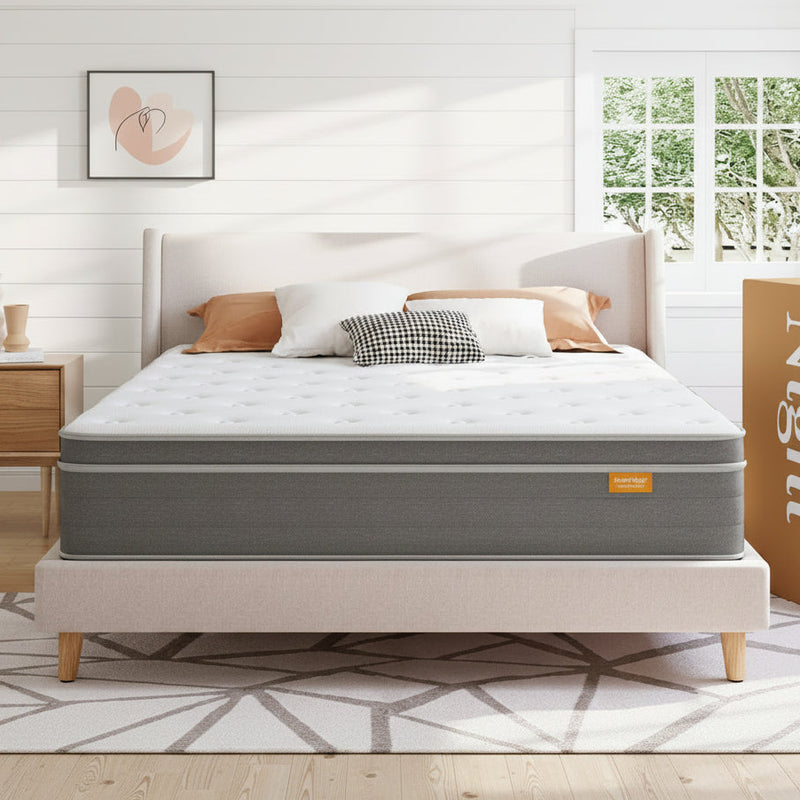
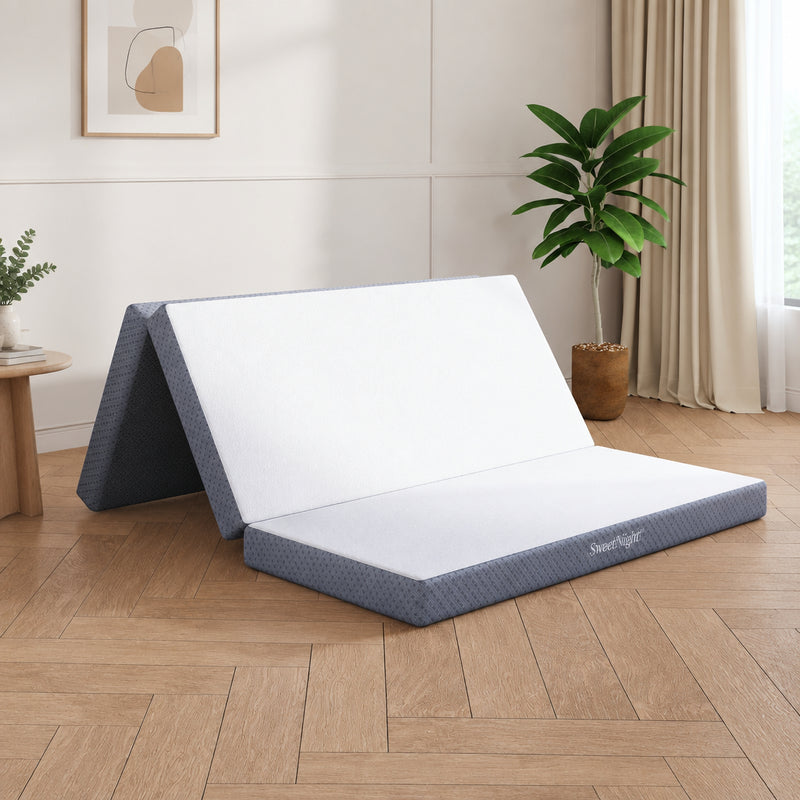
On a muggy night, moisture is the enemy — and your mattress is where it collects. Sweat that cannot evaporate soaks downward, and a dense, non-breathable mattress traps that damp warmth against your back and hips, turning your bed into a humid pocket you cannot escape. A breathable, gel-infused, or hybrid mattress lets air move underneath you so heat and moisture disperse instead of pooling where you lie. Combined with wicking sheets, it keeps the surface you sleep on from becoming the muggiest spot in the room. Learn how the surface works in do cooling mattresses actually work.
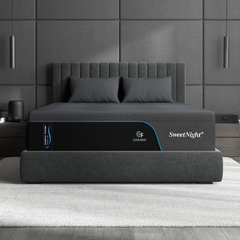
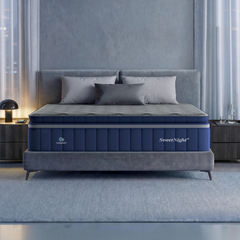
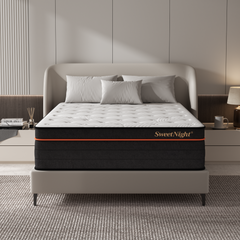
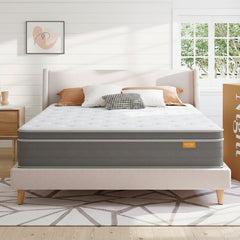
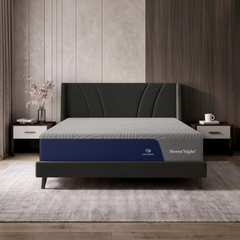
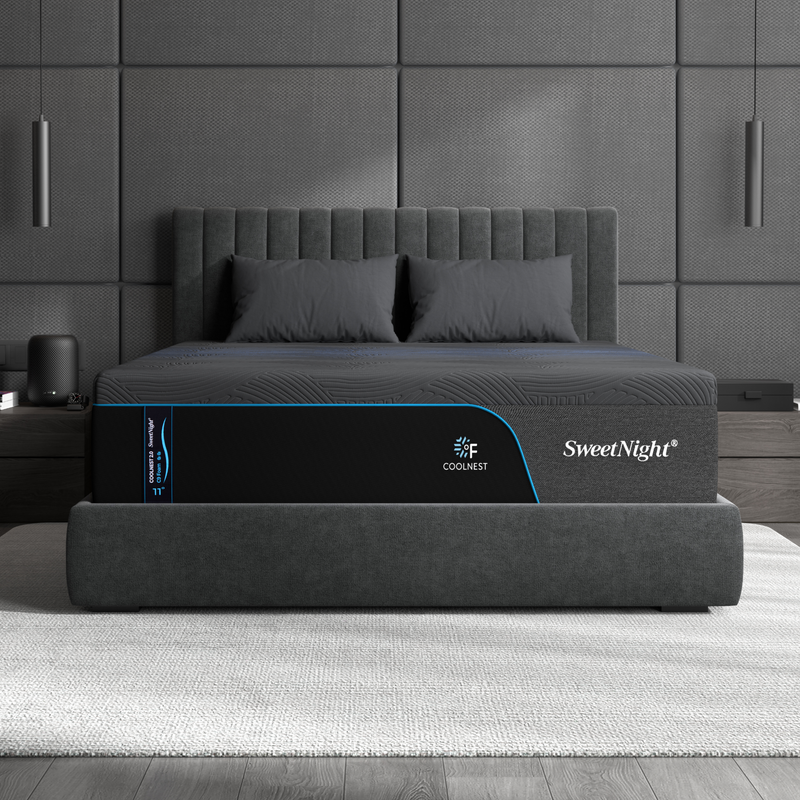
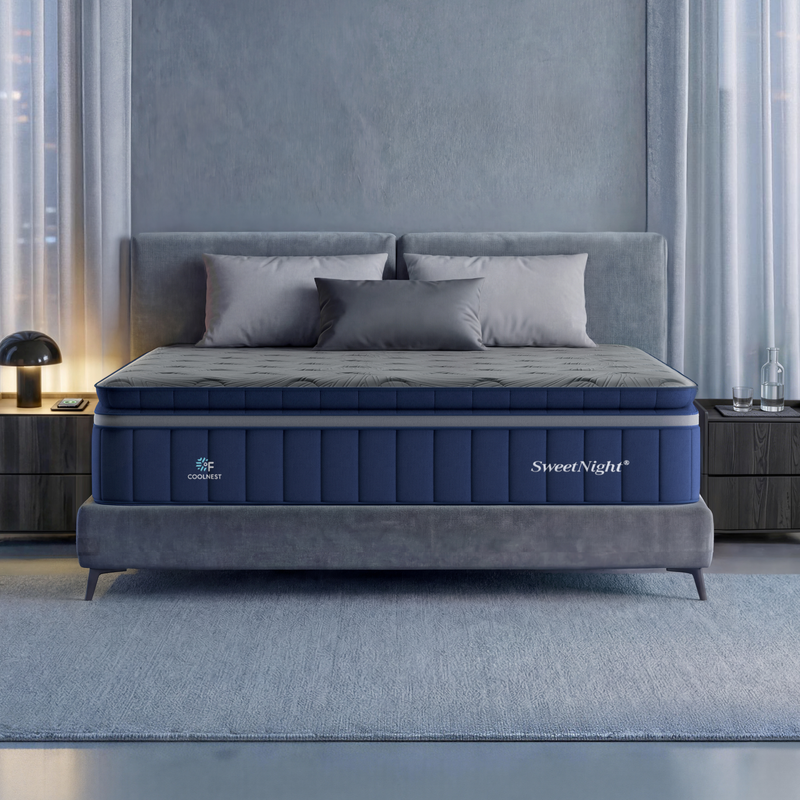
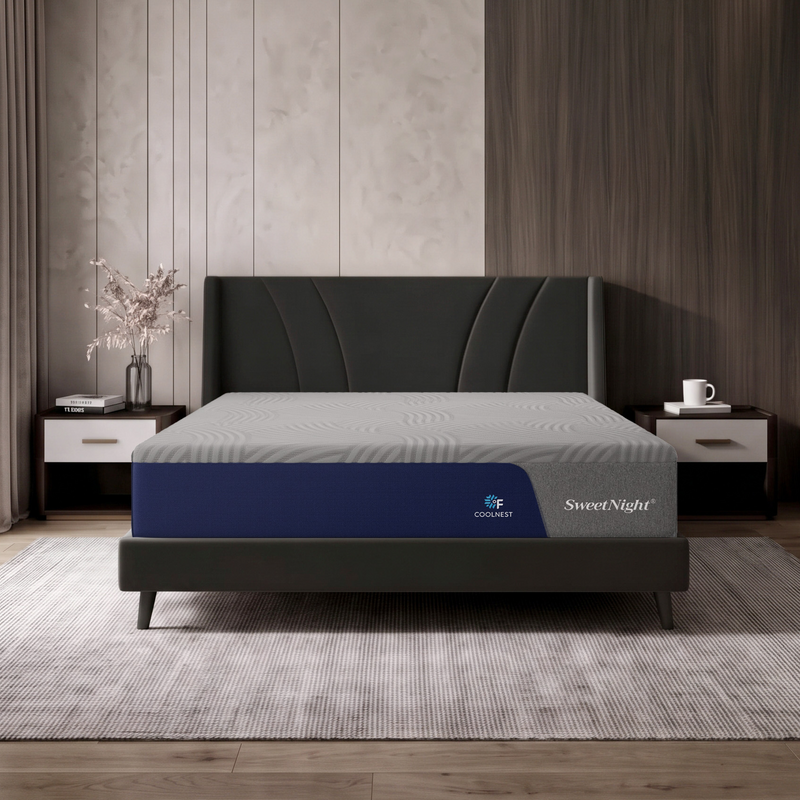
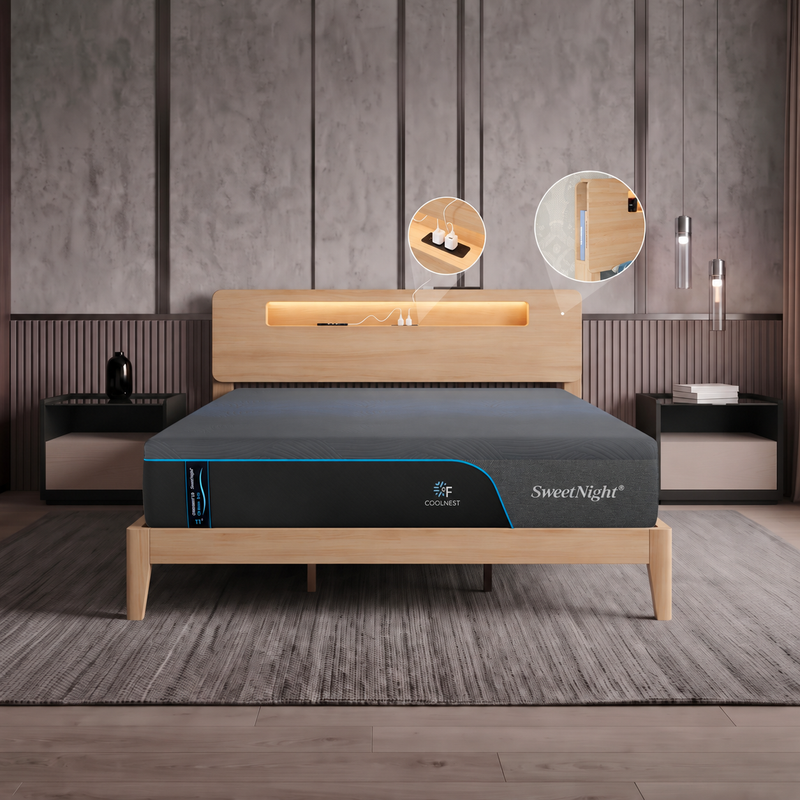
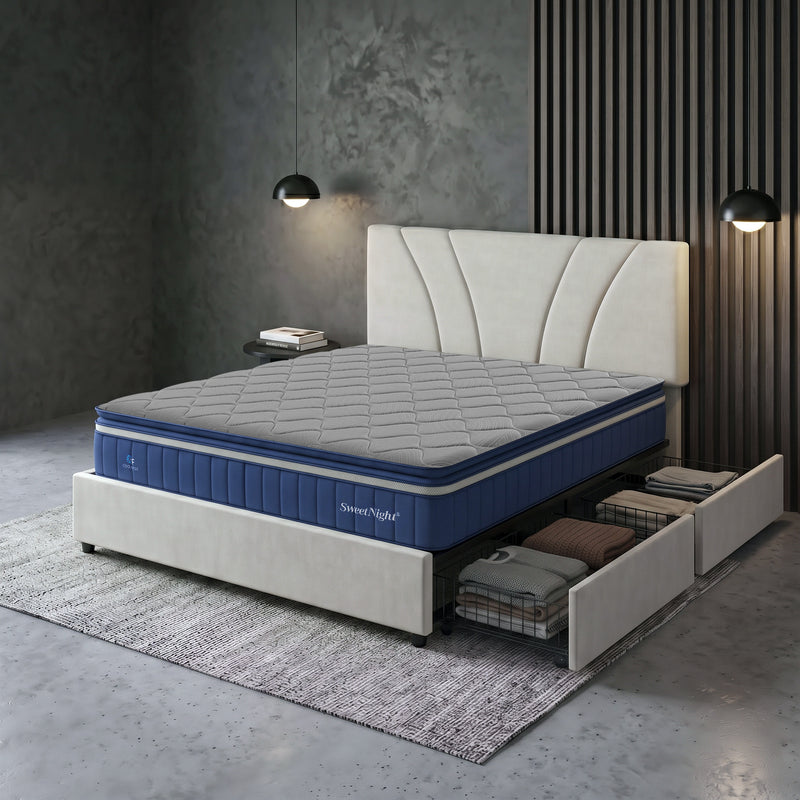
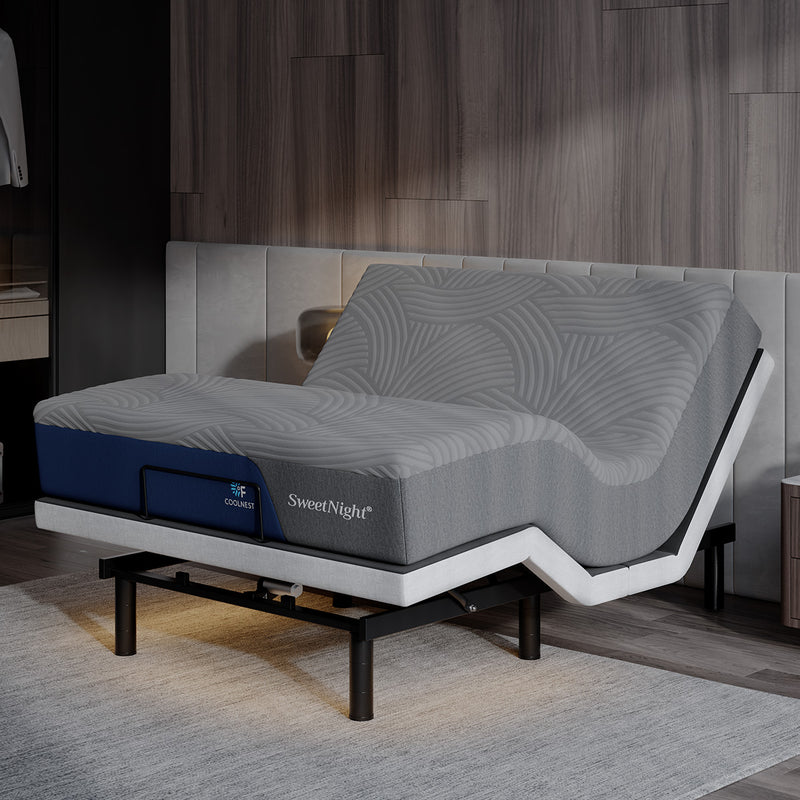
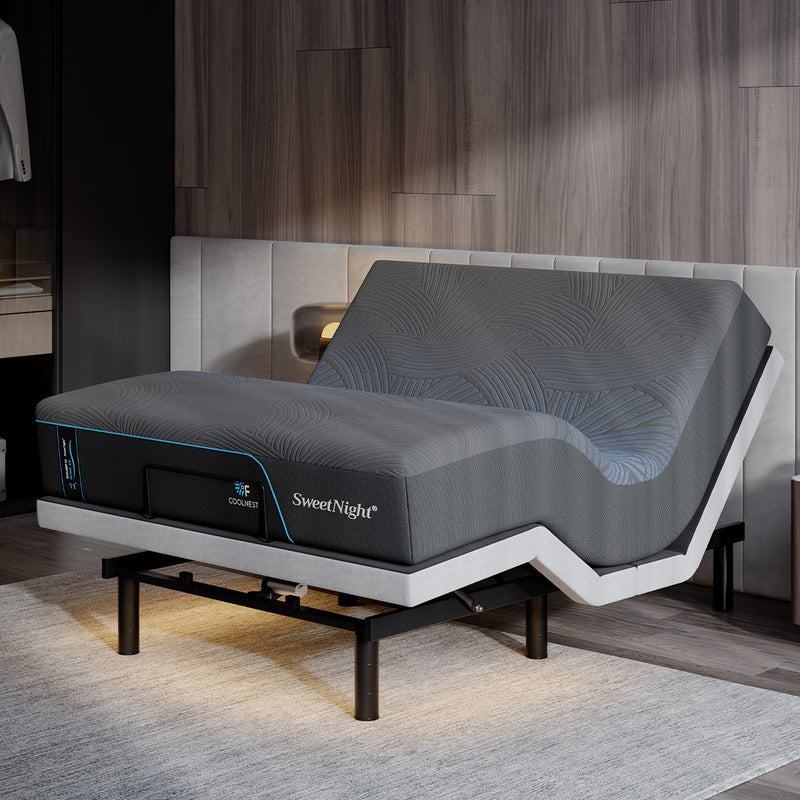
If your mattress is part of the problem, here's how the CoolNest® range splits:
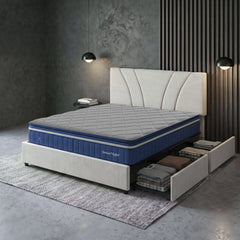
- CoolNest® Hybrid Mattress: pocketed coils under a DuoSense™ pillow top. Pick this one if you want bounce, firm edges and less partner motion.
- CoolNest® Memory Foam Mattress: the lowest-priced model in the range, all-foam with 5-zone support and a breathable 3D-woven cover.
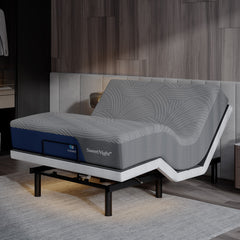
- CoolNest® Pro and CoolNest® Ultra: the step-up foam models, with PCMflux® temperature-regulating foam and 7-zone support. Ultra adds AirMesh™ foam and feels up to 11° cooler.
- Current prices on every size and thickness are on the Fall Sale page, or browse all mattresses.
The Bottom Line
Humid nights feel hotter because humidity disables your body's main cooling tool: evaporation. The fix is not just a lower temperature — it is lower moisture and more airflow. Run a fan, dehumidify, keep indoor moisture down, and sleep on breathable, wicking bedding and a mattress that lets air move. Get the humidity into the 40–60% range and a muggy night becomes a sleepable one.
Related: How to stay cool while sleeping · How to sleep in a heatwave.