
















Published: July 14, 2026 · Reviewed by the SweetNight Sleep Comfort Team · 7 min read
You have probably seen the claim: sleep in a cold room and burn fat while you snooze. It is one of those wellness ideas that is partly true, wildly overstated, and hiding a better point underneath. There is real science here — a tissue called brown fat — but the biggest weight benefit of a cool bedroom is not the one that goes viral. Let's separate the two.
Does Sleeping in a Cold Room Help You Lose Weight? The Honest Answer
A little directly, and more indirectly. Cool temperatures switch on brown fat, which burns energy to make heat, so a cool room does nudge your calorie burn up. But that direct effect is small. The larger benefit is that a cool room helps you sleep deeply — and sleep is one of the most underrated levers in weight regulation. So the honest answer is: yes, but mostly for a reason people don't expect.
The Brown Fat Science, Explained Simply
Most of your body fat is white fat, which stores energy. A smaller amount is brown adipose tissue (brown fat), which does the opposite: it burns energy to generate heat. Adults keep small deposits, mostly around the neck and upper back.
Cold is its on switch. When you are mildly cool — like sleeping in a 66°F room — your body activates brown fat to warm itself, quietly burning extra calories in the process. Research on regular mild cold exposure also suggests it can make brown fat more active over time and improve how your body handles blood sugar. It is a genuine, measurable effect. It is just not a large one.
How Many Calories Does a Cold Room Actually Burn?
Here is the reality check. Studies on mild cold exposure show a modest bump in energy expenditure — a helpful nudge, not a furnace. Sleeping cool will not out-burn your diet, and chasing a bigger effect by making the room frigid backfires, because shivering discomfort wrecks the sleep that does the real work. Treat brown-fat activation as a small bonus that comes free with sleeping at a healthy, comfortable cool temperature — not as a weight-loss strategy on its own.
The Bigger Weight Win: Better Sleep
This is the part the headlines skip. A cool room's most powerful contribution to your weight is that it helps you sleep better — and sleep loss is strongly linked to weight gain.
When you sleep badly, two hunger hormones shift against you: ghrelin (which makes you hungry) rises, and leptin (which makes you feel full) falls. You wake up hungrier, less satisfied, and craving quick energy, and your insulin sensitivity drops. Do that night after night and it quietly drives overeating. Because a cool bedroom (65–68°F) deepens sleep and reduces the overheating that fragments it, it protects the hormonal balance that keeps appetite in check. That indirect route almost certainly matters more than brown fat. For the mechanism, see how heat affects sleep quality.
☀️ Sleep Cool, Sleep Deep — Cooling Bedding on Sale
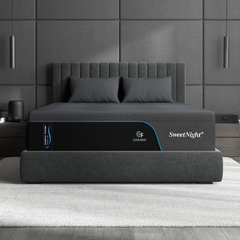
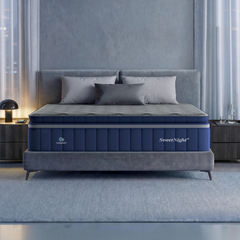
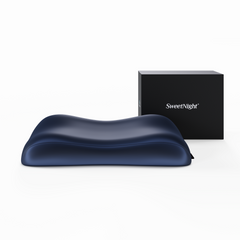
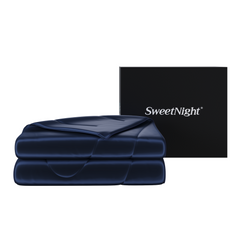
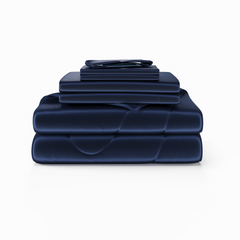
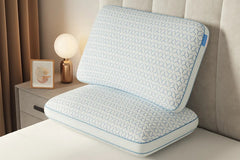
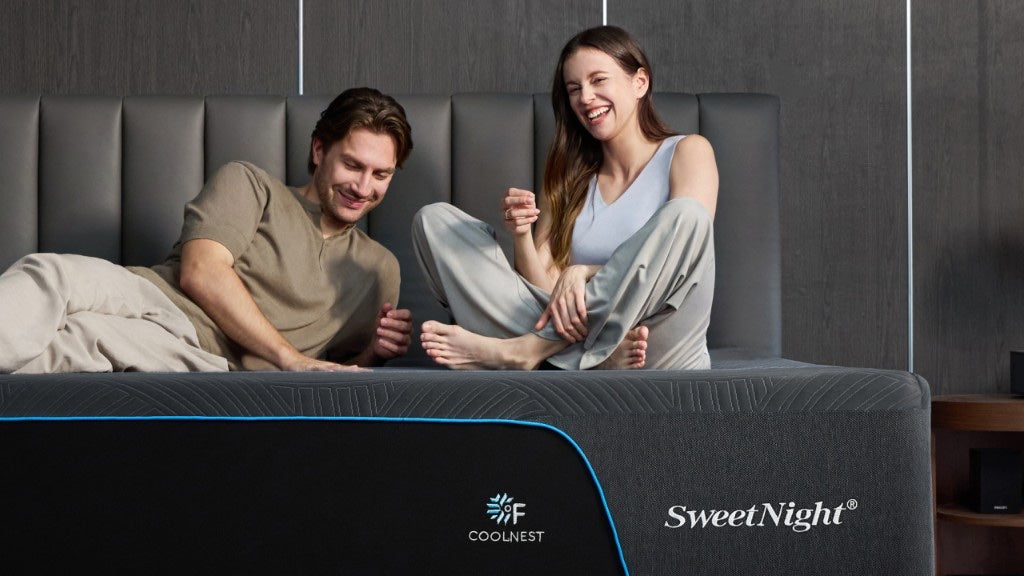
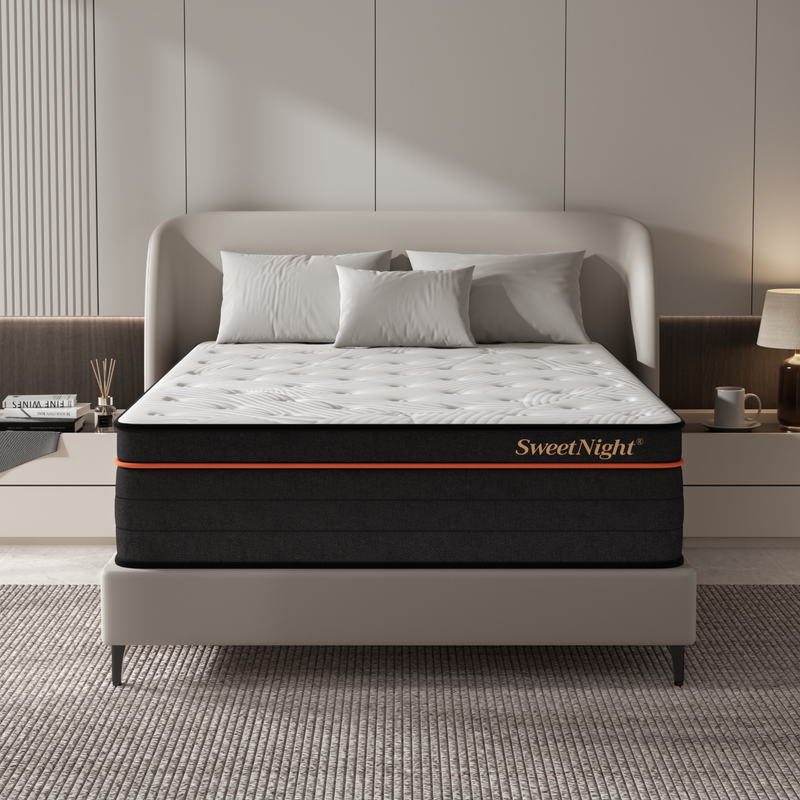
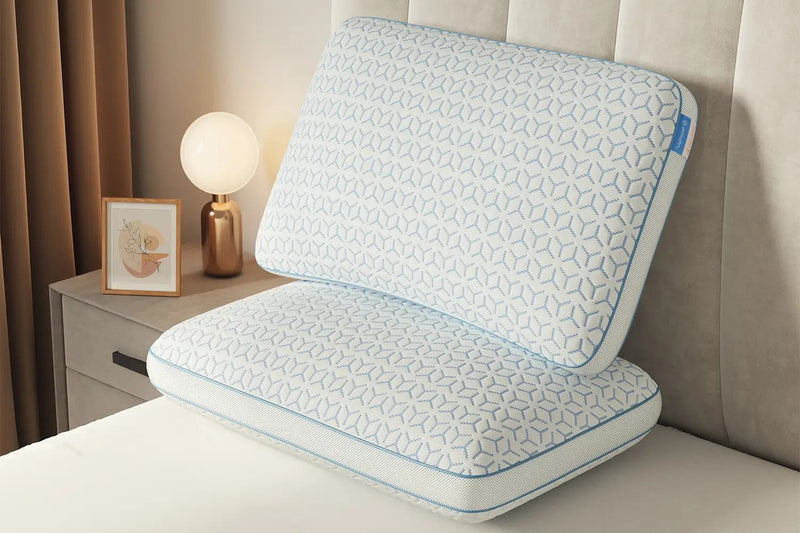
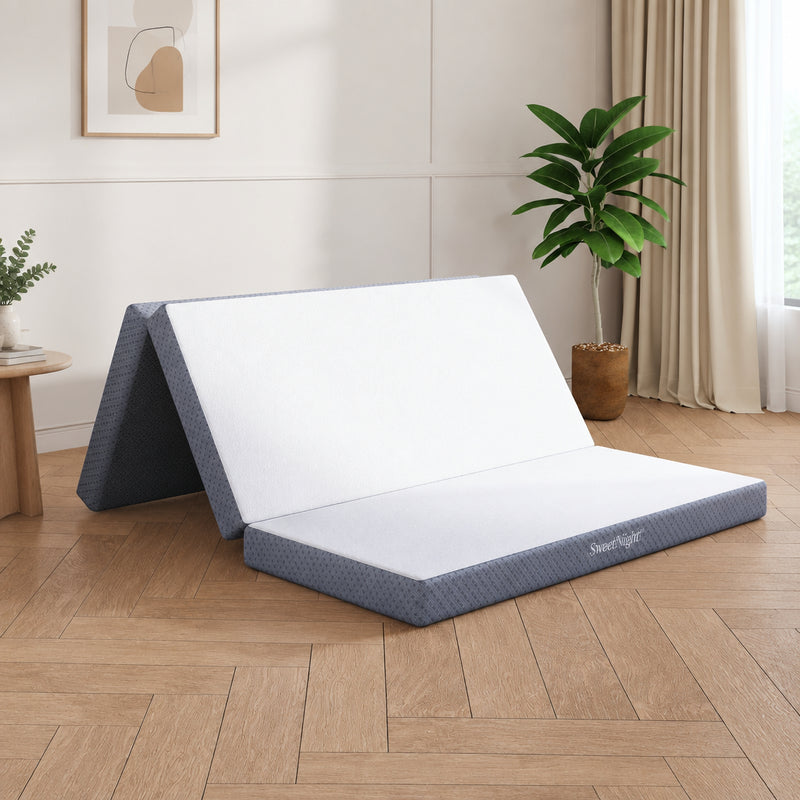
A cool, deep night protects the hunger hormones that a hot, broken night disrupts. Our gel-infused and hybrid cooling mattresses, cooling pillows, and breathable bedding are on sale now in the SweetNight Cooling Sale — 100-night trial, 10-year warranty.
How Cold Should the Room Actually Be?
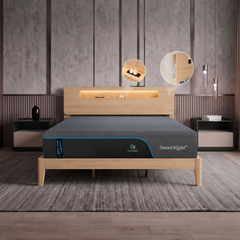
Not frigid. The sweet spot is the standard cool-sleep range of 65–68°F (18–20°C) — cool enough to gently engage brown fat and support deep sleep, without being so cold that shivering or discomfort wakes you. Going colder does not multiply the weight effect; it just sabotages the sleep that carries most of the benefit. And remember the surface: a heat-trapping mattress keeps your body warm even in a cool room, undercutting both the brown-fat nudge and your sleep quality. A breathable mattress lets your body reach that gentle cool state that a cool room is supposed to create.
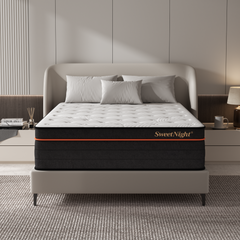
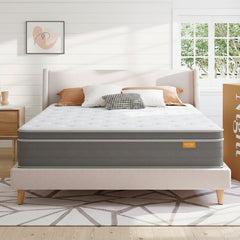
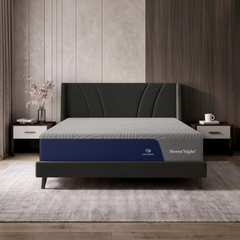
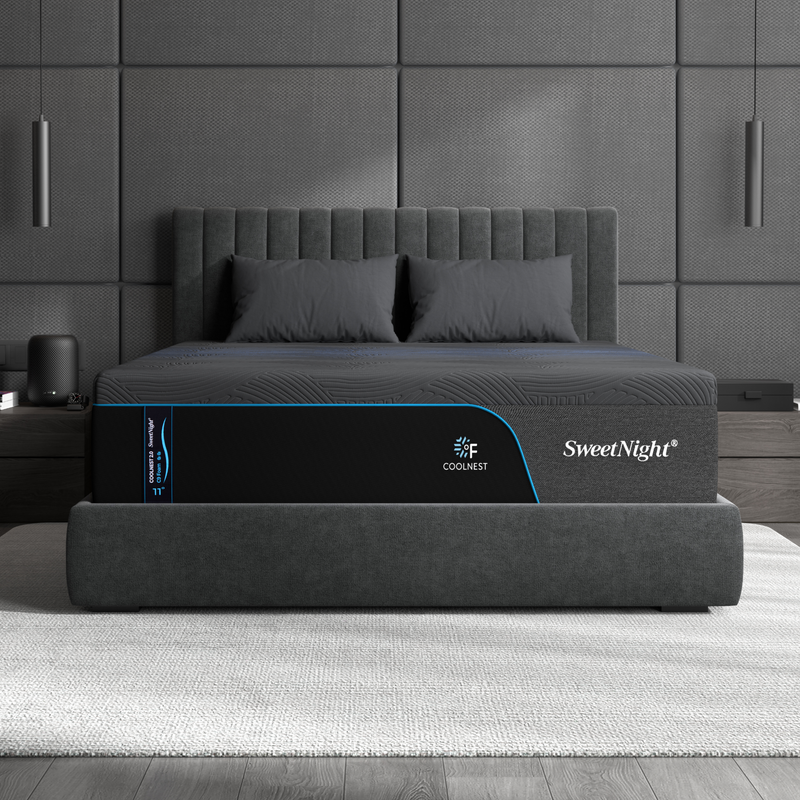
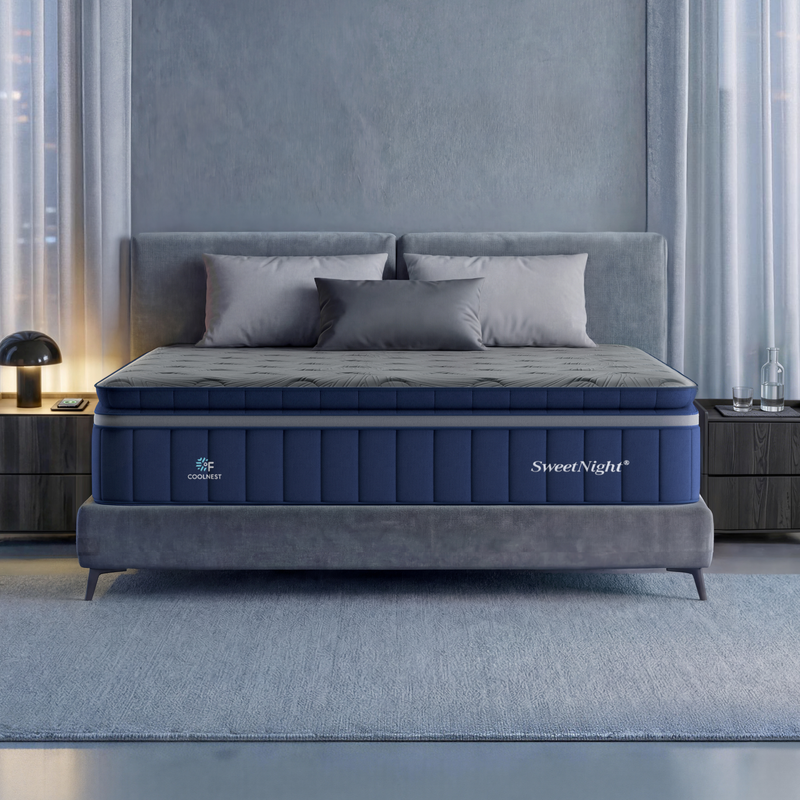
If your mattress is part of the problem, here's how the CoolNest® range splits:
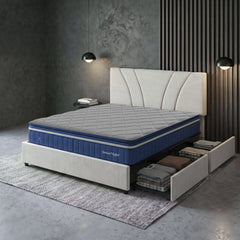
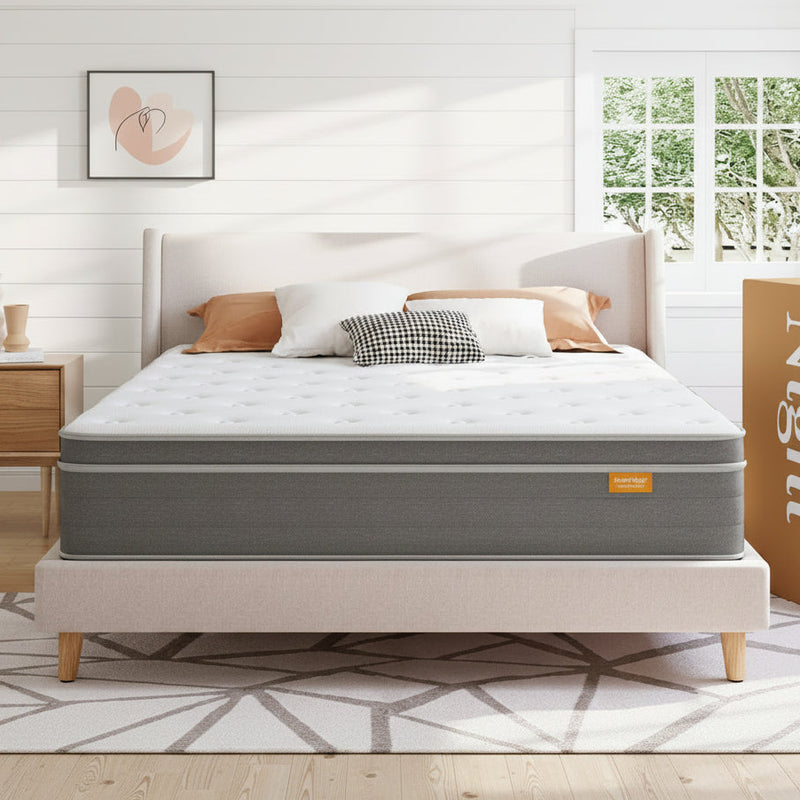
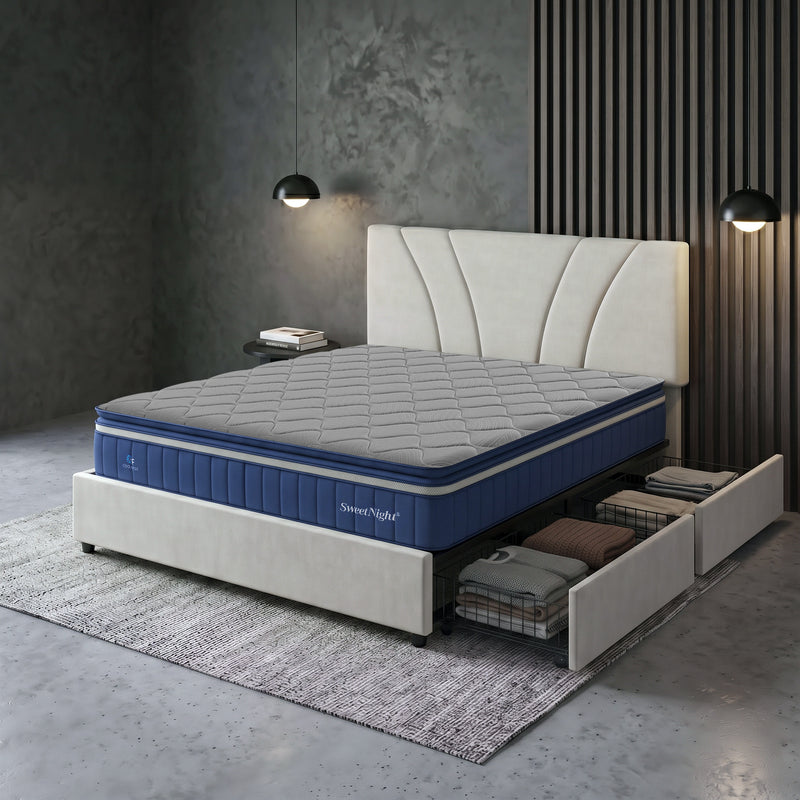
- CoolNest® Hybrid Mattress: pocketed coils under a DuoSense™ pillow top. Pick this one if you want bounce, firm edges and less partner motion.
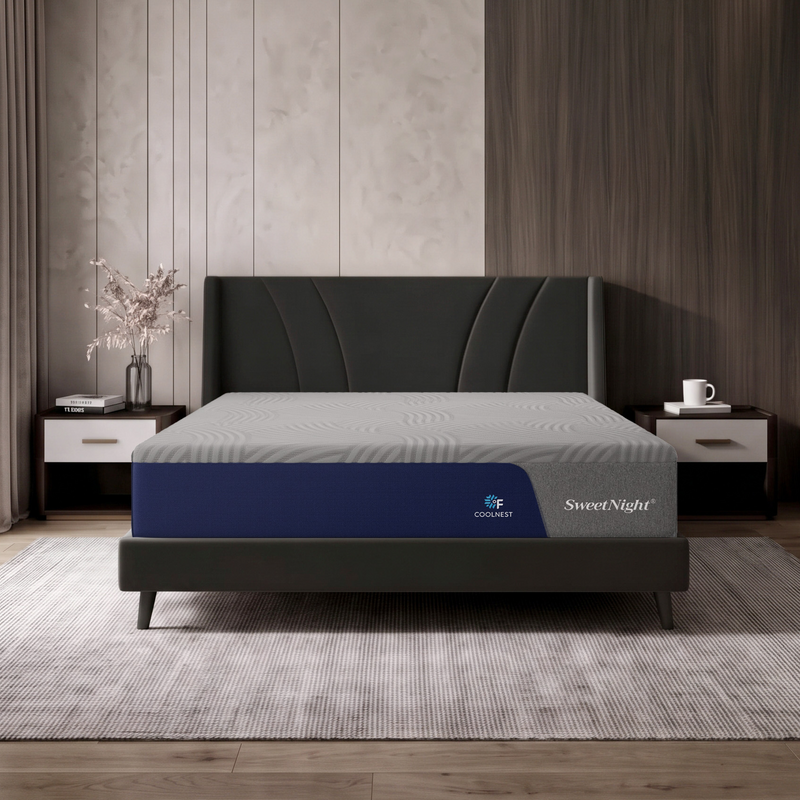
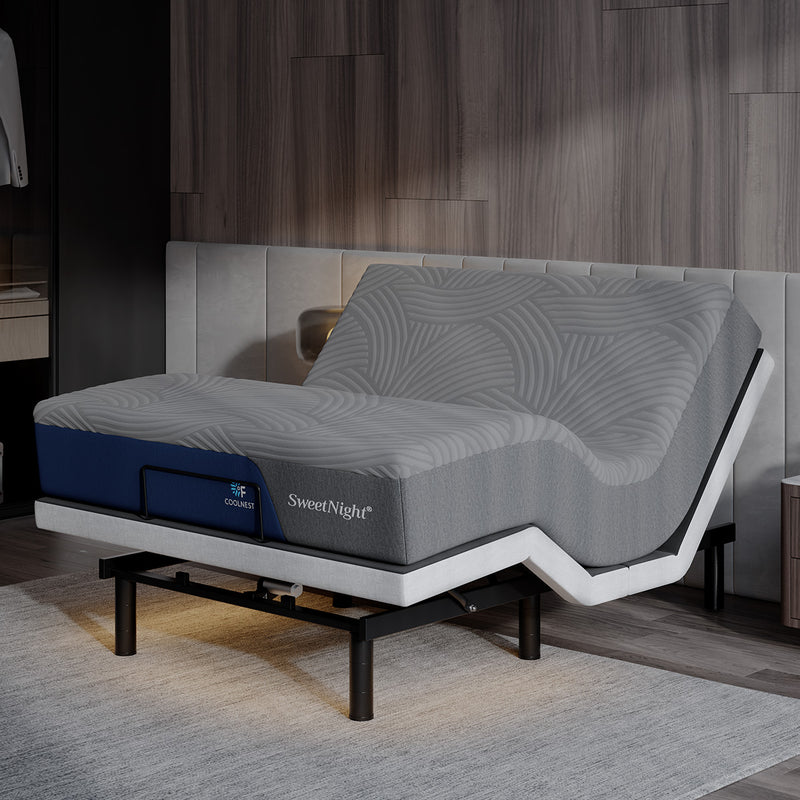
- CoolNest® Memory Foam Mattress: the lowest-priced model in the range, all-foam with 5-zone support and a breathable 3D-woven cover.
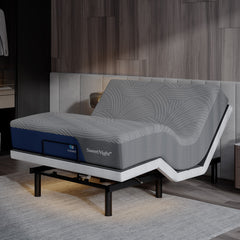
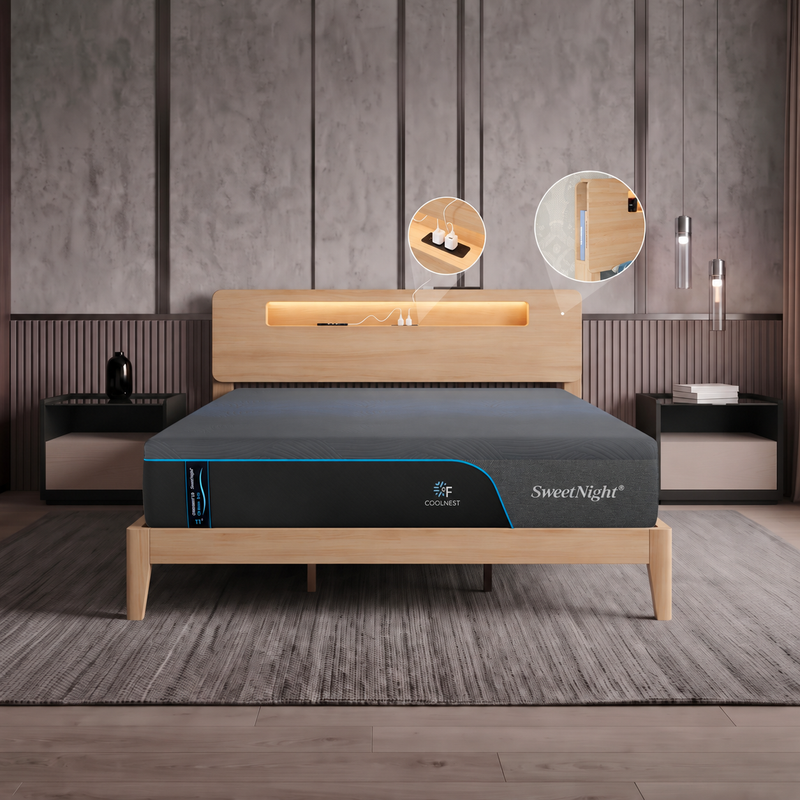
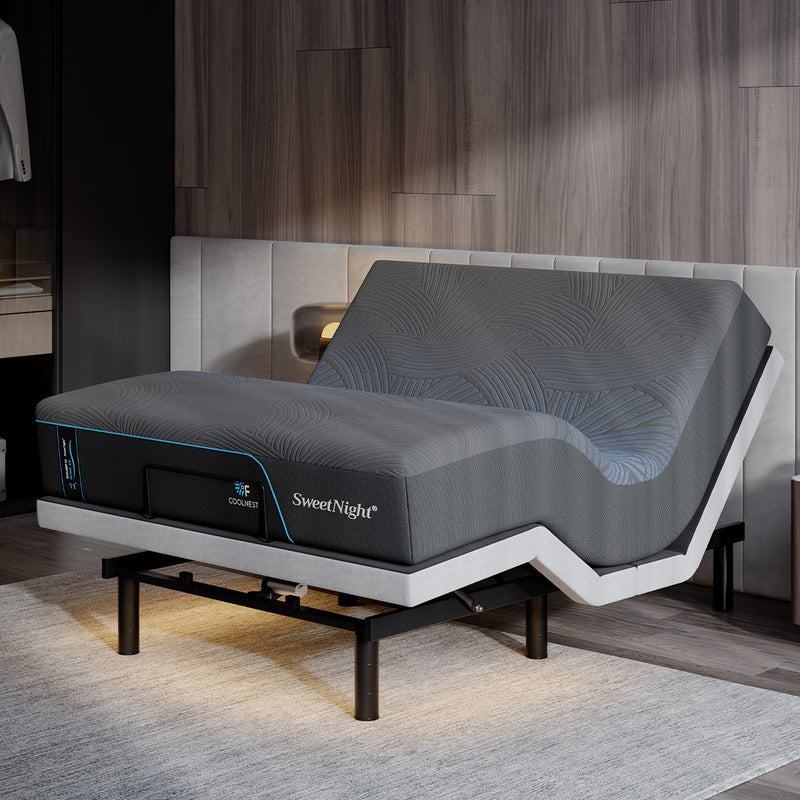
- CoolNest® Pro and CoolNest® Ultra: the step-up foam models, with PCMflux® temperature-regulating foam and 7-zone support. Ultra adds AirMesh™ foam and feels up to 11° cooler.
- Current prices on every size and thickness are on the Fall Sale page, or browse all mattresses.
The Bottom Line
Does sleeping in a cold room help you lose weight? Yes — modestly through brown fat, and more meaningfully by improving the sleep that governs your hunger hormones. Set the room to a comfortable 65–68°F, not freezing, and don't let a heat-trapping bed keep you warm anyway. The real prize is not calories burned while you shiver; it is the deep, cool sleep that keeps your appetite honest the next day.
Related: The optimal sleeping temperature · How to stay cool while sleeping.