




Published: July 24, 2020 · Updated: July 14, 2026 · Reviewed by the SweetNight Sleep Comfort Team · 10 min read
Quick Answer
To stay cool while sleeping, lower two things at once: the temperature of your room and the temperature of your body. Set the bedroom to 65–68°F (18–20°C), build a cross-breeze, switch to breathable bedding, sleep on a cooling mattress and pillow, take a warm shower before bed, and chill your pressure points. Do a few of these together and most people fall asleep faster on even the hottest summer nights.
Key Takeaways
- Your core body temperature must drop to trigger sleep. Heat that cannot escape is what keeps you awake.
- The target bedroom temperature is 65–68°F (18–20°C). If you do only one thing, set your thermostat there.
- Surveys suggest roughly 2 in 3 people struggle with feeling too hot in bed, so if this is you, you are the majority, not the exception.
- The biggest hidden culprit is a mattress that traps heat. A breathable, gel-infused, or hybrid surface fixes the problem you cannot see.
- You do not need air conditioning. Airflow, breathable bedding, and a smart pre-sleep routine cool you down without it.
Why You Overheat at Night (the Science in 60 Seconds)
Sleep is a cooling process. In the hours before bed, your body starts shedding heat from the core toward the skin, and your core temperature falls by about 1 to 2°F. That drop is one of the strongest signals your brain uses to start sleep. It keeps falling until it bottoms out in the early morning, then climbs again to wake you.
When the room is hot, your bedding traps heat, or your mattress will not let heat escape, that natural cooling stalls. Your body keeps trying to dump heat it cannot get rid of, so you toss, kick off the covers, sweat, and wake up. Staying cool while sleeping is simply about removing the roadblocks so that natural temperature drop can happen.
First, Get Your Bedroom Temperature Right
Your core body temperature naturally drops to help you fall asleep, so a cool room supports that process. Sleep experts generally recommend a bedroom temperature of about 65–68°F (18–20°C). If you do only one thing on this list, set your thermostat into that range.
The table below is a quick reference for where different room temperatures land for most adults.
| Bedroom Temperature | How Most People Sleep |
|---|---|
| Below 60°F (15°C) | Often too cold; muscles tense and you may wake up. |
| 65–68°F (18–20°C) | The recommended sweet spot for deep, uninterrupted sleep. |
| 69–74°F (21–23°C) | Acceptable for some, but hot sleepers start to feel it. |
| Above 75°F (24°C) | Sleep fragments; more waking, sweating, and restlessness. |
12 Science-Backed Ways to Stay Cool While Sleeping
Cool the Room
- Keep the room at 65–68°F. Program your thermostat or use a fan on a timer so the room is already cool at bedtime. Cooling an empty room ahead of time beats trying to catch up once you are already hot in bed.
- Create a cross-breeze. Place a fan across from an open window to pull cooler night air through the room. A bowl of ice in front of the fan adds an extra chill. On a second-floor bedroom, aim one fan out the window to push hot air out and another in across the room to draw cool air in.
- Block daytime heat. Close blackout curtains or blinds during the day so your bedroom does not turn into a greenhouse by night. West-facing rooms bake in the afternoon sun, so shade them before you leave in the morning.
Cool the Bed
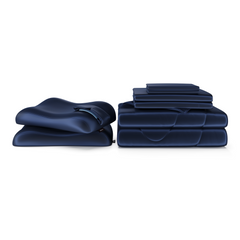
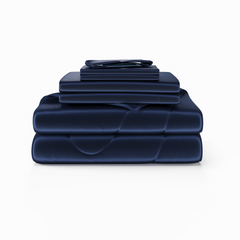
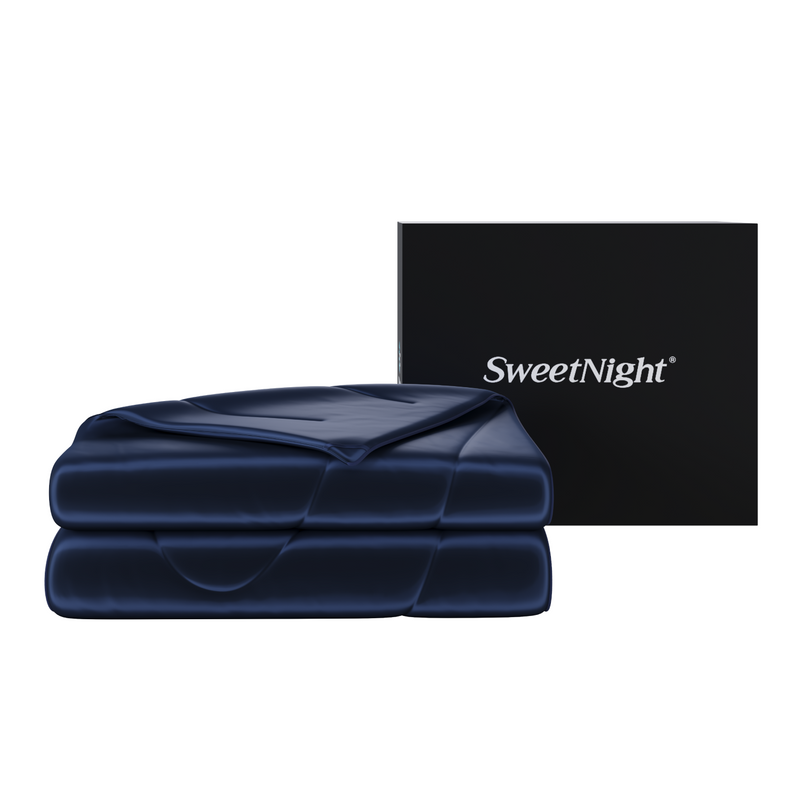
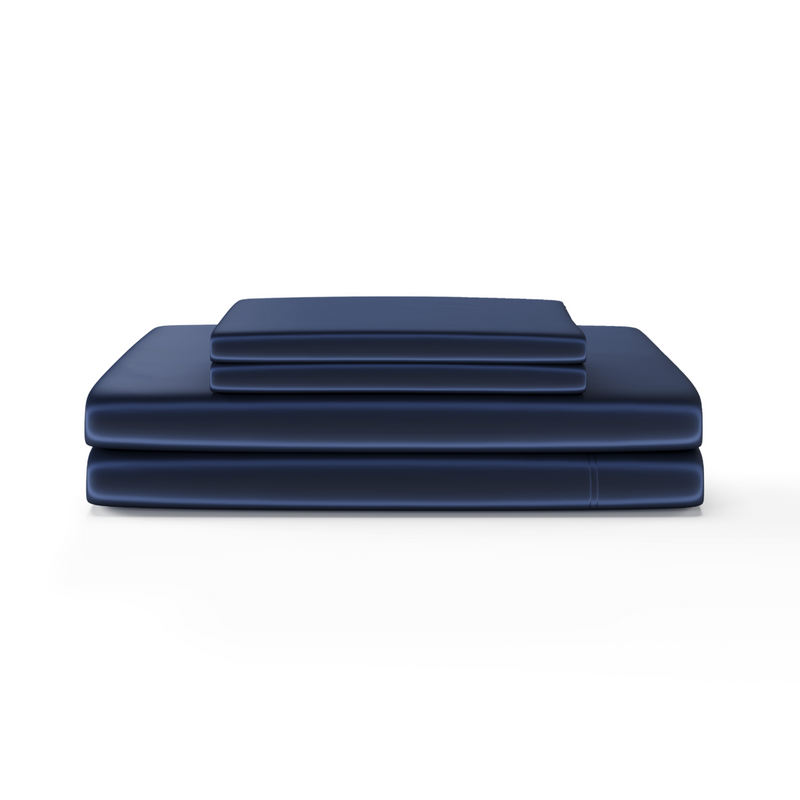
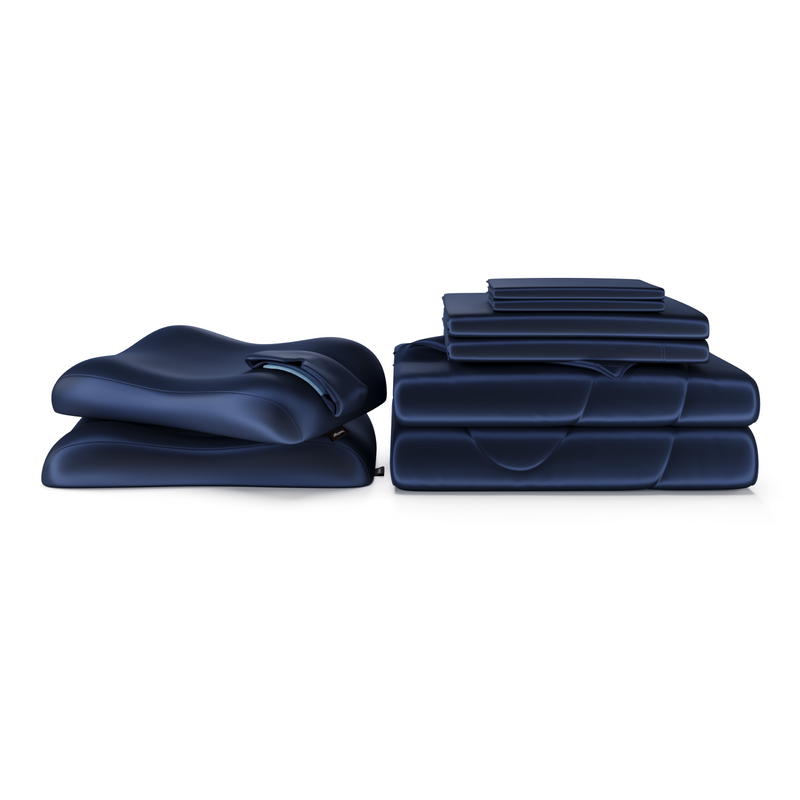
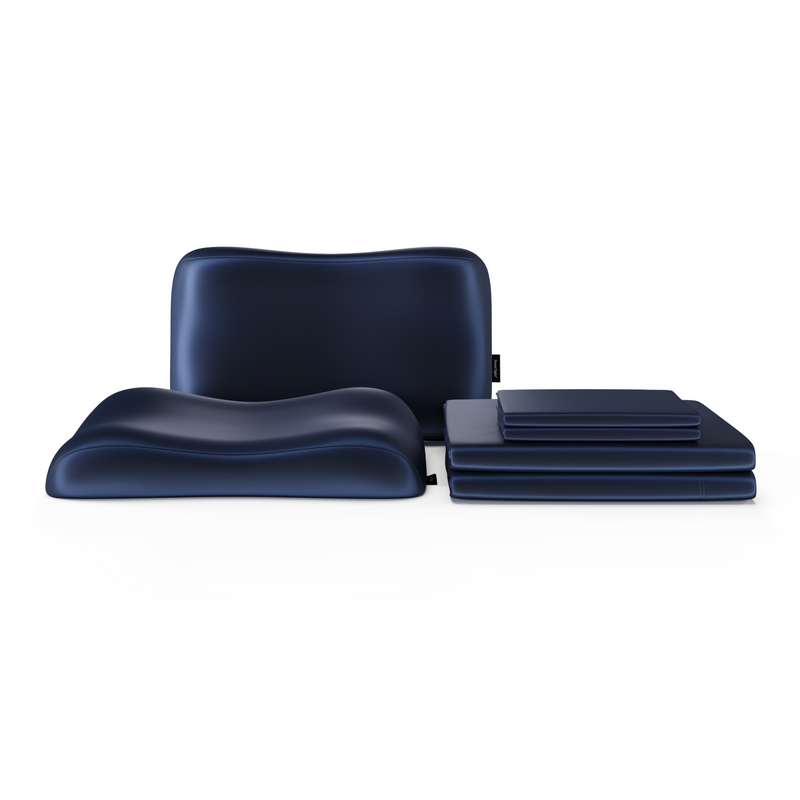
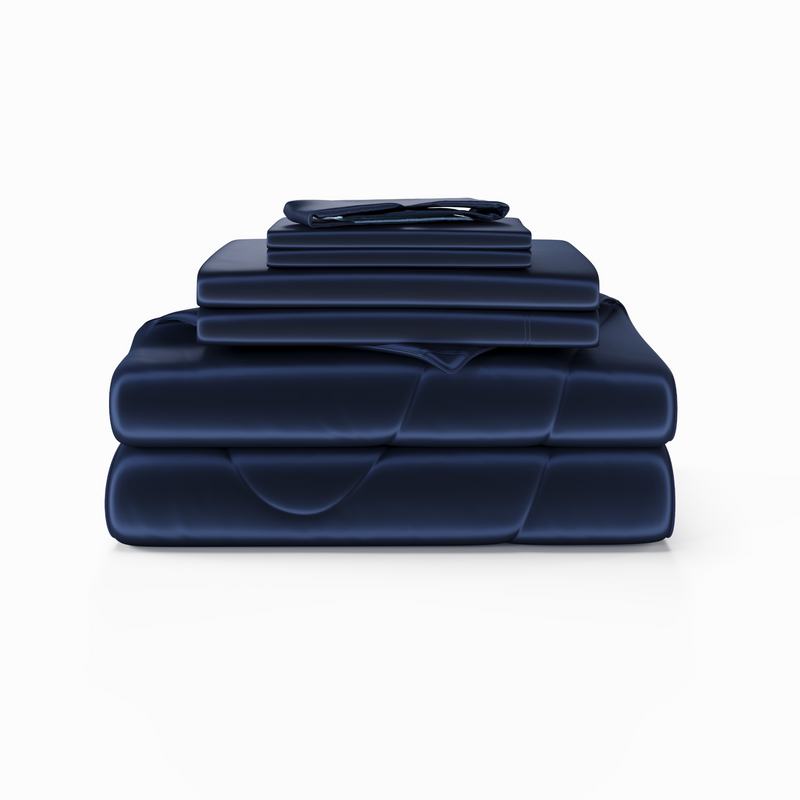
- Choose breathable bedding. Swap synthetics for cotton, bamboo, linen, or Tencel sheets that wick moisture and let heat escape. Percale-weave cotton feels especially crisp and cool. Keep a lightweight summer duvet or just a top sheet within reach.
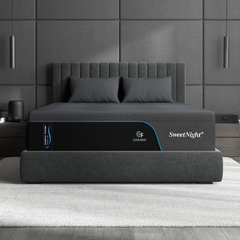
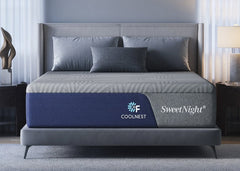
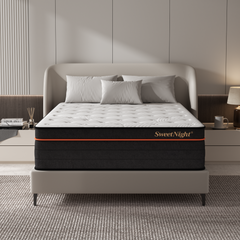
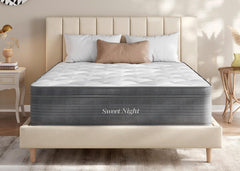
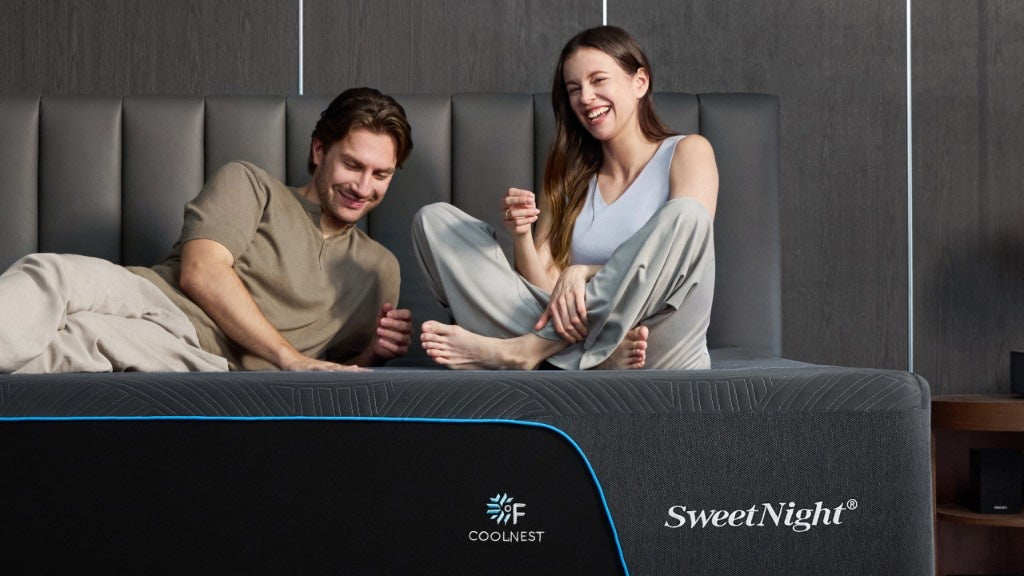
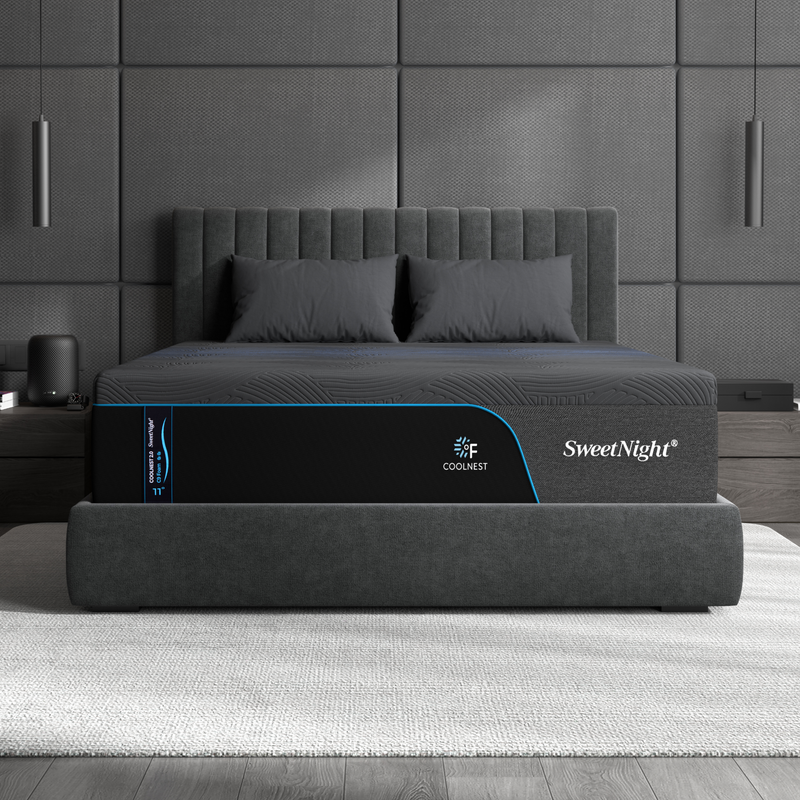
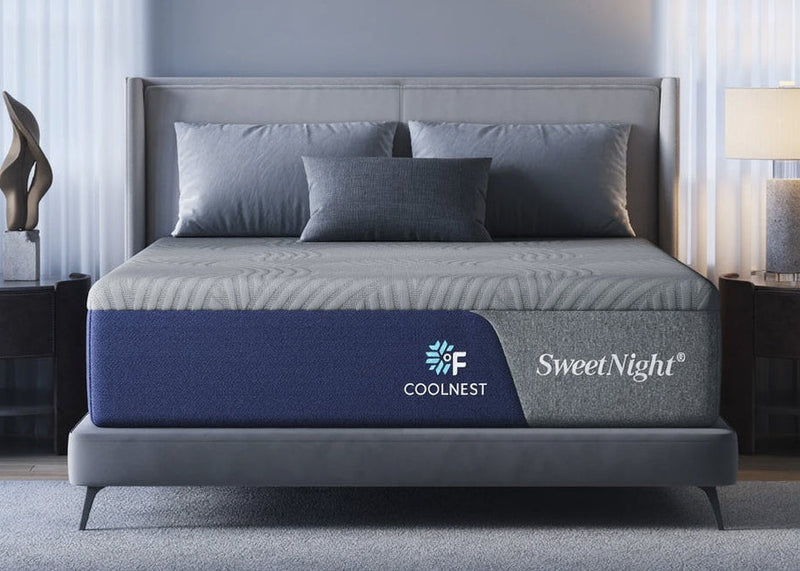
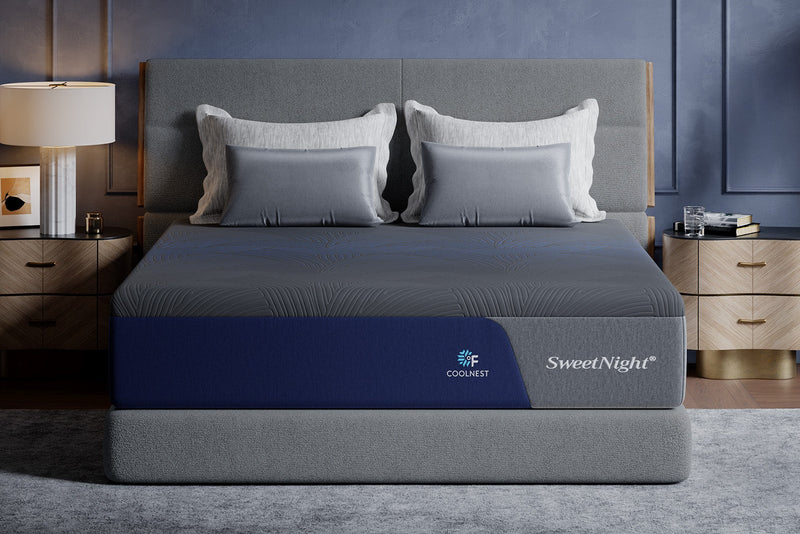
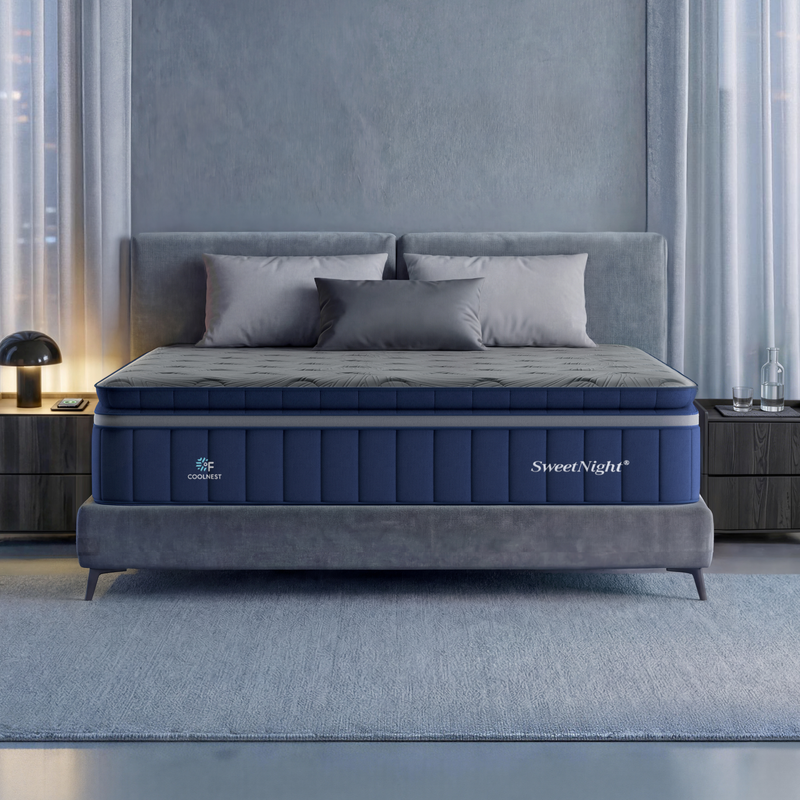
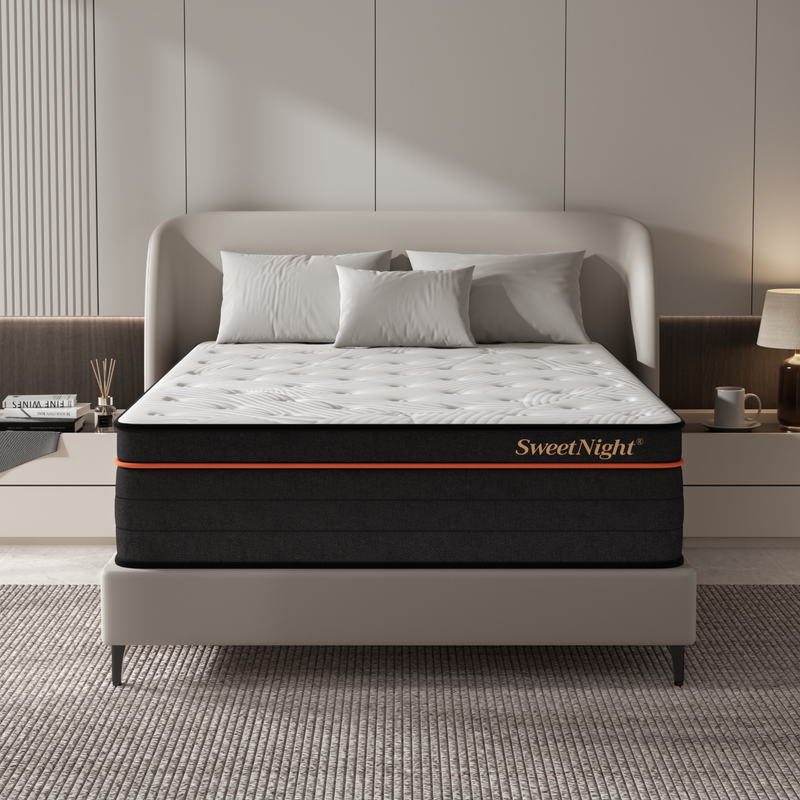
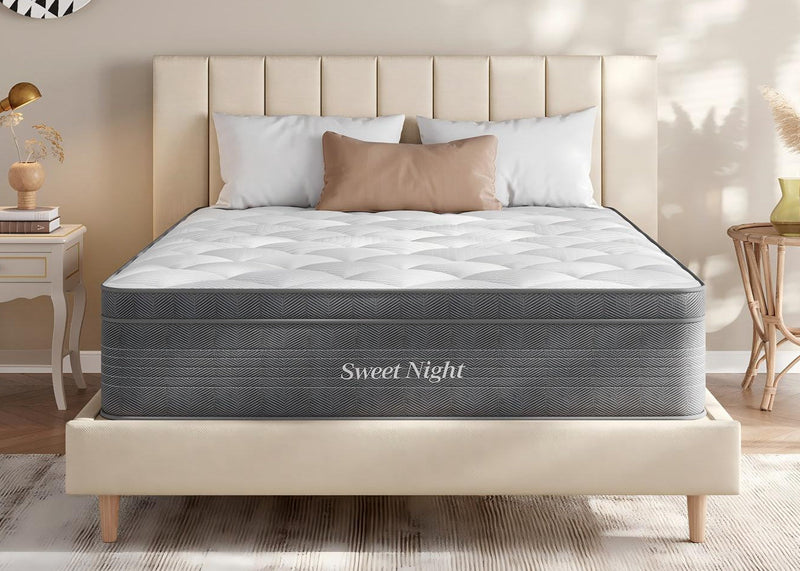
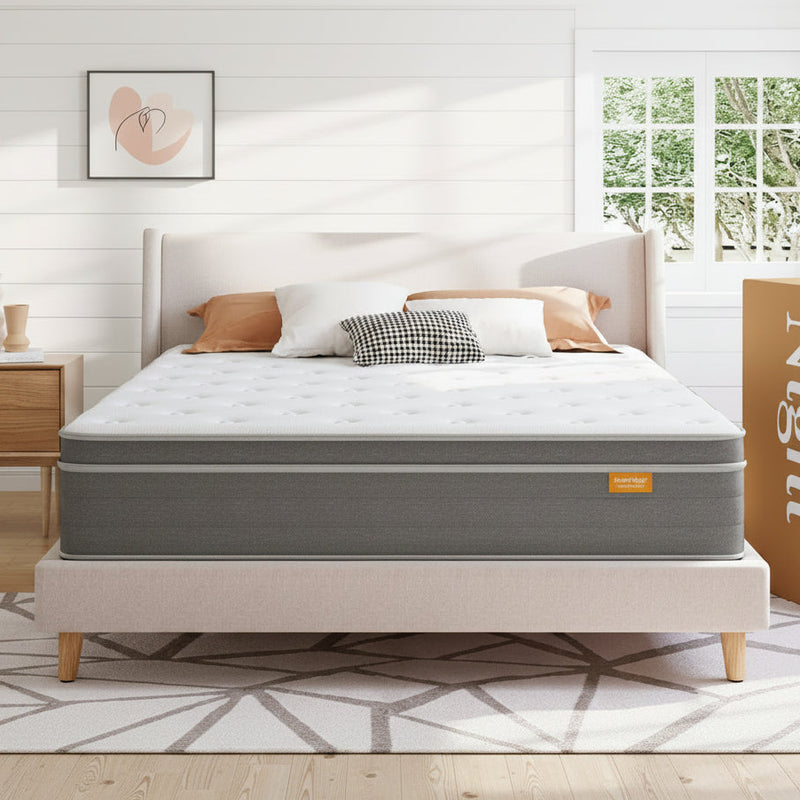
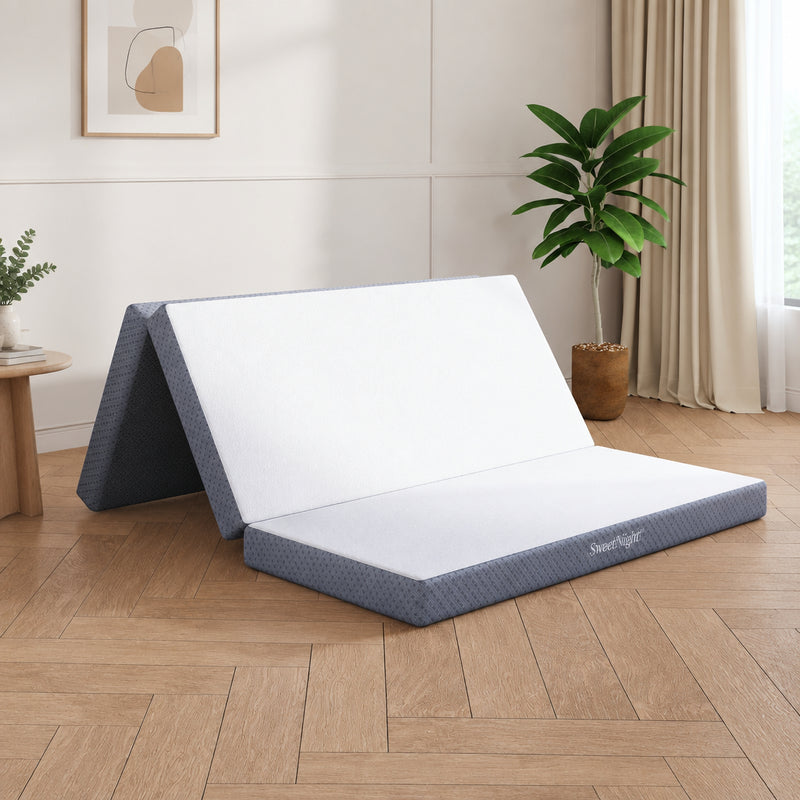
- Sleep on a cooling mattress. Traditional memory foam traps heat. A breathable, gel-infused or hybrid mattress lets air move and pulls heat away from your body. This is the single biggest upgrade for hot sleepers, because it fixes the heat source you are lying directly on top of. Our CoolNest cooling mattress pairs a gel-infused comfort layer with a breathable cover and airflow-friendly coils for exactly this reason.
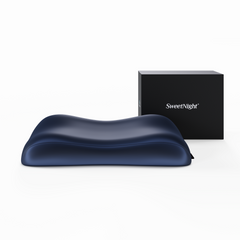
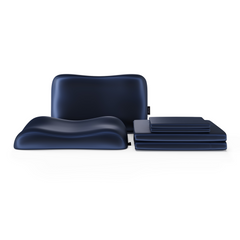
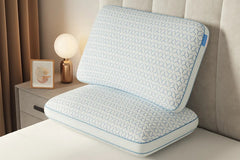
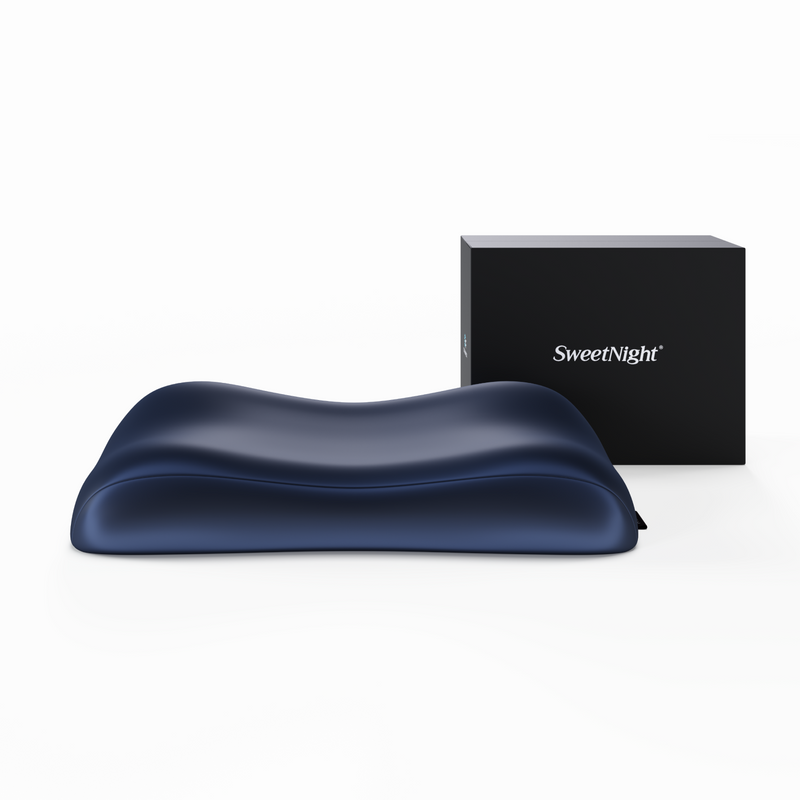
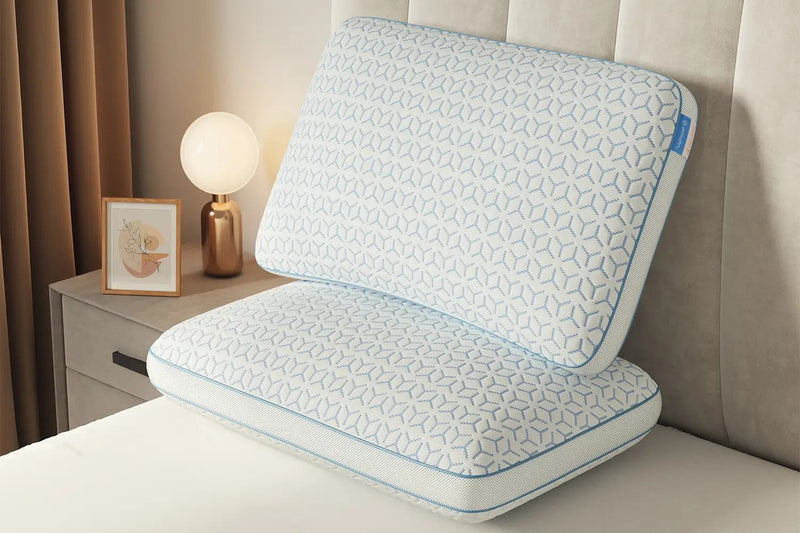
- Add a cooling pillow. Your head and neck release a lot of heat. A cooling pillow, or a memory-foam pillow with a breathable cover, keeps that contact point comfortable all night. Flipping to the cool side works, but a purpose-built cooling pillow means you never have to.
- Cool your sheets before bed. On extreme nights, seal your pillowcase or top sheet in a bag and place it in the freezer for a few minutes before you get in. It will not last all night, but it buys you the easy slide into sleep that heat usually steals.
Cool Your Body
- Wear light, loose sleepwear in natural fibers — or sleep with less. Tight synthetics trap sweat against your skin and hold heat in. A thin, moisture-wicking cotton or bamboo layer often sleeps cooler than bare skin sticking to warm sheets.
- Take a warm shower before bed. It sounds backwards, but warming up then cooling down triggers a temperature drop that signals sleep. Shower about 60 to 90 minutes before lights out for the best effect.
- Chill your pressure points. Blood runs close to the skin at the wrists, neck, temples, and the tops of the feet. A cool pack or a damp cloth on any of these for a few minutes lowers your whole-body temperature fast. Sticking one foot out from under the covers works on the same principle.
- Hydrate early, but taper off. Dehydration makes you feel hotter and disrupts sleep, so drink water through the day. Ease off in the last hour before bed so you are not up for the bathroom. Skip alcohol and heavy, spicy meals late, since both raise body heat overnight.
- Sleep solo or add space. Two bodies generate roughly twice the heat. On the worst nights, separate duvets, a wider bed, or a little distance from your partner can be the difference between sweating and sleeping.
A 30-Minute Pre-Sleep Cool-Down Routine
You do not need all twelve tips every night. Stack a few into a short routine and repeat it. Here is a simple one for a hot summer evening.
| When | Do This | Why |
|---|---|---|
| Morning | Close blackout curtains and blinds | Keeps the day's heat out of the room |
| ~1 hour before bed | Open windows, set the cross-breeze fan running | Flushes hot air, draws in cooler night air |
| ~60–90 min before bed | Take a warm shower | Triggers the core-temperature drop that starts sleep |
| ~15 min before bed | Cool pack on wrists or neck; light sleepwear on | Speeds whole-body cooling at the finish line |
| Lights out | Breathable sheets, cooling mattress and pillow | Lets your body keep shedding heat all night |
Why Your Mattress Is the Hidden Culprit
You can cool the air and change your sheets, but you still spend all night pressed against your mattress. If that surface traps heat, it quietly undoes everything else.
Dense traditional memory foam is the usual offender. It softens with body heat and wraps closely around you, which feels cozy in winter and stifling in July. The foam holds warmth against your skin and blocks airflow, so heat and moisture have nowhere to go.
Cooling mattresses solve this three ways:
- Gel-infused foam absorbs and disperses body heat instead of holding it.
- Breathable, open-cell or perforated layers let air move through the mattress rather than trapping it.
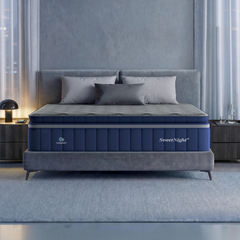
- Hybrid coil support creates channels of open space so warm air can flow out and cooler air can flow in.
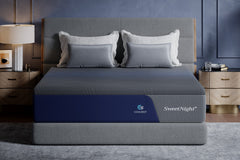
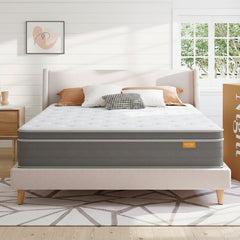
A cooling mattress will not turn a hot room cold. What it does is remove the layer of trapped heat you are lying on, which for most hot sleepers is the difference-maker. If you want to compare options built for this, browse the best cooling mattress lineup designed for hot sleepers.
☀️ Beat the Heat: SweetNight Cooling Sale Is On
Now is the smart time to fix the heat you sleep on. Our cooling mattresses, pillows, and breathable bedding are on sale during the SweetNight Cooling Sale — built for hot sleepers, backed by a 100-night trial and a 10-year warranty.
What Cools You Down — and What Does Not
Not every "cooling" trick earns its reputation. Here is an honest sort.
| Tactic | Real Impact | Notes |
|---|---|---|
| Cross-breeze fan + open window | High | Best free cooling; works even without AC. |
| Cooling mattress | High | Fixes trapped heat you cannot fix any other way. |
| Breathable cotton or bamboo bedding | Medium-High | Cheap, effective, easy to swap. |
| Warm shower 60–90 min before bed | Medium | Counterintuitive but backed by temperature science. |
| Cool pack on pressure points | Medium | Fast and targeted; effect is short-lived. |
| Cold shower right before bed | Low | Feels good briefly but can rebound and warm you up. |
| Sleeping fully nude on synthetic sheets | Low | Sweat sticks and pools; a thin wicking layer often beats it. |
When Night Sweats Are More Than Just Heat
Most overheating at night is environmental and fixable with the steps above. But if you regularly soak the sheets even in a cool room, the cause may be internal rather than the temperature. See a clinician if you have:
- Drenching night sweats that are not explained by a warm room or heavy bedding
- Night sweats with fever, unexplained weight loss, or persistent cough
- Hot flashes and disrupted sleep around perimenopause or menopause
- New night sweats after starting a medication
- Overheating alongside a racing heartbeat, anxiety, or restless legs
Hormonal changes, thyroid conditions, infections, and some medications can all raise nighttime body heat. A cool bedroom helps the symptom, but the underlying cause still deserves a look.
Frequently Asked Questions
What is the best temperature to sleep in during summer?
About 65–68°F (18–20°C). A cool room supports the natural drop in core body temperature that helps you fall and stay asleep. If you can only control one thing, control the thermostat.
How do I stay cool while sleeping without air conditioning?
Build a cross-breeze with a fan across from an open window, block daytime heat with blackout curtains, switch to breathable cotton or bamboo bedding, sleep on a cooling mattress, take a warm shower before bed, and chill your wrists or neck with a cool pack. Stacked together, these cool both the room and your body.
Do cooling mattresses actually work?
Yes, within limits. Breathable, gel-infused, and hybrid mattresses move air and pull heat away from the body far better than dense traditional memory foam. They will not cool a hot room, but they remove the trapped heat you are lying on, which is what wakes most hot sleepers.
Why do I wake up hot in the middle of the night?
Your core temperature bottoms out in the early morning, so heat that builds up under the covers becomes most noticeable then. A hot room, heat-trapping bedding, or a mattress that will not breathe all push heat back into your body just as it is trying to cool down.
Is it better to sleep with a fan on all night?
For most people, yes. A fan moves air across the skin and speeds evaporation, which cools you. If you wake with a dry throat or stiff neck, aim it to bounce off a wall rather than blow directly on you, and run it on a timer.
Does what I wear to bed matter?
Yes. Light, loose natural fibers like cotton, bamboo, or linen wick sweat and let heat escape. Tight synthetics trap it. A thin wicking layer often sleeps cooler than bare skin against warm sheets.
The Bottom Line
Staying cool while sleeping is not about one magic trick. It is about lowering two temperatures — the room's and your body's — at the same time. Set the thermostat to 65–68°F, get air moving, switch to breathable bedding, and cool your body with a warm shower and a chilled pressure point or two.
Then fix the part you cannot see. If you have done everything right and still wake up hot, the mattress is almost always the reason. A breathable, gel-infused, or hybrid surface removes the trapped heat that no amount of fan or fresh sheets can reach, and it is the upgrade hot sleepers tell us they wish they had made sooner. If you sleep on foam and want the deepest cooling we make, our newest cooling memory foam mattress that sleeps up to 11°C cooler pairs a 5-stage cooling system with 7-zone support built for hot back and side sleepers.