


















Published: July 14, 2026 · Reviewed by the SweetNight Sleep Comfort Team · 10 min read
You can spend eight hours in bed on a hot night and still wake up wrecked. That is the strange thing about heat and sleep: it does not always steal your hours, it steals the quality of them. And it does not degrade sleep evenly — heat goes after the two stages that matter most, REM and deep slow-wave sleep, and mostly leaves the shallow stages alone. This article explains the mechanism behind that, so the cooling advice everywhere else finally makes sense.
How Heat Affects Sleep: The Core-Temperature Trigger
Sleep is timed by temperature. In the evening your core body temperature begins to fall, and that decline — not darkness alone — is one of the strongest signals your brain uses to release melatonin and let sleep begin. Across the night your core keeps dropping, bottoms out in the pre-dawn hours, then climbs to wake you.
To lose that heat, your body sends warm blood to the skin and radiates it into the surrounding air. The entire system depends on one assumption: that the air around you is cooler than you are. A hot bedroom breaks that assumption. Your core cannot complete its drop, the sleep-onset signal weakens, and you lie there wired and warm. This is why "I'm exhausted but I can't fall asleep" is the signature complaint of a hot night — the tiredness is real, but the temperature trigger never fired.
Why Heat Destroys REM Sleep Specifically
Here is the part almost no consumer article explains, and it is the key to everything. Your body regulates its temperature by sweating when hot and shivering when cold — except during REM sleep, when it largely shuts that system off. In REM your brain is intensely active but your thermoregulation goes offline; for those minutes you are effectively at the mercy of the room temperature, unable to sweat or shiver your way back to balance.
That makes REM the most temperature-vulnerable stage of the night. When the room is hot and you enter REM, your body has no defense against overheating — so your brain does the protective thing and cuts REM short, pulling you into a lighter stage or briefly waking you. Do that across a whole night and you accumulate a REM deficit even if your total sleep time looks normal. Since REM is where memory consolidation, emotional processing, and learning are concentrated, a hot night's damage shows up the next day as fog, short temper, and poor recall — not just fatigue.
Deep slow-wave sleep takes a hit too, because it depends on that same core-temperature low. Heat, in short, attacks precisely the two stages you most need and cannot easily make up.
What a Hot Night Actually Does to Your Sleep
Put the mechanisms together and a warm bedroom produces a consistent signature. Here is what changes as the room heats up.
| Sleep Measure | What Heat Does | How You Feel It |
|---|---|---|
| Time to fall asleep | Lengthens — the core-temp trigger is blunted | "Tired but wired," tossing at lights-out |
| Night wakings | Increase, especially in the warmer second half | Waking at 3–4 a.m., kicking off covers |
| REM sleep | Suppressed — cut short to prevent overheating | Brain fog, moodiness, poor recall next day |
| Deep slow-wave sleep | Reduced — needs the core-temp low | Waking unrefreshed despite hours in bed |
| Sweating & movement | Rise — the backup cooling kicks in | Damp sheets, restlessness, a hot partner |
The Best Temperature for Deep Sleep
If the problem is that heat blocks your core from cooling, the fix is to give it a room that helps. For most adults that means about 65–68°F (18–20°C). This is not a wellness cliche — it is the band where your natural core-temperature drop can complete without the room fighting it.
The range shifts a little by person. Infants and older adults often do best at the warmer end. Go much below 60°F and cold itself starts to disrupt you, causing muscle tension and waking. But the direction of the error matters: most people who sleep badly are too warm, not too cold, because a hot room fails silently — you do not notice the heat blocking your REM, you just wake up tired and blame something else. If you want the practical setup to hit this range, see how to stay cool while sleeping.
Heat and Humidity: Why Muggy Nights Wreck Sleep Worse
Two nights at the same temperature can feel completely different, and humidity is why. Your most powerful cooling tool during sleep is the evaporation of sweat — as moisture leaves your skin, it carries heat with it. That process only works if the surrounding air has room to absorb more moisture.
On a humid night the air is already near saturation, so your sweat has nowhere to evaporate to. It just sits on your skin, cooling you barely at all, which is why you feel sticky and hot even when the thermometer reads a moderate number. A muggy 78°F night can shred sleep worse than a dry 84°F one. This has a practical consequence: in humid conditions, airflow (a fan to force evaporation) and a dehumidifier do more than lowering the thermostat a degree, and heavy, non-breathable bedding becomes especially punishing because it traps the humidity right against you.
☀️ Protect Your REM: Sleep on a Surface That Sheds Heat
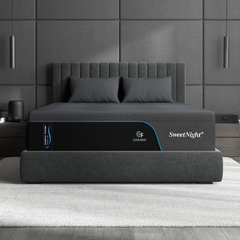
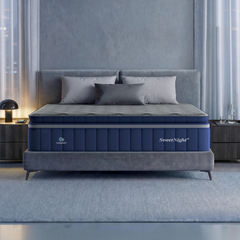
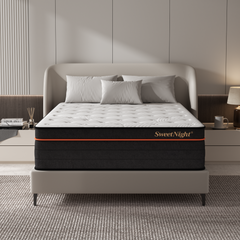
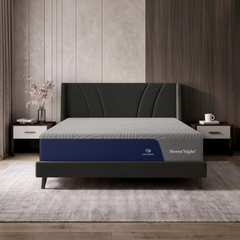
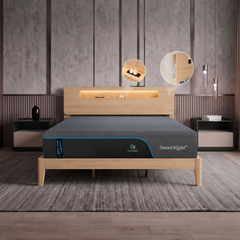
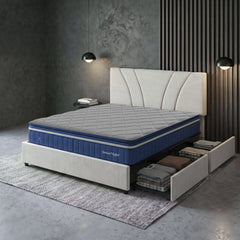
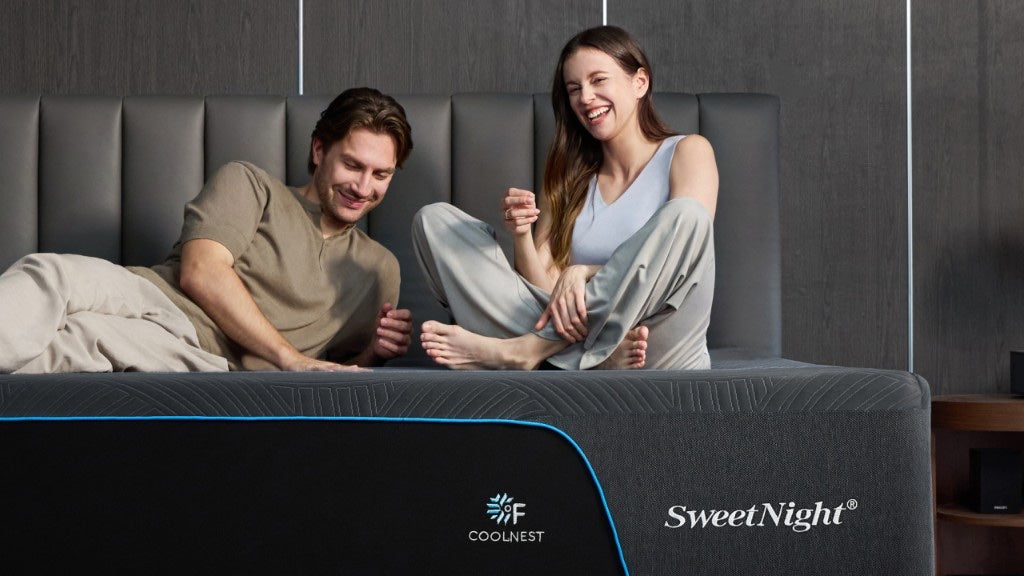
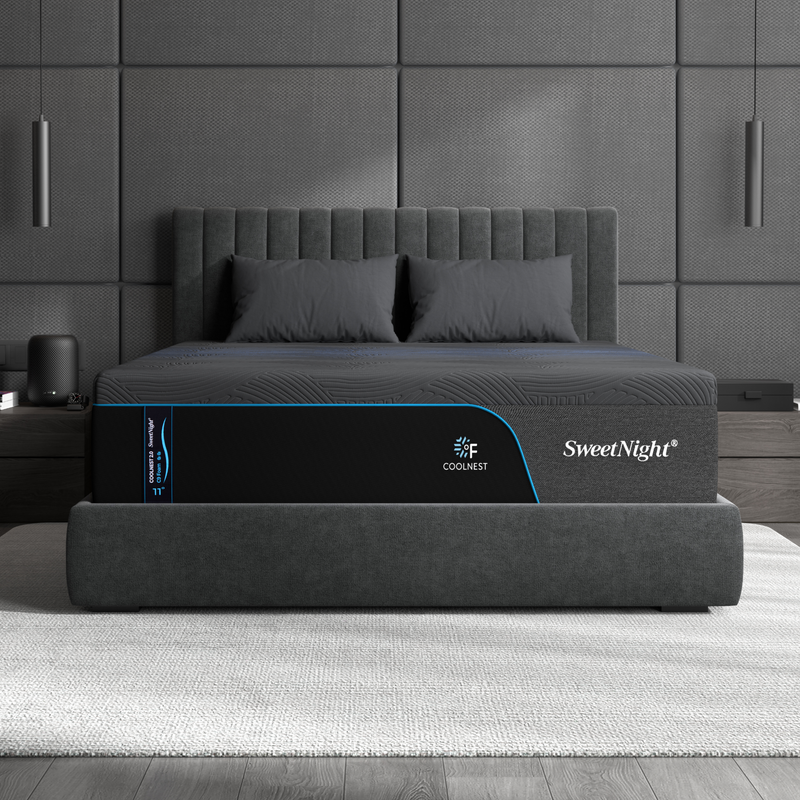
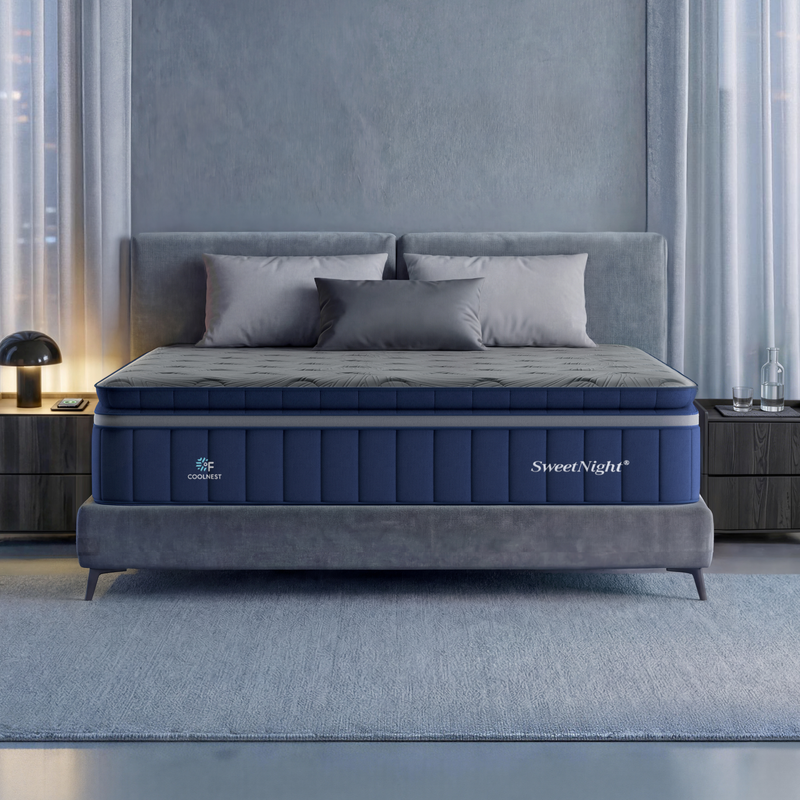
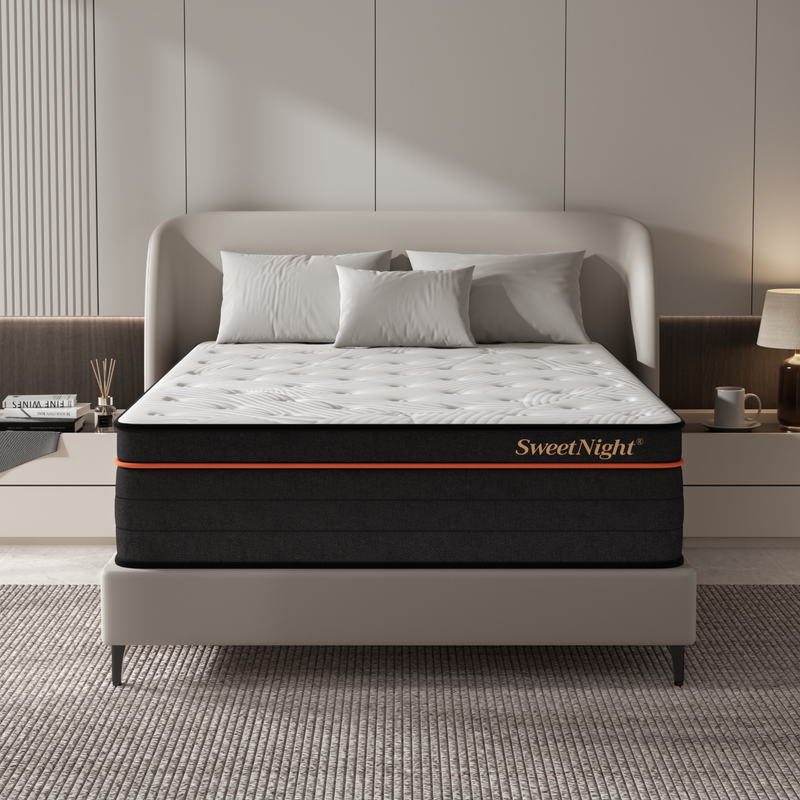
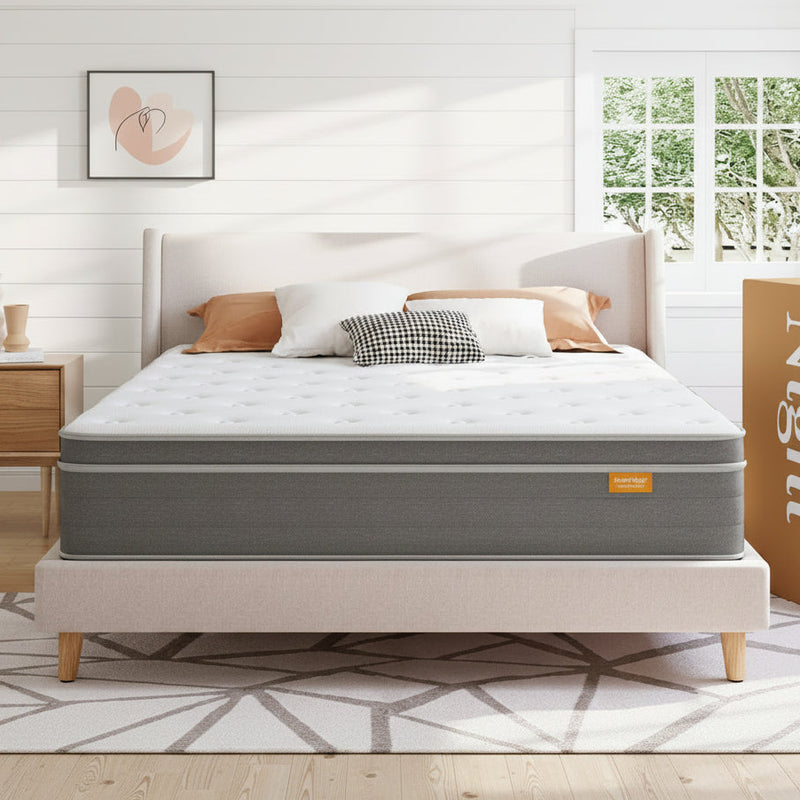
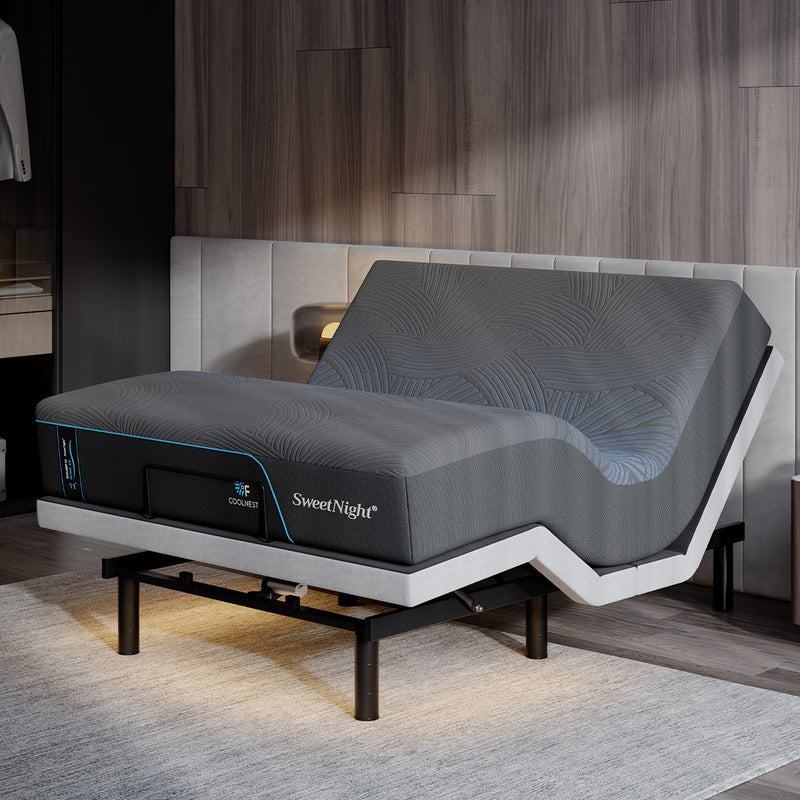
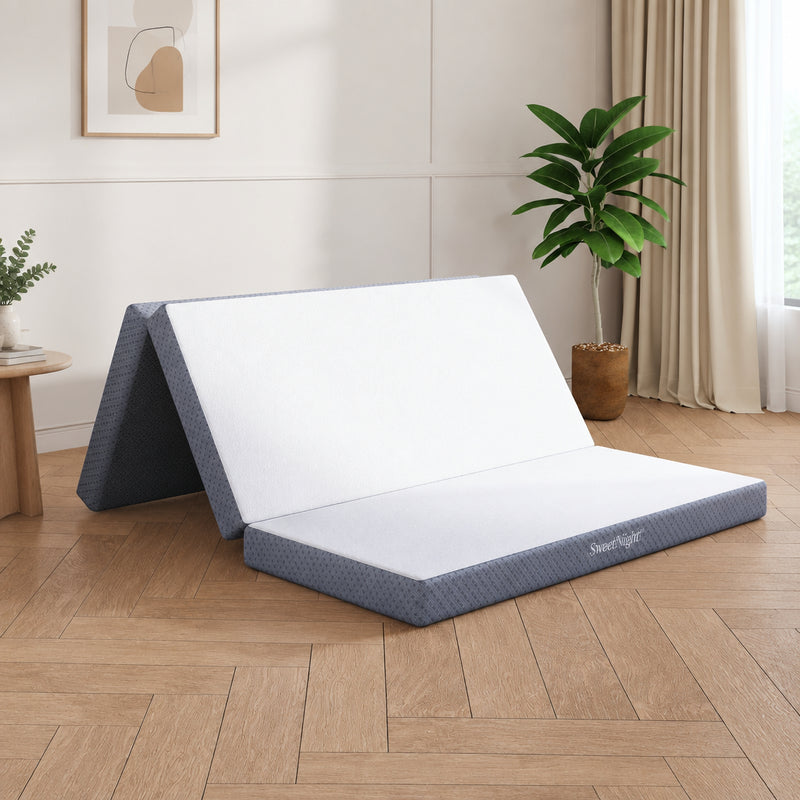
The room and bedding get all the attention, but you're pressed against your mattress for the whole night — and a heat-trapping one keeps your core from cooling exactly when REM needs it most. Our gel-infused and hybrid cooling mattresses move heat away from your body, and they're on sale now in the SweetNight Cooling Sale, with a 100-night trial and a 10-year warranty.
Why Your Mattress Sits at the Center of Sleep Temperature
You can control the air with a thermostat and the bedding with a swap, but your body is in constant contact with one surface for the entire night: the mattress. If it traps heat, it undermines the very core-temperature drop this whole article hinges on — and it does so silently, from the one place you cannot ventilate.
Traditional memory foam is the usual problem. It softens against your skin and seals warm air under your back and hips, so heat that should radiate away is banked right where your body is trying to cool. A breathable, gel-infused, or hybrid design does the opposite: gel disperses heat instead of storing it, perforated foam lets air pass, and coil channels keep air moving underneath you. The point is not marketing — it is that the mattress is a thermal surface, and on a warm night it is the one you cannot get away from. Compare surfaces built for this in the best cooling mattress range, or read whether the technology holds up in do cooling mattresses actually work.
Does Your Body Get Used to Sleeping in the Heat?
Somewhat — and knowing the limits stops you from either giving up or expecting too much. Over roughly one to two weeks of consistent heat exposure, your body acclimatizes: you start sweating earlier and more efficiently, your blood volume adjusts, and your comfortable range nudges upward a degree or two. This is why the first heatwave of the summer feels brutal and a similar one in August feels merely unpleasant.
But acclimatization is a small dial, not an override. It does not let you sleep well in a room that stays genuinely too hot, and it resets if you spend your days in air conditioning and only meet the heat at night. So it helps at the margins — it will not rescue a bedroom stuck at 80°F. The reliable move is still to cool the sleep environment rather than wait for your body to tough it out.
Frequently Asked Questions
Can you catch up on sleep lost to heat?
Partly. You can recover some deep sleep the next cool night, but REM lost to heat is harder to fully repay, and repeated hot nights build a deficit that a single good night does not erase. Consistency beats catch-up.
Why do I feel hot only in the second half of the night?
Your core temperature is at its lowest in the pre-dawn hours, which makes you most sensitive to warmth then — and in summer the bedroom has also absorbed the day's heat by that point. The two line up to hit you hardest around 3 to 5 a.m.
Is a hot bedroom worse for sleep than a cold one?
For most people, yes. A cold room is easy to feel and fix with a blanket. A hot room fails invisibly — it suppresses REM and deep sleep without an obvious signal — so it tends to do more unnoticed damage.
Does heat affect children's and older adults' sleep more?
Yes. Both regulate temperature less efficiently than healthy adults, so they are more vulnerable to a hot room and should be prioritized for the coolest sleeping space during hot spells.
The Bottom Line
Heat does not just make sleep uncomfortable — it dismantles its most valuable parts. By blocking your core-temperature drop and leaving REM defenseless, a hot room quietly strips out the restorative stages and hands you a full night that repairs almost nothing. The fix follows directly from the mechanism: give your body a cool room (65–68°F), manage humidity so sweat can evaporate, and remove the heat-trapping surface underneath you. Do that and your core can finally fall the way sleep requires.
Keep reading: How to stay cool while sleeping · How to sleep in a heatwave · Night sweats: causes & how to stop them.