Why Shoulder Pressure Is Common Among Side Sleepers
Published: May 9, 2026 · Reviewed by the SweetNight Sleep Comfort Team · 9 min read
Quick Answer
Side sleepers wake up with shoulder pain because one shoulder joint absorbs almost all of the upper body's weight for hours at a time. A mattress that is too firm leaves the shoulder elevated and the spine bent. A mattress that is too soft lets the hip sink and the shoulder roll forward. Either way, the rotator cuff gets compressed and the lower back is pulled out of alignment. Fixing the surface usually fixes both the shoulder pain and the back pain together.
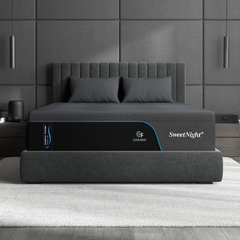
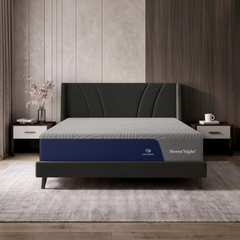
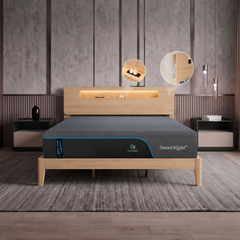
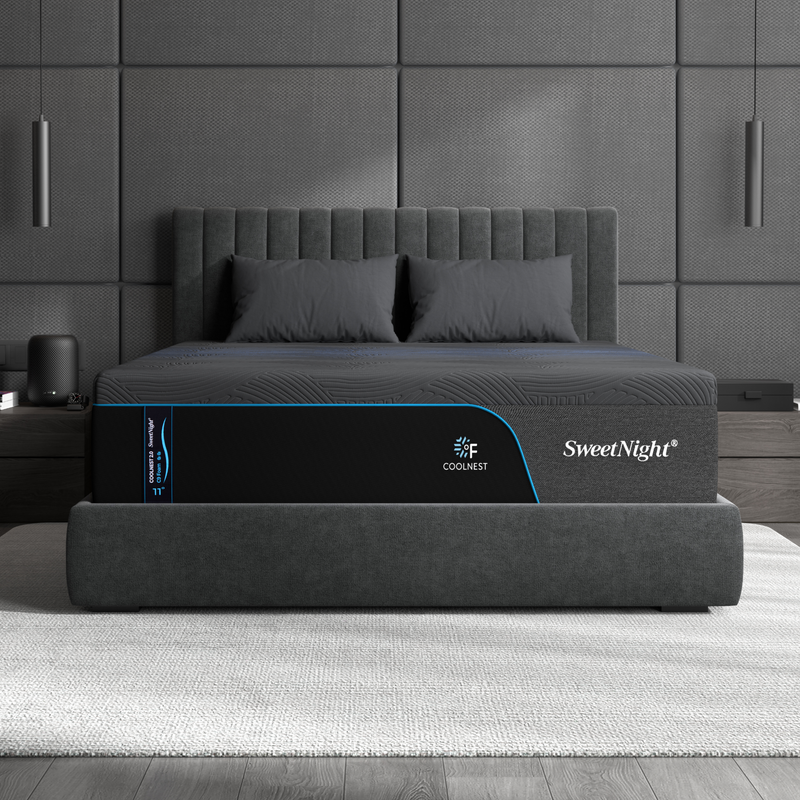
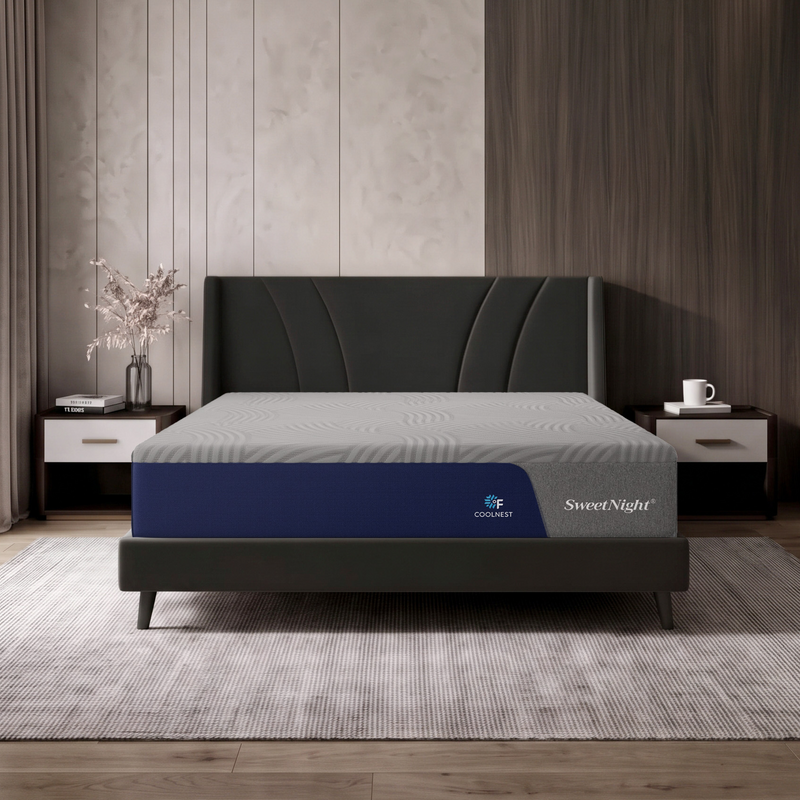
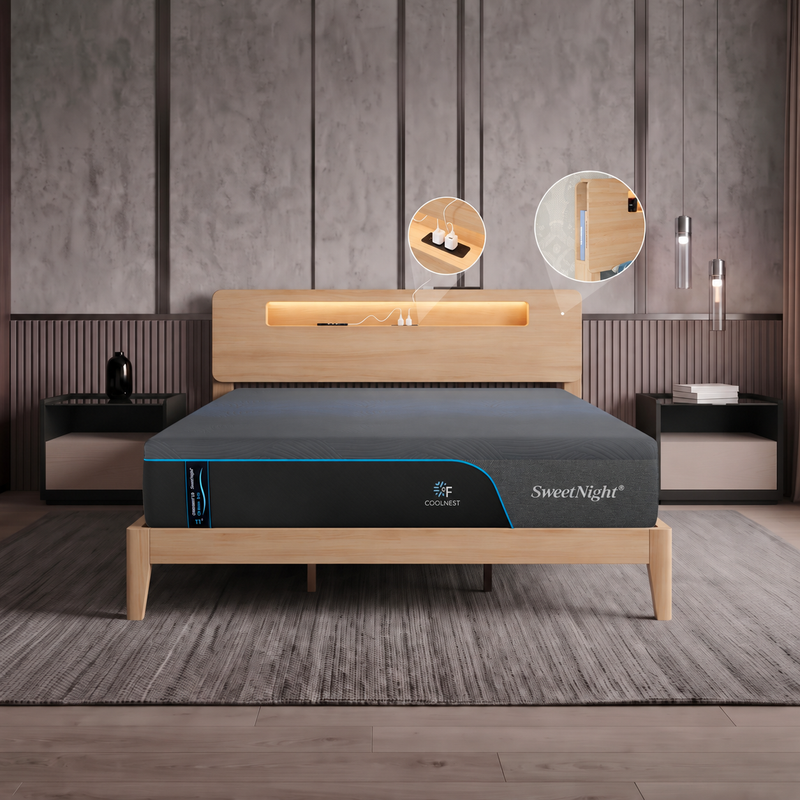
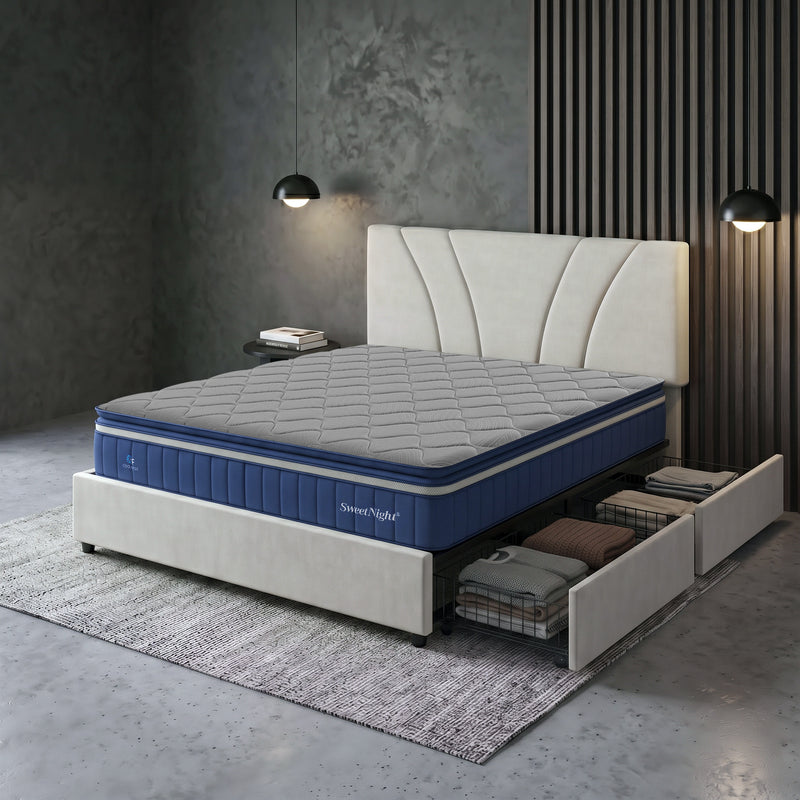
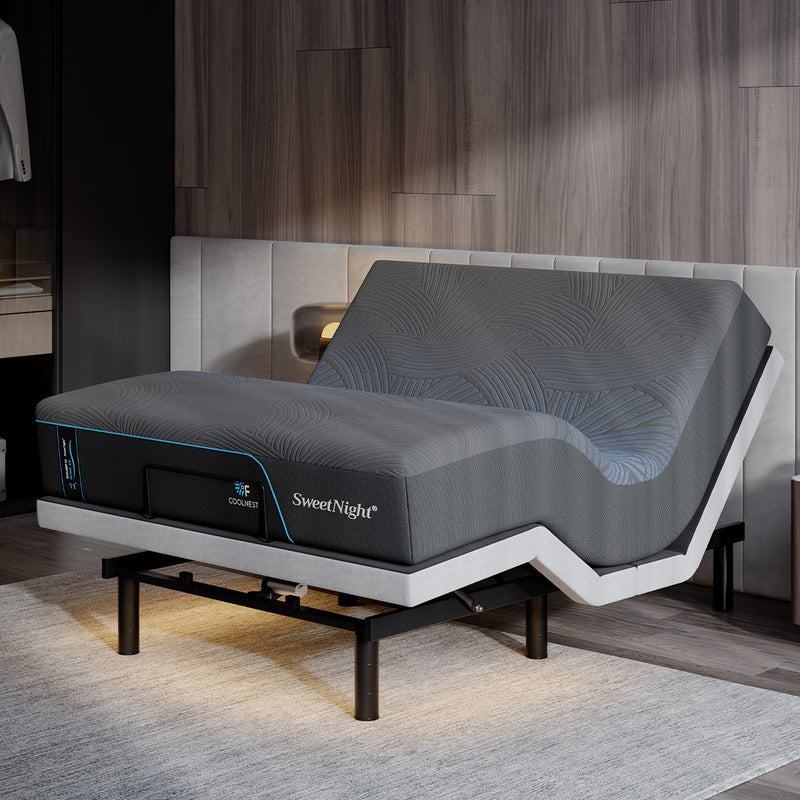
If your mattress is part of the problem, here's how the CoolNest® range splits:
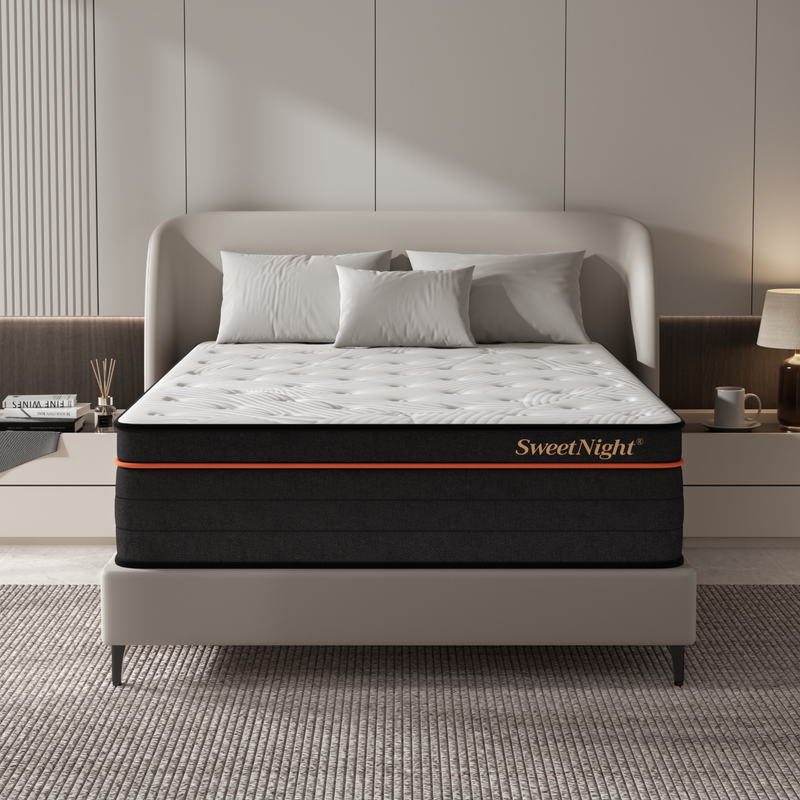
CoolNest® Hybrid Mattress: pocketed coils under a DuoSense™ pillow top. Pick this one if you want bounce, firm edges and less partner motion.
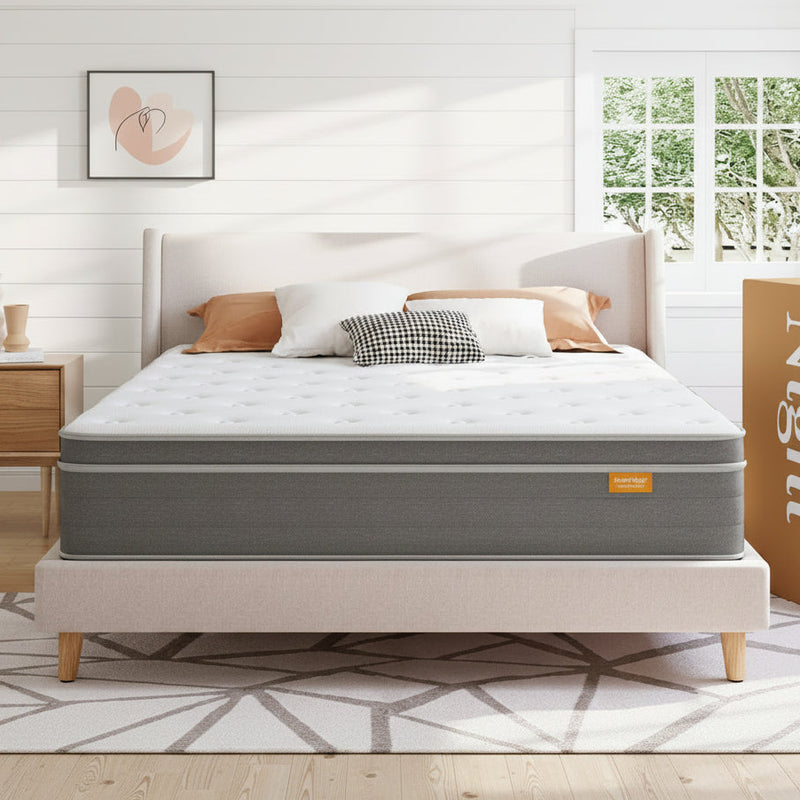
CoolNest® Memory Foam Mattress: the lowest-priced model in the range, all-foam with 5-zone support and a breathable 3D-woven cover.
CoolNest® Pro and CoolNest® Ultra: the step-up foam models, with PCMflux® temperature-regulating foam and 7-zone support. Ultra adds AirMesh™ foam and feels up to 11° cooler.
About 60% of adults sleep mainly on their side, making side sleeping the most common position and the highest-risk position for shoulder pain.
The same mattress causing back pain in a side sleeper is usually the mattress causing shoulder pain. They share one root cause: spinal misalignment.
The ideal mattress for a side sleeper is medium to medium-soft (4 to 6 out of 10) with at least 2 inches of pressure-relieving comfort material on top.
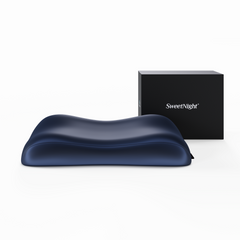
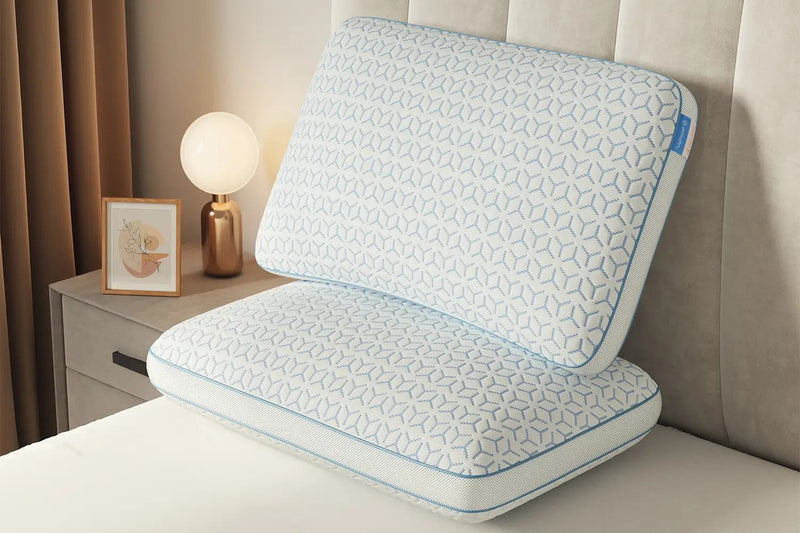
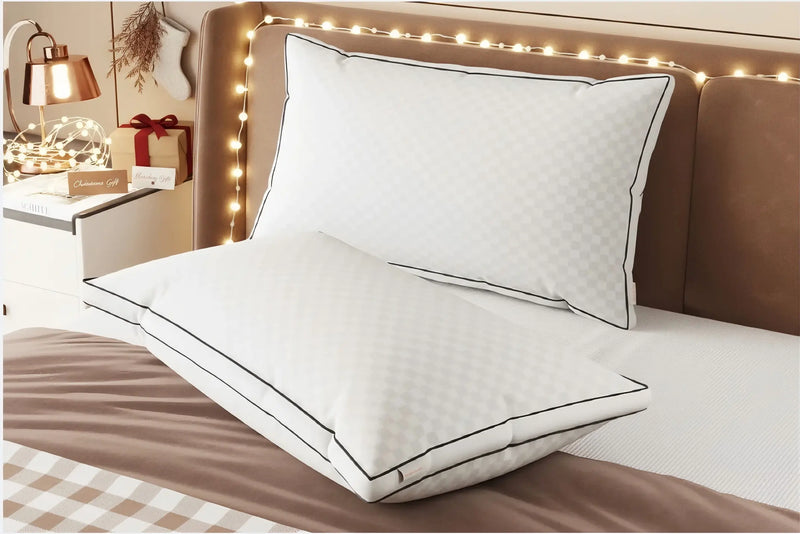
A pillow that fills the gap between the ear and the outer shoulder is essential. Most side sleepers need 4 to 6 inches of loft.
If the morning ache fades within an hour of getting up, the mattress is the most likely cause.
What Causes Shoulder Pain in Side Sleepers?
Side sleeping funnels weight into two narrow contact points: the shoulder and the hip. The shoulder takes the harder hit because it has less natural padding than the hip and because the joint itself is small and mobile.
When the mattress fails to absorb that load, four things happen overnight:
Rotator cuff tissues are compressed for hours.
Blood flow to the upper arm is reduced, producing the classic "dead arm" sensation.
The cervical and thoracic spine bend sideways.
Pain radiates from the shoulder into the neck and lower back.
The result is a tight, sore, and sometimes tingling shoulder by morning. In severe cases the pain refers down the arm or up into the jaw.
How Does a Mattress Cause Both Back Pain and Shoulder Pain?
People often assume shoulder pain is a muscle problem. In a sleep context, it is usually a surface problem. Here is how a poor mattress creates pain overnight.
1. The mattress is too firm
A firm mattress refuses to cradle the shoulder. The joint stays elevated, the head tilts down, and the spine bends like a banana. After six to eight hours, the muscles around the shoulder blade are locked in a stretched position. You wake sore.
2. The mattress is too soft
A mattress that is too soft swallows the shoulder but also lets the hip sink deeper. The spine sags. The shoulder rolls forward and pinches the rotator cuff. This is the same misalignment that turns a mattress causing back pain into a full upper-body problem.
3. The comfort layer is worn out
Foam compresses with use. After five to seven years, most mattresses lose top-layer responsiveness. The shoulder no longer floats; it bottoms out onto the firmer support layer below. You feel this as a dull ache by morning.
4. The mattress sleeps hot
Heat tightens muscles. A trapped, sweaty shoulder cannot relax fully. Cooler surfaces consistently report fewer pressure-point complaints in user feedback.
Where Does Pressure Actually Build Up by Sleep Position?
Sleep posture changes the pressure map of the body. The table below summarizes where the load lands and the pain patterns we see most often.
Sleep Position
Main Pressure Points
Typical Pain Reported
Spine Alignment Risk
Side sleeper
Shoulder, hip, ear
Shoulder pain, neck stiffness, lower back ache
High if mattress is too firm
Back sleeper
Lower back, sacrum, head
Lumbar pain, sciatica
Moderate if lumbar gap is unsupported
Stomach sleeper
Pelvis, neck, chest
Lower back pain, neck rotation pain
Very high in any soft mattress
Combination sleeper
Varies by position
Mixed shoulder, back, and neck pain
Depends on mattress responsiveness
Why Do Shoulder Pain and Lower Back Pain Show Up Together?
Side sleepers rarely feel pain in just one spot. The shoulder and the lumbar region are connected through the spine. When the shoulder is unsupported, the upper body twists. The twist passes through the mid-back and lands in the lower back. This is why a mattress causing back pain is so often the same mattress causing shoulder pain.
If you wake up with both, do not treat them separately. Treat the surface.
For a deeper look at lumbar support and how to evaluate firmness for back pain, see our guide on the best mattress for lower back pain.
Who Is Most Affected: Side, Back, Stomach, or Combination Sleepers?
Side sleepers
The highest-risk group. They need a medium or medium-soft surface with a contouring comfort layer. Memory foam, gel-infused foam, and hybrid designs with a plush top tend to perform best.
Back sleepers
Less prone to shoulder pain, but it can develop if the pillow is too tall and pushes the shoulder forward all night. Back sleepers usually report lumbar pain first.
Stomach sleepers
Shoulder pain shows up in stomach sleepers when one arm is tucked under the pillow. The shoulder rotates outward for hours. A thinner pillow and a firmer mattress reduce the strain. Most sleep experts still recommend transitioning away from stomach sleeping when possible.
Combination sleepers
The trickiest group. They flip from side to back to stomach throughout the night. They need a responsive mattress that adjusts quickly when the body shifts. Slow-recovery memory foam can trap them in a bad position. A hybrid with latex or pocketed coils responds faster.
What Is the Correct Sleep Setup for a Side Sleeper?
Most shoulder pain can be fixed by adjusting four things. Treat this as a checklist.
Mattress firmness: Aim for a 4 to 6 on a 10-point firmness scale.
Comfort layer depth: At least 2 inches of pressure-relieving foam or latex on top.
Pillow height: Tall enough to fill the gap between the ear and the outer shoulder. Most side sleepers need 4 to 6 inches.
Knee pillow: A small pillow between the knees keeps the hips stacked and unloads the lower back.
Recommended Firmness by Body Weight
Body Weight
Recommended Firmness for Side Sleeping
Why
Under 130 lb
Soft to medium-soft (3–5)
Lighter bodies need more contouring to relieve the shoulder.
130–230 lb
Medium (5–6)
Balanced cradle and support for the average frame.
Over 230 lb
Medium-firm with deep comfort layer (6–7)
Heavier bodies need stronger support to prevent sagging.
How Do You Know If Your Mattress Is the Problem?
Not every shoulder ache is a mattress issue. But if any of these match your experience, the surface is very likely the cause.
Pain is worst in the morning and eases within an hour of getting up.
Pain feels different in a hotel bed or guest room.
You can see a visible dip or impression in your mattress.
The mattress is more than 7 years old.
You wake several times to flip from one side to the other.
Which Stretches Help in the Short Term?
While you evaluate your mattress, these gentle stretches can ease the morning ache. Hold each for 20 to 30 seconds.
Doorway chest stretch: Opens the front of the shoulder.
Cross-body shoulder stretch: Releases the rear deltoid.
Cat-cow: Mobilizes the spine after a stiff night.
Child's pose with side reach: Lengthens the lats and the side ribs.
These help the muscle. They do not fix a misaligned spine. The mattress still has to do its job.
When Should You See a Doctor?
Most shoulder pain from side sleeping resolves within a few weeks once the sleep surface is corrected. Some symptoms are not mattress problems and should be evaluated by a clinician. See a doctor promptly if you experience any of the following:
Sharp pain that wakes you from sleep more than once a week
Numbness, tingling, or weakness that travels down the arm or into the hand
Loss of range of motion, such as difficulty raising the arm overhead
Visible swelling, redness, or warmth around the joint
Pain that follows a fall or other injury
Shoulder pain combined with chest pressure, jaw pain, or shortness of breath, which can signal a cardiac event
Conditions such as rotator cuff tears, frozen shoulder, cervical radiculopathy, and bursitis can mimic mattress-related shoulder pain but require medical care.
What Should You Look For When You Replace Your Mattress?
If you have decided the bed is the source of the pain, focus on the features below. Side sleepers and people with chronic back pain need almost the same checklist.
Feature
Why It Matters for Shoulders and Back
Zoned support
Softer at the shoulder zone, firmer at the lumbar zone, so the spine stays neutral.
Hybrid construction
Pocketed coils respond fast for combination sleepers and reduce motion transfer.
Pressure-relief foam
Distributes the load across the shoulder instead of concentrating it.
Cooling cover
Lower surface temperature relaxes muscle tension overnight.
Long sleep trial
The body needs 2 to 4 weeks to adjust; a 100-night trial protects you.
If you are ready to upgrade, consider a back pain support mattress built with zoned coils and a pressure-relieving comfort layer. These models are engineered to cradle the shoulder while keeping the lumbar spine flat, which is the exact combination side sleepers need.
Frequently Asked Questions
Can a pillow alone fix shoulder pain?
Sometimes, if the mattress is otherwise fine. A taller pillow fills the shoulder-to-ear gap and reduces sideways spinal bend. But if the mattress refuses to cradle the shoulder, no pillow can compensate.
Is memory foam or hybrid better for side sleepers with shoulder pain?
Both can work. Memory foam offers deeper pressure relief and is gentler on a sore joint. Hybrids respond faster, sleep cooler, and suit combination sleepers better. If you flip positions often, lean hybrid. If you stay on one side all night, memory foam is hard to beat.
How long until a new mattress fixes my shoulder pain?
Most users notice a change within 2 weeks. Full muscle recovery and posture adjustment take about 30 days. If pain persists past 60 days on a correctly chosen mattress, see a clinician.
Should stomach sleepers worry about shoulder pain too?
Yes, especially if they tuck an arm under the pillow. The rotated shoulder position strains the rotator cuff. A thinner pillow and a firmer surface help. Switching toward back or side sleeping helps more.
Can a mattress topper buy me time?
A 2 to 3 inch foam or latex topper can ease shoulder pressure on a too-firm mattress. It will not save a sagging or worn-out one. If you can see a dip, a topper just hides it.
Glossary: Sleep & Mattress Terms Used in This Article
Neutral spine
The natural S-curve of the spine, preserved when shoulders, hips, and ears stay aligned during sleep.
Pressure point
A concentrated load on a small area of the body, such as the shoulder or hip, when lying on a mattress.
Comfort layer
The top section of a mattress, usually foam or latex, designed to cushion the body and relieve pressure.
Support core
The base of a mattress, typically high-density foam or pocketed coils, that prevents the body from sinking too far.
Zoned support
A mattress design with different firmness levels in different areas, softer at the shoulder and firmer at the lumbar zone.
Pocketed coils
Individually wrapped springs that move independently to contour to the body and limit motion transfer.
Rotator cuff
A group of four muscles and tendons that stabilize the shoulder joint. Often compressed in side sleepers on poor surfaces.
Combination sleeper
A person who regularly changes positions during the night, typically alternating between side, back, and stomach.
The Bottom Line
Side sleeping is healthy. Shoulder pain is not. The single biggest factor between the two is the mattress. A surface that cradles the shoulder, supports the lumbar spine, and stays cool will solve most cases of overnight shoulder pressure, and it will quietly fix the lower back pain that often comes with it.
If you have been waking up sore for weeks, do not write it off as age or a long workout. Look at the bed. The fix is usually right under you.