











Published: July 14, 2026 · Reviewed by the SweetNight Sleep Comfort Team · 8 min read
Menopause night sweats do not feel like a hot room. They arrive as a wave — a sudden flush of heat, a burst of sweat, then a clammy chill — and they can hit several times a night, shredding sleep even when the bedroom is cool. Understanding why they come in waves, and what you actually control, is the difference between fighting them blindly and taking most of their power away.
Why Menopause Causes Night Sweats: The Estrogen Thermostat
The trigger is estrogen, and the target is a tiny region of your brain called the hypothalamus — your body's thermostat. Estrogen helps set the thermoneutral zone, the comfortable band of body temperature your brain treats as "fine." As estrogen falls and fluctuates through perimenopause and menopause, that band narrows dramatically.
Now a completely normal rise in body heat — the kind you would never notice before — crosses the line and reads as too hot. Your brain responds with an emergency cool-down: it dilates the blood vessels near your skin (the flush), triggers sweating, and sometimes speeds your heart. You are sweating hard to fix an overheating problem that does not really exist. At night, this fires while you sleep, soaks you, and the sweat-then-chill cycle jolts you awake. That is a menopause night sweat.
Perimenopause vs. Menopause Night Sweats: What's Different
They share the same mechanism but behave differently in timing.
| Perimenopause | Menopause & After | |
|---|---|---|
| Estrogen pattern | Fluctuating, unpredictable swings | Sustained low level |
| When | Often years before periods stop | After 12 months without a period |
| Feel | Erratic — some nights fine, some drenching | More consistent night to night |
| Other signs | Irregular periods, mood shifts | Periods stopped, sweats may persist for years |
The cooling strategy is identical for both, because you are always working against the same narrowed thermoneutral zone.
How to Sleep Through Menopause Night Sweats
You cannot out-argue a hormone, but every wave starts from a baseline temperature — and the baseline is entirely yours to lower. Drop it, and each flash begins cooler, peaks lower, and passes faster, so fewer of them fully wake you.
- Set the room to 65–68°F. A cool room gives each flush somewhere to shed heat fast. See the optimal sleeping temperature.
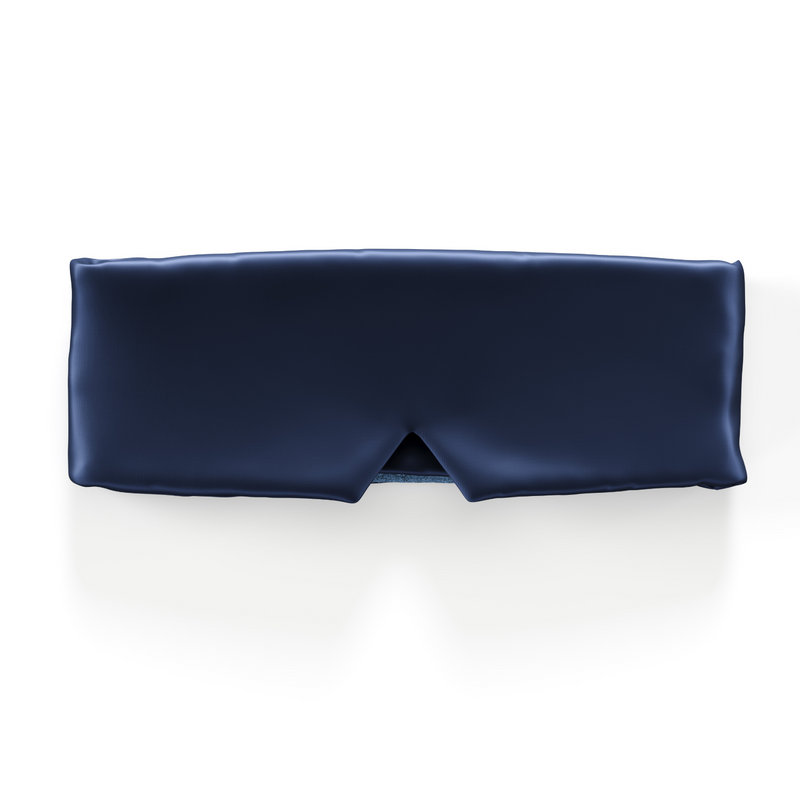
- Wear moisture-wicking sleepwear. It pulls the sweat off your skin before the post-flush chill sets in — the chill is often what actually wakes you.
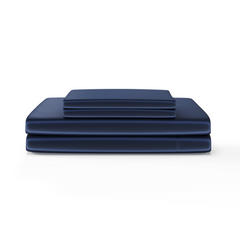
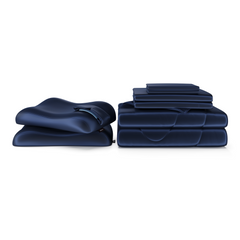
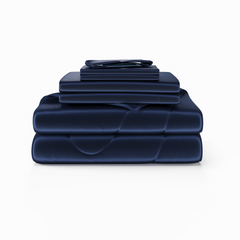
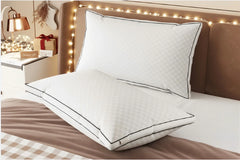
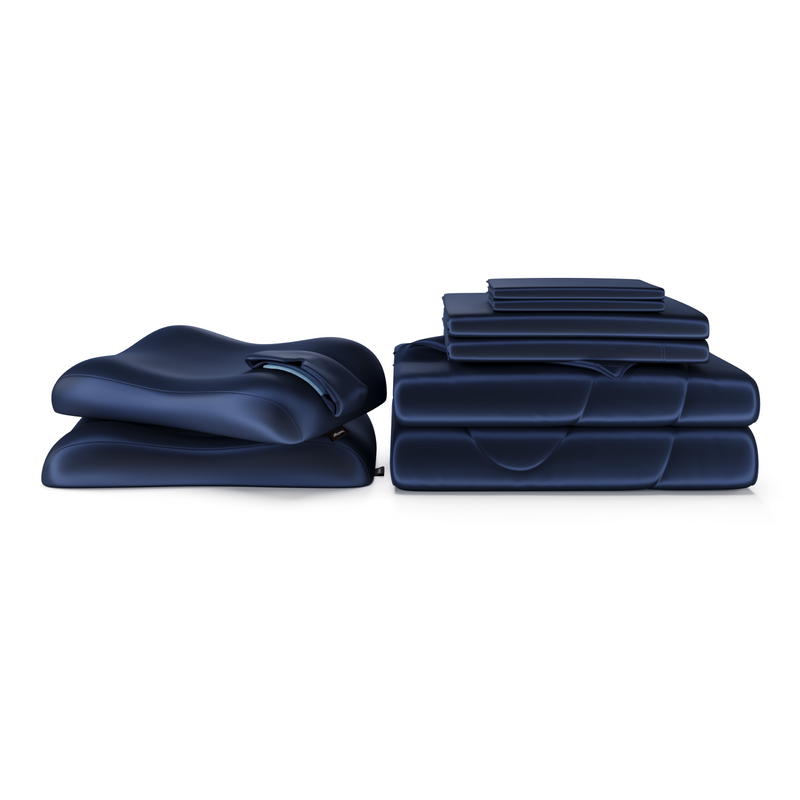
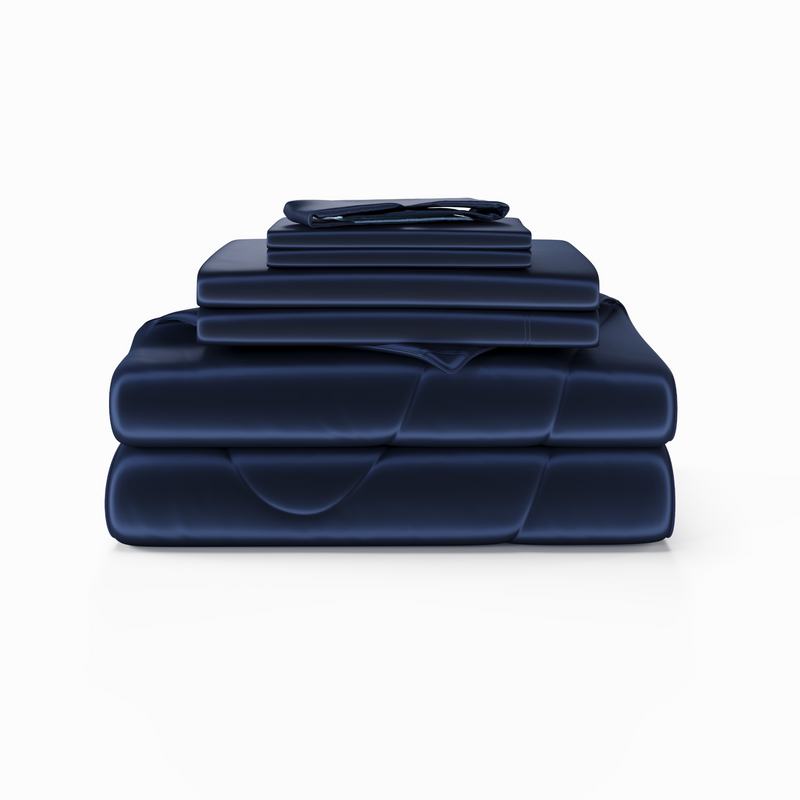
- Layer breathable bedding you can shed. Separate light layers let you dump heat mid-wave without fully waking to wrestle a duvet.
- Keep a cool pack and water at the bedside. A cold pack on the wrists or neck shortens a wave; sipping water replaces what you lose.
- Sleep on a surface that does not trap heat. A heat-sealing mattress raises your baseline all night — the opposite of what you need.
- Trim the triggers. Alcohol, caffeine, spicy food, and stress late in the day can all set off flashes. Ease them in the evening.
☀️ Lower Your Baseline: Cooling Bedding for Menopause Sleep
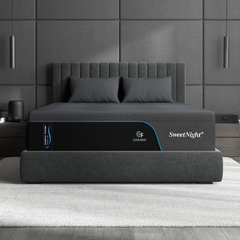
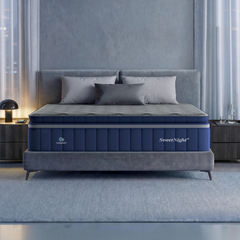
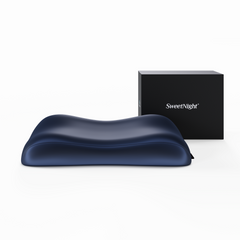
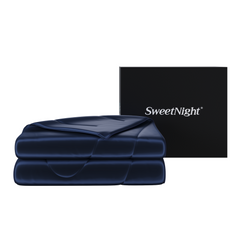
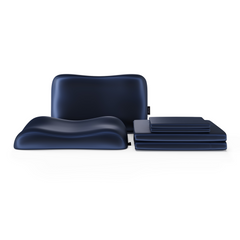
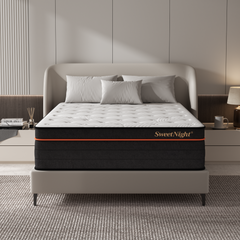
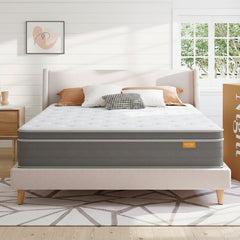
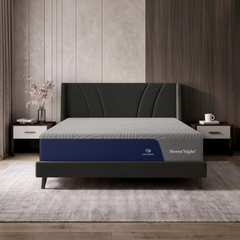
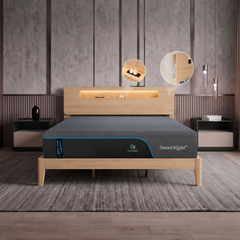
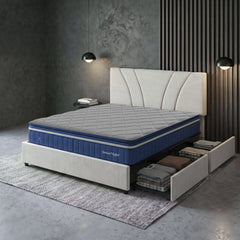
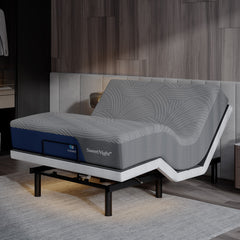
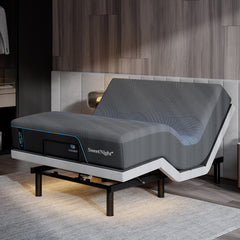
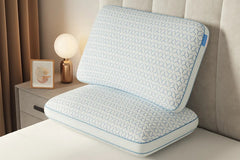
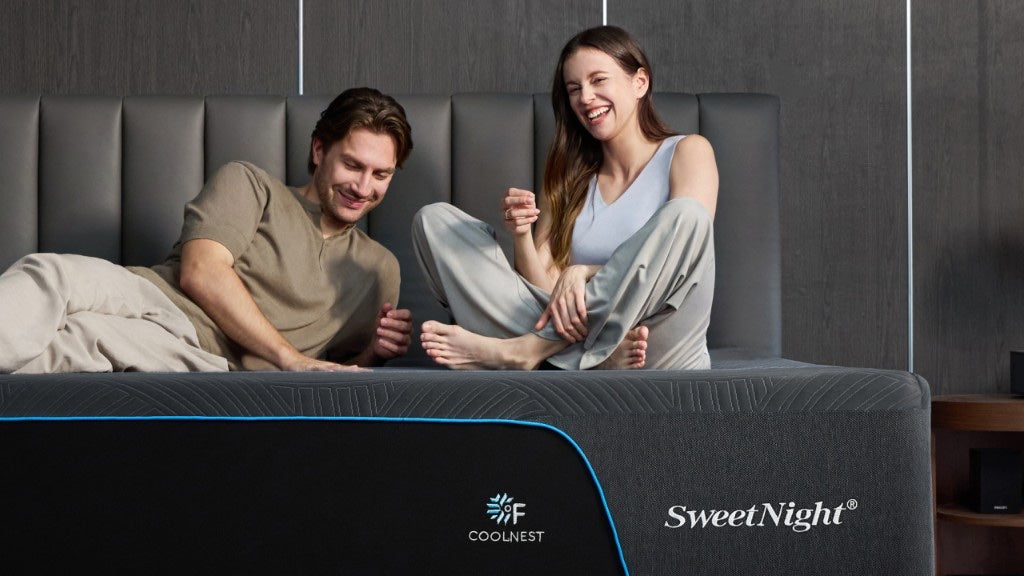
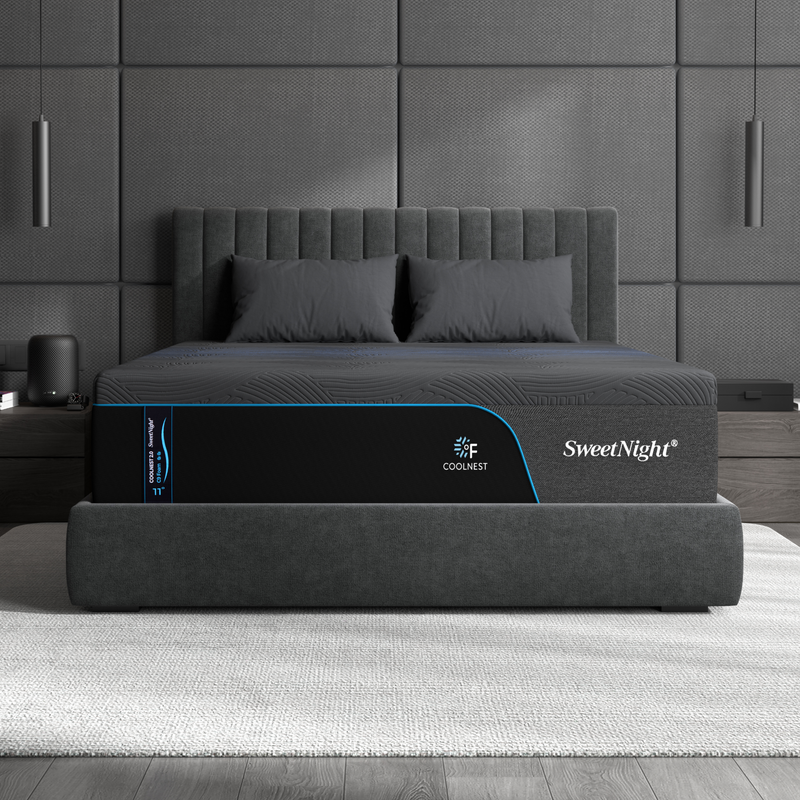
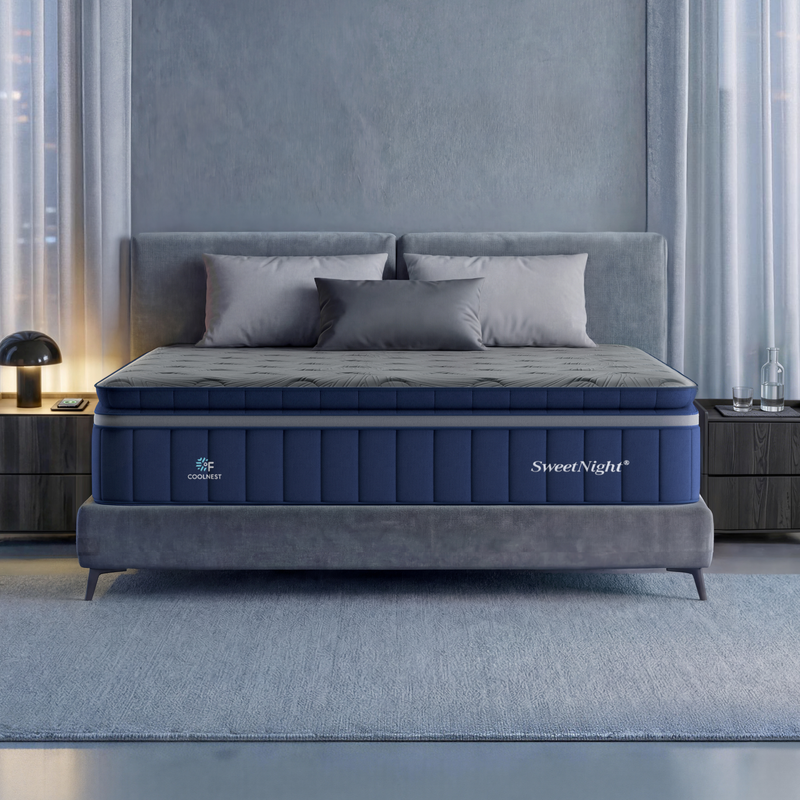
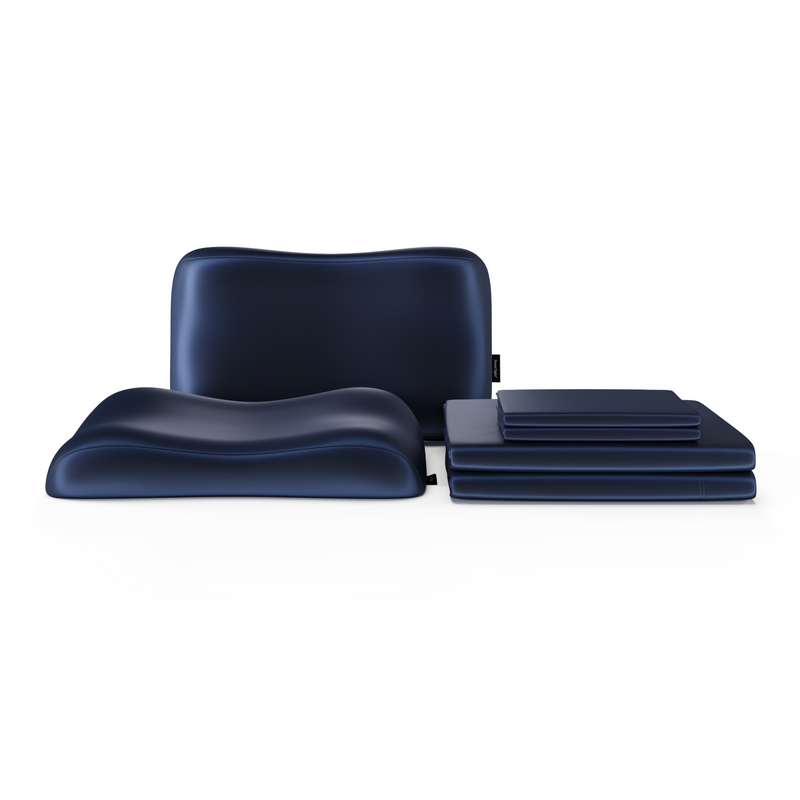
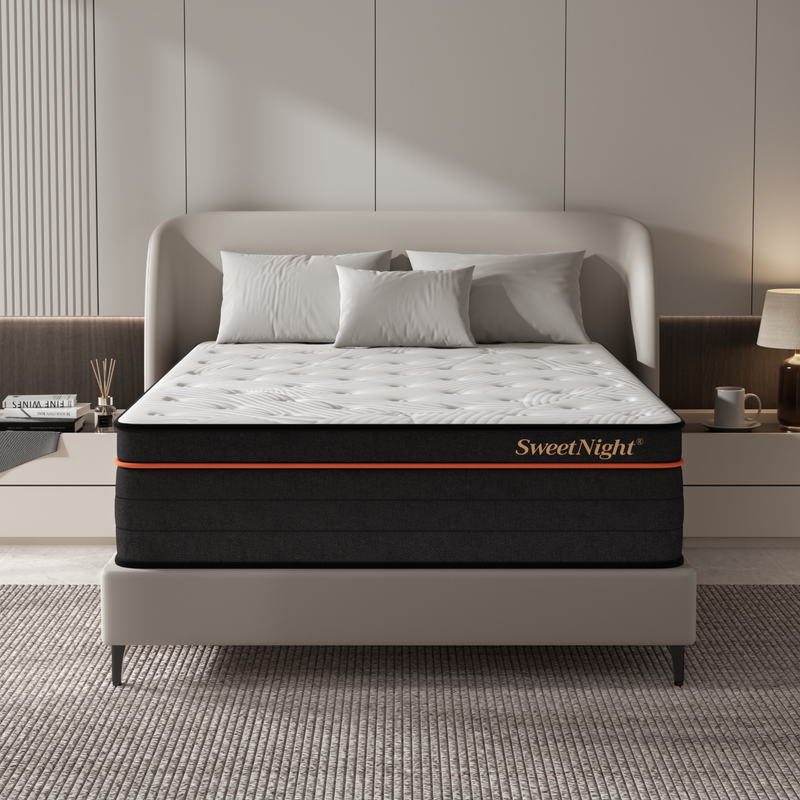
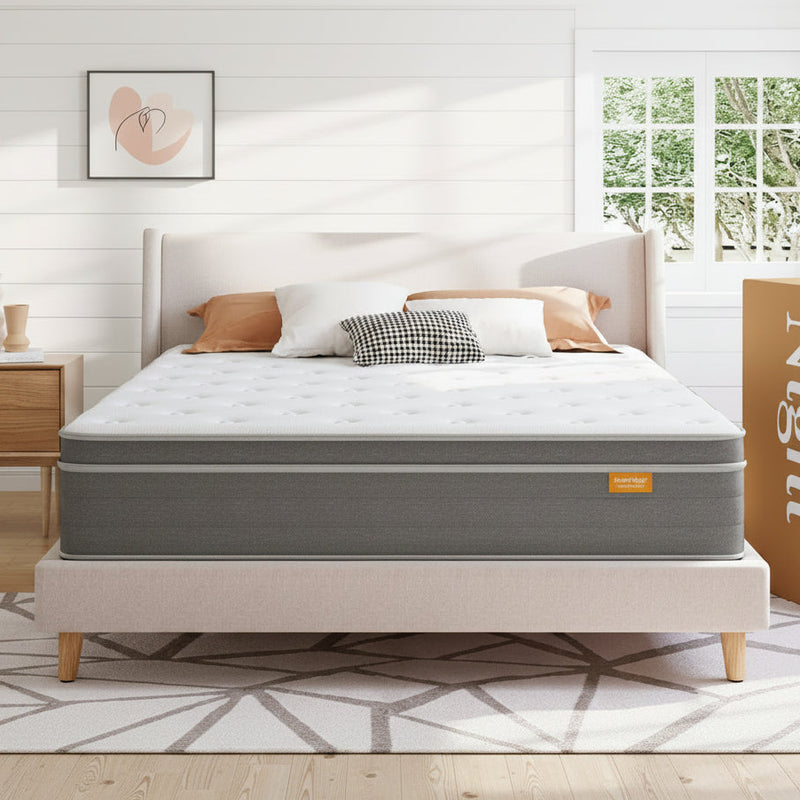
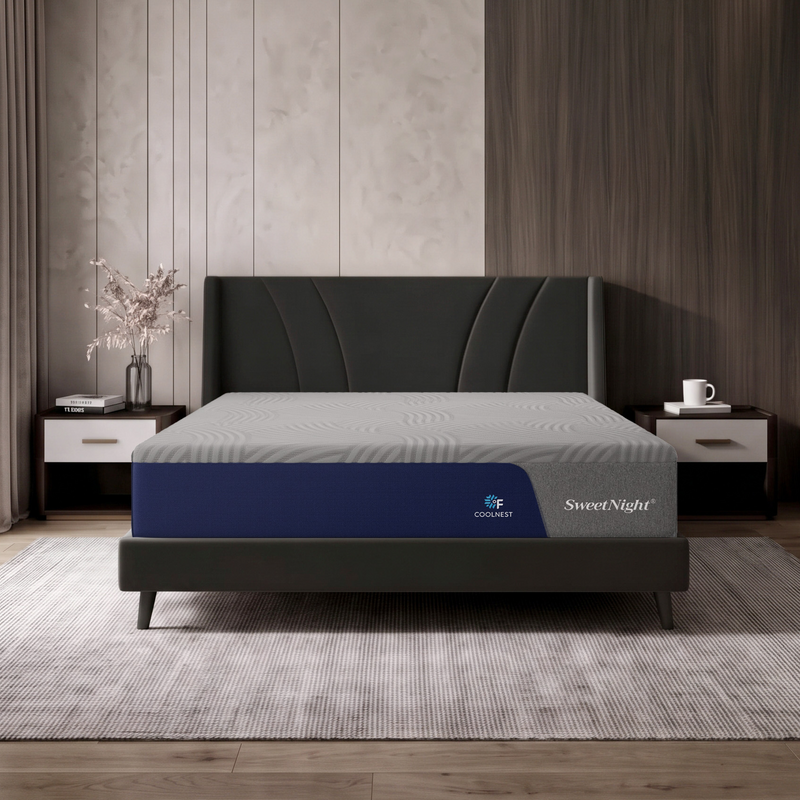
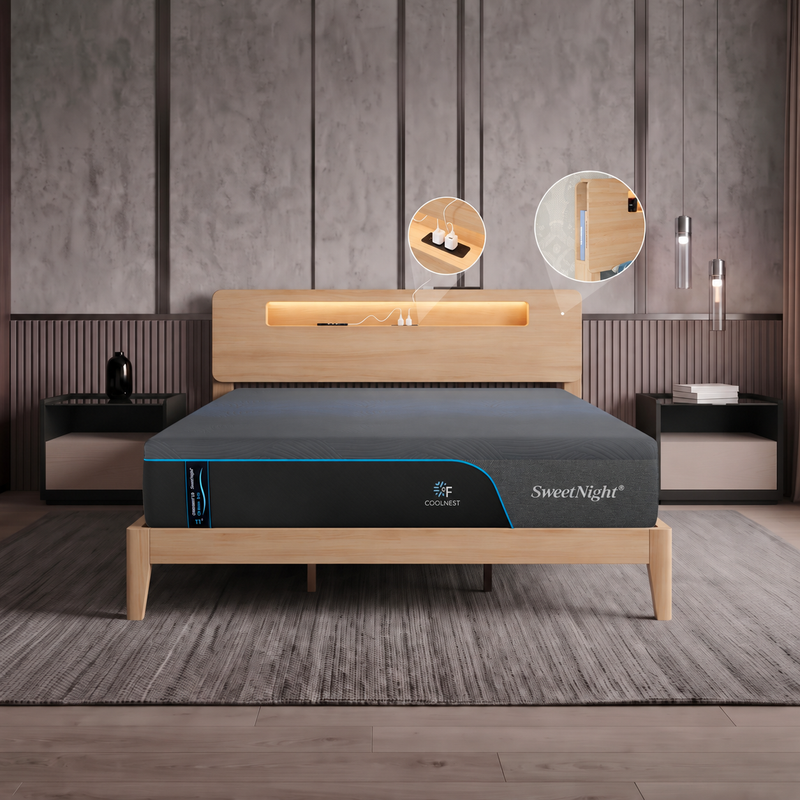
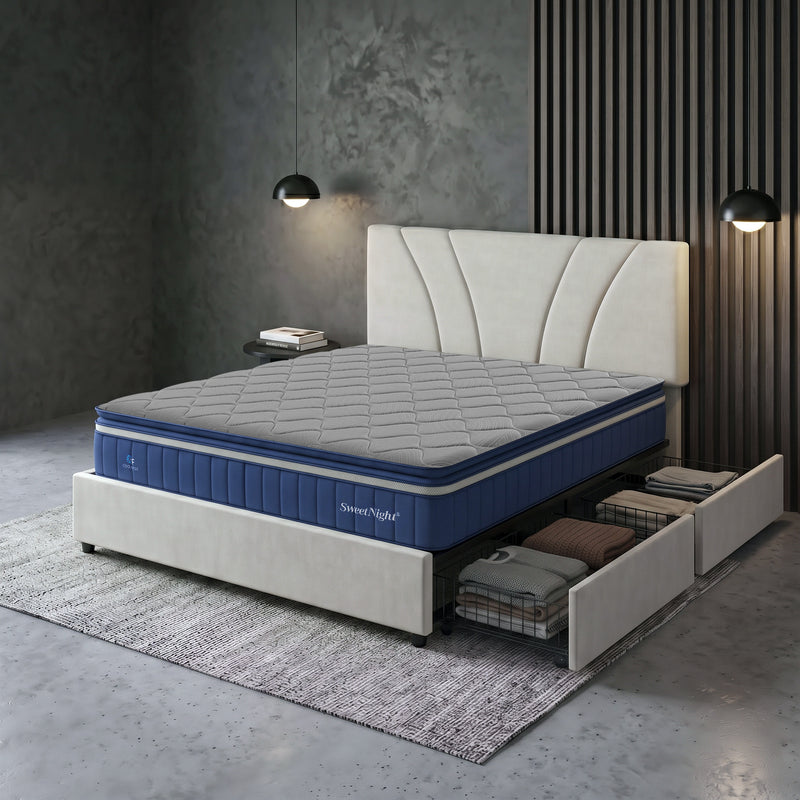
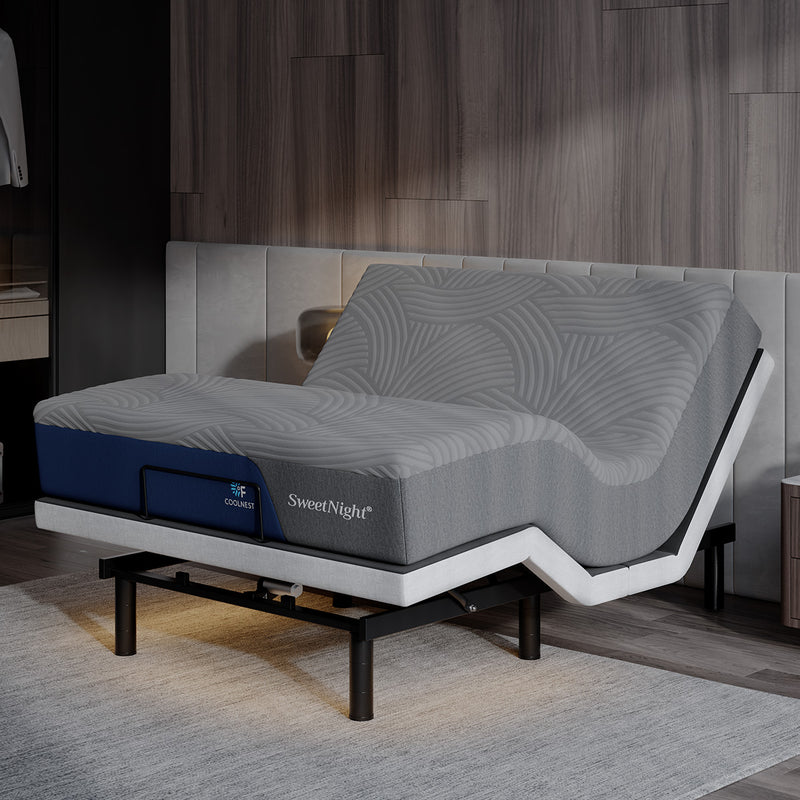
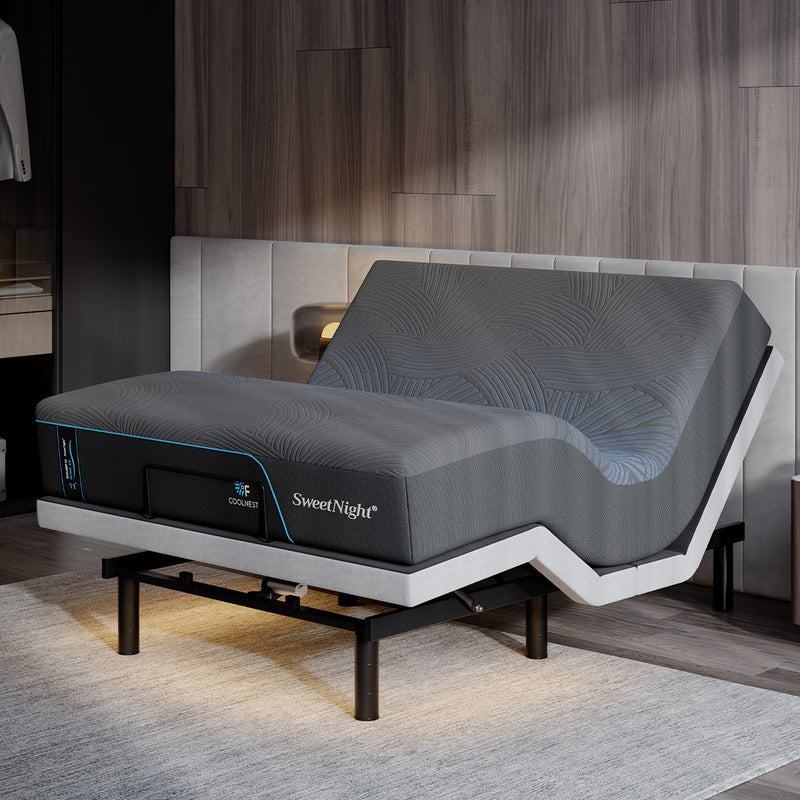
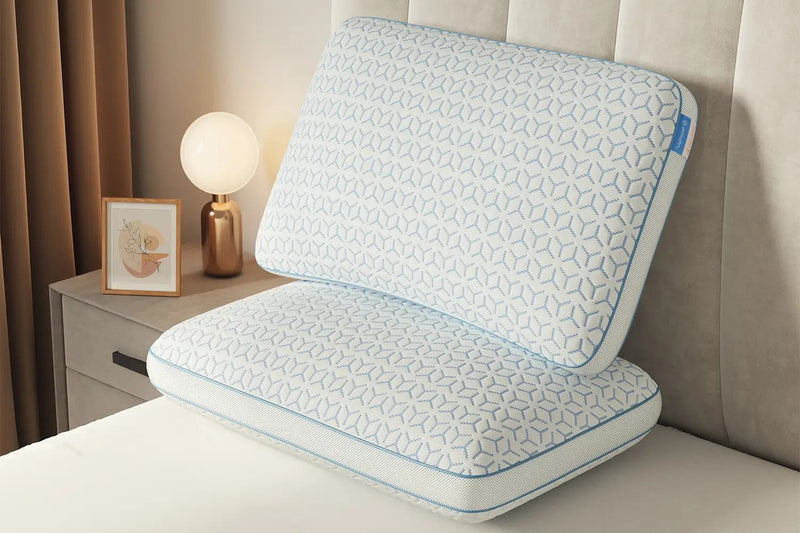
You can't stop the hormone, but you can stop your bed from raising your baseline. Our gel-infused and hybrid cooling mattresses, cooling pillows, and breathable bedding are on sale now in the SweetNight Cooling Sale — 100-night trial, 10-year warranty.
Why Your Mattress Matters More During Menopause
Every menopause night sweat begins from wherever your body temperature already sits. If your mattress traps heat — as dense traditional memory foam does, softening against your skin and sealing warmth under your back and hips — your baseline is elevated all night, so each flash launches from a higher, hotter starting point and the drenching feels worse.
A breathable, gel-infused, or hybrid mattress keeps air moving beneath you so your baseline stays low between waves. It will not stop a flash, but it changes every flash from "soaked and awake" toward "warm, then quickly cool again." Combined with wicking bedding, it is one of the highest-impact non-medical changes you can make. Compare surfaces in the best cooling mattress range.
When to Talk to Your Doctor About Menopause Night Sweats
Cooling your sleep is always worth doing, but menopause care is medical, and you have real options. Speak with a clinician if:
- Night sweats are severely disrupting your sleep, mood, or daily function.
- You want to discuss hormone therapy (HRT) or non-hormonal medication options.
- Sweats are paired with unexplained weight loss, fever, or a lump — to rule out non-menopausal causes.
- You are unsure whether your symptoms are menopause or something else.
This article is informational and not a substitute for medical advice. Treatments exist, and no one should simply endure this if it is wrecking their life.
The Bottom Line
Menopause night sweats come from a narrowed thermostat, not a hot room — which is why they arrive in waves. You cannot switch the hormone off, but you can lower the baseline every wave starts from: a cool room, wicking bedding and sleepwear, and a mattress that refuses to trap heat. Do that and most sweats stop fully waking you. For medical options, including hormone therapy, talk to your clinician.
Related: Night sweats: causes & how to stop them · How to stay cool while sleeping.