











Published: July 14, 2026 · Reviewed by the SweetNight Sleep Comfort Team · 8 min read
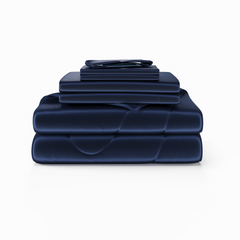
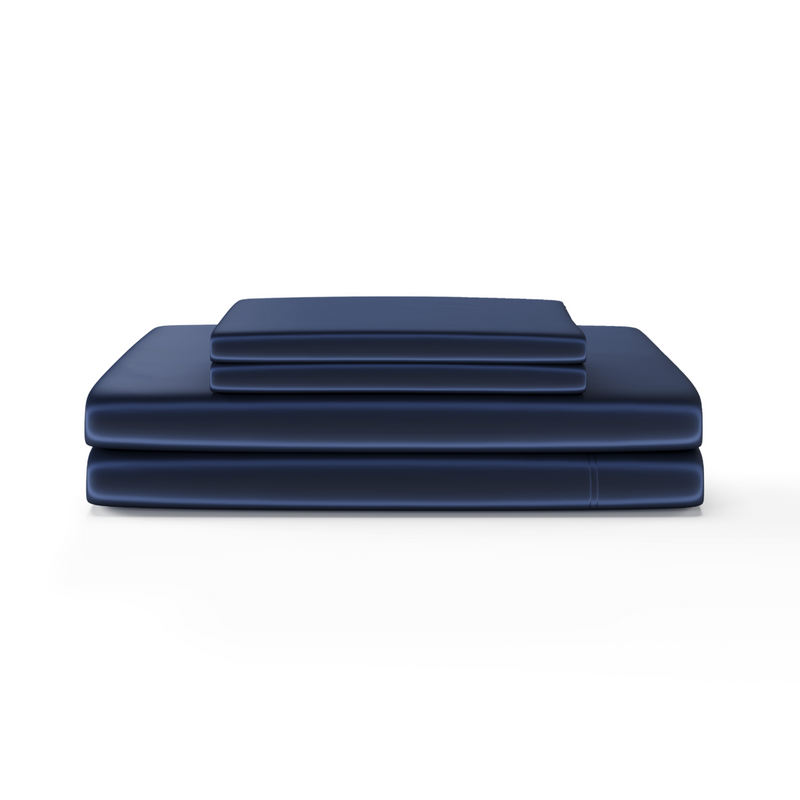
"Cooling sheets" is a marketing phrase attached to almost every fabric on the shelf. The truth is simpler: a sheet keeps you cool through two properties — how well it moves air and how well it moves moisture. Four natural fibers do both far better than polyester, and each wins a different kind of hot night. Here is the honest head-to-head so you buy for your climate, not the label.
What Actually Makes a Sheet Sleep Cool
Before the matchup, the two mechanisms that matter:
- Breathability (airflow): a loose, open weave lets body heat escape and fresh air reach your skin. This is what makes a sheet feel "airy."
- Moisture-wicking: the fiber's ability to pull sweat off your skin and release it to evaporate. This is what stops the clammy, sticky feeling.
A fabric can be great at one and average at the other — which is exactly why the "best" cooling sheet depends on whether your nights are dry (airflow matters most) or humid (wicking matters most).
Cotton vs Bamboo vs Linen vs Tencel: The Head-to-Head
| Fabric | Breathability | Moisture-Wicking | Feel | Best For |
|---|---|---|---|---|
| Linen | Highest | High | Crisp, textured, gets softer with washing | Very hot & humid nights; maximum airflow |
| Tencel (lyocell) | High | Highest | Silky-smooth, cool to the touch | Sweaty sleepers; humid heat |
| Bamboo (viscose/lyocell) | High | High | Soft, silky, drapes close | Softness lovers who run hot |
| Cotton (percale) | High | Medium-High | Crisp, airy, breathable | Dry heat; durability & value |
Any of the four beats polyester or microfiber, which trap heat and hold moisture against you. The differences below decide which suits your nights.
Linen: The Airflow Champion
Linen's fibers are thick and partly hollow, and it is woven loosely, so it moves more air than any other common sheet. It also absorbs a lot of moisture before feeling damp. That combination makes it unbeatable on hot, humid nights. The trade-offs are honest: linen looks textured and wrinkled, feels stiff at first, and costs more — but it softens with every wash and lasts for years. If your summers are brutal, linen is the pick.
Tencel & Bamboo: The Moisture-Wicking Specialists
Tencel (lyocell) is made from wood pulp in a smooth fiber that wicks sweat exceptionally well and feels genuinely cool to the touch. It is the best choice if you sweat a lot or live somewhere muggy, and it resists odor between washes.
Bamboo (usually bamboo viscose) is silky and soft, drapes close to the skin, and wicks strongly, so it feels cool and dry without the crispness of cotton or linen. It is the pick for people who want a soft, luxurious feel while still sleeping cool. Look for OEKO-TEX-certified bamboo for a cleaner process.
Cotton: The Reliable All-Rounder (Choose Percale, Not Sateen)
Cotton is the default for a reason — breathable, durable, washable, affordable. But the weave decides whether cotton sleeps cool. Percale is a crisp, plain, breathable weave that sleeps cool and airy. Sateen is smoother and more lustrous but denser, so it traps more heat. For hot sleepers, choose percale cotton every time.
The Thread-Count Myth That Makes Sheets Hotter
Marketing has trained shoppers to chase high thread counts, but for cooling that instinct backfires. A very high thread count packs more yarn into the same space, tightening the weave and choking airflow — so an 800-count sateen can sleep hotter than a 300-count percale. For breathable, cool sheets, aim for a moderate thread count (roughly 200–400) in a percale weave, and judge the fiber and weave before the number. Thread count sells sheets; weave and fiber cool you.
☀️ Cool Sheets + a Cool Bed = the Full Fix
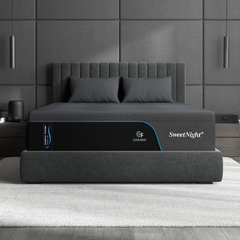
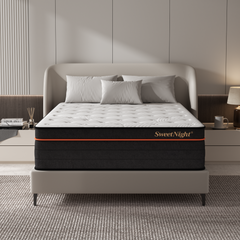
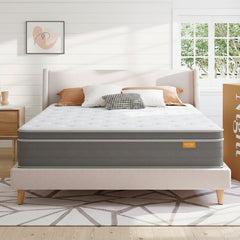
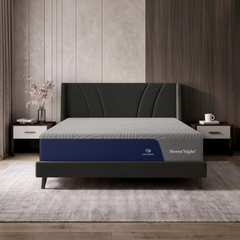
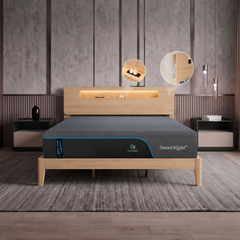
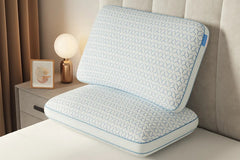
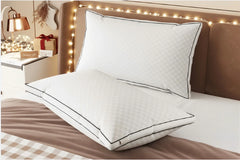
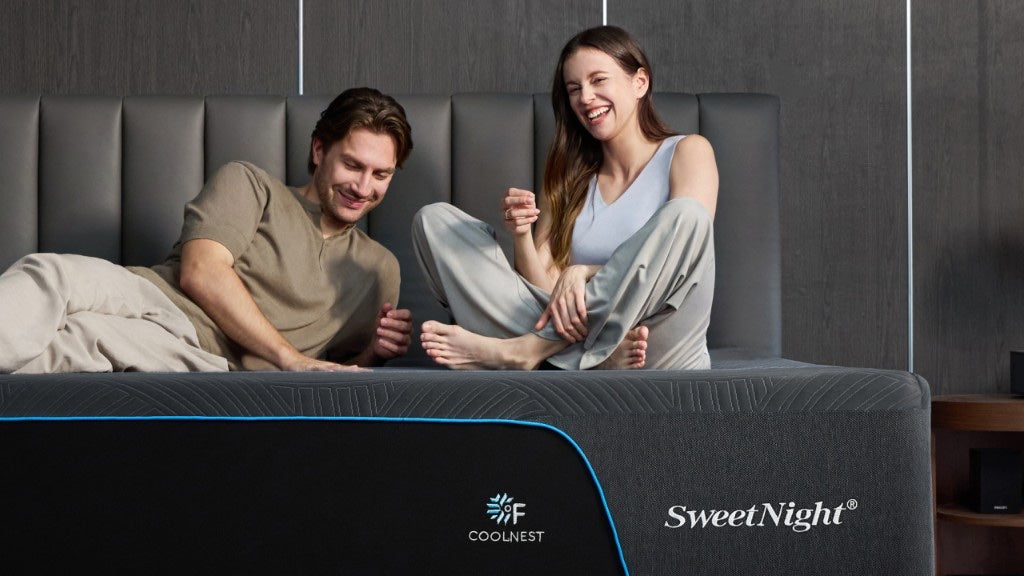
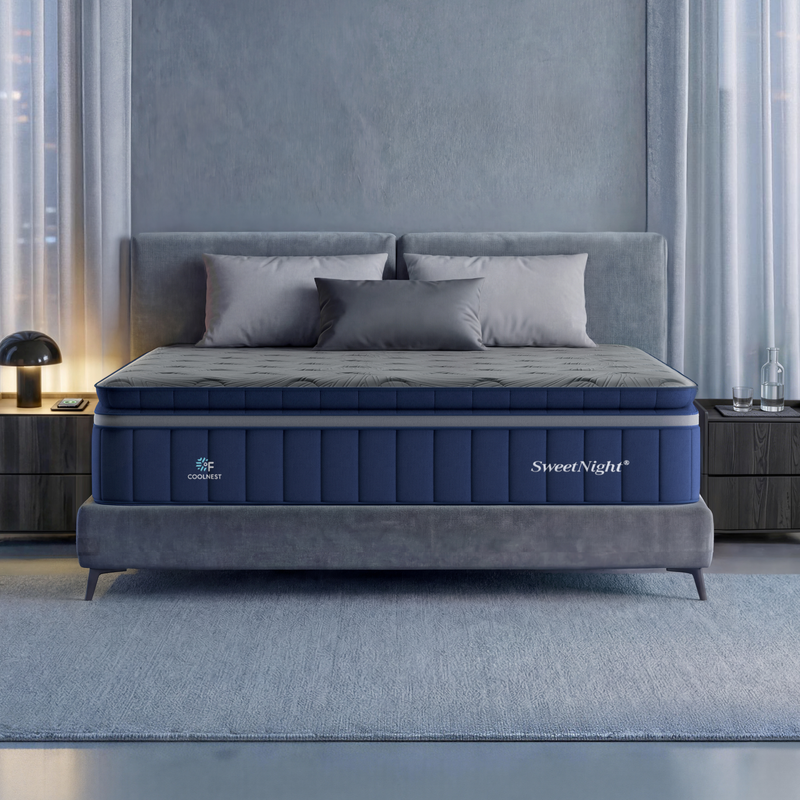
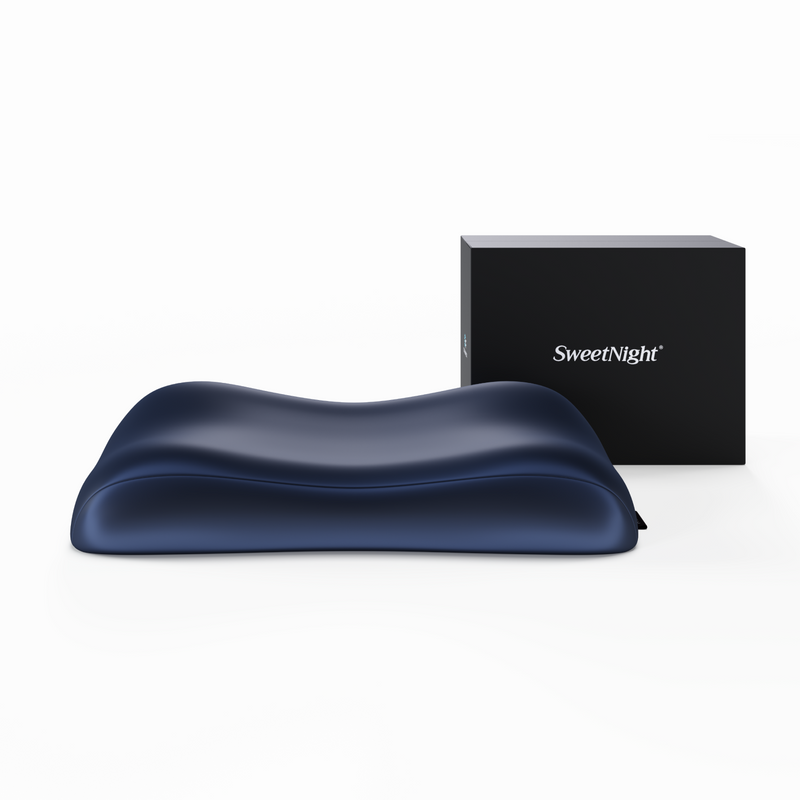
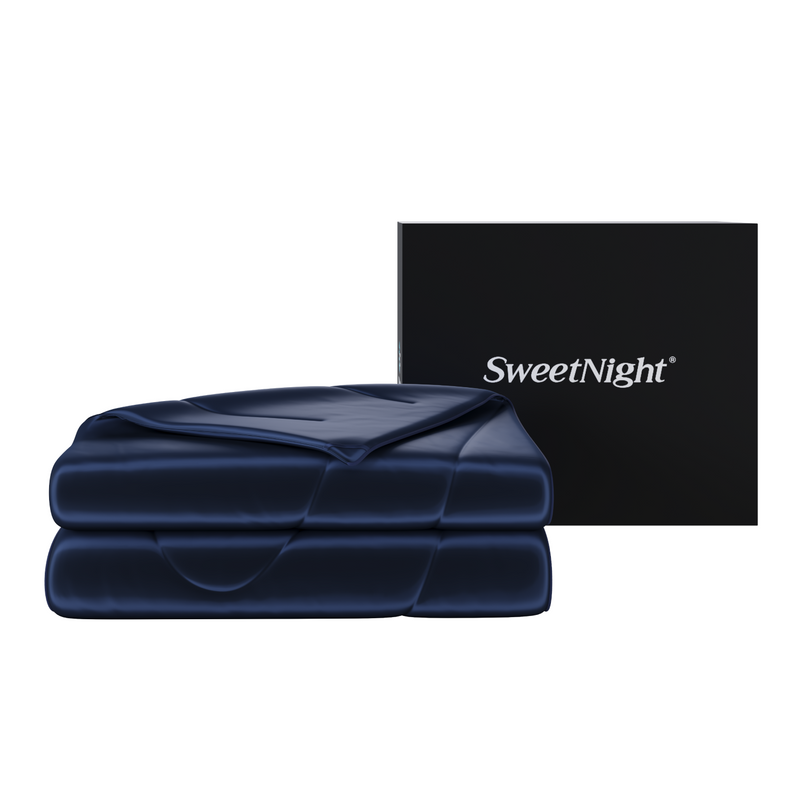
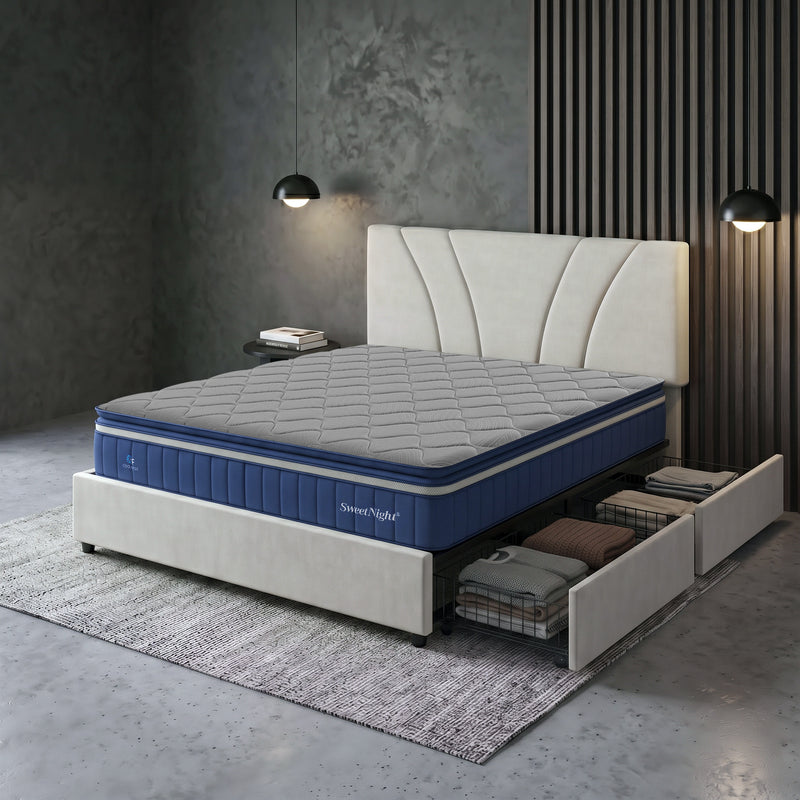
Breathable sheets manage the layer above you; a breathable mattress manages the heat beneath you. Our gel-infused and hybrid cooling mattresses, cooling pillows, and breathable bedding are on sale now in the SweetNight Cooling Sale — 100-night trial, 10-year warranty.
Sheets Cool the Top, the Mattress Cools the Bottom
Even the coolest sheets can only do so much, because they sit on top of you. The heat that wakes most hot sleepers is trapped beneath the body, sealed in by a mattress that does not breathe. Breathable sheets and a heat-releasing mattress solve the two halves of the same problem: the sheet wicks and ventilates the surface, while a gel-infused or hybrid mattress lets the trapped heat under you escape. Pair them and you feel the difference on the worst nights. See how the surface works in do cooling mattresses actually work.
A pillow or topper can only do so much on a mattress that sags or sleeps hot. If yours is due for replacement:
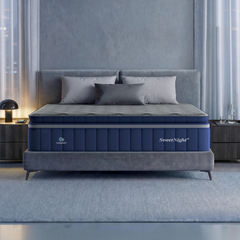
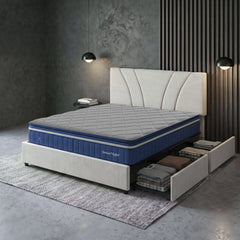
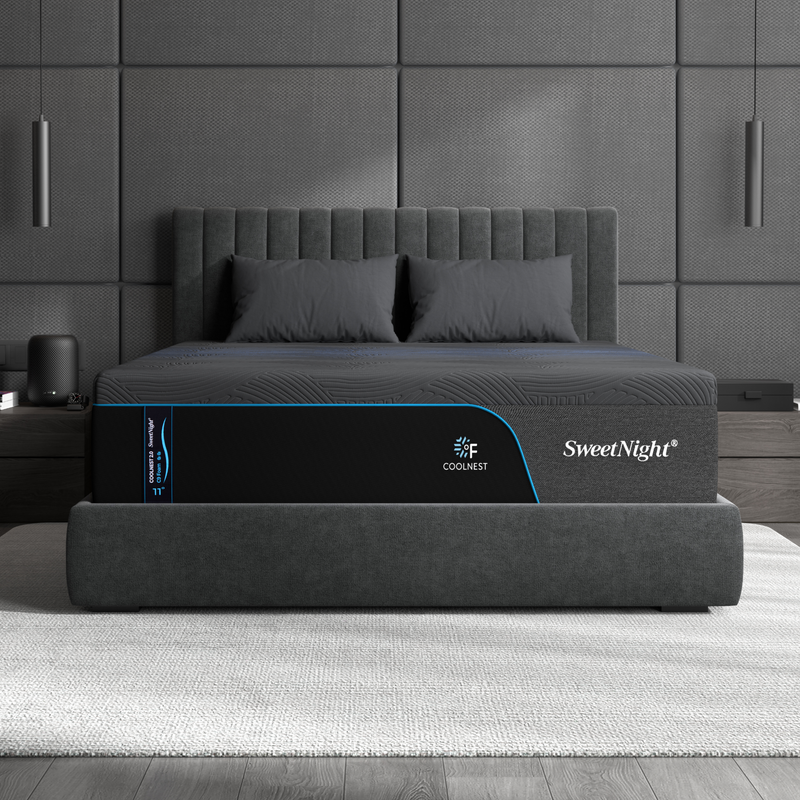
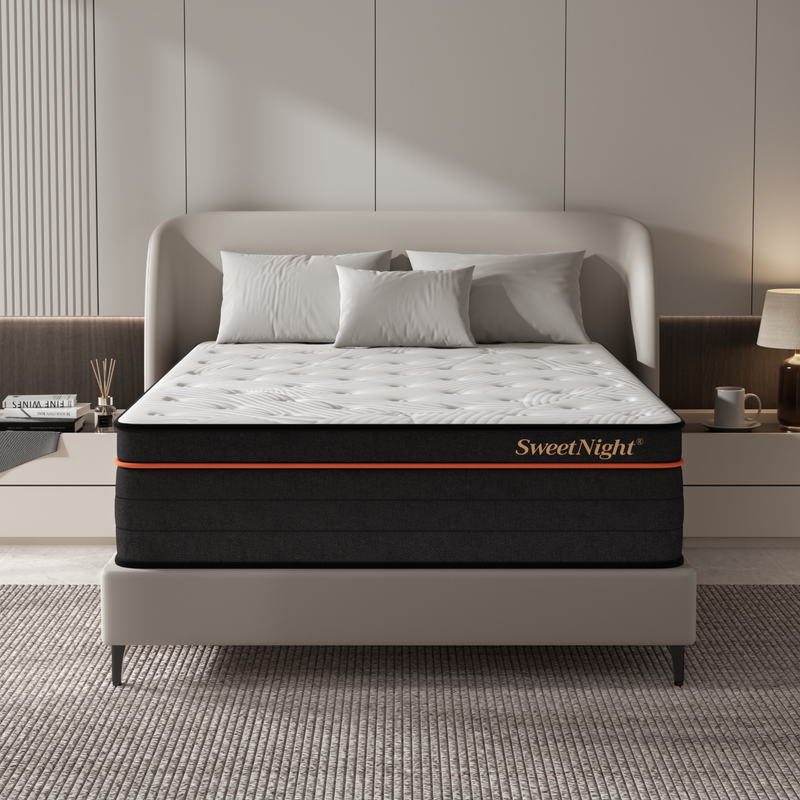
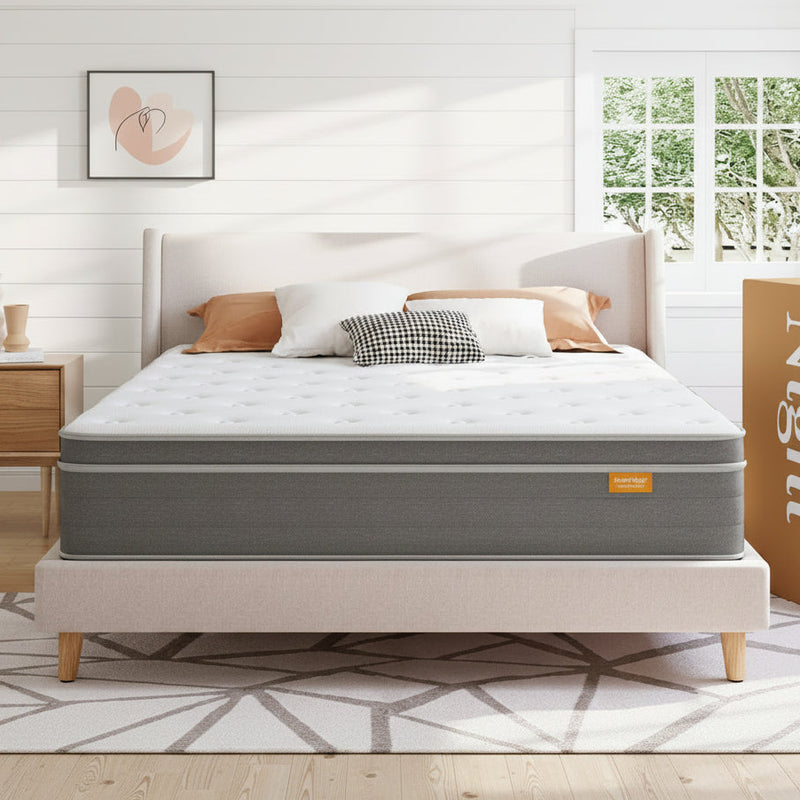
- CoolNest® Hybrid Mattress: pocketed coils under a DuoSense™ pillow top. Pick this one if you want bounce, firm edges and less partner motion.
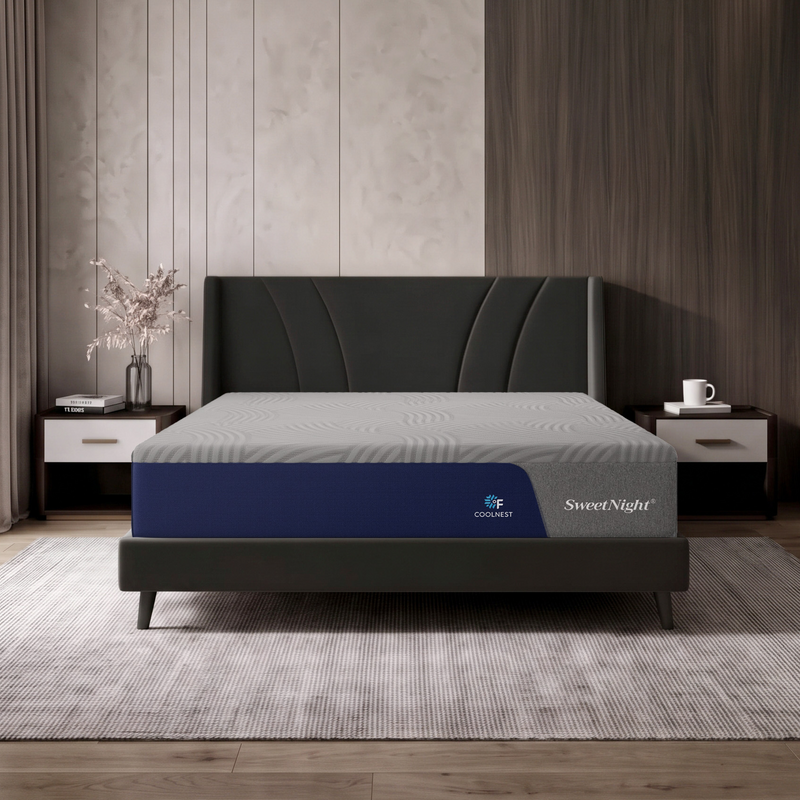
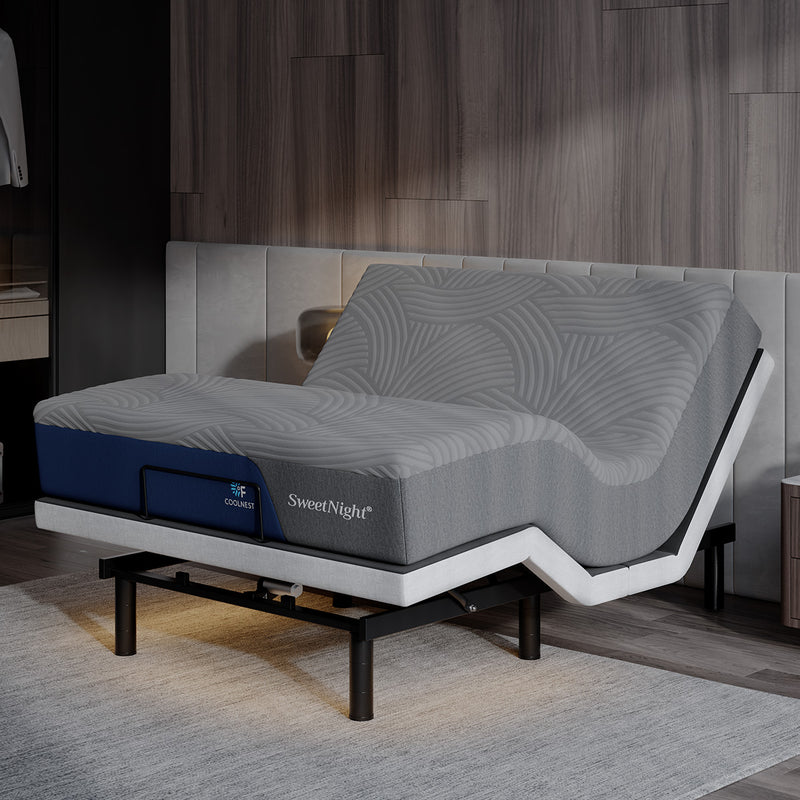
- CoolNest® Memory Foam Mattress: the lowest-priced model in the range, all-foam with 5-zone support and a breathable 3D-woven cover.
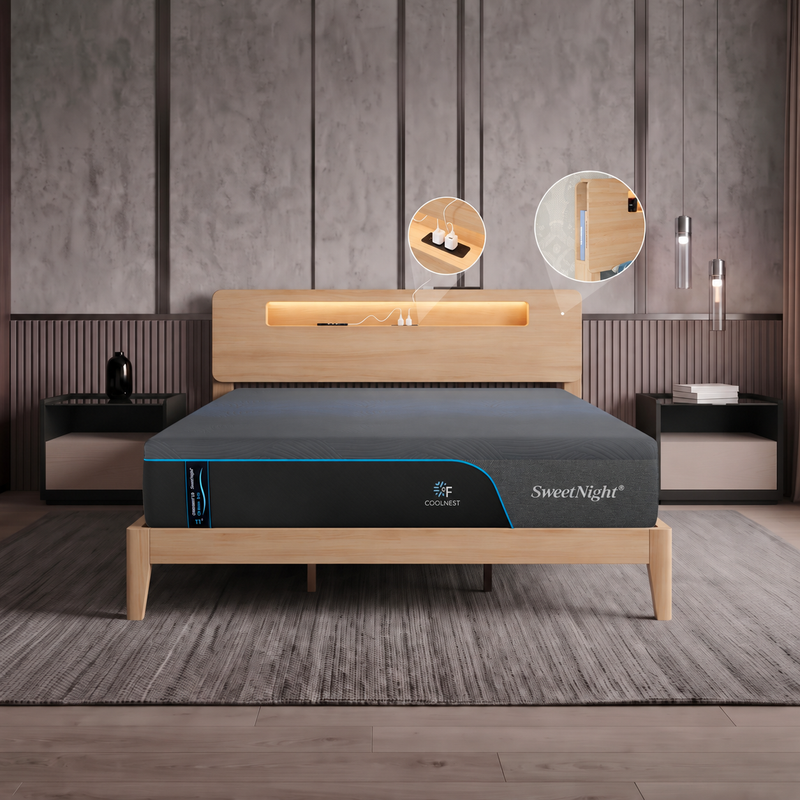
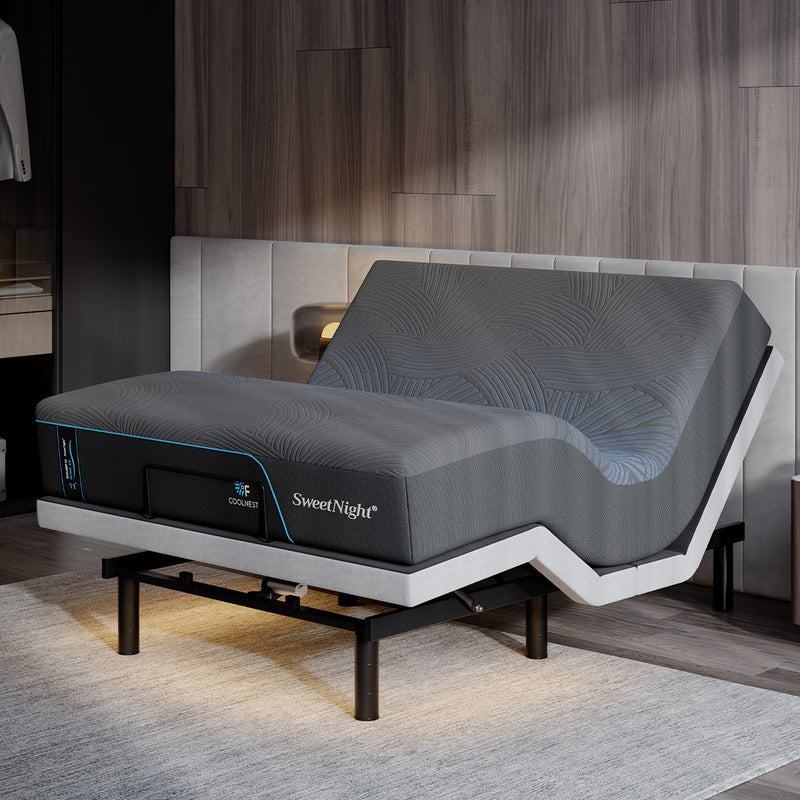
- CoolNest® Pro and CoolNest® Ultra: the step-up foam models, with PCMflux® temperature-regulating foam and 7-zone support. Ultra adds AirMesh™ foam and feels up to 11° cooler.
- Current prices on every size and thickness are on the Fall Sale page, or browse all mattresses.
The Bottom Line
The coolest sheets are natural-fiber, breathable, and moisture-wicking — and the winner depends on your nights. Choose linen for maximum airflow in hot, humid heat, Tencel for the best wicking, bamboo for soft-and-cool, and percale cotton for breathable value. Ignore sky-high thread counts, which trap heat. Then pair your sheets with a mattress that releases heat, and you have cooled both halves of the bed.
Related: How to stay cool while sleeping · Best cooling mattress for hot sleepers.