











Published: July 14, 2026 · Reviewed by the SweetNight Sleep Comfort Team · 9 min read
Almost every article on night sweats hands you the same undifferentiated list of causes and tells you to "see a doctor." That is not very useful at 3 a.m. with a wet shirt. So we are going to do something more practical: read the sweat itself. Where you sweat, when it hits, and whether cooling the room changes anything will point you to the cause faster than any generic checklist. Let's diagnose it.
Why Do I Sweat in My Sleep? The 60-Second Mechanism
Your body runs a nightly cool-down. Core temperature is supposed to fall by roughly 1–2°F after you lie down, and that drop is part of how sleep deepens. To shed that heat, blood vessels near the skin open and warmth radiates off you — ideally into cool air and breathable bedding.
Sweat is the backup system. Your body only reaches for it when radiating heat is not enough: the air around you is too warm, the bedding is holding heat in, or something internal is pushing your temperature above the level your brain is aiming for. So night sweats are never random. They are your cooling system working overtime because the ordinary route for heat is blocked. Find the block, stop the sweat.
Night Sweats Causes: Read the Sweat Map First
This is the part other guides skip. The pattern of your sweat is a diagnostic clue. Match yours to the table before you assume the worst.
| Where / How You Sweat | Most Likely Driver | What It Suggests |
|---|---|---|
| Back, hips, shoulders — wherever you press into the bed | Heat trapped by the mattress | Environmental — a surface that does not breathe |
| Whole body, sheets soaked top to bottom | Warm room or heavy bedding, or a systemic cause | Environmental first; if room is cool, look internal |
| Head, neck, and chest in sudden waves | Hormonal hot flash | Menopause, perimenopause, or the pre-period drop |
| Sweat plus a pounding heart or a jolt awake | Blood-sugar dip, alcohol rebound, or anxiety | Metabolic or stress-driven, not the bedroom |
| Drenching, nightly, in a genuinely cool room | Possible infection, thyroid, or medication | Book a check-up — see the red-flags section |
Most people find their row in the top two. That is good news, because those are the ones you fix yourself.
The 3-Night Test: Environmental or Medical?
If the sweat map left you unsure, run this. It separates a hot bed from a hot body in three nights, no equipment beyond a cheap room thermometer.
- Night 1 — measure. Put a thermometer on the nightstand. Note the reading when you go to bed and if you wake sweating. Above 70°F and you have your answer already; below 68°F and something else is going on.
- Night 2 — strip the environment. Cool the room to 65–68°F, swap to a single breathable cotton sheet, wear a thin moisture-wicking layer. If the sweats stop or shrink, they were environmental. Done.
- Night 3 — isolate the bed. Same cool room, but pay attention to where you wake up damp. Only along your back and pressure points? The mattress is trapping heat. All over, in a cool room, with no bedding change helping? That points inward.
Three nights usually settle the question that months of worry cannot.
Can a Mattress Cause Night Sweats? The Mechanism Nobody Explains
People accept that a hot room causes sweating. They rarely suspect the thing they are lying on, because you cannot feel a mattress "getting hot" the way you feel warm air. Here is what is actually happening.
Traditional memory foam is temperature-sensitive by design. It is engineered to soften right around skin temperature so it molds to you — that is the famous "hug." But softening means the foam flows into every contour and closes the gaps around your body. Two things follow. First, more of your skin is now in direct, sealed contact with a material that conducts heat poorly, so warmth builds up instead of dissipating. Second, the closed contour blocks air from moving underneath you. You have effectively wrapped your torso in a warm, humid pocket that has no exit downward — and heat that cannot go down comes out as sweat.
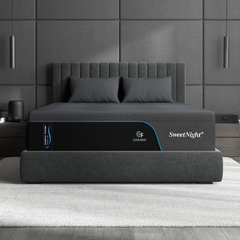
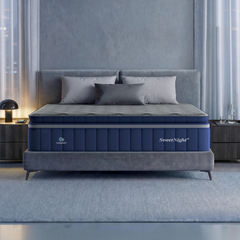
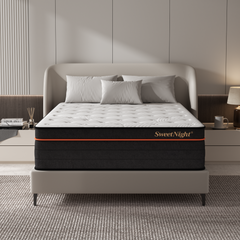
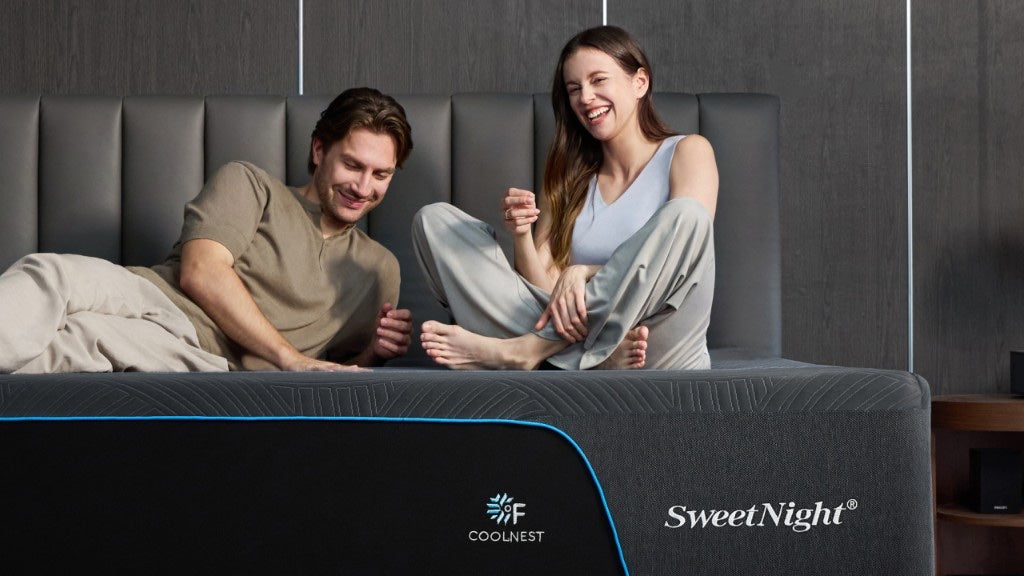
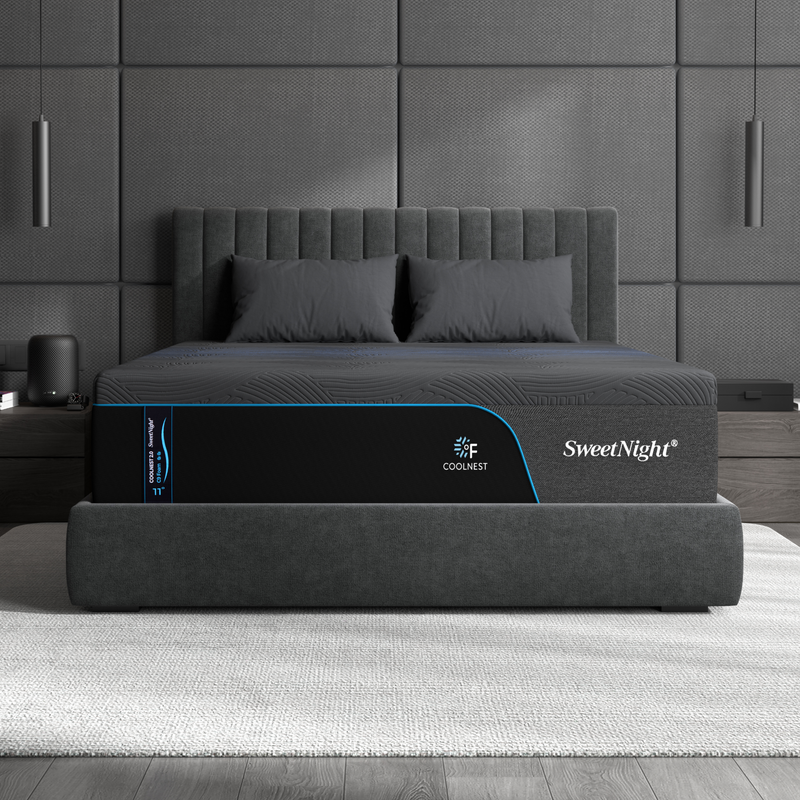
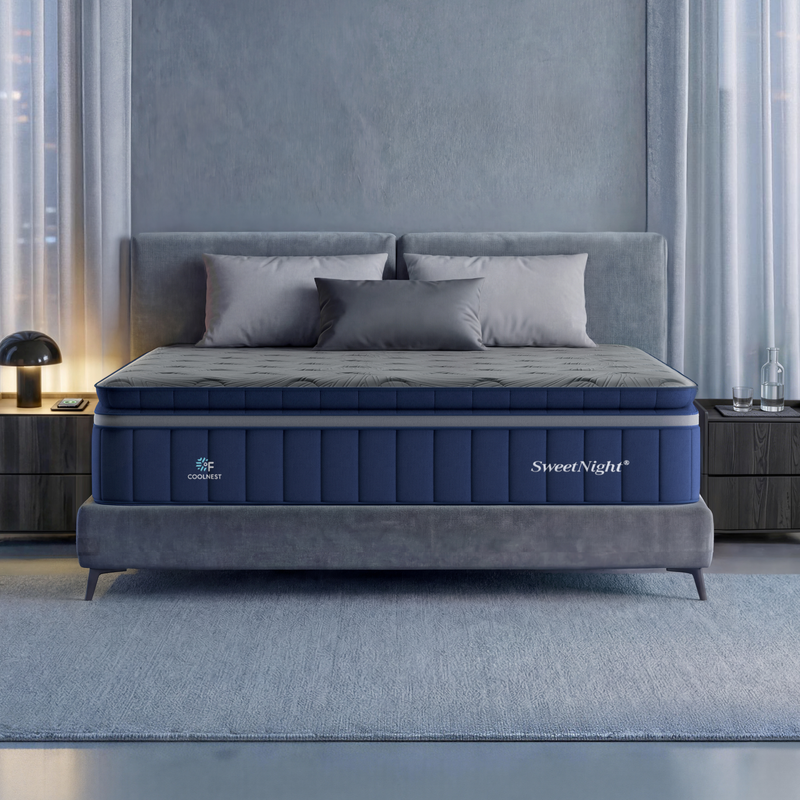
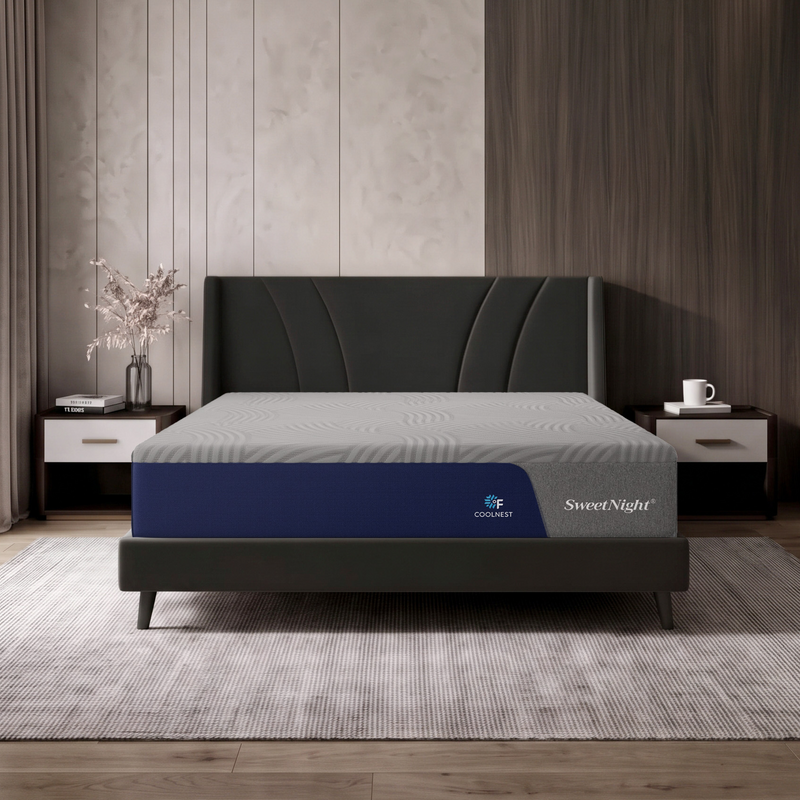
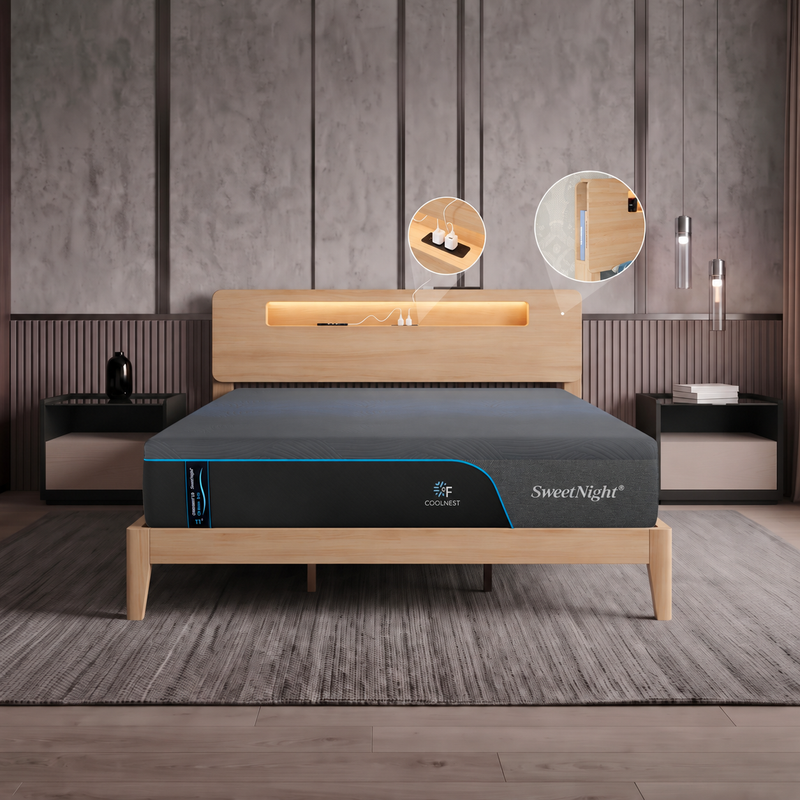
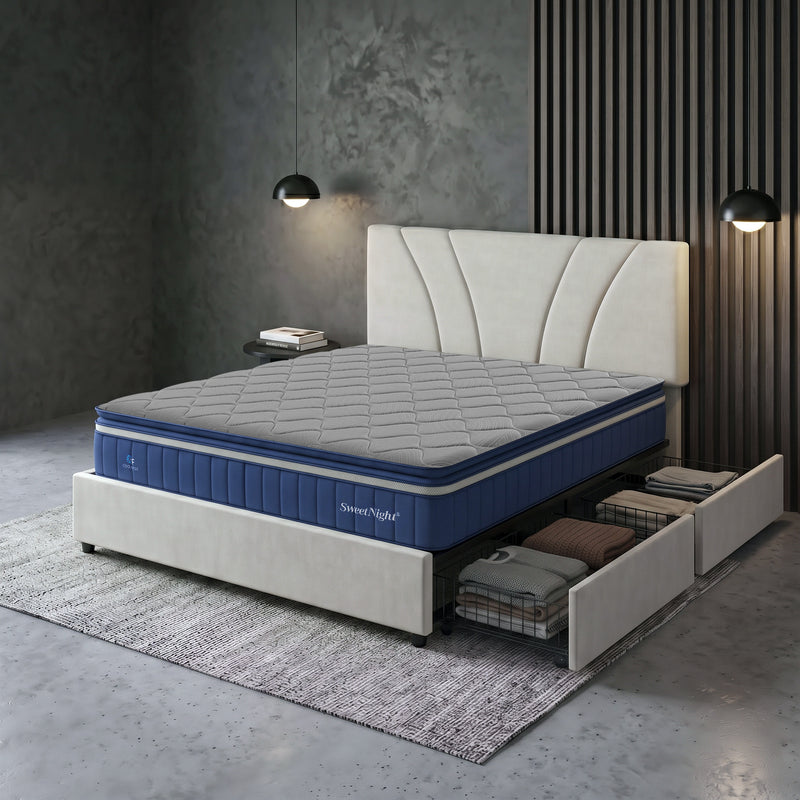
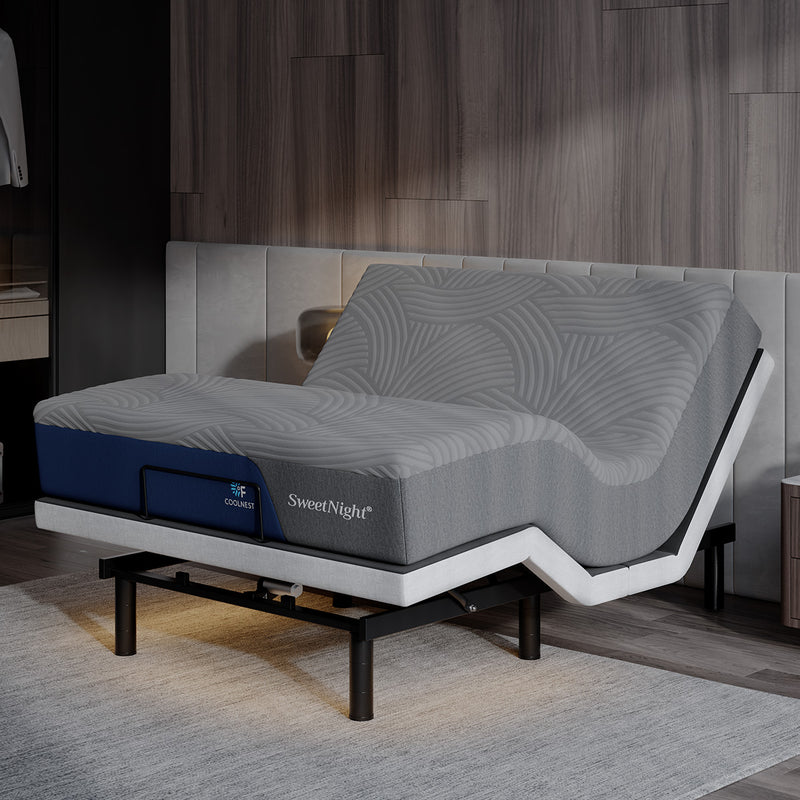
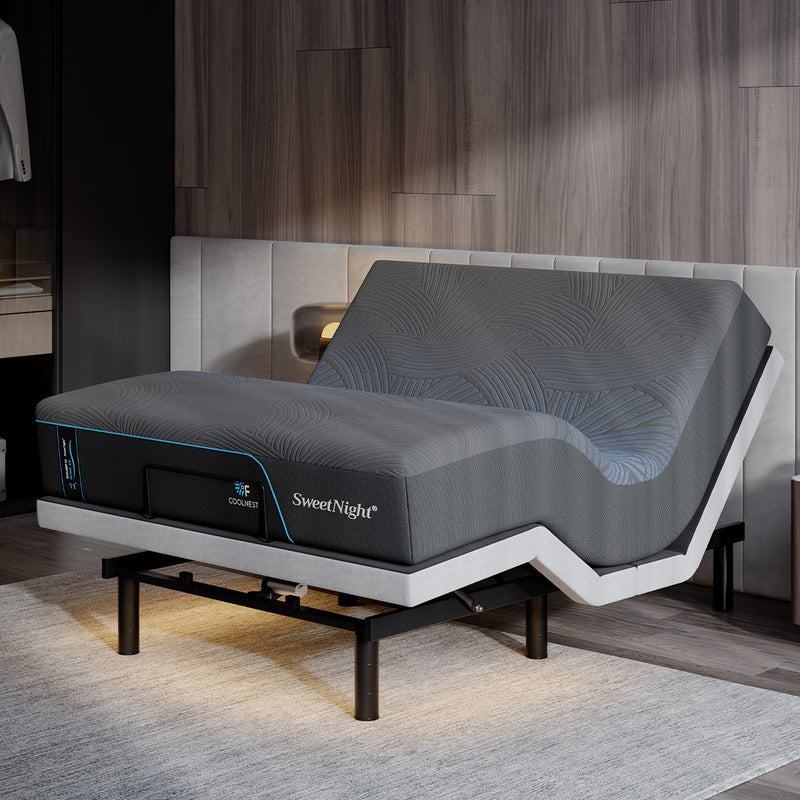
This is why the fix is structural, not cosmetic. Gel-infused foam gives heat somewhere to go instead of banking it. Open-cell and perforated layers let air pass through rather than sealing it in. A hybrid coil base leaves open channels under the comfort layer so warm air can drift out and cooler air can move in. That is the entire logic behind our CoolNest cooling mattress: keep air moving under the sleeper so the body never has to sweat to dump heat it should have radiated away.
☀️ Sweating Where You Press Into the Bed? Change the Surface
If your sweat map lands on the back-and-hips row, no fan or fresh sheet will reach it — the heat is sealed under you. Our gel-infused and hybrid cooling mattresses keep air moving beneath you, and they're on sale now during the SweetNight Cooling Sale, with a 100-night trial and a 10-year warranty.
→ Shop the Cooling Sale and stop sweating into your mattress
Night Sweats in Women: Menopause, Perimenopause & Your Cycle
Hormonal night sweats behave differently from environmental ones, and recognizing the difference saves you from chasing the wrong fix. They arrive as a wave — a sudden flush of heat across the head, neck, and chest, a burst of sweat, then a chill as it passes — rather than the steady, all-night dampness of a hot room.
The reason is estrogen. Estrogen influences the "set point" your hypothalamus treats as your correct temperature. When estrogen dips — in the days before a period, and far more sharply across perimenopause and menopause — that comfort zone narrows and drifts. Now a completely normal amount of body heat reads as too hot, and your brain triggers an emergency cool-down: vessels dilate, you flush, you sweat. You are sweating to fix an overheating problem that does not actually exist.
You cannot out-ventilate a hormone, but you can lower the baseline it is working against. A cool room and a breathable, non-heat-trapping bed mean each wave starts from a lower point and passes faster, so fewer of them wake you fully. Moisture-wicking sleepwear pulls the sweat off before the post-flush chill sets in. For treatment of the hormones themselves, that is a conversation for your clinician.
The Internal Triggers Worth Knowing
When the 3-night test points inward, these are the usual causes — and the specific reason each one produces a nighttime sweat rather than a daytime one.
- Alcohol. A nightcap dilates your blood vessels and blunts temperature control while you metabolize it. As the alcohol clears in the early hours, the system rebounds — hence the classic 3 a.m. sweat after an evening of drinking.
- A blood-sugar dip. Common on diabetes medication. When glucose falls overnight, the body releases adrenaline to correct it, and adrenaline brings sweating and a racing heart.
- An overactive thyroid. Too much thyroid hormone runs your metabolism hot around the clock, so heat and sweat build up even at rest.
- Anxiety. A mind that will not stand down keeps the stress response half-on, raising heart rate and temperature enough to sweat before you are fully awake.
- Infection. Fevers often break at night, and the sweat is the body dumping the heat it deliberately raised to fight the infection.
- Medications. Some antidepressants, hormone treatments, and fever reducers list night sweats outright. If yours started within weeks of a new prescription, that timing is the clue.
How to Stop Night Sweats: The Fixes, Ranked by What Actually Works
Not every "cooling" tip earns its place. Here is an honest ranking for environmental night sweats, strongest lever first.
| Fix | Impact | Why It Ranks Here |
|---|---|---|
| Swap a heat-trapping mattress for one that breathes | Highest | Reaches the sealed heat under you that nothing else can touch. |
| Drop the room to 65–68°F | High | Removes the warm air your body is trying to shed heat into. |
| Breathable cotton/bamboo bedding + wicking sleepwear | High | Cheap, immediate, and moves sweat instead of pooling it. |
| Cut alcohol and heavy meals 3 hours before bed | Medium | Removes the rebound and metabolic-heat triggers. |
| Run a fan for airflow | Medium | Speeds evaporation; does nothing for heat trapped beneath you. |
| Keep a cool pack at the wrists or neck | Low but fast | Buys quick relief in a wave; effect is short. |
Stack the top three and most environmental night sweats stop. For the full room-and-body routine, see how to stay cool while sleeping.
When Night Sweats Are a Warning Sign: See a Doctor If…
Cooling your room is always safe. But sweating is only a red flag in specific company. Book a clinician if drenching night sweats come with any of these:
- They soak the sheets nightly in a genuinely cool room, with no bedding change helping
- Fever, chills, or a cough that will not clear
- Weight loss you did not intend
- Swollen lymph nodes in the neck, armpit, or groin
- They started within weeks of a new medication
- They come with chest pain or an irregular heartbeat
Note the pattern: it is sweating plus another symptom that matters, not sweating alone. This article is informational and is not a substitute for medical advice.
The Bottom Line
Stop treating night sweats as a mystery and start reading them. Where you sweat, when it hits, and whether a cool room helps will tell you almost everything. For most people the answer is a hot bed — and the part they never suspect is the mattress sealing heat against their back. Fix the surface, cool the room, lighten the bedding, and the sweat has nowhere left to come from. If it keeps coming in a cool room, that persistence is itself the message: time to check with a doctor.
Keep reading: How to stay cool while sleeping · browse the best cooling mattress for hot sleepers.