











Published: July 14, 2026 · Reviewed by the SweetNight Sleep Comfort Team · 10 min read
A heatwave is not a hot afternoon you can wait out. It is heat that refuses to break at night, day after day, while the walls, floors, and mattress of your home quietly soak up warmth and hand it back to you at 2 a.m. That is why the tips that work on an ordinary warm night fall apart in a heatwave — and why this guide is about managing an event, not surviving a single evening. The single most important idea here is thermal lag. Get that right and everything else follows.
Why You Can't Sleep in a Heatwave (It's Not Just the Air)
On a normal hot day, the temperature falls after sunset and your bedroom recovers overnight. In a heatwave, two things break that cycle.
First, the nighttime low stops dropping. When the overnight temperature stays in the high 70s or 80s for several nights, your bedroom never gets the cool window it needs to shed the day's heat. Second — and this is the part people miss — buildings have thermal mass. Your walls, floors, furniture, and mattress absorb heat all day and release it slowly for hours after the air has cooled. By the third or fourth day of a heatwave, your home itself has become a radiator. You are not fighting today's heat; you are fighting the accumulated heat of the past four days stored in everything around you.
That changes the strategy completely. In a heatwave you are not just cooling air — you are managing what your home has stored, and stopping your body and bed from joining the pile.
How to Sleep in a Heatwave Without AC
Most of the world sleeps through heatwaves without air conditioning. It comes down to defending the building by day and flushing it by night, in the right order.
Seal the house during the day
This feels wrong — you want to open windows for air — but during a heatwave the daytime air is your enemy. From mid-morning, close windows, drop blinds, and draw blackout curtains, especially on south- and west-facing rooms. You are keeping the hot air and direct sun out so your walls and floors absorb less. A shut, shaded house at noon can run several degrees cooler than an open one.
Flush it the moment the air turns
Watch the outdoor temperature in the evening. The instant it drops below your indoor temperature — often not until 10 or 11 p.m. in a heatwave — open everything and create a through-draft. Put one fan in a window blowing out to push the hot indoor air away, and open a window across the house to let cooler air pull in behind it. This is when you dump the day's stored heat. Miss this window and the house holds its heat till morning.
Sleep low and choose the coolest room
Heat rises. If you have a two-story home, the ground floor can be several degrees cooler at night — a heatwave is the time to move a mattress downstairs. Pick the room with the least west-facing glass and the best cross-breeze, even if it is not your usual bedroom.
Strip the bed and cool your body
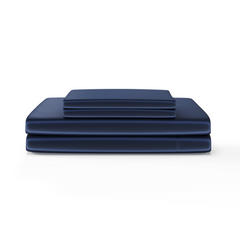
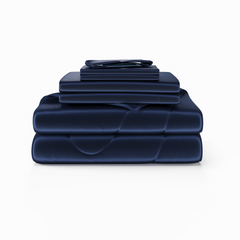
One thin cotton or linen sheet, no duvet. Wick-away sleepwear or less. Chill your pressure points — wrists, neck, ankles — with a cool pack just before bed, and keep one within reach for when you wake. For the full body-cooling routine, see how to stay cool while sleeping.
The Egyptian Method: Sleeping With a Wet Sheet (When It Works)
The oldest heatwave trick is the "Egyptian method": dampen a sheet and sleep under it so evaporation cools you. It genuinely works — but only in dry heat, and only if you do it right.
Wet a top sheet, wring it out hard so it is damp rather than dripping, and lie under it with a fan blowing across you. As the water evaporates it pulls heat off your body, and the fan accelerates it. The catch is humidity: in muggy air, water cannot evaporate fast, so the sheet just sits heavy and clammy against you and does little. A simple rule — if the heatwave is dry, the wet-sheet method is a real weapon; if the air is humid, skip it and rely on airflow and a breathable bed instead. Keep the damp sheet off electronics and never combine it with an electric blanket or heated bedding.
How to Sleep in a Heatwave With AC (Set It Right)
Air conditioning helps, but during a heatwave people waste it. A few adjustments make it work better and cost less.
- Pre-cool, don't chase. Cool the bedroom in the hour before bed rather than turning it icy at midnight. It is far easier to keep a cool room cool than to drag a hot one down after your body and mattress have already stored heat.
- Cool one room, not the house. Close the bedroom door and cool just that space. During a multi-day heatwave this cuts strain on the system and your bill, and protects you if the grid browns out.
- Run the fan with the AC. Circulation matters as much as temperature. A ceiling or floor fan spreads the cool air so no hot pockets linger around the bed.
- Target 65–68°F for sleep. Colder is not better; it wakes you and wastes energy. That range is where deep sleep is most reliable.
- Plan for outages. Heatwaves strain power grids. Keep the low-tech tactics above ready, and freeze a couple of water bottles as backup cool packs in case the AC quits overnight.
☀️ Your Mattress Is Storing Heatwave Heat — Fix It
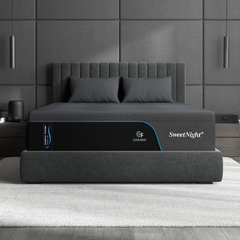
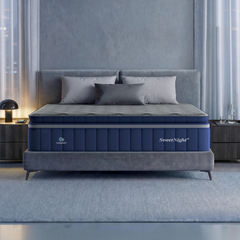
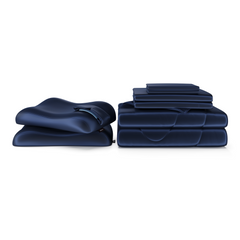
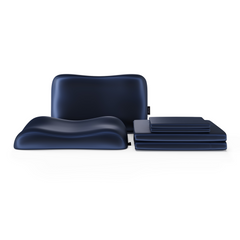
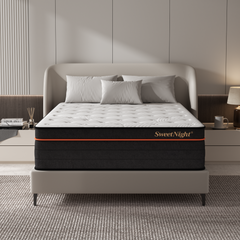
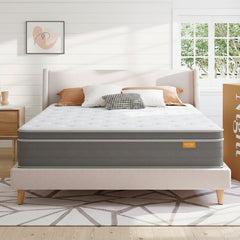
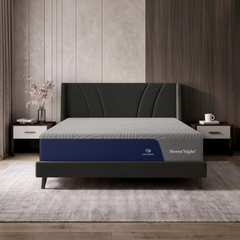
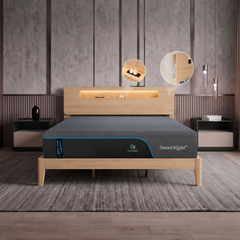
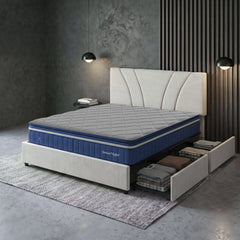
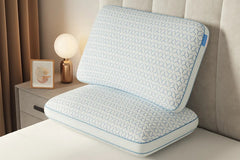
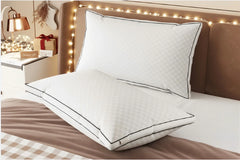
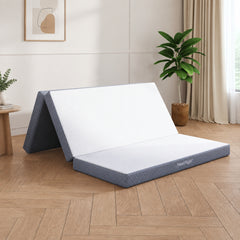
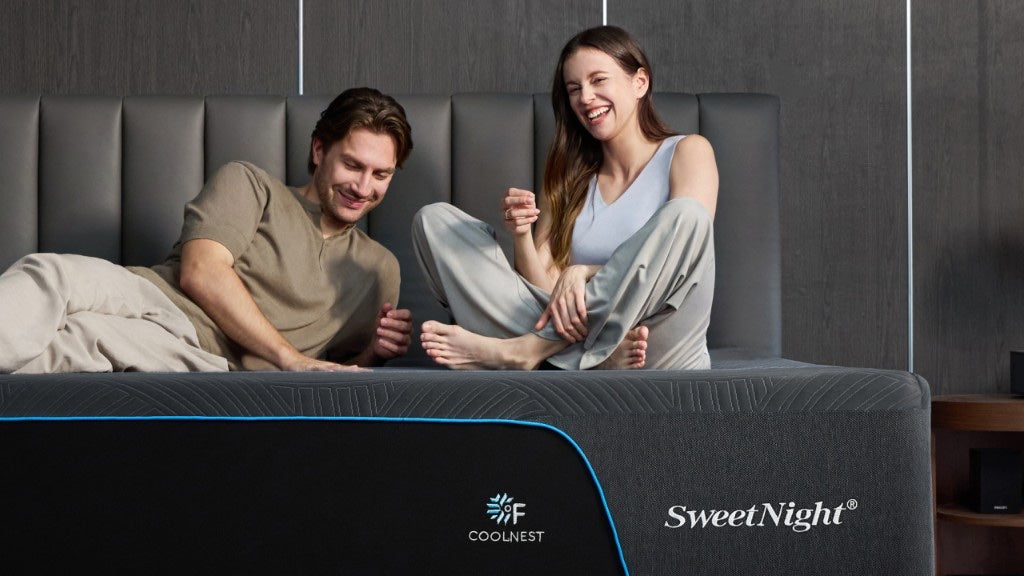
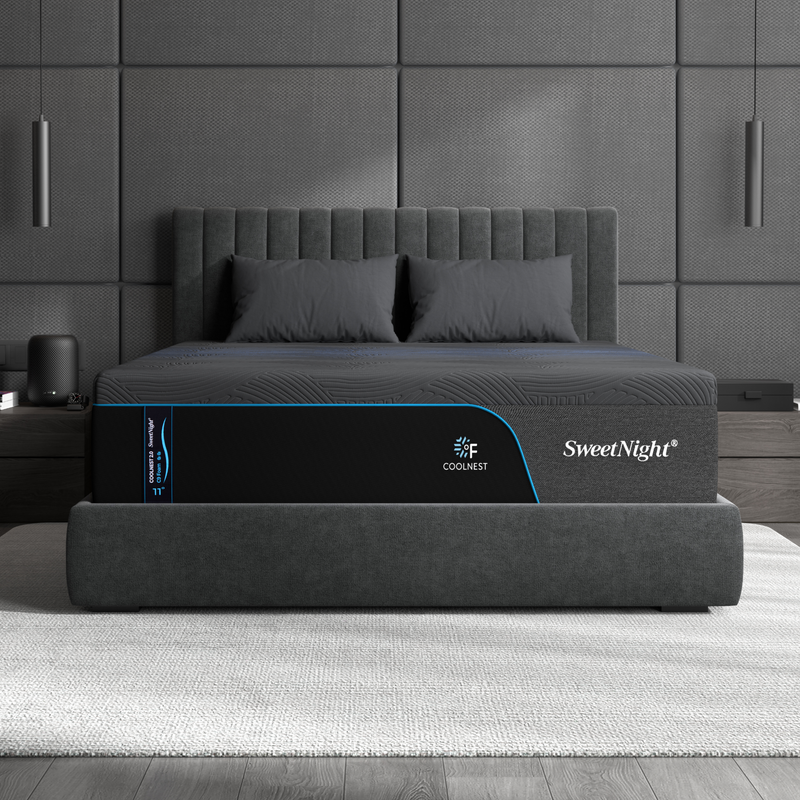
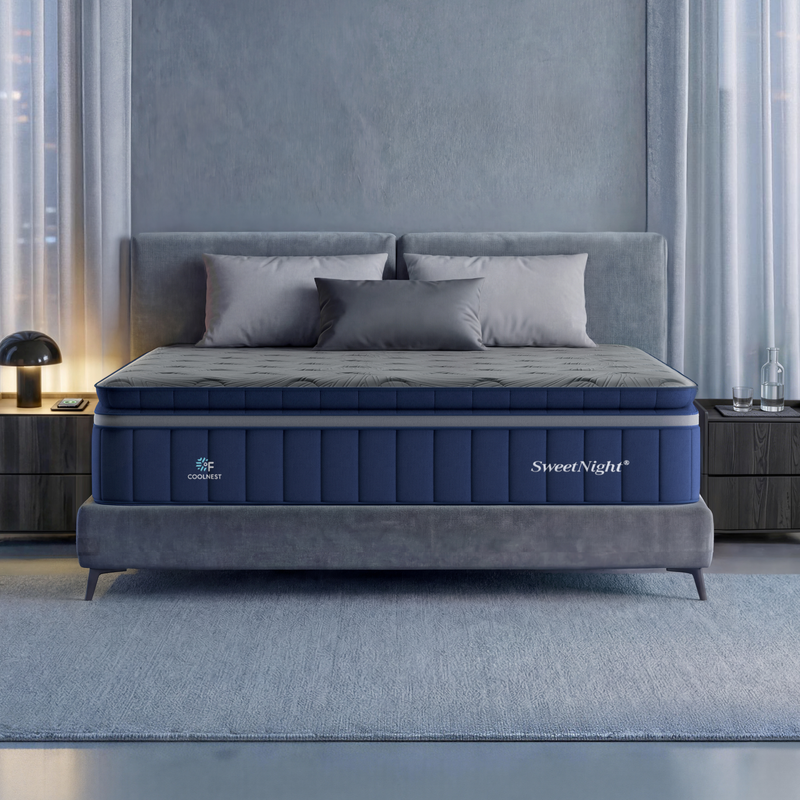
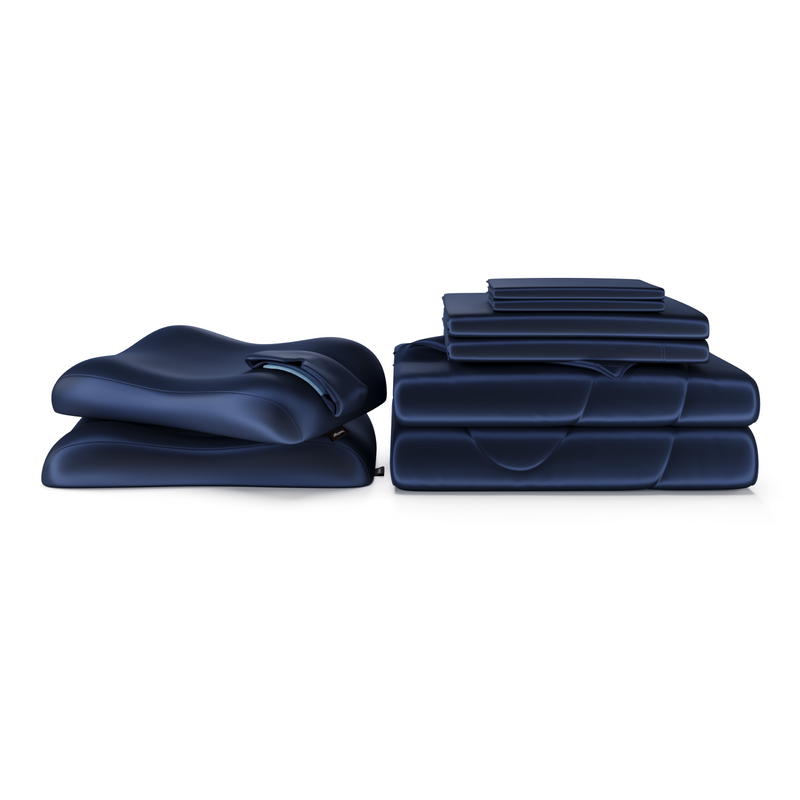
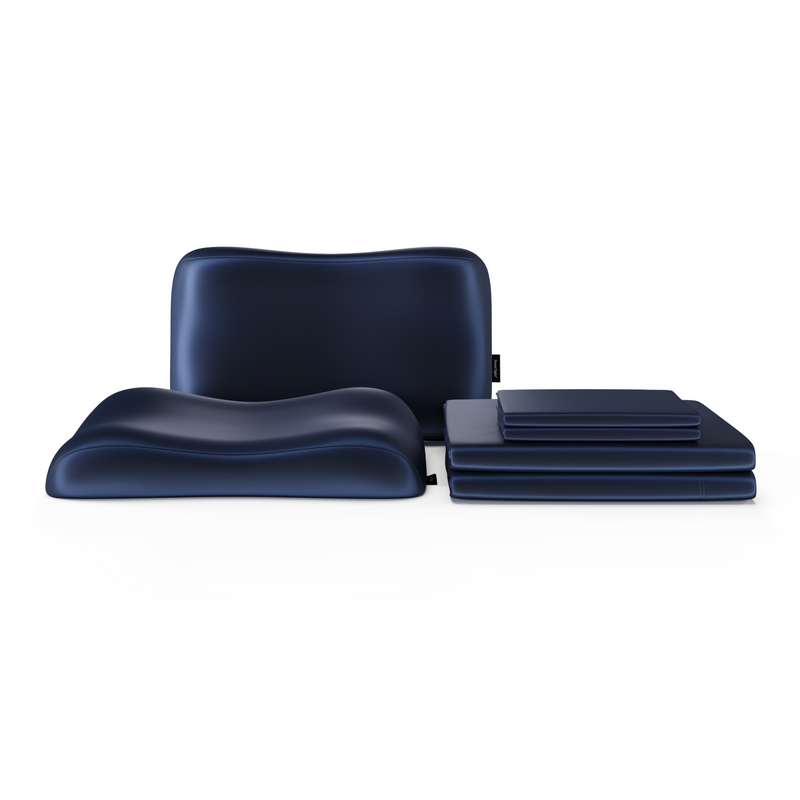
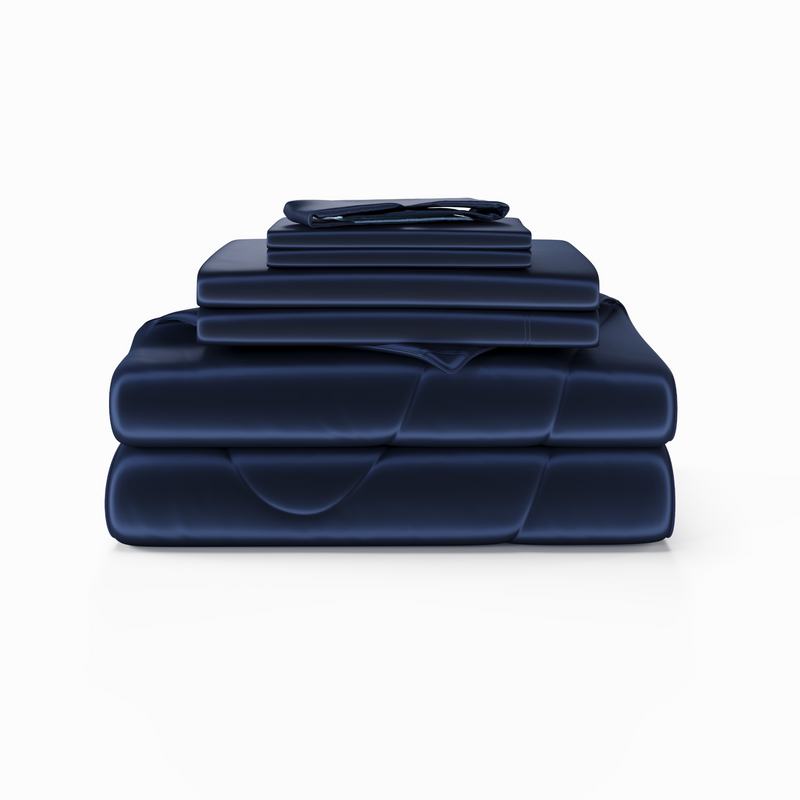
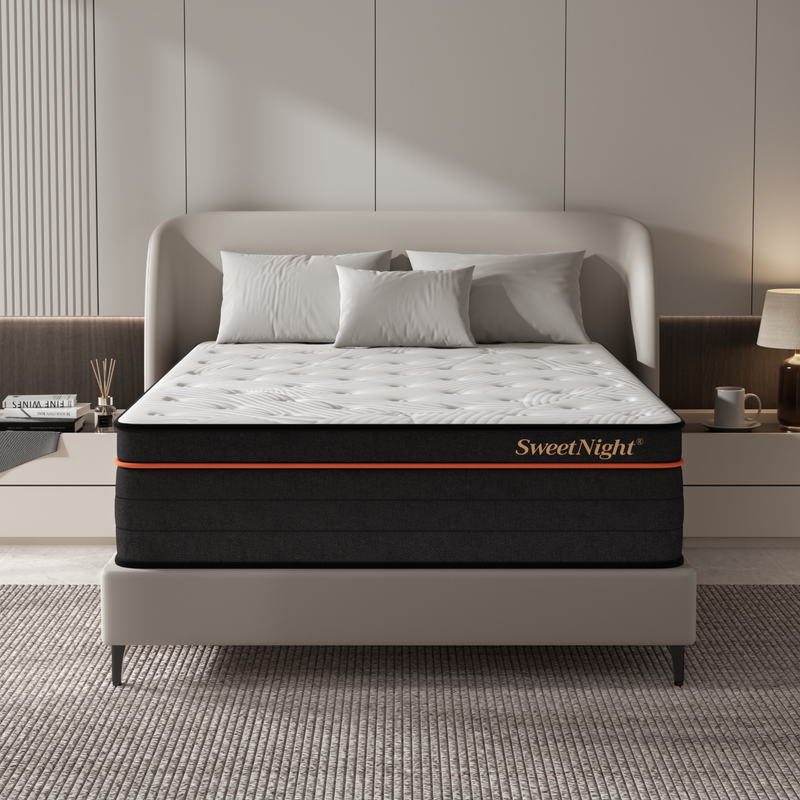
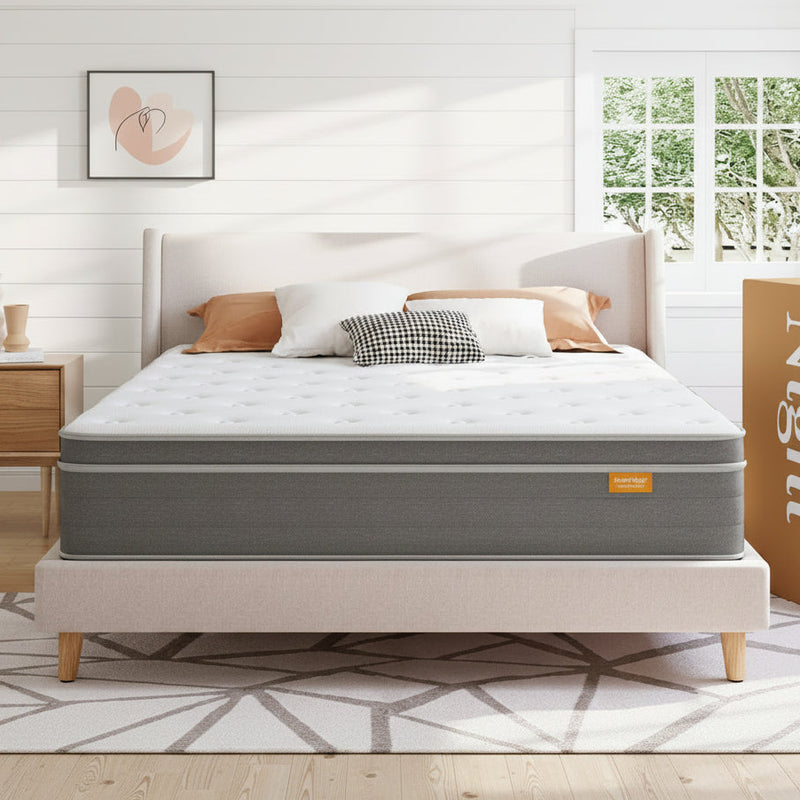
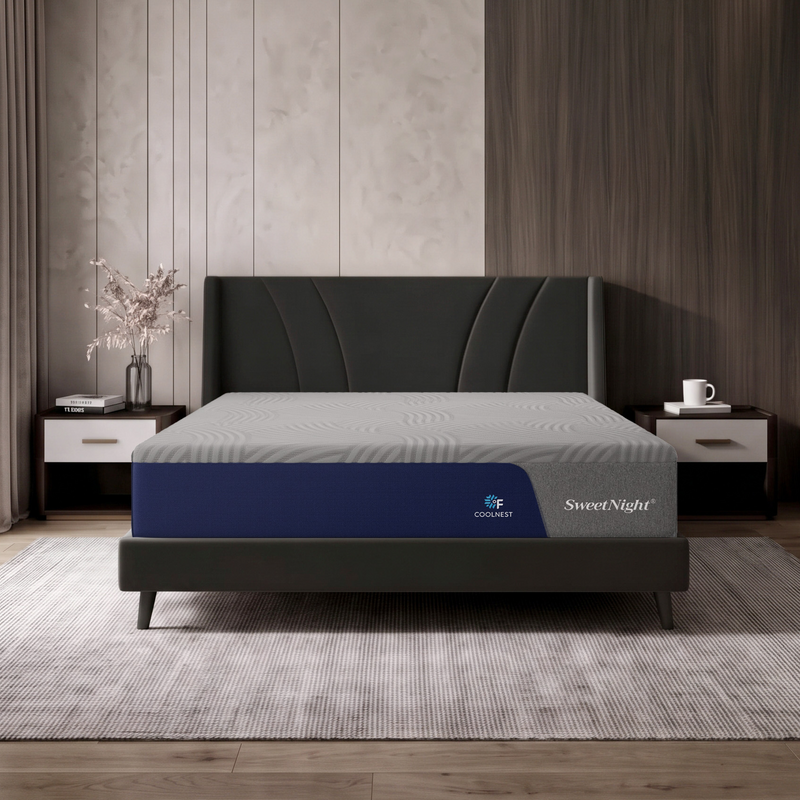
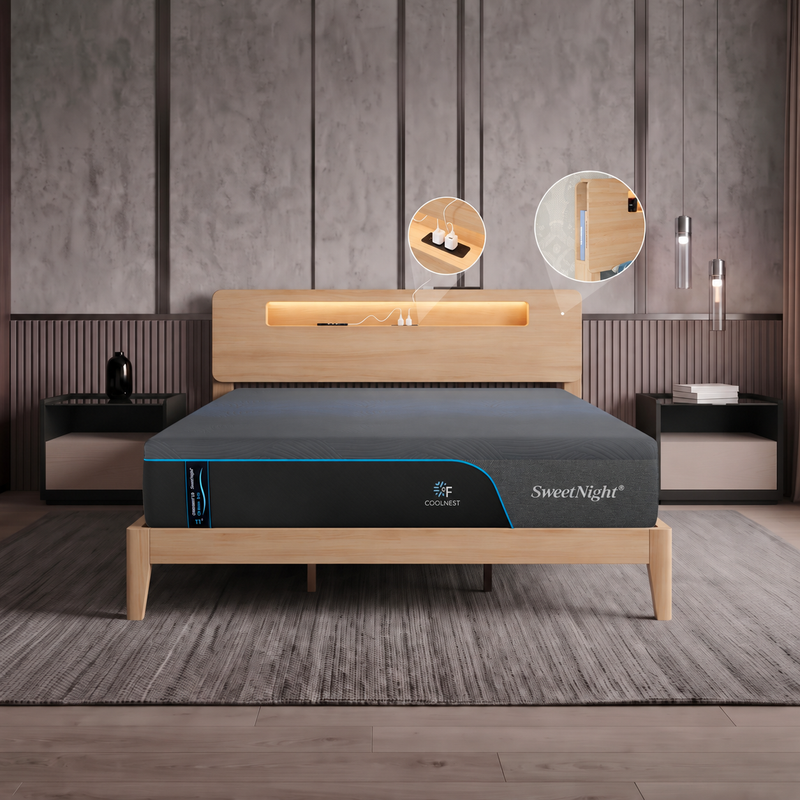
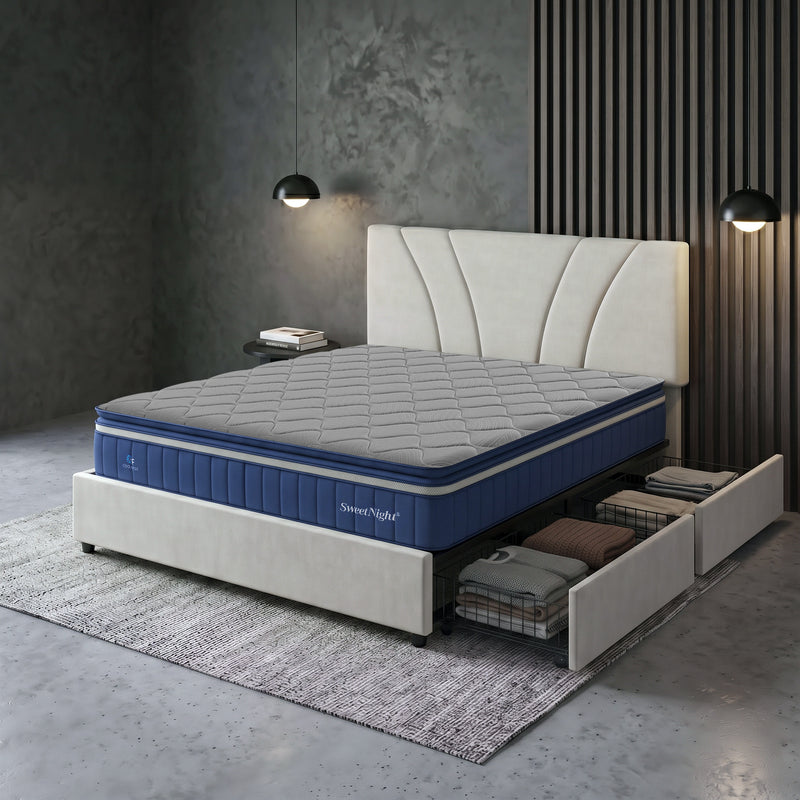
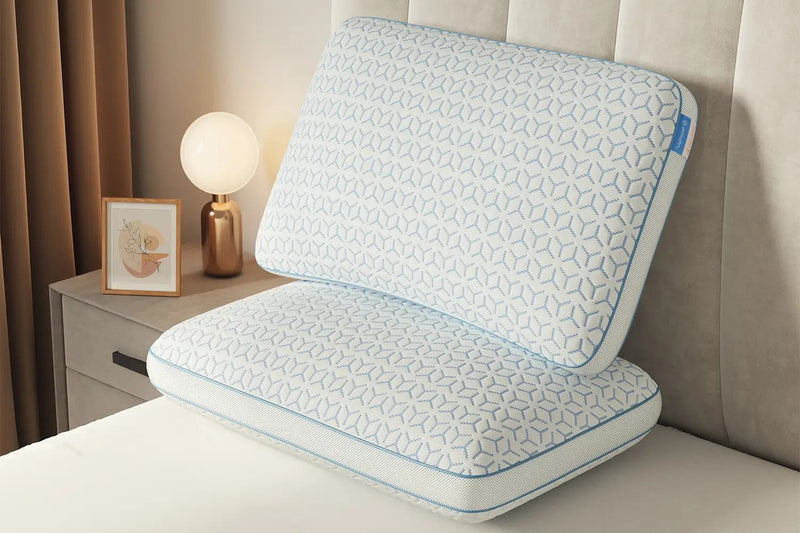
During a heatwave your bed never gets a cool night to recover into, so a heat-trapping mattress just keeps banking warmth against you. A gel-infused or hybrid surface keeps air moving underneath so heat has somewhere to go. Our cooling mattresses, pillows, and breathable bedding are on sale now in the SweetNight Cooling Sale — 100-night trial, 10-year warranty.
Why Your Mattress Matters More During a Heatwave
On an ordinary hot night, a mattress that traps heat is uncomfortable but survivable, because the room cools around you before morning. In a heatwave there is no cool recovery window — so a heat-banking bed compounds night after night. Traditional memory foam softens against your skin and seals warm air under your back and hips; with no cool night to release it into, that heat has nowhere to go but back into you.
This is exactly when a breathable, gel-infused, or hybrid surface earns its keep. Open coil channels and perforated foam let the stored heat drift out instead of pressing back up. During a heatwave, the bed is not a background detail — it is one of the few thermal surfaces you are in contact with for eight straight hours. If you keep waking damp along your back specifically, the mattress is the piece to fix. Compare options built for hot sleepers in the best cooling mattress range.
Heatwave Sleep Safety: When Hot Nights Turn Dangerous
Comfort is one thing; safety is another. Heatwaves kill more people than most other weather events, and a large share of the harm happens at night when nobody is monitoring. Take this seriously if the overnight temperature is not dropping below about 80°F.
Higher-risk groups — check on them and prioritize the coolest space for: older adults, infants and young children, pregnant people, and anyone with heart, kidney, or respiratory conditions or on certain medications.
Warning signs of heat exhaustion or heat stroke to act on immediately:
- Headache, dizziness, or confusion
- Nausea or vomiting
- A fast, weak heartbeat
- Heavy sweating — or the alarming opposite, skin that is hot but has stopped sweating
- Muscle cramps or unusual fatigue
If someone shows these signs: move them somewhere cooler, cool the skin with damp cloths and a fan, give sips of water if they are alert, and seek medical help if symptoms worsen or they become confused. Hot, dry skin with confusion is a medical emergency — call for help.
Your Night-by-Night Heatwave Plan
Because a heatwave builds, so should your response. Here is how to escalate as the days stack up.
| Stage | What to Do |
|---|---|
| Every day | Seal and shade the house from mid-morning; flush with cool air late evening. |
| Night 1–2 | Thin cotton sheet, cross-breeze fan, cool pressure points, hydrate through the day. |
| Night 3+ (heat has built up) | Move to the coolest, lowest room; add the wet-sheet method if the air is dry. |
| If nights stay above 80°F | Prioritize a cooled room or a public cooling center; check on higher-risk people. |
Frequently Asked Questions
Is it better to sleep with a fan on all night in a heatwave?
Yes, with a caveat. Moving air speeds evaporation and keeps cool air circulating. But once the air temperature climbs past roughly body temperature, a fan blowing hot air on you can add heat rather than remove it — on the most extreme nights, aim it to circulate the room rather than blast directly at your skin, and pair it with a damp cloth so there is moisture to evaporate.
Why do I wake at 3 or 4 a.m. during a heatwave?
Two forces meet there: your core temperature is at its natural low, so your body is most sensitive to being too warm, and the heat your home stored during the day is still radiating out. The result is a warm room hitting you at your most heat-sensitive hour.
Does a cold shower before bed help in a heatwave?
A cool — not ice-cold — shower helps. Very cold water makes your body clamp down blood flow to the skin and can rebound-warm you afterward. Lukewarm-to-cool rinses off the day's heat without triggering that bounce.
Should I sleep naked in a heatwave?
Not necessarily. A thin layer of moisture-wicking cotton or bamboo can sleep cooler than bare skin, because it moves sweat off you instead of letting it pool and stick to the sheet.
The Bottom Line
Sleeping through a heatwave is a game of managing stored heat, not just cooling air. Defend the house by day, flush it the moment the night air turns, sleep low, strip the bed, and cool your body at the pressure points. Respect the safety line when nights stop dropping below 80°F. And remember the surface you cannot escape: in a heatwave with no cool recovery window, a breathable mattress is the difference between a bed that releases heat and one that hoards it.
Related: How to stay cool while sleeping · Night sweats: causes & how to stop them.