




Published: July 7, 2026 · Updated: July 14, 2026 · Reviewed by the SweetNight Sleep Comfort Team · 9 min read
There is a difference between cooling yourself and cooling the room, and most summer advice quietly mixes them up. A cold cloth on your neck cools you; it does nothing for the 78°F box you are lying in. This guide is about the room. Treat your bedroom like the building it is — something that gains heat, stores heat, and releases heat — and you can keep it genuinely cool without an air conditioner. It comes down to three fronts: stop heat getting in, get stored heat out, and stop humidity trapping it.
Where Your Bedroom's Heat Actually Comes From
You cannot manage heat you cannot locate. A bedroom heats up through three routes:
- Radiant gain: sunlight streaming through windows, heating everything it lands on directly. This is the biggest daytime source, and it works even through closed glass.
- Convective gain: hot outdoor air flowing in through open windows and gaps.
- Stored heat: your walls, floor, furniture, and mattress absorb heat all day (their "thermal mass") and slowly radiate it back for hours after sunset. This is why a room stays hot long after the air outside has cooled.
Every tactic below targets one of these. Once you know which enemy you are fighting, the fixes stop being a random checklist.
Block Heat Gain: The Daytime Half of Keeping a Room Cool
The single highest-impact move is stopping radiant heat before it enters. Do this while you are out or busy, long before bedtime.
- Shade the glass, and do it on the outside if you can. Blackout curtains and blinds help, but they stop heat after it is already through the window. External shades, awnings, or even a light-colored sheet hung outside block far more, because they reject sunlight before it becomes indoor heat.
- Prioritize east- and west-facing windows. East glass bakes the morning, west glass bakes the late afternoon — the hottest part of the day, right before you want to sleep. Shade those first.
- Keep windows shut while it is hotter outside than in. Opening up during the afternoon heat pours convective and radiant heat straight onto your thermal mass.
- Shut down indoor heat sources. Ovens, dryers, dishwashers, desktop computers, and old incandescent bulbs all pump heat into the house. Run them early or outside the bedroom, and switch to LED bulbs, which run cool.
Fan Placement: How to Set Up Fans to Cool a Room, Not Just You
A fan aimed at your body cools you by evaporation. To cool the room, you use fans to physically move heat out and cooler air in — and placement is everything.
The exhaust method
Once the evening air outside drops below your indoor temperature, put a fan in a window facing outward so it pushes hot indoor air out of the house. Then open a window on the opposite side of the room, or across the home, so cooler outside air is drawn in to replace it. You have turned your bedroom into a wind tunnel that flushes stored heat.
Use the whole house
Heat collects high, so exhaust from an upstairs window while drawing cool air in from a low, shaded window downstairs. This "stack effect" moves a surprising volume of air with no AC at all.
Spot-cool the bed
For the last few degrees, set a bowl of ice or a frozen bottle in front of a fan aimed at the bed. On a dry night the passing air arrives a few degrees cooler right where you need it.
Humidity: Why Your Bedroom Feels Hotter Than the Thermostat Says
Two rooms at the same temperature can feel completely different, and humidity is the reason. Your body's main cooling method is evaporating sweat — but if the air is already saturated with moisture, that sweat cannot evaporate, so you feel hotter than the number on the wall.
That makes humidity control a real lever, not an afterthought. Run a dehumidifier in muggy climates, avoid drying laundry indoors, use the bathroom exhaust fan after showers, and keep houseplants out of a small bedroom on humid nights. Lowering humidity can make a warm room feel cooler without dropping the actual temperature a single degree — and it restores your body's own cooling system at the same time.
Cool Your Sleep Surface, Not Just the Air Around It
Here is the piece of the room people forget to count: the mattress is thermal mass too, and it is the one square meter of the room in direct contact with your body for eight hours. It absorbs your body heat all night and, if it cannot release it, hands it right back — a private heat store you cannot ventilate with any fan.
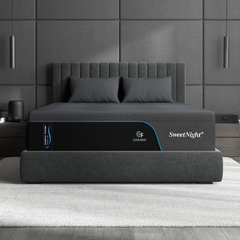
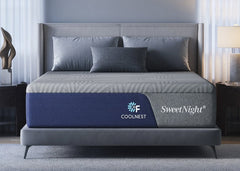
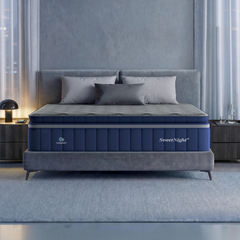
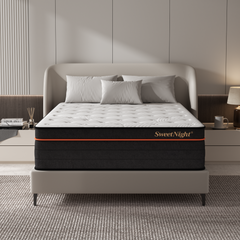
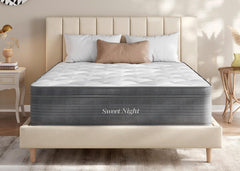
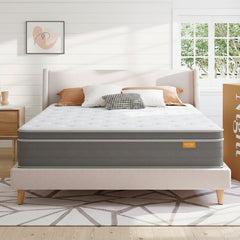
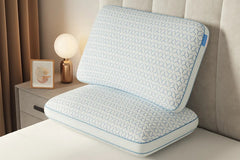
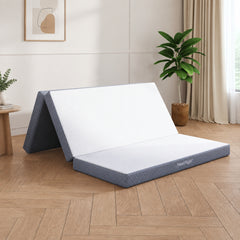
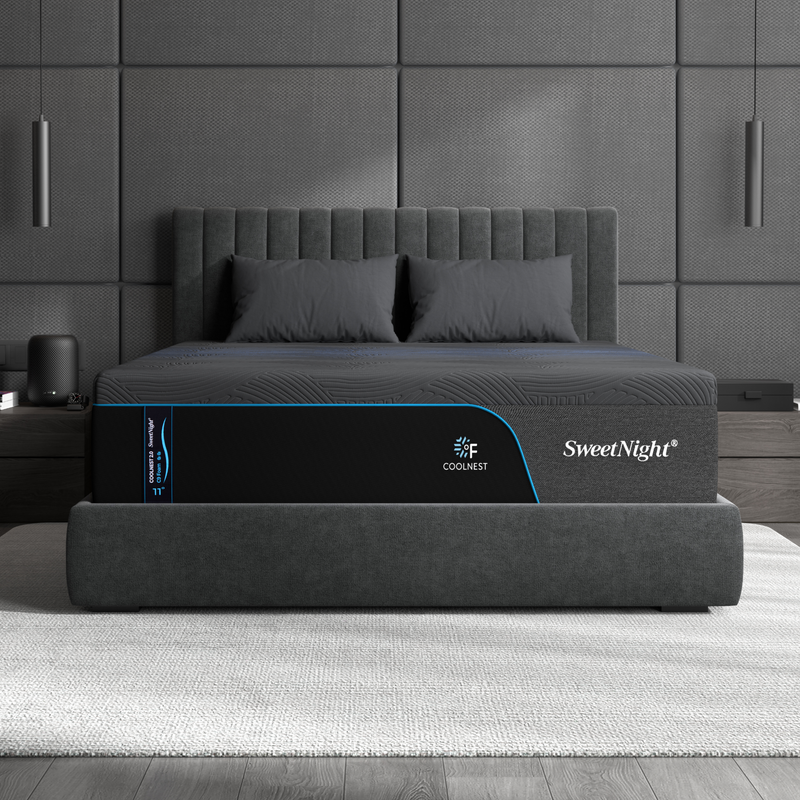
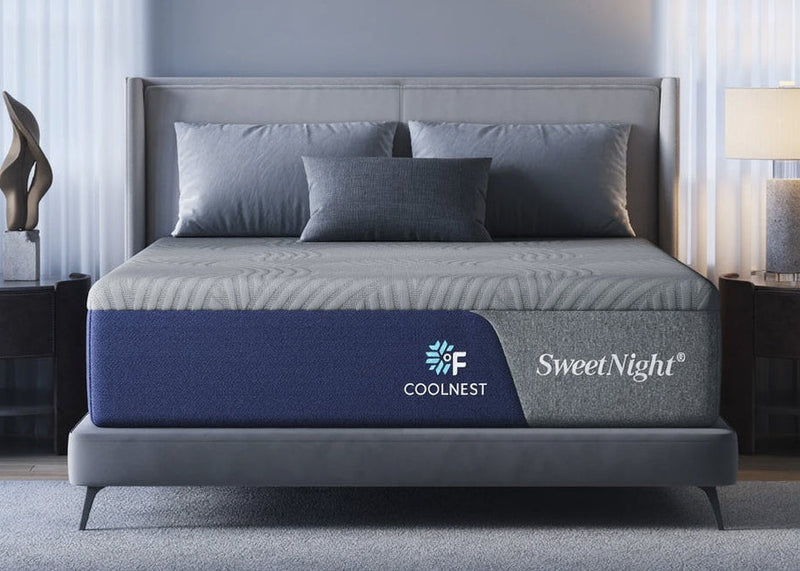
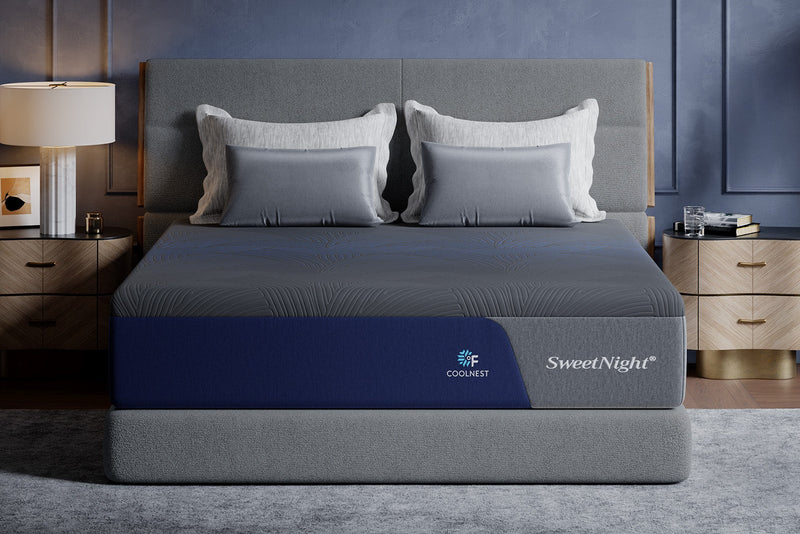
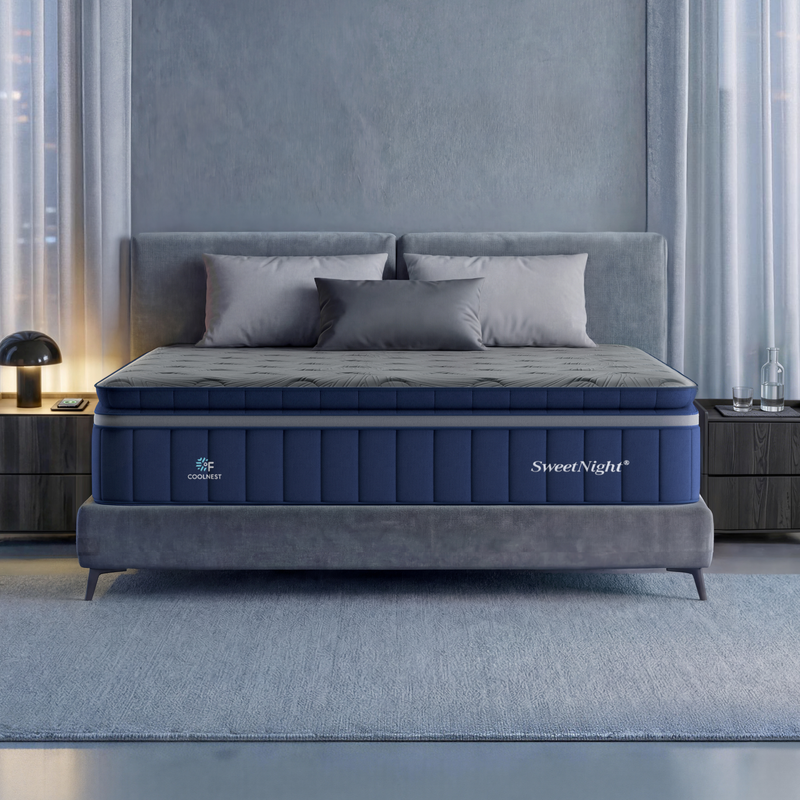
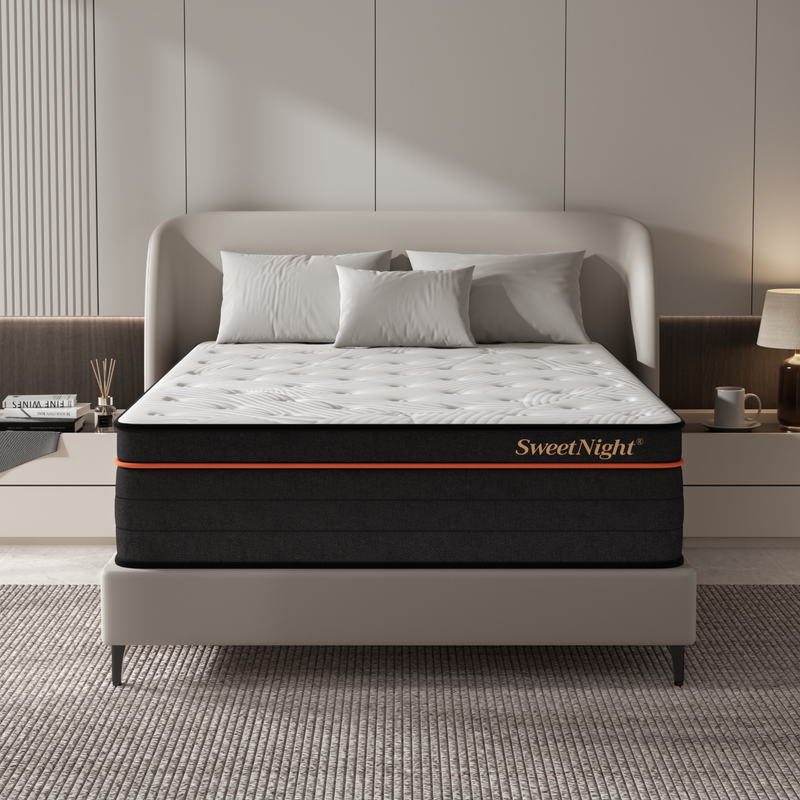
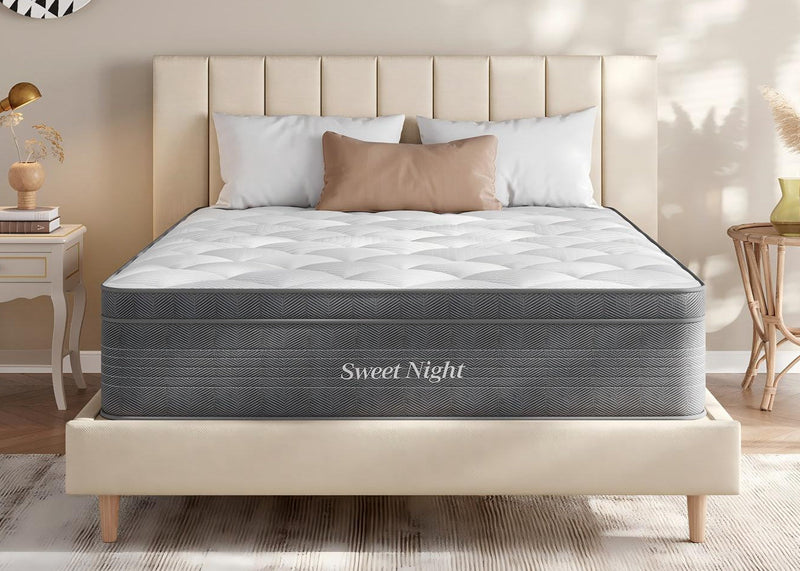
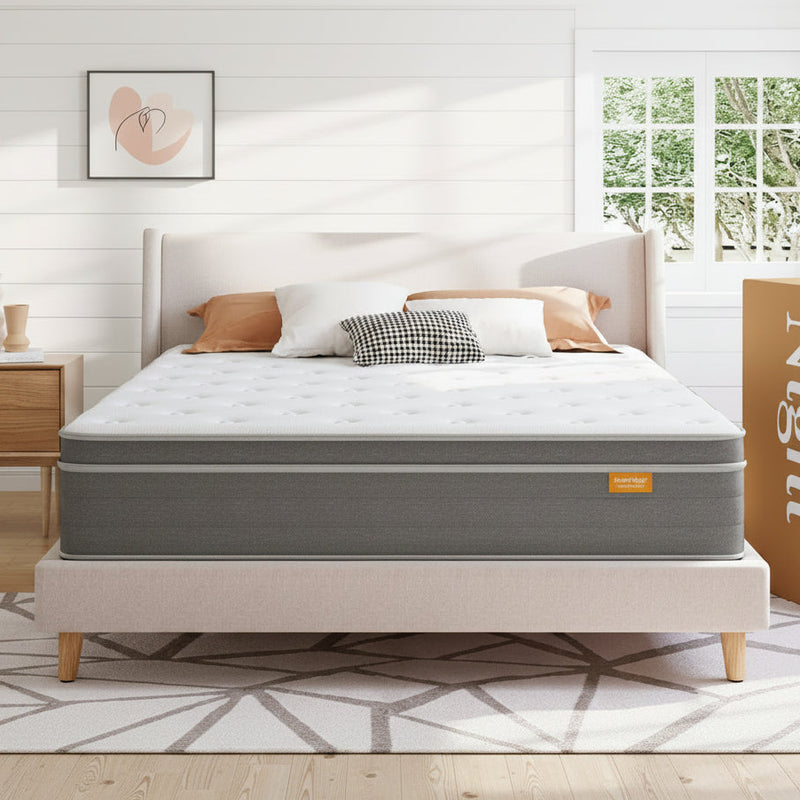
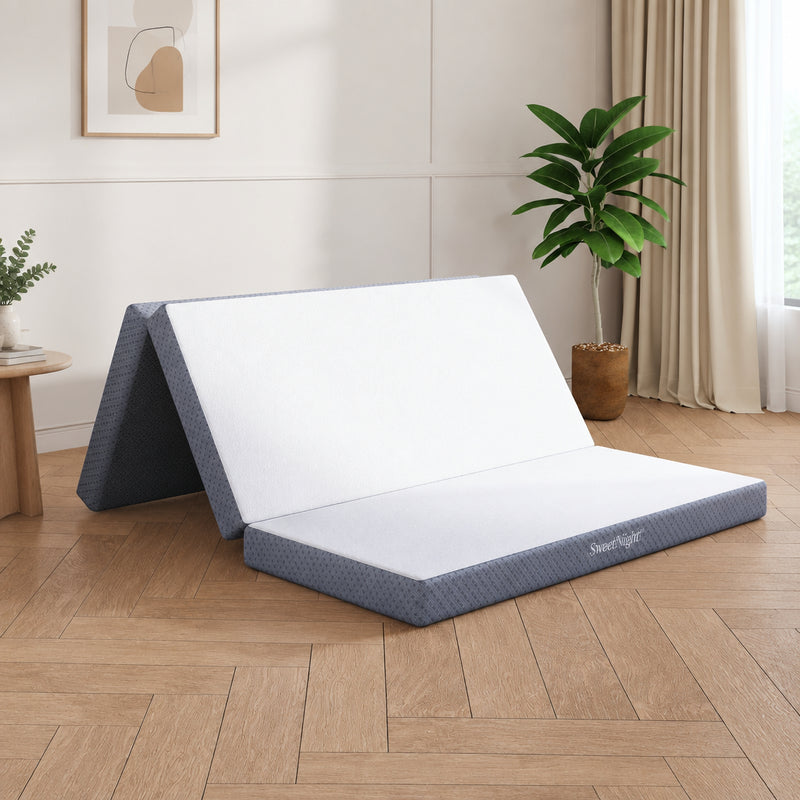
Traditional memory foam is the worst offender, softening against your skin and sealing warm air beneath your back and hips. A breathable, gel-infused, or hybrid mattress instead lets that heat drift out through open coils and perforated foam, so your sleep surface stops adding to the room's heat load. If you have shaded, exhausted, and dehumidified the room and still wake up warm along your back, the mattress is the last uncooled surface. Compare options in the best cooling mattress range, or read whether the technology delivers in do cooling mattresses actually work.
☀️ The Coolest Surface in the Room Is on Sale
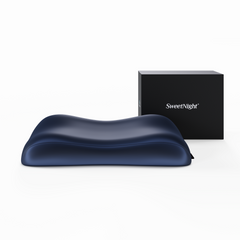
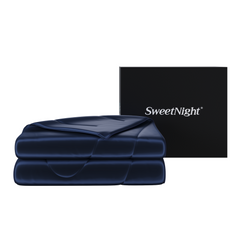
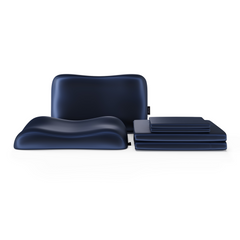
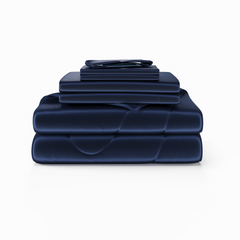
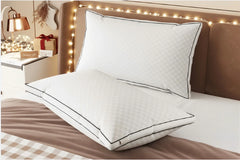
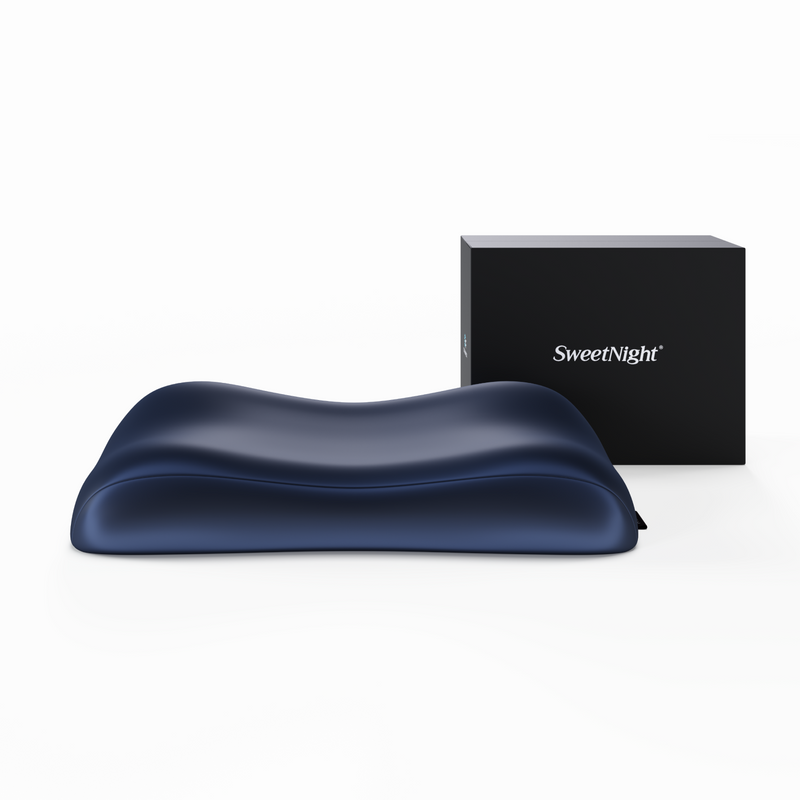
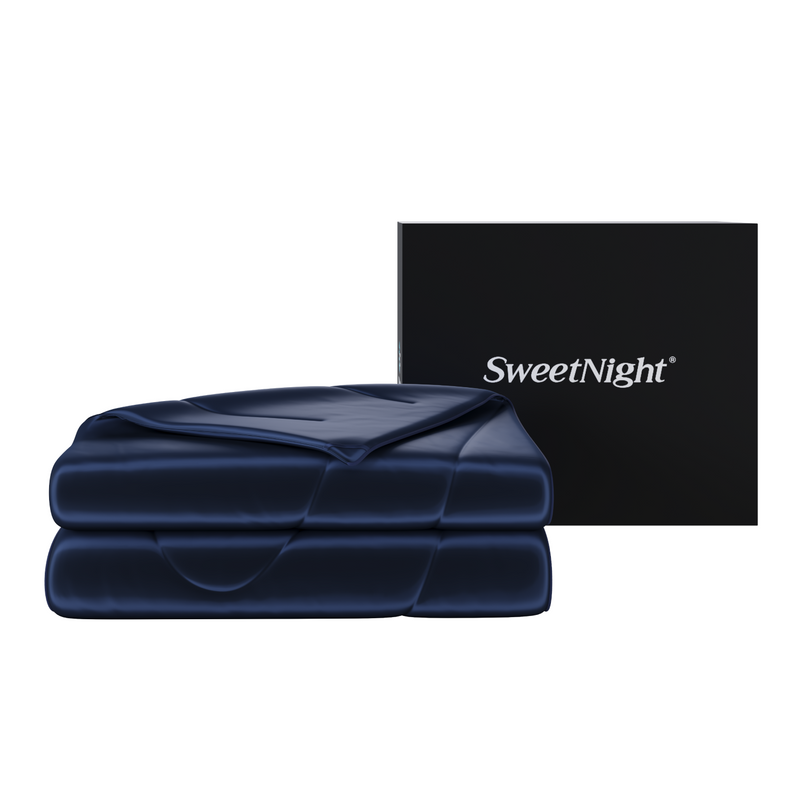
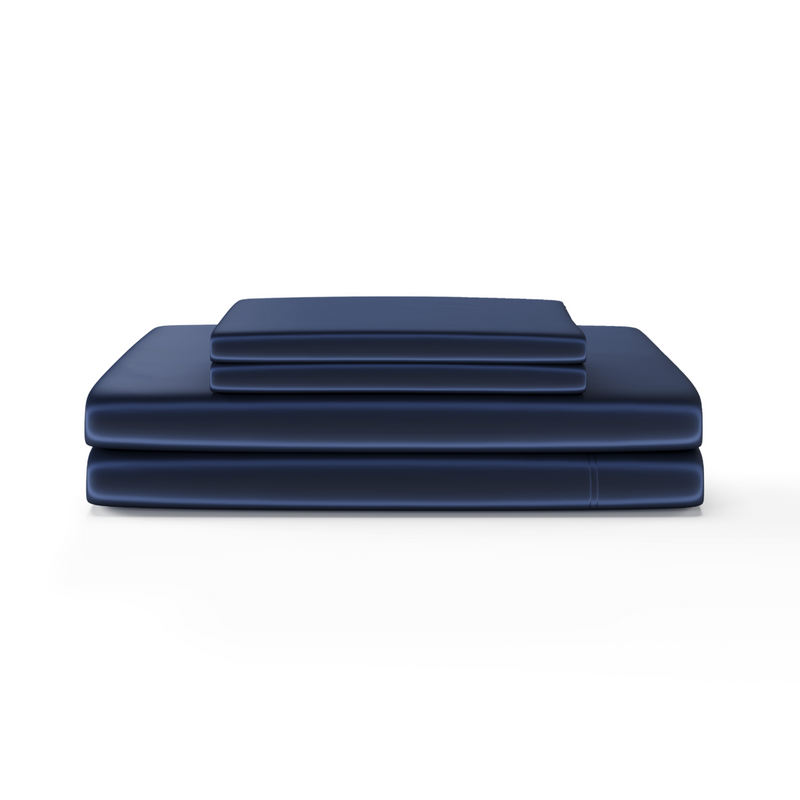
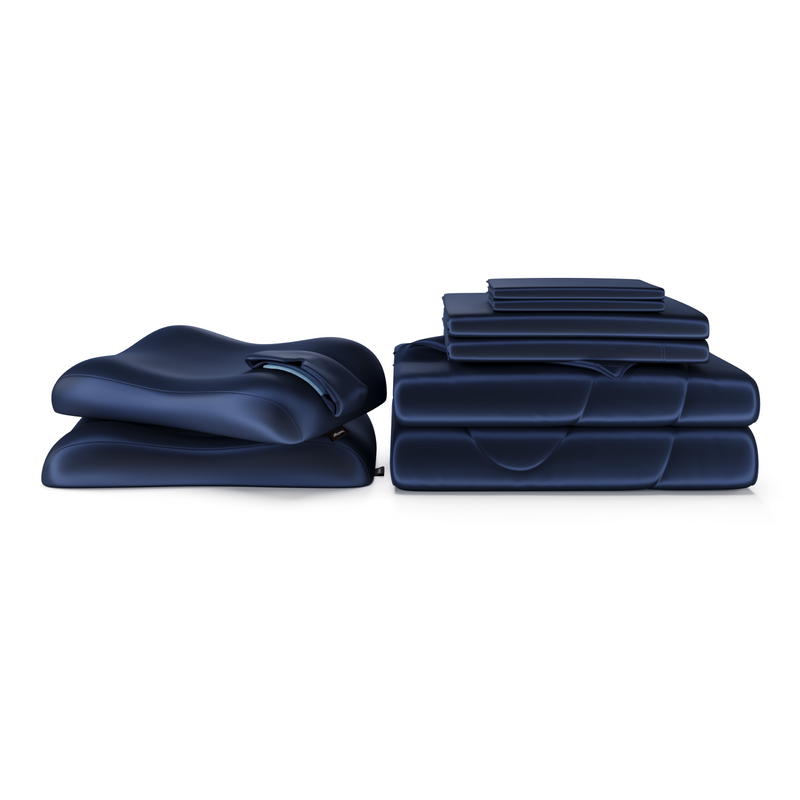
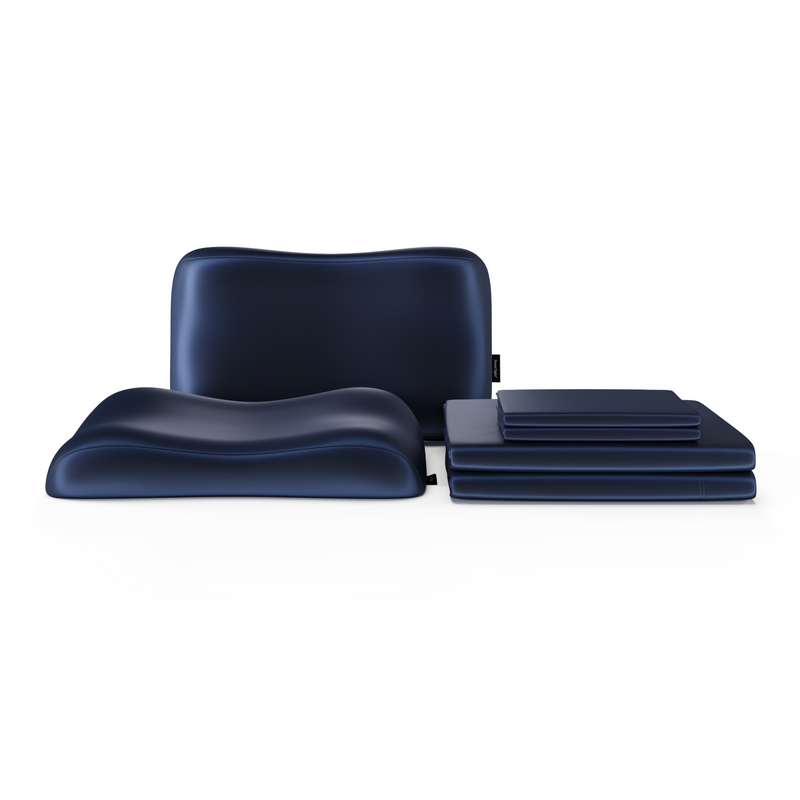
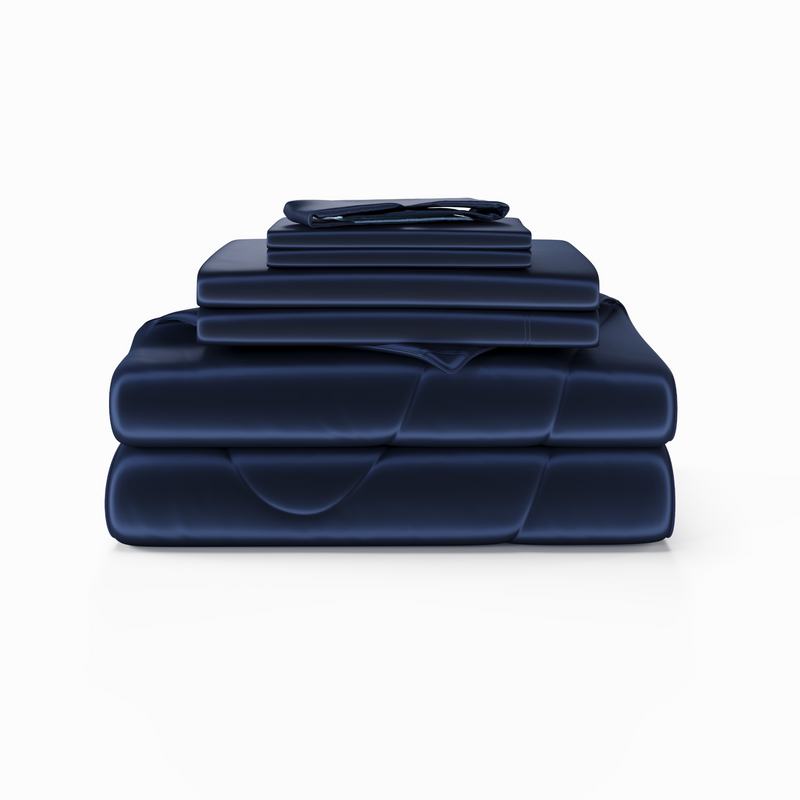
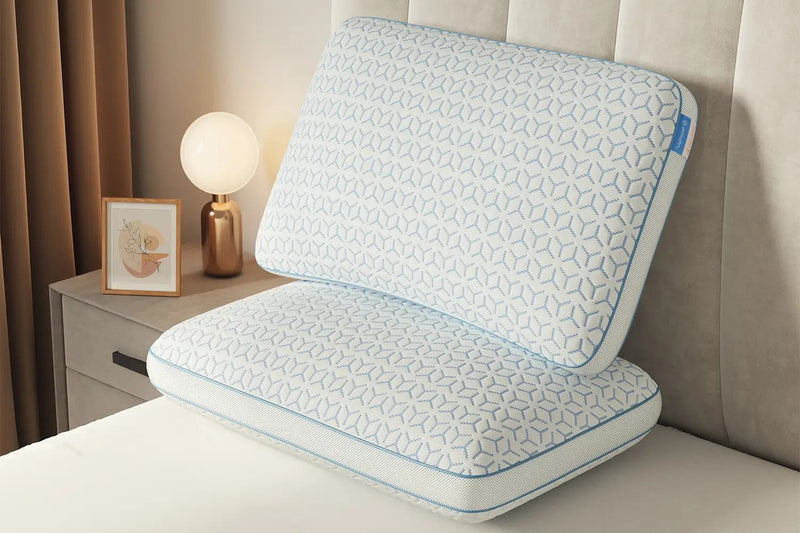
You can shade and ventilate the room, but the mattress is the surface touching you all night. Our gel-infused and hybrid cooling mattresses, cooling pillows, and breathable bedding are on sale now in the SweetNight Cooling Sale — 100-night trial, 10-year warranty.
Your Daily Cool-Room Routine
| Time | Action | Heat Route It Targets |
|---|---|---|
| Morning | Close and shade sun-facing windows before you leave | Radiant gain |
| Daytime | Keep windows shut; run heat-making appliances elsewhere | Convective gain + internal sources |
| Evening (air drops below indoor temp) | Open up; exhaust fan out one window, cool air in another | Stored heat |
| Bedtime | Dehumidify; spot-cool the bed; breathable sleep surface | Humidity + surface heat |
The Bottom Line
Keeping a bedroom cool without AC is building management, not luck. Reject sunlight before it enters, keep the room sealed while it is hot outside, then flush the stored heat with a well-placed exhaust fan once the night air turns. Control humidity so your body can cool itself, and don't forget the mattress — the one warm surface in the room that no breeze can reach. Handle all four and your bedroom stays livable through the hottest weeks of summer.
Keep reading: 15 ways to sleep in the heat without AC · What is the optimal sleeping temperature.