
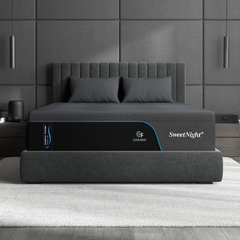
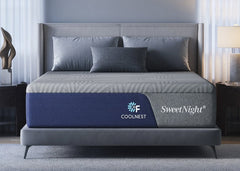
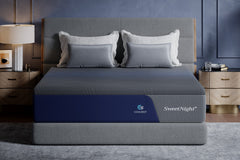
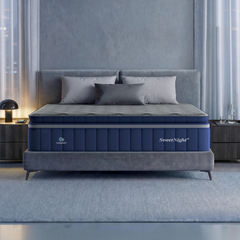
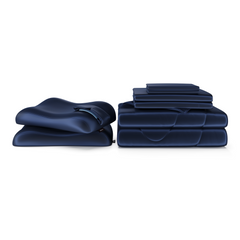
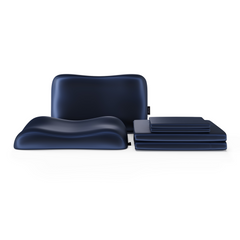
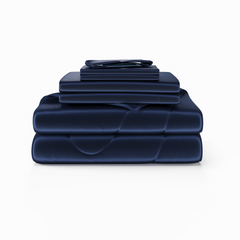
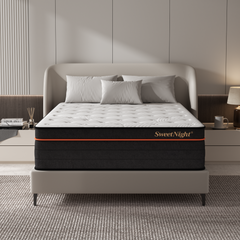
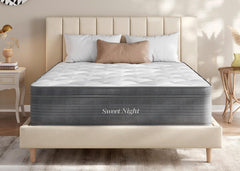
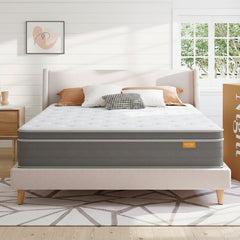

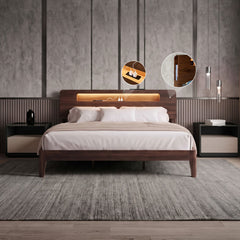
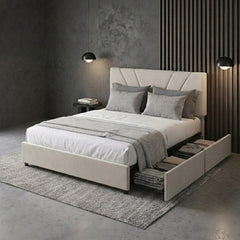
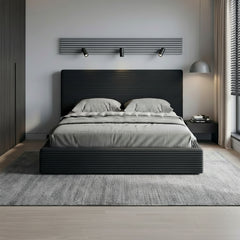
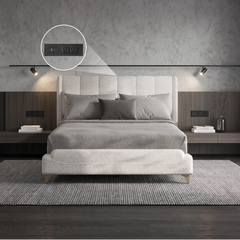
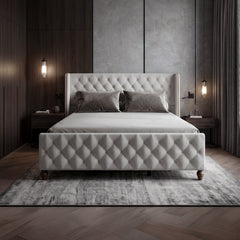
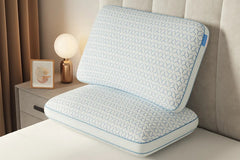
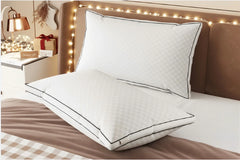
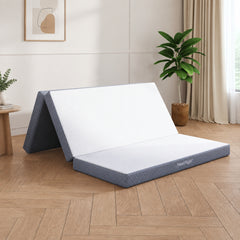
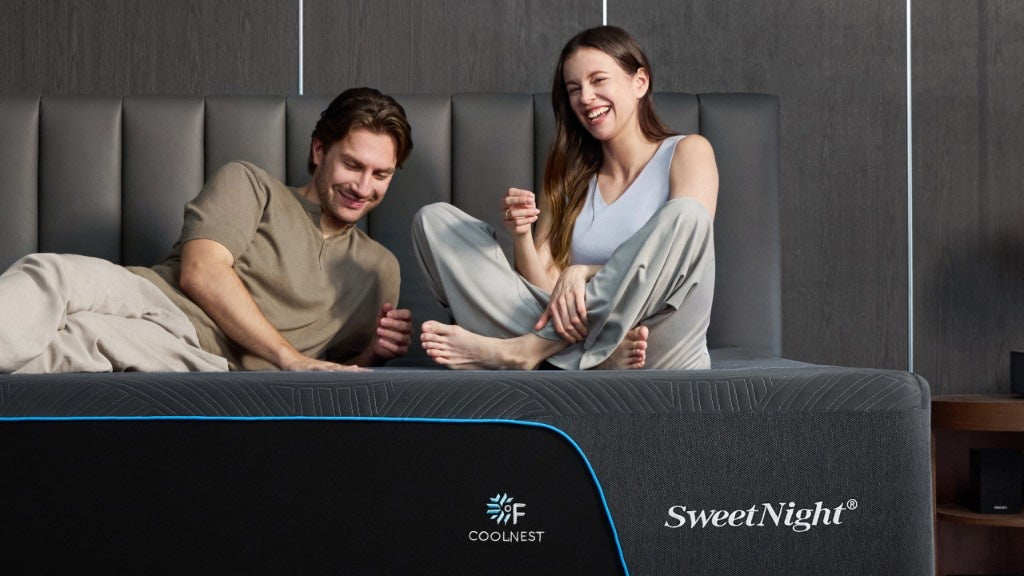
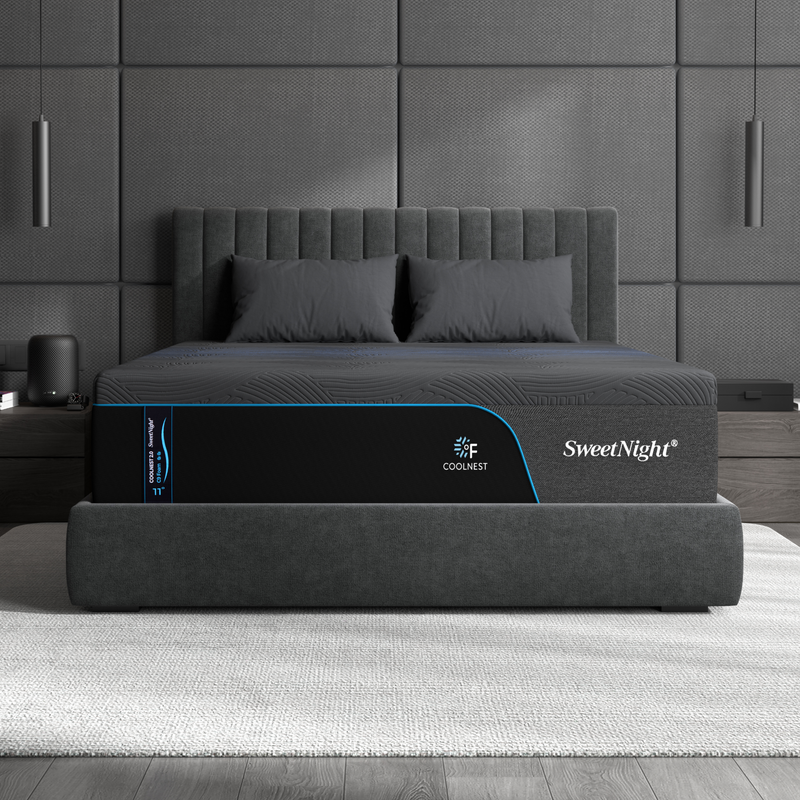
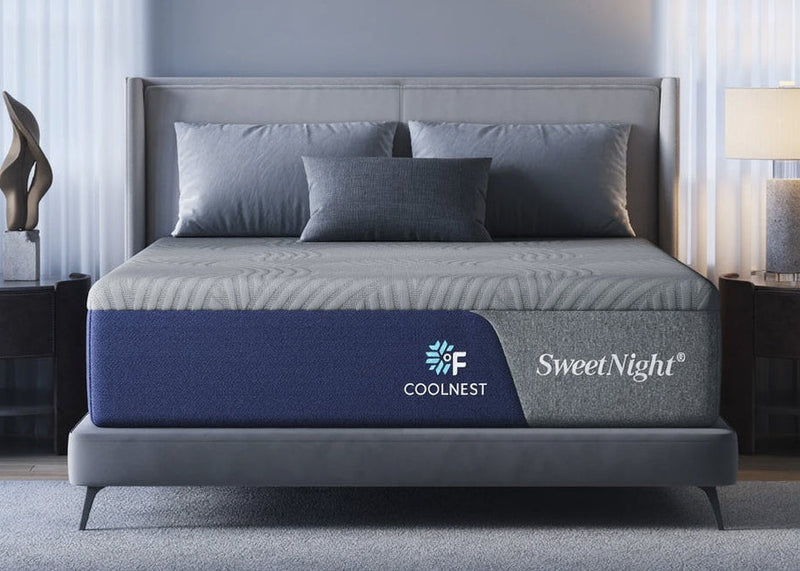
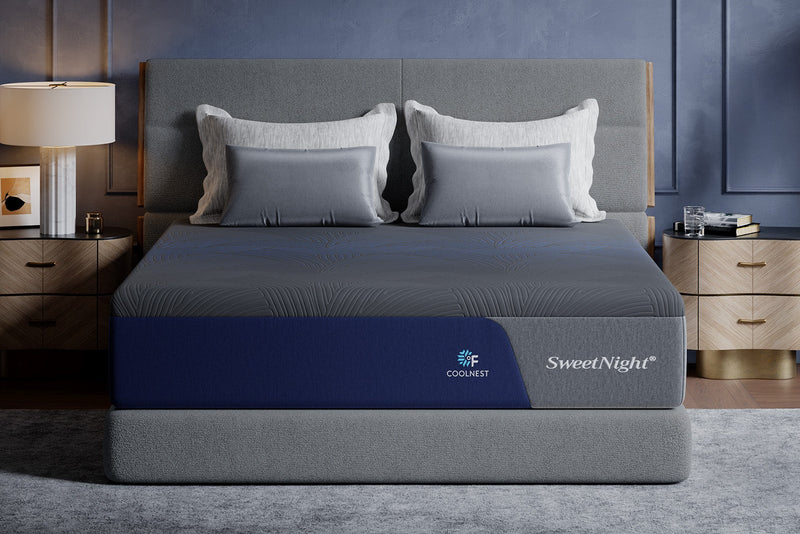
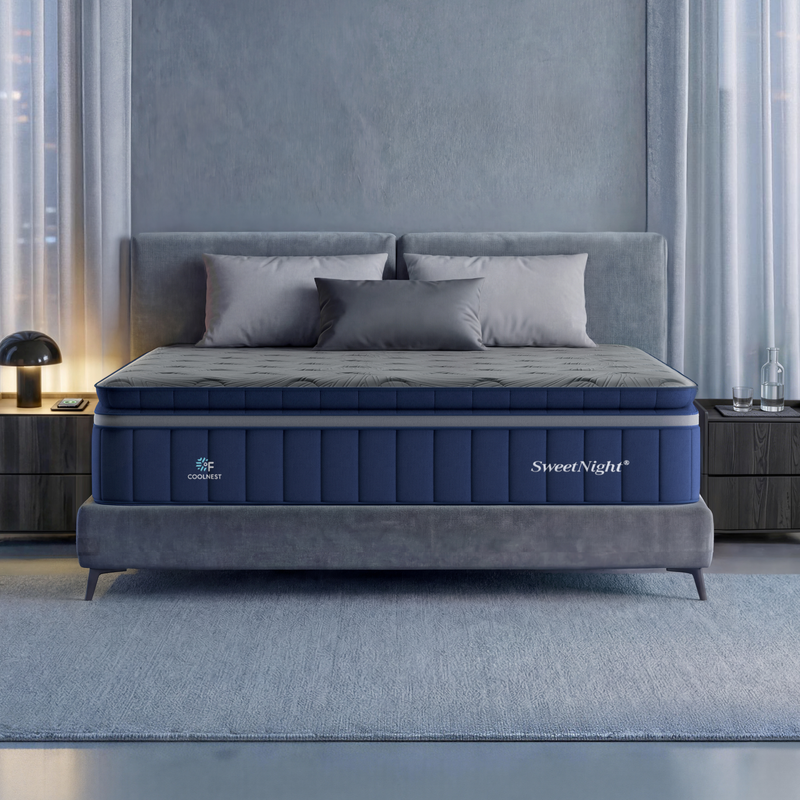
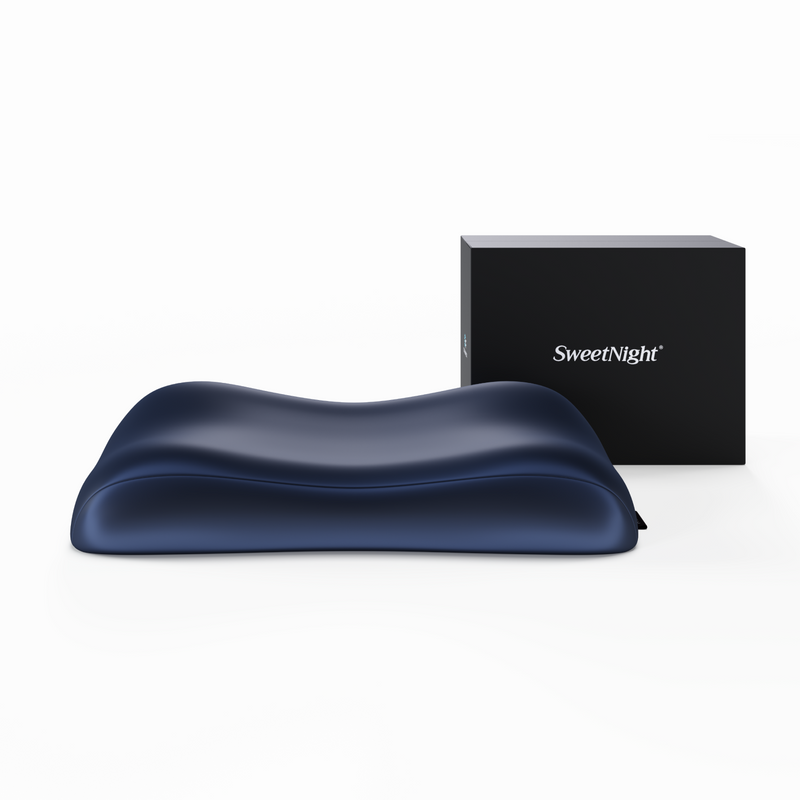
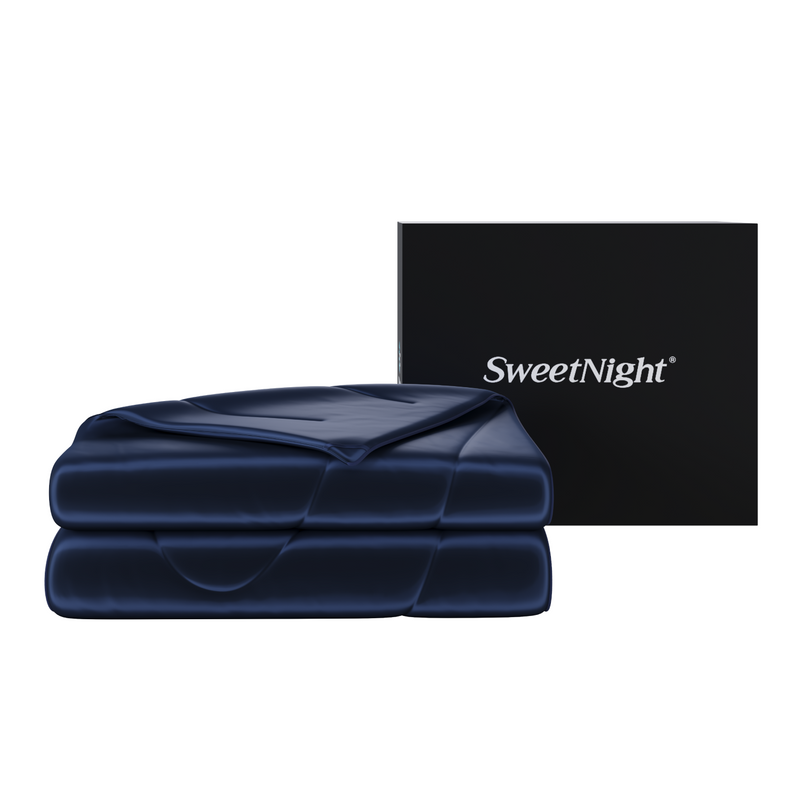
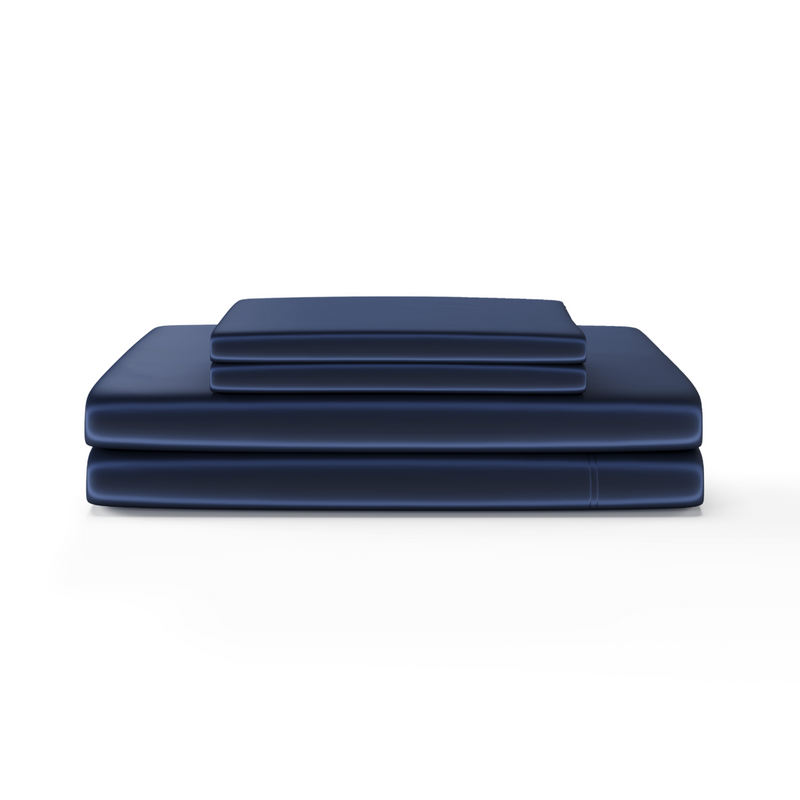
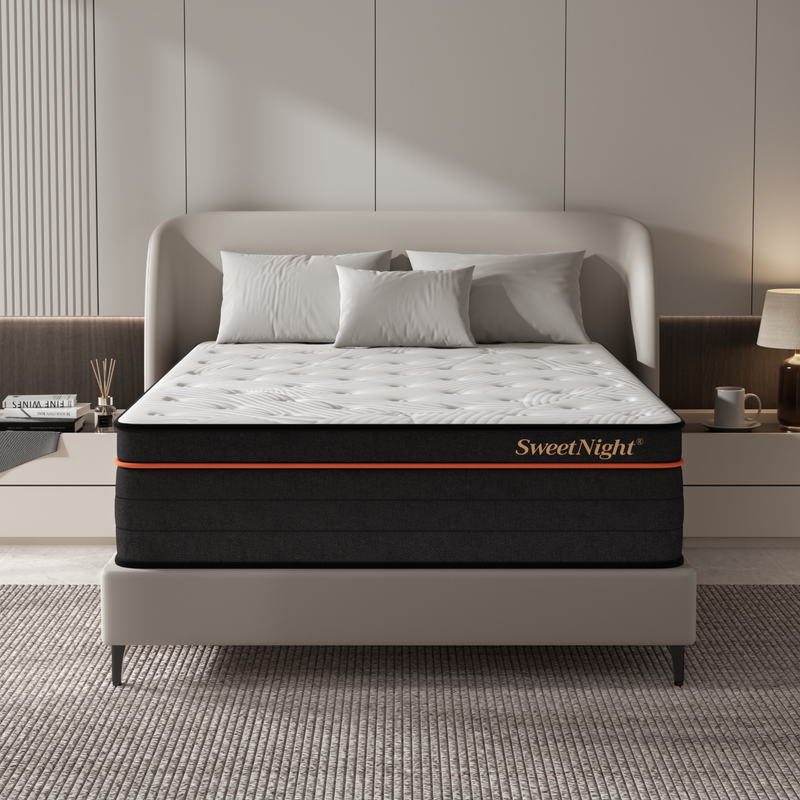
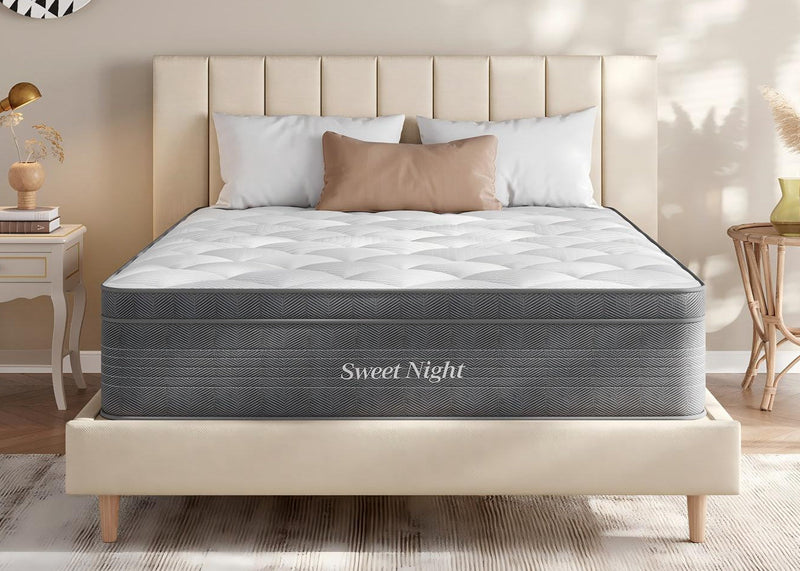
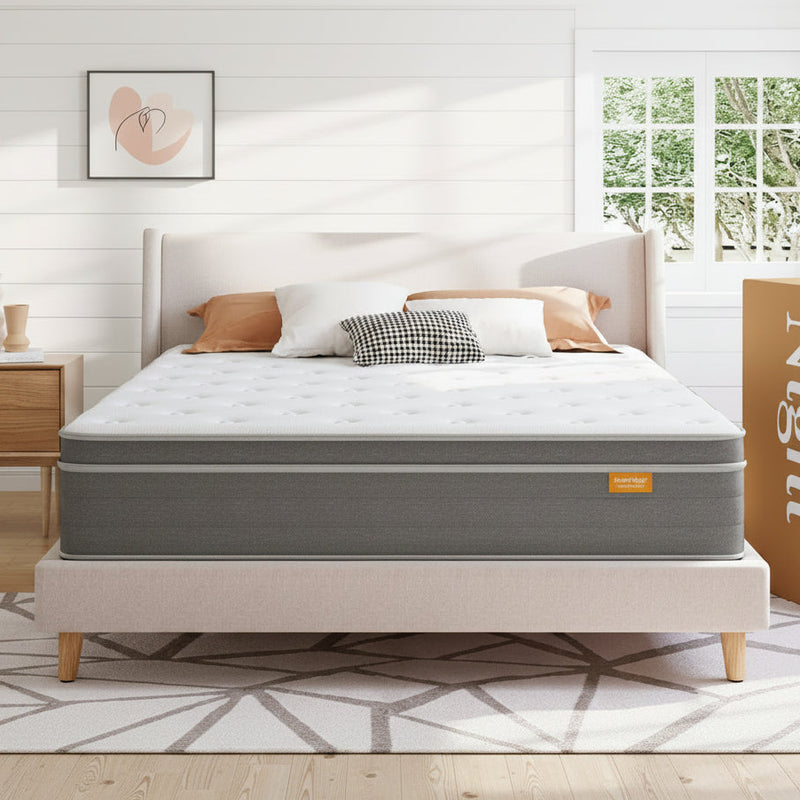
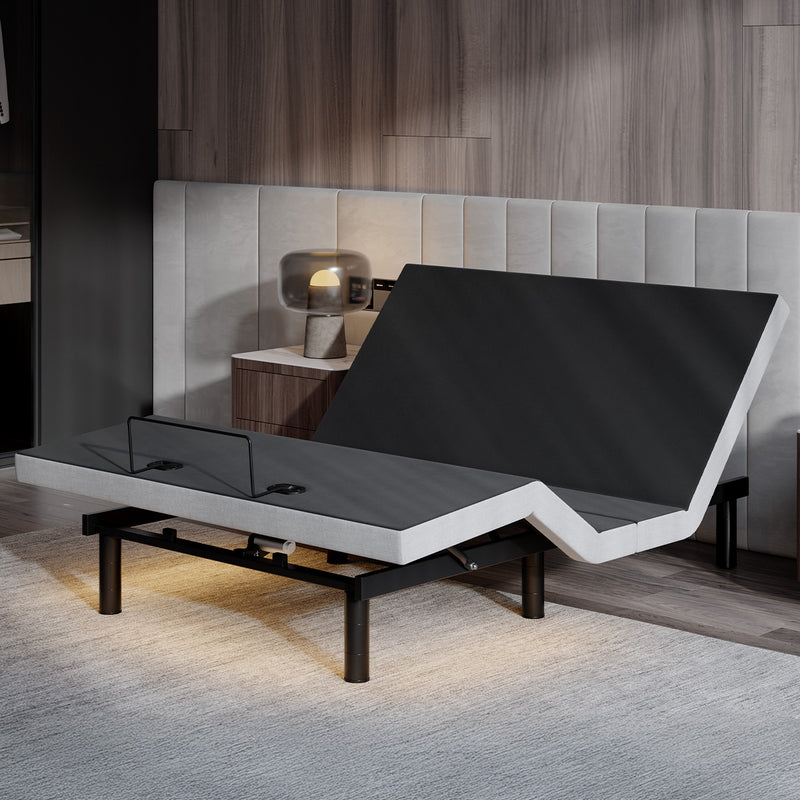
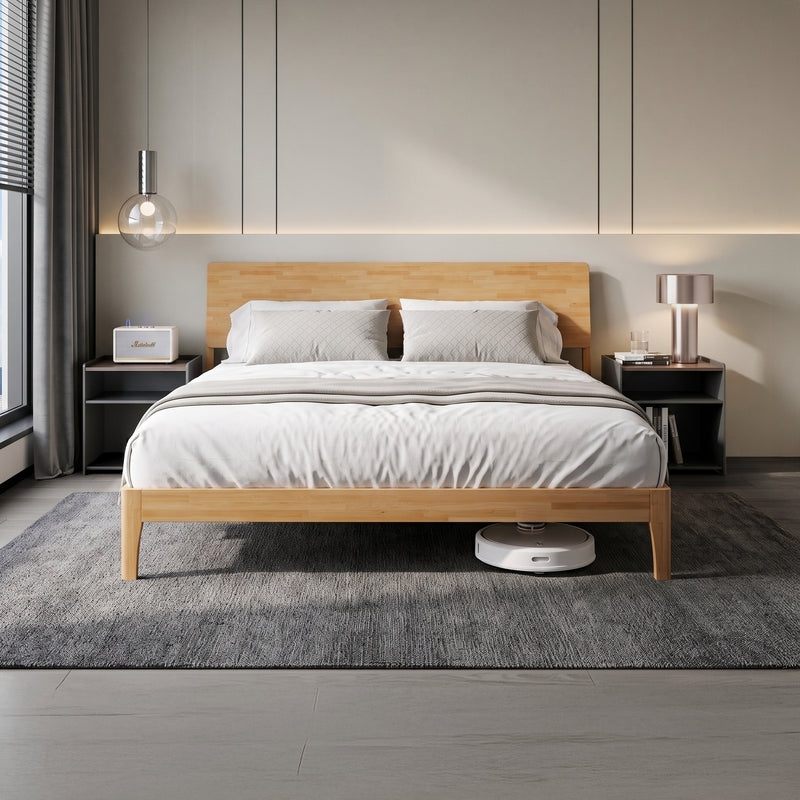

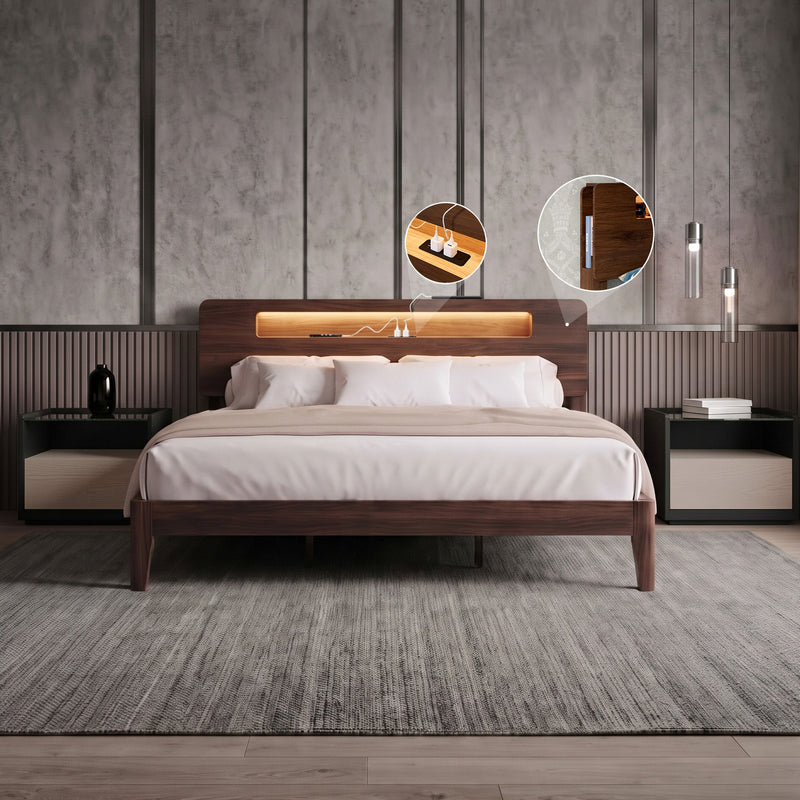
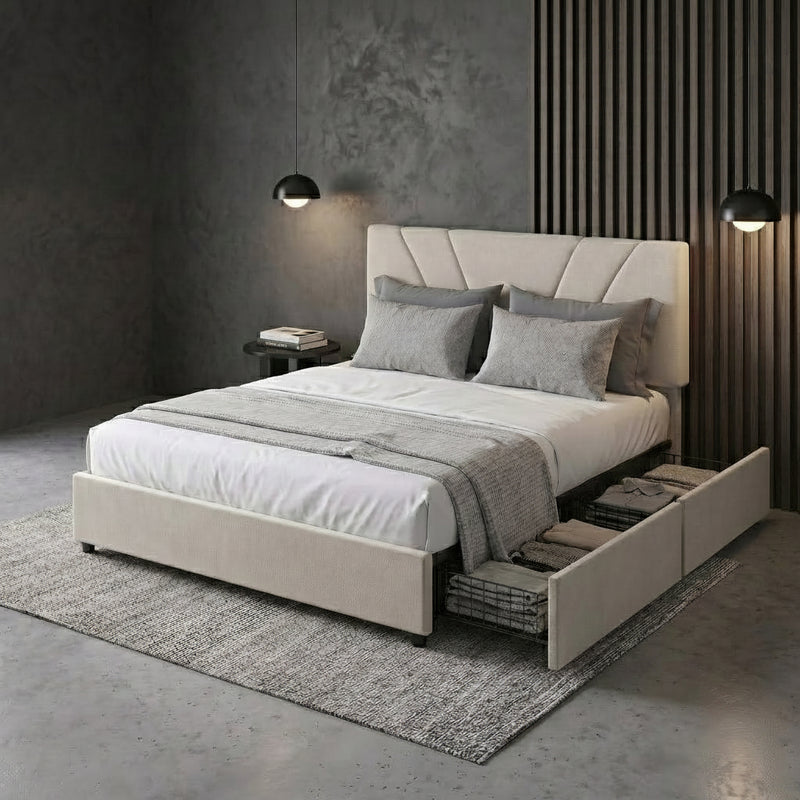
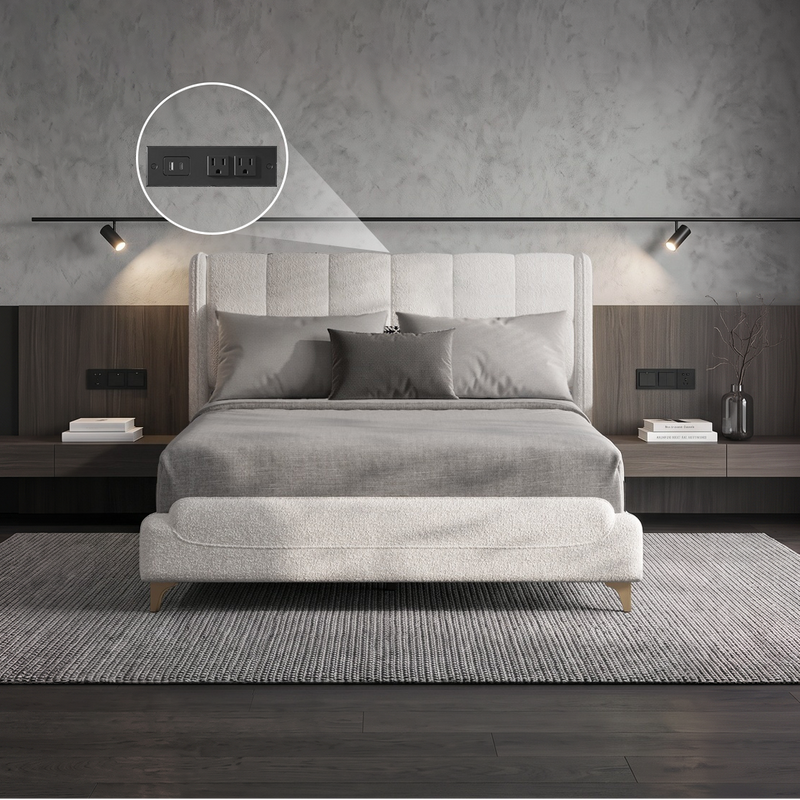
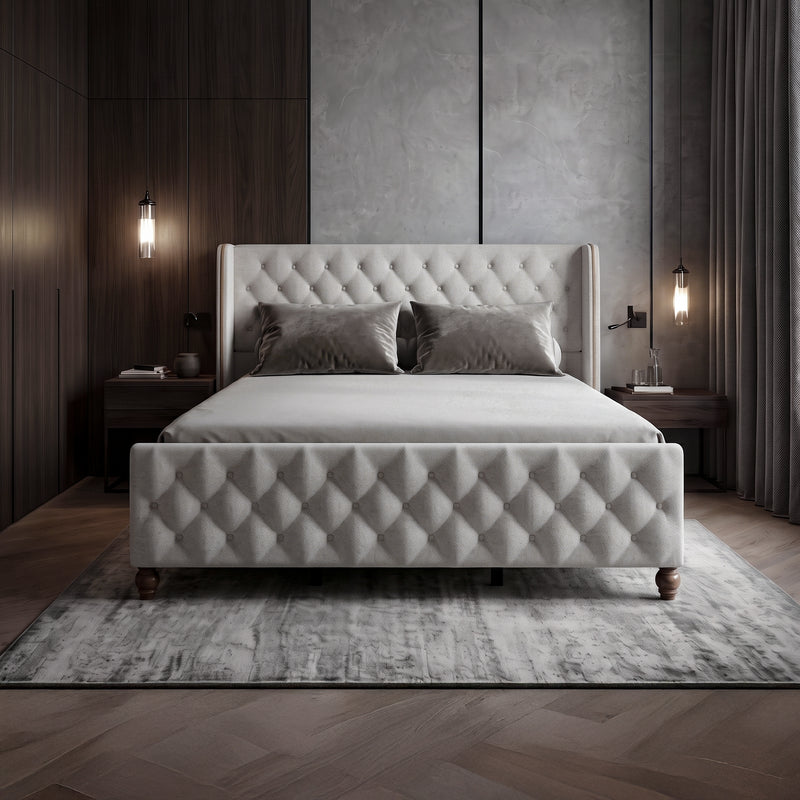
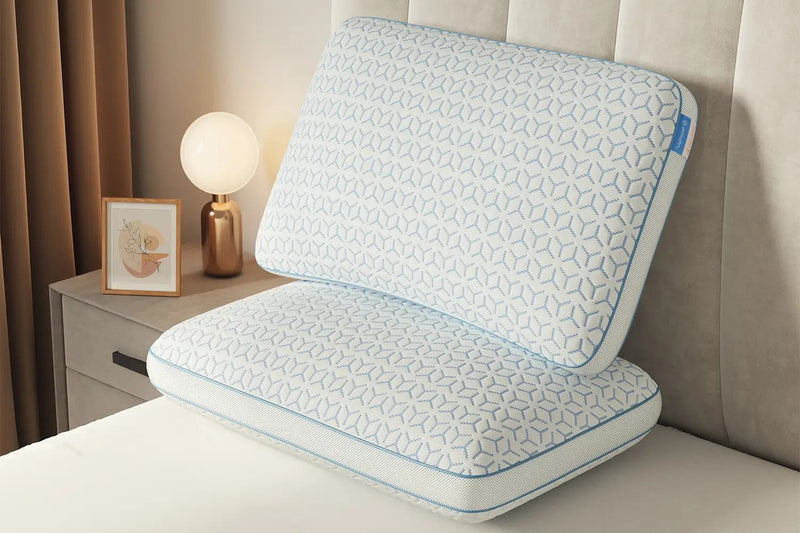
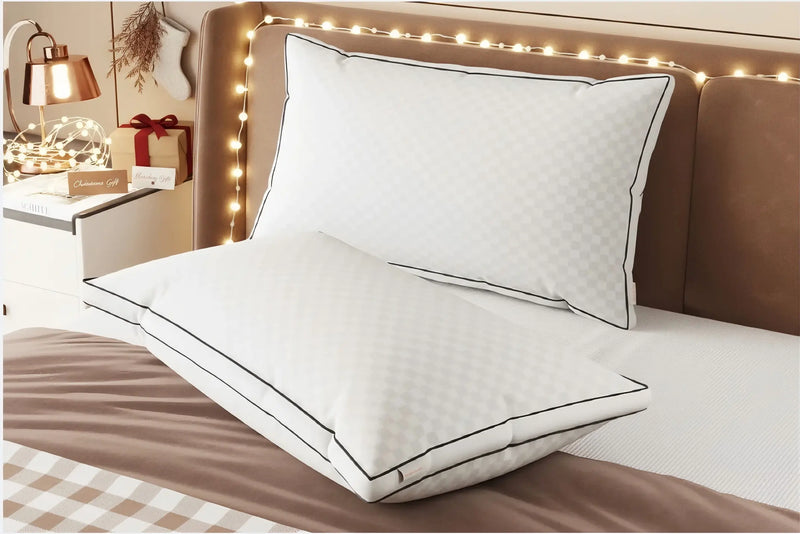
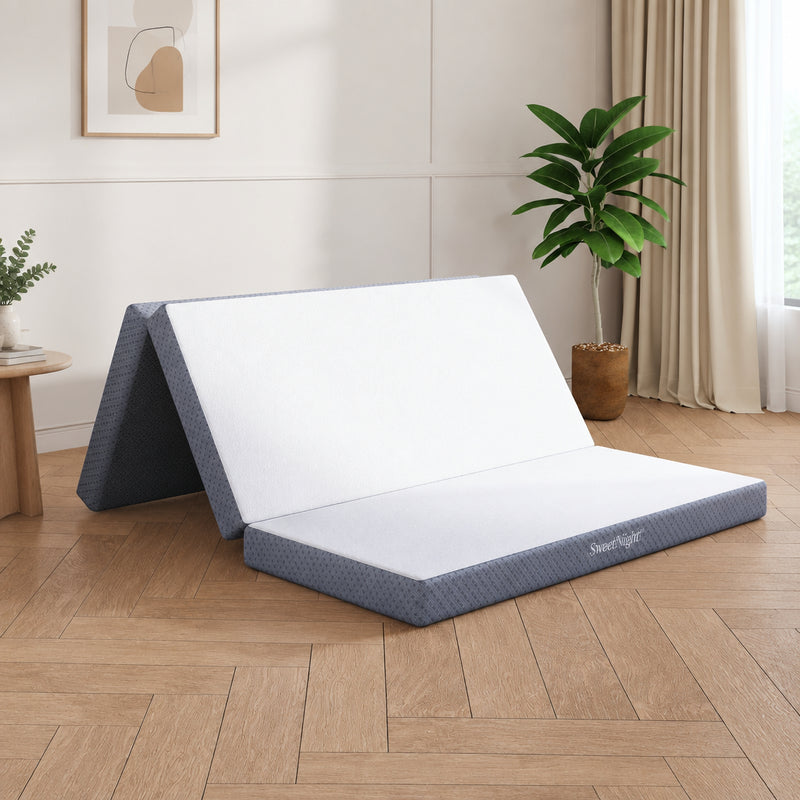

If your mattress is part of the problem, here's how the CoolNest® range splits:
- CoolNest® Hybrid Mattress: pocketed coils under a DuoSense™ pillow top. Pick this one if you want bounce, firm edges and less partner motion.
- CoolNest® Memory Foam Mattress: the lowest-priced model in the range, all-foam with 5-zone support and a breathable 3D-woven cover.
- CoolNest® Pro and CoolNest® Ultra: the step-up foam models, with PCMflux® temperature-regulating foam and 7-zone support. Ultra adds AirMesh™ foam and feels up to 11° cooler.
- Current prices on every size and thickness are on the Fall Sale page, or browse all mattresses.
Published: July 7, 2026 · Updated: July 14, 2026 · Reviewed by the SweetNight Sleep Comfort Team · 10 min read
Most "stay cool" lists read like 15 unrelated tricks pulled from a hat. They are not unrelated. Without air conditioning, you only have three levers to pull, and every real tactic is just one of them in disguise: move the air, block the heat, or cool the body. Once you see the list that way, you stop randomly trying things and start stacking the right ones. Here are all 15, sorted by lever, ending with what to do when you have literally no equipment.
Why You Can't Sleep in the Heat Without AC
Falling asleep is triggered by your core temperature dropping about 1–2°F. Your body does this by sending heat to the skin and radiating it into cooler surrounding air. Take away air conditioning on a hot night and that surrounding air is no longer cooler than you — so the heat has nowhere to go, your core never completes its drop, and you lie there exhausted but unable to switch off. Everything below exists to give that heat an exit again. For the deeper physiology, see how heat affects sleep quality.
Lever 1 — Move the Air: Fan Tactics to Stay Cool Without AC
A fan does not cool air; it moves air, which speeds the evaporation that cools you. Used right, it is the closest thing to free AC.
- Build a cross-breeze, don't just point a fan at yourself. Put one fan in a window blowing out to exhaust hot indoor air, and open a window across the room so cooler air is pulled in behind it. This actually lowers room temperature, not just skin temperature.
- Time your windows to the outside air. Only open up once the outdoor temperature drops below indoors — often 10–11 p.m. in high summer. Opening windows during the hot afternoon pours heat in.
- Make a DIY swamp cooler. Set a bowl of ice or a frozen water bottle in front of the fan. As the fan passes over it, the air arrives a few degrees cooler. Works best in dry heat.
- Bounce the fan off a wall if it dries you out. Direct airflow all night can leave you with a stiff neck or dry throat. Aiming a fan to circulate the room instead still keeps air moving without blasting you.
Lever 2 — Block the Heat: Keep It Out Before Night Falls
The coolest bedroom at midnight is the one you defended at noon. Heat you never let in is heat you do not have to fight in bed.
- Seal and shade the room during the day. Close windows, drop blinds, and draw blackout curtains from mid-morning, especially on south- and west-facing glass. A shut, shaded room can run several degrees cooler by night.
- Kill daytime heat sources. Ovens, dryers, gaming rigs, and incandescent bulbs all dump heat into the house. Cook early, air-dry laundry, and switch hot bulbs to LEDs.
- Sleep low in the house. Heat rises. On a hot night the ground floor can be noticeably cooler — moving a mattress downstairs is a legitimate no-AC move.
- Manage humidity. Muggy air stops sweat from evaporating, which is your main cooling tool. A dehumidifier, or simply not drying laundry indoors, can make a warm room feel far cooler than the thermometer suggests.
Lever 3 — Cool the Body: Bedding, Sleepwear & Pressure Points
You can lower your own temperature directly, independent of the room. These are the fastest-acting fixes on the list.
- Chill your pulse points. A cold pack or damp cloth on the wrists, neck, or tops of the feet cools your whole body in minutes because blood runs close to the skin there. The single fastest free trick.
- Take a warm shower 60–90 minutes before bed. Counterintuitive, but warming then cooling triggers the core-temperature drop that starts sleep.
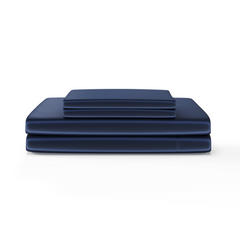
- Switch to one breathable sheet. Drop the duvet. Sleep under a single cotton, linen, or bamboo sheet that wicks moisture and lets heat escape. Percale-weave cotton feels crispest.
- Wear thin, loose, natural-fiber sleepwear. A light wicking layer often sleeps cooler than bare skin, which sticks to warm sheets and pools sweat.
- Try the Egyptian method on dry nights. A well-wrung damp sheet under a fan cools by evaporation. Skip it when the air is humid.
- Freeze your pillowcase or top sheet briefly. Seal it in a bag, chill it for a few minutes, and enjoy the easy slide into sleep before the heat catches up.
The 15th Way: Fix the Surface You Can't Ventilate
Here is the lever most no-AC lists miss. You can move all the air you want, but you spend the whole night pressed against a mattress — and if that surface traps heat, it quietly cancels the other 14 tactics from the one place no breeze reaches.
Traditional memory foam is the culprit: it softens against your skin and seals warm air under your back and hips, with no downward exit. Without AC to rescue the room, that trapped heat just builds. A breathable, gel-infused, or hybrid surface keeps air moving underneath you so heat can escape — which matters far more when you have no air conditioning to fall back on. This is the whole idea behind our cooling memory foam mattress: give the heat a way out from below. Number 15 is the one you buy once and benefit from every hot night after.
☀️ No AC? Make Your Bed Do the Cooling
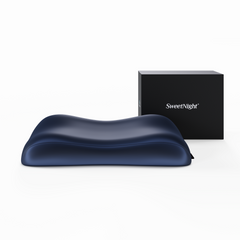
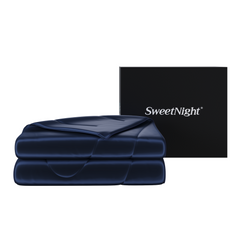
When you can't cool the air, cooling the surface you sleep on matters most. Our gel-infused and hybrid cooling mattresses, plus cooling pillows and breathable bedding, are on sale now in the SweetNight Cooling Sale — 100-night trial, 10-year warranty.
How to Stay Cool at Night With Zero Equipment
No fan, no cool packs, nothing to buy? You still have moves, all built from the three levers.
- One foot out. Expose a foot from under the sheet — the sole is a natural radiator and this alone can tip you into sleep.
- Wet a cloth at the sink and drape it on your neck; wet a sock and lay it on your forehead.
- Dampen a T-shirt, wring it out, and wear it — your own DIY evaporative cooler in dry heat.
- Sleep starfished and alone. Spread out so less skin touches skin or bedding; a shared bed doubles the heat, so separate if you can.
- Move to the coolest floor or room, even if it means the couch downstairs.
Quick Reference: The 15 Ways by Lever
| Lever | Tactics |
|---|---|
| Move the air | Cross-breeze, time your windows, DIY swamp cooler, bounce the fan |
| Block the heat | Seal & shade by day, kill heat sources, sleep low, cut humidity |
| Cool the body | Pulse points, warm shower, one breathable sheet, light sleepwear, Egyptian method, frozen pillowcase |
| Fix the surface | Sleep on a breathable, heat-releasing mattress |
The Short Version
You do not need air conditioning to sleep in the heat — you need to work the three levers at once. Move air with a well-placed fan, block heat before the sun sets, and cool your body at the pulse points. Then handle the surface no breeze can reach: a mattress that releases heat instead of hoarding it. Stack them and a hot, AC-free night becomes survivable, even comfortable.
Keep reading: How to stay cool while sleeping · How to keep your bedroom cool in summer · How to sleep in a heatwave.