








Menopause night sweats can turn a decent night's rest into a 3 a.m. routine of kicking off the duvet, flipping the pillow to its cool side, and staring at the ceiling while your body radiates heat. You're not imagining it. As estrogen drops, your internal thermostat gets twitchy, and sleep is usually the first thing to go. The reassuring part: you have far more control over this than it feels like at 3 a.m. This guide covers why it happens and what actually helps — the hormones behind the heat, the bedding that cools you down, the habits worth changing, and the point where it's time to loop in a doctor.

How Falling Hormones Disrupt Menopause and Sleep
Estrogen and progesterone do more than run your menstrual cycle. They also help regulate body temperature and the brain chemistry that carries you into deep sleep. As both hormones decline through perimenopause and into menopause, that regulation gets shaky.
Estrogen influences the hypothalamus, the small region that acts as your body's thermostat. When estrogen falls, the hypothalamus becomes hypersensitive to tiny changes in temperature — the trigger behind hot flashes and their nighttime cousin, night sweats. Progesterone matters too. It has a mild sedative effect, so as levels drop, falling asleep and staying asleep get harder. That's a big reason menopause and sleep problems tend to arrive together rather than one at a time.
Add rising cortisol and a more fragmented sleep cycle, and you get the classic pattern: you drift off fine, then jolt awake a few hours later, damp and wide-eyed. It isn't weakness or bad sleep hygiene. It's chemistry, and chemistry responds to the right adjustments.
Why Hot Flashes at Night Hit So Hard
Hot flashes and night sweats are the same event — a sudden surge of heat, flushing, and sweating — separated only by the clock. So why do hot flashes at night feel so much worse?
Part of it is timing. To fall asleep, your core body temperature naturally dips by a degree or so. During menopause, the range of temperatures your body tolerates before it panics — the thermoneutral zone — narrows dramatically. A shift that wouldn't register during the day can now trip the alarm at night, and your body responds by dumping heat: blood rushes to the skin, you flush, and you sweat.
Then comes the second hit. The sweat evaporates, your temperature overshoots downward, and you wake up chilled and clammy, tugging the blanket back on. One flash can splinter your sleep into fragments, and fragmented sleep is what leaves you foggy, irritable, and running on fumes the next day. Cooling the environment so those small temperature swings never cross the threshold is one of the most practical things you can do.
Cooling Your Bed and Bedroom Against Menopause Night Sweats
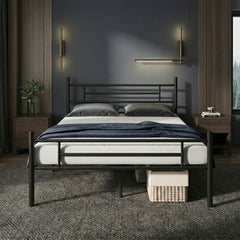
Your bedroom setup is the front line. Start with the room itself: aim for roughly 65°F (18°C). It sounds cold when you're getting in, but it's the range most people sleep best in, and it gives night sweats less room to spike.
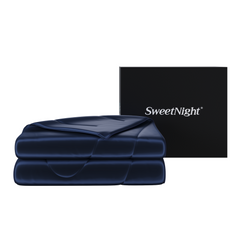
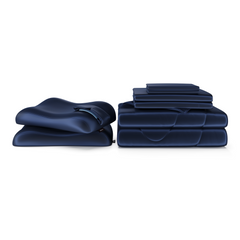
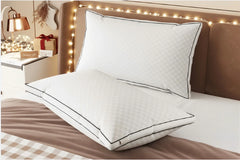
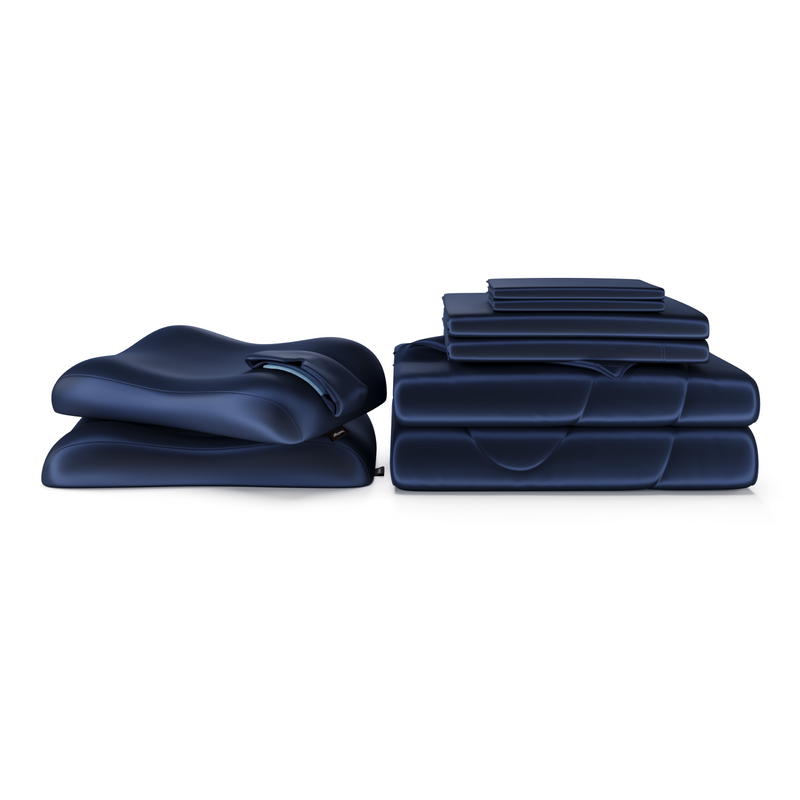
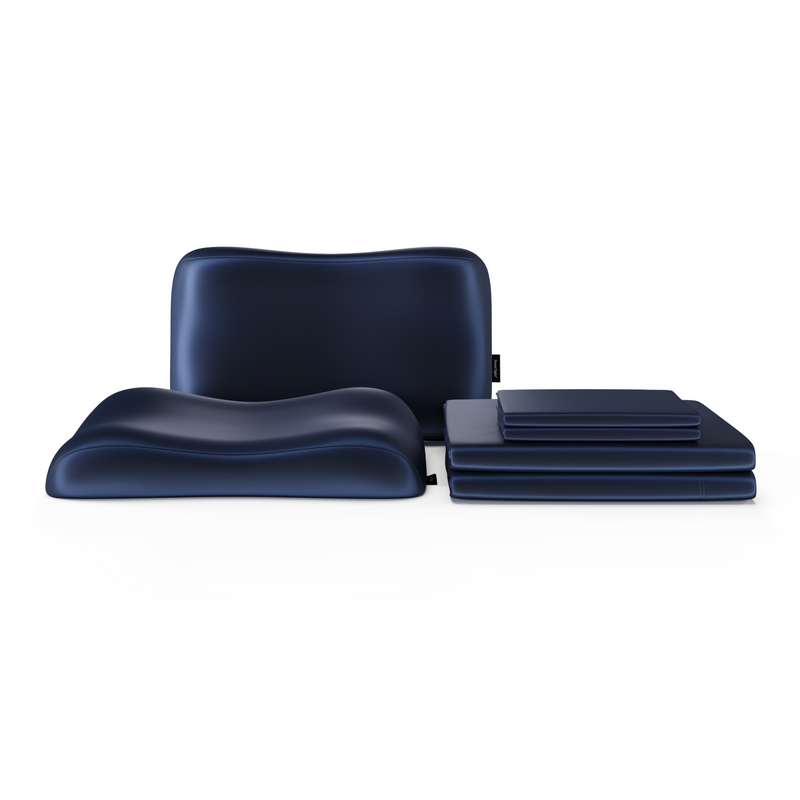
Next, look at what's touching your skin. Swap synthetic sheets for breathable natural fibers — cotton, linen, or bamboo viscose — which move heat and moisture instead of trapping them. Wear loose, moisture-wicking sleepwear you can shed easily, keep a glass of cold water within reach, and set a fan where the air actually moves over the bed.

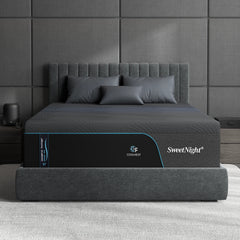
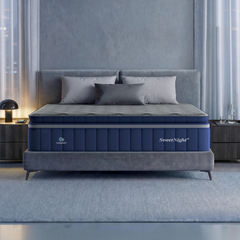
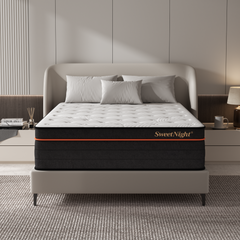
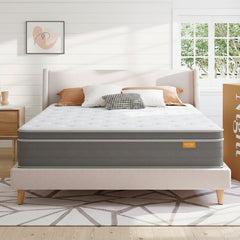
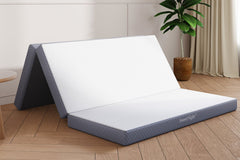
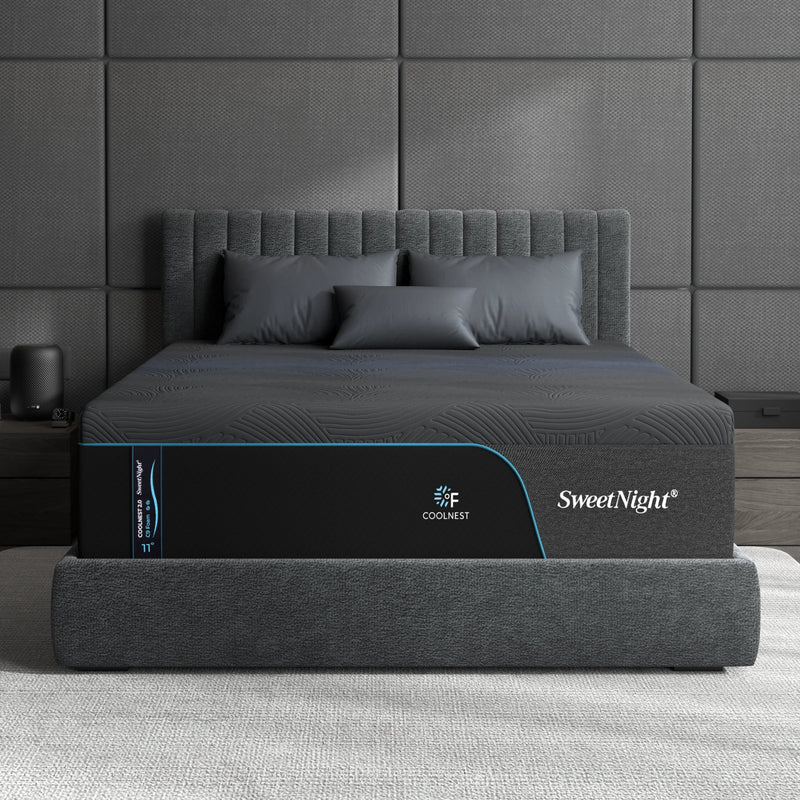
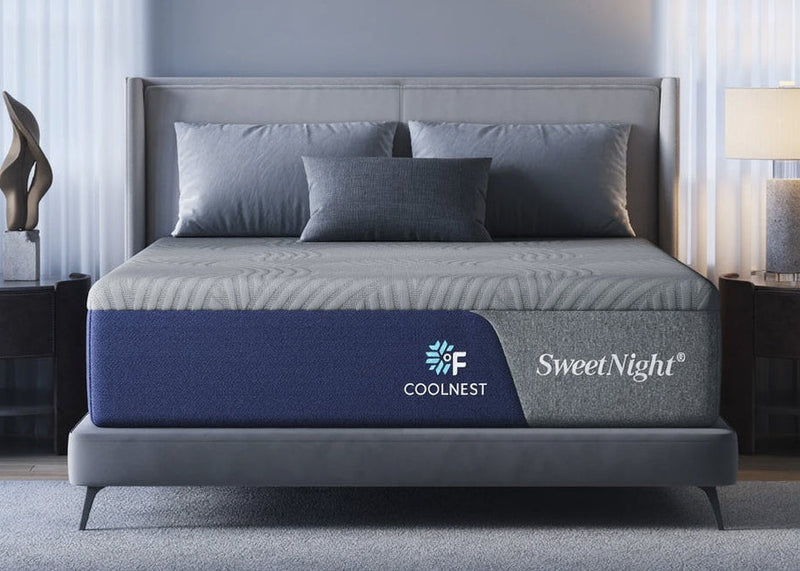
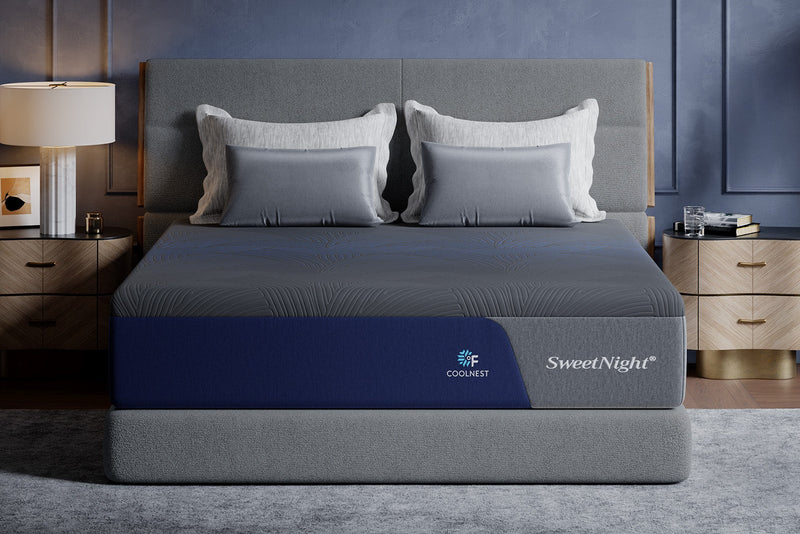
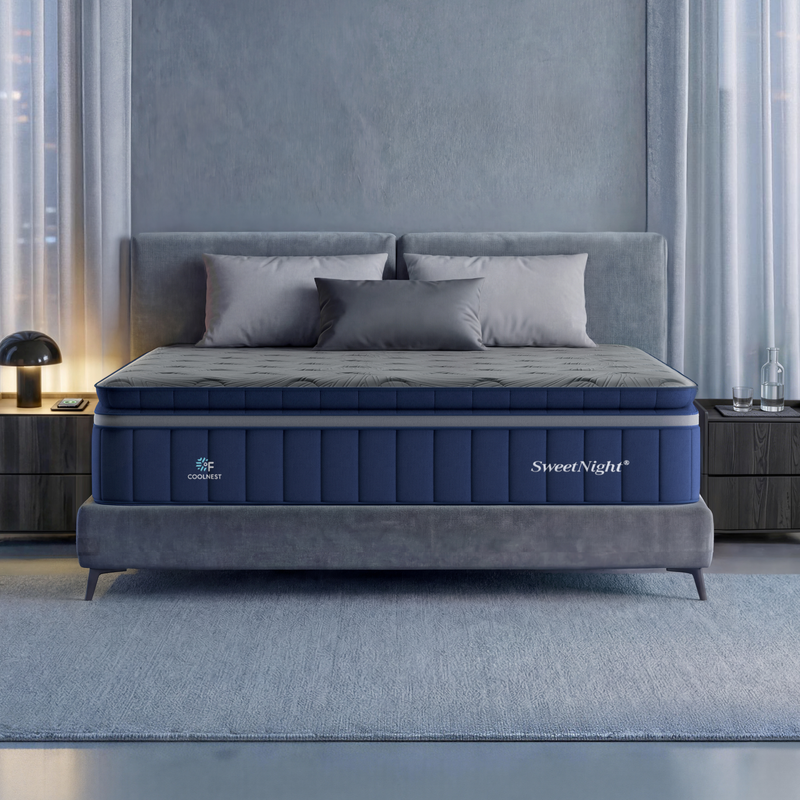
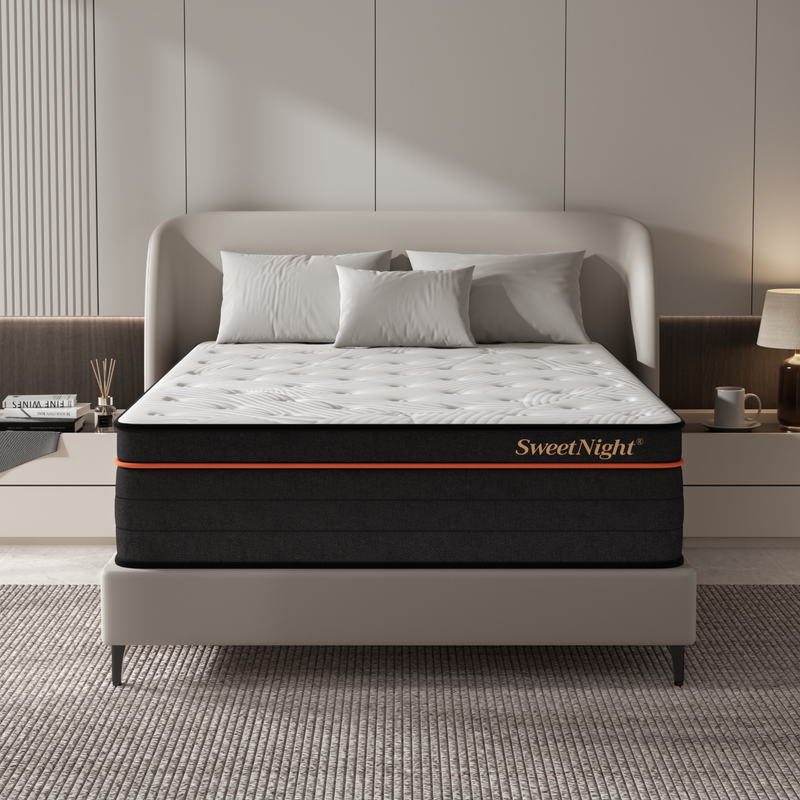
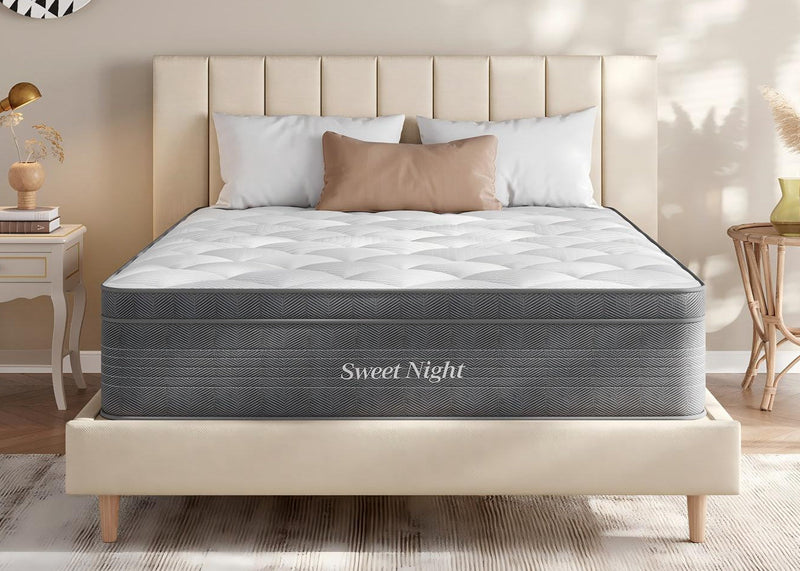
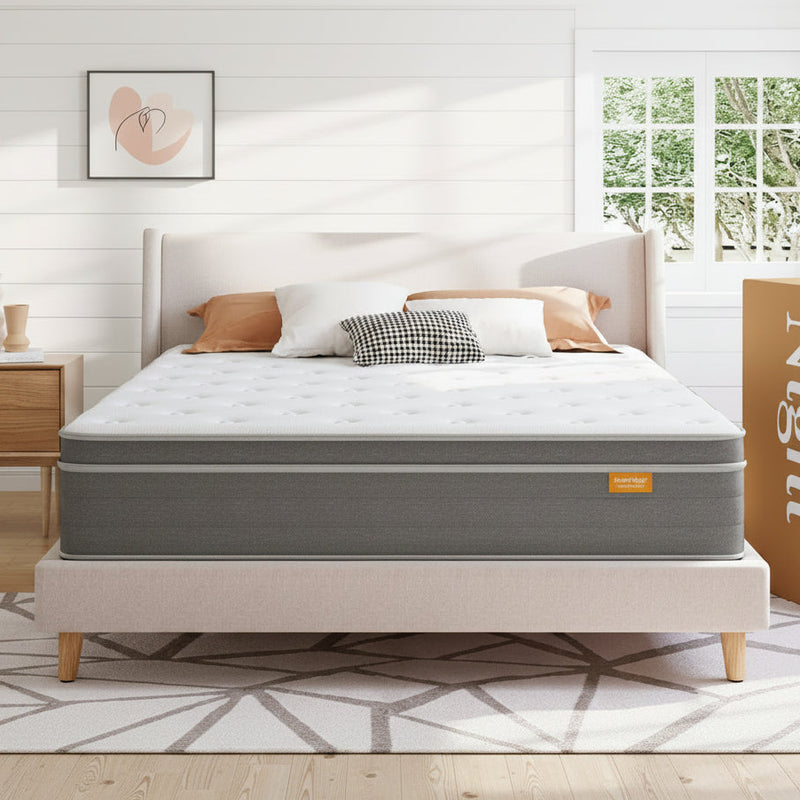
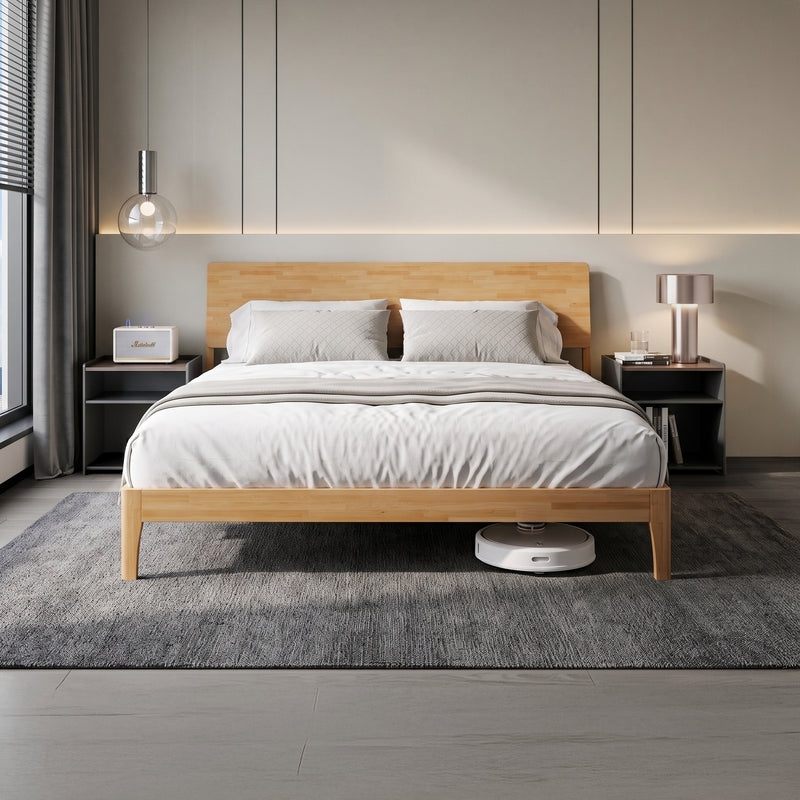
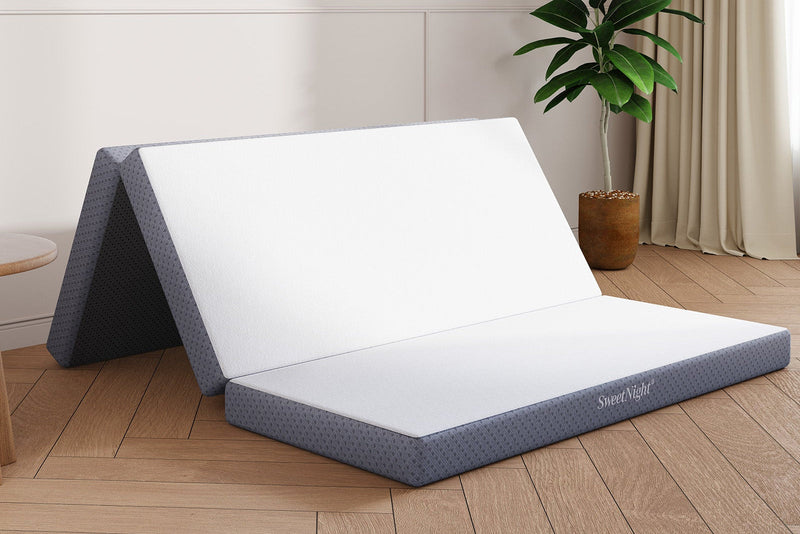
Then there's the surface underneath you, which most people overlook. Traditional memory foam is notorious for holding body heat, so it can quietly make menopause night sweats worse all night long. The fix is a mattress engineered to breathe. SweetNight's 7-zone cooling mattress — the CoolNest® Pro — pairs deep ventilation channels that pull heat away from your body with 7-zone support that keeps your spine aligned through all the tossing and turning. It's built for serious hot sleepers, night sweats, and the kind of recovery your body needs when sleep is already in short supply.
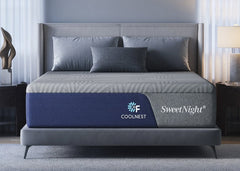
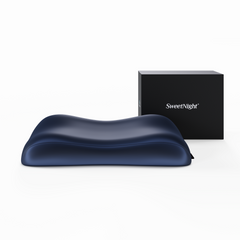
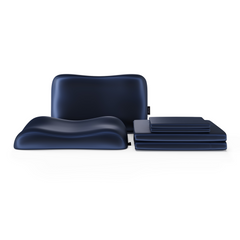
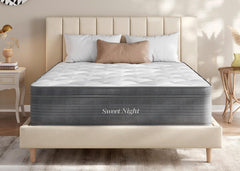
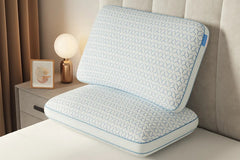
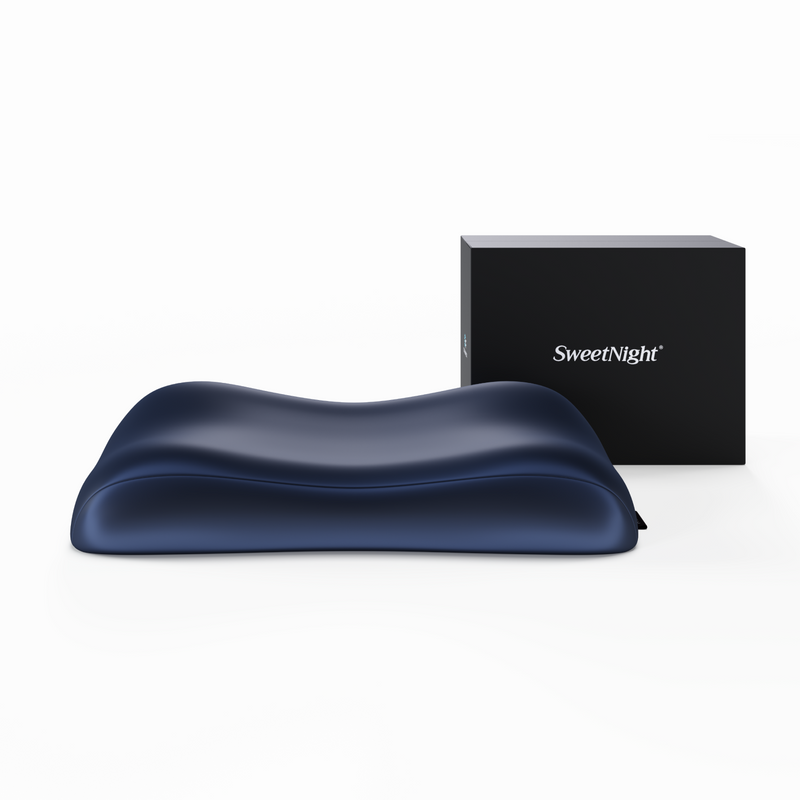
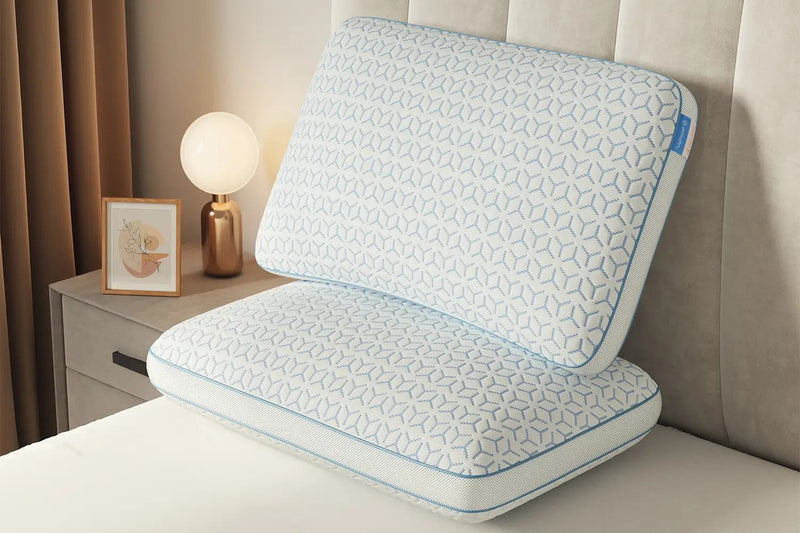
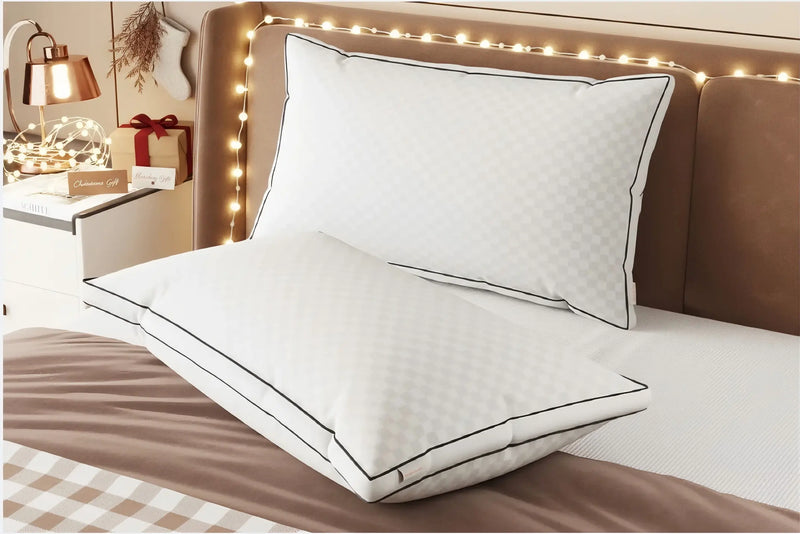
If you want the same cooling design at a friendlier price, the cooling memory foam mattress in the CoolNest line uses open, breathable foam for the same reason. And don't ignore your head and neck, where a lot of heat escapes — a cooling pillow with a gel-infused surface keeps that flip-to-the-cold-side ritual from waking you in the first place.

Routine, Diet, and Timing Fixes for Menopause Insomnia
Once the bed is sorted, your daily habits do the rest of the work. Menopause insomnia feeds on inconsistency, so a steady schedule is your strongest tool. Go to bed and wake up within the same 30-minute window every day, weekends included. Your body clock stabilizes, and falling back asleep after a flash gets easier.
Watch your triggers in the evening. Alcohol, caffeine, spicy food, and heavy late meals all raise core temperature or fragment sleep — sometimes both. A glass of wine might feel like it helps you nod off, but it tends to wake you a few hours later, right when a hot flash would strike anyway. Shift dinner earlier and keep the last few hours before bed light.
Timing matters elsewhere too. Regular exercise improves sleep quality, but a hard workout right before bed heats you up, so aim for morning or afternoon. A warm (not hot) shower about 90 minutes before bed sounds backward, but it works: your body compensates by cooling down afterward, nudging you toward sleep. Finally, dim the lights and put screens away as bedtime approaches so melatonin can rise on schedule.
None of these is dramatic on its own. Stacked together, they meaningfully quiet the nightly cycle of waking, sweating, and lying awake.

When Menopause Night Sweats Mean It's Time to See Your Doctor
Home fixes handle a lot, but they aren't a substitute for medical care when symptoms take over your life. Book an appointment if night sweats and hot flashes are drenching, relentless, or leaving you exhausted to the point that work, mood, or relationships are suffering.
See a doctor sooner if the pattern seems off. Night sweats paired with unexplained weight loss, a fever, a racing heart, or symptoms that don't fit the usual menopause picture deserve a proper workup, since a few other conditions — including thyroid problems — can mimic or worsen the same complaints.
Your doctor has real options. Hormone therapy remains the most effective treatment for moderate to severe vasomotor symptoms for many women, and there are non-hormonal prescriptions for those who can't or prefer not to use hormones. For the insomnia itself, cognitive behavioral therapy for insomnia (CBT-I) has strong evidence and no side effects. The point is simple: you don't have to white-knuckle your way through this. Bring specifics — how often, how severe, how much sleep you're losing — so the two of you can build a plan that fits.
The Bottom Line
Menopause night sweats are stubborn, but they're not something you're stuck enduring. Cool the room, rethink the bedding, tighten your evening routine, and get medical support when the symptoms warrant it — and the 3 a.m. wake-ups start to loosen their grip. Change one thing this week, then another. Small shifts compound into real rest.
If a cooler, better-built bed is your next move, it's worth timing it with a mattress sale so the upgrade costs less than you'd expect.
FAQ
How long do menopause night sweats last? It varies widely. For many women, night sweats and hot flashes persist for several years — often beginning in perimenopause and continuing past the final period, sometimes longer. The good news is that severity usually eases over time, and the right cooling setup and habits can make the years far more bearable while they run their course.
What's the fastest way to stop hot flashes at night? In the moment, cooling the surface fastest helps: sip cold water, kick off a layer, and flip to a fan or a cool pillow. For prevention, keep the bedroom around 65°F, sleep on breathable bedding, and avoid alcohol, caffeine, and heavy meals in the evening so hot flashes at night have less to feed on.
Can menopause insomnia be cured without medication? Often, yes. Many women resolve or greatly reduce menopause insomnia with a consistent sleep schedule, a cooler bedroom, trigger management, and cognitive behavioral therapy for insomnia (CBT-I). If those aren't enough after a fair try, a doctor can discuss hormonal or non-hormonal options.
Does menopause and sleep quality improve after your periods stop? For a lot of women, yes — as hormones settle into a new, lower baseline in the years after the final period, hot flashes tend to fade and menopause and sleep gradually improve. That timeline differs from person to person, which is why managing your environment and routine in the meantime is so worthwhile.