




Night sweats can pull you out of deep sleep and leave you lying on a cold, damp sheet at 2 a.m., wondering what just happened. Maybe you've kicked off the duvet, flipped the pillow to the cool side, and still woken up with your shirt stuck to your back. Waking up sweating like this is common, and it doesn't always mean something is wrong with your health. Sometimes the cause is inside your body. Just as often, it's your room, your bedding, or a mattress quietly holding heat underneath you. This guide covers both, so you can pin down what's driving your night sweats and what will finally stop them.
What Causes Night Sweats
Night sweats are repeated episodes of heavy sweating during sleep — enough to soak your clothes or sheets, not just a warm, slightly clammy feeling. There's a real difference between "I ran a bit hot last night" and waking at 3 a.m. needing to change your T-shirt.
Your body runs a tight internal thermostat. To fall and stay asleep, your core temperature naturally drops by a degree or so. Anything that pushes back against that cooling — a hormone surge, a stuffy room, a blanket that traps warmth — can trigger a flush of sweat as your body fights to cool itself down.
Broadly, the triggers fall into two camps. One is medical: hormones, infections, blood sugar, medications, and a handful of conditions that raise your metabolic rate. The other is environmental: heat, humidity, and the gear you sleep on and under. Most people who sweat at night are dealing with the second camp, or a mix of both. The good news is that the environmental side is the part you can change tonight.
Medical vs. Environmental Triggers Behind Waking Up Sweating
Sorting out your own case starts with an honest look at both lists.
On the medical side, common culprits include:
- Hormonal shifts. Perimenopause and menopause are among the most frequent causes of waking up sweating in women, thanks to hot flashes that carry over into the night.
- Infections. A low-grade fever from a cold, the flu, or something more persistent can spike sweat while you sleep.
- Blood sugar swings. A drop in blood sugar overnight, especially for people on diabetes medication, often shows up as sweating.
- Medications. Some antidepressants, fever reducers, and hormone treatments list night sweats as a side effect.
- Thyroid and anxiety. An overactive thyroid or a high-stress stretch can both keep your system revved up after lights-out.
On the environmental side, the usual suspects are simpler:
- A bedroom that sits too warm or too humid.
- Synthetic sheets and heavy, non-breathable bedding.
- Thick sleepwear that holds heat against your skin.
- Alcohol, caffeine, or a spicy meal close to bedtime, all of which raise your body temperature.
If your sweating tracks with hot weather, a heavy comforter, or a late nightcap, environment is likely the driver. If it happens in a cool room, follows a new prescription, or comes with other symptoms, the medical side deserves a closer look.
Bedding and Room Fixes to Help Stop Night Sweats
Start with the changes that cost little and work fast. Plenty of people cut their sweating in half just by resetting their sleep environment.
Set the room cooler than feels obvious. Most sleep experts point to somewhere around 18°C (65°F) as the sweet spot. Crack a window or run a fan to keep air moving — still air traps the heat your body gives off.
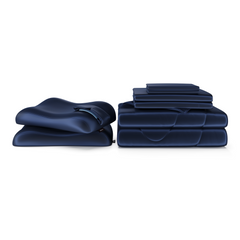
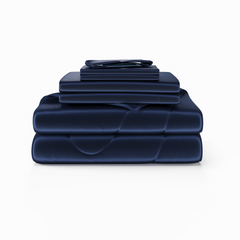
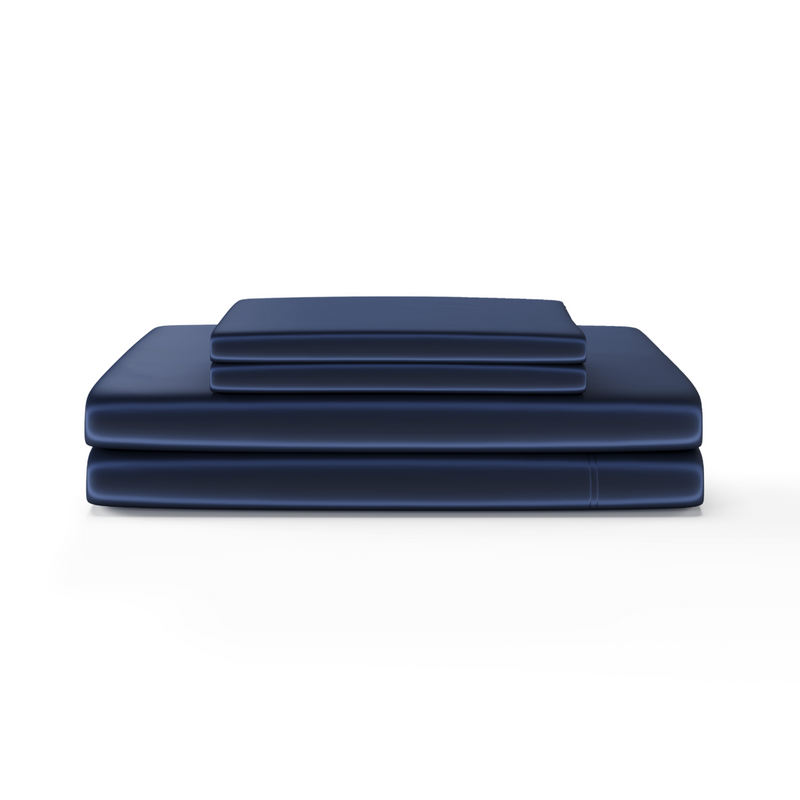
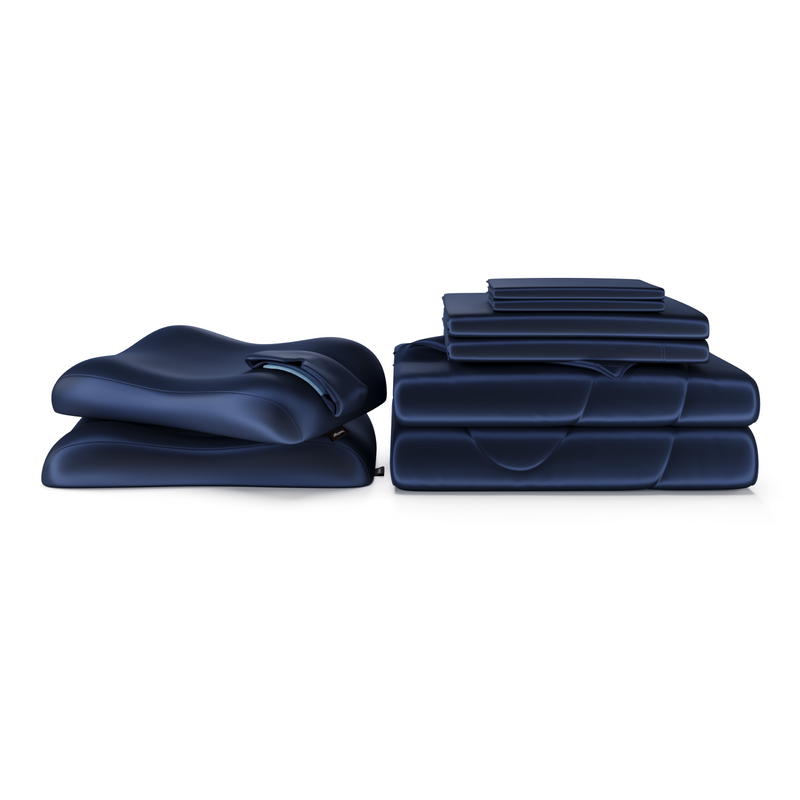
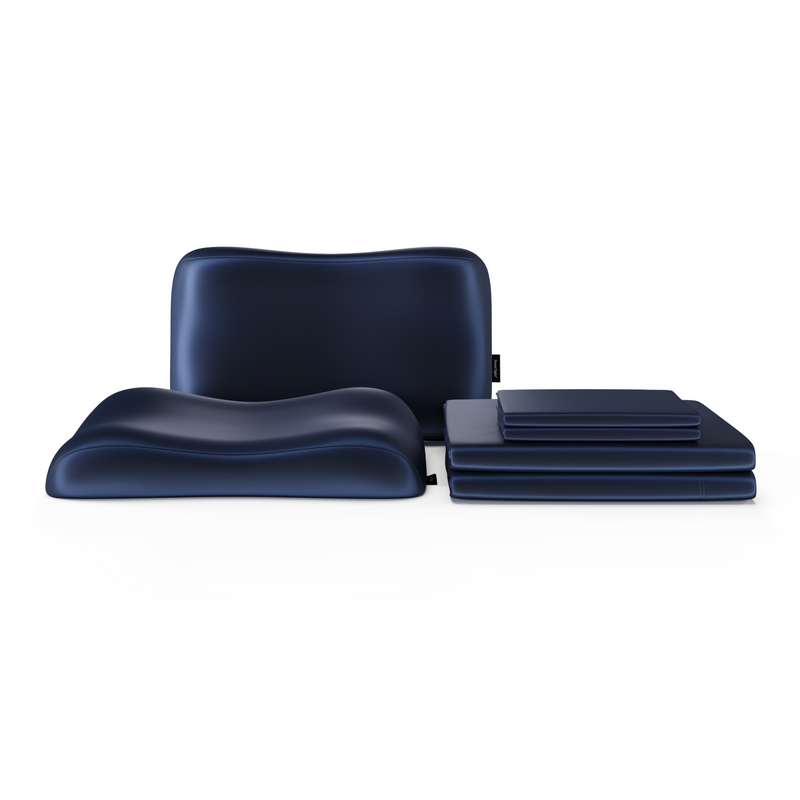
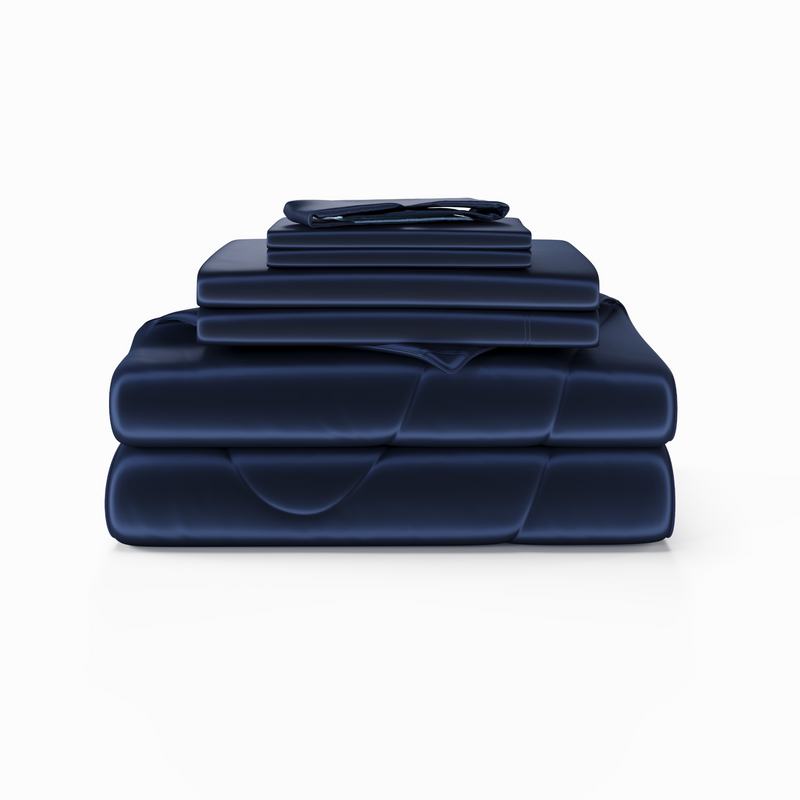
Swap synthetic sheets for breathable, natural fibers. Cotton percale, linen, and bamboo all move moisture and air far better than polyester blends. Do the same with your sleepwear: loose, light, moisture-wicking fabric beats a heavy cotton tee that turns into a wet rag by midnight.
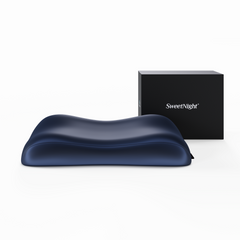
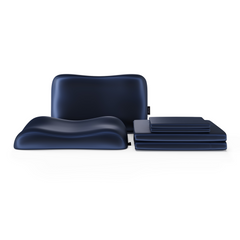
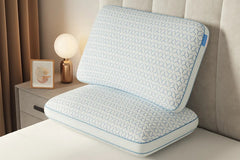
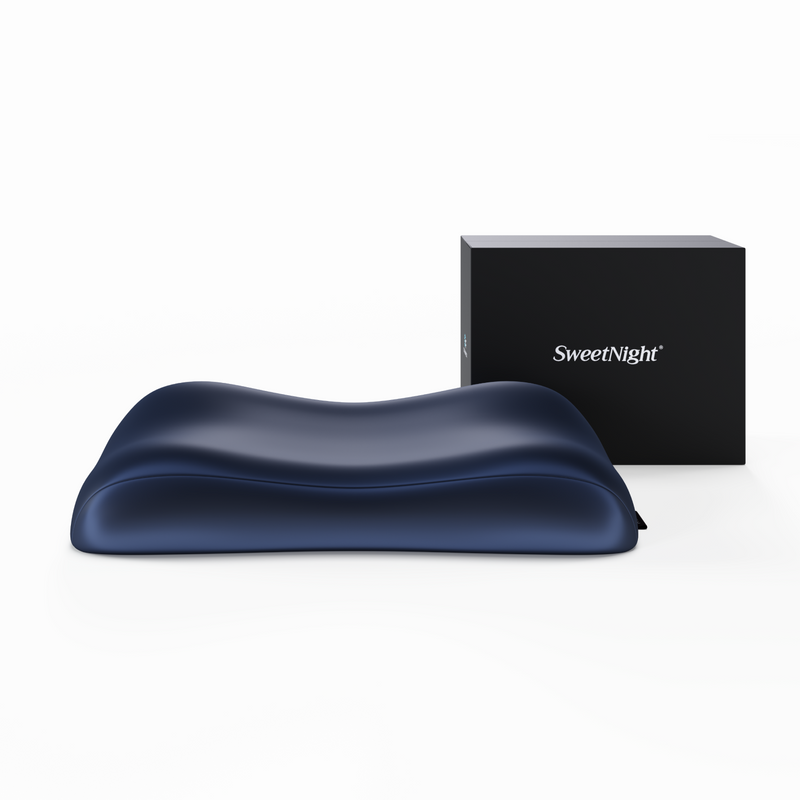
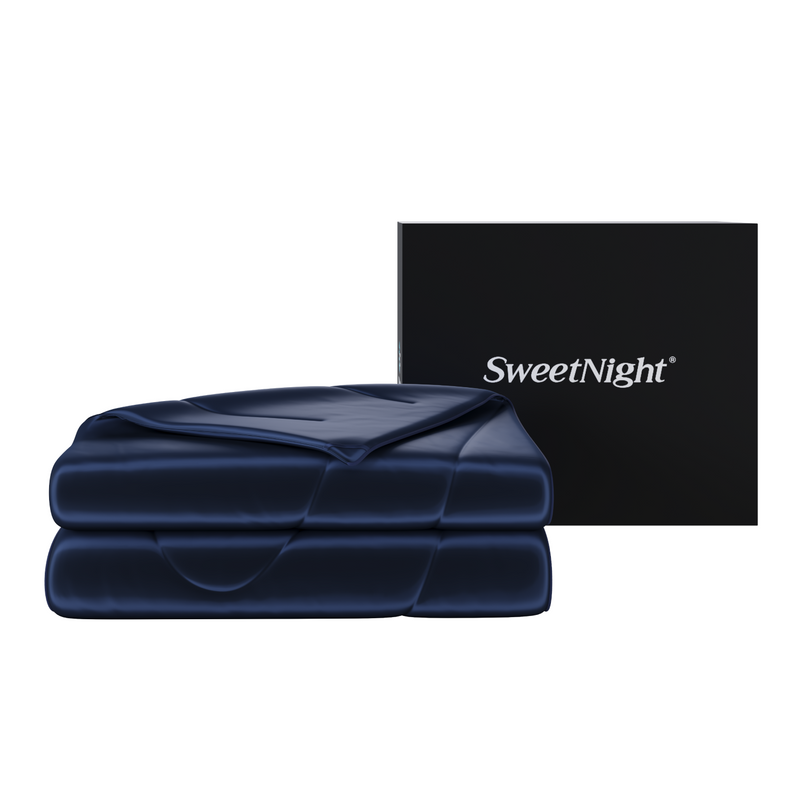
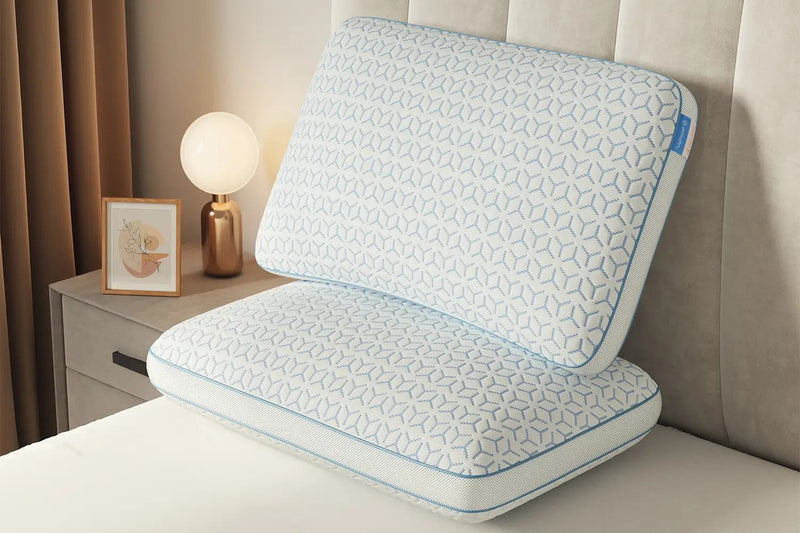
Lighten the load on top of you. A lower-tog duvet, or just a top sheet in summer, lets heat escape instead of banking it against your body. Your head matters too — a cooling pillow draws heat away from your neck and face, the areas that flush first during a night sweat.
A few habits help before you even lie down. Skip alcohol and heavy meals in the last couple of hours, keep a glass of water within reach, and take a lukewarm (not hot) shower to nudge your core temperature down on the way to bed.

When Your Mattress Is Behind Your Sweating in Sleep
You can fix the room, switch the sheets, and still wake up damp — because the heat is coming from below. This is the part most people miss.
Traditional memory foam is a known heat trap. It's dense, it molds tightly around you, and it leaves almost no room for air to move. As the night goes on, your body heat builds up in the foam and radiates right back at you. If your sweating in sleep started or got worse after you switched to a foam mattress, you've probably found your answer.
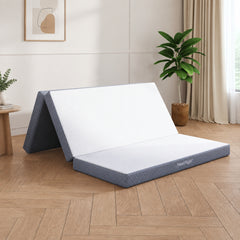
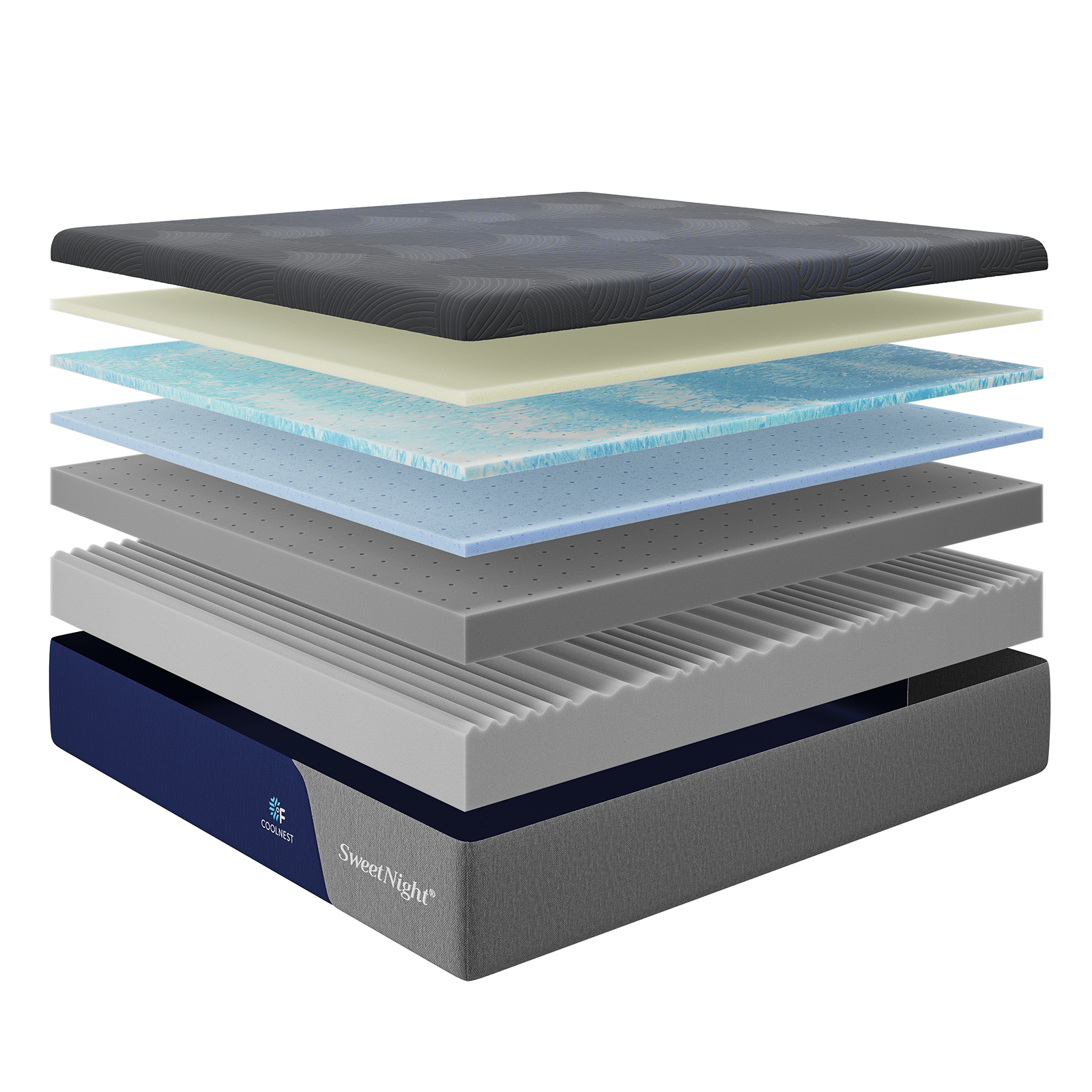
The fix isn't giving up on foam's pressure relief — it's choosing foam built to breathe. A cooling memory foam mattress uses open-cell structures, gel infusions, and ventilation channels to pull heat out instead of storing it.
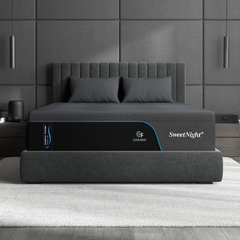
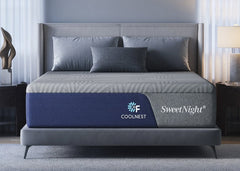
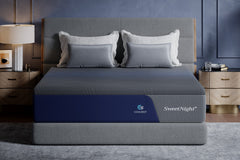
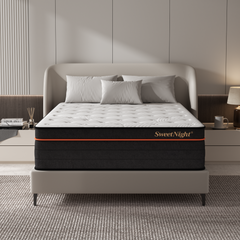
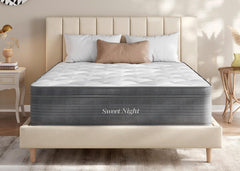
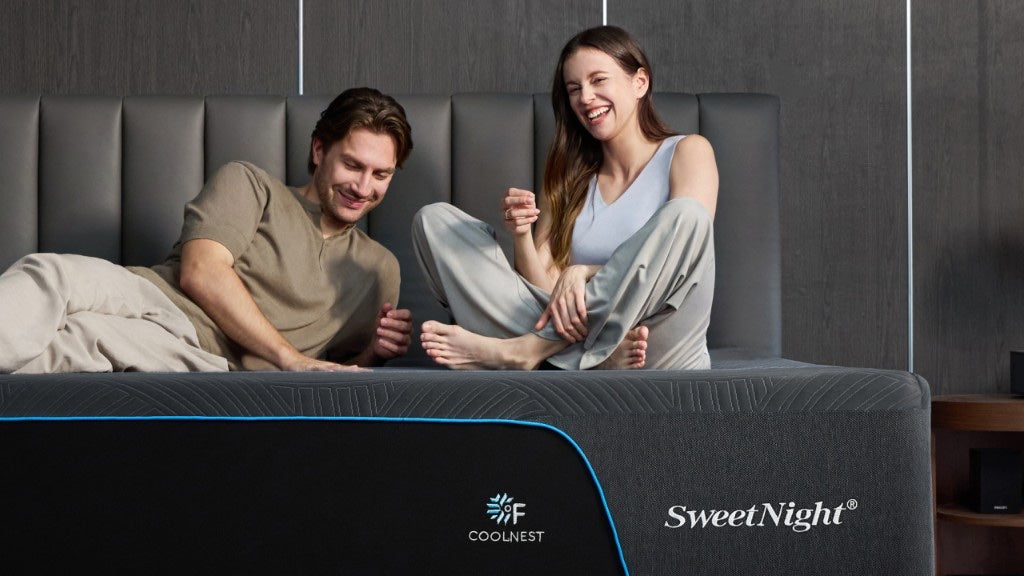
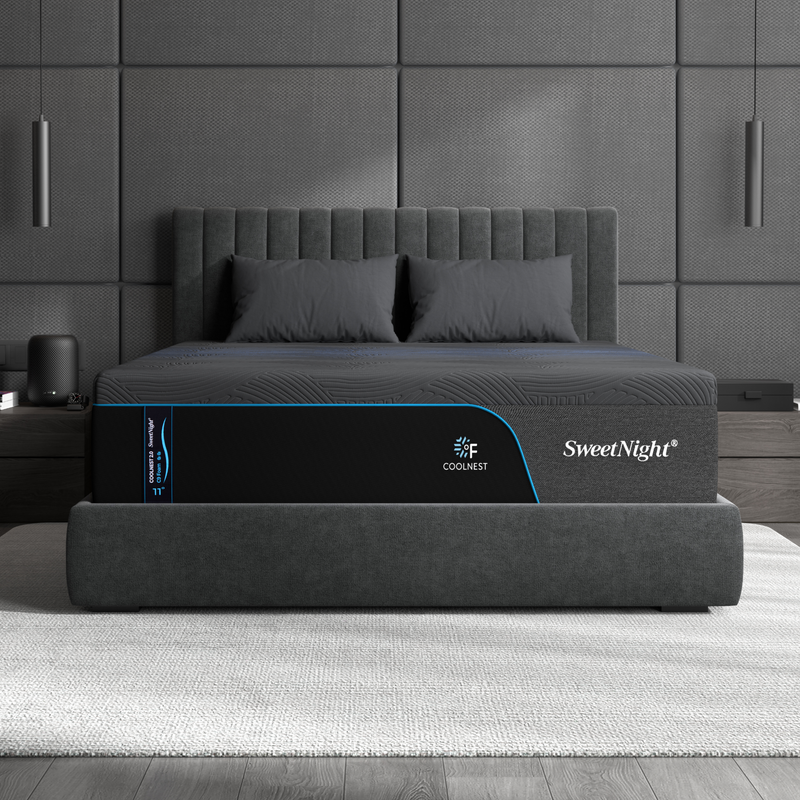
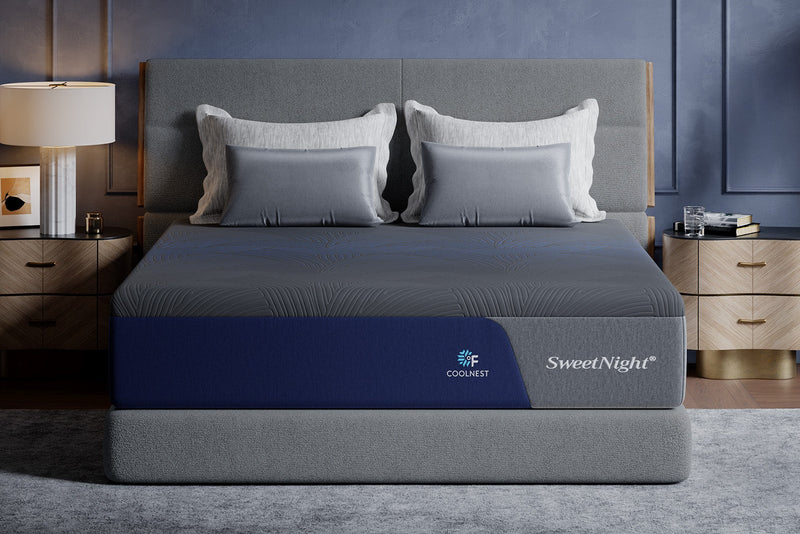
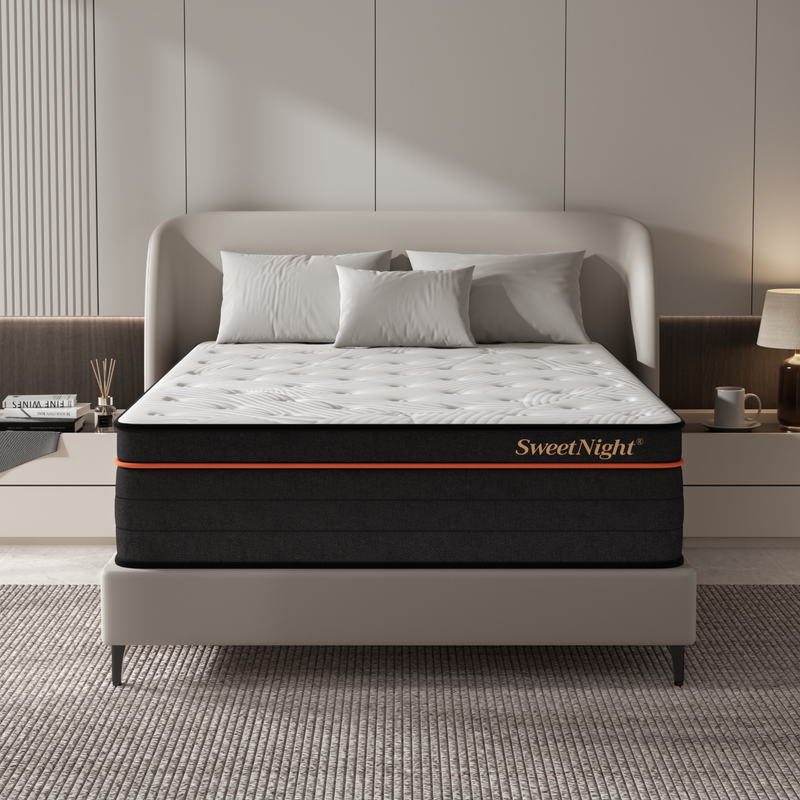
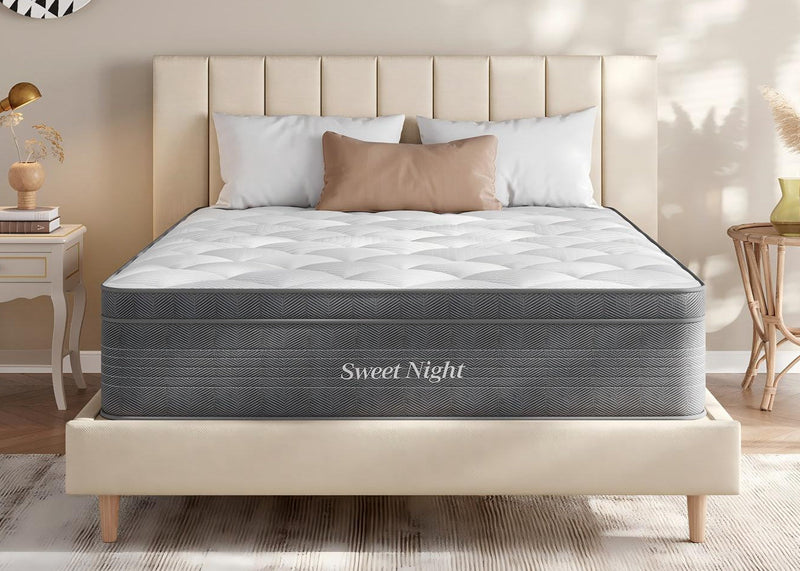
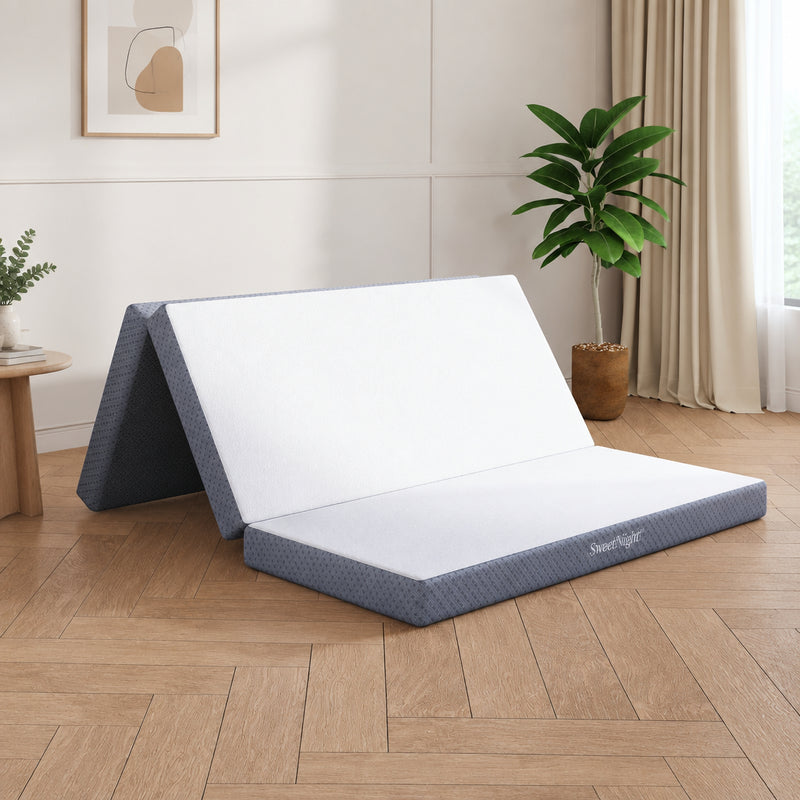
For serious hot sleepers, this is where SweetNight's CoolNest® Pro Memory Foam earns its place. It pairs 7-zone support — firmer under your hips and lower back, softer under your shoulders — with deep ventilation that keeps air flowing through the core all night. It's built for exactly the people this article is for: those who run hot, fight night sweats, and want their mattress working for recovery instead of against it. If sweating has been wrecking your sleep and your bed is the reason, a 7-zone cooling mattress for hot sleepers is the single upgrade most likely to fix it.
When Night Sweats Mean It's Time to See a Doctor
Most sweating at night is harmless and fixable at home. But a few patterns are worth a conversation with a professional, because sweating can be your body flagging something that needs attention.
Book an appointment if your night sweats:
- Happen regularly and soak through clothes or sheets, night after night.
- Come with a fever, chills, or a cough that won't clear.
- Show up alongside unexplained weight loss.
- Start right after a new medication.
- Arrive with swollen lymph nodes, localized pain, or diarrhea.
None of this is meant to scare you — the odds still favor a simple cause. But this is general information, not a diagnosis. If your sweating is frequent, drenching, or paired with any of the symptoms above, let a doctor rule out the medical side so you can treat the right problem.
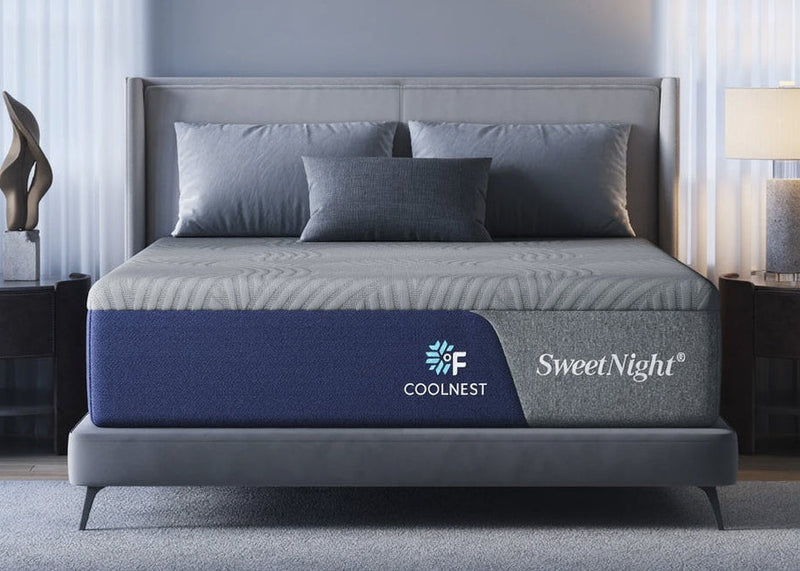
If your mattress is part of the problem, here's how the CoolNest® range splits:
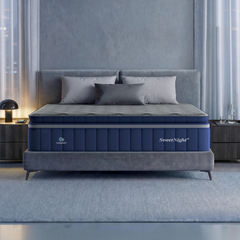
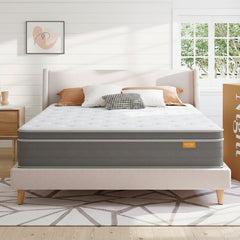
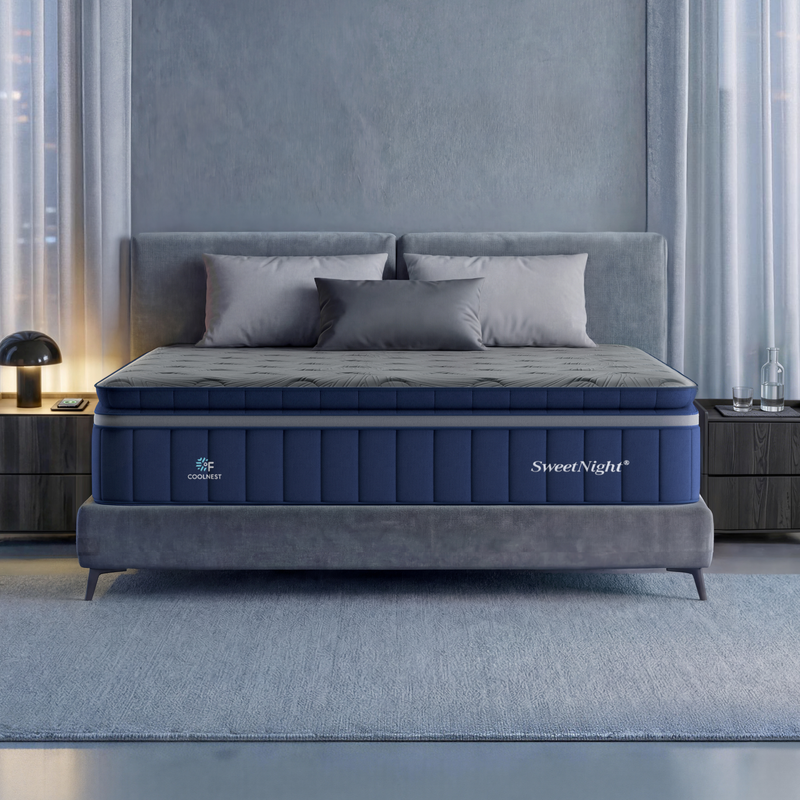
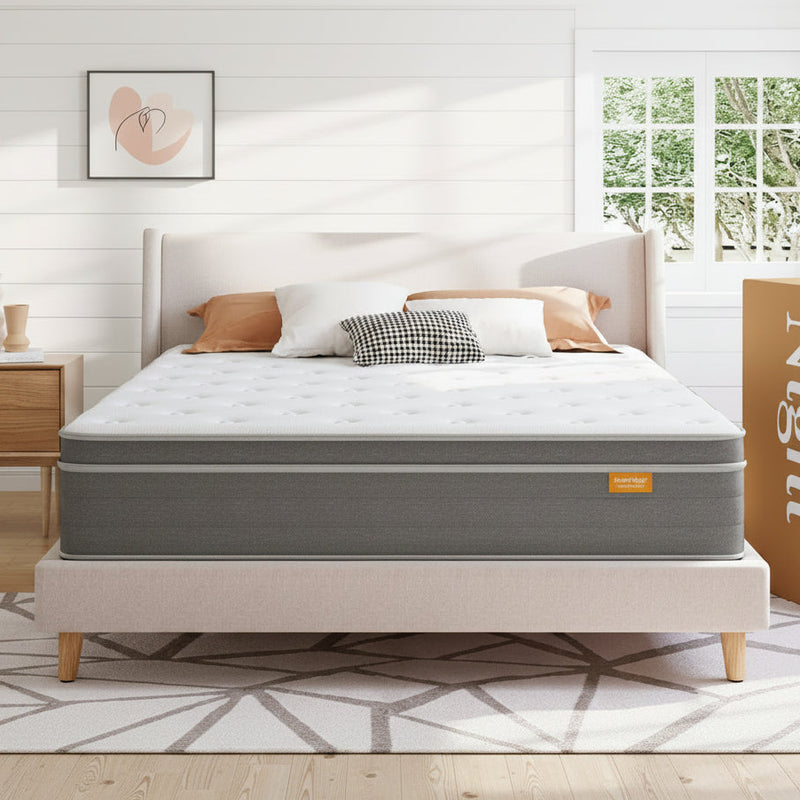
- CoolNest® Hybrid Mattress: pocketed coils under a DuoSense™ pillow top. Pick this one if you want bounce, firm edges and less partner motion.
- CoolNest® Memory Foam Mattress: the lowest-priced model in the range, all-foam with 5-zone support and a breathable 3D-woven cover.
- CoolNest® Pro and CoolNest® Ultra: the step-up foam models, with PCMflux® temperature-regulating foam and 7-zone support. Ultra adds AirMesh™ foam and feels up to 11° cooler.
- Current prices on every size and thickness are on the Fall Sale page, or browse all mattresses.
The Bottom Line
Night sweats usually come down to two fronts: what's happening inside your body and what's happening in your bed. Rule out the medical causes if the pattern looks off, then fix the environment you sleep in — cooler room, breathable bedding, and a mattress that lets heat escape instead of trapping it. Handle both, and drenched sheets stop being your normal.
If a cooler bed is where you want to start, it's worth checking the current mattress sale before you commit.
FAQ
Why do I keep waking up sweating even when my room is cold? A cold room won't help if the heat is coming from your bed. Dense memory foam, synthetic sheets, or a heavy duvet can trap body heat against you no matter the air temperature. Swap in breathable bedding and a ventilated mattress before assuming the cause is medical.
How do I stop night sweats naturally? Start with your environment: drop the room to around 18°C, use cotton or bamboo sheets, wear light moisture-wicking sleepwear, and skip alcohol and heavy meals before bed. A lukewarm shower and a fan for airflow help too. These simple changes resolve most cases of sweating that aren't tied to a health condition.
Can my mattress cause sweating in sleep? Yes. Traditional memory foam is dense and molds around your body, which blocks airflow and reflects heat back at you. If your sweating in sleep began after switching to a foam bed, the mattress is a likely cause. A cooling, ventilated foam is designed to prevent it.
Are night sweats a sign of something serious? Usually not — most are down to heat, bedding, or hormones. But night sweats paired with fever, unexplained weight loss, a lingering cough, or swollen lymph nodes are worth checking with a doctor, who can rule out infections and other conditions.