




































Published: July 14, 2026 · Reviewed by the SweetNight Sleep Comfort Team · 6 min read
It sounds backwards: on a hot night, a warm shower cools you down and helps you sleep better than a cold one. Most people assume the opposite and reach for cold water in summer. The science says otherwise — and understanding why turns a shower into one of the simplest sleep tools you have.
Warm Shower vs Cold Shower Before Bed: The Short Answer
A warm shower usually wins for sleep. It triggers a drop in core body temperature after you step out — the exact signal your brain uses to start sleep. A cold shower feels refreshing in the moment but tends to be stimulating and can rebound-warm you afterward. If your goal is to fall asleep faster, warm is the reliable choice; cold has a narrower, situational use.
Why a Warm Shower Actually Cools You Down
Here is the counterintuitive mechanism. A warm shower causes vasodilation — the blood vessels near your skin widen and bring warm blood to the surface. While you are in the shower you feel warm. But the moment you step out, all that blood near the skin radiates heat away rapidly, and your core temperature drops faster than it would have on its own.
That drop is the point. Falling core temperature is one of the strongest triggers your brain uses to release melatonin and begin sleep. A warm shower essentially fast-forwards your body's natural pre-sleep cooling — which is why a warm shower or bath before bed is one of the best-supported sleep habits, even in hot weather.
When a Cold Shower Makes Sense (and When It Backfires)
Cold showers are not useless — they are just the wrong default for winding down.
- Backfires for sleep: cold water is stimulating and alerting, the opposite of what you want at bedtime. It can also cause a rebound: your body clamps blood flow to conserve heat, then warms back up afterward.
- Situational use: on an extreme, sweaty night, a brief cool (not ice-cold) rinse to wash off heat and sweat can help you get into bed comfortable. Keep it lukewarm-to-cool, not freezing, to avoid the rebound.
So: warm shower to wind down and cue sleep; a quick cool rinse only to strip off heat on the worst nights.
The Best Time to Shower Before Bed
Timing decides whether a warm shower helps or hurts. Shower about 60–90 minutes before bed. That gives the post-shower cool-down time to happen, so your core temperature is actively falling as you climb into bed. Shower right before lying down and you are still slightly too warm, which can delay sleep. Ninety minutes is the sweet spot most people feel.
☀️ Keep the Cool-Down Going All Night
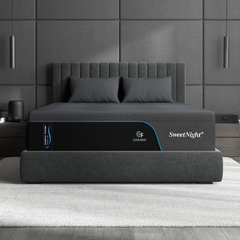
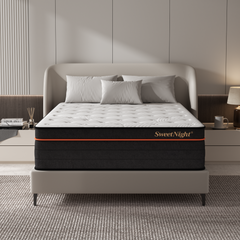
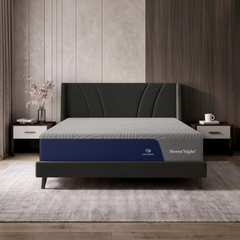
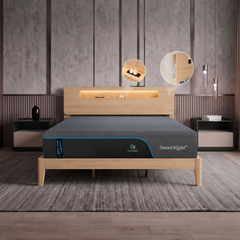
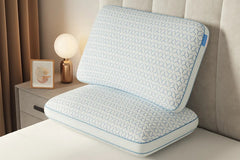
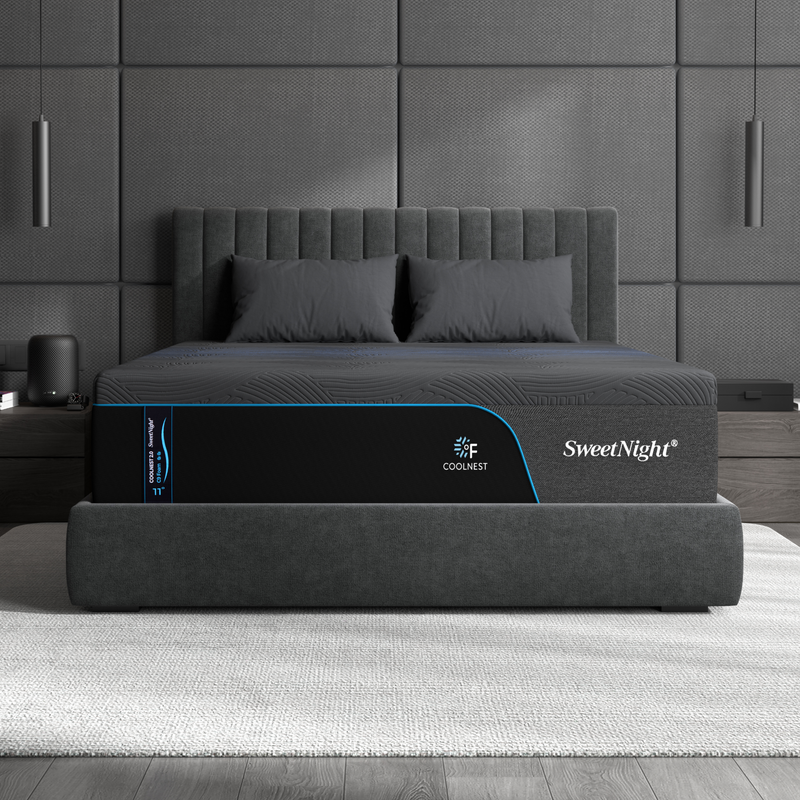
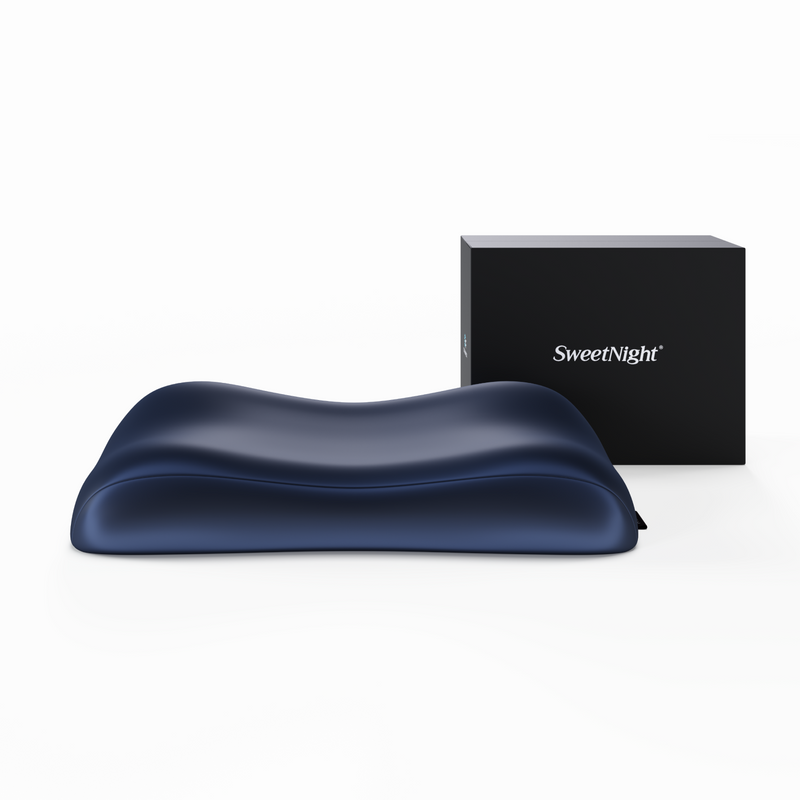
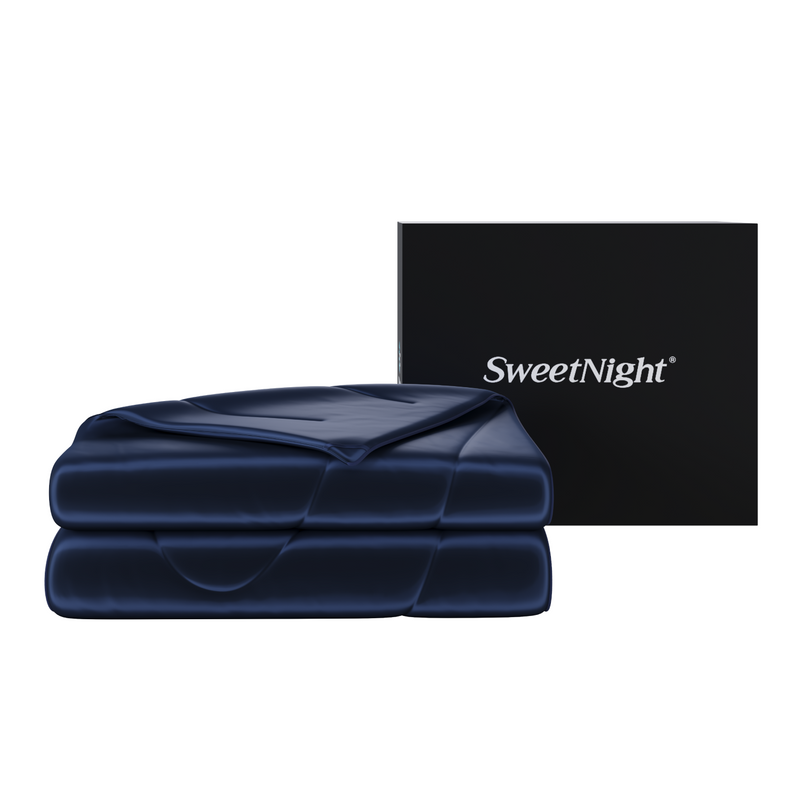
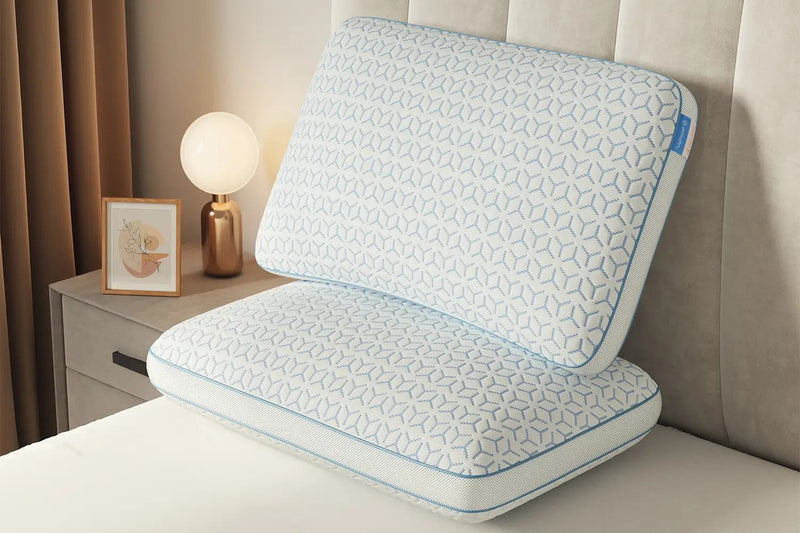
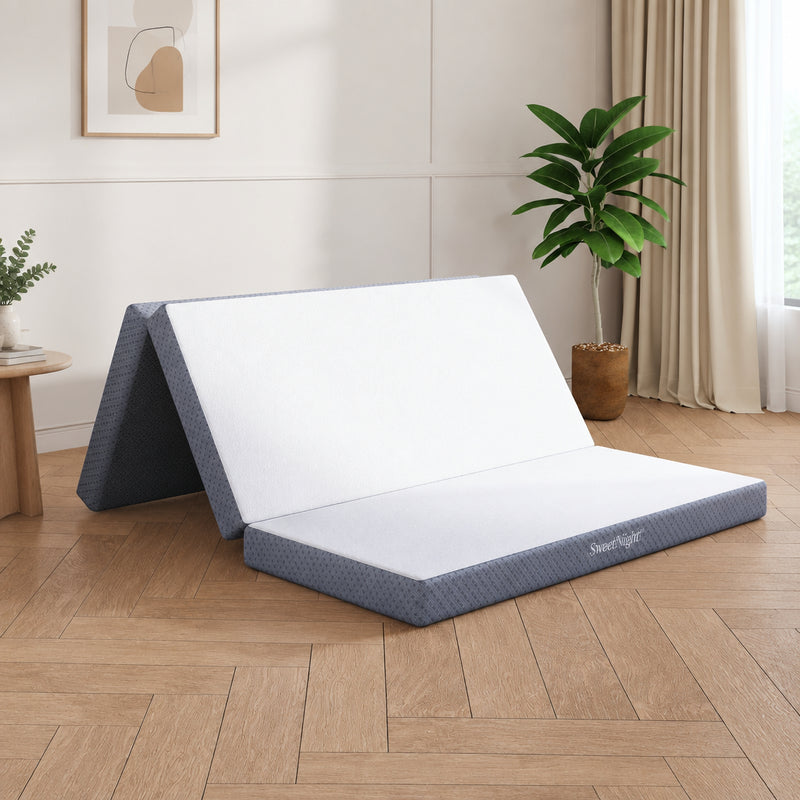
A warm shower starts your cool-down; a breathable bed keeps it going instead of warming you back up. Our gel-infused and hybrid cooling mattresses, cooling pillows, and breathable bedding are on sale now in the SweetNight Cooling Sale — 100-night trial, 10-year warranty.
The Shower Starts the Cool-Down — Your Bed Has to Finish It
A warm shower only kick-starts the process. Your core temperature is meant to keep falling all night — but it can only do that if the room and your bed let heat escape. Step out of a perfect shower into a hot room and onto a heat-trapping mattress, and your temperature climbs right back up within the hour, undoing the whole benefit. Pair the shower with a cool room (65–68°F) and a breathable mattress that releases heat, and the cool-down the shower triggered actually lasts. See the full routine in how to stay cool while sleeping.
The Bottom Line
Warm beats cold before bed for sleep. A warm shower widens your blood vessels, then the post-shower heat loss drops your core temperature and cues sleep — the same natural signal, sped up. Time it 60–90 minutes before bed, save cold water for a quick rinse on the sweatiest nights, and let a cool room and a breathable mattress carry the cool-down through the night.
Related: How heat affects sleep quality · The optimal sleeping temperature.