





Published: July 22, 2026 · Reviewed by the SweetNight Sleep Comfort Team · 14 min read
If you've been waking at 3 a.m. drenched, throwing off the covers, then shivering twenty minutes later — and you've started googling whether a new mattress could fix it — you deserve a straight answer, not a sales pitch. So here it is up front: no mattress on earth can stop a menopause hot flash. Anything that promises to is lying to you. Hot flashes and night sweats begin deep in your brain's temperature control, somewhere a mattress simply cannot reach.
But that's not the end of the story, and it's the part most articles get wrong in the other direction — because a mattress absolutely can change how a night of night sweats plays out. Not by preventing the surge, but by changing what happens in the minutes after it hits: how fast the heat leaves your body, how quickly the sheets stop feeling like a wet towel, and how soon you can fall back asleep instead of lying there wide awake and miserable. That's a real, meaningful difference, and it's worth understanding exactly. This guide walks through what a menopause night sweats mattress genuinely does, what it can't, and how to choose one based on the thing that actually matters.
Why Menopause Night Sweats Happen — And Where Your Mattress Fits In
To know what a mattress can do, you have to know what you're up against — and menopause night sweats are a fascinating, frustrating piece of biology. The short version: your body's thermostat gets recalibrated, and it turns hair-trigger sensitive.
Here's the mechanism. Deep in your brain sits a temperature control center that keeps your core within a narrow comfortable band — the “thermoneutral zone.” As long as your core temperature stays inside that band, your body doesn't bother sweating or shivering. During menopause, falling estrogen narrows that band dramatically. The Sleep Foundation puts it plainly: “The thermoregulatory zone in the brain — often thought of as the body's thermostat — is altered by lower estrogen levels,” and that narrowed comfort zone causes the body to launch cooling responses like sweating at lower core temperatures than it used to. In practical terms, a temperature rise so small you'd never have noticed it a few years ago now trips the alarm — and your body responds with the full emergency-cooling program: blood vessels dilate, you flush, and you sweat, hard and fast, to dump heat.
That's a hot flash. At night, it's a night sweat, and it's especially disruptive because it yanks you out of sleep. And there's a cruel feedback loop: the Sleep Foundation notes that once you're awake during a flash, “the discomfort and agitation” make it harder to fall back asleep, and being awake makes you notice the heat and dampness you might otherwise have slept through. We went deep on that sleep-disruption cycle in our guide to menopause night sweats and sleep, which is the companion to this piece.
So where does the mattress fit? Nowhere near the trigger — that's hormonal and internal. But squarely in the aftermath. Once your body has decided to dump a load of heat, that heat has to go somewhere. It radiates and sweats out of your skin… and straight into whatever you're lying on. What your mattress does with that heat — absorb and hold it, or carry it away — determines how the next twenty minutes feel. That's the leverage point, and it's a bigger one than it sounds.
What a Cooling Mattress for Menopause Can Actually Do (And What It Can't)
Let's draw the line clearly, because being honest about it is the only way to make a smart purchase. A cooling mattress for menopause operates entirely on one side of the hot flash: the exit, never the trigger.
What it cannot do: reduce how many hot flashes you get, how intense they are, or when they strike. Those are governed by your hormones and your individual physiology. If a mattress ad implies it will “stop night sweats,” mentally cross it off — that's a claim no bedding can honor, and it tells you the seller is more interested in your wallet than your sleep.
What it can do: control the heat once it arrives. When a night sweat hits, you release a surge of body heat and moisture. A mattress built to keep moving heat away from you carries that surge off quickly, so the surface under you doesn't turn into a warm, damp trap that keeps you hot long after the flash itself has passed. A heat-trapping mattress does the opposite — it soaks up your heat and radiates it back, so even after your body is done flashing, you're still lying in a pocket of your own warmth, awake and uncomfortable.
Think of it like this: the hot flash is a bucket of hot water thrown at you. You can't stop the throw. But you can decide whether you're standing on a sponge that stays soaked, or a drain that clears it fast. That's the entire job of a menopause mattress — be the drain, not the sponge. Everything else in this guide is about how to tell which one you're buying.
The Honest Truth: No Best Mattress for Hot Flashes Will Stop the Flash
It's worth dwelling on this, because the whole category of “best mattress for hot flashes” content is built on a quiet exaggeration, and cutting through it will save you money and disappointment. The searches, the ads, the review roundups — they all subtly frame the mattress as a treatment for hot flashes. It isn't. It's a treatment for the consequences of hot flashes on your sleep, which is a genuinely valuable but very different thing.
Why does this distinction matter for your purchase? Because it changes what you should be evaluating. If you believe a mattress stops flashes, you'll shop for whatever markets itself most aggressively as “menopause-approved” and pay a premium for a label. If you understand that a mattress manages heat after the flash, you'll shop for the actual engineering that does that job — airflow, breathability, continuous heat dissipation — and you'll be able to spot it regardless of whether the marketing uses the word “menopause” at all. The best mattress for hot flashes, in other words, is really just an excellent cooling mattress evaluated through the specific lens of “how fast does it recover from a sudden heat dump?”
There's a useful cross-over here with a related myth in cooling bedding: the idea that a cold-to-the-touch surface equals a cool night. It doesn't — a surface can feel icy for the first minute and then trap heat for the next hour. We unpacked exactly why in what a qmax cool-to-touch rating really measures, and it's directly relevant to menopause, because a hot flash is the ultimate test of whether a mattress cools continuously or just at first touch. First-touch cool is nearly useless during a night sweat; you're already in bed, already warm, when the surge hits. What you need is a surface that keeps clearing heat at hour two, three, and four.
Recovery Speed Is Everything: How the Right Menopause Night Sweats Mattress Helps
If prevention is off the table, the entire value of a menopause night sweats mattress comes down to one metric: recovery speed. How many minutes does it take, after a flash, to go from “awake and drenched” back to “cool enough to sleep”? Shave time off that number and you've genuinely improved menopausal sleep — and the math is more powerful than it first appears.
Picture a typical bad night: three or four hot flashes between midnight and dawn. On a heat-trapping mattress, each one might cost you 25–40 minutes — the flash itself, plus the long, sweaty, frustrated stretch of lying in trapped heat waiting to cool down enough to drift off. Multiply that across four episodes and you've lost most of two hours, and the fragmentation wrecks your deep and REM sleep even beyond the raw minutes. Now put the same night on a mattress engineered to dump heat fast. The flashes still come — nothing changed that — but each recovery shrinks, maybe to 10–15 minutes, because the surface stops holding your heat against you. You cool down, the damp dissipates, and you're back asleep before the frustration fully sets in. Across four flashes, that's an hour or more of sleep reclaimed, and far less of the tossing that turns one wakeup into a two-hour insomnia spiral.
There's a deeper physiological reason recovery speed matters so much, and it's about how sleep itself works. Falling asleep — and falling back asleep after a wakeup — depends on your core body temperature dropping. Your body actively drives that drop by widening the blood vessels near your skin to release heat, a process called vasodilation; the Sleep Foundation explains that as sleep approaches, the body cools itself by sending heat away from the core. A hot flash is the exact opposite event — a sudden heat load — and until your core comes back down, your brain won't let you sink back into deep sleep. So a mattress that clears heat fast isn't just about comfort; it's directly assisting the biological cool-down your body needs to resume sleeping. A mattress that holds heat fights that process, keeping your core elevated and your brain alert. That's the mechanism underneath the minutes.
This is why “does it feel cool in the store” is the wrong question and “how fast does it recover from a heat surge” is the right one. The mattress's job is to be there, quietly moving heat, at the exact moment your body needs to offload it — and to keep doing it four times a night, night after night. That's a job for continuous, all-night heat dissipation, not a cold gimmick that saturates by 1 a.m.
What to Look for in the Best Mattress for Menopause and Night Sweats
So how do you actually identify a mattress that recovers fast? When you're shopping for the best mattress for menopause, four engineering features do the real work, and none of them are about a cold first touch:
- Ventilated, breathable construction. Air moving through the mattress is the single most important cooling mechanism, because it physically carries heat out of the bed instead of letting it pool under you. Look for engineered airflow — ventilation channels, open-cell breathable foam, or coil airflow in a hybrid. This is what clears a sweat surge.
- Continuous heat dissipation, not just surface cooling. The mattress should be designed to keep releasing heat all night rather than absorbing a burst and then saturating. This is the property that matters most for menopause specifically, because your flashes come in waves and the surface has to be ready for each one.
- Moisture-friendly materials. Night sweats are wet, not just hot. A surface and cover that let moisture move and evaporate keep the “damp cloth” feeling from prolonging your recovery. Trapped moisture is half of what keeps you awake after a flash — a bed that feels clammy long after your body has stopped flashing is often losing the recovery race on dampness alone, not temperature.
- Pressure relief that lets you settle. After a flash, you need to relax and drift off. A mattress that cradles your hips and shoulders and takes pressure off your joints helps you resettle quickly — the comfort side of recovery, working alongside the cooling side.
Notice what's not on that list: a headline cool-to-touch number. It's fine to have one, but it's the least important feature for menopause, because you're not judging the bed by its first touch — you're judging it by its fourth heat surge of the night. If you want the deeper evidence on which of these features genuinely move the needle overnight, our analysis of whether cooling mattresses actually work lays out the mechanisms in detail.
Why Memory Foam Gets a Bad Rap for Menopause — and How Cooling Foam Fixes It
If you've read anything about menopause and mattresses, you've probably seen the warning: avoid memory foam, it traps heat. There's real truth in that — and also an outdated assumption worth correcting, because it can steer you away from one of the best options for a cooling mattress menopause shoppers can buy.
The warning is rooted in fact. Traditional memory foam is dense and reacts to body warmth, and the Sleep Foundation confirms it “is designed to respond to body heat, and because of the density of the material, memory foam can, in fact, get quite warm.” For someone having night sweats, an old-style memory foam mattress is close to a worst case: it hugs you tightly, cutting off airflow exactly where you're trying to shed heat, and then holds that heat against you. That's the sponge, not the drain.
But “memory foam” in 2026 isn't one material — it's a spectrum, and the cooling end of that spectrum is engineered specifically to beat this problem. Modern cooling memory foam uses open, ventilated structures, breathable formulations, and airflow channels so heat moves through rather than getting stuck. You keep the thing memory foam is genuinely great at — deep pressure relief that helps you resettle after a flash — while engineering out the heat-hoarding that made old foam a menopause nightmare. The lesson isn't “avoid foam.” It's “avoid heat-trapping foam, and choose foam built to breathe.” The difference between the two is night and day, quite literally.
Cooling Mattress for Menopause: The CoolNest Ultra, Built for the 3 A.M. Surge
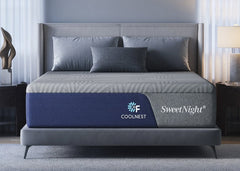
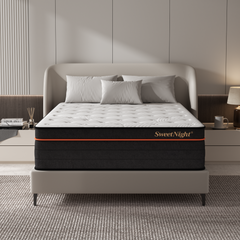
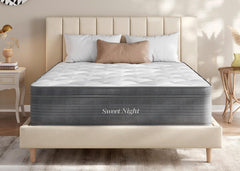
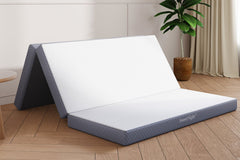
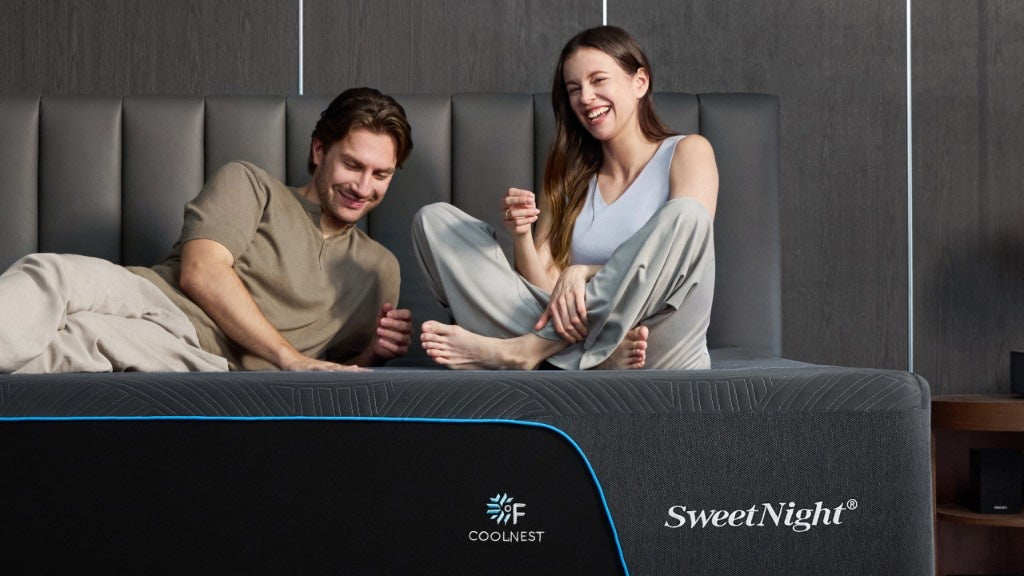
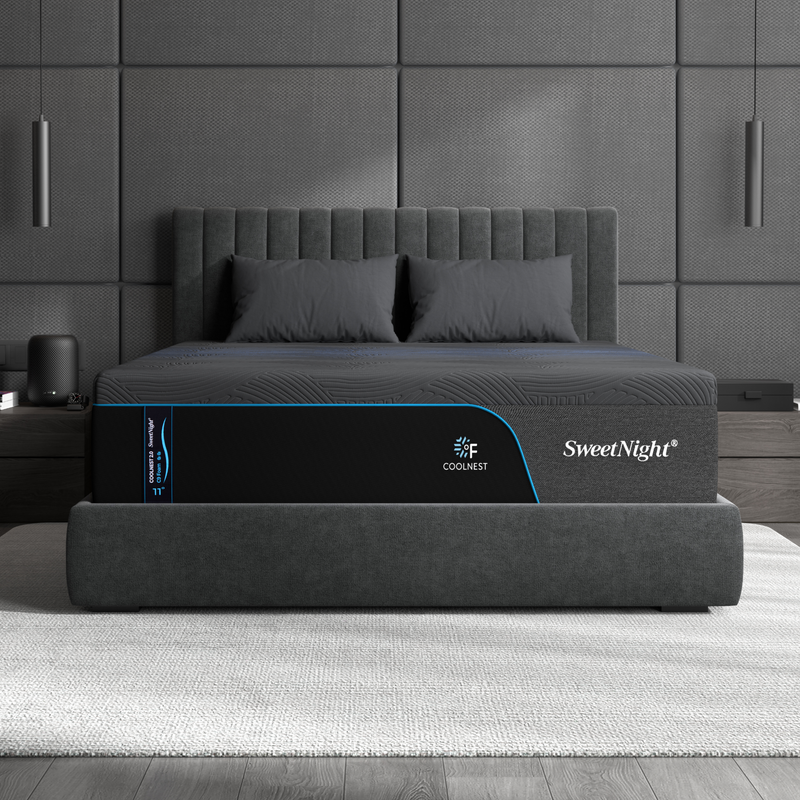
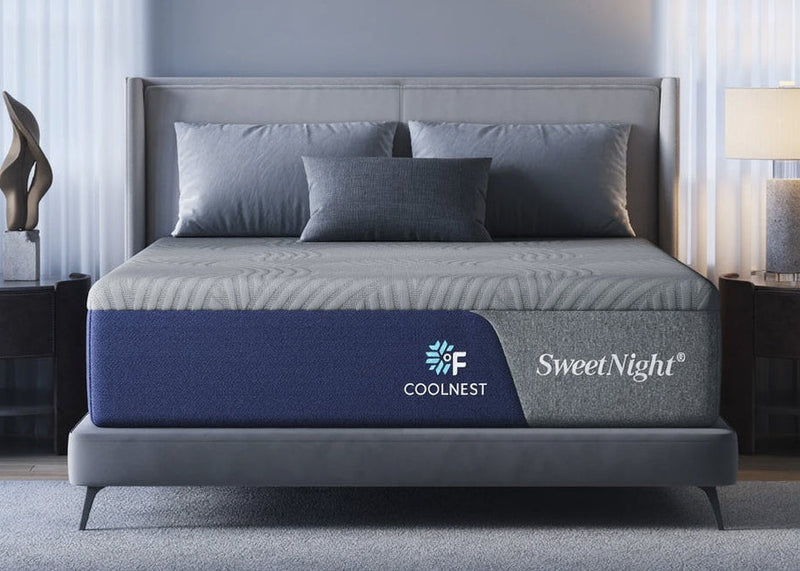
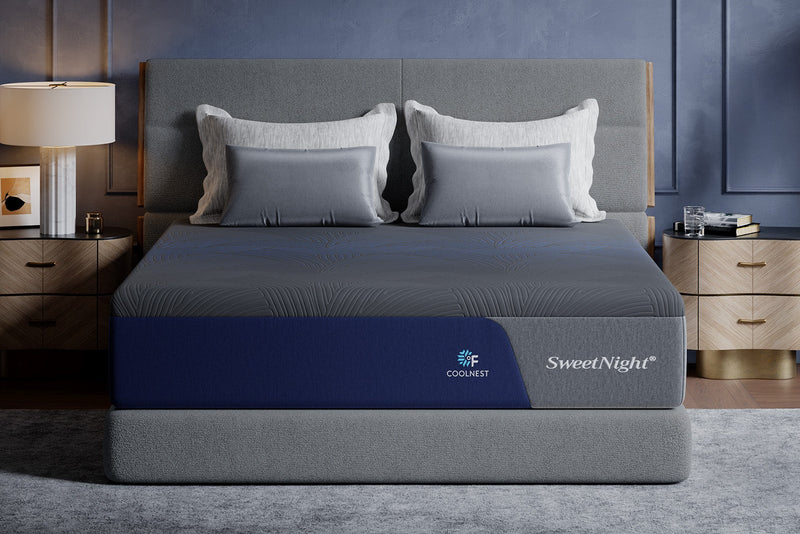
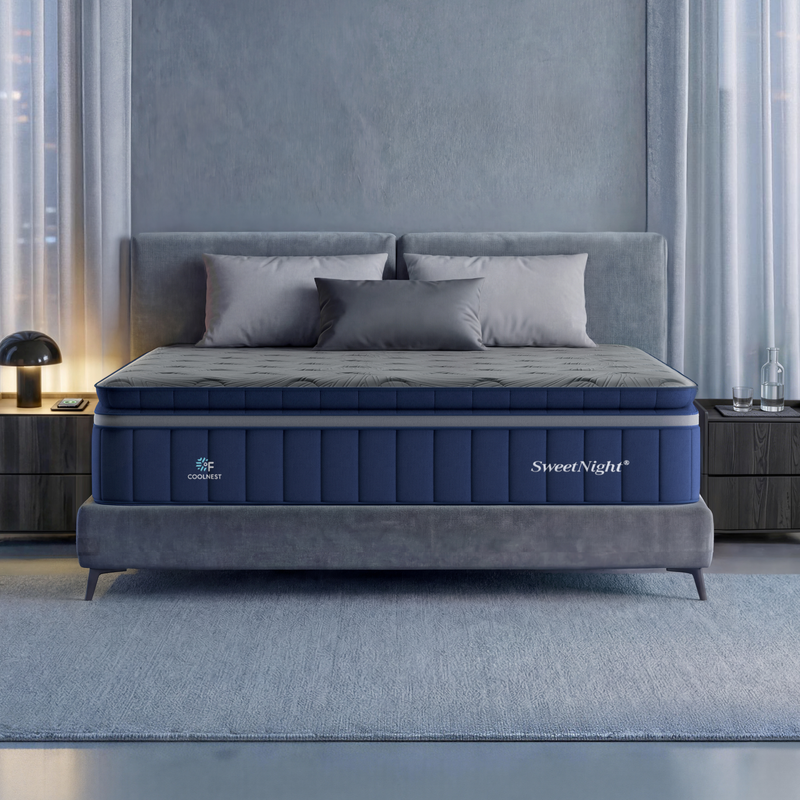
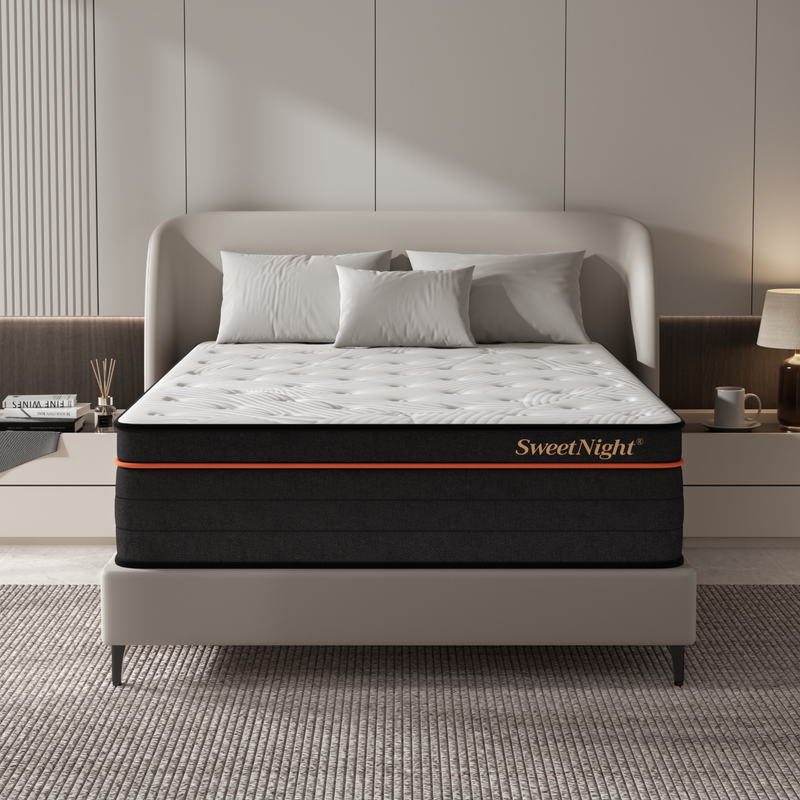
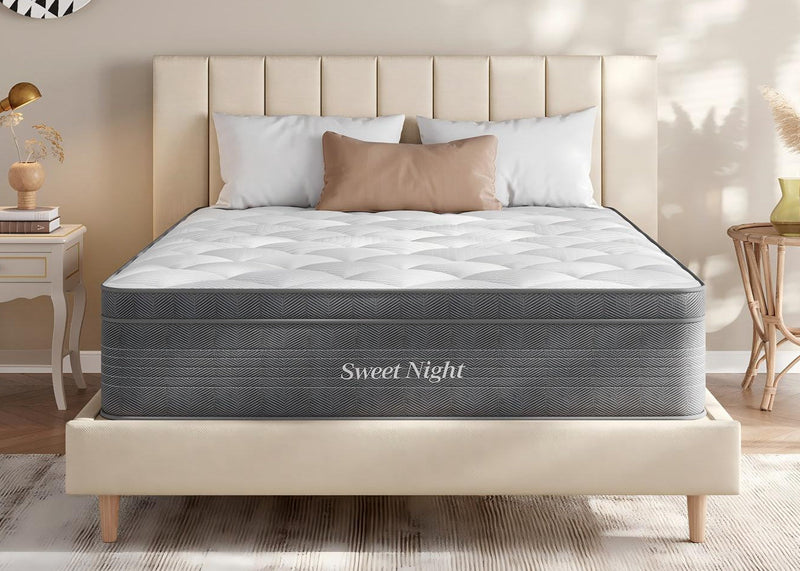
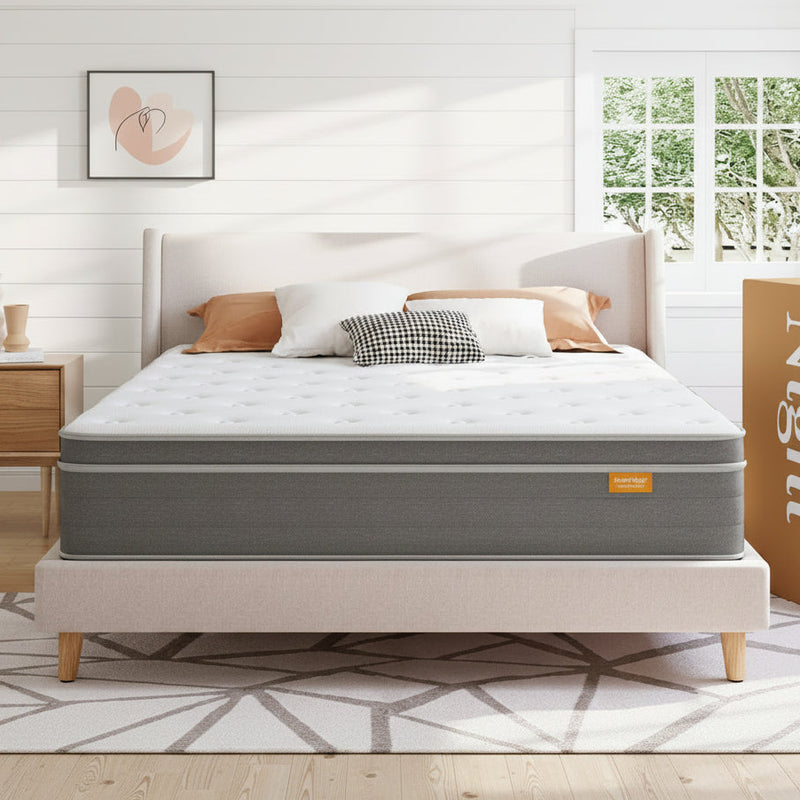
To make this concrete, here's what a cooling foam mattress engineered for exactly this problem looks like — using SweetNight's flagship as the example, because its design reads like a direct answer to the menopause recovery-speed question. The CoolNest® Ultra cooling memory foam mattress isn't marketed as a “menopause mattress,” and that's precisely why it's worth looking at: it's built around continuous heat removal, which is the real thing you need, rather than a menopause label slapped on for the search traffic.
Four features map almost one-to-one onto the recovery-speed checklist above:
- 3D Ventilated Circulation — engineered airflow through the mattress structure, so when a night sweat dumps heat, it's carried out of the bed instead of pooling under your back. This is the drain, doing its job.
- Continuous Heat Dissipation — a design built to keep releasing body heat all night rather than absorbing one surge and saturating. For menopause, where flashes arrive in repeated waves, this “ready for the next one” behavior is exactly what matters.
- Instant Cooling Comfort & All-Night Thermal Balance — a cool surface to settle onto, plus a steadier temperature from lights-out to sunrise, so you're not starting each recovery from a heat deficit.
- Refined 7-Zone Precision Support & ergonomic spinal alignment — the pressure relief that helps you physically relax and resettle after a flash, working alongside the cooling.
All told, it's engineered to sleep up to 11° cooler — and, crucially, that's a claim about sustained, all-night performance, not a first-touch chill that fades. That's the specification that actually addresses menopause night sweats, because it's about what the mattress does at your fourth flash of the night, not your first minute in bed. If night sweats are wrecking your sleep, the 11° cooler CoolNest Ultra mattress is built for precisely the repeated-surge problem menopause creates. You can compare it against the rest of the range on the best cooling mattress collection, and current pricing across sizes and thicknesses is on the SweetNight deals page.
Do Cooling Mattresses Help Night Sweats Enough to Replace Your Bed? A Topper Reality Check
A fair question at this point: if your current mattress is the heat-trapping sponge we've been describing, do you actually need a whole new bed — or can a cooling topper do the job for a fraction of the price? The honest answer to “do cooling mattresses help night sweats more than a topper?” depends entirely on what's underneath.
A cooling topper can genuinely help in one specific situation: your mattress is comfortable and supportive but simply sleeps a little warm. In that case, a breathable topper adds a cooler, more airflow-friendly surface layer and can shave real time off your recovery, at a much lower cost than replacing the bed. It's a sensible first move if money is tight and your mattress is otherwise fine. But understand the ceiling on that fix — a topper is a thin layer sitting on top of whatever you already own. If the mattress beneath it is dense, old, heat-hoarding foam, that core is still there, still radiating your heat back up through the topper by the middle of the night. You've improved the first touch and the top inch, but the fundamental thermal mass under you hasn't changed. During a heavy night sweat, that buried heat store is exactly what prolongs your recovery, and a topper can only do so much against it.
So the decision tree is simple. If your bed is supportive and merely warm, try a breathable topper and cool bedding first — it's the cheap, smart experiment. If your mattress is sagging, uncomfortable, several years old, or built from dense heat-trapping foam, a topper is a bandage on a deeper problem, and a mattress engineered from the ground up for continuous heat dissipation will out-perform any topper-over-hot-core combination during menopause. The whole-bed approach wins precisely because night sweats test the entire depth of what you're lying on, not just the surface — the heat has to travel all the way out, through every layer, and a bed built to move it does that in a way a surface patch never can.
Beyond the Mattress: Building a Cool Sleep System for Menopause Night Sweats
A mattress is the foundation, but the fastest recoveries come from stacking it with the rest of your sleep environment — and for menopause, a few cheap additions dramatically multiply what a cooling mattress for hot flashes can do. Think of the whole bed as a heat-removal system, with each layer helping clear the surge faster.
Start with the room. Sleep experts recommend a bedroom around 65°F (18.3°C), and during menopause that's not just about comfort — a cooler room widens the temperature gap between your body and the air, giving your body more capacity to offload heat when a flash hits. The Sleep Foundation's menopause guidance specifically suggests keeping the bedroom cool, running a fan, and keeping ice water nearby. A fan is genuinely underrated here: moving air accelerates evaporation off your damp skin, which is one of the most powerful cooling forces available, and it costs almost nothing.
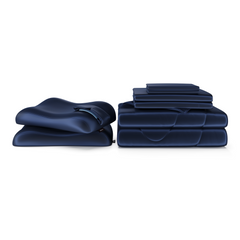
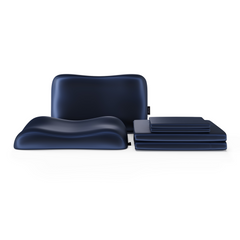
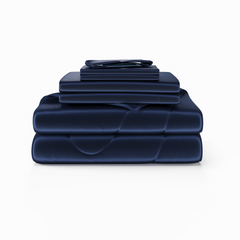
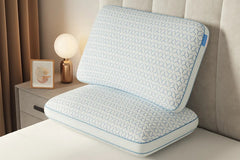
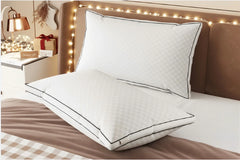
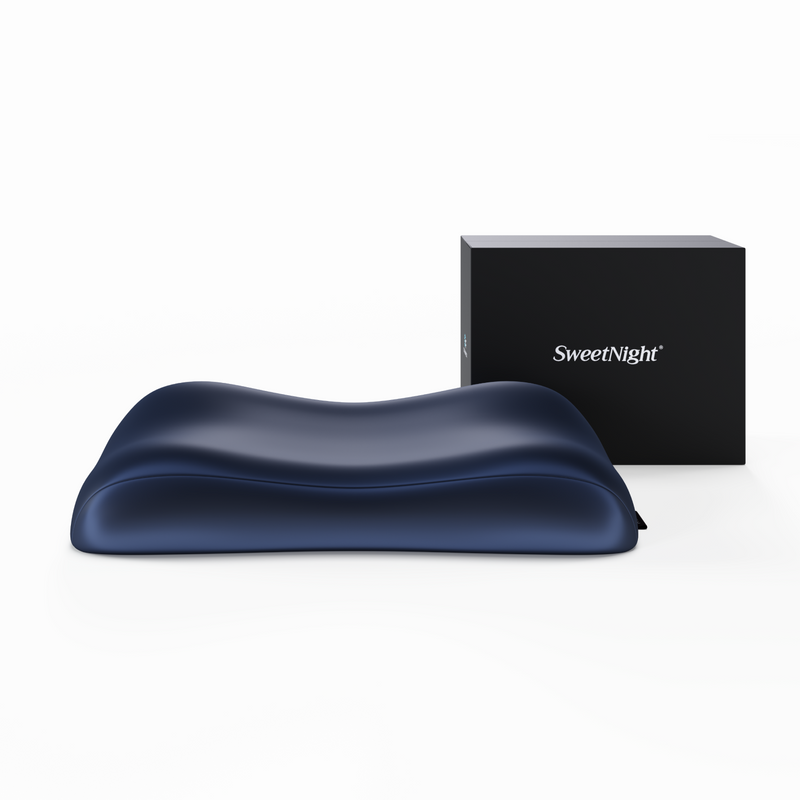
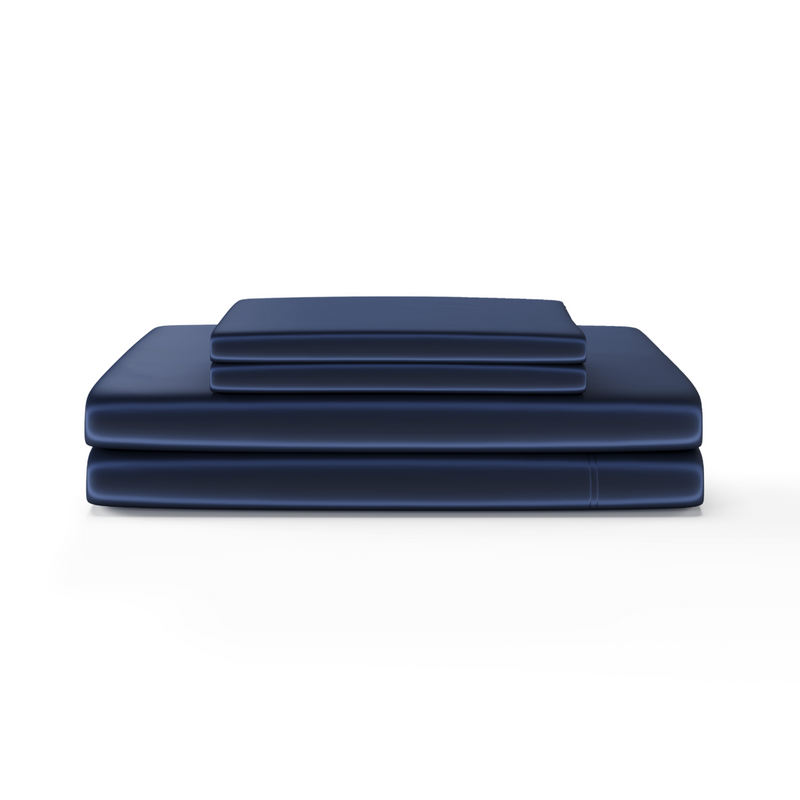
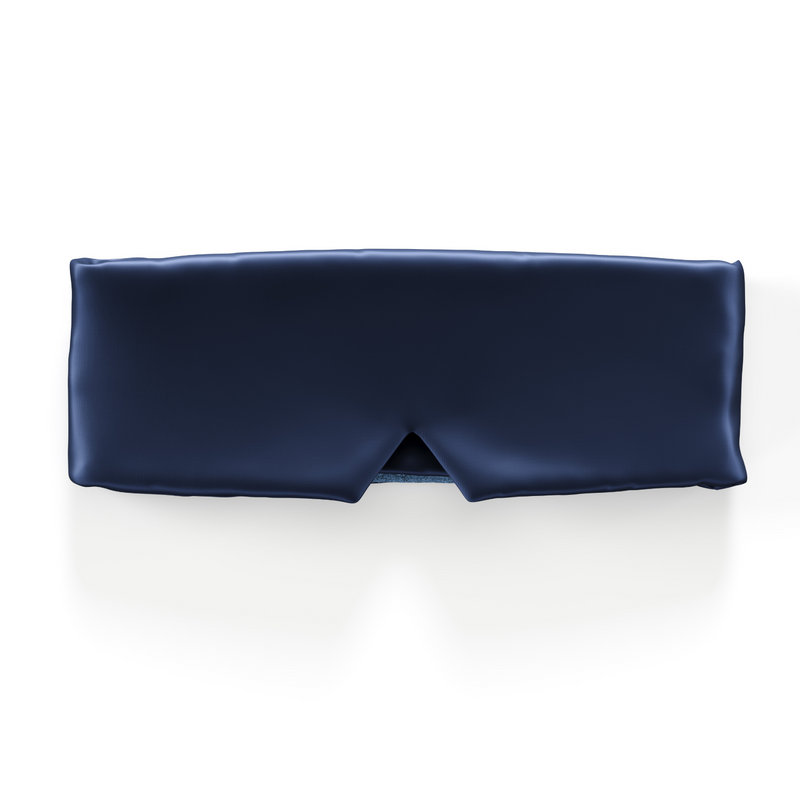
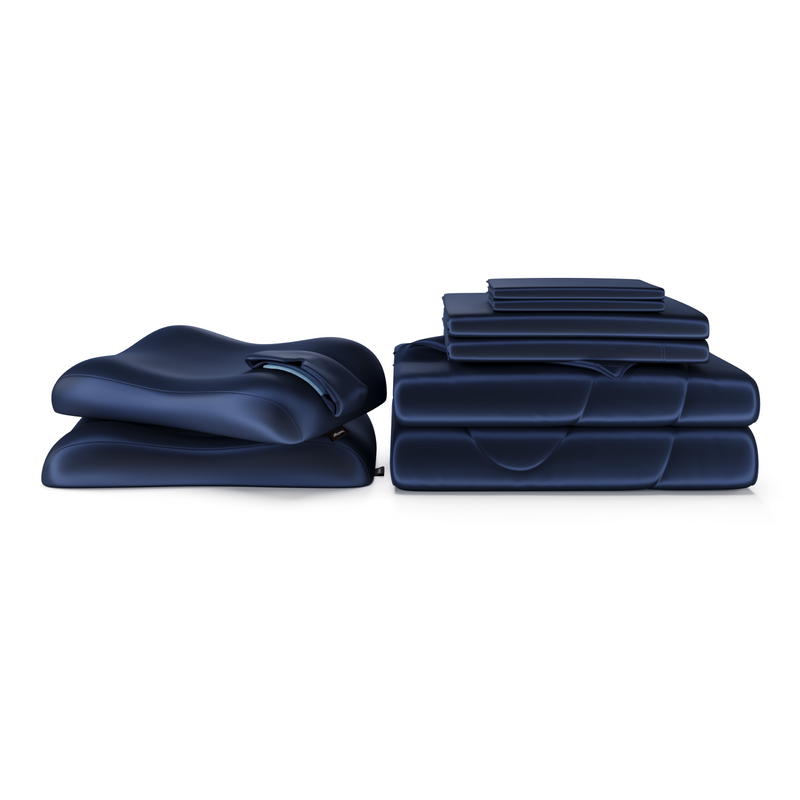
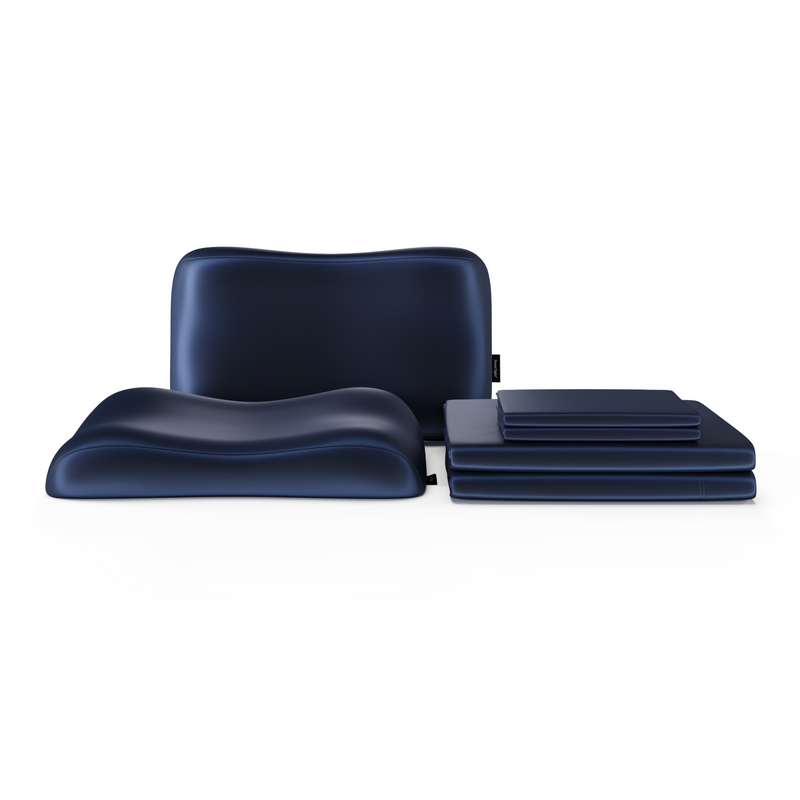
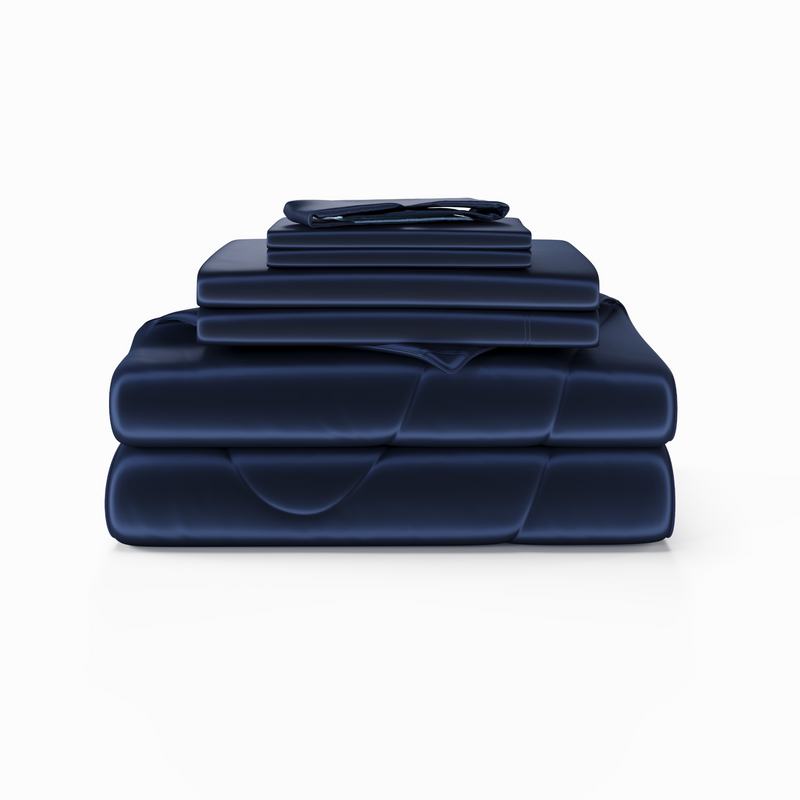
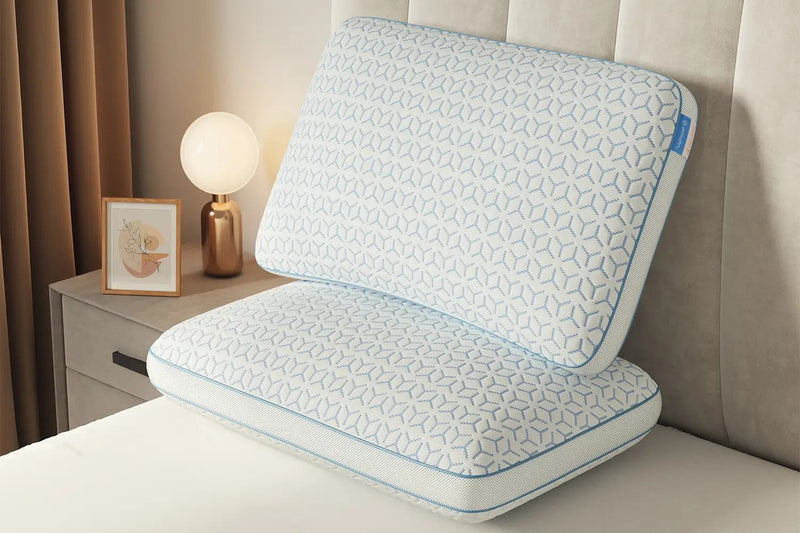
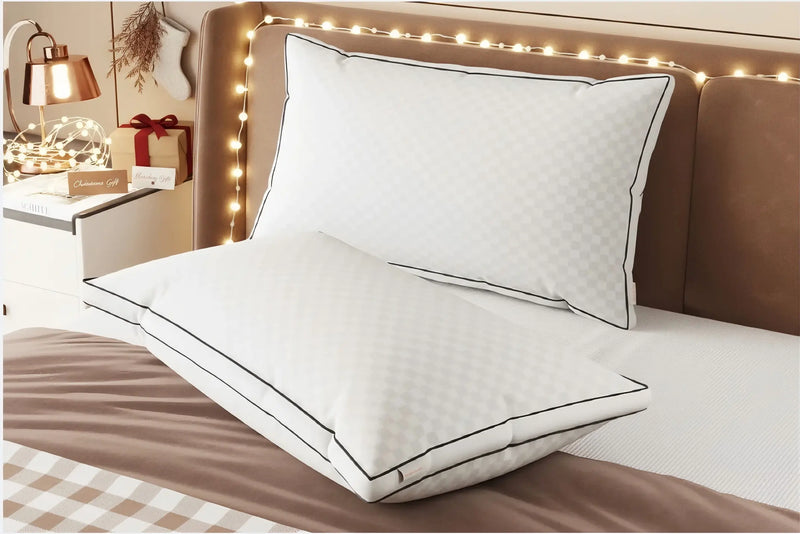
Then the bedding. Breathable, moisture-wicking sheets keep the damp from lingering; heavy, synthetic sheets do the opposite. If you're rebuilding your bed for night sweats, our comparison of cooling sheets across cotton, bamboo, linen, and Tencel walks through which fabrics actually manage moisture and heat. And don't overlook the pillow — your head and neck are a major heat-release zone, and a hot pillow keeps you awake even when the rest of the bed has cooled. We covered the honest limits and real benefits of cooling pillows in our guide to the best cooling pillows for night sweats. Layer breathable sheets and a cool pillow on top of a heat-dissipating mattress in a cool, fan-moved room, and you've built a system where every flash clears as fast as physically possible.
Matching a Menopause Mattress to Your Symptoms and Sleep Style
Menopause isn't one experience, so the right cooling mattress menopause choice depends on your symptoms and how you sleep. A few practical steers:
If your flashes are frequent and heavy — multiple soaking sweats a night — prioritize continuous heat dissipation and airflow above everything else, and lean toward an all-foam cooling design or a hybrid with strong ventilation. Your defining need is a surface that's ready to clear heat again and again, so the “never saturates” property is worth paying for.
If you also have joint or back pain — common alongside menopause — weight pressure relief more heavily, because you need to resettle comfortably after each flash. A zoned support system that cushions hips and shoulders while supporting your lower back helps you fall back asleep faster once you've cooled down.
If you share a bed, remember there are two bodies adding heat, and a partner's warmth can slow your recovery. Prioritize a mattress with strong airflow and good motion isolation, so their movement doesn't wake you during your light, post-flash sleep. And if you and your partner run at very different temperatures, our breakdown of hot sleeper versus cold sleeper needs is worth a read.
If you're a hot sleeper independent of menopause, you're stacking two heat problems, and you should go straight for the most aggressive cooling option available — the recovery-speed benefit compounds. Our full guide to the best cooling mattress for hot sleepers covers that scenario in depth.
The Bottom Line on Choosing a Cooling Mattress for Hot Flashes
Here's the honest summary you came for. Your mattress cannot stop menopause night sweats — those start with your hormones, in a part of your body no bedding can touch. Anyone selling you a mattress as a cure for hot flashes is overpromising, and knowing that protects you from paying for a label instead of engineering.
What the right mattress genuinely does is change the aftermath: it decides whether each flash costs you ten minutes or forty, whether you cool down and drift back to sleep or lie awake soaked and frustrated. Over a night of repeated surges, that recovery-speed difference is the difference between exhausted and functional. The best mattress for hot flashes is simply an excellent cooling mattress — ventilated, breathable, built for continuous heat dissipation — judged by how fast it clears a sudden heat dump, not how cold it feels in a showroom.
That's why a mattress engineered around sustained heat removal, like the CoolNest® Ultra cooling memory foam mattress and its up-to-11°-cooler continuous dissipation, is the practical answer to menopause night sweats — not because it stops the flash, but because it's there, clearing the heat, every single time one hits. Set realistic expectations, buy for recovery speed, build a cool sleep system around it, and you'll take back a real share of the sleep menopause has been stealing.
Frequently Asked Questions: Menopause, Night Sweats, and Your Mattress
Can a cooling mattress stop menopause hot flashes?
No. Hot flashes begin with hormonal changes in the brain's temperature center, which no mattress can influence. A cooling mattress works on the aftermath — pulling the heat surge away quickly so you cool down and fall back asleep faster. It changes recovery, not frequency.
What is the best mattress for hot flashes and night sweats?
One built for continuous, all-night heat dissipation rather than a cold first touch — breathable, ventilated construction that clears a sudden sweat surge fast. A cooling mattress like the CoolNest Ultra, engineered to sleep up to 11° cooler through 3D ventilated circulation and continuous heat dissipation, targets exactly the repeated 3 a.m. surges of menopause.
Do cooling mattresses help with menopause night sweats?
Yes — by shortening each episode's impact, not the number of episodes. A mattress that keeps moving heat away means the surface doesn't stay hot and damp, so you recover and resettle faster. Across several flashes a night, that reclaims meaningful sleep.
Is memory foam bad for menopause?
Traditional dense memory foam traps heat and is a poor fit for night sweats. But modern cooling memory foam is engineered to breathe and dissipate heat continuously, keeping the pressure relief that helps you resettle while avoiding the heat-hoarding of old foam. Choose foam built for airflow, not against it.
What bedroom temperature is best for menopause night sweats?
Around 65°F (18.3°C). A cooler room widens the gap between your body and the air, so when a flash dumps heat, there's more capacity to carry it away and you cool faster. Combine it with a fan, breathable bedding, and a heat-dissipating mattress for the strongest defense.