Hot Sleeper vs. Cold Sleeper: How to Pick the Right Mattress for Your Sleep Type

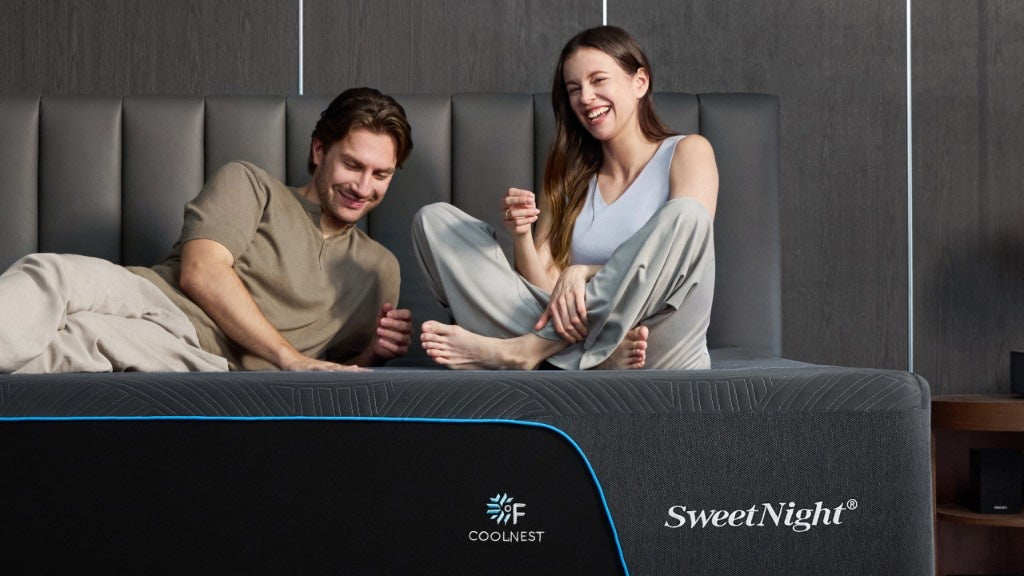
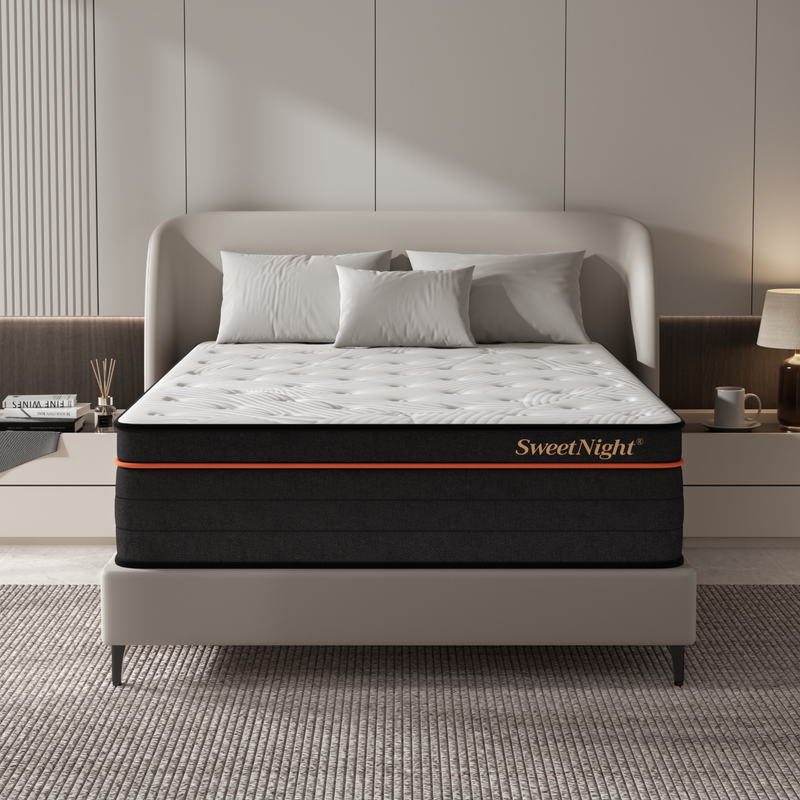
A couple discusses the features of a new SweetNight mattress, choosing the right model for their different sleep temperatures.

Quick Answer

If you sleep hot, get a hybrid mattress with gel foam and coils that let air flow through—options like the SweetNight CoolNest™ or Island Hybrid keep you cool all night.

If you sleep cold, stick with all-foam mattresses that hold heat close to your body, like the SweetNight Prime or Starry Night Memory Foam. Hybrids beat latex for hot sleepers because they're cooler and cheaper, and they work well for couples who sleep at different temperatures.

Introduction

Some people sleep hot, some sleep cold, and some couples can't figure out how to share a bed without one person melting and the other freezing. The right mattress can actually fix this problem. The best mattresses for hot sleepers use cooling gel, breathable covers, and materials like latex or hybrid coils that don't trap heat. If you're comparing a hybrid vs latex mattress or looking for the best cooling hybrid mattress that works for both partners, start by figuring out which sleep type you are.

Are You a Hot Sleeper or a Cold Sleeper? Take Our Quick Quiz!

You're a hot sleeper if you regularly wake up sweating, kick off covers during the night, or prefer a cool room. You're a cold sleeper if you pile on blankets, wear socks to bed, or feel chilly even in warm temperatures.

Hot Sleeper Signs Cold Sleeper Signs
Wake up sweaty or damp, even in cool rooms Sleep with multiple blankets year-round
Stick one leg out from under covers to cool down Wear socks, long sleeves, or layers to bed
Flip pillow to find the cool side multiple times Curl up in a ball to stay warm while sleeping
Prefer sleeping with minimal covers or just a sheet Take a long time to feel warm enough to fall asleep
Partner complains you make the bed too warm Gravitate toward partner's body heat during the night
Feel overheated within 30 minutes of lying down Feel cold even when others say the room is comfortable

If you checked 3 or more in either column, you have a clear sleep temperature type.

Common Signs and Symptoms of Each Sleep Type

  • Hot sleepers experience night sweats, wake up with damp sheets or pajamas, and constantly adjust covers throughout the night. They typically run warm during the day too. Women going through perimenopause or menopause often become hot sleepers due to hormonal changes, but this affects people of all ages and genders.
  • Cold sleepers rarely feel too warm at night and often wake up chilled if covers slip off. They take longer to fall asleep because they need time to warm up in bed, and they frequently have cold hands and feet even after being under covers. This can be due to metabolism, body composition, circulation, or simply how your body is wired.
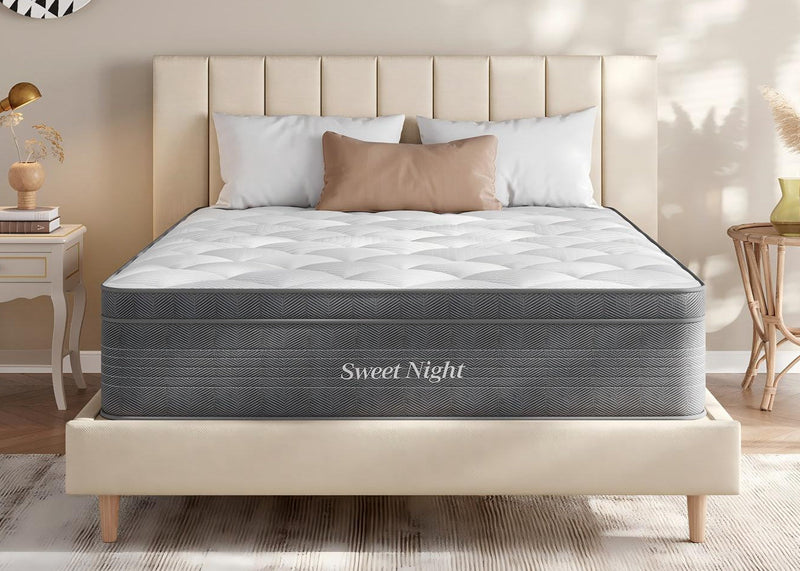
A happy couple lies comfortably on their SweetNight mattress, which provides the perfect temperature balance for both partners.

Why Your Sleep Temperature Matters for Mattress Selection

Your body temperature naturally drops when you fall asleep and hits its lowest point around 4 AM. This cooling process is essential for deep, restorative sleep. When your mattress works against this natural cycle, your sleep quality suffers.

Hot sleepers with heat-trapping mattresses (like traditional memory foam) can experience elevated core temperatures that trigger night sweats and frequent wake-ups. Cold sleepers with overly breathable mattresses feel chilly and uncomfortable, making it harder to fall and stay asleep.

The impact is real: even small temperature disruptions reduce time spent in deep sleep and REM sleep, the stages where your body repairs itself. Since you'll spend roughly 2,800 hours per year on your mattress, choosing one that matches your temperature needs can transform your sleep quality.

Best Mattresses for Hot Sleepers: Top Features to Look For

If you're a hot sleeper, the right mattress features can prevent night sweats and help you sleep through the night. Here's what actually makes a difference.

1. Cooling Gel-Infused Memory Foam

Traditional memory foam mattress traps heat, but gel-infused mattresses fix this problem. Cooling gel particles absorb and dissipate your body heat instead of reflecting it back. You get the comfort of memory foam without waking up sweaty.

Look for gel infusion in multiple foam layers, not just the top. More gel-infused foam means better heat management all night long.

2. Breathable Cover Materials (Phase-Change Fabrics, Moisture-Wicking)

Your mattress cover matters more than you'd think. Phase-change materials (PCM) absorb heat when you're warm and release it when you cool down, keeping your temperature steady. Advanced covers use 3D weaving with thousands of micro-vents for better airflow, while moisture-wicking fabrics pull sweat away from your skin.

The best cooling covers combine breathable weaving, moisture management, and temperature regulation. Some also pair with hollow-structured foam infused with PCM particles, which can be three times more breathable than regular foam.

3. Airflow-Enhancing Coil Systems

Hybrid mattresses with individually pocketed coils create natural air channels that prevent heat buildup. These coils move independently, so you get excellent airflow without losing support or motion isolation.

Zoned coil systems work even better—they provide different support levels for your head, torso, and legs while enhancing airflow where heat accumulates most. Thicker coil layers (around 9-10 inches) generally allow more air circulation than thinner ones.

4. Heat-Dissipating Latex Layers

Natural latex is extremely breathable thanks to its open-cell structure that lets heat escape easily. It doesn't retain body heat like dense memory foam does, and it's naturally antimicrobial. Pure latex mattresses cost more and are harder to find, but some hybrids include latex layers for cooling benefits at a lower price.

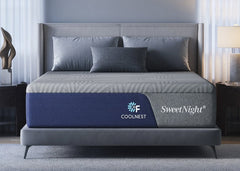
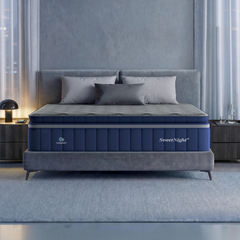
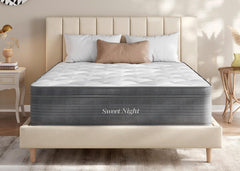
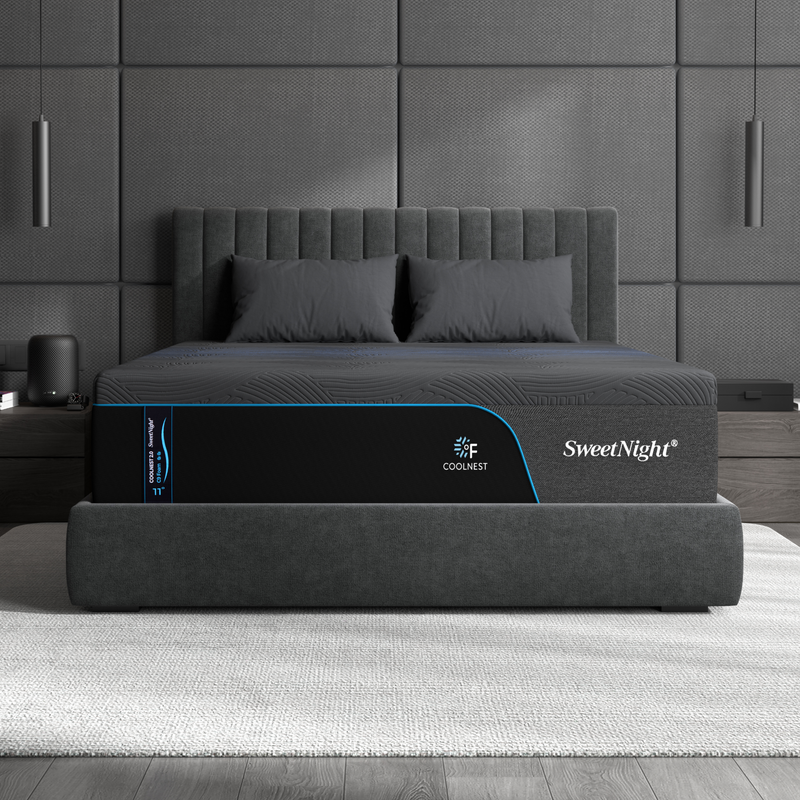
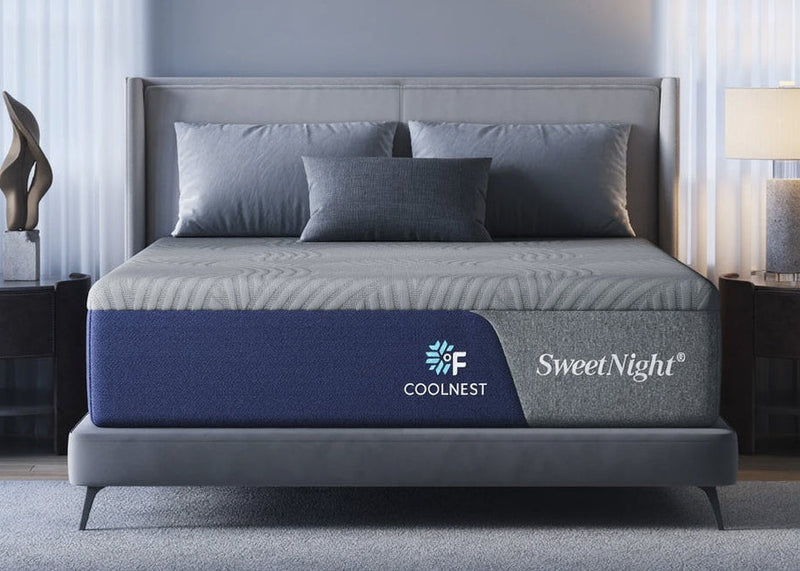
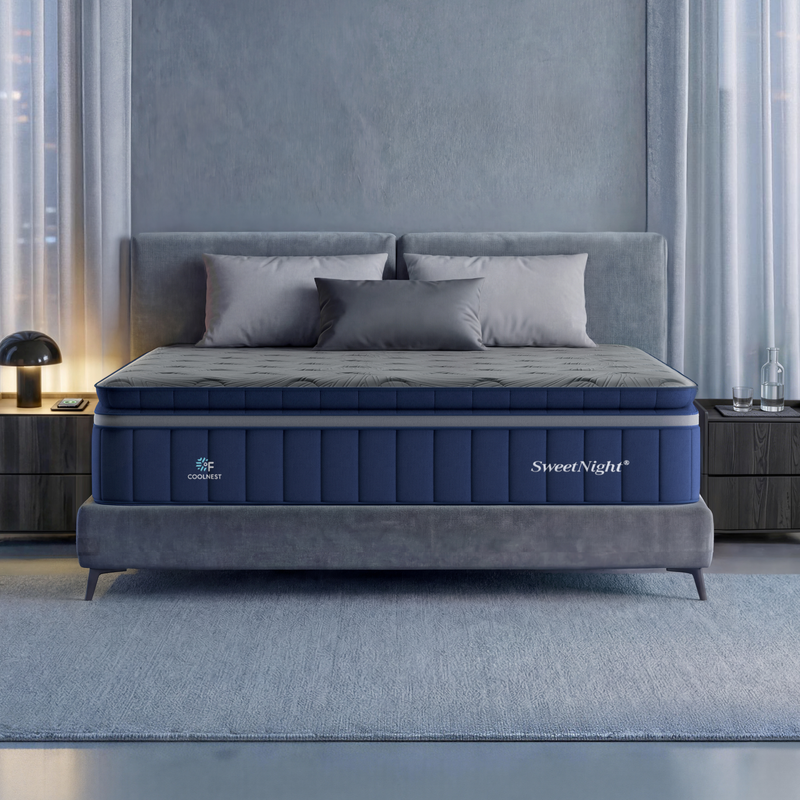
Effective cooling mattresses use multiple technologies together. The SweetNight CoolNest™ Mattress combines a 3D woven cover with 10,000 micro-vents, PCMflux™ foam, and gel-infused memory foam for a sleep surface that feels up to 8° cooler. If you want a hybrid, the SweetNight Island Hybrid Mattress pairs gel-infused memory foam with three-zoned pocketed coils for consistent airflow and targeted support.

Best Mattress Features for Cold Sleepers

If you're always cold at night, your mattress should help you stay warm. Here are the features that actually work for cold sleepers.

1. Heat-Retaining Materials (Memory Foam, Plush Tops)

Traditional memory foam mattress is ideal for cold sleepers because it naturally holds body heat. The dense foam contours to your body and keeps warmth close to you instead of letting it escape. You get both comfort and the warmth you need.

Plush pillow tops or euro tops add extra insulation between you and the cooler room air. More padding on top means more warmth retention.

2. Insulating Construction Methods

All-foam mattresses are better for cold sleepers than hybrids. Stacked foam layers create insulation with minimal air circulation, which keeps you warmer. Hybrid mattresses with pocketed coils or innersprings have air channels that let heat escape—not what you want if you sleep cold.

Look for mattresses with thick, dense foam layers and no gaps in construction. Soft, plush covers also add warmth compared to thin cooling fabrics.

3. Firmness Considerations for Warmth

Softer mattresses feel warmer because you sink deeper into the foam, increasing body contact and heat retention. Medium-soft or plush options let you nestle into the surface, which holds warmth around you better.

Firmer mattresses keep you more on top with less body contact, which feels cooler. If you need firm support, choose a model with a plush comfort layer on top.

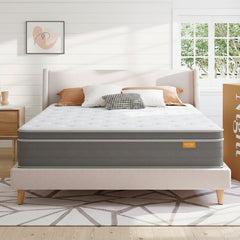
Cold sleepers do best with all-foam construction and dense memory foam. The SweetNight Prime Memory Foam Mattress has a flippable design with multiple firmness options, so you can pick the softer side for maximum warmth. The SweetNight Starry Night Memory Foam Mattress features three dense foam layers for a warm, supportive sleep without the airflow of hybrid designs.

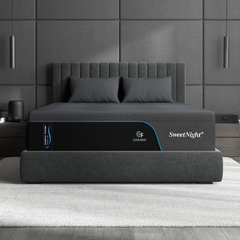
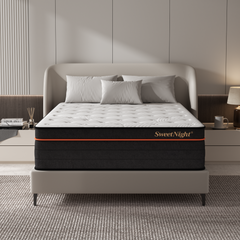
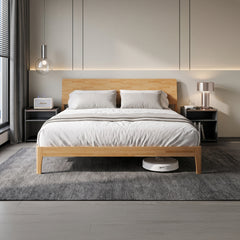
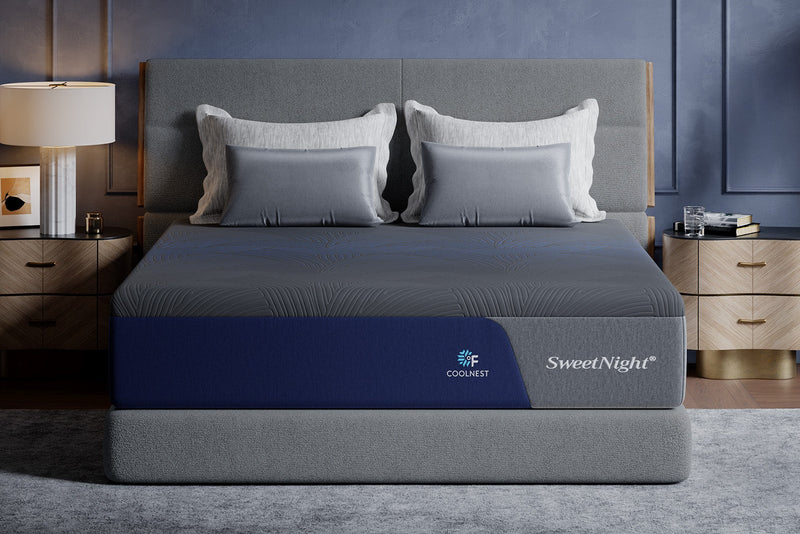
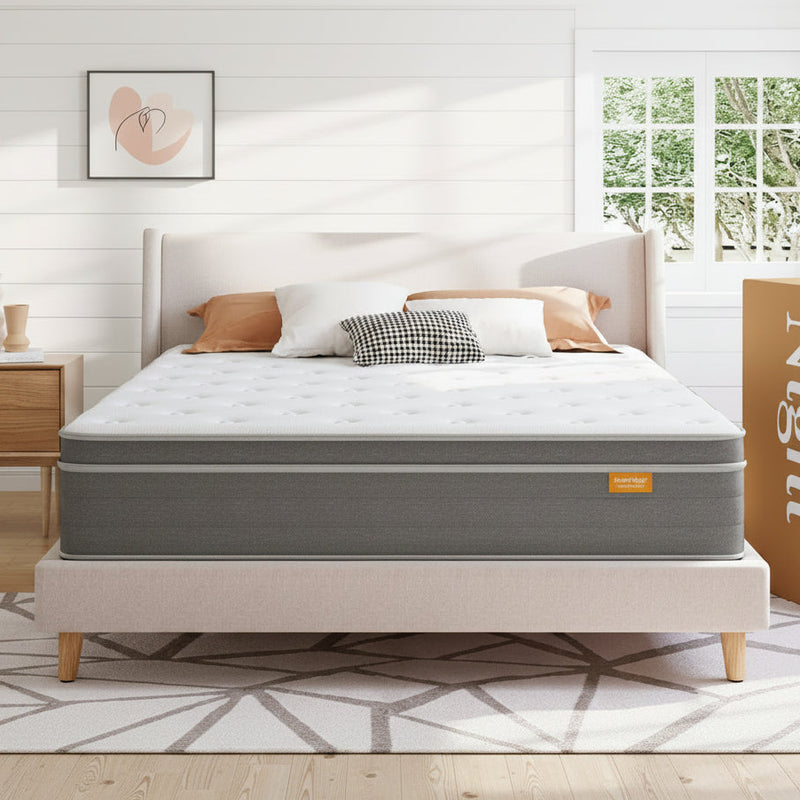
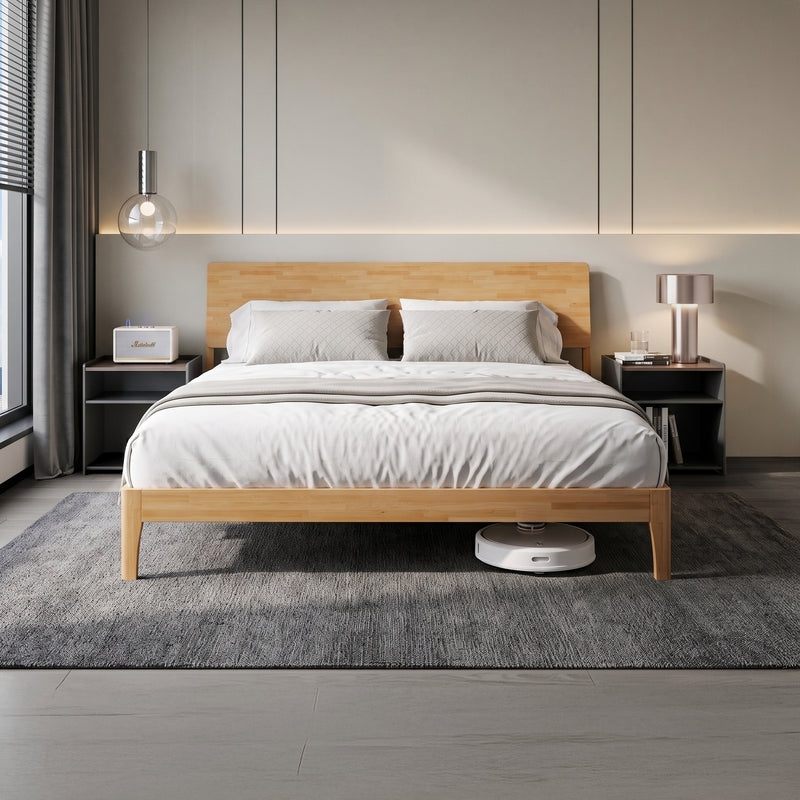
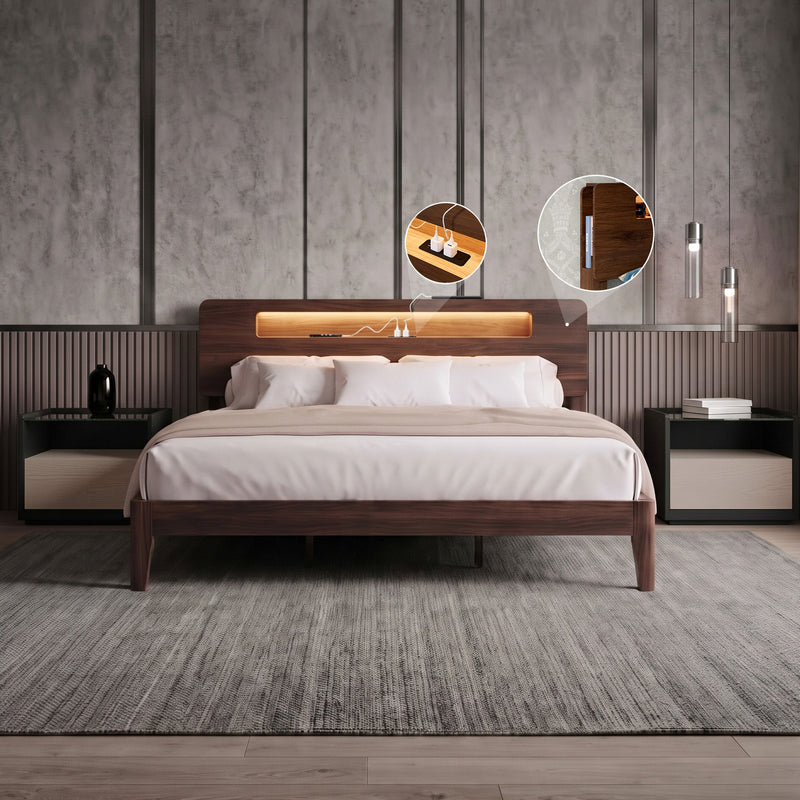
The SweetNight mattress sits on a modern wooden bed frame, showcasing its design for optimal temperature regulation.

Hybrid vs Latex Mattress: Which Keeps You Cooler?

Both hybrid and latex mattresses sleep cool, but they work differently. Hybrids use pocketed coils for airflow, while latex has a naturally breathable open-cell structure. Here's how they compare.

Feature Hybrid Mattress Latex Mattress
Temperature Regulation Excellent - pocketed coils create air channels for consistent airflow Very good - open-cell structure lets heat escape, but less airflow than coils
Durability & Longevity 7-10 years - coils and foam layers wear over time 10-15 years - natural latex resists sagging longer
Price Range $300-$1,500 - affordable and widely available $1,000-$3,000+ - expensive, especially natural latex
Comfort & Support Balanced bounce and contouring; zoned coils give targeted support Responsive with natural bounce; consistent support throughout
Best For Hot Sleepers Yes - cooling layers plus airflow from coils Yes - naturally breathable but may hold slightly more heat

A hybrid mattress is better than a latex mattress for most hot sleepers because pocketed coils provide better airflow and cost much less. Latex mattresses beat hybrids on durability, lasting 10-15 years compared to 7-10, which justifies the higher price if longevity matters most to you. For cooling performance without breaking the bank, hybrids like the SweetNight Island Hybrid or SweetNight Gloaming Hybrid Mattress combine gel-infused foam with three-zoned coils for excellent temperature control.

How to Keep Your Bedroom at the Right Temperature

Your mattress is important, but your bedroom setup matters too. Here's what else affects your sleep temperature.

1. Choose the Right Sheets and Bedding

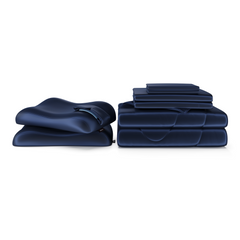
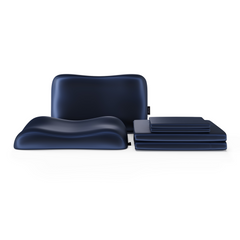
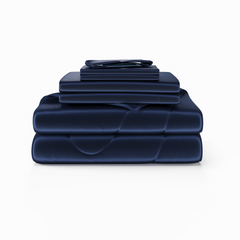
Sheet material matters more than thread count. Cotton and linen breathe well for hot sleepers, and bamboo wicks away moisture. Skip microfiber and polyester—they hold heat.

Hot sleepers should get percale weave sheets, not sateen. Percale is crisp and breathable, while sateen is softer but warmer. Cold sleepers need flannel or jersey knit for warmth. Hot sleepers do fine with lightweight comforters or just a sheet in summer. Cold sleepers can layer blankets as needed.

2. Set Your Room Temperature

Most people sleep best at 60-67°F (15-19°C). Hot sleepers usually want 60-65°F, while cold sleepers prefer 65-67°F.

If you and your partner sleep at different temperatures, use a programmable thermostat and put a fan on one side. Cold sleepers can add a space heater or electric blanket without heating the whole room.

3. Pick the Right Mattress Protector

Regular waterproof protectors with plastic backing trap heat. Get one labeled "breathable" or "cooling" instead. Hot sleepers should focus on breathability unless you really need waterproofing. Cold sleepers can use quilted protectors for extra warmth.

4. Improve Air Circulation

Run a ceiling fan counterclockwise in summer and clockwise on low in winter. Keep your bedroom door open, or check that vents aren't blocked. Hot sleepers can add a small fan near the bed. Leave space between your mattress and wall, and use a slatted bed frame so air flows underneath.

FAQs About Mattresses for Hot and Cold Sleepers

Q1: Do cooling mattresses really work for hot sleepers?

Yes, cooling mattresses work when they have real features like gel-infused foam, breathable covers, or pocketed coils. Quality cooling mattresses can lower your sleep temperature by several degrees. Choose ones with multiple cooling features, not just marketing claims.

Q2: What's the coolest type of mattress material?

Hybrid mattresses with pocketed coils are coolest because air flows through the coils. Latex is second—it's naturally breathable. Gel-infused memory foam is cooler than regular memory foam but still warmer than hybrids. Avoid traditional memory foam if you sleep hot.

Q3: Are hybrid mattresses better than memory foam for hot sleepers?

Yes, hybrids are better because the coils let air flow continuously. Gel-infused memory foam works for mild hot sleepers, but if you wake up sweating often, get a hybrid.

Q4: How much should I spend on a cooling mattress?

Good cooling mattresses start around $300-$400. Mid-range options ($400-$800) work great for most hot sleepers. Premium models cost $1,000+, but most people don't need to spend that much. Focus on cooling features, not price, and pick one with a 100-night trial.

Q5: Can a mattress topper help if I sleep hot?

Yes, but only for mild heat problems. Cooling toppers with gel foam or latex cost $100-$300 and can help slightly warm mattresses. If you wake up sweating multiple times per night, you need a new mattress, not a topper.

Q6: What firmness is best for hot sleepers?

Medium to medium-firm (5-7 out of 10) is best. This keeps you from sinking too deep into foam while staying comfortable. Very soft mattresses trap more heat. But material matters more than firmness—a medium-firm hybrid sleeps cooler than medium-firm all-foam.

Getting the Best Mattress for Hot Sleepers and Cold Sleepers

The best mattress for couples starts with knowing if you're hot or cold sleepers. Hot sleepers do best with cooling hybrid mattresses that have gel-infused layers and breathable coils. Cold sleepers need all-foam options that hold warmth. Check out the SweetNight CoolNest™ if you overheat at night or the Starry Night Memory Foam if you're always cold. Ready to sleep better? Use what you learned here and find a mattress with a 100-night trial so you can test it yourself.