



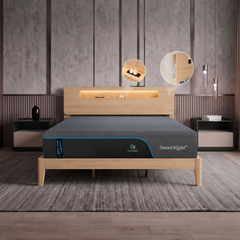
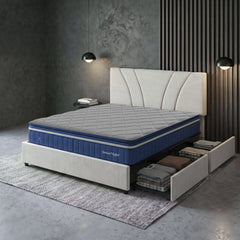
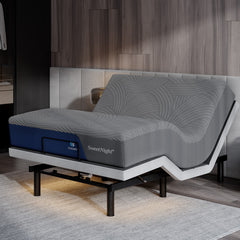
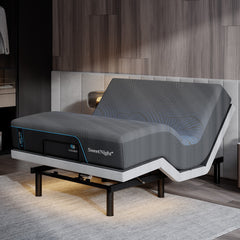





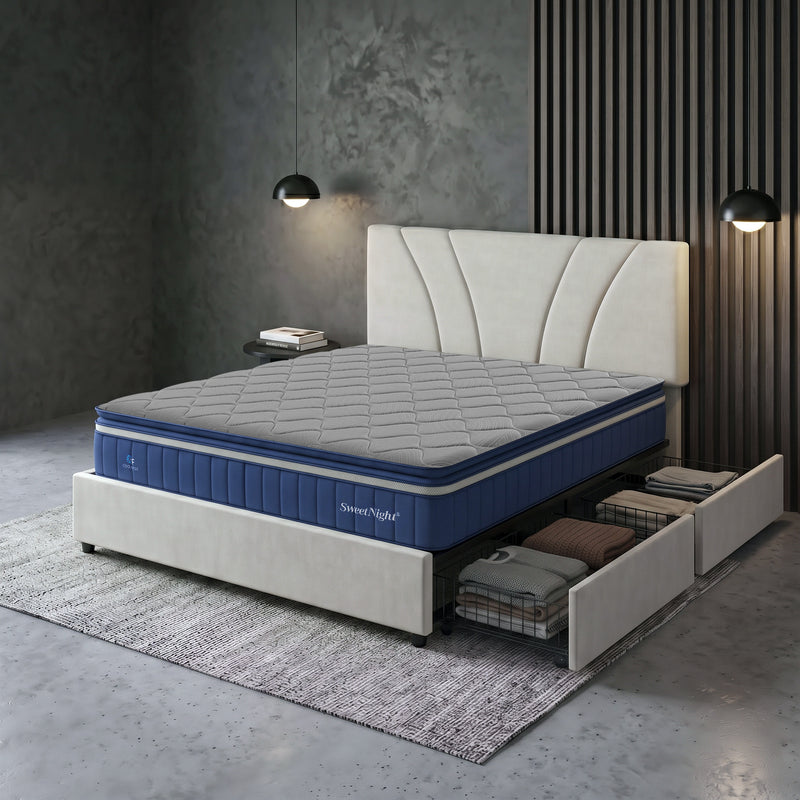
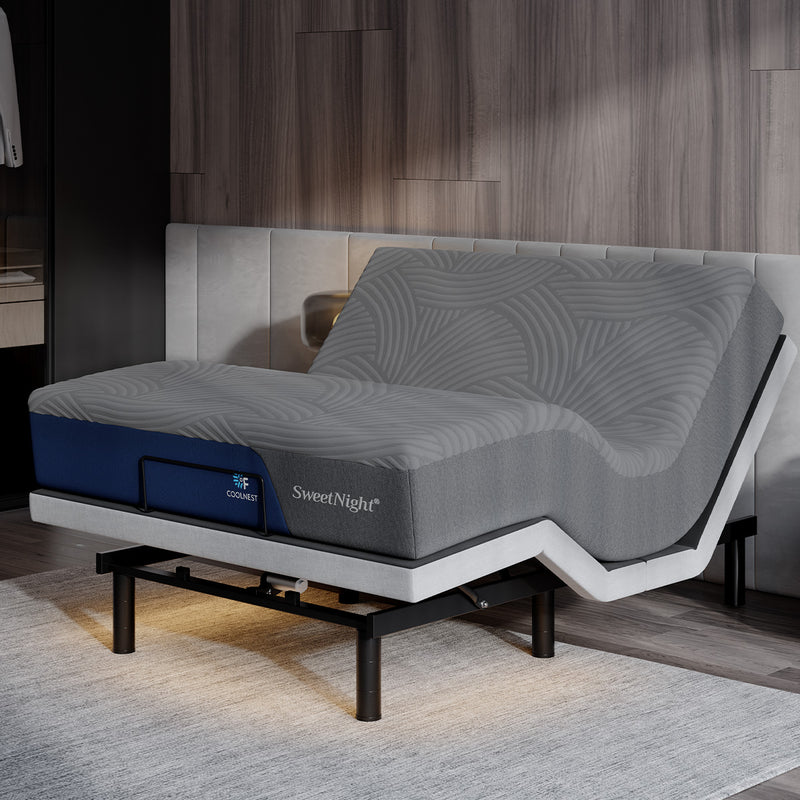
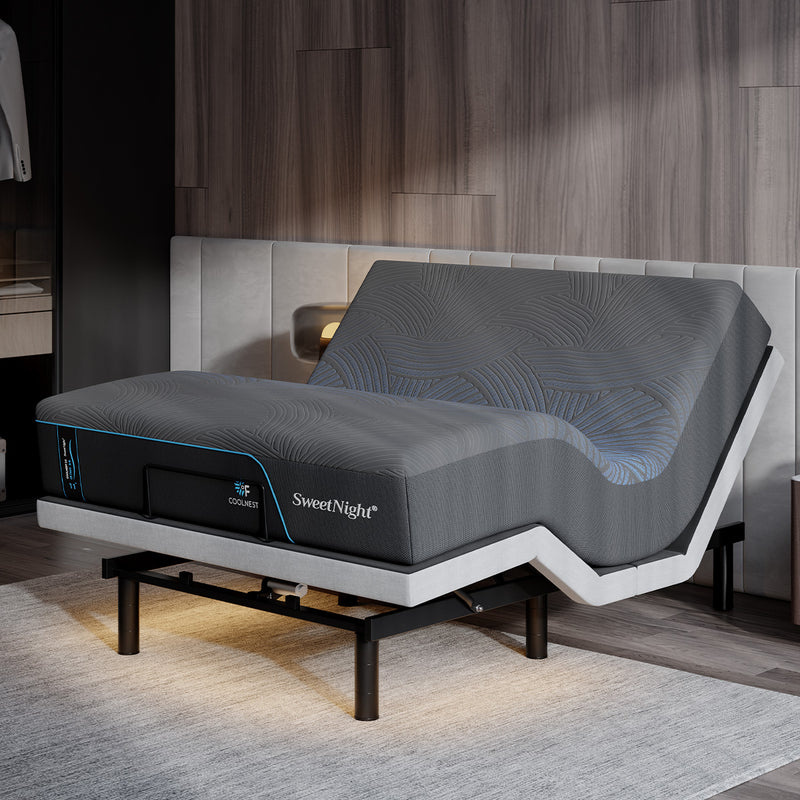


Most people shopping for a foam bed think about firmness as one number, soft or firm, and pick a side. But your body is not one firmness. Your shoulders need to sink, your hips need to be caught, and your lower back needs to be filled in, all at the same time. That is the entire idea behind a 7-zone memory foam mattress: instead of one firmness fighting your whole body, the support is tuned in seven sections so each part of you gets what it actually needs. Here is how zoning works, why it matters for your spine, and how to tell a real 7-zone bed from a marketing label.
What is a 7-zone memory foam mattress?
A 7-zone memory foam mattress is a bed whose support core is divided into seven horizontal sections, each engineered to respond differently to match a different part of your body. The zones typically run from the head down to the feet, with more yielding areas under the shoulders and hips and firmer areas under the lumbar and legs. The comfort foam on top may feel uniform, but the layer doing the real work underneath is not.
The point of all this is to solve a problem a single-firmness bed cannot. Your body has heavy parts and light parts, curves that need filling and joints that need cushioning, and no one firmness serves all of them well. A flat, uniform foam either supports your hips and jabs your shoulders, or cushions your shoulders and lets your hips sag. Zoning ends that compromise by giving each region its own answer.
You will see the same idea marketed as targeted support, ergonomic zoning, contour-cut support, or zoned lumbar support, but the mechanism is the same. Break the surface into sections, make each section as firm or yielding as the body part above it needs, and the result is a bed that keeps your spine in a neutral line instead of bending it to fit a single-density slab. That neutral line is the whole goal, and everything below explains how the zones get you there.
Why single-firmness foam fails your spine
To see why a 7-zone memory foam mattress matters, picture what a uniform bed does to a body lying on it. Your hips and shoulders are the heaviest, widest points, so on a firm flat bed they can only press in so far before the foam pushes back, leaving your lower back arched over an unsupported gap. On a soft flat bed the opposite happens: your hips sink too far and your spine sags into a hammock. Either way, something is out of line all night.

That misalignment is where a lot of morning back and shoulder pain comes from. When your spine is held in an unnatural curve for eight hours, the muscles around it never fully relax, and pressure builds at the points that are jammed against firm foam or straining across a gap. You wake up stiff not because you slept wrong, but because the bed forced your skeleton into a shape it did not want to hold.
A single firmness simply cannot be right for the shoulders and the lumbar at the same time, because those two regions need opposite things. The shoulders need to give way; the lumbar needs to be propped up. Ask one flat layer to do both and it fails at one of them by definition. That contradiction is exactly the gap zoned support was invented to close, and it is why buyers with back trouble gravitate toward a proper spine alignment mattress.
The seven zones, head to toe, explained
Let us walk down the bed. Every brand tunes its own layout, and most describe the design as a whole rather than publishing a firmness value for each zone, so treat what follows as the general logic rather than a spec sheet. Zone one, under the head and neck, is moderate, enough to cradle without letting the head tip back. Zone two, under the shoulders, is the most yielding, because the shoulders are wide and need to sink in so the neck stays neutral, especially for side sleepers.
Zones three and four cover the lumbar and mid-back, and these are firmer, because this is where your spine needs to be lifted and filled in rather than allowed to drop. Zone five, under the hips and pelvis, gives way again, since the hips are heavy and need room to settle so the pelvis does not tilt. Getting the shoulder and hip zones to yield while the waist stays firm is the core trick of the whole design.
Zones six and seven, under the thighs and lower legs, return to a firmer setting to support the weight of the legs evenly and stop the feet from dragging the alignment down. Read top to bottom, the pattern is a deliberate wave that mirrors where your body is heavy, where it curves, and where it needs to be caught. That wave is what a 7-zone memory foam mattress is really selling.

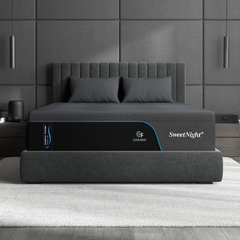
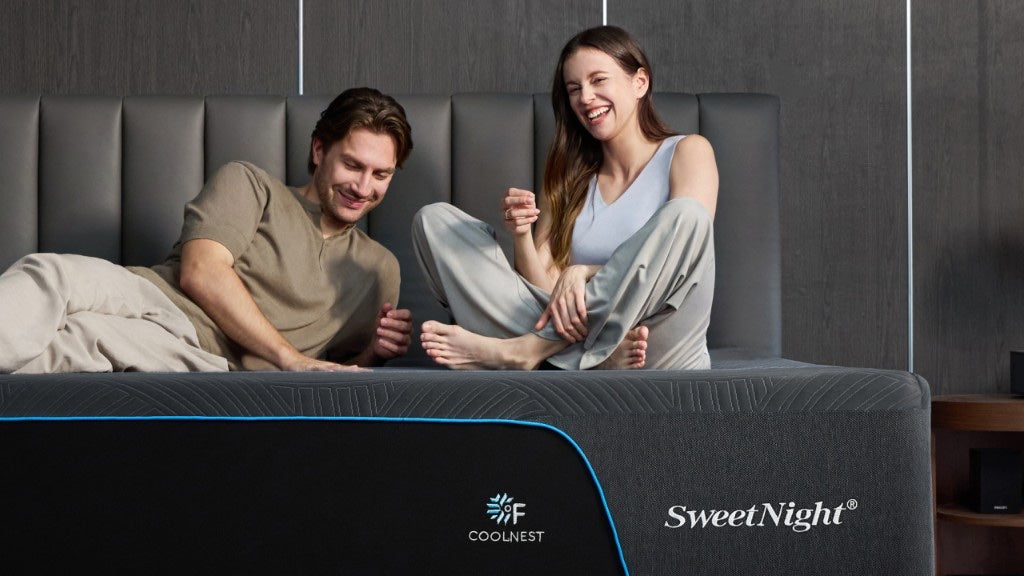
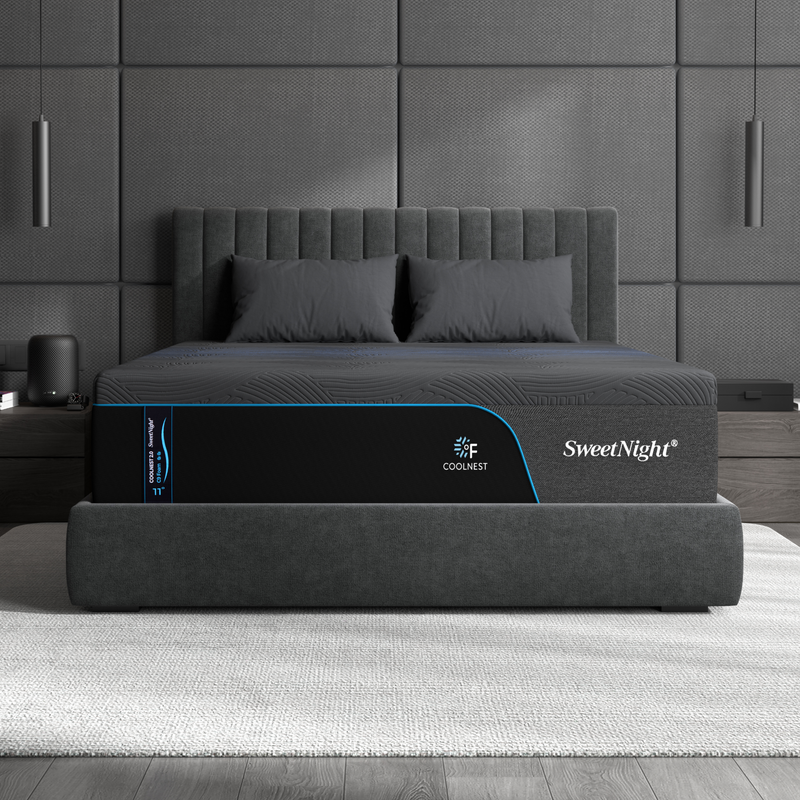
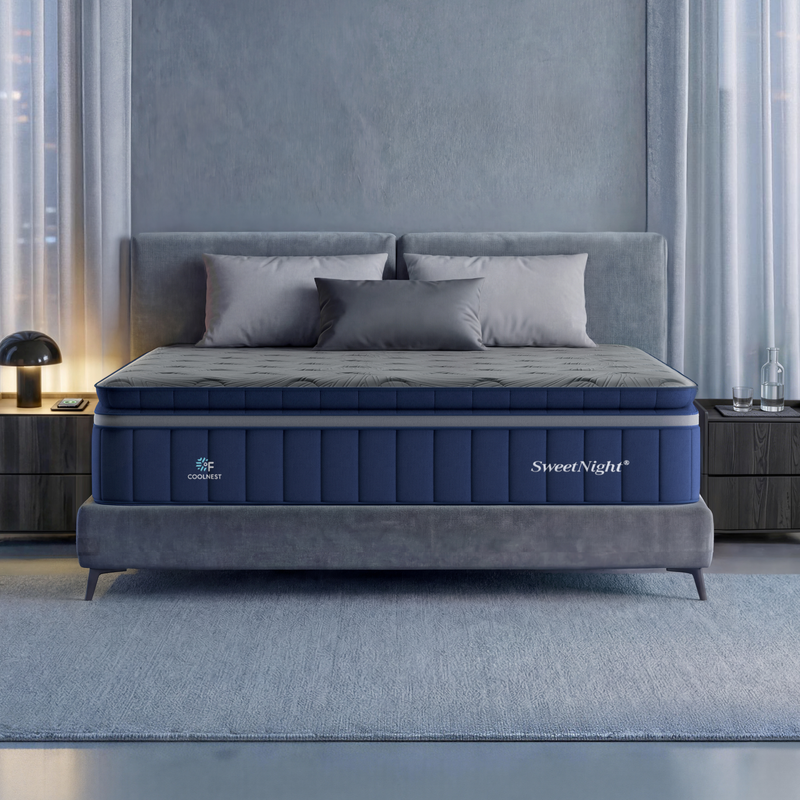
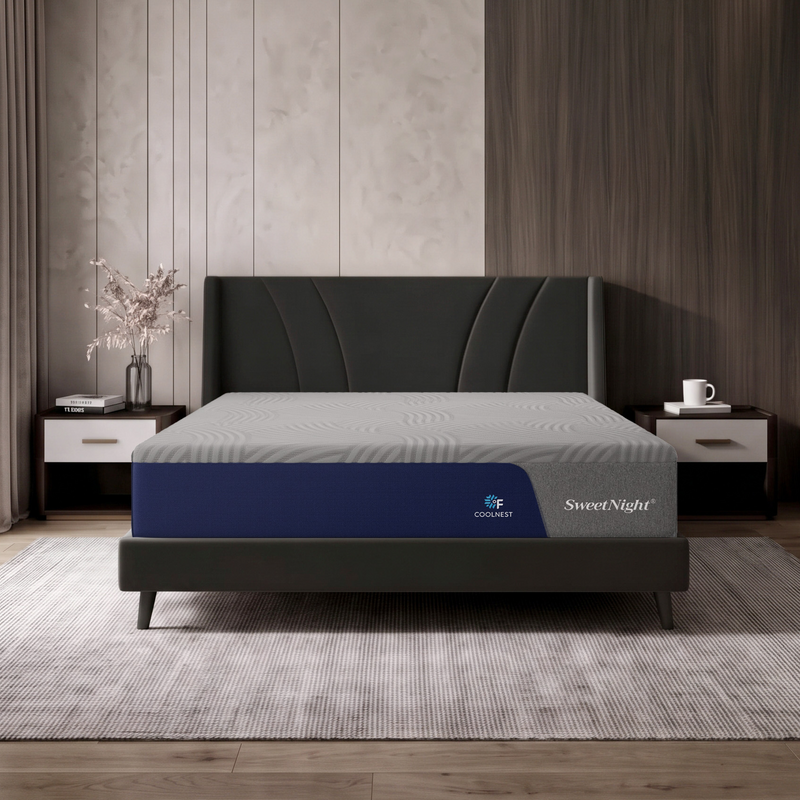
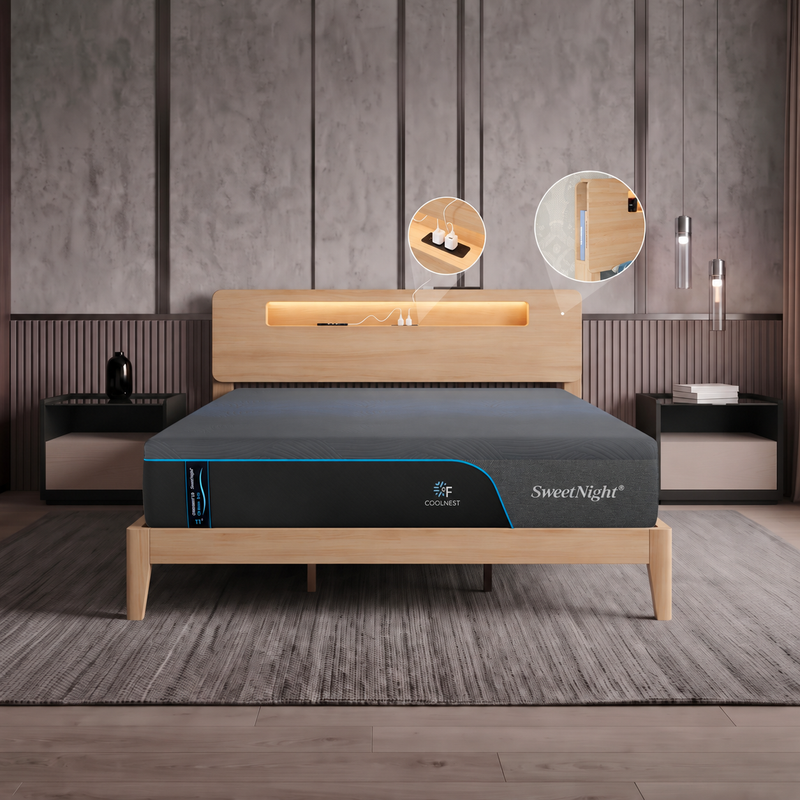
It helps to understand how those zones are actually built, because the method affects how well they hold up. The most common approach in a foam bed is profiling: the support layer is contour-cut, often in a wavy pattern, so that sections with more material removed compress more easily under the same weight while the solid sections resist sinking. Some builds vary foam density between sections instead, or combine both. SweetNight's CoolNest® Ultra, for example, lists a 7-Zone Ergonomic Support Foam with a wavy-cut design in its materials, sitting above an enhanced stability support layer. Whichever method is used, the better the foam, the more distinct and durable those differences stay over years of use.
How zoned support keeps your spine aligned
The payoff of all that zoning is a single, quiet outcome: a neutral spine. When the shoulders sink into a yielding zone and the waist is held up by a firm zone, the spine between them stays in the same gentle S-curve it has when you are standing with good posture. Nothing is jammed up, nothing is sagging down, and the muscles that would otherwise work all night to compensate finally get to switch off.
Spine alignment is not a wellness buzzword here, it is a mechanical result you can almost see. Have someone look at you from behind while you lie on your side. On a good zoned bed your spine runs straight and level from neck to tailbone. On a flat bed of the wrong firmness it either bows up toward the ceiling or dips toward the mattress. The zones are what turn that crooked line straight.

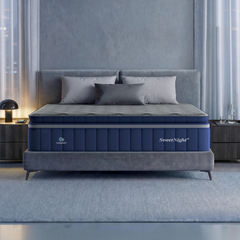
That alignment is also why zoned beds tend to relieve pressure and support posture at the same time. By letting the heavy parts settle into their zones, the bed spreads your weight over more surface instead of concentrating it on the shoulder and hip joints, so pressure points ease. Alignment and pressure relief usually pull against each other on a flat bed; zoning is how you finally get both, which is the argument behind any well-built zoned bed such as the CoolNest® Ultra Memory Foam Mattress, whose refined 7-zone design is built to distribute pressure evenly and support natural spinal alignment head to toe.
7-zone support for side sleepers
Side sleepers get the most obvious benefit from a 7-zone memory foam mattress, because side sleeping is the position where shoulder and hip width causes the most trouble. On your side, your shoulder and hip are the two points bearing your weight, and they stick out farther than your waist. A flat bed cannot let them in without letting your waist sag, so your spine ends up curved sideways all night.
Zoning fixes this directly. The shoulder zone lets your shoulder press in until your neck lines up with the rest of your spine, instead of being propped at an angle. The hip zone does the same for your pelvis, while the firm waist zone in between rises to fill the gap under your side so nothing sags. The result is a spine that stays level from side to side, which is exactly what a side sleeper needs and rarely gets from flat foam.
This is why side sleepers who wake with a sore shoulder or a stiff lower back so often notice a difference on a zoned bed. It is worth being patient about it, though: most people need a few weeks to adjust to a new support system, which is why a 100-night trial is more useful than a 100-night guess. Give it at least 30 nights before you judge it.
Shoulder width is the variable that decides how much you will notice it. Broad-shouldered sleepers get the biggest benefit, because their shoulders stick out farthest and suffer most on a flat bed, while narrower sleepers press in less and feel a gentler difference. Either way, the direction is the same: the shoulder zone lets the joint settle instead of holding it up at an angle, which is the single change most likely to end the dead-arm numbness and shoulder ache that flat foam gives side sleepers.
7-zone support for back and stomach sleepers
Back sleepers benefit in a quieter but real way. On your back, the danger is the lumbar gap, the space between your lower back and the mattress that a flat bed leaves unsupported. The firm lumbar zones in a 7-zone layout push up into that gap, so your lower spine is filled in and supported rather than bridging over empty foam. That is the single most common fix for the back sleeper who wakes with lower-back ache.
At the same time, the hip zone lets a back sleeper's pelvis settle just enough to keep it from tilting, and the head zone keeps the neck neutral. The whole back of your body ends up evenly supported instead of touching the bed only at the shoulders and hips. For a back sleeper, that even contact is the difference between a spine that rests and one that holds tension all night.
Stomach sleepers are the trickier case, and honesty matters here. Sleeping face-down already pushes the lower back into an arch, so stomach sleepers usually need a firmer overall feel to keep the hips from sinking and worsening that curve. A 7-zone bed helps by keeping the hip zone from dropping too far, but a dedicated stomach sleeper should shop at the firmer end of the market and treat zoning as support, not a cure for the position itself. Most cradling memory foam beds, including the CoolNest® Ultra, are built around a medium to medium-plush feel and are aimed at side, back, and combination sleepers rather than committed stomach sleepers.
Zoned foam versus zoned coils: does the material matter?
You will find zoning in both foam beds and hybrids, and the question of which is better comes up constantly. Zoned coils, found in many hybrids, create firmness zones by using stiffer springs under the lumbar and softer ones under the shoulders. They give a bouncier, more responsive feel and often stronger edges, which some sleepers prefer, particularly anyone who wants noticeable push-back or who moves around a lot and wants help changing position.
A 7-zone memory foam mattress creates the same support map by profiling and tuning the foam instead of springs, and the feel is different: slower, more cradling, with better motion isolation and no coil bounce. For pressure relief and for couples who do not want to feel each other move, zoned foam usually wins. Support under heavier weight is not really a foam-versus-coil question either, despite how often it is framed that way. What matters is the build: thicker foam models pair a more cushioned comfort surface with a deeper high-density support base, which is why brands often point plus-size sleepers toward their 14-inch and 16-inch builds rather than away from foam altogether.
Heat is the fairer knock on memory foam. Traditional foam contours closely, and close contact traps warmth, which is why "foam sleeps hot" became conventional wisdom. It is also the part of the category that has changed most. The CoolNest® Ultra, for instance, is engineered to feel up to 11° cooler than traditional memory foam through a five-stage cooling system: a gradient ice silk cover rated at Qmax 0.25 J/(cm²·s) for instant cool-to-the-touch contact, PCMflux® high-resilience foam that absorbs and releases heat as your body temperature shifts, AirMesh™ breathable memory foam engineered for up to 6× greater breathability than traditional memory foam, a ventilated gel memory foam layer, and a 3D open-channel structure that carries trapped heat out of the mattress. If heat was the reason you ruled out zoned foam, that objection is worth revisiting.

What matters more than foam versus coils is whether the zoning is real and well tuned. A cheap bed can print "7-zone" on the label and deliver zones so subtle you cannot feel them, in either material. The construction, the profiling and density of the foams or the gauge of the coils, is what decides whether the zones actually do their job, so judge the build quality before you judge the material type.
Who benefits most from a 7-zone memory foam mattress
If you had to name the ideal candidate for a 7-zone memory foam mattress, it would be a side or back sleeper who wakes up with lower-back or shoulder stiffness on their current bed. Those are the exact complaints that trace back to a misaligned spine, and zoning targets them head-on. If you fit that description, this is a feature worth paying for rather than a spec to ignore.
Couples are another strong fit, for two reasons. Zoned foam's excellent motion isolation means one person's movement does not travel across the bed, and the zoning itself accommodates two bodies of different sizes better than a single firmness would, since each person's shoulders and hips find their own zones. Combination sleepers who switch positions all night also benefit, because the zones support every position rather than optimizing for one. Plus-size sleepers, who both feel pressure more and hold more heat, tend to do best on the thicker builds in a range, where the deeper support base and the cooling system both have more to work with.
Who needs it least? A lighter sleeper with no pain who already sleeps well may not feel a dramatic difference, since they press into any bed less and are less prone to misalignment. And a dedicated stomach sleeper, as noted, should prioritize overall firmness first. For everyone in the broad middle who wants their spine supported and their pressure points relieved, though, zoning is one of the most useful features a foam bed can have.
Common questions about a 7-zone memory foam mattress
Is a 7-zone mattress worth it, or is it just marketing? It is worth it when the zoning is genuinely built into the support core, and marketing when it is only a pattern printed on the cover. A real 7-zone memory foam mattress changes how your spine is supported region by region, which is a meaningful upgrade for anyone with alignment-related aches. The trick is separating the beds that engineer the zones from the ones that just borrow the number, which comes down to reading how the support layer is described.
Can a 7-zone mattress help with lower back pain? Often, yes, when the discomfort comes from poor alignment rather than an injury. The firm lumbar zones fill the gap under your lower back and the hip zone stops your pelvis from tilting, and together those keep the spine neutral instead of arched or sagging. Many people find that ends the morning stiffness a flat bed caused. It is support for your spine, not medical treatment, so persistent or severe pain still warrants a doctor's advice.
Does the direction of a zoned mattress matter? Yes. A zoned bed has a head end and a foot end, because the shoulder, lumbar, and hip zones sit at specific points to match your body. Sleeping on it the wrong way around would put the shoulder zone under your hips and defeat the purpose. Check for a label or the zone pattern and orient it correctly, and note that the usual advice to rotate a mattress head-to-foot does not apply to a zoned bed for that same reason. Follow the care instructions the maker publishes for your specific model instead.
Do the certifications tell you anything about support? Not directly, but they tell you about what you are breathing and touching, which matters when you sleep on it for years. Look for CertiPUR-US® certified foams, tested for low VOC emissions and made without ozone depleters, heavy metals, formaldehyde, or prohibited phthalates, and an OEKO-TEX® STANDARD 100 certified cover. Ergonomic recognition is a separate signal: the CoolNest® Ultra, for example, is recognized by the American Chiropractic Association for its ergonomic support and sleep-focused design.
How to choose a 7-zone memory foam mattress
Start by making sure the zoning is real. Ask whether the seven zones are engineered into the support core, whether by contour-cutting or wavy-cutting the support foam, by varying densities between sections, or both, and check that the zoned layer appears by name in the materials list. A genuine zoned bed will name and describe that layer; a bed that is only zoned on paper will use the number and stay vague, or apply it to a pattern quilted into the cover that does nothing structural. That distinction separates a real 7-zone memory foam mattress from a sticker.
Next, match the overall feel to your main sleep position on top of the zoning. Zoning tunes the support region by region, but the baseline firmness still has to suit how you sleep, so read both the zone description and the firmness rating together rather than one alone. Thickness is often how that choice is expressed: on the CoolNest® Ultra, the 12-inch model is a medium feel suited to sleepers who want a more balanced surface, while the 14-inch and 16-inch models are medium plush, pairing a more cushioned comfort surface with a thicker high-density support base for side sleepers and anyone who wants a softer, more cradling feel without excessive sinking. Committed stomach sleepers should look firmer still.
Check the practical terms before you commit, since they are what make a mattress decision reversible: a genuine risk-free trial, free returns, and a warranty with a stated sagging threshold. The CoolNest® Ultra ships with a 100-night trial that starts the day it is delivered, free pickup and a full refund if it is not right, and a 10-year warranty covering sagging over 1.5 inches. Note the size range too, since it is currently offered in Queen and King across 12-inch, 14-inch, and 16-inch thicknesses.

Finally, use that trial properly. If you want a cradling foam build with zoned support and cooling engineered in, the CoolNest® Ultra Memory Foam Mattress is the one to look at; if you would rather have the bounce and edge support of springs, browse the hybrid options in the spine alignment mattress collection so you are comparing beds actually built for alignment rather than random foam. Then sleep on your candidate for at least a month and pay attention to your mornings: less stiffness, no dead arm, a lower back that feels supported instead of strained. Those signals, not the label on the box, are how you know the zoning is doing its job for your spine.