

































Key Takeaways
- Side sleeping is the most common position in the world, and it loads most of your upper-body weight onto one shoulder for hours, which is why side sleepers shoulder pain is so widespread.
- Pain that's worse at night and eases during the day usually points to your sleep setup or an inflammatory shoulder condition, not a serious emergency.
- The three biggest "equipment" culprits are a mismatched mattress firmness, the wrong pillow height, and a collapsed sleeping posture — all fixable.
- Rotator cuff problems, bursitis, tendinitis, impingement, frozen shoulder, and arthritis can all turn lying down into the worst part of your day.
- See a clinician if you have numbness or weakness, can't lift your arm, the pain follows an injury, or nothing helps after two to three weeks.
You went to bed feeling fine. You wake up, roll over, and there it is: a dull ache or a sharp twinge in your shoulder that wasn't there last night. If this happens often, you're not imagining it, and you're definitely not alone.
Shoulder pain after sleeping is one of those quietly frustrating problems. It doesn't always have an obvious cause, it tends to come and go, and most people just shrug it off (pun intended) until it starts wrecking their mornings. The truth is that where you feel the pain, when it shows up, and what makes it better are all clues. Read them correctly and you can usually trace the ache back to its source, whether that's your sleep position, your mattress, your pillow, or something happening inside the joint itself.
This guide goes deeper than the usual "buy a softer mattress" advice. We'll walk through the anatomy, the medical conditions that flare up overnight, the equipment causes you can actually fix tonight, and the warning signs that mean it's time to call a doctor. Side sleepers get the most attention here, and for good reason, since they carry the highest risk. But anyone who wakes up sore will find something useful.
How Common Is Shoulder Pain From Sleeping on Your Side?

Let's start with scale, because it reframes the whole problem. Side sleeping isn't a niche habit. In a nationally representative 2024 poll, 69% of U.S. adults said they usually sleep on their side, far ahead of back (19%) or stomach (12%) sleepers. Harvard Health, drawing on the Sleep Foundation, similarly notes that more than 60% of adults are side sleepers, making it the single most common way humans sleep. Even accelerometer studies that track real movement through the night find people spend roughly 54% of their time in bed lying on their side.
Shoulder pain is just as common, and that overlap is no accident. Reviews of the general population put the point prevalence of shoulder pain anywhere from about 7% to 26%, with lifetime prevalence reaching as high as two-thirds of people. Shoulders are also one of the most fragile major joints. They trade stability for mobility, which is great for reaching the top shelf and terrible for surviving eight hours of body weight pressing down on them.
Here's the part most articles skip. When something is already irritated inside the shoulder, lying down often makes it the worst part of the day. Among people with chronic shoulder pain, about 81.5% report that night pain disturbs their sleep — a higher rate than what's seen in low back pain, fibromyalgia, or rheumatoid arthritis. So if your shoulder feels meanest at 3 a.m., that's a textbook pattern, not a fluke.
The takeaway: a huge share of the population sleeps in the one position that stresses the shoulder most, and the shoulder happens to be a joint that hates being slept on when it's inflamed. Put those two facts together and morning shoulder pain stops looking mysterious.
The Real Reason Side Sleepers Shoulder Pain Flares Up at Night
If your shoulder behaves fine when you're upright and then throbs the moment you lie down, you're noticing something real about how the joint works after dark. A few things shift overnight.
Gravity stops helping you. When you stand or sit, gravity gently pulls the arm down and keeps a little breathing room in the subacromial space — the gap where rotator cuff tendons and a fluid-filled cushion live. Lie on your side and that arrangement collapses. Your body weight drives the upper arm bone up into that space, pinching the very tendons that were already cranky.
Blood flow slows and inflammation pools. Lying still for hours reduces circulation around the joint. Inflammatory fluid that drained away while you were moving during the day settles back in. That's why an injury that felt manageable at dinner can wake you at midnight — the swelling has had hours to build with nothing to flush it out.
You lose the feedback that protects you. Awake, you constantly micro-adjust to avoid pressure. Asleep, you might lie dead-still on a bad shoulder for an hour, or twist your arm into a position you'd never tolerate consciously. The joint stays compressed far longer than it ever would during the day.
For side sleepers specifically, all three forces stack on the down-side shoulder. That's the mechanical heart of side sleepers shoulder pain: hours of direct load, a narrowed joint space, and inflammation with nowhere to go. The good news is that every one of those factors responds to changes in your surface, your pillow, and your position, which is where most of this article is headed.
Shoulder Anatomy 101: What Gets Compressed When You Sleep on Your Side
You don't need a kinesiology degree to fix this, but a quick mental model helps you understand why certain changes work and others don't.
Your shoulder is a ball-and-socket joint, except the "socket" is shockingly shallow — think of a golf ball resting on a tee rather than sitting deep in a cup. That shallow design is what gives your arm its incredible range of motion, and it's also why the shoulder leans so heavily on soft tissue for stability. Four muscles and their tendons, the rotator cuff (supraspinatus, infraspinatus, teres minor, and subscapularis), wrap the joint and hold the ball centered while you move.
Tucked above those tendons is the subacromial bursa, a slippery little fluid sac that stops the tendons from grinding against the bony roof of the shoulder (the acromion). Around the whole joint runs the capsule, a sleeve of connective tissue that can thicken and tighten when things go wrong.
When you roll onto your side, here's what takes the hit:
- The head of the humerus (top of your upper arm bone) presses up toward the acromion, squeezing whatever sits between them.
- The rotator cuff tendons and the bursa get compressed, which is fine for a healthy shoulder but agony for an irritated one.
- The nerves and blood vessels running through the area can get pinched, producing tingling or a "dead arm" feeling.
That's the whole drama in one sentence: a heavy arm bone, a crowded space, and delicate tissue caught in the middle. If you want the side-sleeper-specific deep dive, our companion piece on why shoulder pressure is so common among side sleepers breaks the biomechanics down further.
Common Causes of Side Sleepers Shoulder Pain After Sleeping
This is where the topic gets bigger than mattresses. Most blog posts treat morning shoulder pain as purely a bedding problem. Often it is. But sometimes the bed is just exposing a condition that was already brewing, and knowing the difference changes how you fix it. Here are the medical causes worth understanding, from most to least common.

| Condition | What it is | How it feels at night | Who's at higher risk |
|---|---|---|---|
| Rotator cuff tendinitis / tears | Irritation, fraying, or tearing of the cuff tendons | Deep, aching pain; sharp catch when you roll onto it; can wake you up | Age 40+, overhead workers and athletes, repetitive lifting |
| Subacromial bursitis | Inflammation of the cushioning bursa | Warm, sore, tender; clearly worse lying on that side | Overuse, repetitive overhead motion |
| Shoulder impingement | Tendons pinched under the acromion | Pinching pain reaching overhead; nags at night | Overhead athletes, manual laborers |
| Frozen shoulder (adhesive capsulitis) | Capsule thickens and stiffens | Stiff and painful; night pain is a hallmark of the early stage | Age 40–65, women, people with diabetes |
| Shoulder arthritis | Cartilage wears down, bone meets bone | Deep ache, grinding, stiff in the morning | Older adults, past injury or surgery |
| Referred pain | Pain from elsewhere felt in the shoulder | Doesn't change with shoulder position | Neck (cervical) issues; rarely heart or gallbladder |
Let's unpack the ones that cause the most trouble.
Rotator Cuff Problems: The Leading Cause of Nighttime Shoulder Pain
Rotator cuff disorders are the most common shoulder complaint, affecting an estimated 6.8% to 22.4% of adults over 40, and the risk climbs steadily with age. One village-wide ultrasound screening found full-thickness tears in essentially none of people in their 20s to 40s, about 11% of those in their 50s, and nearly 37% of those in their 80s.
Two details from that research matter for you. First, a striking 65% of those tears caused no symptoms at all — plenty of people walk around with a partial tear and never know until something tips it into pain. Second, sleep is often that tipping point. When you lie on the affected side, you compress an already-frayed tendon, and the deep nighttime ache that follows is one of the classic reasons people finally get their shoulder checked. The connection runs both ways, too: roughly 70% to nearly 90% of rotator cuff patients report disturbed sleep before treatment, and that sleep tends to improve significantly within about three months once the underlying problem is addressed.
Bursitis and Tendinitis: When Inflammation Punishes Pressure
Bursitis and tendinitis are the irritation-without-a-tear members of the family, and they're notorious for ruining sleep. The bursa is a small sac of fluid; inflame it and lying directly on that side feels like pressing on a bruise. Tendinitis works similarly — the inflamed tendon doesn't get its usual reprieve from movement at night, blood flow drops, and the ache sharpens. People describe both as a warm, throbbing soreness that's clearly position-dependent: roll off the bad side and the relief is almost immediate.
Shoulder Impingement: The Overhead-Reacher's Curse
Impingement happens when the rotator cuff tendons and bursa get pinched under the acromion every time you raise your arm. It overlaps heavily with bursitis and cuff irritation — clinicians often lump them together as "subacromial pain." If your shoulder catches when you reach for a seatbelt or a high shelf and then nags you at night, this pattern is a likely suspect. Side sleeping makes it worse because the down position narrows that already-tight space.
Frozen Shoulder: Stiffness That Owns the Night
Frozen shoulder, or adhesive capsulitis, is its own beast. The joint capsule thickens and contracts, and you lose range of motion in every direction, not just one. It affects roughly 2% to 5% of the general population, typically between ages 40 and 65, and it shows a clear female skew. The single biggest risk factor is diabetes: people with diabetes have around a 13% prevalence and are about five times more likely to develop it. Night pain is a signature feature of the early "freezing" stage, and because the whole capsule is inflamed and tight, finding any comfortable sleeping position can feel impossible. If your shoulder is both painful and genuinely stiff — you can't scratch your back or reach across your body — frozen shoulder belongs near the top of your list.
Arthritis and Referred Pain: The Ones People Forget
Shoulder osteoarthritis wears the joint's cartilage down over years, leaving a deep ache, grinding, and morning stiffness that's worse after a long, still night. And then there's referred pain, the trickster of the group. If your "shoulder" pain doesn't change at all when you shift your arm or roll over, the source may not be the shoulder at all. A pinched nerve in the neck is the usual explanation. (Far more rarely, the heart or gallbladder can refer pain to the shoulder, which is one reason sudden, severe, unexplained shoulder pain with chest tightness, sweating, or shortness of breath is always worth treating as an emergency.)
Is Your Mattress Causing Side Sleepers Shoulder Pain? Signs to Watch For
Now to the causes you can fix without a doctor. For side sleepers, the mattress is the foundation of the whole problem, and getting the firmness wrong sabotages everything else.
The mechanics are simple. When you lie on your side, your shoulder and hip are the two widest points of contact. A good surface lets those points sink in just enough to keep your spine in a straight line from neck to tailbone, while still supporting the lighter zones in between. Get it wrong in either direction and your shoulder pays:
- Too firm: Your shoulder can't sink in, so the surface shoves back against the joint. Pressure concentrates right where you don't want it, restricting blood flow and grinding on tender tissue.
- Too soft: You sink in too far, your hips drop, and your spine sags into a banana shape. That misalignment drags on shoulder and neck muscles all night.
- Worn out or sagging: An old mattress with a body-shaped crater can't distribute weight evenly anymore, so the shoulder lands in a low spot and stays compressed.

How do you know your bed is the villain? Watch for this pattern:
- You wake up sore but the pain fades within an hour or two of getting up.
- The ache vanishes when you sleep somewhere else, like a hotel or a guest room.
- You can see or feel sagging, lumps, or a sleep-shaped dent.
- You toss and turn, constantly hunting for a position that doesn't hurt.
If two or more of those ring true, the mattress is the most likely cause. Sleep experts consistently recommend a medium to medium-firm feel (around a 6 on the 10-point scale) for side sleepers — soft enough to cradle the shoulder, firm enough to keep the hips from sinking. The Sleep Foundation's testing of mattresses for side sleepers lands in the same range, favoring beds that cushion the shoulders and hips without letting the midsection collapse.
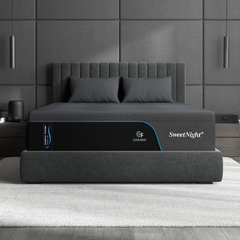
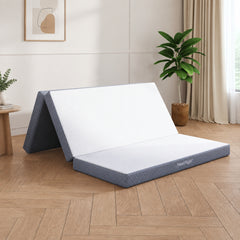
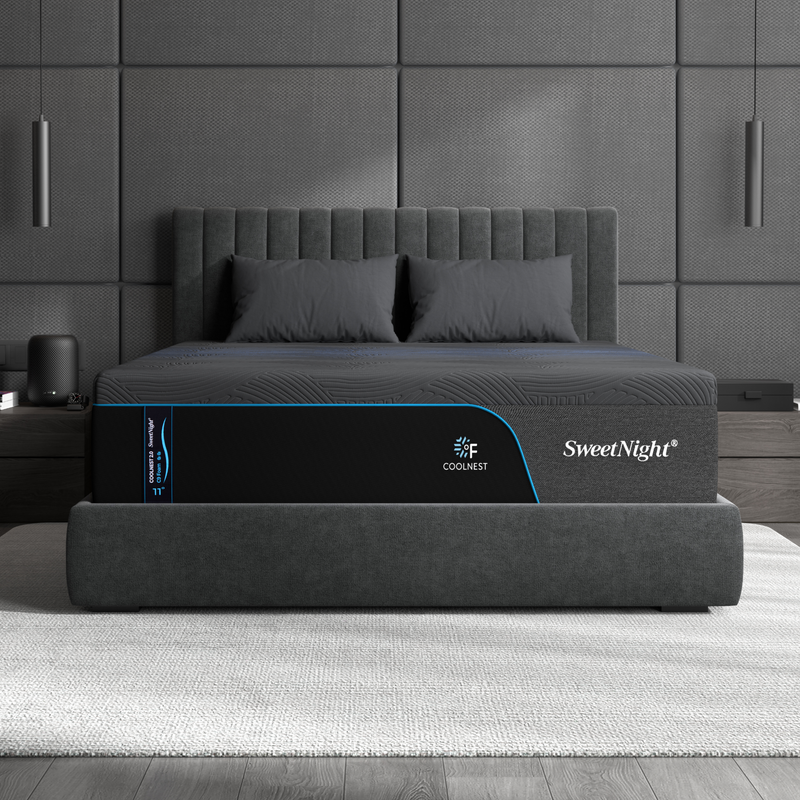
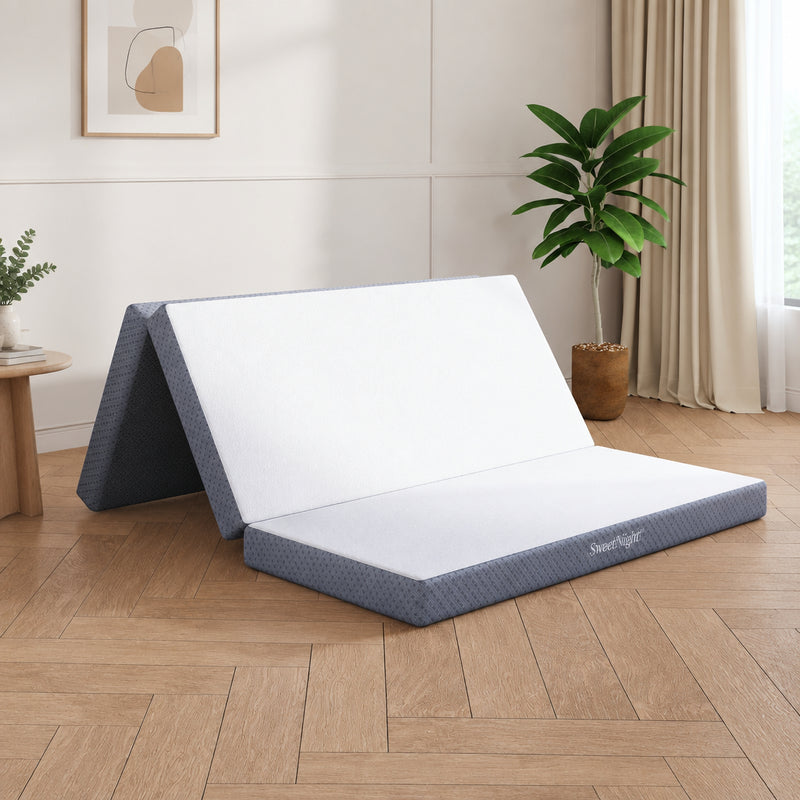
This is exactly the balance SweetNight engineers for. A contouring memory foam mattress like the CoolNest molds to the shoulder to spread out pressure, while a hybrid mattress pairs that cushioning top with zoned coils that keep the spine level — a popular middle path for side sleepers who don't want the "stuck" feeling of all-foam. If shoulder and back pain travel together for you, the pressure-relief mattresses built for back pain are worth a look, since spinal support and shoulder relief go hand in hand. Not sure where your current bed falls on the firmness spectrum? Our mattress firmness guide walks through how to assess it.
One more honest note: if your mattress is more than seven or eight years old and visibly sagging, no pillow or position tweak will fully rescue it. Our guide on when to replace a mattress versus trying to fix it can help you decide whether you've hit that point.
How Your Pillow Height Triggers Shoulder and Neck Pain for Side Sleepers
People obsess over mattresses and treat the pillow as an afterthought. For side sleepers, that's backwards — the pillow is half the equation, because it determines whether your neck stays in line with your spine or kinks all night and drags tension straight into your shoulder.
Here's the geometry. When you lie on your side, there's a real, physical gap between the side of your head and the mattress, and the width of that gap equals the width of your shoulder. Your pillow's job is to fill that gap exactly, no more and no less, so your head stays level and your neck stays neutral.
- Pillow too low or too flat: Your head drops toward the mattress, your neck bends downward, and the muscles on the up-side strain while the shoulder underneath compresses harder.
- Pillow too high: Your head gets pushed up, cranking your neck the other way and loading tension into the shoulder and upper trapezius.

Because that gap is set by your shoulder width, side sleepers need a taller (higher-loft) pillow than back or stomach sleepers. The Sleep Foundation notes that side sleepers generally need a medium-to-high loft of at least about 4 inches, and broader-shouldered sleepers may need closer to 5 to 7. Two factors fine-tune that number:
| Your situation | What it does to pillow needs |
|---|---|
| Broad shoulders | Bigger head-to-mattress gap → you need a higher loft |
| Narrow shoulders | Smaller gap → you need a lower loft |
| Soft mattress | Shoulder sinks in, shrinking the gap → slightly lower loft |
| Firm mattress | Shoulder stays up, widening the gap → slightly higher loft |
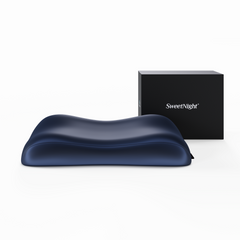
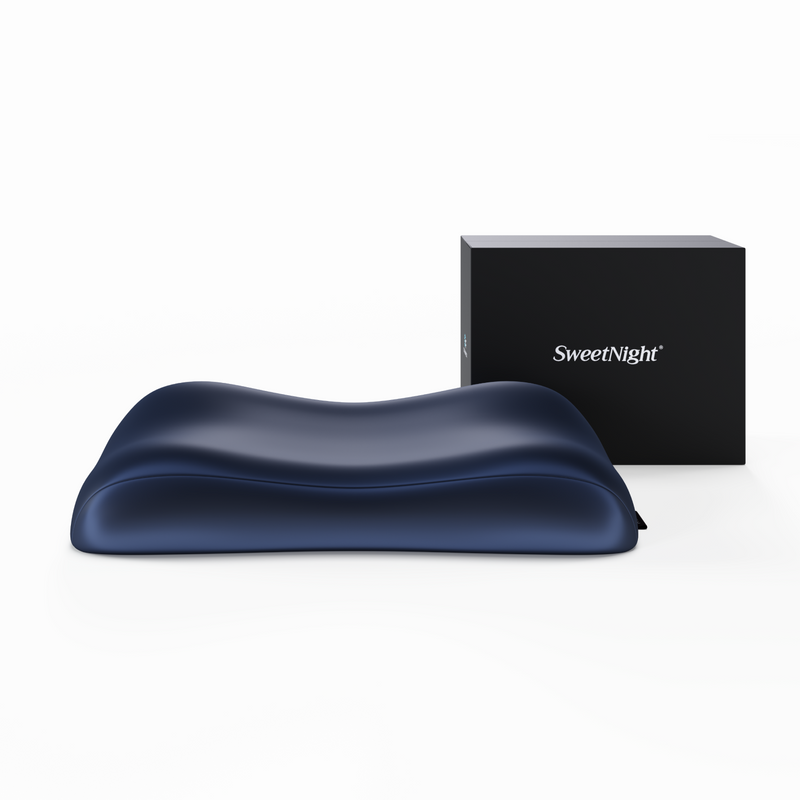
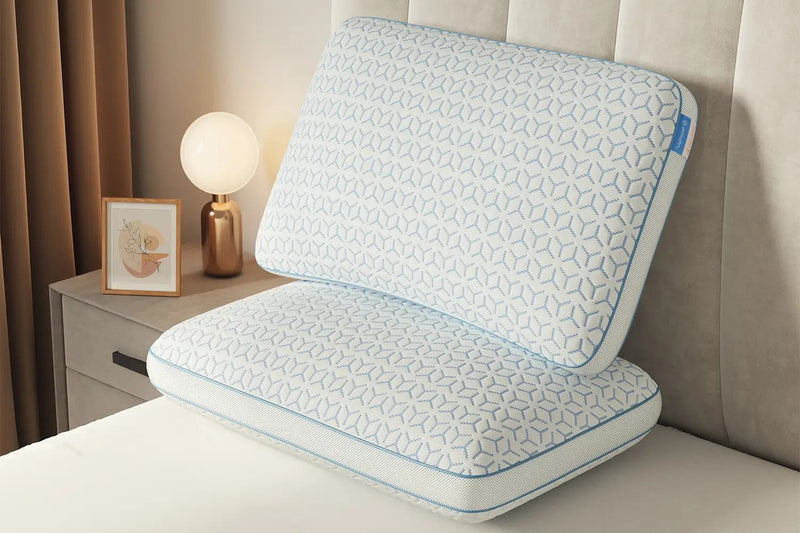
This is why "the best pillow" is the wrong question. The right pillow is the one that lands your neck parallel to the mattress on your body and your bed. An adjustable shredded memory foam pillow solves this elegantly, since you can unzip it and add or remove fill until your neck sits neutral — no guessing, no buying three pillows to find one that works. If you prefer a plusher, more traditional feel with reliable support, the Comfort Pillow is another option, and you can browse the full pillow lineup to compare.
A quick at-home test: lie on your side in your normal position and have someone snap a photo from the front, or check in a mirror. If your nose lines up with the center of your chest and your neck looks straight, your loft is right. If your head tilts up toward the ceiling or droops toward the bed, adjust.
Sleeping Posture Mistakes That Worsen Side Sleepers Shoulder Pain
Even with a great mattress and a dialed-in pillow, the way you arrange your body can undo all of it. Side sleepers fall into a few habitual traps without realizing it.
- Tucking your arm under your head or pillow. It feels cozy for about ninety seconds, then it pins the shoulder into deep compression and squeezes the nerves running through it. This is the classic recipe for a numb, tingling, "dead" arm at 4 a.m.
- Hugging your top arm tight across your chest. Rolling the top shoulder forward and inward over hours strains the joint and the muscles around it.
- Curling into a tight ball. The fetal curl rounds the shoulders forward and compresses the chest, which feeds tension into the shoulder blades.
- Letting the top leg drop and twist your pelvis. When your upper knee falls forward onto the mattress, it rotates your hips and torso, and that torque travels up the spine into the shoulder.
Small fixes go a long way here:
- Keep your bottom arm out in front of you, extended or slightly bent, instead of jammed under your head. A common trick is to hug a body pillow so the top arm rests supported in front of you rather than collapsing across your body.
- Slightly rotate your torso back a few degrees so you're not stacked perfectly vertical on the point of your shoulder. Taking even a fraction of the weight off that point reduces compression noticeably.
- Put a pillow between your knees. This keeps your hips, pelvis, and spine stacked in line, which stops the rotational pull on your upper body. It's one of the highest-payoff, lowest-effort changes a side sleeper can make.
For a focused walkthrough of position and setup tweaks, our companion guide on how side sleepers can fix shoulder pain covers these in more detail.
How to Self-Diagnose: Matching Your Symptoms to the Cause
Before you spend money or book an appointment, spend five minutes matching your symptoms to the likely culprit. This won't replace a real diagnosis, but it tells you where to start.
| If your shoulder pain… | The likely cause leans toward… | First thing to try |
|---|---|---|
| Fades within an hour of waking and disappears in other beds | Mattress firmness or sag | Reassess mattress feel; add a topper or upgrade |
| Comes with neck stiffness or a tilted head | Pillow loft mismatch | Adjust pillow height to keep neck neutral |
| Brings arm numbness or tingling | Pinched nerve from posture (arm under head) | Change arm position; hug a pillow |
| Is a deep ache, worse lying on that side, plus weakness lifting the arm | Rotator cuff issue | Avoid that side; see a clinician if it persists |
| Feels warm, sore, and tender to direct pressure | Bursitis | Avoid the affected side; ice before bed |
| Includes real stiffness in every direction | Frozen shoulder | See a clinician, especially if you have diabetes |
| Doesn't change at all when you move the shoulder | Referred pain (often the neck) | Get the neck evaluated |
| Is sudden and severe with chest tightness, sweating, or breathlessness | Possible medical emergency | Seek emergency care immediately |
The single most useful question to ask yourself: does the pain change when I change position or surface? If yes, you're firmly in fixable-setup territory. If no, the problem is more likely inside the joint and worth a professional look.
How to Relieve Side Sleepers Shoulder Pain: Mattress, Pillow, and Position Fixes
Here's the practical core. Work through these in order — most people solve their pain somewhere in the first three.
1. Get the mattress firmness right. Aim for medium to medium-firm. If your current bed is too firm and the pressure won't quit, the cheapest meaningful upgrade is a memory foam mattress topper, which adds a forgiving layer over a too-hard surface. If the bed is sagging or genuinely worn out, a topper only delays the inevitable — that's a replacement situation. Browse SweetNight's full mattress range if you've reached that point, and use the mattress buying guide to narrow it down.
2. Dial in your pillow loft. Use the front-photo test from earlier. If you can't get the height right with a fixed pillow, switch to an adjustable fill so you can tune it to your shoulder width and mattress feel.
3. Fix your posture. Pillow between the knees, bottom arm in front (not under your head), slight backward torso rotation, and a body pillow to support the top arm. These cost nothing and often deliver the fastest relief.
4. Switch sides — or don't lie on the bad one. If only one shoulder hurts, sleep on the other side and let the painful arm rest supported in front of you on a pillow. For an acutely inflamed shoulder (bursitis or a cuff flare), avoiding that side entirely is the most reliable overnight fix.
5. Calm the inflammation before bed. For an irritated, warm shoulder, 15 to 20 minutes of ice in the evening can take the edge off. Taking an over-the-counter anti-inflammatory about an hour before bed (if it's appropriate for you) can help you settle. Some people with severe nighttime pain find real relief sleeping semi-reclined in a wedge pillow or recliner, which keeps the joint in a more open, less compressed position.
6. Don't ignore the warm-bed effect. A mattress that traps heat makes you toss, turn, and grind on a sore shoulder more. A cooler, more stable surface means fewer disruptive position changes — one reason temperature-regulating designs do double duty for pain-prone sleepers.
Best Sleeping Positions for Shoulder Pain (and Which to Avoid)
Side sleeping is comfortable and has real benefits — it eases snoring and reflux and supports the airway — so you don't necessarily have to abandon it. But when one shoulder is actively hurting, some positions are kinder than others.

Best options when a shoulder hurts:
- On your back, arm supported. This takes all direct pressure off both shoulders. Slip a thin pillow under the painful arm to keep it from falling into an awkward, tugging position.
- On your good side, hugging a pillow. Sleep on the pain-free shoulder and let the sore arm rest forward on a body pillow, so it isn't dangling or rolling across your chest.
- Slightly reclined. For an acute flare, a wedge or recliner keeps the joint open and is often the only way some people get through a rough night.
Positions to avoid:
- Lying directly on the painful shoulder. Obvious, but worth stating, because it's the number-one aggravator for bursitis and cuff problems.
- Stomach sleeping. It forces your head to one side all night and hyperextends the neck, which strains the neck and shoulders even when nothing was wrong to begin with. Most experts rank it the least shoulder-friendly position.
If you're a combination sleeper who shifts between back and side through the night, you have an extra wrinkle: a surface that's wrong for one position will catch you when you roll into it. A responsive mattress that adapts as you move, plus an adjustable pillow, smooths out those transitions.
Stretches and Exercises to Ease Morning Shoulder Pain
Your sleep setup is only half the story. A shoulder that's weak, tight, or poorly mobile will keep flaring no matter how perfect your bed is, because it can't tolerate the loads of normal life or a night of pressure. Gentle, consistent movement builds resilience.

A few easy ones (move only within a comfortable, pain-free range, and stop if anything sharpens):
- Pendulum swings. Lean forward, let the affected arm hang, and let it swing in small, lazy circles. This decompresses the joint and is a favorite for cranky shoulders.
- Cross-body stretch. Bring one arm gently across your chest and hold with the other to ease the back of the shoulder.
- Doorway pec stretch. Forearm on the door frame, step through slightly. This opens the chest and counteracts the rounded-forward posture side sleepers develop.
- Scapular squeezes. Pull your shoulder blades back and down, hold a few seconds, release. This wakes up the postural muscles that stabilize the joint.
- Wall slides. Slide your arms up and down a wall to rebuild pain-free overhead range over time.
Doing a couple of these before bed can reduce overnight stiffness, and doing them in the morning helps you shake off the night faster. They're prevention, not a cure — if a stretch reproduces your pain or your shoulder is acutely inflamed, leave the exercises until things calm down and check with a professional first.
When Side Sleepers Shoulder Pain Means You Should See a Doctor
Most morning shoulder pain is mechanical and improves once you fix the setup. But some patterns deserve a professional, and ignoring them can turn a manageable problem into one that needs injections, physical therapy, or surgery.
See a clinician or physical therapist if you notice any of these:
- Pain that lasts more than two to three weeks despite changing your mattress, pillow, and position.
- Weakness — you can't lift your arm, or it feels like it gives out.
- Numbness or tingling that persists, rather than the brief pins-and-needles of a slept-on arm that resolves quickly.
- Pain that followed an injury, fall, or sudden wrench.
- Significant stiffness that limits everyday motion (a possible frozen shoulder, especially with diabetes).
- Pain that keeps getting worse no matter what you change.
And treat these as emergencies — call for help right away:
- Sudden, severe shoulder pain with chest tightness or pressure, sweating, nausea, or shortness of breath, which can signal a heart problem rather than a joint one.
- Obvious deformity, inability to move the joint, or intense pain after trauma, which may mean a dislocation or fracture.
A good evaluation can tell you whether your pain is purely a side-sleeping issue or something structural that needs its own treatment. Either way, you'll stop guessing.
How to Prevent Waking Up With Shoulder Pain Long-Term
Fixing tonight's pain is one thing; staying pain-free is another. A few durable habits keep morning shoulder pain from creeping back.
- Treat your mattress and pillow as a system, and revisit them periodically. Pillows lose loft and mattresses lose support gradually, so the setup that worked two years ago may be quietly failing now. Side sleepers, in particular, tend to need a pillow refresh every 18 to 24 months as fill compresses.
- Match new gear to your current body and bed. If you've changed weight, switched mattresses, or your shoulders have gotten stiffer with age, recalibrate your pillow loft rather than assuming the old height still fits.
- Build shoulder strength and mobility into your week. A few minutes of the stretches above, a few times a week, pays off more than any single product.
- Mind your daytime posture. Hours hunched over a phone or keyboard round the shoulders forward and feed the same tension you're trying to undo at night.
- Keep your sleep surface cool and stable. Fewer heat-driven position changes mean less grinding on a vulnerable shoulder.
Think of it as maintenance, not a one-time fix. Your shoulders carry you through every day; a little ongoing attention keeps them quiet at night.
Frequently Asked Questions About Side Sleepers Shoulder Pain
Why do I wake up with shoulder pain only on one side? Almost always because that's the side you sleep on. Lying on one shoulder for hours compresses the joint, tendons, and bursa on that side while the other shoulder rests pressure-free. If the pain is sharp, deep, or comes with weakness, an underlying issue like a rotator cuff problem or bursitis on that side may be getting aggravated by the pressure.
Is it bad to sleep on your side if your shoulder hurts? Side sleeping itself is fine and has real health benefits, but lying directly on an actively painful shoulder will keep it inflamed. When one shoulder hurts, sleep on the other side with the sore arm supported in front of you, or sleep on your back. Once the flare settles and your mattress and pillow are dialed in, returning to your preferred side is usually no problem.
Can a mattress really cause shoulder pain? Yes, and it's one of the most common causes for side sleepers. A mattress that's too firm forces pressure into the shoulder; one that's too soft or sagging lets your spine fall out of alignment, which strains the shoulder and neck. The tell is pain that fades after you get up and disappears when you sleep elsewhere.
What's the best mattress firmness for side sleepers with shoulder pain? Most side sleepers do best with a medium to medium-firm feel (around 6 out of 10). It lets the shoulder and hip sink in just enough for alignment while still supporting the rest of the body. Memory foam and hybrid designs are popular because they cushion pressure points without sacrificing support.
What pillow height should a side sleeper use? High enough to fill the gap between your head and the mattress so your neck stays level with your spine — generally a medium-to-high loft, often 4 to 6 inches, and higher for broad shoulders. The simplest solution is an adjustable pillow you can fine-tune to your exact shoulder width and mattress feel.
How long does shoulder pain from sleeping usually last? If it's purely from your sleep setup, it typically eases within an hour or two of getting up, and goes away for good once you correct the cause. Pain that lingers for more than two to three weeks despite changes, or that comes with weakness or numbness, deserves a professional evaluation.
Could my shoulder pain be a sign of something serious? Usually not — most cases are mechanical and fixable. But persistent weakness, numbness, pain after an injury, or a shoulder you genuinely can't move warrant a doctor. And sudden severe shoulder pain paired with chest pressure, sweating, or shortness of breath is a medical emergency, not a sleep problem.
Final Thoughts
Waking up with a sore shoulder feels random, but it rarely is. Once you know what to look for, the cause usually announces itself: pain that fades by mid-morning points to your mattress, a kinked neck points to your pillow, a numb arm points to your posture, and a deep ache that won't quit points to something inside the joint that's worth getting checked.
For the millions of people who sleep on their side, the fix is often as simple as getting the firmness right, matching the pillow to your shoulder width, and stopping a few posture habits that compress the joint all night. Get those three things working together and your shoulder finally gets to rest the way the rest of you does.
If your current bed is leaving you sore, it may be time to rethink the setup. SweetNight builds mattresses and pillows specifically to cushion the shoulders and keep your spine aligned, so you can wake up without that morning twinge. Start with the surface, tune the pillow, and give your shoulders the support they've been asking for.
This article is for general education and isn't a substitute for medical advice. Shoulder pain is a sensitive subject, and persistent or severe symptoms should be evaluated by a qualified healthcare professional who can assess your specific situation.