

















Key Takeaways
- Dust mites are the number-one reason a bed triggers allergies. They feed on your shed skin, thrive in your bedding, and their droppings are the actual allergen you react to.
- You react most at night and first thing in the morning because that's when you're in closest, longest contact with bed allergens.
- The big four bed triggers are dust mites, mold/mildew, pet dander, and pollen, with new-mattress VOCs causing allergy-like irritation in sensitive people.
- The most effective fixes are allergen-proof encasements, weekly hot-water washing, humidity below 50%, and breathable, washable, certified materials.
- An old, moisture-logged mattress accumulates allergens for years. Sometimes the real fix is replacing it.
You wake up stuffy. Your nose runs, your eyes itch, you sneeze a few times before your feet even hit the floor, and within an hour of being up and about, it mostly fades. Sound familiar? If your worst allergy symptoms show up in bed and at dawn, the problem might not be the season or the pollen count outside. It might be the place you spend a third of your life: your bed.
It's an uncomfortable thought. We think of our beds as the cleanest, safest corner of the house. But a mattress, a pillow, and a set of sheets create a warm, slightly humid, skin-cell-rich environment that happens to be the favorite habitat of the most common indoor allergen on the planet. Add in moisture from sweat, dander from a pet who sneaks under the covers, pollen tracked in on your hair, and the faint chemical smell of a brand-new mattress, and you have a lot of potential triggers gathered in one spot, pressed right up against your face for eight hours a night.
This guide walks through every way a bed causing allergies can sabotage your sleep, what the science actually says about each trigger, and a clear, practical plan to take your bedroom back. No fearmongering, no myths repeated as fact. Just what's really going on under your sheets and what to do about it.
How Common Is It for Your Bed to Be Causing Allergies?
Before you blame your bed, it helps to know how often beds really are the culprit. The numbers are higher than most people expect.
Dust mites alone affect roughly 20 million Americans who live with a dust mite allergy, and they're not rare visitors. A national survey by the National Institute of Environmental Health Sciences found that about 84% of U.S. homes have detectable dust mite allergen, and roughly half have levels high enough to trigger allergic reactions. The American Lung Association puts it more bluntly: around four out of five U.S. homes have dust mite allergens in at least one bed.
Here's the detail that ties it directly to your mattress. Dust mite allergens don't float around the house for long. They settle into fabric and cling to it, which means most of your exposure happens while you're asleep, breathing in whatever has accumulated in your pillow and mattress. Among the indoor triggers that drive allergic rhinitis and asthma, dust mites rank second only to pollen, and for people who get symptoms year-round rather than seasonally, the bed is often ground zero.
So if your symptoms are worse at home than away, worse in the bedroom than the living room, and worst of all in bed, that pattern isn't a coincidence. It's one of the most common allergy stories there is.
The Telltale Signs Your Bed Is Causing Allergies

How do you separate "my bed is the problem" from a regular cold or seasonal hay fever? Allergens in your bed produce a recognizable signature. Watch for these patterns:
- You wake up congested, sneezing, or with itchy, watery eyes, and it eases as the morning goes on.
- Symptoms flare when you lie down at night, especially as you fluff or punch the pillow and stir up what's settled in it.
- You feel noticeably better when you sleep somewhere else, like a hotel, even just for a night or two.
- It's year-round, not seasonal. Dust mite allergy produces perennial symptoms, unlike pollen, which comes and goes with the calendar.
- You get a postnasal drip, a scratchy throat, or a mild cough that's worst on waking.
- Your skin acts up with eczema-like patches or general itchiness after a night in bed.
A cold runs its course in a week or two and often comes with a fever or body aches. A bed-driven allergy lingers, repeats night after night, and tends to improve the moment you change the environment. If you check three or more boxes above, your sleep setup deserves a closer look.
Dust Mites: The Number-One Reason Your Bed Is Causing Allergies
Let's meet the main offender. Dust mites are microscopic relatives of spiders, about a quarter of a millimeter long, far too small to see. They don't bite, they don't burrow into your skin, and they're not a sign of a dirty home. They live in nearly every house on earth except in very dry or high-altitude places. What makes them an allergy problem is what they eat and what they leave behind.

They eat you, in a manner of speaking. Dust mites feed on the tiny flakes of dead skin that everyone sheds constantly. An average person sheds about 1.5 grams of skin flakes a day, which is enough to feed roughly a million dust mites. Most of that shedding happens where you spend the most still, warm hours: your bed. Studies consistently find more dust mites in the bedroom than anywhere else in the home.
The allergen is their waste, not the mite itself. Over a roughly two-month life, a single mite produces a remarkable amount of droppings, and those fecal pellets are packed with proteins (the famous Der p 1 and Der f 1) that your immune system can mistake for a threat. When you inhale them, you get the sneezing, the congestion, the itchy eyes. Dead mite body fragments add to the load. So even reducing the living mite population doesn't help unless you also remove the accumulated debris.
They live in your mattress in startling numbers. Estimates vary widely depending on the home and its humidity, but reviews cite up to around two million dust mites in a single mattress. That's a worst-case figure, not a guarantee, but it gives you a sense of why your bed matters more than your bookshelf.
You've probably heard the dramatic claim that a pillow doubles in weight over the years, or that a big chunk of an old pillow's weight is "mite droppings." Take those with a grain of salt. The exact figures get repeated and inflated across the internet, and the truth is more measured: pillows and mattresses do accumulate skin, moisture, microbes, and mite debris over time, and that buildup is worth managing, but you don't need the scary version to justify good hygiene. The reasonable version is convincing enough.
Common Symptoms of a Dust Mite Allergy
Dust mite reactions look a lot like other respiratory allergies, which is partly why so many people never connect them to the bed. The most common signs include:
- Sneezing and a runny or blocked nose, often worst right after waking
- Itchy, red, or watery eyes
- Postnasal drip and a scratchy throat or cough
- An itchy nose, mouth, or roof of the mouth
- Facial pressure or sinus congestion that lingers through the morning
- Flare-ups of eczema or generally itchy skin after a night in bed
For people with asthma, dust mite exposure can do more than irritate. It can trigger wheezing, chest tightness, and difficulty breathing, and it ranks among the most common indoor asthma triggers. Up to 40 to 85 percent of people with allergic asthma are sensitized to house dust mites, which is why getting the bed under control can ease asthma symptoms as well. If you notice any breathing-related symptoms, treat that as a reason to loop in a doctor rather than tackling it with cleaning alone.
Why Dust Mites Love Your Bed Specifically
Three conditions decide whether mites flourish, and a bed checks all three:
| Condition mites need | Why your bed provides it |
|---|---|
| Warmth (around 70°F and up) | Body heat keeps the bed cozy all night |
| Humidity above ~50% | You release moisture through sweat and breath as you sleep |
| A steady food supply | Shed skin cells collect in the mattress and pillow |
Humidity is the single most important factor. Dust mites don't drink water; they absorb it straight from the air, which is why they thrive when relative humidity sits above 50% and struggle to survive in dry climates. Control the moisture in your bedroom and you've taken away the one thing mites can't manufacture themselves. We'll get to exactly how in the action plan below.
Mold and Mildew: The Hidden Moisture Problem Behind Bed Allergies
Dust mites get all the attention, but they're not the only thing that loves a damp bed. Mold does too, and it's the trigger people most often miss.
Here's the chain of events. Over a single night, your body gives off heat and moisture through sweat and respiration. Some of that vapor passes through your sheets and settles into the pillow and mattress. If that moisture can't dry out, you've created a quiet, dark, humid pocket that mold spores are happy to colonize. Inhaled mold spores are a well-documented cause of allergic rhinitis, producing the same congestion and irritation as dust mites.
A few situations make bed mold far more likely:
- A mattress placed directly on the floor or a solid platform with no airflow underneath, so trapped moisture has nowhere to escape.
- A poorly ventilated, humid bedroom, especially in basements or humid climates.
- Heavy sweating at night combined with bedding that doesn't breathe.
- An older pillow that never gets washed. When researchers at the University of Manchester cultured used pillows ranging from about a year and a half to over twenty years old, they reportedly found between four and sixteen species of fungi in a single pillow, with the higher counts in synthetic ones. No single pillow is a biohazard, but that's a lot of hours of close contact with microbial buildup pressed against your airway.
The fix is the same root principle as for mites: keep things dry and let your bed breathe. A breathable mattress and a ventilated foundation do a surprising amount of preventive work here, which is one reason airflow is engineered into modern designs rather than treated as an afterthought.
Pet Dander in Your Bed and How It Triggers Allergies
If your dog or cat sleeps with you, your bed has a second resident allergen, and a stubborn one. Over 10 million Americans are allergic to animals, and pets that share the bed deposit allergens straight into your sleep zone.
A common myth is that pet fur is the problem. It isn't, at least not directly. The real triggers are proteins found in an animal's dander (shed skin flakes), saliva, and skin-gland secretions. When your pet grooms itself, saliva proteins dry on the fur and flake into the air and bedding. Unlike dust mite allergen, pet dander is light and stays airborne longer, so it spreads easily and lands everywhere, including deep in your sheets and pillow.
There's also a compounding effect worth knowing: pet hair and dander add to the food supply and habitat that dust mites enjoy, so a pet in the bed can quietly raise your mite exposure too. You don't necessarily have to banish your companion from the bedroom, but if you wake up congested and a furry friend shares your pillow, that's a strong lead to follow.
If you'd rather not exile a beloved pet, a middle path helps: keep them off the pillow and out of the bed itself, bathe and brush them regularly to cut shedding, wash your bedding more often, and run a HEPA air purifier in the bedroom to capture the airborne dander that pet allergens are notorious for. Even relocating the pet's own bed to another room overnight reduces how much allergen ends up in yours.
Pollen and Outdoor Allergens You Carry Into Bed
Pollen feels like an outdoor problem, yet it has a sneaky way of ending up in your bed. You spend a day outside, and pollen settles on your hair, skin, and clothes. Then you climb into bed without showering, and you've effectively seeded your pillow with the exact allergen you were trying to escape indoors.

This is why so many seasonal allergy sufferers find their symptoms spike at night during pollen season, even with the windows shut. The pollen isn't blowing in; you carried it in. Drying laundry outdoors on high-pollen days and sleeping in the clothes you wore outside make it worse.
Because pollen sits on the surface of your bedding rather than burrowing deep like mites, it's one of the easier triggers to manage. A quick rinse before bed and frequent pillowcase changes during allergy season go a long way, which we'll cover shortly.
New Mattress Off-Gassing: Can VOCs in Your Bed Cause Allergy-Like Symptoms?
This one deserves careful handling, because the internet tends to either dismiss it or wildly overstate it. Here's the measured version.
When you unbox a new foam mattress, especially a compressed bed-in-a-box, you often notice a chemical smell. That's off-gassing: the release of volatile organic compounds (VOCs) that were trapped in the foam, adhesives, and fabric during manufacturing and sealed in by the packaging. The U.S. Environmental Protection Agency classifies VOCs as a meaningful driver of indoor air quality, and in sensitive people they can cause temporary eye, nose, and throat irritation, headaches, or a stuffy feeling that looks a lot like an allergy.
Two things keep this in perspective. First, the emissions peak in the first day and fall off fast. Controlled studies tracking new memory foam mattresses found VOC concentrations spiked on day one and then decayed steadily over the following month, and a 2022 peer-reviewed evaluation in Chemosphere concluded that emissions from memory foam mattresses are unlikely to pose a health risk to consumers. Second, this isn't a true allergy at all. It's a chemical irritation, which matters because the solution is different: ventilate and wait, rather than encase and wash.
That said, if you have asthma, chemical sensitivities, or you're shopping for a child's bed, you have every reason to choose carefully. This is where certifications earn their keep:
| Certification | What it verifies |
|---|---|
| CertiPUR-US | Foam tested for low VOC emissions (under 0.5 ppm), made without formaldehyde, PBDE flame retardants, heavy metals, or ozone depleters |
| OEKO-TEX STANDARD 100 | The cover fabric is tested for a long list of harmful substances |
| Fiberglass-free construction | Avoids the cheap fiberglass flame barrier found in some budget foam beds, which can irritate skin and airways if the inner cover is ever opened |
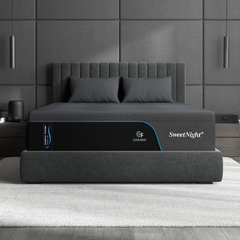
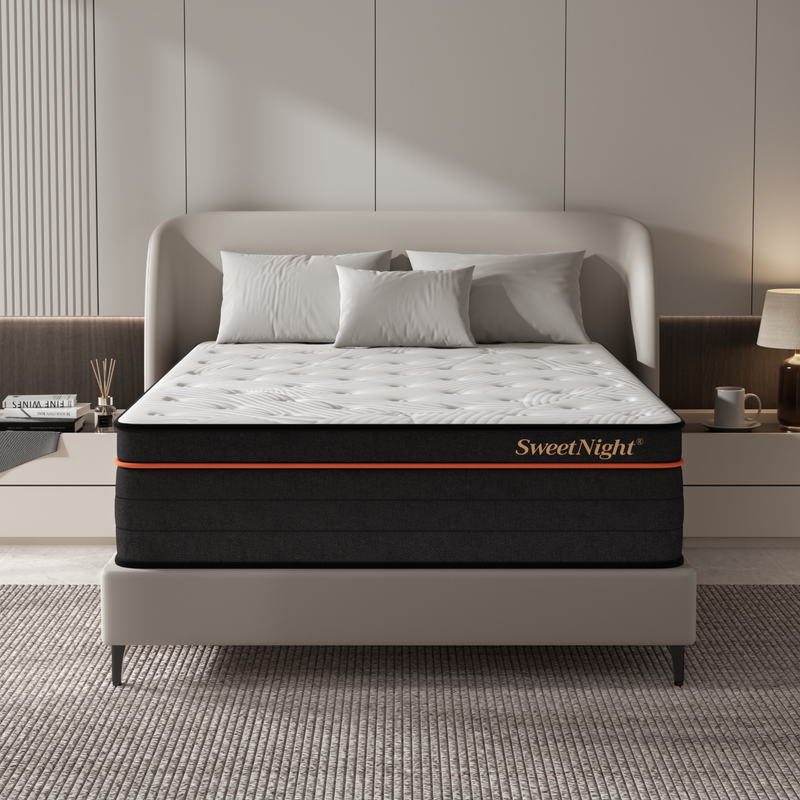
SweetNight builds to exactly these standards: the foams are CertiPUR-US certified and the Twilight Hybrid's cover meets OEKO-TEX STANDARD 100 and is fiberglass-free. To keep even the brief break-in period easy, unbox a new mattress in a ventilated room, let it air out for a couple of days, and you'll skip most of the smell.
Your Bed Allergen Cheat Sheet
Before the solutions, here's the whole cast of characters in one place. Match your symptom pattern to the likely trigger, then jump to the fix.
| Allergen | Where it lives in your bed | Typical symptoms | Biggest driver |
|---|---|---|---|
| Dust mites | Deep in mattress, pillows, bedding | Year-round congestion, sneezing, itchy eyes, worse at night/morning | Humidity + shed skin |
| Mold / mildew | Damp mattress core, unwashed pillows | Stuffiness, cough, musty smell, irritation | Trapped moisture, poor airflow |
| Pet dander | Sheets, pillows, anywhere a pet lies | Sneezing, itchy eyes, worse if pet co-sleeps | Dander, saliva proteins |
| Pollen | Surface of bedding, pillowcases | Seasonal night flares, congestion | Carried in on hair/skin/clothes |
| VOCs (off-gassing) | New foam, adhesives, covers | Temporary headache, throat/eye irritation | New mattress, poor ventilation |
How an Old Mattress Makes Bed Allergies Worse Over Time
Allergens don't reset overnight. A mattress accumulates skin cells, moisture, mite populations, and their debris for as long as you own it, and a tired, sagging, moisture-logged mattress holds onto all of it. If your bed is a decade old and your allergies have crept up in parallel, those two facts may be related.
Signs your mattress has become an allergen reservoir rather than a sleep surface:
- It's 8 to 10 years old or older and has never been deep-cleaned or protected.
- There's a persistent musty smell even after you wash the sheets.
- You see visible staining or discoloration from sweat and moisture.
- Your symptoms improve dramatically when you travel and return when you're home.
- It sags and traps moisture in the low spots, feeding mold and mites.
You can extend a mattress's life and cut its allergen load with protection and cleaning (more on that next), but there's a point where replacement is the honest answer. If you're weighing it up, our guide on when it's time to replace a mattress versus trying to fix it lays out the deciding factors, and the mattress buying guide helps you pick a healthier replacement.
How to Stop Your Bed From Causing Allergies: A Room-by-Room Action Plan
This is the part that actually changes your mornings. The good news is that you don't need to do everything at once. Start at the top of this list, where the payoff per effort is highest, and work down.

1. Encase the Mattress and Pillows in Allergen-Proof Covers
If you do only one thing, do this. Allergists consistently rank zippered, allergen-proof encasements as the single most effective step against dust mites. The Mayo Clinic recommends keeping mattresses and pillows in tightly woven, dustproof covers that physically seal the mites and their droppings inside, away from your airway, and the AAFA points to allergen-barrier covers as a top way to reduce bed exposure.
A protector does double duty: it blocks allergens and stops sweat and spills from soaking into the mattress, which starves mold of the moisture it needs. If you've never used one (or aren't sure which type you need), our breakdown of whether you really need a mattress protector or cover explains the difference between a protector and a pad and how to choose. SweetNight's bedding range includes protective and washable layers built for exactly this job.
2. Wash Your Bedding Weekly in Hot Water

Sheets, pillowcases, and covers are where you have the most direct contact, so they need the most frequent attention. Temperature is the part people get wrong.
- Wash weekly, at minimum.
- Use hot water of at least 130°F (54.4°C). That's the threshold that kills dust mites and washes away allergens. Cooler washes don't cut it: one study found a 104°F (40°C) wash left about 94% of dust mites alive.
- If a fabric can't take hot water, run it through the dryer on high heat for at least 15 minutes above 130°F, or freeze small items for 24 hours (freezing kills mites but won't remove the allergen, so wash afterward).
- Wash pillows and comforters every few months, or sooner if they're damp or have a musty smell.
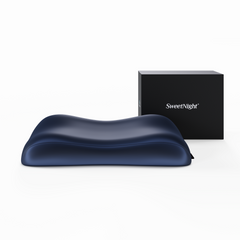
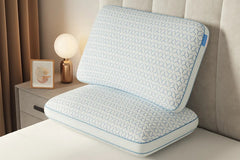
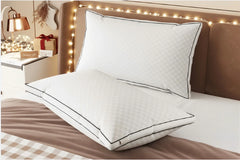
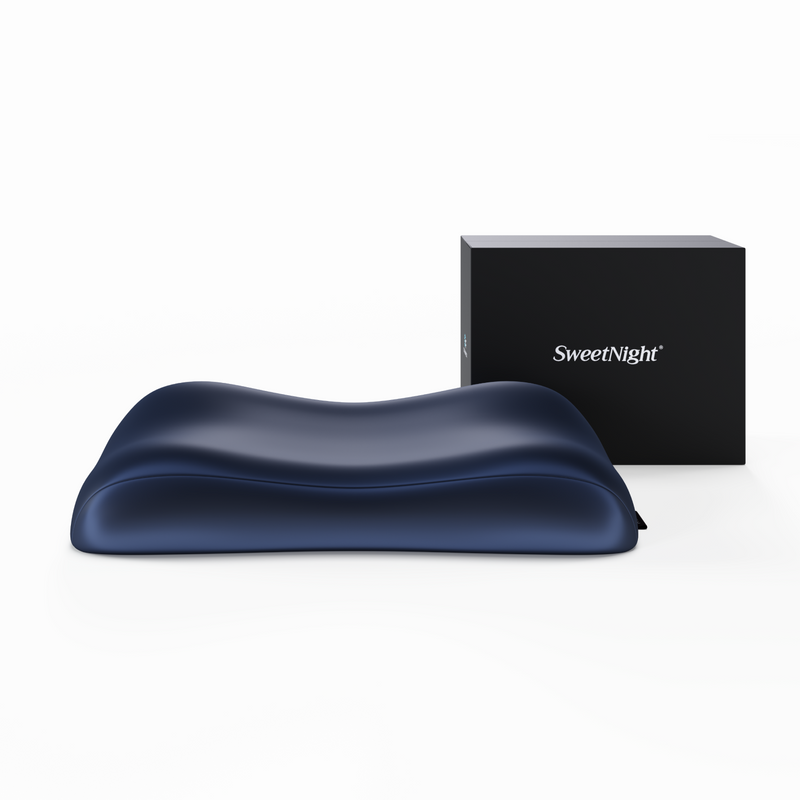
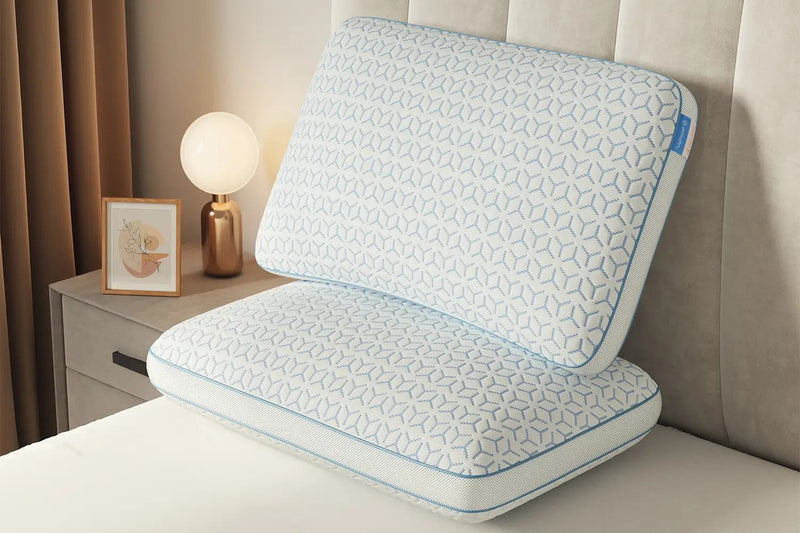
This is also a great reason to favor pillows with removable, machine-washable covers. SweetNight's washable memory foam pillows make the weekly routine far less of a chore, and you can browse the full pillow collection to find an option that suits your sleep style and washes easily.
3. Keep Bedroom Humidity Below 50%
Since moisture is the master switch for both dust mites and mold, controlling it pays off across the board. Aim to keep relative humidity below 50%, ideally in the 30 to 50% band. A few ways to get there:
- Run an air conditioner or dehumidifier in warm, humid months.
- Ventilate the room daily and use exhaust fans for adjacent bathrooms.
- Pick up an inexpensive hygrometer to actually see your numbers rather than guess.
- Let your bed breathe. Don't make it the second you get up. Fold the covers back for a while so trapped overnight moisture can evaporate before you seal it in.
4. Choose Breathable, Easy-to-Clean Materials
Your bed's materials decide how much moisture lingers and how easily you can keep it clean. Dense, sealed, non-breathable construction traps the heat and humidity that allergens love. Breathable, ventilated designs do the opposite, letting moisture escape so the surface stays drier and less hospitable.
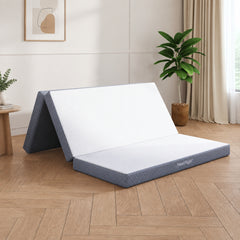
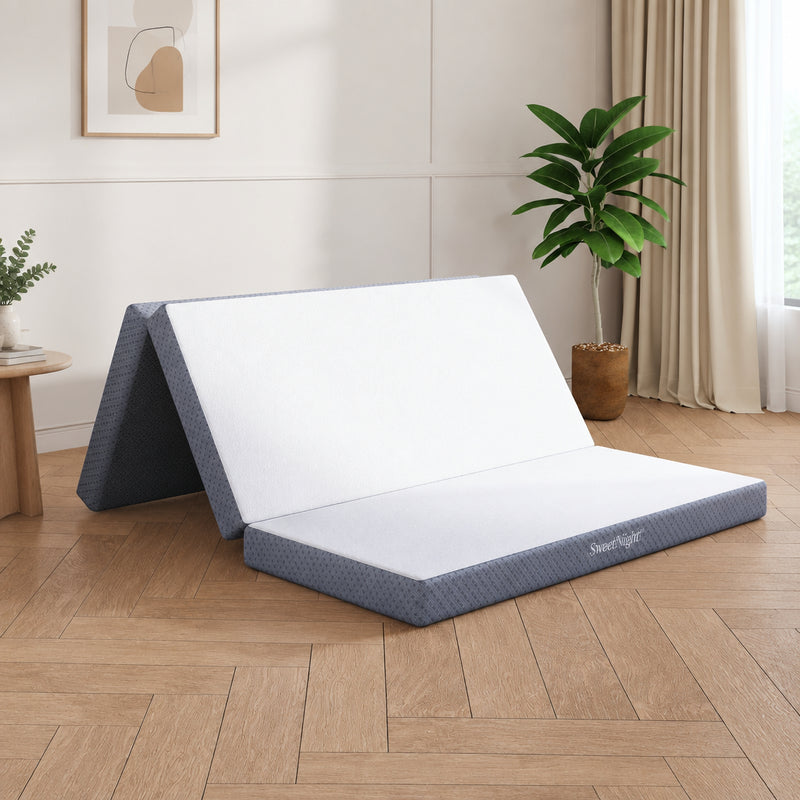
This is where a breathable memory foam mattress with built-in airflow earns its place, and where a breathable, easy-clean mattress topper can refresh an older bed while adding a washable layer between you and the mattress. If you're shopping the whole setup, the full mattress collection is organized by feel and material so you can prioritize ventilation.
5. Vacuum, Declutter, and Cut the Dust Traps
Finally, tidy up the room around the bed, because allergens don't stay confined to the mattress.
- Vacuum weekly with a HEPA-filter vacuum, which traps fine allergen particles instead of blowing them back into the air.
- Reduce dust-collecting clutter: stacks of books, knickknacks, and especially fabric items that rarely get washed.
- Reconsider wall-to-wall carpet if mites are a serious problem; hard flooring holds far fewer of them.
- Wash or limit stuffed animals, which are mite condos. Freeze the ones that can't be washed.
- If a deeper reset is in order, our step-by-step guide to cleaning a mattress covers vacuuming, deodorizing, and stain treatment the right way.
Here's the whole plan at a glance, ranked by impact:
| Step | Effort | Allergen impact |
|---|---|---|
| Allergen-proof encasements | One-time | Very high |
| Weekly hot-water bedding wash | Weekly, 30 min | Very high |
| Humidity below 50% | Ongoing | High (mites + mold) |
| Breathable, washable materials | At purchase | High |
| HEPA vacuum + declutter | Weekly | Medium |
| Pre-bed rinse in pollen season | Seasonal, nightly | Medium |
Choosing an Allergy-Friendly Mattress and Bedding
If you're replacing your bed or building a healthier setup from scratch, a few features genuinely reduce the allergen load rather than just sounding good on a label.

- Breathability and ventilation. Materials and structures that move air and release moisture keep the surface drier, which discourages both mites and mold. Look for ventilated foam, airflow channels, and moisture-wicking covers.
- Washable, removable covers. A pillow or topper you can throw in the wash is one you can keep allergen-free. Sealed, non-removable covers can't be cleaned the way they need to be.
- Trusted certifications. CertiPUR-US foam and OEKO-TEX STANDARD 100 fabrics tell you the materials were tested for harmful substances and low emissions, which matters most for sensitive sleepers and kids. Fiberglass-free construction is a quiet but important plus.
- Down-alternative, anti-allergenic fills. If feathers bother you, synthetic down-alternative fills give a similar feel with less allergy risk.
- A supportive base that lasts. A mattress that holds its shape resists the sagging that traps moisture, so it stays drier and cleaner over the years.
SweetNight designs across these lines, from breathable, certified mattresses to washable, supportive pillows and protective bedding. The aim is a bed that works with your routine to stay fresh, not against it.
Bedtime and Cleaning Habits That Reduce Bed Allergens
Products and washing do the heavy lifting, but small daily habits keep your gains from slipping. None of these take more than a minute or two.
- Shower or at least rinse off before bed, especially during pollen season, so you're not transferring the day's allergens onto your pillow.
- Don't make the bed immediately after getting up. Let the sheets air and dry first. A dry bed beats a tidy bed when it comes to allergens.
- Keep pets off the bed if dander is a confirmed trigger, or at minimum off the pillow, and wash bedding more often if they sleep in the room.
- Swap pillowcases more frequently than the rest of the sheets, since that fabric sits right against your face and collects oil, skin, and pollen fastest.
- Dust with a damp cloth, not a dry one, so you trap particles instead of launching them into the air you breathe all night.
- Air out pillows and bedding in sunlight and fresh air between washes. It won't sanitize them, but it pulls moisture and reduces the dampness microbes need.
When Bed Allergies Need a Doctor
Most bed-related allergies respond well to the steps above. But sometimes self-care isn't enough, and a few situations call for a professional rather than another round of cleaning.
See a doctor or allergist if:
- Your symptoms persist or worsen despite encasements, hot washing, and humidity control.
- You have wheezing, chest tightness, or shortness of breath, which can signal that allergies are crossing into asthma.
- You're losing sleep night after night or your daytime functioning is suffering.
- You want to confirm the trigger. A simple skin-prick test or blood test can tell you precisely what you're reacting to, so you stop guessing and target the right allergen.
An allergist can also discuss longer-term options like medication or immunotherapy (allergy shots or tablets) that gradually reduce your sensitivity. Pairing medical treatment with a clean, well-managed bed tends to work far better than either alone.
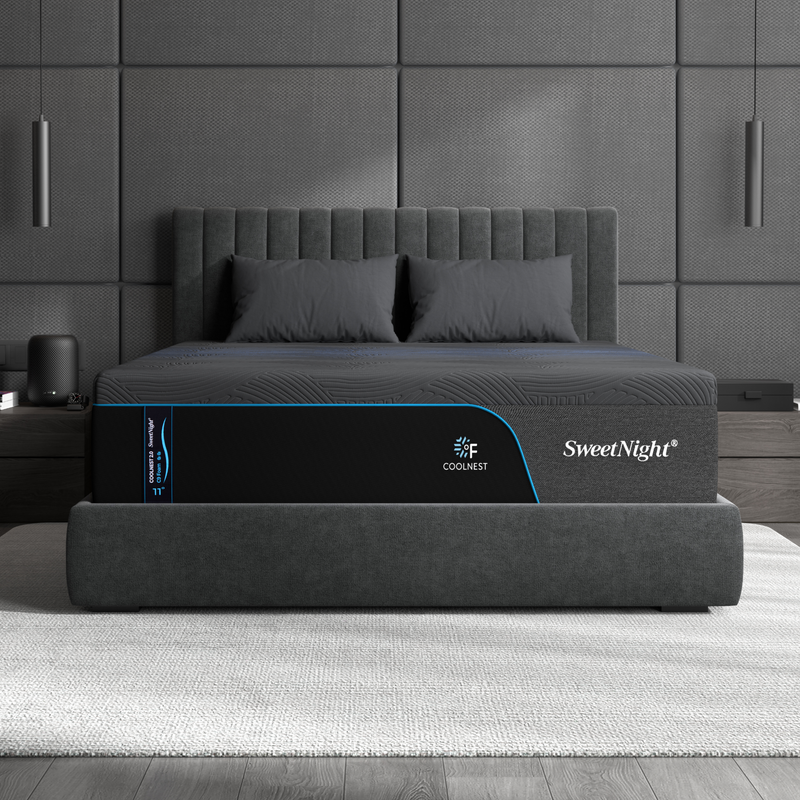
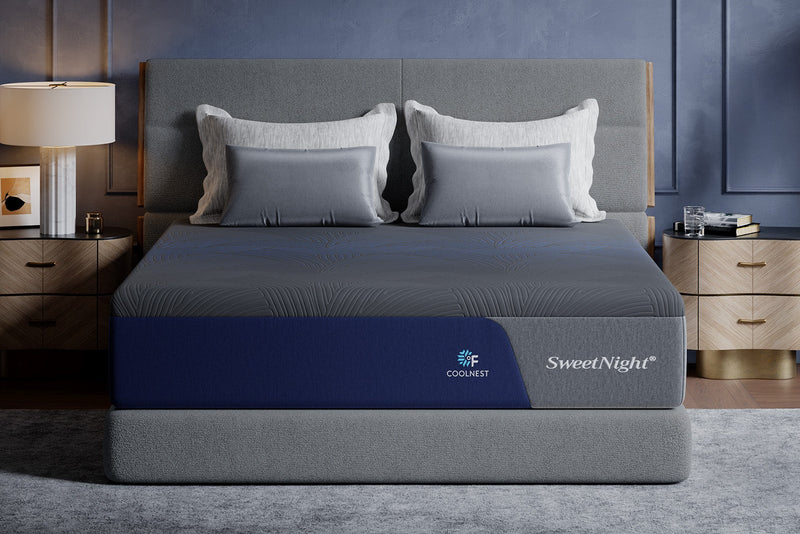
If you're comparing mattresses after reading this, here's where each CoolNest® model fits:
- CoolNest® Hybrid Mattress: pocketed coils under a DuoSense™ pillow top. Pick this one if you want bounce, firm edges and less partner motion.
- CoolNest® Memory Foam Mattress: the lowest-priced model in the range, all-foam with 5-zone support and a breathable 3D-woven cover.
- CoolNest® Pro and CoolNest® Ultra: the step-up foam models, with PCMflux® temperature-regulating foam and 7-zone support. Ultra adds AirMesh™ foam and feels up to 11° cooler.
- Current prices on every size and thickness are on the Fall Sale page, or browse all mattresses.
Frequently Asked Questions About a Bed Causing Allergies
Can my bed really be causing my allergies? Yes, and it's one of the most common hidden causes. Your mattress and bedding are the preferred habitat of dust mites, the leading indoor allergen, and most of your exposure to them happens while you sleep. Mold, pet dander, and pollen in the bed add to the load. If your symptoms are worse at night and on waking and improve when you sleep elsewhere, your bed is a prime suspect.
How do I know if it's dust mites or something else? Dust mite allergy is year-round and tends to peak at night and in the early morning. Pollen-driven symptoms track the seasons and often follow time spent outdoors. Pet symptoms flare when an animal is near or co-sleeps. A new chemical smell points to off-gassing rather than a true allergy. When in doubt, an allergy test gives you a definitive answer.
What temperature kills dust mites in bedding? Hot water of at least 130°F (54.4°C) kills dust mites and washes away their allergens. Warm or cold washes leave the vast majority of mites alive, so the heat matters. If a fabric can't handle hot water, a hot dryer cycle or 24 hours in the freezer will kill them, though you should still wash afterward to remove the allergen.
Do mattress protectors actually help with allergies? They're among the most effective tools available. Allergen-proof, zippered encasements seal dust mites and their droppings away from you, and waterproof protectors keep sweat from feeding mold inside the mattress. Allergists routinely recommend them as a first-line step.
How often should I replace my pillows and mattress to control allergens? Wash pillows every few months and replace them every year or two as fill breaks down and buildup accumulates. Mattresses generally last around 8 to 10 years; if yours is older, holds a musty smell, or your allergies have worsened alongside it, it may be time for a healthier replacement.
Is memory foam bad for allergies? Not inherently, and it can be a good choice. Foam has no woven fibers for mites to nest in the way a feather pillow does, and certified low-VOC foam keeps off-gassing minimal. Look for CertiPUR-US and OEKO-TEX certifications, choose a breathable design that resists moisture, and use a washable cover.
Why are my allergies worse in the morning if it's my bed? Because you've spent the whole night in close, prolonged contact with whatever has settled in your pillow and mattress, breathing it in for hours. Moving and fluffing the bedding also stirs allergens into the air right as you wake. Symptoms then ease through the day as you move away from the source.
Final Thoughts
Your bed should be the one place that helps you recover, not the thing quietly wearing you down each night. When allergies show up in the dark and fade by mid-morning, the fix usually isn't more antihistamines. It's taking a clear-eyed look at what's living in your mattress, your pillow, and your sheets, and changing the conditions that let it thrive.
The pattern is reassuringly consistent: cut the moisture, seal off the mites, wash hot and often, and choose breathable, washable, certified materials. Do that, and most people notice clearer mornings within a few weeks. A bed that stays dry, clean, and well-made stops being a source of allergens and goes back to being what it's supposed to be.
If your current setup is leaving you stuffy, it may be time to rethink it. SweetNight builds breathable, certified mattresses and washable, supportive pillows and bedding designed to stay fresh night after night, so your bed works for your health instead of against it.
This article is for general education and isn't a substitute for medical advice. If you have persistent allergy or asthma symptoms, consult a qualified healthcare professional or allergist who can test for your specific triggers and tailor a treatment plan to you.