























Key Takeaways
- Your shoulder is the joint least built to bear weight, so the wrong firmness pins it all night and turns into morning pain.
- Too firm pushes the shoulder up and pinches it; too soft sags your spine and pulls the shoulder forward — both routes hurt.
- The research points to medium to medium-firm (about 5–6.5 out of 10) as the sweet spot for pressure relief without losing spinal support.
- Side sleepers need a softer surface than the old "firm is supportive" advice suggests, since the shoulder has to sink in to shed pressure.
- Zoned support — softer under the shoulders, firmer under the waist — solves the relief-versus-support trade-off a single firmness can't.
- Body weight changes felt firmness: lighter sleepers need softer, heavier sleepers need a soft top over a strong support core.
- Morning shoulder pain that eases as you move usually means your mattress; constant or injury-driven pain means see a doctor.
- Give any new mattress three to four weeks to break in — which is why a 100-night trial is the only test that truly counts.
You fall asleep fine. Then somewhere around 4 a.m. you roll onto your side and a dull, deep ache settles into the shoulder you're lying on — the kind that takes a hot shower and twenty minutes of stretching to shake off. If that sounds familiar, you've probably blamed your pillow, your posture, maybe an old gym injury. The thing almost nobody checks first is the one surface that's been pressing against that shoulder for seven hours straight: your mattress, and specifically how firm it is.
Firmness gets talked about as a comfort preference, like choosing a soft or crusty bread. For your shoulder, it's closer to a load-bearing engineering decision. A few points on the firmness scale change how deep your shoulder sinks, how much weight stacks onto a joint that wasn't built to carry it, and whether your spine stays level or quietly twists out of line all night. Get it wrong and the most sensitive joint in your sleep posture pays for it every morning.
This guide breaks down exactly why firmness and shoulder comfort are tied together so tightly, what the clinical research actually says, and how to find the firmness that delivers real pressure relief without leaving your spine unsupported. We've spent years testing sleep surfaces with this exact problem in mind, so we'll keep it practical — no jargon for its own sake.
The Real Reason Mattress Firmness and Shoulder Pain Are So Closely Linked
Most people assume back and shoulder pain are two separate problems with two separate causes. They usually aren't. A mattress that crushes your shoulder is, very often, the same mattress quietly straining your lower back — because both come down to one job your bed either does or doesn't do: keeping your spine neutral while you sleep.
Your spine isn't a straight rod. It's a gentle S-curve, and overnight its only task is to hold that shape with nothing sagging and nothing arching. When you lie on your side, your shoulder and your hip are the two widest, heaviest parts of your body. The waist between them dips inward and needs to be held up, or the whole line bends. A good sleep surface pulls off two things at once: it lets the shoulder and hip sink in just enough to relieve pressure, while still propping up the waist so the spine stays level from neck to tailbone.
Firmness is the dial that controls that balance. Too firm and the surface pushes back against the shoulder instead of yielding to it, so the joint takes the full load and your spine gets shoved off-center. Too soft or sagging and your pelvis drops into a hammock, your shoulder rolls forward into a cramped position, and the muscles along your back spend the night clenched, trying to hold you together. Both failures route pain straight to the shoulder. This is the same spinal-alignment logic behind our breakdown of why shoulder pressure is so common for side sleepers — once you see it, the fix stops being mysterious.
Here's how common the underlying problem is. Shoulder pain is the third most frequent musculoskeletal complaint people bring to doctors and physiotherapists, after low-back and neck pain, and it affects roughly one in three adults at some point. Low-back pain is even more widespread — the World Health Organization counted 619 million people living with it in 2020, the single leading cause of disability on the planet, with cases projected to hit 843 million by 2050. A surprising share of those aching mornings start with a sleep surface that stopped holding the spine in line years ago.
Why Your Shoulder Is the First Joint to Complain About the Wrong Firmness

The shoulder gets hit before anything else for a simple reason: of all your major joints, it's the one designed for mobility, not weight-bearing. Your hip sits in a deep socket. Your shoulder hangs from a shallow one — the glenoid — held in place mostly by soft tissue: the rotator cuff tendons, the labrum, the bursa, and a web of small muscles. That design lets you reach behind your back and throw a ball overhead. It also means that when you stack hours of body weight onto it, there's no bony cup to absorb the load. The pressure goes into tissue that's exquisitely sensitive to being compressed.
When you sleep on your side on a surface that's too firm, three things happen to that shoulder in sequence:
- The joint can't sink, so it bears your full upper-body weight on a few square inches. Skin, then bursa, then tendon get pinned between bone and a mattress that won't give.
- Blood flow through those small vessels drops. That's the tingling, numb, "dead arm" feeling people wake up shaking out. It's circulation being choked off, not just stiffness.
- The narrow subacromial space gets pinched. The supraspinatus tendon runs through a tight gap under the bony tip of the shoulder. Compress it night after night and you irritate the exact structures involved in impingement and bursitis — two of the most common causes of chronic shoulder pain.
There's a feedback loop hiding in this, too. Once a shoulder hurts, you instinctively avoid lying on it, which throws you onto the other side or onto your back, which changes your spinal loading and sometimes just relocates the ache. People end up flipping all night chasing a position that doesn't hurt, never sleeping deeply, and waking up convinced they "slept wrong." More often, they slept on the wrong firmness.
This is also why shoulder pain rarely shows up alone. The same too-firm surface that pins your shoulder is forcing your spine into a slight sideways curve, which is why morning shoulder pain and morning lower-back stiffness so often arrive together. They're two symptoms of one cause.
What "Pressure Relief" Actually Means in a Shoulder Pain Mattress
"Pressure relief" is plastered across every mattress listing on the internet, which has more or less drained the phrase of meaning. So let's define it properly, because for a shoulder it's not a vibe — it's a measurable thing.
Pressure relief is a mattress's ability to spread your body weight over a wider contact area so no single point carries too much load. Engineers measure it with pressure-mapping mats: you lie down, and a grid of sensors shows where force concentrates. On a hard surface, a side sleeper's map lights up bright red at the shoulder and hip — small, intense hot spots. On a surface with good pressure relief, those same areas fade to cooler colors because the load has been redistributed across the ribcage, arm, and surrounding tissue instead of pooling on one joint.
The number that matters most is peak interface pressure — the highest pressure at any single point. Lowering the peak under your shoulder is the whole game. It's the difference between waking with a fresh arm and waking with one that's gone numb.
Three material properties drive how well a mattress does this:
| Property | What it does | Why your shoulder cares |
|---|---|---|
| Contouring | How closely the surface molds to your body's shape | A surface that cups around the shoulder spreads load; a flat, stiff one concentrates it |
| Point elasticity | How locally the surface compresses without dragging nearby areas down | High point elasticity lets the shoulder sink while the waist stays supported |
| Surface yield | How readily the top layers give under a bony prominence | Determines whether the shoulder is cradled or propped up and pinched |
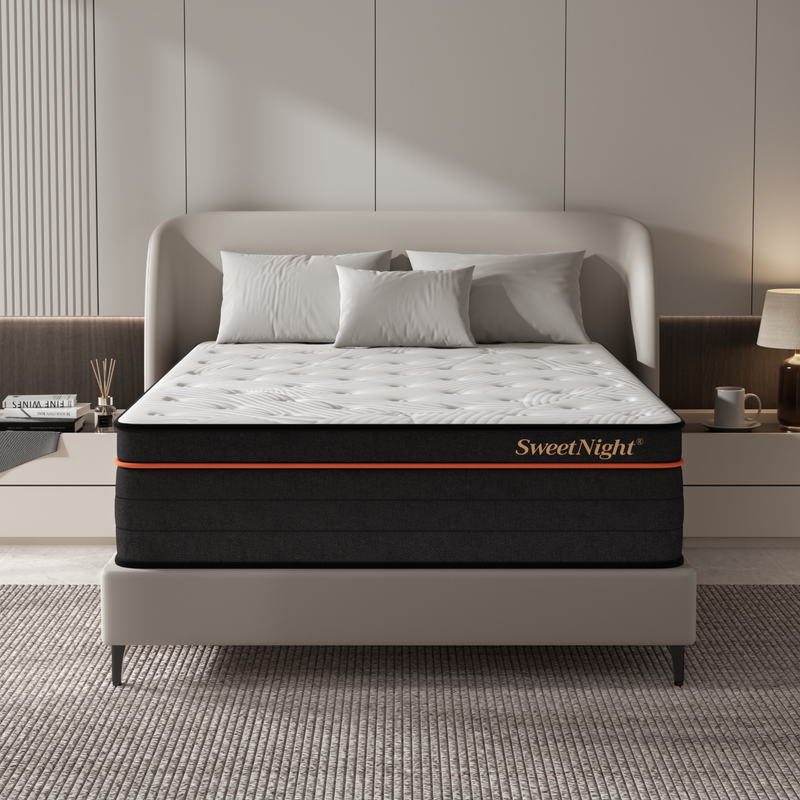
Here's the catch that trips people up: pressure relief and support sound like opposites, but you need both at the same time. A marshmallow-soft mattress gives you wonderful pressure relief and zero support — your spine sags and you trade shoulder pain for back pain. A plywood-firm mattress gives you rock-solid support and no pressure relief — your spine might stay straight while your shoulder screams. The mattresses that solve shoulder pain do the genuinely hard thing: they yield exactly where your shoulder needs them to and hold firm exactly where your waist needs them to. You can see this principle running through SweetNight's pressure-relief mattress lineup, where the comfort layers and support core are tuned to do those two jobs in different zones.
The Firmness Sweet Spot: What the Research Says About Pressure Relief for Shoulder Pain

For decades the standard advice was "sleep on the firmest mattress you can find." It came from orthopedic surgeons — surveys once found about three-quarters of them recommended firm beds for back pain — and it turned out to be wrong for most people. The evidence that overturned it is worth knowing, because it's the backbone of every modern firmness recommendation, including ours.
The landmark study is a randomized, double-blind controlled trial published in The Lancet in 2003 by Kovacs and colleagues. They put 313 adults with chronic low-back pain on either a firm mattress or a medium-firm one for 90 days, with neither the participants nor the assessors knowing which was which. The medium-firm group came out significantly ahead on pain in bed, pain on rising, and daytime disability. The hardest mattress wasn't the best one. The middle of the scale was.
That finding held up as more research piled in. A 2015 systematic review in Sleep Health, the journal of the National Sleep Foundation, pooled controlled trials from 2000 to 2014 and concluded that a mattress subjectively rated medium-firm — or one each sleeper could self-adjust — was optimal for sleep comfort, sleep quality, and spinal alignment. A later review in the Journal of Orthopaedic Traumatology that examined 39 studies reached the same verdict: medium-firm promotes comfort, sleep quality, and spinal alignment better than the extremes at either end.
The physics behind that result is neat. A medium-firm surface is soft enough on top to let the shoulder and hip press in and shed pressure, but firm enough underneath to stop the heavier pelvis from sinking too far. That combination is exactly what keeps the spine neutral — the same condition that protects your shoulder. We dug into this for the question of whether a firm mattress is actually better for your back, and the short answer is the same for shoulders: usually not.
There's also good news about simply replacing a tired old bed. In a study of people who swapped worn mattresses (five years or older) for new medium-firm bedding, participants reported about a 62% drop in shoulder pain along with better sleep quality, and the improvements grew over the following weeks. If your mattress is sagging and old, part of your shoulder ache may simply be that the surface lost its structure.
A practical note on the 1–10 firmness scale, since brands use it loosely (this is the U.S. convention, 1 softest to 10 firmest, with no official standard behind it; the European and Chinese standards, EN 1957 and GB/T 43007-2023, run the scale in reverse, 1 firmest to 10 softest):
- 1–3 (Soft): deep sink, big pressure relief, poor support. Spine sags. Shoulder relief is real but short-lived once your back starts complaining.
- 4–6.5 (Medium-Soft to Medium): the pressure-relief sweet spot for most side sleepers. Shoulder sinks in; waist stays held.
- 6.5–7.5 (Medium-Firm): the all-rounder. Best balance of relief and support for combination sleepers and most adults.
- 8–10 (Firm to Extra-Firm): maximum support, minimal give. Tends to create shoulder hot spots for side sleepers; better suited to stomach sleepers and some heavier back sleepers.
How to Choose Mattress Firmness for Shoulder Pain by Sleeping Position
Your sleep position decides which parts of your body press hardest into the bed, which means it largely decides the firmness you need. Position matters here because the majority of adults — roughly 60 to nearly 70% in recent surveys — sleep mostly on their side, the exact position that loads the shoulder most. A 2024 SSRS national survey put it at 69% side, 19% back, and 12% stomach. If you have shoulder pain, the odds are very high that you're a side sleeper, and that your firmness needs are different from what a back or stomach sleeper would pick.
Here's how the math changes by position:
| Sleep position | Recommended firmness | Why it works for shoulders |
|---|---|---|
| Side sleeper | Medium-Soft to Medium (4–6.5) | The shoulder and hip need room to sink so the spine stays level; a softer top relieves the shoulder hot spot |
| Back sleeper | Medium to Medium-Firm (5–7) | Less shoulder load; the priority shifts to lumbar support without letting hips drop |
| Stomach sleeper | Medium-Firm to Firm (6–8) | Hips must stay lifted to avoid back strain; shoulders carry little weight here |
| Combination sleeper | Medium-Firm (6–7) | A balanced surface that handles position changes without forcing a re-pick each time you roll |
A few things worth flagging within that table.
Side sleepers are the ones most often steered wrong. The old "firm is supportive" instinct pushes them toward an 8 or 9, which is the worst possible choice for a shoulder. On an extra-firm bed the shoulder can't sink at all, so it props the whole upper body up and the spine tilts. That's the setup behind morning arm numbness and the dull shoulder ache people wake up with. If you sleep on your side, you almost always want the surface to give at the shoulder. Our collection built specifically for side sleepers leans into this medium range for that reason.
Combination sleepers face a real trade-off. You can't optimize for one position without slightly compromising another, so medium-firm is the diplomatic answer — soft enough to spare your shoulder when you're on your side, firm enough to hold your hips when you roll to your back. A responsive surface that springs back quickly also helps, because it stops fighting you when you change positions mid-sleep.
If you already have a shoulder injury, there's a workaround independent of firmness: sleep on the non-painful side, hug a pillow to support the top arm, or sleep on your back with a thin pillow under the sore arm. A good mattress reduces the pressure; smart positioning takes the rest off.
For a deeper walk-through aimed at people dealing with both joints at once, our guide to side sleeping with shoulder and hip pain covers the position-specific adjustments in more detail.
Matching Mattress Firmness to Your Body Weight for Better Shoulder Pressure Relief

Two people can buy the identical "medium-firm" mattress and experience it completely differently, and the reason is body weight. Firmness is a rating of the mattress; felt firmness is the result of your weight pressing into it. A 130-pound sleeper barely compresses a medium mattress, so it feels firmer to them. A 240-pound sleeper sinks further into the same bed, so it feels softer. That single fact explains a huge share of "this mattress is nothing like the reviews said" complaints.
For shoulders specifically, weight changes how deep the joint sinks and therefore how much pressure it sheds. Use this as a starting point, then adjust for your position:
| Body weight | Suggested firmness for side sleeping | Notes for shoulder pressure relief |
|---|---|---|
| Under 130 lbs | Soft to Medium-Soft (3–5) | Lighter bodies don't compress foam much; a softer surface is needed for the shoulder to sink in |
| 130–230 lbs | Medium-Soft to Medium (4.5–6.5) | The broad middle; most standard medium-firm beds land right for these sleepers |
| Over 230 lbs | Medium to Medium-Firm (5.5–7) with strong support core | Needs deeper comfort layers for the shoulder plus a robust core so the body doesn't bottom out |
A couple of practical translations:
- If you're lighter and your shoulder hurts on a "medium" bed, it's probably acting too firm for you. A softer feel, or a plush comfort layer, lets the shoulder finally sink. A 2-to-4-inch memory foam topper is the cheapest way to test this before buying a whole new mattress.
- If you're heavier, soft alone will betray you. You need a soft top for shoulder relief sitting on a genuinely supportive core, or you'll sink through to a hammock and trade shoulder pain for back pain. This is where a hybrid's coil support tends to outperform all-foam.
Shoulder breadth plays a quiet role too. Broader-shouldered sleepers displace more at the shoulder than the hip, so they often need a touch more give up top to keep the spine from angling. If your shoulders are wide relative to your waist, err slightly softer than the chart suggests.
Memory Foam vs. Hybrid: Which Gives Better Pressure Relief for Shoulder Pain?
This is the question we get most, and the honest answer is that both can work beautifully — the better choice depends on your weight, how hot you sleep, and whether you share the bed. Let's compare them on the dimensions that actually affect a sore shoulder.
| Factor | Memory Foam | Hybrid (foam + coils) |
|---|---|---|
| Shoulder contouring | Excellent — molds closely, "hugs" the joint | Very good — plush top contours, coils add bounce |
| Pressure-relief feel | Deep, slow, cradling | Cushioned but more responsive |
| Support for heavier bodies | Good with a dense core; can feel "stuck" | Stronger — coils resist bottoming out |
| Temperature | Warmer unless gel/PCM-infused | Cooler — coil layer boosts airflow |
| Motion isolation | Best in class | Good, especially with pocketed coils |
| Ease of moving / repositioning | Slower to respond | Quicker, easier to roll on |
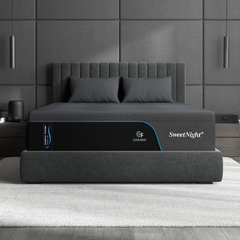
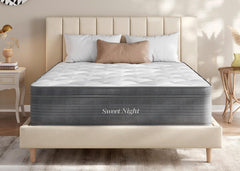
Choose memory foam if you want the deepest, most cushioned pressure relief, you're a light or average-weight side sleeper, you're a light sleeper who wakes when a partner moves, or you simply like that slow, enveloping feel that takes the edge off a tender shoulder. Foam's close contouring is genuinely effective at lowering the peak pressure under the shoulder. SweetNight's CoolNest® Memory Foam Mattress is built around this idea — a medium 6.5/10 feel with a 5-zone layout and cooling foam, so you get the contouring without the heat foam is notorious for. The Prime Memory Foam Mattress is the value pick in the same family.
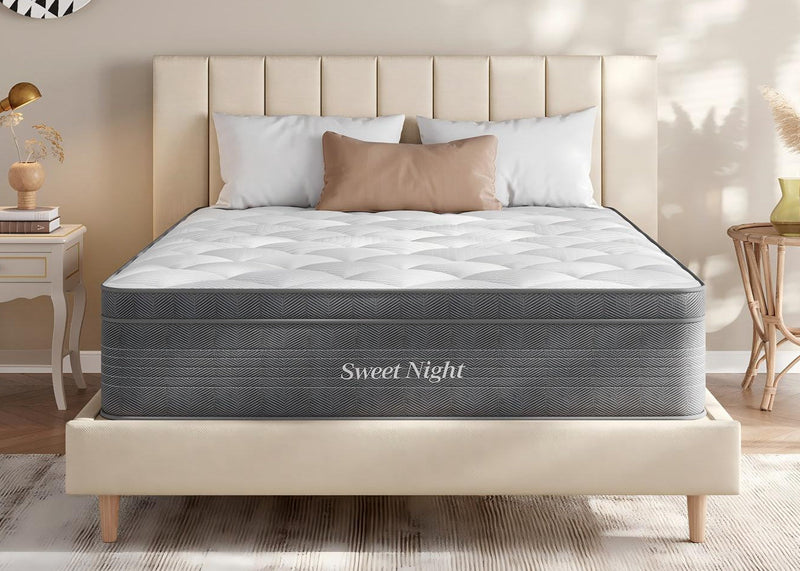
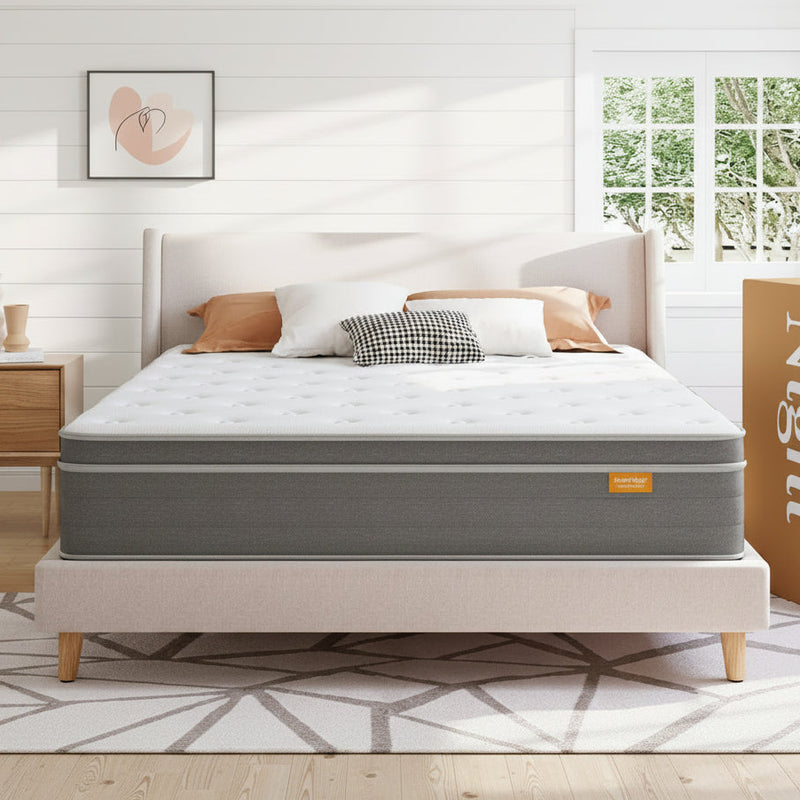
Choose a hybrid if you sleep hot, you're over about 230 pounds, you need edge support to get in and out of bed easily, or you're a combination sleeper who wants to roll without feeling stuck. The coil layer gives heavier shoulders something to push against so they don't sink past the point of support, and the airflow keeps the surface cooler. The CoolNest® Hybrid Mattress pairs a plush pillow-top — for immediate softness right where your shoulder lands — with responsive coils underneath, while the Gloaming Hybrid Mattress leans hard into cooling and motion isolation. For three-zone targeted support aimed at shoulders, hips, and lumbar, the Island Hybrid Mattress is purpose-built for this exact problem.
One myth to put down: hybrids are not automatically firmer or worse for shoulders than foam. A pillow-top hybrid can deliver shoulder relief that rivals all-foam, because the coils handle support while the top layers handle the cushioning. The combination is often the smartest answer for a side sleeper who also runs warm. If you can't decide, browsing the full mattress range side by side, or sorting by feel, is the fastest way to narrow it down.
Why Zoned Support Is the Most Underrated Feature for Shoulder Pressure Relief

If pressure relief and support pull in opposite directions, zoned support is the engineering trick that lets a single mattress do both at once — and it's the feature most worth understanding if your shoulder hurts.
A traditional mattress is uniform: the same firmness from head to toe. Zoned support breaks the surface into bands of different firmness that line up with your body. The shoulder zone is built softer, so the joint sinks and sheds pressure. The lumbar and hip zone is built firmer, so your midsection stays lifted and your spine doesn't bow. Some designs run three zones, others five or seven, but the principle is identical: put softness where the body is wide and heavy at the contact point (shoulders), and firmness where the spine needs holding up (waist and hips).
Why does this matter so much for shoulders specifically? Because a one-size firmness always shortchanges one end of the trade. Pick a uniform firmness soft enough for your shoulder and your hips sink. Pick one firm enough for your hips and your shoulder gets pinned. Zoning sidesteps the whole compromise by refusing to use a single number. It's the closest thing to having a softer mattress under your shoulder and a firmer one under your back at the same time.
In practice, look for these zoned features when shopping for shoulder relief:
- A dedicated softer shoulder zone — the top section of the comfort layer engineered to yield more than the rest.
- A reinforced lumbar/hip zone — firmer foam or stronger coils through the middle to stop the pelvis dropping.
- A smooth transition between zones — abrupt firmness jumps can create a pressure ridge; good designs blend them.
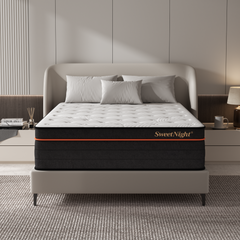
SweetNight's CoolNest® models use a 5-zone ergonomic layout — softer under the shoulders, firmer under the waist — for precisely this reason, and the Island Hybrid uses a 3-zone version targeting shoulders, hips, and lower back. If "5-zone" or "targeted support" appears in a spec sheet, that's the mattress telling you it was designed with the shoulder-versus-spine trade-off in mind.
Signs Your Current Mattress Is Causing Your Shoulder Pain
Before you spend on anything new, it's worth confirming the bed is actually the culprit. These are the patterns that point at the mattress rather than at an injury or a daytime habit:
- Your shoulder hurts most in the morning and eases as the day goes on. Pain that's worst right when you wake and fades after you're up and moving is the signature of overnight pressure, not a structural shoulder problem.
- The ache is on whichever side you slept on. If it tracks the side you were lying on, the surface is compressing that joint.
- You wake with a numb or tingling arm. That's circulation being choked off by sustained pressure — a near-certain sign the shoulder isn't shedding load.
- You toss and flip all night chasing a comfortable spot. Restless repositioning usually means no position feels right, which usually means the firmness is off.
- You sleep noticeably better in hotel beds or a guest room. A reliable tell. If a different mattress fixes it, yours is the problem.
- Your mattress is sagging, lumpy, or over seven or eight years old. Worn foam and fatigued coils lose the structure that kept your spine neutral. The sag itself becomes the pressure point.
- There's a visible body impression that doesn't bounce back. Once a mattress holds the shape of where you lie, it's pulling your shoulder into a divot every night.
If three or more of these ring true, your firmness — or your mattress's age — is very likely feeding the pain. The encouraging part is that this is one of the more fixable causes of shoulder discomfort. You're not waiting on surgery or months of physical therapy; you're changing the surface underneath you.
Beyond Firmness: Pillows, Toppers, and Arm Position That Ease Shoulder Pressure

Firmness is the biggest lever, but it isn't the only one. A few cheap adjustments can take a mattress that's close to right and make it genuinely comfortable for a sore shoulder — and sometimes they fix the problem on their own.
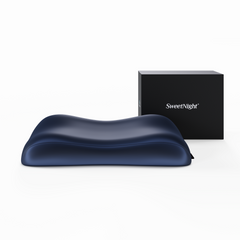
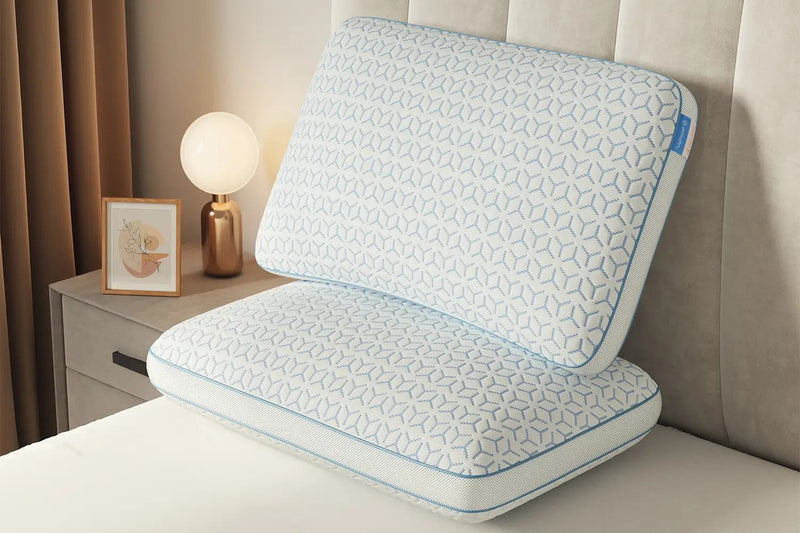
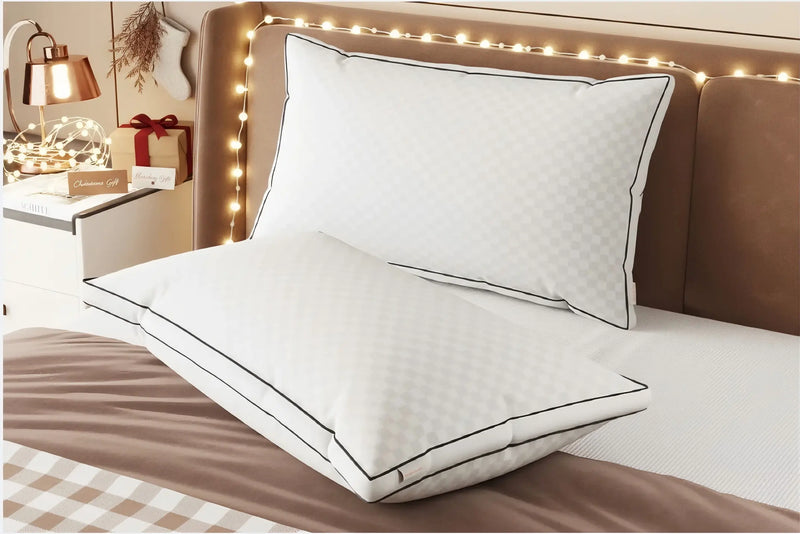
Pillow height is the most overlooked culprit, and the cheapest to fix. When you side-sleep, the gap between your ear and the outside of your shoulder needs to be filled exactly, so your neck stays level with your spine. A pillow that's too flat lets your head drop and your top shoulder roll forward into a cramped position; one that's too tall cranks your neck the other way and tightens everything down the shoulder. Match the pillow loft to your shoulder width. Broad-shouldered side sleepers need a taller pillow than they think.
A topper can shift the firmness without a new mattress. If your bed feels too firm and your shoulder pays for it, a 2-to-4-inch memory foam mattress topper adds a cushioning layer right at the contact point. It's the lowest-cost experiment in this whole guide — if the topper fixes your shoulder, you've learned your mattress was simply too firm, and you've solved it for a fraction of the price.
Arm and pillow positioning relieves pressure the mattress can't reach:
- Side sleepers: hug a body pillow or a regular pillow so your top arm rests on it instead of dragging your shoulder forward. Keep the bottom arm extended in front of you, not trapped under your torso.
- Back sleepers: slide a thin pillow under the sore arm so the shoulder isn't left unsupported and rotating backward.
- Either way: a pillow between or under the knees keeps the hips stacked, which keeps the spine — and the shoulder at the top of that chain — in better line.
Temperature matters more than people expect. If you run hot, you wake and shift more, and every shift reloads the shoulder. A cooler surface means deeper, stiller sleep, which means less repositioning onto a tender joint. That's part of why a cooling mattress or a cooling topper can indirectly help shoulder comfort — not by changing pressure, but by keeping you asleep in one good position longer.
How to Test a Mattress for Shoulder Pressure Relief Before You Buy
You can't fully judge a mattress in a five-minute showroom lie-down, and you definitely can't judge it from a photo online. But there are reliable ways to test for shoulder relief — and one feature that makes the whole question low-risk.
The hand-under-the-waist test. Lie on your side in your normal sleep position. Reach down and try to slide your hand into the gap between your waist and the mattress. If there's a big gap, the surface is too firm — your waist isn't being supported and your shoulder is bearing too much. If you can't get your hand in at all and you feel like you're sinking, it's too soft. A small gap with light contact is the sweet spot.
The shoulder-sink check. On your side, your shoulder should press in enough that you don't feel a sharp point of contact, but not so far that your arm goes dead within minutes. If you feel a distinct pressure point at the shoulder right away, the bed is too firm for you. If your shoulder disappears into the surface and your spine curves, too soft.
The spinal-line look. Have someone glance at you from behind while you side-sleep. Your spine should run in a straight, level line from the back of your neck to your tailbone. If it bows up toward the ceiling, the bed's too firm and pushing your shoulder up. If it sags toward the floor, too soft.
Give it real nights, not minutes. Foam and coils take time to break in, and your body takes about three to four weeks to adapt to a new surface. Early stiffness on a new mattress is common and usually fades. This is exactly why a long, genuine sleep trial beats any in-store test.
That's the feature that de-risks the whole decision: a 100-night trial. Every SweetNight mattress comes with one, plus free shipping and a 10-year warranty, so you can sleep on it through a full adjustment period in your own bedroom and send it back for a refund if your shoulder isn't happier. Pressure relief is personal — your weight, your shoulder width, your position all factor in — so the only test that truly counts is weeks of your own sleep. If you're still torn between models, our best mattress for shoulder pain page lays out the options side by side with that trial attached to all of them.
When Shoulder Pain Isn't About Your Mattress (And When to See a Doctor)
A new mattress fixes the pressure-driven, wake-up-stiff kind of shoulder pain. It does not fix a torn rotator cuff, frozen shoulder, arthritis, or a pinched nerve — and it's important to know the difference so you don't keep buying bedding for a problem that needs a clinician.
See a doctor or physical therapist if any of these apply:
- The pain is severe, or it's lasted more than a few weeks without improving.
- It comes with weakness, significant loss of motion, or you can't lift your arm overhead.
- There's numbness or tingling that radiates down the arm and doesn't resolve after you're up and moving (overnight numbness that clears within minutes is more likely pressure-related).
- The pain followed a fall, lift, or specific injury.
- It gets worse with rest or wakes you from deep sleep regardless of position.
- You see swelling, redness, or warmth around the joint.
A helpful rule of thumb: pain that's worst in the morning and eases through the day points toward your sleep surface. Pain that's constant, activity-driven, or worsening points toward something the mattress can't address. Plenty of people have both — a genuine shoulder condition that an unsupportive bed makes worse every night. In that case a better mattress won't cure the underlying issue, but it removes a nightly aggravator and lets the other treatment actually work. There's no harm in optimizing your sleep surface while you sort out the medical side; there's real harm in ignoring a tear because you assumed it was your bed.
If you're comparing mattresses after reading this, here's where each CoolNest® model fits:
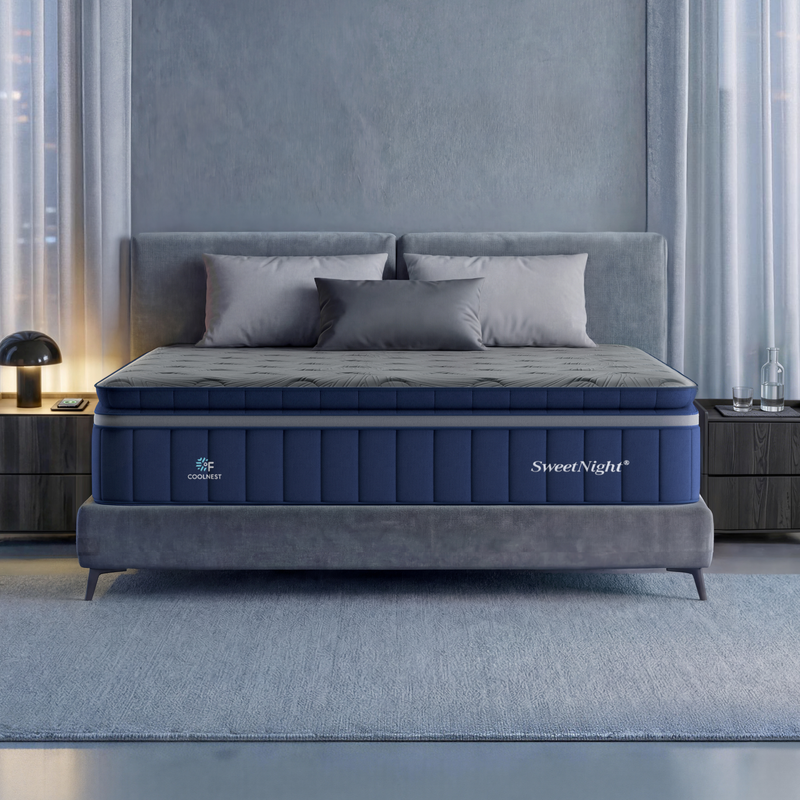
- CoolNest® Hybrid Mattress: pocketed coils under a DuoSense™ pillow top. Pick this one if you want bounce, firm edges and less partner motion.
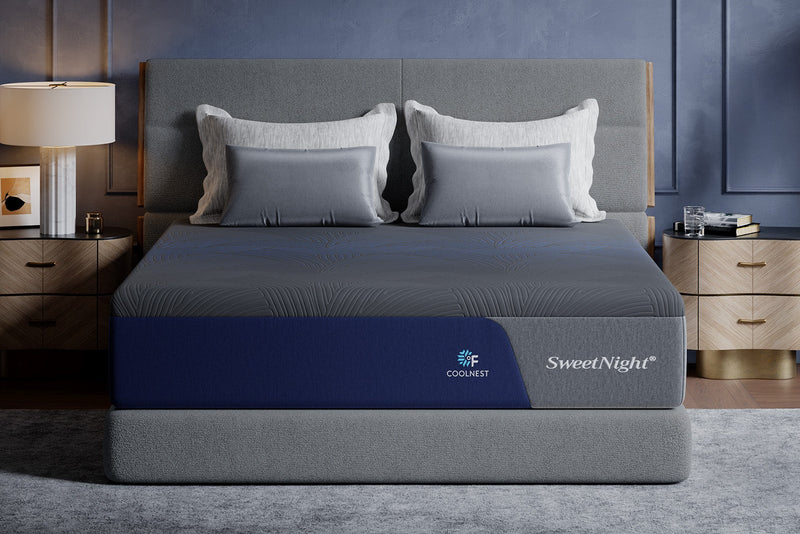
- CoolNest® Memory Foam Mattress: the lowest-priced model in the range, all-foam with 5-zone support and a breathable 3D-woven cover.
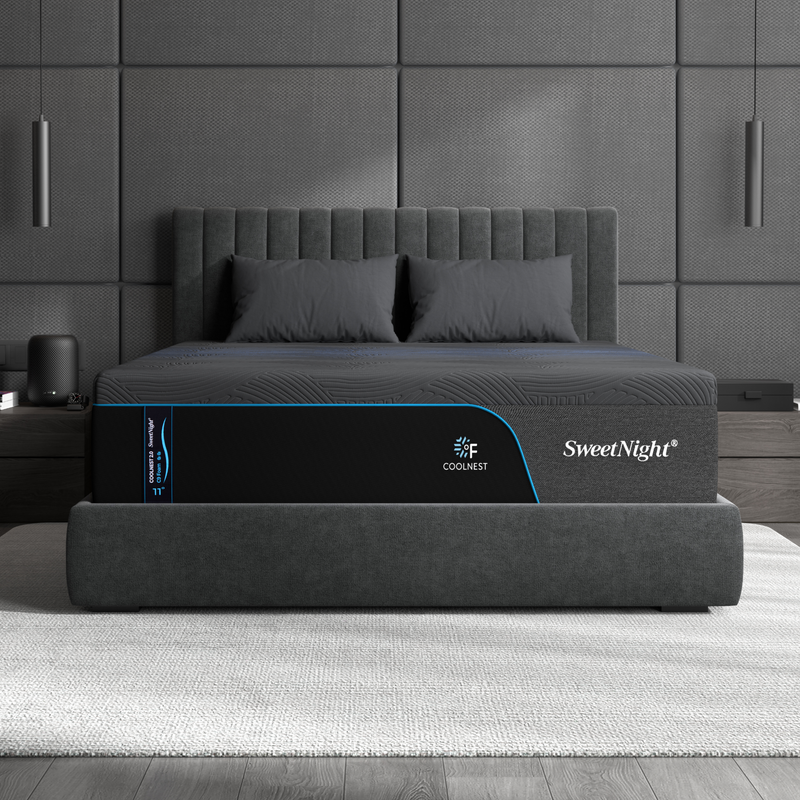
- CoolNest® Pro and CoolNest® Ultra: the step-up foam models, with PCMflux® temperature-regulating foam and 7-zone support. Ultra adds AirMesh™ foam and feels up to 11° cooler.
- Current prices on every size and thickness are on the Fall Sale page, or browse all mattresses.
Frequently Asked Questions About Mattress Firmness and Shoulder Pain
Is a soft or firm mattress better for shoulder pain? For most people with shoulder pain — who tend to be side sleepers — neither extreme. A medium to medium-firm mattress (around 5 to 6.5 out of 10) is the research-backed sweet spot. It's soft enough on top for the shoulder to sink in and shed pressure, but supportive enough underneath to keep your spine level. Too firm pins the shoulder; too soft sags the spine and trades shoulder pain for back pain.
Can my mattress really cause shoulder pain? Yes. A surface that's too firm concentrates your upper-body weight on the shoulder joint, choking circulation and irritating the tendons and bursa. A too-soft or sagging one lets your spine bow and pulls the shoulder forward. The tell is timing: if your shoulder hurts most when you wake and eases as you move, the mattress is a likely cause.
Why does my shoulder go numb when I sleep on my side? That numb, tingly "dead arm" is sustained pressure cutting blood flow through the small vessels in your shoulder, usually because the surface is too firm to let the joint sink in. A softer comfort layer, a topper, or a pillow to support your top arm typically resolves it. If it persists after you're up and moving, mention it to a doctor.
Is memory foam or a hybrid better for shoulder pain? Both work. Memory foam contours closely and gives the deepest cushioned relief — ideal for lighter and average-weight side sleepers and light sleepers. Hybrids stay cooler, support heavier bodies better, and are easier to move on — ideal if you sleep hot, weigh over about 230 pounds, or change positions a lot. A pillow-top hybrid can match foam's shoulder relief while sleeping cooler.
What firmness should a side sleeper with shoulder pain choose? Most side sleepers do best in the medium-soft to medium range (4 to 6.5 out of 10). Avoid extra-firm beds — they're the most common cause of side-sleeper shoulder pressure and morning arm numbness. Adjust softer if you're lighter or broad-shouldered, slightly firmer if you're heavier and need a stronger support core.
How long before a new mattress helps my shoulder? Give it three to four weeks. Your body needs time to adjust, and foam and coils need time to break in, so some early stiffness is normal and usually fades. This is why a 100-night sleep trial matters — it lets you judge the mattress over a real adjustment window instead of a few minutes.
Will a mattress topper fix shoulder pain on a too-firm bed? Often, yes — if firmness is the only problem. A 2-to-4-inch memory foam topper adds cushioning right where your shoulder presses in, effectively softening the surface. It won't rescue a sagging, worn-out mattress (that's a structural problem), but on a firm bed that's otherwise sound, it's the cheapest fix worth trying first.
How do I know if it's my mattress or an actual shoulder injury? Mattress-related pain is worst in the morning, tied to the side you slept on, and eases once you're up. Injury-related pain tends to be constant, activity-driven, comes with weakness or limited motion, or follows a specific incident. If your pain fits the second pattern, lasts more than a few weeks, or includes radiating numbness, see a clinician.
The Bottom Line
Mattress firmness shapes shoulder comfort far more than most people realize, because the shoulder is the joint least equipped to handle being pinned under your own weight all night. Too firm and it bears a load it can't shed; too soft and your spine bows and drags the shoulder out of line. The research is unusually consistent that the answer lives in the middle — a medium to medium-firm surface that lets your shoulder sink while it holds your waist up, ideally with zoned support that handles both jobs at once.
You don't have to guess your way there. Match firmness to your sleep position and body weight, look for a softer shoulder zone over a supportive core, dial in your pillow height, and give any new surface a few weeks to prove itself. If your mornings have been starting with a deep ache in whichever shoulder you slept on, the fix may be a good deal simpler — and a good deal closer — than you thought. Start with the surface, and your shoulder will usually tell you fairly quickly whether you got it right.
This article is for general education and isn't a substitute for medical advice. If you're dealing with severe, persistent, or injury-related shoulder pain, please see a qualified healthcare professional.