Key Takeaways
- Side sleeping is the most popular position in the world, yet it loads almost your entire upper-body weight onto one shoulder for hours at a time.
- The lateral position produces more pressure under the tip of the shoulder than any other sleeping posture, which is why side sleepers report shoulder pain so often.
- A mattress causing back pain is usually the same mattress crushing your shoulder, because both problems trace back to one thing: a sleep surface that fails to keep your spine neutral.
- Too firm pushes back against your shoulder and hip and creates pressure points. Too soft lets your midsection sink and bends your spine. The research points to medium-firm as the sweet spot for most people.
- The wrong pillow height is one of the most common and most overlooked causes of side-sleeping shoulder pain, and it is the cheapest thing to fix.
- Most nighttime shoulder pain improves with simple changes to your mattress firmness, pillow loft, and arm position, but pain that lingers past a few weeks or comes with weakness deserves a doctor's attention.
You fall asleep on your side without a second thought. Most of us do. Then you wake up with a dull, deep ache in the shoulder you were lying on, the kind that takes twenty minutes and a hot shower to loosen. If that sounds familiar, you are in very good company, and the reason is more mechanical than mysterious.
Side sleeping is comfortable and, for many people, genuinely good for health. It also asks a lot of a joint that was never built to bear weight for eight hours straight. This guide breaks down exactly why shoulder pressure shows up so often in side sleepers, how it connects to the lower-back pain so many of the same people feel, and what actually fixes it. We will get into the anatomy, the research, the role your mattress and pillow play, and a practical plan you can use tonight.
Why Side Sleeping Is So Common (and So Hard on Your Shoulders)
If you sleep on your side, you are part of the majority. According to Northwestern Medicine, more than 60% of adults sleep in the lateral position, and some sleep-lab measurements put the share of people who drift onto their side even higher once they are actually asleep. We gravitate toward it for good reasons. The position can ease snoring, calm acid reflux, and it is the position obstetricians recommend during pregnancy because it improves blood flow to the baby.
Here is the catch. The shoulder is the most mobile joint in the human body, and mobility is the opposite of stability. The head of the upper arm bone sits in a shallow socket, held in place mostly by soft tissue: a ring of cartilage, a capsule, and the four muscles and tendons of the rotator cuff. That design is brilliant for throwing, reaching, and lifting. It is poorly suited to acting as a load-bearing pillar.
When you roll onto your side, that is exactly the job you hand it. The weight of your head, your arm, and a good portion of your torso presses down through a small contact patch at the point of the shoulder. Multiply that by seven to nine hours, night after night, and you have a recipe for irritation in tissues that prefer to glide freely.
A few things make the load worse than it needs to be:
- You barely move. People reposition far less during deep sleep, especially as they get older. Less movement means the same tissues stay compressed for long stretches instead of getting relief.
- Your shoulders are wider than your waist. That width creates a gap between the side of your shoulder and the mattress that something has to fill. If your bed and pillow do not fill it correctly, your joint takes the strain.
- Your mattress fights you. A surface that is too firm refuses to let the shoulder sink in, so it concentrates pressure right where you do not want it.
None of this means side sleeping is bad. It means side sleeping has a specific weak point, and once you understand that weak point, you can engineer around it.
What Happens to Your Shoulder When You Sleep on Your Side
To fix shoulder pressure, it helps to picture what is being squeezed. Lie on your side and the architecture of your shoulder gets caught in a vise between two hard things: the floor of your bed below and the weight of your own thorax above.
The structure most often caught in that vise is the rotator cuff, specifically where its tendons pass through a narrow tunnel beneath a bony shelf called the acromion. There is a small fluid-filled cushion in there, the subacromial bursa, whose entire purpose is to reduce friction. Compress that space for hours and the bursa and tendons get pinched, inflamed, and sore. This is the mechanism behind a huge share of nighttime shoulder complaints.
The pressure is not theoretical. Researchers who measured the load inside the shoulder across different sleeping positions found that the side-lying (decubitus) posture generates the most subacromial pressure of any common sleep position, a finding summarized in a clinical study on rotator cuff tears and sleep posture. In plain terms: of all the ways you can lie down, sleeping on your shoulder squeezes it the hardest.
Here is what is actually being loaded when you sleep on your side:
| Shoulder structure | What it does | What side sleeping does to it |
|---|---|---|
| Rotator cuff tendons | Stabilize and move the arm in the socket | Get compressed and rubbed against the acromion, leading to irritation or microtears over time |
| Subacromial bursa | Cushions and reduces friction under the bony shelf | Gets pinched, inflames, and produces a deep, achy night pain |
| Glenohumeral joint capsule | Holds the ball in the shallow socket | Sustained pressure can stiffen it, contributing to morning tightness |
| AC joint (top of the shoulder) | Connects collarbone to shoulder blade | Direct weight-bearing aggravates existing arthritis or wear |
| Surrounding nerves and blood vessels | Supply the arm | Compression can produce numbness, tingling, or a "dead arm" feeling |

That last row explains why so many side sleepers wake up to a numb or tingling arm. You have not damaged anything permanently. You have simply parked your body weight on top of a nerve and cut off its signal for a while, the same way your foot falls asleep when you sit on it.
The takeaway from the anatomy is simple. Side-sleeping shoulder pain is mostly a pressure problem, not a movement problem. Solve the pressure and you solve most of the pain.
The Evidence Linking Side Sleeping and Shoulder Pain
The connection between how you sleep and how your shoulder feels is not folklore. It shows up clearly in the research.
Shoulder pain is one of the most common reasons people see a doctor for a musculoskeletal complaint, and chronic shoulder pain affects roughly 8% of the general population, second only to chronic knee pain among aging adults, per the same body of clinical research. It is widespread, and sleep posture keeps turning up as a factor.
The most striking number comes from a study of patients with confirmed rotator cuff tears. Among that group, 89.7% were habitual side sleepers. That is not proof that side sleeping tears rotator cuffs on its own, since age, smoking, and body weight all play a role. But it is a powerful pattern, and it lines up with everything we know about pressure inside the joint.
There is also the matter of which shoulder hurts. A "postural theory" of shoulder pain, laid out in research indexed on PubMed, proposes that prolonged pressure during side sleeping is itself a cause of shoulder pain, not just a consequence of it. The supporting clue is laterality: when researchers compared which side people slept on against which shoulder hurt, the two matched up far more often than chance would predict. People with one-sided shoulder pain tend to be sleeping on that exact side. One frequently cited study of patients seeking care for shoulder pain found that roughly two out of three were sleeping on the painful shoulder.
Why does this matter for you? Because it flips the usual assumption. Many people believe their shoulder hurts at night because it is already injured. Often the order is reversed, or at least circular. The position contributes to the problem, the problem makes the position painful, and the cycle feeds itself. Break the cycle by changing the mechanics of how you lie down, and you stop adding fuel to the fire every single night.
This is also the bridge to a problem that travels with shoulder pressure more often than most people realize: pain in the lower back.
How a Mattress Causing Back Pain Is Often the Same Mattress Hurting Your Shoulders
Here is something that surprises people. The shoulder ache you feel on your side and the lower-back stiffness you feel in the morning usually have the same root cause. A mattress causing back pain and a mattress causing shoulder pressure are, very often, the same mattress. Once you see why, the fix becomes obvious.
Your spine is not a straight rod. It is a gentle S-curve, and its job during sleep is to stay in that neutral shape with no part of it sagging or arching. When you lie on your side, your shoulder and your hip are the two widest, heaviest parts of your body, and the space between them (your waist) needs to be supported so your spine stays level from neck to tailbone. A good sleep surface does two jobs at once: it lets the shoulder and hip sink in just enough to relieve pressure, while still holding up the waist so the spine does not bow.
When a mattress gets this balance wrong, it fails in one of two directions, and both hurt.
Too firm. A hard surface will not let your shoulder and hip sink. Instead of cradling those joints, it pushes back against them. The result is exactly the pressure point we have been talking about, plus a spine that is propped up at the shoulder and hip but unsupported through the waist. You get shoulder pain and a low back that aches by morning.
Too soft or sagging. A surface that has lost its support lets your heaviest region, the pelvis, drop too far. Your spine sags into a hammock shape, your shoulder rolls forward into a cramped position, and the muscles along your back spend the night under tension trying to hold things together. By 4 a.m. that tension reads as a dull, throbbing ache.

The research backs this up with unusual clarity. In a landmark randomized, double-blind trial published in The Lancet, Kovacs and colleagues followed 313 adults with chronic low-back pain who slept for 90 days on either a firm mattress or a medium-firm one. The medium-firm group had significantly better outcomes for pain in bed, pain on rising, and daytime disability. The decades-old advice to "sleep on the hardest mattress you can find" turned out to be wrong for most people.
There is a neat physics reason behind that result. A finite-element analysis of mattress firmness found a genuine tradeoff: as a foam gets softer, the contact pressure on the body drops (good for your shoulder), but spinal distortion tends to rise (bad for your back). Push too far in either direction and something suffers. The middle ground, a surface that contours at the contact points while still supporting the spine, is what threads the needle for both problems at once.
That is the whole game for side sleepers. You are not choosing between shoulder relief and back support. You are looking for the one firmness that delivers both, which for most adults lands in the medium to medium-firm range. If your current bed is forcing you to pick a side, it is part of the problem. Our complete guide to the best mattress for back pain walks through the spinal-alignment science in more depth, and it applies just as much to your shoulders as it does to your lumbar spine.
To put the failure modes side by side:
| If your mattress is... | Your shoulder feels... | Your back feels... | Why |
|---|---|---|---|
| Too firm | Sharp pressure, numbness, "dead arm" | Achy lower back, unsupported waist | Joints can't sink; spine is propped up unevenly |
| Too soft or sagging | Cramped, rolled-forward, sore | Throbbing lower-back stiffness | Pelvis sinks; spine bows into a hammock |
| Medium-firm and supportive | Cushioned and relaxed | Neutral and pain-free | Contours at shoulder and hip; supports the waist |
For perspective on scale, low-back pain is not a niche complaint. The World Health Organization reports that 619 million people lived with low-back pain in 2020, making it the single leading cause of disability on the planet, with cases projected to reach 843 million by 2050. A surprising number of those aching mornings start with a sleep surface that lost the ability to keep the spine neutral. The same surface, very often, is the one mashing your shoulder.
Signs Your Mattress Is Causing Back Pain and Shoulder Pressure
So how do you know whether your bed is the culprit and not, say, your desk chair or last weekend's workout? A few patterns point straight at the mattress.
The clearest tell is timing. If your pain is at its worst in the first fifteen to thirty minutes after you wake up and then eases as you move around, your sleep surface is the prime suspect. Pain from a true injury or a disc problem usually behaves the opposite way: it sticks around or gets worse with activity.
Watch for these signals:
- You wake up stiff and loosen up by mid-morning. Classic sign of a surface that held your spine out of neutral all night.
- The soreness matches your contact points. For side sleepers, that means shoulders and hips. Pain concentrated exactly where you press into the bed points to a pressure-relief failure.
- You sleep better somewhere else. If hotel beds or a guest room leave you feeling noticeably better, your own mattress is almost certainly part of the problem.
- You can see a body impression or a dip. Strip the sheets and look across the surface from the side. A visible valley where you sleep means the support layers have broken down.
- You toss and turn more than you used to. Restlessness is often your body unconsciously hunting for a position that does not exist on a worn-out surface.
- Your mattress is more than seven to ten years old. Foams soften, coils lose tension, and support quietly erodes even when nothing looks obviously wrong.
On that last point, age matters more than people think. Sleep specialists generally recommend reassessing a mattress around the seven-to-ten-year mark, and clinical research found that people who replaced beds averaging 9.5 years old with new medium-firm models reported markedly less back pain and better sleep within about a month. Materials have a service life, and so does the support your spine depends on.
There is a thirty-second home test for sagging. Lay a broomstick or a long straight edge flat across the surface of your bare mattress. If you can see daylight between the stick and the mattress in the middle, the support core has compressed and the bed is no longer doing its job.
One more thing worth ruling out before you blame the mattress: your foundation. A bed frame with bowed slats or gaps wider than about three inches, or a tired box spring with soft spots, will sabotage even a good mattress. Press down on the slats with your hand. If they give noticeably, fix the base first. It is far cheaper than a new bed.
Why Pillow Loft Is the Most Overlooked Fix for Side Sleepers
If you remember one underrated lever, make it this one. Your pillow has an outsized effect on side-sleeping shoulder pain, and it is the single cheapest thing to change.
When you lie on your side, your head sits well above the mattress because your shoulder holds it up. The gap between the side of your head and the bed equals roughly the width of your shoulder, and your pillow exists to fill that gap precisely. Get it right and your neck stays in line with the rest of your spine. Get it wrong and a chain of tension runs from your neck down through your shoulder and into your upper back.
The numbers fall into a fairly tight range. Side sleepers generally need a higher loft than back or stomach sleepers, on the order of four to six inches (about 10 to 14 cm), to keep the cervical spine level. Too flat and your head tilts down toward the mattress, jamming the shoulder. Too thick and your head props up, straining the neck the other way. A controlled study published in the Journal of Manipulative and Physiological Therapeutics tested foam pillows at 5 cm, 10 cm, and 14 cm and found that a medium height produced the best balance of comfort and reduced neck-and-shoulder muscle activity for side sleepers.
| Sleep position | Target pillow loft | Goal |
|---|---|---|
| Side | 4 to 6 inches (10 to 14 cm), often firmer | Fill the shoulder-to-ear gap; keep neck level |
| Back | 3 to 5 inches (7 to 12 cm), medium | Support the neck's curve without pushing the head forward |
| Stomach | Very thin or none | Avoid arching the neck upward |

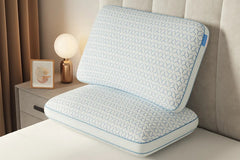
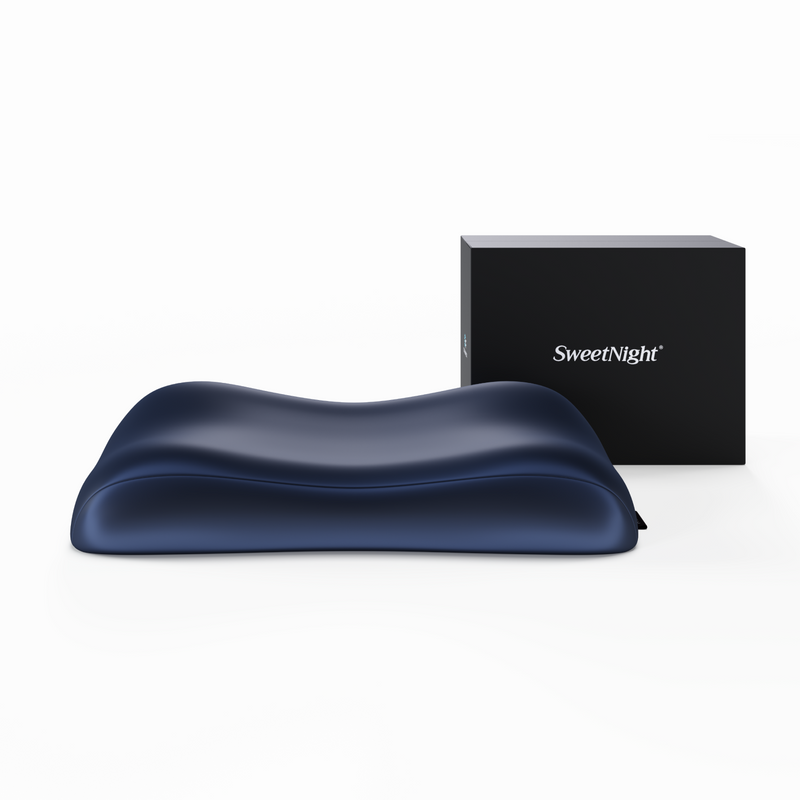
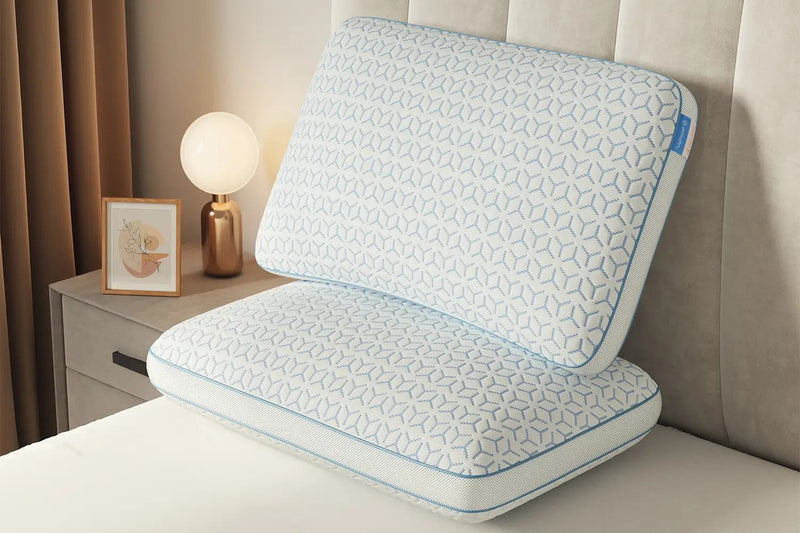
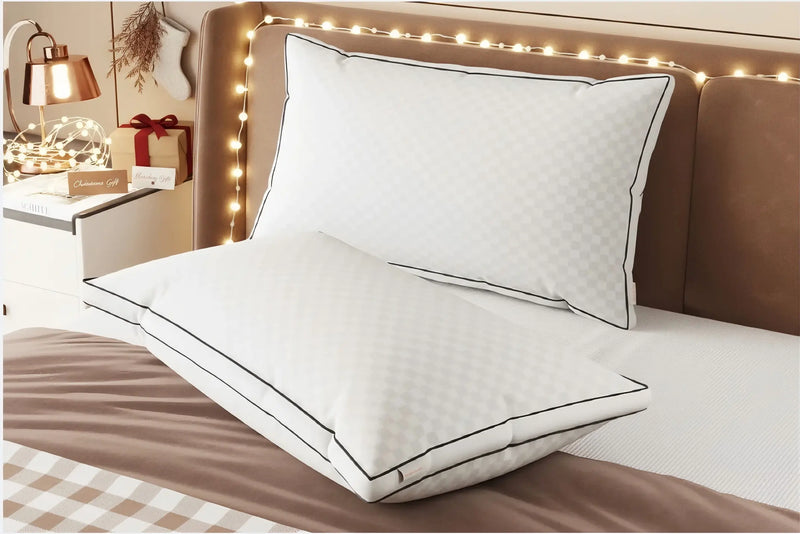
This is exactly why adjustable pillows are so useful for side sleepers. Shoulder width varies from person to person, and a pillow you can tune to your own gap beats committing to one fixed height. A shredded memory-foam design lets you add or remove fill until your head sits perfectly level. SweetNight's adjustable shredded memory foam pillows are built around that idea, and the cooling pillow with a removable, customizable loft lets broader-shouldered sleepers dial in the extra height they need while staying cool through the night.
If you have not replaced your pillow in two years, or you have never matched its height to your sleep position, start here before you do anything else. It is the cheapest variable in your entire setup and a more common cause of upper-back and shoulder pain than the mattress itself.
Shoulder Conditions That Side Sleeping Can Make Worse
Most side-sleeping shoulder pain is simple compression that resolves once you fix the mechanics. Sometimes, though, sleep posture is layering on top of an underlying condition and making it worse. Knowing the usual suspects helps you tell ordinary morning stiffness from something that warrants a closer look.
| Condition | What it is | How side sleeping affects it |
|---|---|---|
| Rotator cuff tendinopathy or tears | Irritation, wear, or tearing of the cuff tendons | Direct compression aggravates the tendons; strongly associated with habitual side sleeping |
| Shoulder impingement | Cuff tendons pinched under the acromion | Side-lying narrows the space further, triggering deep night pain |
| Subacromial bursitis | Inflammation of the cushioning bursa | Hours of pressure inflame the bursa, producing a throbbing ache |
| Frozen shoulder (adhesive capsulitis) | The joint capsule stiffens and tightens | Lying on it intensifies pain and stiffness, and night pain is a hallmark symptom |
| AC joint arthritis | Wear at the joint on top of the shoulder | Bearing weight on the joint flares the pain |
A useful pattern to know: night pain is one of the defining features of rotator cuff problems and frozen shoulder. If your shoulder is fine during the day but consistently wakes you at night, that is a meaningful clue, not background noise. It does not automatically mean a tear, but it does mean the joint is irritated enough that you should both protect it at night and, if it persists, get it assessed.
The encouraging part is that even when one of these conditions is present, sleep mechanics still matter enormously. You cannot reverse arthritis by changing your pillow, but you can stop hammering an already-sore joint for eight hours every night, which often takes the edge off the pain and helps the tissue calm down.
How to Sleep on Your Side Without Shoulder Pain
Here is the practical part. Most people can keep sleeping on their side and still wake up comfortable by changing a handful of things. None of this requires giving up the position you love.
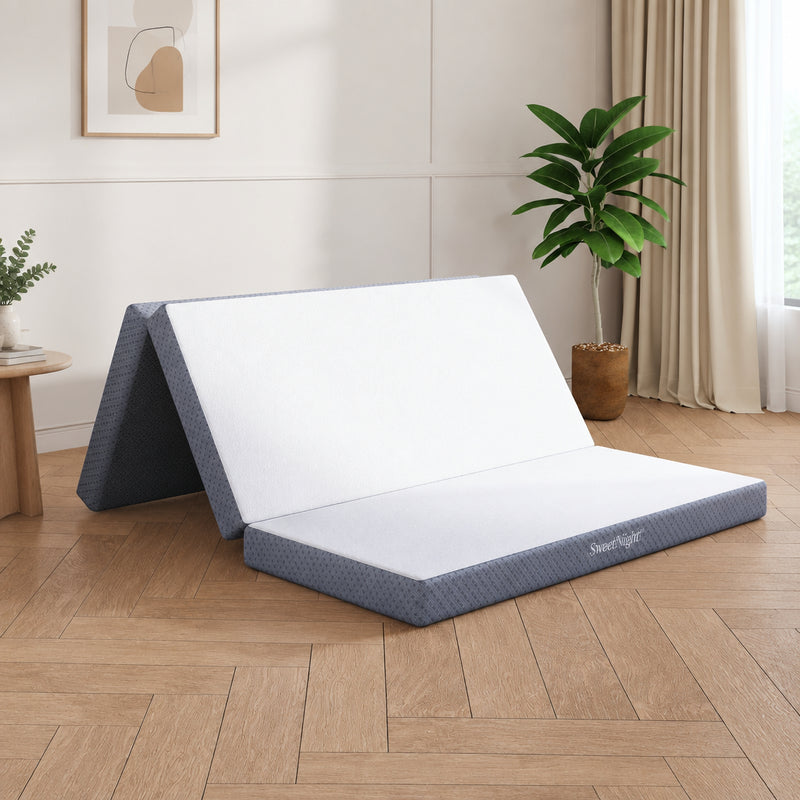
1. Get the firmness right. Aim for medium to medium-soft if you are on the lighter side, medium to medium-firm if you are heavier. The goal is a surface that lets your shoulder and hip settle in while keeping your waist supported. If your bed is too firm and you are not ready to replace it, a quality memory foam mattress topper can add the contouring layer your shoulder is missing and buy you real relief. (A topper revives a too-firm or slightly worn bed, but it will not rescue a mattress that is visibly sagging or broken down inside. Our breakdown of how a gel topper can refresh a tired mattress explains where the line is.)
2. Dial in your pillow loft. Fill the shoulder-to-ear gap so your head sits level, using the four-to-six-inch target above. Adjustable fill makes this easy to fine-tune.
3. Stop tucking your arm under you. Sleeping with your bottom arm wedged under your head or pillow jams the shoulder into a compressed, internally rotated position. Instead, bring that arm forward and slightly down, or rest it on the mattress in front of you. Give the joint room.

4. Hug a pillow. Wrapping your top arm around a pillow, or holding a body pillow against your chest, keeps the top shoulder from rolling forward and collapsing across your body. It supports the arm and opens the chest, which takes load off both shoulders.

5. Put a pillow between your knees. This is a back trick that pays off for your shoulders too. A pillow between the knees keeps your hips stacked and your pelvis square, which keeps your whole spine neutral and stops your torso from twisting down onto the bottom shoulder.
6. Switch sides. If you always sleep on the same shoulder and it is the one that hurts, deliberately spend time on the other side. Given how strongly pain tracks with the side people sleep on, simply unloading the sore shoulder for part of the night can help it settle.
7. Loosen up before bed. Tight chest muscles pull your shoulders forward and add low-grade strain to the rotator cuff all night. A gentle doorway pec stretch (forearms on the frame, elbows at about shoulder height, lean through slowly) and a few easy shoulder rolls before bed help the joint start the night in a better position.
Give these changes a fair trial. Your body also needs time to adjust to a new mattress or a new pillow height, usually two to four weeks, so do not judge a change after a single night.
Choosing the Best Mattress for Side Sleepers With Shoulder Pain
When it is time to upgrade, side sleepers have a specific shopping list, and it is a little different from what back or stomach sleepers need. You want deeper pressure relief at the shoulder and hip, paired with enough underlying support to keep the spine level.
Firmness is the first decision, and your body weight shifts the answer:
| Body weight | Suggested firmness for side sleeping | Why |
|---|---|---|
| Under ~130 lbs | Medium-soft (about 4.5 to 5.5 / 10) | Lighter sleepers need more give to sink in enough for pressure relief |
| ~130 to 230 lbs | Medium (about 5 to 6.5 / 10) | The "sweet spot" that balances contouring and support for most side sleepers |
| Over ~230 lbs | Medium to medium-firm with strong support | Heavier sleepers compress foam more, so they need reinforced support underneath the comfort layer |
A common and costly mistake is buying an extra-firm mattress in the belief that firmer is healthier. For side sleepers, an overly firm bed is the surest path to shoulder pressure and a numb arm. Firmer support helps back and stomach sleepers; side sleepers usually need to go softer than they expect.

The next decision is foam versus hybrid:
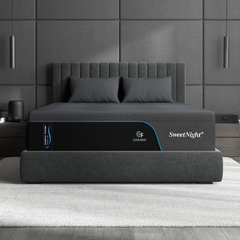
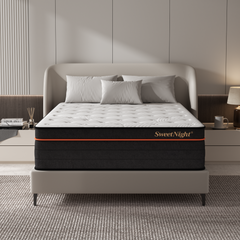
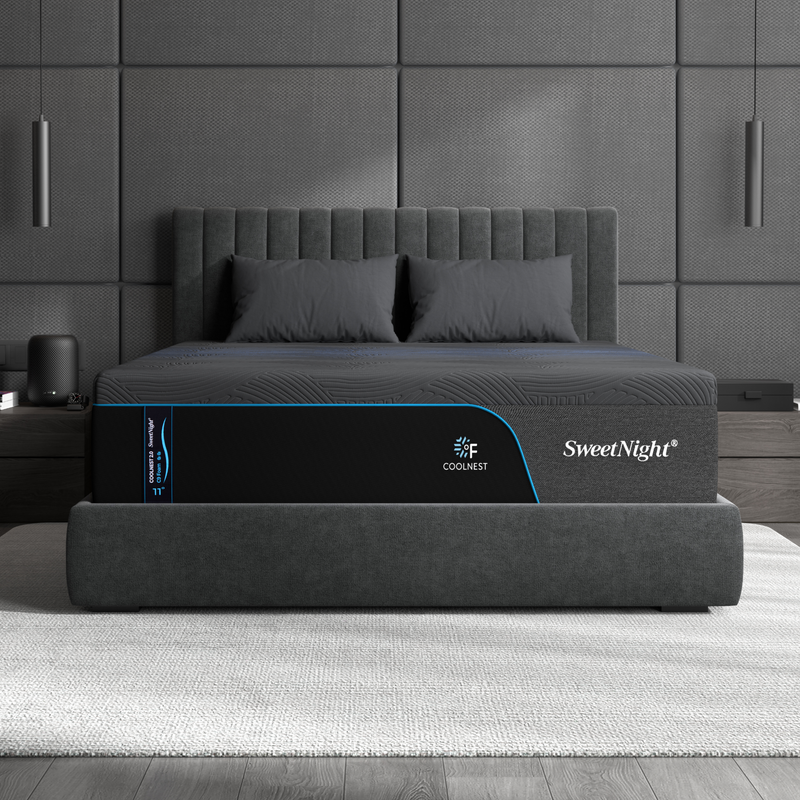
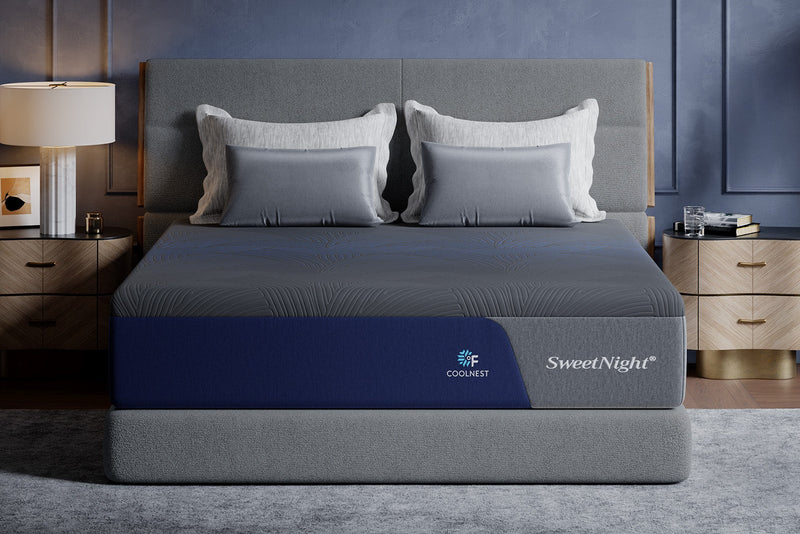
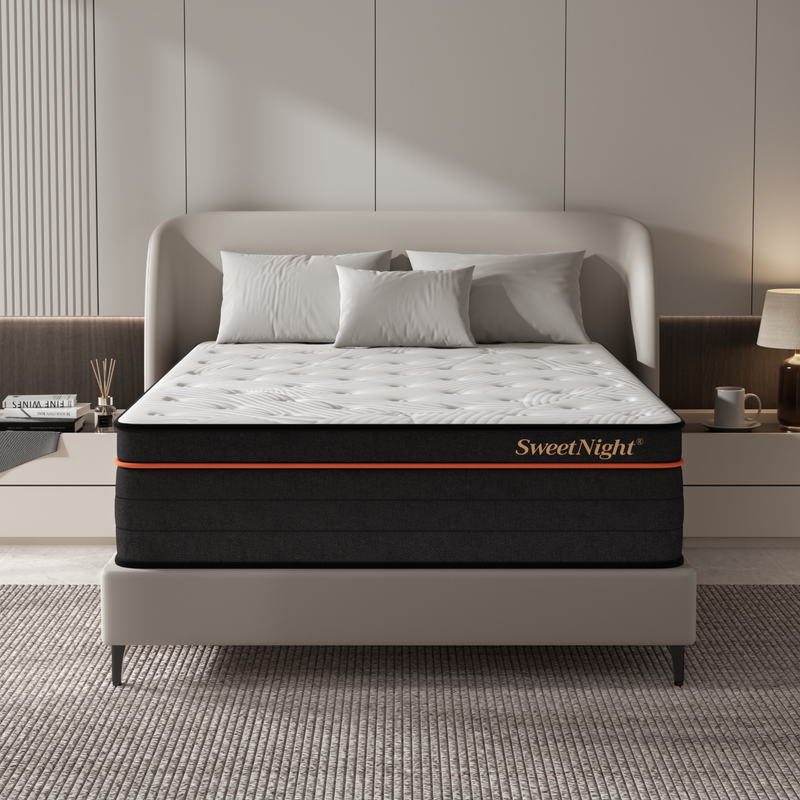
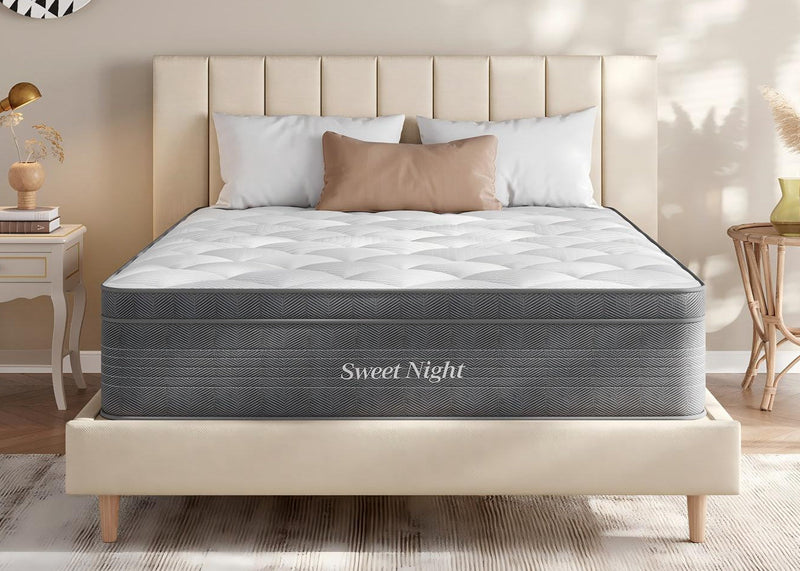
- Memory foam excels at pressure relief and full-body contouring, which is exactly what a sore shoulder wants. SweetNight's CoolNest memory foam mattress pairs that deep cushioning with cooling technology, since contouring foams can otherwise trap heat against the body.
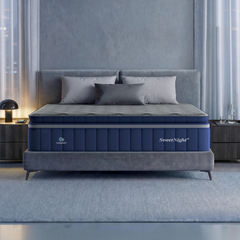
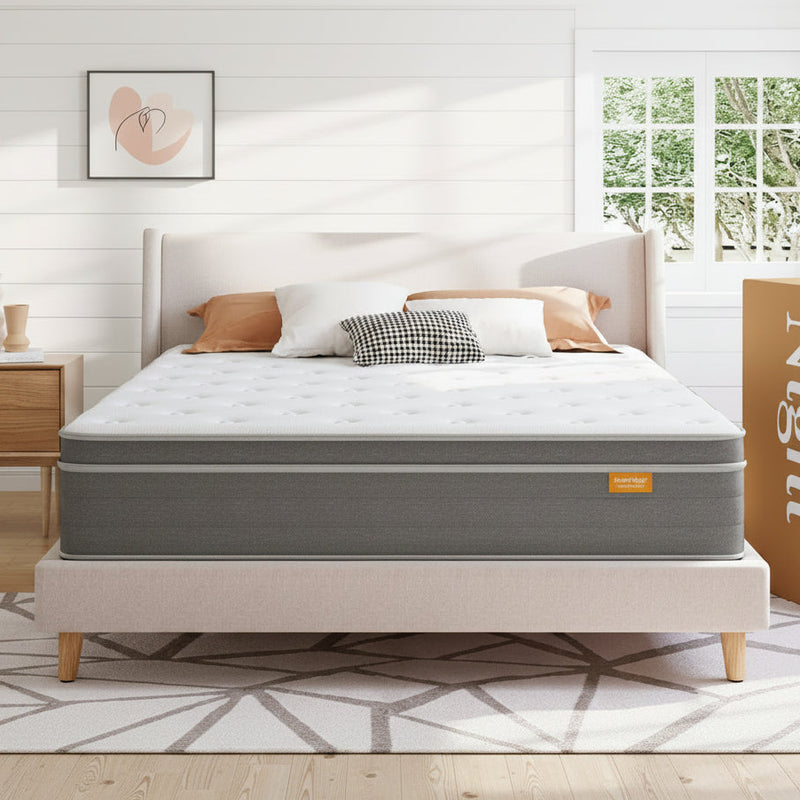
- Hybrids add a responsive coil core under the foam, giving you stronger support and better edge stability while keeping a cushioned top. The Twilight Hybrid is a popular medium-firm option for sleepers who want contouring at the shoulder with a more supportive, classic feel underneath.
Two features matter especially for the shoulder. Look for zoned support, where the surface is engineered to be softer at the shoulder and firmer through the midsection, so your joint sinks while your waist stays held. And give yourself enough comfort-layer depth: side sleepers generally do best on mattresses around 12 inches or thicker, so the shoulder has room to settle without bottoming out onto a hard base.
If you want to see how the models stack up against each other on firmness, cooling, and support, our side-by-side SweetNight mattress comparison lays it out, and the full lineup built specifically for side sleepers is organized around exactly the pressure-relief and alignment needs covered in this article. Whatever you choose, look for a long sleep trial so you can test it through that two-to-four-week adjustment window in your own bedroom.
When to See a Doctor About Nighttime Shoulder Pain
Most side-sleeping shoulder pain is mechanical and responds to the fixes above. Some of it is not, and it is worth knowing the difference.
Make an appointment with a doctor or physical therapist if you notice any of the following:
- Shoulder pain that lasts more than a few weeks despite changing your mattress, pillow, and sleep position.
- Pain that wakes you most nights and is not improving.
- Weakness, or trouble lifting your arm overhead, getting dressed, or reaching behind your back.
- Pain that follows a fall, a lifting injury, or a sudden wrench, especially if you felt a pop.
- Significant swelling, redness, or warmth around the joint.
- Numbness or tingling in the arm or hand that does not resolve when you shift position.
These can signal a rotator cuff tear, a significant impingement, frozen shoulder, or another issue that benefits from a proper diagnosis. A physical therapist can pinpoint the source and build a strengthening plan, and in many regions you can see one without a physician referral. None of the advice in this article is a substitute for individualized medical care, and if something feels wrong, get it checked.
Side Sleeping and Shoulder Pain: Frequently Asked Questions
Why does my shoulder only hurt at night? Because side sleeping compresses the joint in a way daytime activity usually does not. For hours, your body weight pins the rotator cuff and bursa against the bony shelf above them, with very little movement to relieve the pressure. Night pain is also a hallmark of rotator cuff irritation and frozen shoulder, so persistent nighttime pain is worth taking seriously.
Is side sleeping bad for you? No. For most people it is a healthy position that can reduce snoring and reflux and is recommended in pregnancy. Its one weak point is shoulder pressure, and that is an engineering problem you can solve with the right mattress firmness, pillow height, and arm position rather than a reason to abandon the position.
Can a mattress really cause both shoulder and back pain? Yes, and it is common. A surface that is too firm creates pressure at the shoulder and hip while leaving the waist unsupported, and a surface that is too soft lets the spine sag. Both failures can show up as shoulder pressure and lower-back ache at the same time, which is why a mattress causing back pain is so often the same one hurting your shoulder.
What is the best sleeping position for shoulder pain? Sleeping on your back is the most shoulder-friendly position because it takes all direct weight off the joint. If you cannot sleep on your back, sleep on the side that does not hurt, hug a pillow to support the top arm, and use a pillow loft that keeps your neck level.
How firm should a mattress be for side sleepers? Most side sleepers do best in the medium to medium-soft range, roughly 5 to 6.5 out of 10, adjusted for body weight. Lighter sleepers go softer; heavier sleepers need more support underneath. Avoid extra-firm, which tends to create shoulder pressure points.
Will a mattress topper fix my shoulder pain? It can, if your current mattress is too firm or only mildly worn. A two-to-four-inch memory foam topper adds the contouring layer that relieves shoulder pressure. It will not fix a mattress that is sagging or structurally broken down, where the support core itself has failed.
How long before I know if a new mattress or pillow is helping? Give it two to four weeks. Your body needs time to adapt to a new level of support, and some discomfort in the first week is normal. If pain is worsening or has not improved at all after about a month, the firmness is probably wrong for you.
Side sleeping is not the problem. An unsupported shoulder is. Fix the pressure at its source, with a surface that contours where it should and supports where it must, a pillow that fills your shoulder gap, and a few small changes to how you settle in, and the position you have always loved can stop costing you your mornings.