

















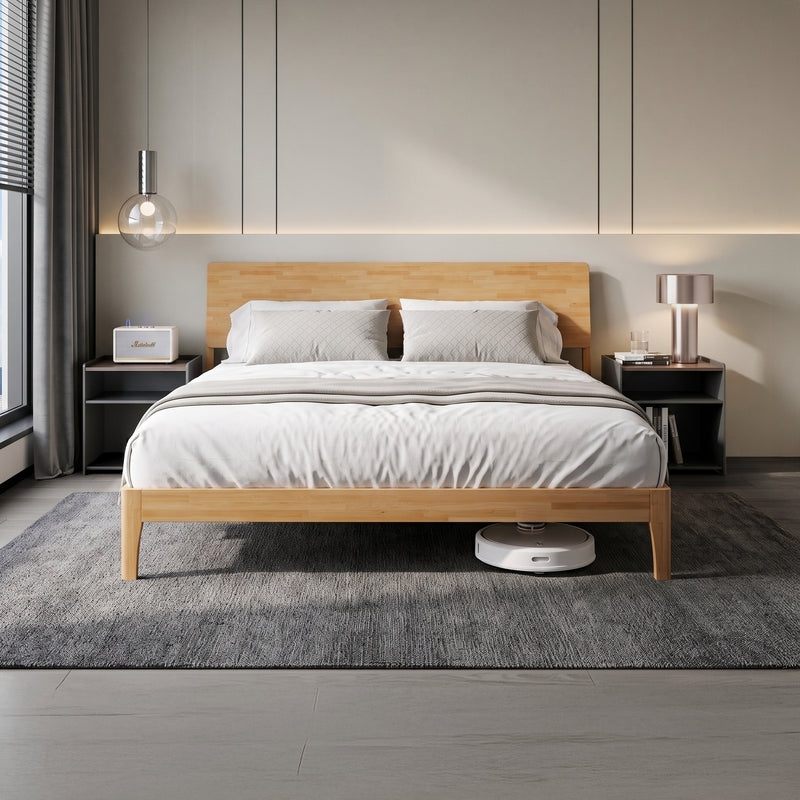

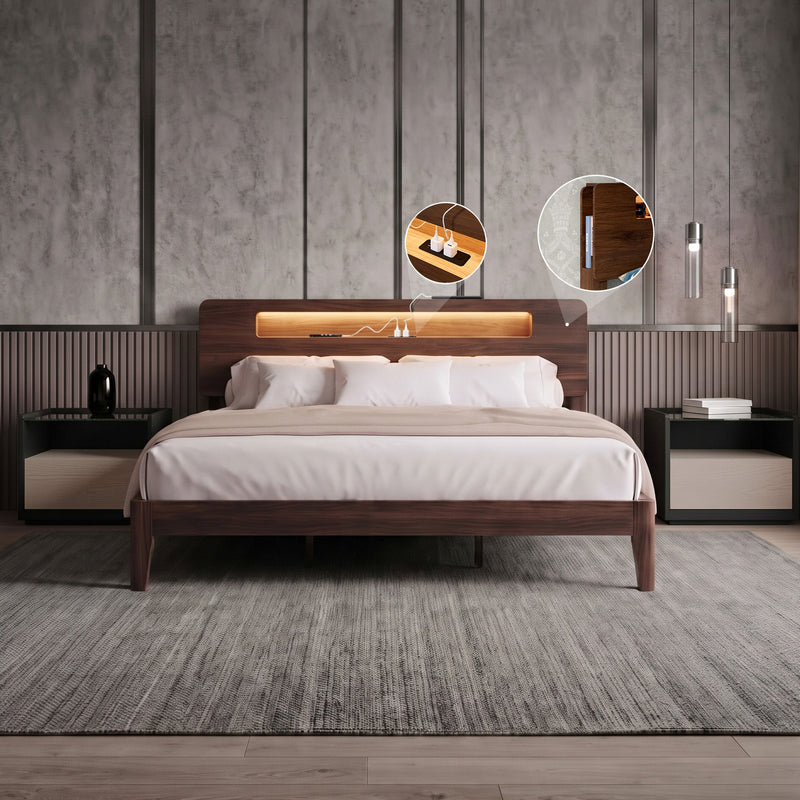

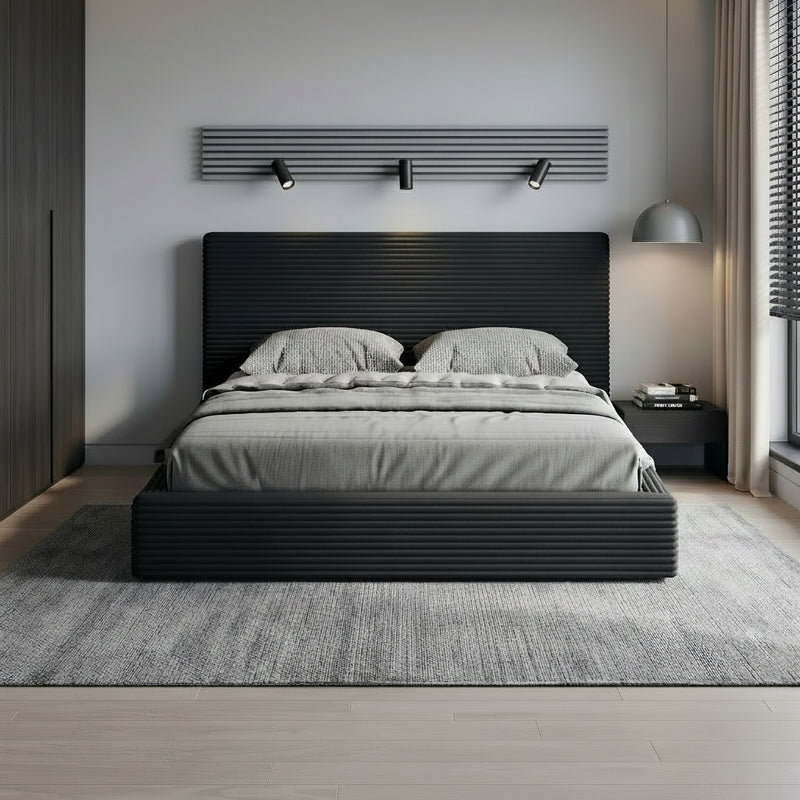
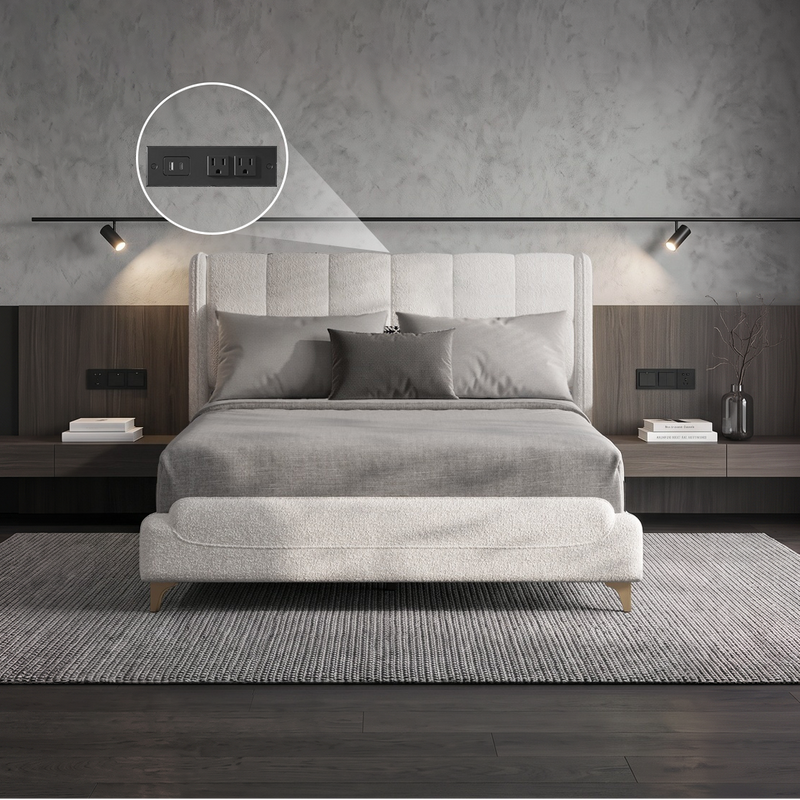

Short answer: A "sleep divorce" is when partners deliberately sleep apart — separate beds or separate rooms — because sharing one surface costs them real rest, and for many couples it protects the relationship rather than signaling trouble in it.
The short version, if you're skimming:
- It's about sleep quality, not affection. Couples do it to stop waking each other, not to grow apart.
- The usual triggers are snoring, mismatched body temperature, and one person's movement or schedule disturbing the other.
- Full separation isn't the only option — the Scandinavian method (two duvets, one bed) and a better mattress solve a lot of it.
- A bed with strong motion isolation and honest cooling fixes the two most common complaints without moving anyone to the guest room.
- The right answer is whatever leaves both of you rested and still connected. There's no single correct setup.
What Is a "Sleep Divorce"?
The phrase sounds heavier than the reality. A sleep divorce simply means a couple has decided to sleep separately so that both people can rest better. That might mean two beds pushed into different corners of the same room, one partner on a pull-out down the hall, or a full second bedroom set up as a permanent arrangement. The "divorce" part is a bit of a joke that stuck — nobody is dividing assets, and in most cases nobody is unhappy with the relationship. They're unhappy with being elbowed awake at 3 a.m.
It helps to separate two ideas that often get tangled together: sharing a life and sharing a mattress. Western culture treats the double bed as the default symbol of a committed couple, so choosing not to sleep in it can feel like an admission that something is broken. It usually isn't. Sleep is one of the few things you genuinely cannot do for another person, and two adults with different bodies, different schedules, and different tolerances for noise and heat will sometimes find that one shared surface can't serve both of them well. Recognizing that is practical, not pessimistic.

The arrangement also isn't binary. Plenty of couples do a partial version: they start the night together, and if the snoring or the heat becomes unbearable, one person quietly relocates. Others reverse it — they sleep apart on work nights and share the bed on weekends when a rough night matters less. Some keep two beds in one room so they're still within arm's reach but not sharing a single mattress. The label covers a wide range of setups, and the only thing they have in common is the underlying goal: protect each person's sleep without damaging the closeness between them.
One more distinction worth making early. Sleeping apart to rest is very different from sleeping apart to avoid each other. The first is a logistics decision about mattresses and snoring. The second is a relationship signal. If a couple is retreating to separate rooms because being in the same bed feels tense rather than tiring, that's a conversation for a counselor, not a mattress guide. This article is about the first kind — two people who like each other and just want to stop ruining each other's nights.
Why More Couples Are Trying It
Talk to enough people and a pattern shows up: the sleep divorce isn't new, it's just newly discussable. Couples have quietly slept in separate rooms for generations, often blaming a spare bedroom or a snoring grandfather. What's changed is that people now say it out loud, and the stigma has softened enough that admitting "we sleep better apart" no longer reads as a confession. Reports of couples openly choosing separate sleep have become common in the past several years, and once a few public figures mentioned doing it, a lot of ordinary couples felt permission to talk about their own arrangement.
A few forces are pushing the trend. The first is that we simply care more about sleep than we used to. It's no longer treated as wasted time you minimize to fit in more work. Most people now understand that short or broken sleep shows up the next day as short temper, foggy thinking, and a shorter fuse with the people they love — including the person sharing their bed. When you value your rest, you're less willing to sacrifice it night after night out of tradition.
The second is that modern life scrambles schedules. One partner works early, the other works late. One scrolls a phone until midnight, the other is out by ten. Shift work, side jobs, travel, small children, and light-emitting screens all conspire to put two people on different clocks under the same blanket. When your natural sleep windows don't overlap, every mismatch becomes a small disturbance: a light flicking on, a mattress dipping, an alarm you didn't set going off in your ear.
There's also a quieter reason that people mention once they trust you enough to be honest: they sleep genuinely well alone, and they'd forgotten what that felt like. After a stretch of nights in their own space, some partners realize the shared bed had been costing them more than they'd admitted. That realization tends to reframe the whole thing. Instead of asking "what's wrong with us that we can't share a bed," they start asking "why did we assume we had to." Framed that way, choosing to sleep apart looks less like a failure and more like two adults solving a problem they finally named.
None of this means shared sleep is doomed. Most couples still want to sleep together and get real comfort from it — the warmth, the closeness, the sense of winding down beside someone. The trend isn't a rejection of that. It's a growing willingness to admit when the shared version isn't working, and to fix it rather than suffer through it.
The Real Culprits: Snoring, Heat & Motion
When couples describe why the shared bed stopped working, the same three problems come up again and again. Understanding which one is actually driving your bad nights matters, because each has a different fix, and only one of them truly requires separate rooms.
Snoring and breathing noise is the loudest complaint, literally. A snoring partner can pull the other person out of deep sleep dozens of times a night without either of them fully waking, so the non-snorer feels wrecked in the morning without quite knowing why. This one deserves a caveat: loud, chronic snoring, especially with gasping or pauses in breathing, can be a sign of sleep apnea, which is a medical issue worth raising with a doctor. Treating the cause sometimes makes the whole sleep-divorce question moot. But even ordinary snoring, the harmless kind, is genuinely hard to sleep next to, and no mattress fixes sound.
Temperature mismatch is the quiet relationship-ender that people underestimate. One partner runs hot and throws the covers off; the other is cold and burrows in. Add two bodies radiating heat into the same trapped pocket of bedding and the warm sleeper bakes while the cold sleeper steals the duvet. Heat is a powerful sleep disruptor on its own — the body needs to shed a bit of core temperature to fall and stay asleep — so a bed that runs warm keeps at least one person on the edge of waking all night.
Movement and schedule mismatch is the third, and it's the most constant. Every time your partner rolls over, gets up, adjusts a pillow, or climbs into bed two hours after you, the mattress moves — and on the wrong surface, that motion travels straight across to you. If one of you is a light sleeper, a partner's ordinary shifting is enough to fracture your night into pieces. Layer a mismatched schedule on top (early riser, night owl) and you've got someone entering or leaving the bed while the other is trying to hold onto sleep.

Here's the useful part. Of these three, snoring is the one that genuinely tends to need physical distance, because sound carries and there's no clever bedding trick for it. Heat and motion are different. They're properties of the bed and the bedding, which means they can often be solved without anyone leaving the room. That distinction is the whole reason the alternatives below exist — before accepting a full sleep divorce, it's worth knowing that two of your three culprits may be fixable in place.
The Scandinavian Sleep Method (Separate Duvets, One Bed)
The Scandinavian sleep method is the most elegant middle ground going, and it's exactly what it sounds like: two people share one bed but each has their own duvet. No shared top cover. Instead of one large comforter stretched across the mattress, each partner gets a separate single-size duvet, and they sleep side by side under their own blanket.
In much of northern Europe this isn't a trend or a hack — it's just how beds are made. Walk into a hotel in Sweden, Denmark, or Germany and a double bed frequently comes dressed with two separate duvets rather than one big one. Visitors from countries wedded to the single shared comforter often find it strange at first, then quietly convert once they realize how many small nightly conflicts it erases.

The reason it works is that the shared top cover is responsible for a surprising share of couple sleep problems, and people rarely notice until it's gone. Consider what one shared duvet actually does:
- It creates a tug-of-war. One partner rolls and takes the cover with them; the other wakes up exposed and cold. With two duvets, there's nothing to steal — you can only pull your own.
- It forces one temperature on two bodies. A single comforter has one weight and one warmth level. Two duvets let a hot sleeper use something light and a cold sleeper use something thick, under the same roof and on the same mattress.
- It transmits movement through the bedding. When you're both anchored under one cover, your partner's roll physically drags the fabric across you. Separate duvets break that link.
- It makes different bedtimes disruptive. Sliding under a shared comforter at midnight lifts and drops it over an already-sleeping partner. Your own duvet stays put over you and never touches them.
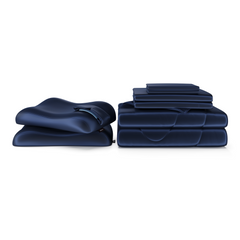
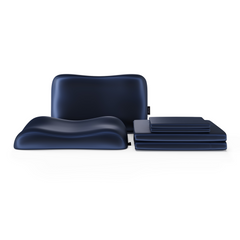
Setting it up is refreshingly simple. Keep your existing bed and mattress. Buy two duvets sized for one person each — on a queen or king, two twin or twin-XL duvets usually work well — and give each partner their own. Some couples add a decorative shared coverlet or throw across the foot of the bed during the day so it still looks like one made bed, then peel it back at night. Each person can choose their own duvet weight, fill, and tog rating, which quietly solves the temperature argument without any technology at all.
What the Scandinavian method preserves is the part couples actually don't want to lose: you're still in the same bed, within reach, sharing the space and the intimacy of falling asleep together. What it removes is the friction of the shared cover. For a lot of couples whose main problems are stolen blankets and mismatched warmth, this single change is enough that the idea of separate rooms never comes up again. It's the lowest-cost, lowest-commitment experiment on this list, and it's the one I'd try first.
How Motion Isolation Keeps Couples Together
If the Scandinavian method handles the bedding, the mattress handles the movement — and this is where a lot of couples discover they never had a compatibility problem, they had a hardware problem. Motion isolation is a mattress's ability to absorb movement locally instead of transmitting it across the surface. On a bed with good isolation, your partner can roll over, shift, or climb out for a glass of water and your side of the mattress barely reacts. On a bed with poor isolation, every one of those movements ripples straight through to you.
The material makes most of the difference. An old innerspring bed, where coils are all wired together, is close to a worst case: press down on one side and the whole surface responds, so a restless partner telegraphs every turn. Memory foam sits at the opposite end. Its slow-recovery structure soaks up motion where it happens and doesn't pass it along, which is why couples who share with a light sleeper are so often steered toward foam. If you want to understand the mechanics in more depth, we cover exactly why a partner's movement wrecks your sleep and what to do about it in a dedicated guide.

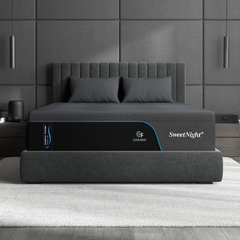
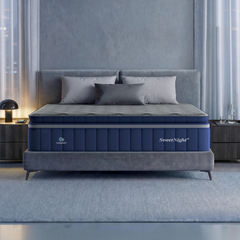
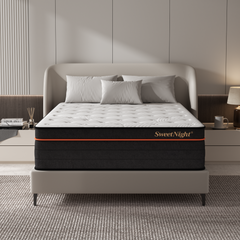
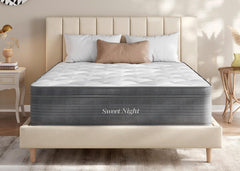
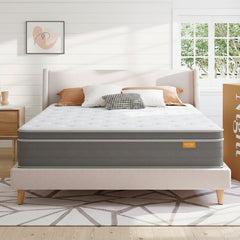
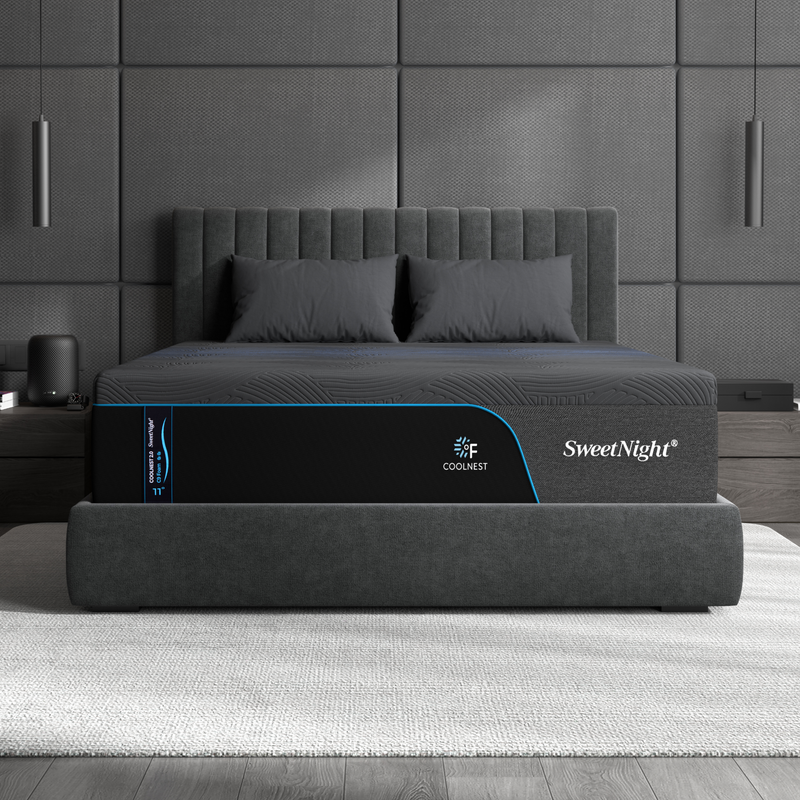
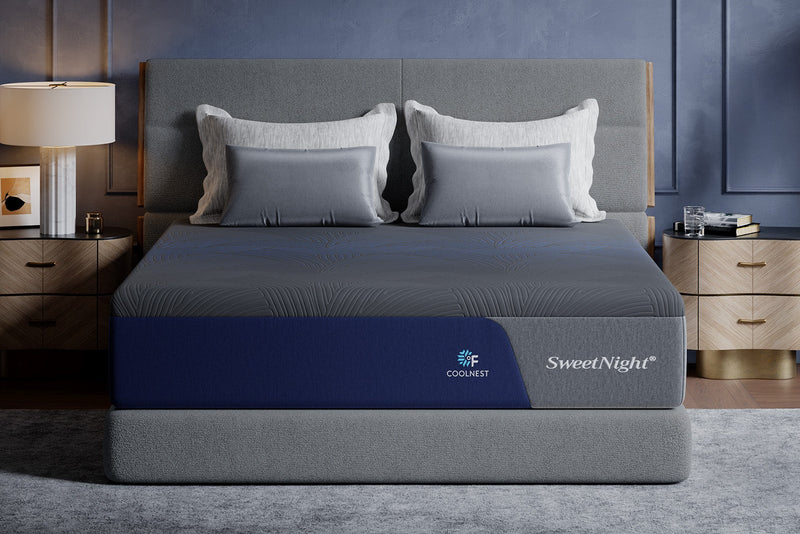
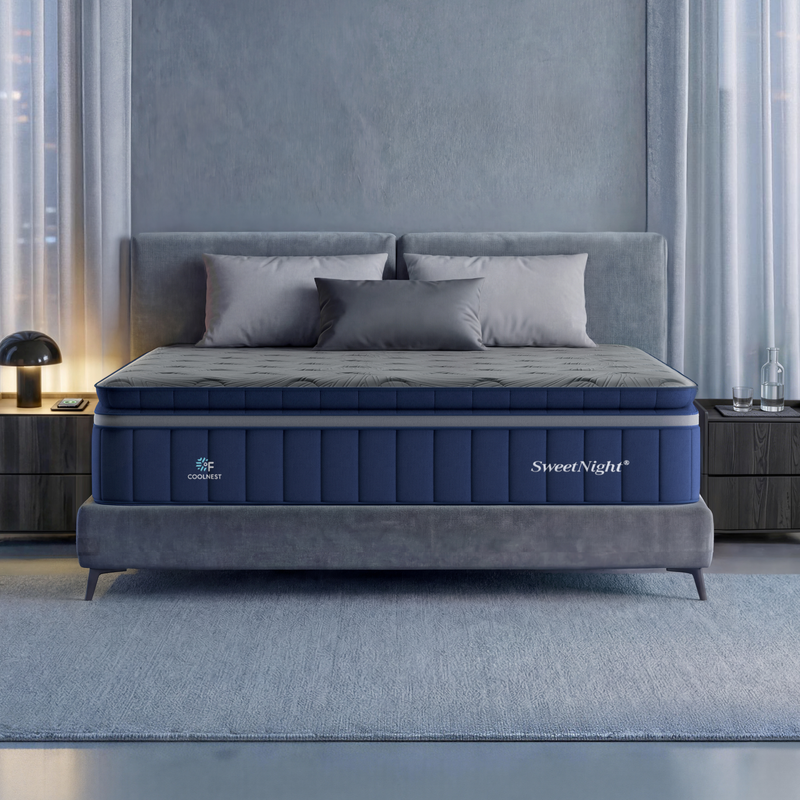
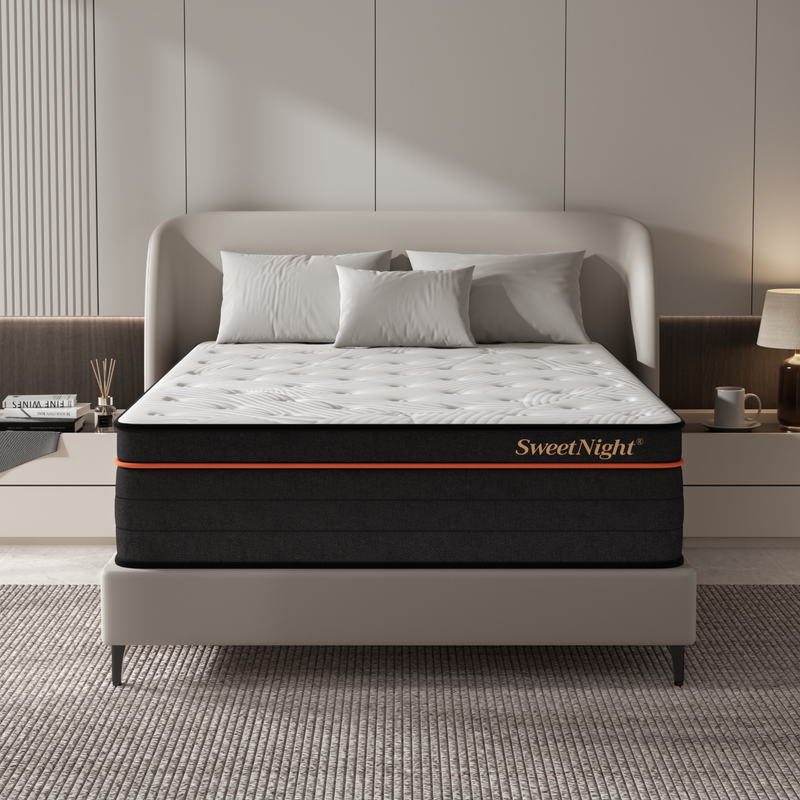
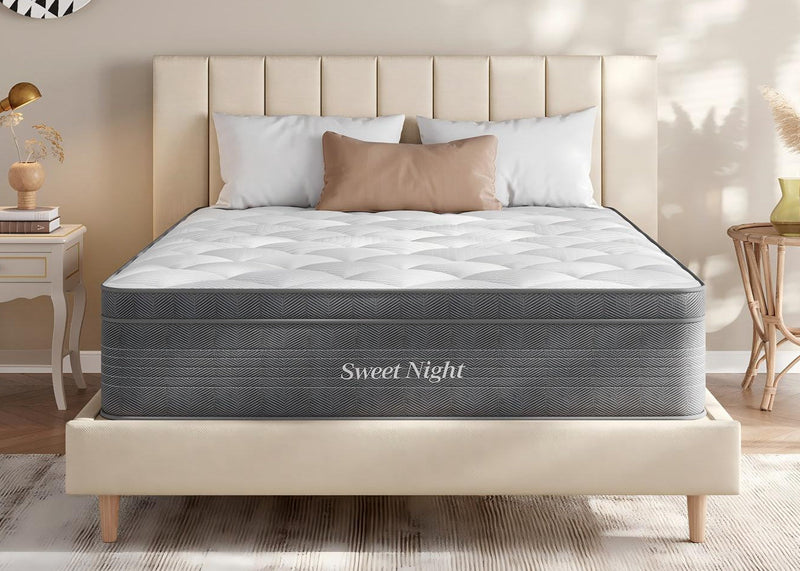
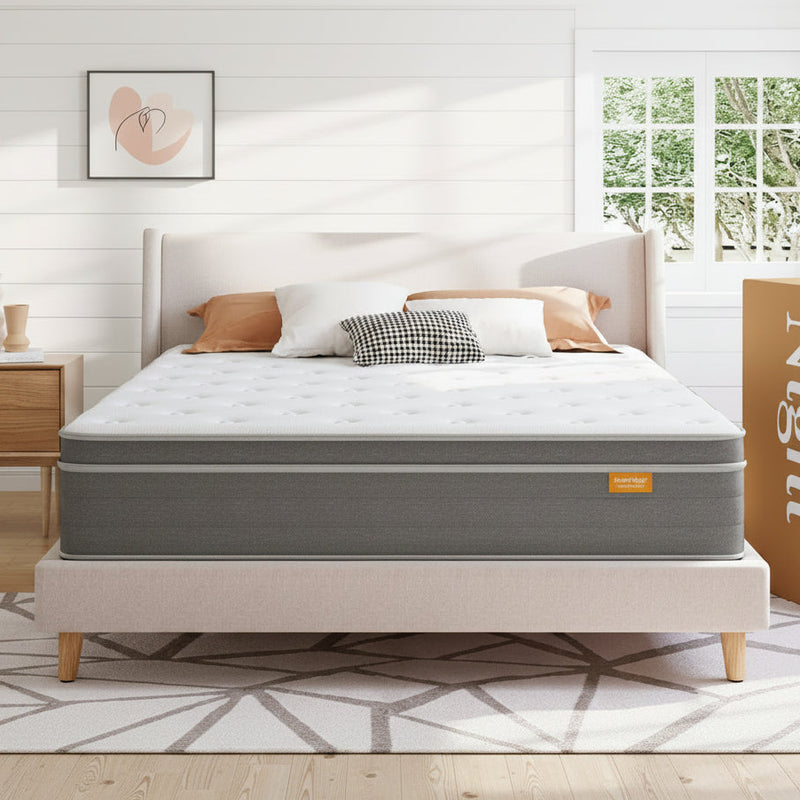
This matters because two of the three culprits from earlier — motion and, if you choose well, heat — are properties you can buy your way out of. A mattress engineered for couples targets both at once. Something like the CoolNest® Ultra memory foam mattress pairs the motion-absorbing quality of memory foam with a cooling system built for two warm bodies rather than one — a cool-to-touch cover, a phase-change foam that keeps balancing temperature through the night, and a highly breathable core — so the partner who runs hot isn't overheating and the light sleeper isn't feeling every roll. Fix the movement and the heat, and you've addressed the two complaints that don't actually require separate rooms. That's the whole point: for many couples, the mattress is the sleep divorce they didn't need.

A realistic note so this doesn't sound like magic. No mattress cures snoring, and no mattress fixes truly incompatible schedules — if one of you is up at 5 and the other at 9, some disturbance is baked in. But the disturbance from ordinary movement, the kind most couples blame each other for, is largely a solvable spec. Before deciding you can't share a bed, it's worth finding out whether you just can't share that bed.
Solving Temperature Conflicts in Bed
Temperature deserves its own section because it's the complaint couples are least equipped to talk about. Snoring is obvious and movement is obvious, but heat is invisible — one partner is quietly miserable under the covers while the other sleeps fine, and it can take months to identify heat as the culprit rather than "I just don't sleep well anymore."
Start with the physics, because it's genuinely stacked against couples. Two adults in one bed generate roughly twice the body heat of one, and they trap it between two mattresses' worth of insulation and a shared cover. Warm air has nowhere to go, humidity from perspiration builds up in the bedding, and the pocket around both sleepers turns into a little greenhouse. This is why a person who slept perfectly well alone can suddenly run hot the moment they start sharing a bed — the body didn't change, the thermal load did. We break down the mechanics of why couples sleep hotter than solo sleepers if you want the full explanation, but the short version is that heat is an occupancy problem as much as a personal one.

The good news is that temperature is the single most fixable culprit, because you can attack it from several directions at once:
- Split the bedding. This is the Scandinavian method again. Two duvets of different weights let a hot and a cold sleeper coexist without either compromising. It's the cheapest temperature fix there is.
- Choose breathable materials. Natural fibers and open, ventilated foams move heat and moisture away instead of trapping them. Dense, old-style memory foam does the opposite, which is where the "foam sleeps hot" reputation came from — a reputation modern cooling builds have largely earned their way out of.
- Cool the room, not just the bed. A slightly cool bedroom, good airflow, and lighter sleepwear all help the warmer partner shed heat. The body sleeps best when it can lose a little core temperature, so working with that instead of against it goes a long way.
- Pick a mattress that manages heat actively. Cool-to-touch covers, phase-change layers that absorb and release warmth, and ventilated cores are designed for exactly the two-body heat load couples create. If temperature is your main issue, this is worth prioritizing over almost any other spec.
Because heat is so often the hidden reason behind a "we can't share a bed" verdict, it's worth ruling out before you accept that conclusion. If you're specifically shopping to solve it, our roundup of the best mattresses for couples who sleep hot walks through what to look for. Plenty of couples who assumed they were fundamentally incompatible in bed discovered they were simply overheating, and that a cooler setup gave them back the shared sleep they thought they'd lost.
Pros & Cons of Sleeping Apart
Whatever the internet says, sleeping apart is a genuine trade-off, not an obvious win or an obvious loss. It solves some things cleanly and costs you others, and the honest move is to weigh both rather than to cheerlead. Here's the balanced version.

What sleeping apart does well:
- It ends the disturbances outright. Snoring, movement, blanket theft, mismatched alarms — separate beds make all of them stop being your problem. This is the reason people do it, and it works.
- Both partners can sleep on their own terms. Your own firmness, your own room temperature, your own bedtime, your own light and noise level. No negotiation, no compromise mattress that suits neither of you.
- Better sleep can improve the relationship. This is the counterintuitive part. Two well-rested people are more patient, warmer, and easier to be around than two exhausted people resenting each other at breakfast. Some couples report they actually get along better once they stopped sabotaging each other's nights.
- It can defuse a long-running fight. If the shared bed has become a nightly source of tension, removing it removes the friction, and that alone can lower the temperature of the whole relationship.
What it costs you:
- You lose the automatic closeness. The quiet talk before sleep, the warmth of another body, waking up next to someone — these are real goods, and they don't happen by themselves anymore. You have to build them back in deliberately.
- Intimacy needs intention. Physical closeness that used to be a byproduct of sharing a bed now requires choosing it. For some couples that's fine; for others it quietly erodes over time if they're not careful.
- The optics can sting. Even couples who are happy with the arrangement sometimes feel self-conscious explaining it, or catch a raised eyebrow from family. That's a cultural hangover, not a real problem, but it's there.
- It costs space and money. A second bed or a second bedroom isn't free, and not every home has the room. This is a practical ceiling for a lot of people regardless of how they feel about the idea.
- It can become avoidance. The risk worth naming: separate rooms can slide from "we sleep better this way" into "we've stopped spending time together," and the sleep arrangement masks a drift that should have been addressed directly.
The pattern in all of this is that sleeping apart is excellent at solving the mechanical problems and requires effort to protect the emotional ones. Couples who do it well tend to be deliberate about closeness — they keep rituals of connection that don't depend on the shared mattress. Couples who struggle are usually the ones who treated separate beds as the entire fix and let the togetherness fend for itself.
Finding What Works for Your Relationship
There's no correct answer here, only the arrangement that leaves both of you rested and still close. The mistake is treating it as a single yes-or-no decision about the guest room, when it's really a ladder of options you can climb only as far as you need to.
Work through it in order, cheapest and least drastic first:
- Name the actual culprit. Before changing anything, figure out which of the three is really wrecking your nights — snoring, heat, or movement. The fix depends entirely on the cause, and couples often guess wrong. Pay attention for a week and be specific.
- Fix the bedding first. If heat or blanket-stealing is the issue, try the Scandinavian method. Two duvets is a cheap weekend experiment that resolves a startling number of complaints and asks for no real commitment.
- Fix the bed next. If ordinary movement or trapped heat is the problem, the mattress is likely the lever. A surface with strong motion isolation and real cooling handles both, and it keeps you in the same room. This is where a lot of couples find their sleep divorce was never necessary.
- Address snoring directly. Because sound is the one thing bedding and mattresses can't touch, treat snoring as its own issue — and if it's loud and chronic, get it checked medically rather than just relocating around it.
- Then, if you still need it, sleep apart — on your terms. Two beds in one room, separate rooms on work nights only, or a full arrangement. Choose the least separation that actually gives you both good sleep, and don't feel you owe anyone an explanation.
Two principles hold the whole thing together. First, talk about it plainly. The worst version of every sleep problem is the one nobody says out loud, where one partner silently suffers and the other has no idea. Framing it as "I love sleeping next to you and I'm also exhausted, let's solve this together" keeps it a shared project instead of a rejection. Second, protect the closeness on purpose. Whether you end up in one bed or two, keep the rituals that don't require a mattress — going to bed at the same time even if someone moves later, a few minutes of talking in the dark, coffee together in the morning. Sleep is a logistics problem. Connection is the thing you're actually protecting, and it deserves the same intention you'd give the mattress.

Done thoughtfully, none of these choices is a step away from each other. They're all versions of the same goal: two people who want to keep sharing a life, figuring out how to stop sharing each other's bad nights.
Frequently Asked Questions
Does a sleep divorce mean our relationship is failing?
Not on its own. Choosing to sleep apart for rest is a logistics decision about snoring, heat, and movement — not a verdict on the relationship. The warning sign isn't separate beds; it's when the separation is a way to avoid each other rather than to sleep better. As long as you're still protecting your closeness in other ways, sleeping apart is just problem-solving.
What's the difference between a sleep divorce and the Scandinavian sleep method?
A sleep divorce usually means separate beds or separate rooms. The Scandinavian method keeps you in the same bed but gives each person their own duvet instead of one shared cover. It's a much smaller change that solves stolen blankets and temperature mismatches while keeping you side by side, which is why it's worth trying before any fuller separation.
Can a better mattress really keep couples sleeping together?
For two of the three big culprits, yes. A mattress with strong motion isolation stops a partner's movement from carrying across the bed, and a genuinely cooling build manages the extra heat two bodies create. Those are the complaints that don't require separate rooms. The one it can't fix is snoring, since no bed silences sound — that one you address on its own.
How do we stay close if we sleep in separate beds?
Make the closeness deliberate instead of automatic. Go to bed at the same time even if one of you relocates later, keep a few minutes of talking before sleep, and hold onto shared morning routines. The intimacy that used to come free with a shared mattress simply needs to be chosen now — couples who do this well rarely feel any distance from sleeping apart.