

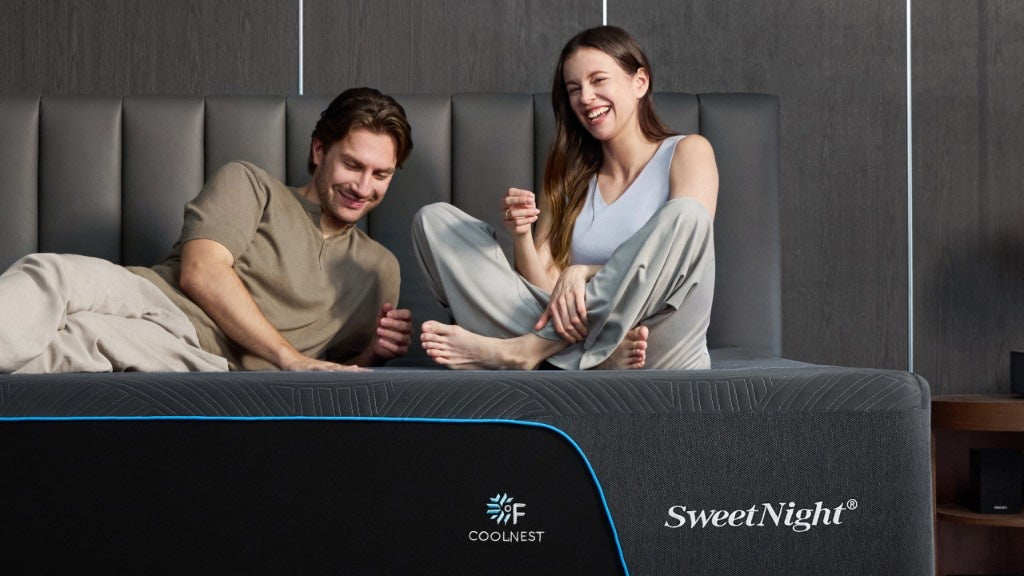
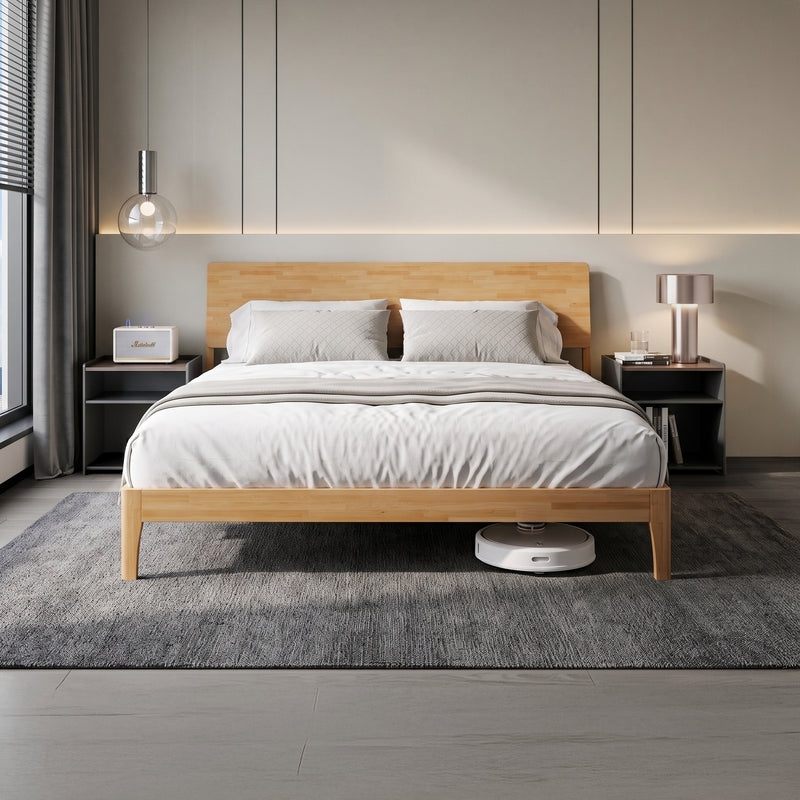

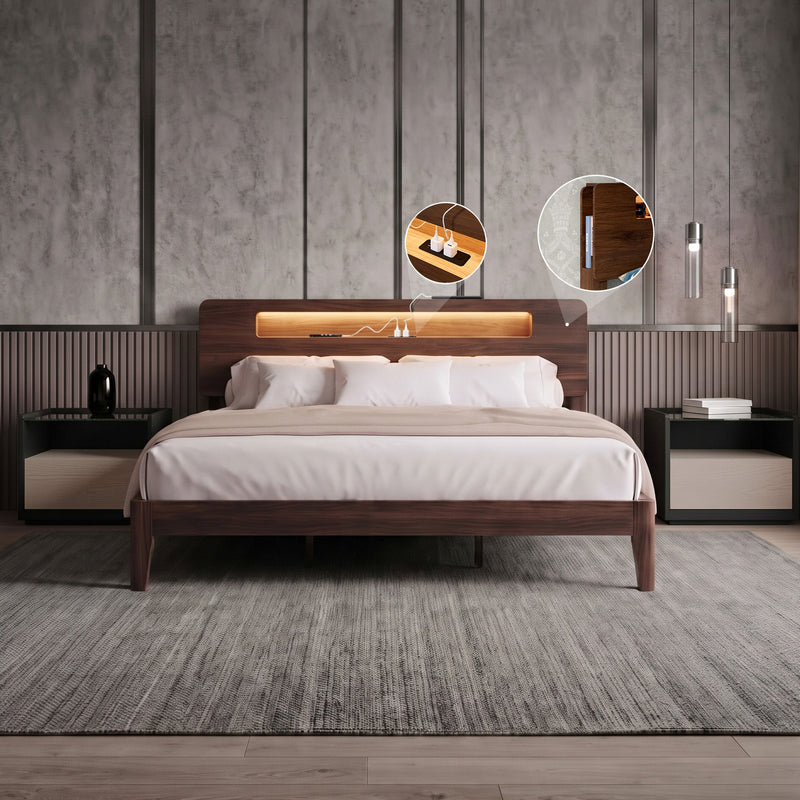
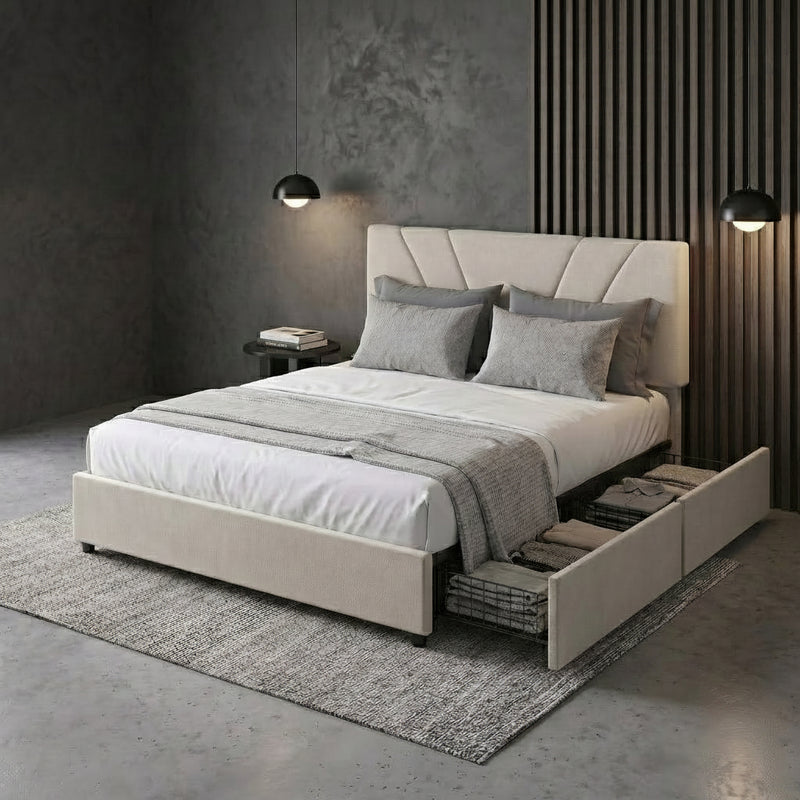
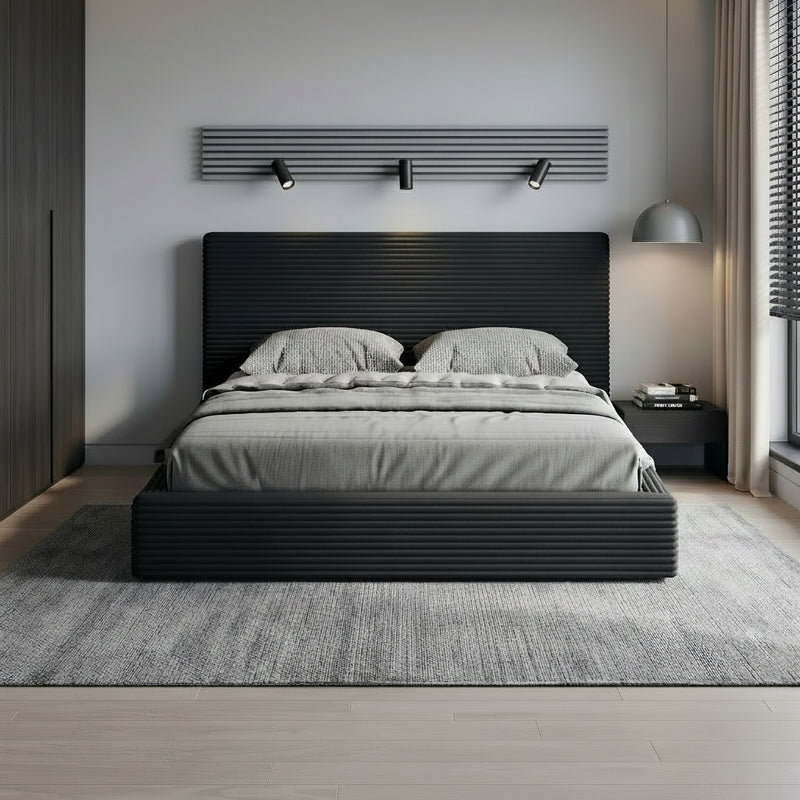

Sharing a bed doubles almost everything, including the heat. Two bodies put out roughly twice the warmth of one, they sit closer together than any solo sleeper spreads out, and the covers get pulled tight over both of you. If you and your partner both run warm, the mattress underneath you has a harder job than any single-sleeper bed ever faces. Finding the best mattress for couples who sleep hot means solving two problems at once: pulling heat away from two people, and doing it without turning every toss and turn into a shared wake-up call.
This guide is built specifically for couples, not for solo hot sleepers with a partner as an afterthought. We will cover why two people sleep hotter together, the cooling and motion features that actually matter when you share, how to handle mismatched temperature preferences, and which construction holds up for two bodies over the years. If you want to jump straight to options, the best mattress for couples collection is a useful starting point.
What makes the best mattress for couples who sleep hot
A mattress that keeps a hot-sleeping couple comfortable has to do three things that a solo cooling bed can skip. It has to move the heat of two bodies instead of one, it has to isolate motion so neither person feels the other shift, and it has to support two different body types without sagging in the middle where you meet. Get all three and you have the best mattress for couples who sleep hot. Miss one and the bed feels like a compromise every night.
Most cooling mattresses are marketed and tested around a single sleeper, which is why so many couples buy a "cooling" bed and still wake up warm. The extra body load, the closer contact, and the shared bedding change the math. A bed that keeps one person cool can saturate under two, so the cooling system has to be built with real capacity, not just a pleasant cool-touch cover.
Support geometry matters just as much for two. Partners are rarely the same weight, and a mattress that dips under the heavier sleeper rolls the lighter one toward the middle, which traps heat between you and wrecks alignment. The best beds in this category pair a strong, durable core with cooling layers so both the temperature and the support hold up for two people night after night.
Why couples sleep hotter than solo sleepers

The physics are simple even if the fix is not. Each adult body radiates heat continuously through the night, so two people in one bed generate close to double the thermal load in the same space a single sleeper would spread across a whole mattress. That heat pools between you, especially in the shared center of the bed, which is exactly where couples tend to drift together in sleep.
Bedding makes it worse. A couple shares one comforter pulled across both bodies, sealing warm air underneath and cutting off the airflow that would otherwise carry heat away. Add the fact that partners often have different ideal sleep temperatures, and the person who runs warm ends up fighting both their own heat and the shared blanket their cooler partner wants. We dig into the biology and behavior behind this in why couples sleep hotter than single sleepers.
Understanding the cause points straight at the solution. Because the heat concentrates in the shared surface between two bodies, the mattress is the single most effective place to intervene. A bed engineered to keep moving that pooled heat away, rather than storing it, does more for a hot-sleeping couple than any amount of thermostat tinkering, since it works on the exact spot where the warmth collects.
The two problems a mattress for hot-sleeping couples must solve
Boil the couple problem down and you get two jobs the mattress cannot ignore: temperature and motion. Temperature is the obvious one, but it is harder for couples because the cooling system has to handle two heat sources sitting close together for eight hours. A surface that cools one body and saturates under two is the single most common reason couples stay hot on a supposedly cooling mattress.
Motion transfer is the problem couples underrate until they live with it. When one partner rolls over, gets up for water, or shifts position, a poorly isolating mattress passes that movement straight across to the other side. For light sleepers this is a nightly source of interrupted sleep, and it compounds the heat problem, because every disturbance is another chance to wake up warm and struggle to cool down again.
The best mattress for a hot sleeper couple treats these as linked, not separate. Cooling that fails wakes you up warm, motion that transfers wakes you up when your partner moves, and each makes the other harder to recover from. A bed that nails both lets two warm bodies sleep close together and still stay cool and undisturbed, which is the whole goal.
Cooling technology that works for two bodies, not one

Cooling for couples needs capacity and endurance, because the surface between you takes a double heat load and has to keep clearing it all night. Look for a layered system rather than a single treatment: a breathable cover, a cooling comfort layer that pulls heat from the skin, and a ventilated structure underneath that keeps air moving even where two bodies press down. That combination has the headroom to handle two sleepers instead of tapping out under one.
Phase-change materials are especially valuable for couples. Because they absorb heat as bodies warm up and release it as the room cools, they keep resetting through the night instead of saturating, which is precisely what a double heat load needs. A simple gel-infused layer that feels cool at first contact tends to give up faster when two people are feeding it heat, so it is the wrong foundation for a shared bed.
Airflow is the other half of the equation. Open structures and ventilation channels let the heat pooling in the shared center of the mattress escape rather than build. When you compare the best cooling mattress options with a couple in mind, favor the ones that describe continuous airflow and phase-change regulation, because those are the features that keep two warm bodies comfortable past the first hour.
Motion isolation: staying cool without feeling every toss
The best mattress for couples who sleep hot has to absorb movement as well as heat, and the two goals can pull against each other. Memory foam is the champion of motion isolation because it deadens movement locally, so a partner's toss barely registers on the other side, but older memory foam also traps heat. The modern answer is cooling foam that keeps the motion-absorbing quality while adding airflow and phase-change layers to counter the warmth.
Hybrids handle motion differently. Their coil cores allow more airflow, which helps two hot bodies, but individually wrapped pocket coils are what keep them from transmitting movement across the bed. A cheap hybrid with connected coils will bounce every time your partner moves, so if you go hybrid for the airflow, confirm the coils are pocketed. That single detail is the difference between a shared bed that isolates motion and one that broadcasts it.
For most hot-sleeping couples, a cooling memory foam mattress gives the best motion isolation while modern cooling tech neutralizes foam's old heat problem, making it the safer default for light sleepers. A cooling pocket-coil hybrid is the better call if you both run extremely hot or are heavier and want maximum airflow. Either way, motion isolation is not a luxury for couples, it is half of what makes the bed livable.
Foam versus hybrid for couples who sleep hot
The foam-versus-hybrid decision looks different once two people are involved. Cooling memory foam wins on motion isolation and deep contouring, cradling each partner independently so movement stays local and pressure points ease. With modern airflow and phase-change layers, it also sleeps far cooler than the memory foam that gave the material its hot reputation, which makes it a strong all-around pick for couples.
Hybrids win on raw airflow and edge support. The coil core lets heat escape out the sides and gives the mattress a firmer, bouncier feel with sturdier edges, which matters when two people share a fixed amount of surface and use every inch of it. The tradeoff is that hybrids isolate motion slightly less than all-foam beds unless the pocket coils are high quality, and they contour a bit less deeply.
The right answer depends on your combined weight and how hot you run. A lighter or average-weight couple that values quiet, undisturbed sleep usually leans foam, while a heavier couple or one where both partners run very hot often leans hybrid for the extra airflow and support. Neither is wrong. The best mattress for couples who sleep hot is the one whose construction matches your two bodies, not the one with the trendier label.
When partners have different temperature needs

Plenty of couples are not both hot sleepers, and the classic mismatch is one partner who runs warm sharing a bed with one who is always cold. A cooling mattress helps here more than it might seem, because it targets the shared surface heat without chilling the cold partner the way cranking the AC would. The bed cools the contact point, while the cold sleeper keeps their preferred bedding on top.
Bedding strategy does the rest. Layered, separate blankets let each partner tune their own warmth, so the cold sleeper can pile on while the hot sleeper stays light, and the mattress underneath keeps the surface temperature honest for both. This split-bedding approach solves more couple temperature fights than any single thermostat setting, because it respects that two bodies genuinely want different things.
For couples with a large and persistent temperature gap, a mattress with strong zoned cooling and support gives each side a more consistent surface to work from. Combined with independent bedding and a room kept toward the cooler end that the hot sleeper prefers, a good cooling mattress becomes the neutral ground that lets a hot sleeper and a cold sleeper share one bed without either one suffering for it.
Edge support and size: sharing a bed without overheating
Size is a cooling feature for couples, even though it rarely gets described that way. More surface area means two bodies can spread out instead of pooling heat in a narrow shared zone, so upgrading from a queen to a king often does as much for a hot couple's comfort as the cooling tech itself. If your budget and room allow, extra width is one of the simplest ways to sleep cooler together.
Edge support decides how much of that surface you can actually use. A mattress with weak edges collapses when you sleep near the perimeter, which pushes both partners toward the hotter center and shrinks the usable bed. Strong edge support, common in hybrids and in foam beds with reinforced perimeters, keeps the full width sleepable so you can put real space between two warm bodies.
Support through the middle matters just as much for couples of different weights. If the mattress dips under the heavier partner, the lighter one rolls in toward them, erasing any space you created and trapping heat between you. A durable core that resists that center sag keeps both sleepers on their own level ground, which preserves both the airflow between you and the spinal alignment each of you needs.
Our pick for couples who sleep hot: the CoolNest Ultra

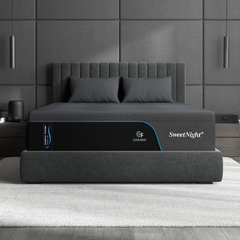
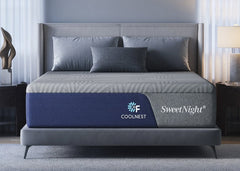
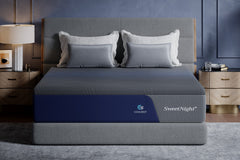
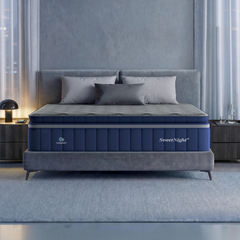
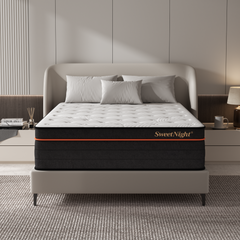
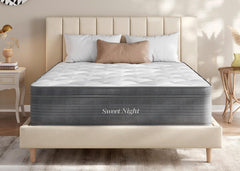
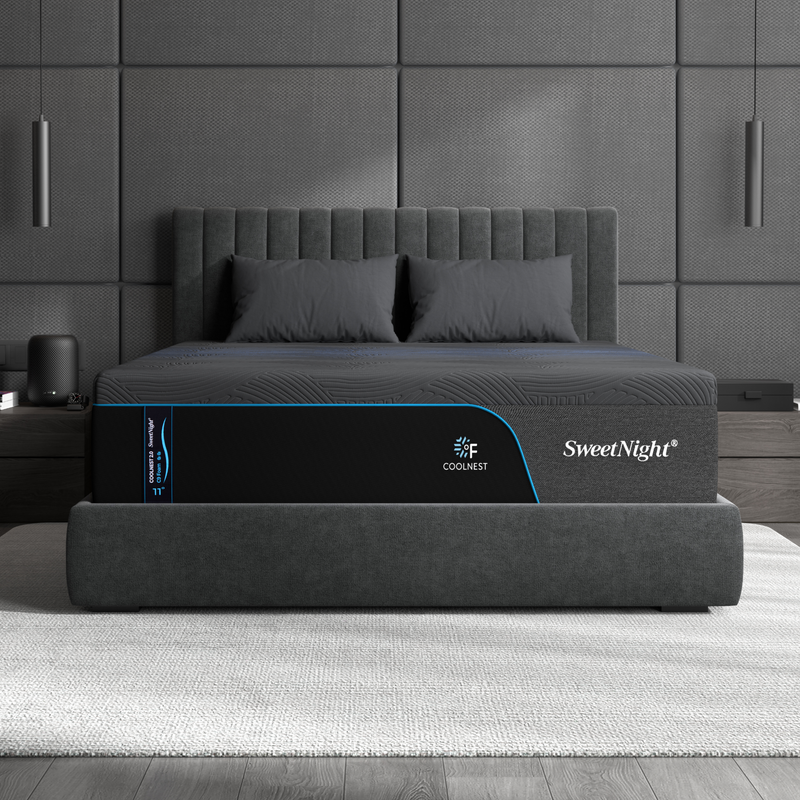
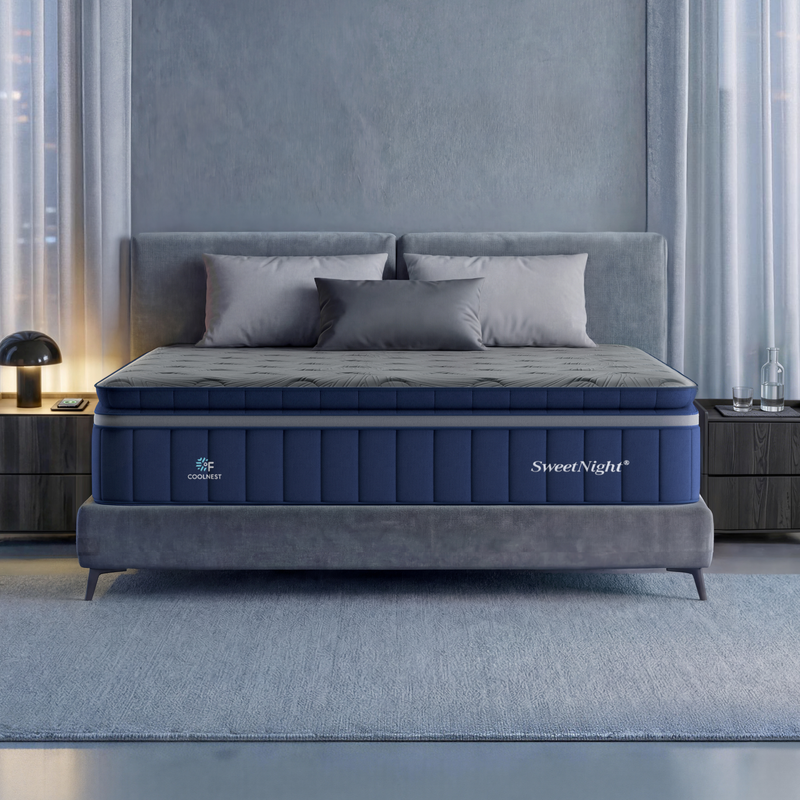
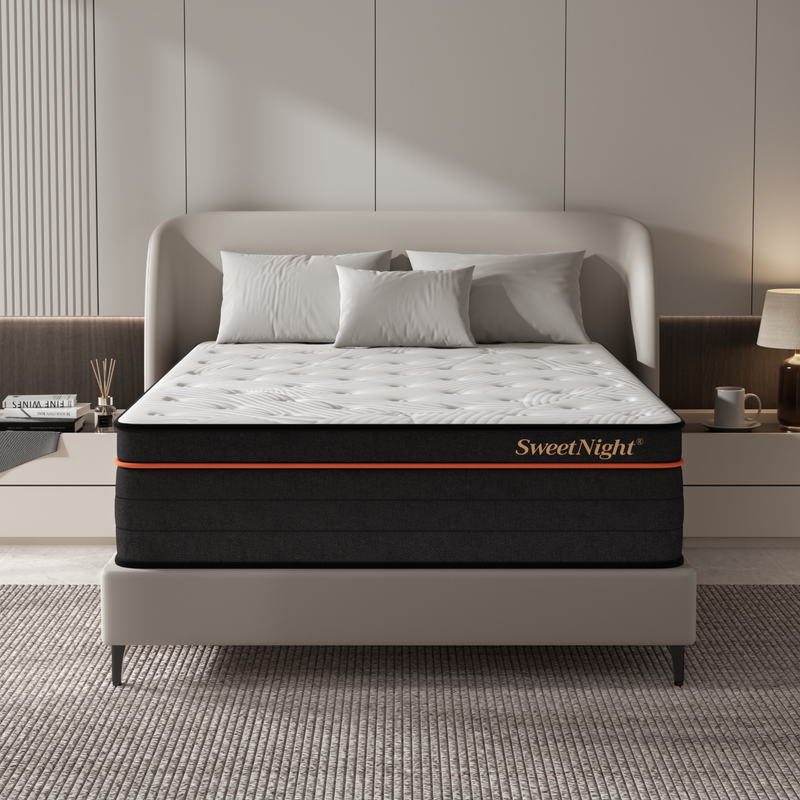
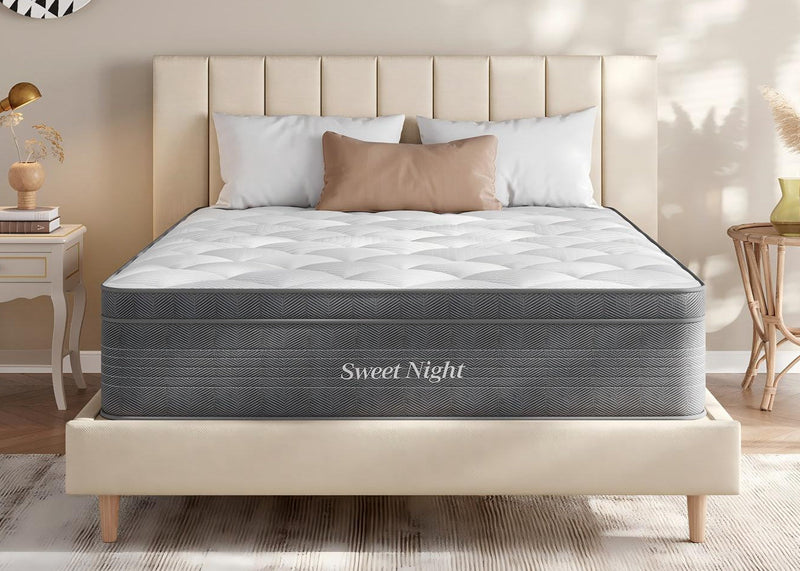
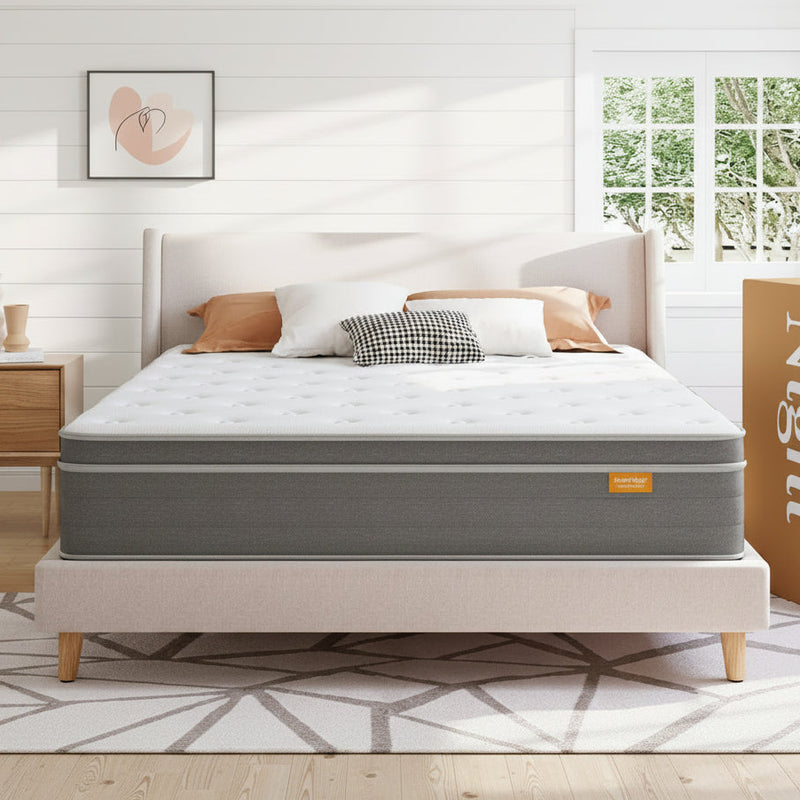
Pulling the requirements together points to a bed that cools hard, isolates motion, and supports two different bodies, and the SweetNight CoolNest Ultra is built around exactly that mix. It is a memory foam mattress engineered to sleep up to 11° cooler than standard foam, with a layered cooling system that has the capacity to keep clearing heat even under two bodies rather than saturating after the first hour the way a single gel layer would.
As an all-foam design it isolates motion well, so a partner rolling over or getting up stays a local event instead of a shared wake-up, which is the feature light-sleeping couples miss most on cheaper beds. That quiet is paired with a 7-zone support core that firms up under the hips and lower back while cradling the shoulders, giving two sleepers of different weights consistent alignment without the center-sag that rolls partners together and traps heat.
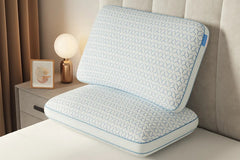
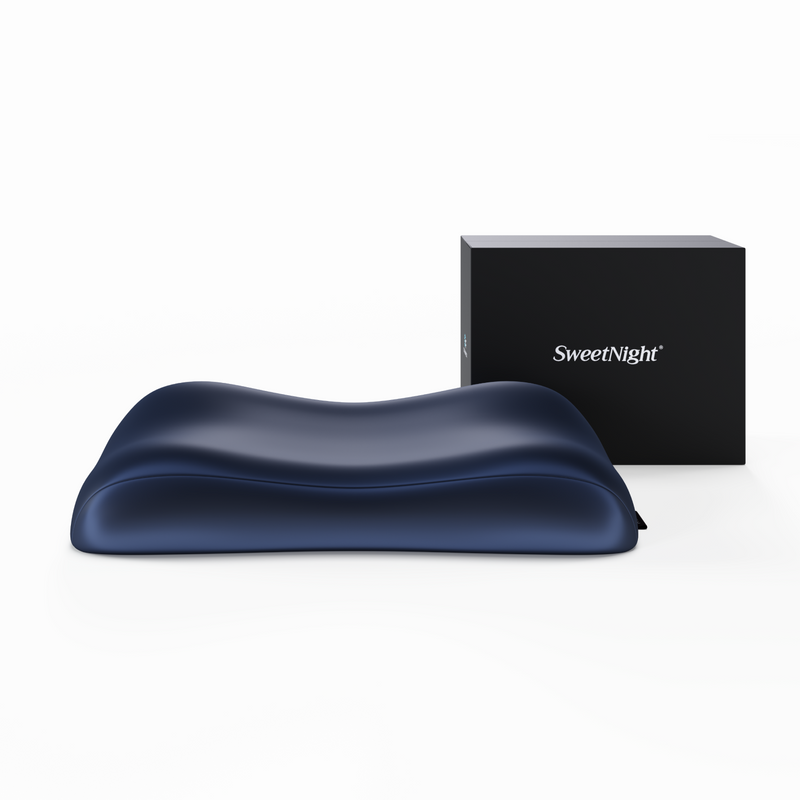
It also comes with the practical protections couples need to judge a bed honestly. A 100-night trial gives you time to test the cooling and motion isolation across enough warm nights with both of you in the bed, and it ships with a cooling pillow so you can feel the surface tech right away. For a couple that runs hot and wants cooling, quiet, and real support in one mattress, it is a strong answer.
What an independent test team scored it
Sleep Doctor's product testing team tested all three CoolNest Ultra heights and rated the mattress 8.4 out of 10 overall. For couples, the two relevant numbers are a perfect 10/10 for motion isolation - "among the strongest we've seen," with foam layers that "absorb nearly all vibrations big and small" - and 9.5/10 for pressure relief. They found the motion isolation held on every height: "each design isolates enough motion to prevent you and your partner from awakening when the other person changes positions during the night."
Two honest caveats from the same review, since they matter most when two people share a bed. Perimeter support scored 6.0, which they say can make "the surface area feel smaller" - worth weighing if you both sleep out toward the sides. And temperature control scored 6.5, described as regulating heat "moderately well" for a foam mattress; their own tip for warm sleepers is to choose the firmer 12-inch profile, because less sinkage means less of your body is enclosed in foam. Read the full Sleep Doctor scorecard.
A second independent outlet has since scored it, and for hot-sleeping couples its numbers are the more directly relevant pair. Mattress Nut rated the CoolNest Ultra 9.0 out of 10, scoring its cooling surface 91/100 - the highest figure they have recorded anywhere in the CoolNest range - and its Motion Isolation Coefficient 84/100, which they credit to the all-foam structure. Their verdict: "for its target buyer, the genuine hot sleeper who wants memory foam, the Ultra is the best mattress Sweetnight has ever built."
The two reviews look like they disagree about cooling - 91/100 against 6.5/10 - but they are measuring different things, and the distinction matters when you are choosing a bed for two. Mattress Nut is rating the cool-touch surface at the moment you lie down; Sleep Doctor is rating heat regulation across a whole night in a bed you have been sinking into for hours. Both are true, and for couples the practical reading is that the surface runs genuinely cold while the all-foam hug still holds more heat than a coil hybrid would under two bodies. Worth noting that Mattress Nut, despite giving cooling its highest score, describes SweetNight's "up to 11 degrees" figure as "a lab-condition ceiling measured at first touch, not an all-night average." Read the Mattress Nut review.
A third team has since settled that question rather than adding to it. NapLab scored cooling 8.0/10 within an 8.5/10 overall rating - a whole-mattress figure that sits above average without approaching the 91/100 surface number, which is exactly where a bed with an excellent cover and an all-foam core should land. Their framing is the plainest of the three: "fundamentally, this is still an all-foam memory foam mattress," and such beds "typically struggle more with heat retention." Line the three cooling scores up and they are a gradient from first touch to hour six, not a contradiction. See all four scorecards.
Sleep Foundation named it Best for Couples and Best Mattress for Hot Sleepers
Both halves of this article's problem got an award in the same week. On September 29, 2026 Sleep Foundation named the CoolNest Ultra Best for Couples on its best mattress for back pain under $2,000 list and Best Mattress for Hot Sleepers on its most comfortable mattresses list, with an 8.5/10 Test Lab score and a perfect 10/10 for motion isolation.
Their reason for the couples award: "As an all-foam model, this model's thick comfort system provides the motion isolation couples usually look for to minimize interruptions." Their temperature control score is 7.5/10, a point higher than Sleep Doctor's 6.5 after Sleep Foundation updated its review in September.
They also resolve the one real trade-off for hot-sleeping couples, and it comes down to height. "If pressure relief and motion isolation are your top priorities... we recommend the 14-inch and 16-inch SweetNight CoolNest Ultra models. These designs provide the most cradling, and our team felt little to no movement when lying side by side on the mattress. The 12-inch model is your best bet if temperature control is more important." So if one of you runs hot and the other is a light sleeper, decide which complaint wakes you more often: heat points to the 12-inch, a restless partner to the 14-inch.
More on every CoolNest award: Sleep Foundation 2026 awards for SweetNight CoolNest.
FAQ: best mattress for couples who sleep hot
Why do my partner and I sleep hotter together than alone? Two bodies generate close to double the heat in the same space, that warmth pools in the shared center of the bed, and a single shared comforter seals it in. The mattress surface between you is where the heat concentrates, which is why a cooling bed helps couples so much.
What matters more for couples, cooling or motion isolation? Both, and the best mattress for couples who sleep hot handles them together. Cooling stops you waking up warm, motion isolation stops you waking up when your partner moves, and each problem makes the other harder to recover from during the night.
Should hot-sleeping couples choose foam or hybrid? Cooling memory foam gives the best motion isolation and deep contouring with modern airflow to keep it cool, ideal for light sleepers. A cooling pocket-coil hybrid suits heavier couples or those who run extremely hot and want maximum airflow and firmer edge support.
What if one of us is a hot sleeper and the other is always cold? A cooling mattress targets the shared surface heat without chilling the cold partner, and layered separate blankets let each of you tune your own warmth. That combination settles most couple temperature disagreements better than fighting over the thermostat.
Does mattress size affect how hot a couple sleeps? Yes. More surface area lets two bodies spread out instead of pooling heat in a narrow center zone, so sizing up to a king and choosing a mattress with strong edge support both help a hot couple sleep cooler by keeping the full width usable.
Two warm bodies in one bed is a genuinely harder problem than a single hot sleeper, and the best mattress for couples who sleep hot is the one that treats it that way. Demand a cooling system with the capacity to clear double the heat all night, real motion isolation so neither of you wakes when the other moves, and durable zoned support that holds two different bodies level. Match that to your combined weight and habits, and you can sleep close, sleep cool, and stop trading elbow room for a decent night's rest.