

















If you weigh more than the “average” sleeper, you’ve probably lived some version of this story: you buy a mattress that felt great in the showroom, sleep beautifully for a few months, and then slowly start noticing a dip forming right where your hips land. Within a year or two there’s a visible valley in the middle of the bed, your back aches in the morning, and you’re wondering whether you got a lemon. Scroll through the mattress forums on Reddit and you’ll see the same complaint over and over from bigger sleepers — “my mattress sagged in eight months,” “there’s a trench where I sleep,” “is this normal at my weight?”
Here’s the honest answer: it’s common, but it’s not inevitable, and it’s usually not because you did anything wrong. Heavier bodies put more force into a mattress every single night, and most beds simply aren’t built with the density and structure to take that force for years. Once you understand why sagging happens faster for heavier sleepers — the physics of it, the materials that fail, and the specific features that resist it — you stop rolling the dice on beds that were never going to last and start choosing ones that actually hold you up. That’s what this guide is about.
Why Heavier Sleepers Often Experience Mattress Sagging
The short version comes down to force. A mattress supports you by pushing back against your weight, and the more you weigh, the harder you press into every layer beneath you. Night after night, that extra pressure compresses the foam and coils more deeply and more relentlessly than it does for a lighter person — and materials that get compressed harder, break down faster. Sagging is just the visible end result of that breakdown concentrating where your heaviest parts rest.
It helps to picture two people lying on the identical bed. A 140-pound sleeper presses the comfort layers down a certain amount, and the material has an easy time springing back each morning. A 260-pound sleeper presses those same layers much further, closer to their limit, and asks them to recover from a bigger deformation every day. Over thousands of nights, the heavier load wins — the foam loses some of its ability to bounce back, the coils lose a little tension, and a permanent depression forms. Same mattress, same materials, completely different lifespan, purely because of how much force each body applies.
This is why sagging feels almost personal for heavier sleepers, like the mattress industry keeps letting them down. In a sense it does: most mass-market beds are engineered around an average-weight buyer, so a larger body is essentially stress-testing the materials far beyond what they were designed for. The sagging isn’t a defect in your body or your sleeping habits — it’s a mismatch between the force you apply and the durability the bed was built to deliver.
What Mattress Sagging Actually Is and Why It Differs From Softening
Before you can fix sagging, it’s worth being precise about what it is, because people lump together two different things and end up misdiagnosing their bed. Real sagging is a permanent loss of shape — a body impression or dip that stays there even when no one is lying on the mattress. Press your hand into the surface, walk away, and the valley is still visible. That’s the material giving up its structure for good.
Softening, by contrast, is when a mattress simply feels less firm than it used to but still returns to a flat, even surface when you get up. Comfort layers naturally break in over the first weeks and mellow a bit over the years; that’s normal and often even pleasant. The problem is only when softening tips over into sagging — when the bed stops recovering and the dip becomes part of its permanent shape. For heavier sleepers, that tipping point arrives sooner, because more force accelerates the whole timeline.

The reason the distinction matters is that it tells you whether your bed can be saved. A mattress that’s merely softened may just need a firmer foundation or a supportive topper to feel right again. A mattress that’s truly sagging — with a set-in trench that no longer springs back — is structurally done, and no topper will fix a broken support core underneath. Knowing which one you’re dealing with is the difference between a cheap tweak and a necessary replacement.
Why More Body Weight Accelerates Mattress Sagging
Let’s get into the mechanics, because understanding them makes every buying decision easier. Mattress materials — foams especially — have something like a fatigue limit, similar to how a paper clip bent back and forth eventually snaps. Every night you compress the foam cells and every morning they try to spring back. A heavier body compresses those cells closer to their breaking point on each cycle, so they fatigue and collapse in fewer cycles. More weight literally spends the material’s lifespan faster.

Weight distribution makes it worse in a specific spot. Your body isn’t evenly heavy — a large share of your mass sits in the hips and midsection. For a heavier person, that already-concentrated load is even more concentrated, so the foam directly under the hips takes a punishing, repeated hit while the material under your calves barely gets touched. That’s why sagging almost never appears uniformly; it shows up as a distinct crater right where the heaviest part of you lands, which is exactly the worst place for it because that’s where your spine needs the most support.
Heat and moisture quietly speed things up too. Larger bodies tend to generate and retain more heat, and warmth softens many foams, making them compress a little more easily and recover a little less completely. Add the ordinary humidity of nightly sleep, and the materials under a heavier sleeper are working in tougher conditions on top of the heavier load. All of it stacks in the same direction: the more you weigh, the harder, hotter, and more concentrated the demand on the exact spot where the mattress can least afford to fail.
Where Heavier Sleepers See Mattress Sagging First
If you know where sagging tends to start, you can catch it early and understand what your body is telling you. For the overwhelming majority of heavier sleepers, the first place a dip forms is under the hips and lower back. That’s simple to explain: it’s where the most weight concentrates, so it’s where the material fatigues first. If you sleep on your back or side, this is almost always the epicenter of the problem.
The shoulders are the second common trouble spot, especially for heavier side sleepers who drive a broad shoulder deep into the comfort layer every night. You may notice one specific shoulder-shaped depression on your usual side of the bed. And along the edges, heavier sleepers often feel the perimeter collapse — sitting on the side of the bed to get dressed, or sleeping near the edge, puts intense localized load on a part of the mattress that’s frequently under-built, so the edges soften and cave sooner than the middle.
There’s also the classic couple’s pattern: two separate body impressions with a firmer ridge left standing in the untouched center, so you both slowly roll toward the middle. When one partner is significantly heavier, their side sags deeper and faster, and the bed develops a lopsided tilt. If you’re seeing any of these localized dips forming within the first year or two, that’s the material telling you it wasn’t dense or supportive enough for the load you’re putting on it — useful information for the next purchase, even if it’s frustrating on this one.

Why Cheap Foam and Low-Density Materials Sag Faster
Here’s the single most important thing a heavier sleeper can learn: not all foam is created equal, and the difference that matters most for sagging is density, not firmness. Density measures how much material is packed into each cubic foot of foam — how many actual cells are there to share the load. A low-density foam has fewer, thinner cell walls doing the work, so under a heavy body they fatigue and collapse quickly. A high-density foam has far more material carrying the same weight, so each cell is stressed less and the whole layer lasts dramatically longer.

This is exactly why so many budget mattresses feel amazing on day one and betray you within a year. To hit a low price, manufacturers use lower-density foams that can feel plush and inviting at first but simply don’t have the structure to withstand repeated heavy compression. For an average-weight sleeper they might limp along for a few years; under a heavier body they’re overwhelmed fast, and the showroom magic turns into a trench. The price you save up front you pay back in a mattress that sags before its time.
Firmness confuses people here because a firm-feeling bed isn’t necessarily a durable one — you can make a low-density foam feel firm and it’ll still break down under weight. What you actually want to ask about is density (for memory foam and polyfoam) and coil gauge and count (for hybrids and innersprings). Heavier sleepers do best seeking out genuinely durable construction, and browsing a curated durable mattress lineup built for longevity is a smarter starting point than chasing whatever’s cheapest this week. Spending a bit more on higher-density materials isn’t a luxury when you weigh more — it’s the whole difference between a bed that lasts and one that craters.
How Mattress Sagging Causes Back Pain and Poor Sleep
Sagging isn’t just cosmetic or annoying — it directly attacks the thing you bought a mattress for, which is spinal support. When the surface under your hips caves in, your midsection drops lower than the rest of you and your spine bows into a U shape instead of holding its neutral, standing-like alignment. Hold that bowed position for seven or eight hours a night and the muscles and ligaments around your lower back are stretched and strained the entire time. That’s why the hallmark of a sagging bed is waking up with lower-back pain and stiffness that eases as you move around during the day.
It also wrecks sleep quality in ways you might not connect to the mattress. When you’re sunk into a dip, changing positions takes real effort — you have to climb out of the crater to roll over — which nudges you toward the surface of sleep or fully awake each time. You end up tossing more, sleeping more lightly, and rolling involuntarily toward the deepest part of the sag, which for couples means gravitating into each other all night. The result is fragmented, unrefreshing sleep even when you’re technically in bed long enough.
And it tends to snowball. A little sagging causes a little discomfort, which makes you shift to a new spot, which starts compressing a fresh area, while the original dip keeps deepening. Meanwhile a body that’s misaligned night after night doesn’t just wake up sore once — the strain accumulates into the kind of chronic, nagging back trouble that people wrongly assume is just aging or a bad back. Often it’s a saggy mattress quietly doing damage, and it doesn’t get better on its own. The longer you sleep on a bed that’s stopped supporting you, the more the aches settle in, which is why it’s worth taking early sagging seriously rather than waiting it out.
What Kind of Mattress Resists Sagging for Heavier Bodies
The encouraging news is that sag-resistant mattresses for heavier sleepers absolutely exist — they’re just built differently, and once you know the features to look for, they’re easy to spot. The foundation of any durable bed for a larger body is a strong support core: a thick layer of high-density foam or robust, appropriately gauged coils whose entire job is to push back firmly and hold your heaviest parts up. This is the layer that prevents the deep, permanent dip, and it’s the one budget beds skimp on most.
Above that core, you want high-density comfort foams that contour without fatiguing, and ideally zoned support — construction that’s reinforced firmer under the hips and midsection where a heavier body concentrates load, and more cushioning under the shoulders. Zoning matters enormously for larger sleepers because it puts the extra reinforcement exactly where sagging would otherwise start, keeping your spine level even though your weight isn’t evenly distributed. Enough total thickness helps as well, so there’s real material to compress through before you ever reach the hard base. If sag has been your recurring problem, it’s worth looking specifically at a mattress that won’t sag selection engineered around exactly these priorities.

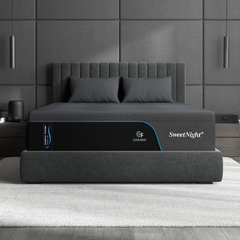
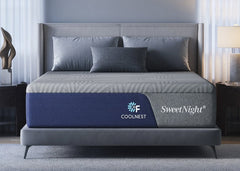
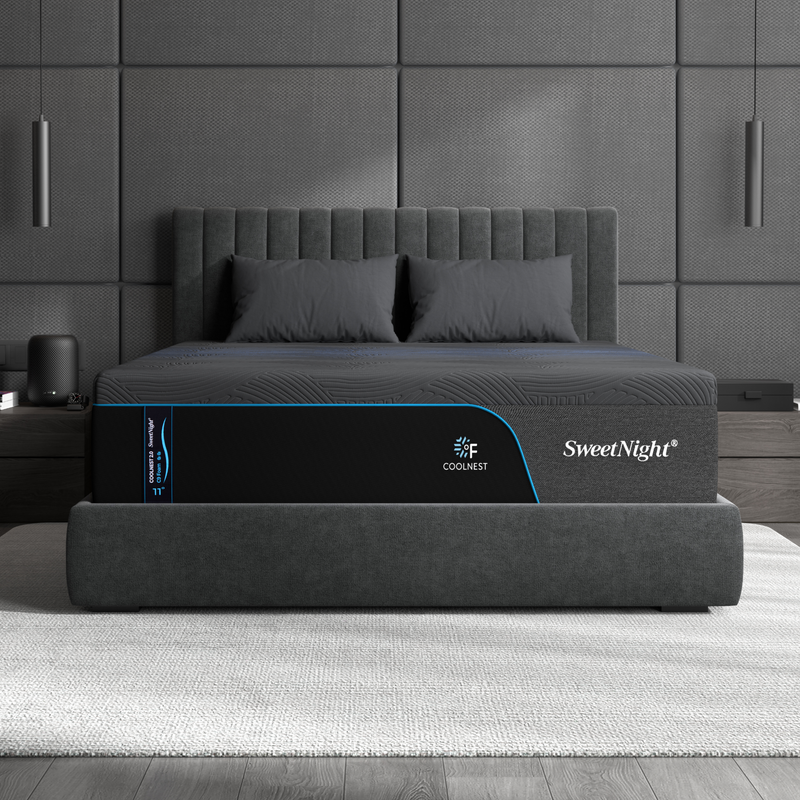
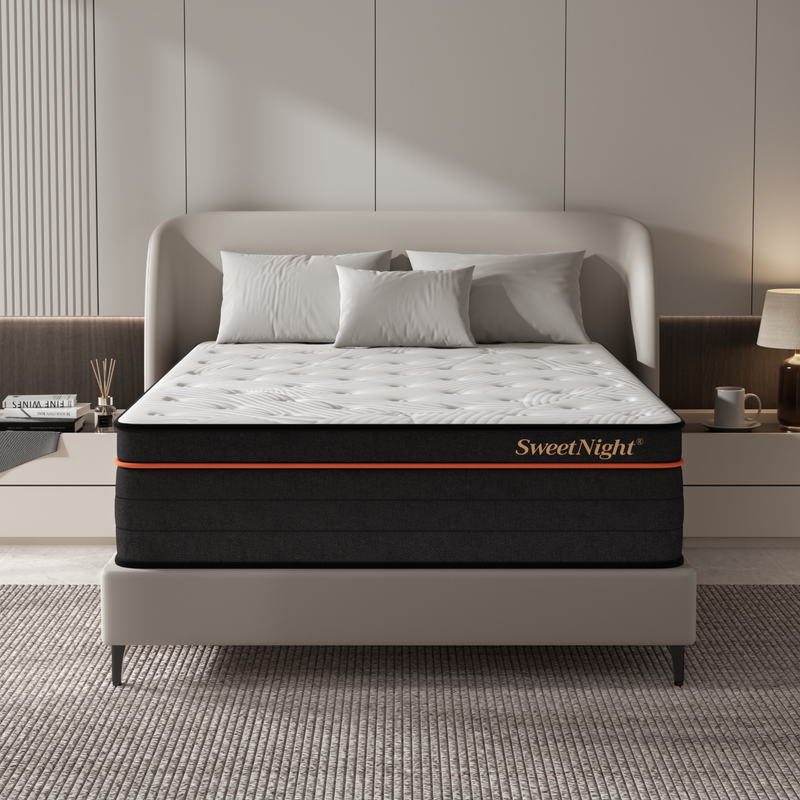
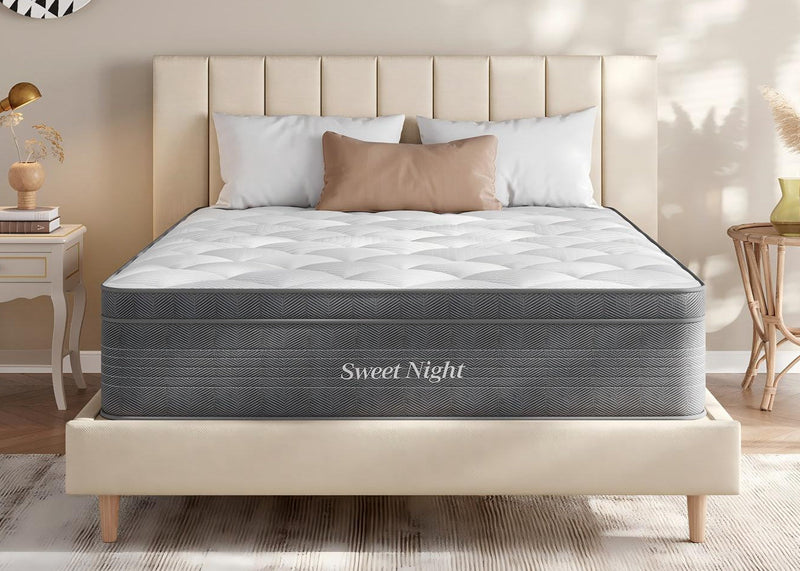
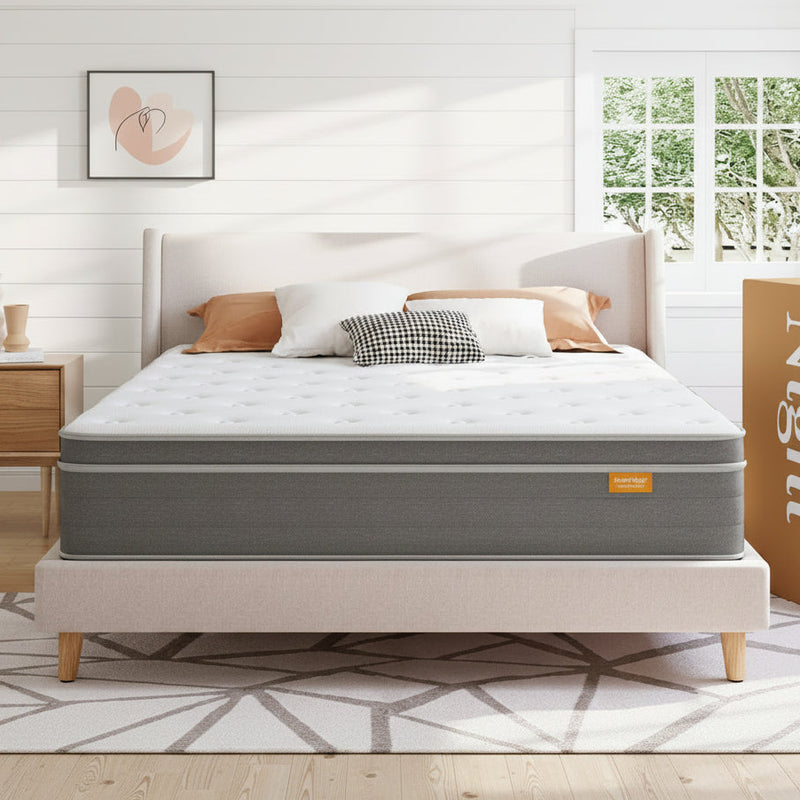
A well-built model like the CoolNest® Ultra pulls these ideas together: a supportive high-density core to resist the permanent dip, 7-zone targeted support that firms up under the hips where heavier bodies sag first, and adaptive memory foam that contours to your shape while the structure underneath keeps you lifted — with cooling built in so the contouring layers don’t sleep hot for bodies that run warm. That combination of density, zoning, and structure is precisely what lets a single mattress hold a heavier sleeper in alignment for years instead of months. When you’re shopping, treat the support core and material density as the headline features and the surface plushness as secondary — that ordering is what separates a bed that lasts from one that craters.
How to Slow Down Mattress Sagging and Protect Your Bed
Even the best mattress lasts longer with a little care, and for a heavier sleeper these habits genuinely stretch the years you get before sag sets in. The most impactful one is a solid, supportive foundation. A mattress is only as sturdy as what’s under it, and slats spaced too far apart let the mattress bow into the gaps — a fast track to sagging under extra weight. Make sure your bed frame or platform has closely spaced slats (or a solid surface) and enough center support, which for heavier sleepers often means adding center legs or extra slats. This alone prevents a lot of premature dipping.
Rotating the mattress is the next big lever. Turning it head-to-foot every couple of months spreads the wear so your hips aren’t always punishing the exact same square foot of foam. It won’t make a low-density bed immortal, but it meaningfully evens out and delays body impressions, and it’s worth doing on a calendar reminder. A few more habits that help:
- Use a mattress protector. It keeps moisture and heat — both of which soften and degrade foam — from soaking into the materials night after night.
- Don’t always sleep in the exact same spot. If you can, vary your position on the bed a little so one zone isn’t taking every night’s full load.
- Avoid sitting in the same edge spot daily. Perching on one corner to dress concentrates heavy load on under-built edges; move around or sit elsewhere when you can.
- Air it out. Letting the bed breathe and stripping the sheets periodically helps materials shed the heat and humidity that accelerate breakdown.
None of these can rescue a mattress that was too flimsy for your weight to begin with — care buys time, it doesn’t rewrite the material’s limits. But paired with a genuinely durable bed, good habits are the difference between replacing it in three years and getting eight good ones. Think of the foundation and rotation especially as non-negotiables when you weigh more.
Signs Your Mattress Is Sagging Beyond Repair
At some point care and toppers stop being enough, and it’s important to recognize when a bed is genuinely finished so you’re not sleeping on damage out of hope or thrift. The clearest test is the empty-bed check: strip the mattress bare, look across it at eye level, and see whether there’s a visible dip when no one is lying on it. A permanent depression deeper than an inch or so — especially one that doesn’t flatten out after you’ve been off the bed all day — means the support structure has failed, not just softened.
Your body is the other reliable instrument. Watch for these signals:
- You wake with lower-back pain that fades once you’re up and moving. The signature of a sag letting your spine bow all night.
- You feel like you’re rolling into a valley or drifting toward your partner no matter where you start.
- You sleep noticeably better away from home — in a hotel or a guest bed — which points at your own mattress as the culprit.
- A topper stops helping. If you’ve added a good topper and still hit the dip, the problem is the broken core beneath, which no surface layer can fix.
When you’re seeing a real, set-in trench and any of these symptoms, the mattress is done, and continuing to sleep on it is just prolonging the back pain. That’s not a failure on your part — if the bed sagged fast under your weight, the lesson is simply to buy denser and more supportive next time, not to squeeze another sore-backed year out of a collapsed bed. Treat a confirmed permanent dip as your cue to replace, and use what you learned about density and support to pick something built to outlast it.
Choosing a Mattress Built to Hold a Heavier Body
Pulling it together, here’s the mindset that ends the cycle of sag-and-replace for heavier sleepers: buy for the force your body actually applies, not for the showroom feel or the sticker price. The beds that fail you fast are the ones built around an average buyer with low-density materials chosen to hit a number. The beds that last are built with dense foams, a strong support core, and zoned reinforcement where a larger body concentrates its weight.
Practically, that means making density and support-core quality your top filters, insisting on enough thickness that you won’t bottom out, pairing the mattress with a properly supportive foundation, and leaning toward adaptive, zoned designs that firm up under the hips. It means treating a genuine at-home trial as your real test — give a new bed several weeks so your body adjusts before judging it — and being willing to spend a little more up front on materials that won’t crater, because for a heavier sleeper that’s the actual cost of a bed that lasts. Starting from a lineup made for larger bodies, like a mattress for heavy people collection, saves you from re-learning all this the expensive way.
The frustrating experiences finally make sense once you see them through the lens of force and density: the bargain bed that sagged in a year wasn’t bad luck, it was under-built for your weight; the trench under your hips wasn’t your fault, it was concentrated load meeting flimsy foam. Choose for your actual body — dense, supportive, zoned, on a solid foundation — and sagging stops being the thing you brace for. You end up on a surface that keeps your spine level night after night because it was engineered to take exactly the load you put into it, which is the whole point of a mattress in the first place.
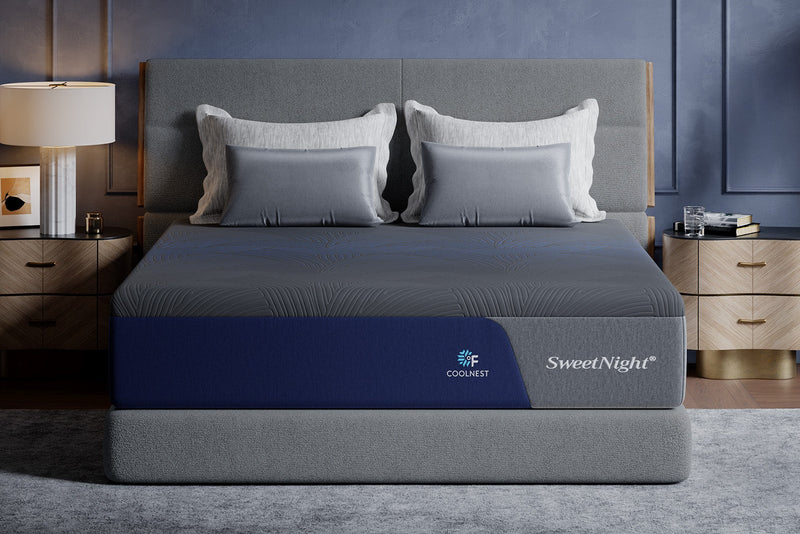
If you're comparing mattresses after reading this, here's where each CoolNest® model fits:
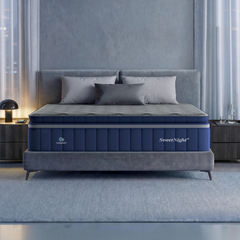
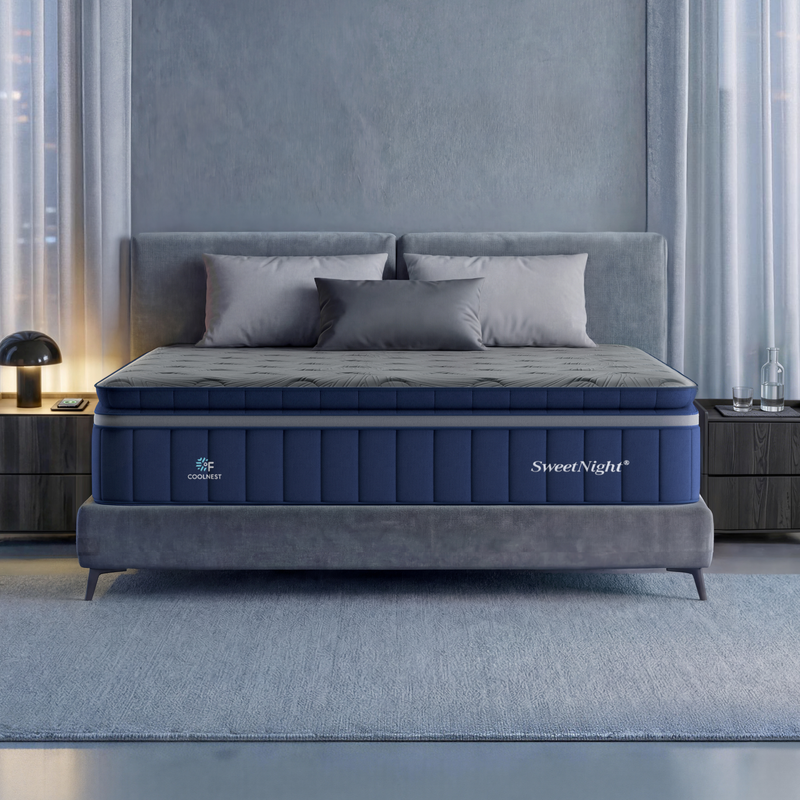
- CoolNest® Hybrid Mattress: pocketed coils under a DuoSense™ pillow top. Pick this one if you want bounce, firm edges and less partner motion.
- CoolNest® Memory Foam Mattress: the lowest-priced model in the range, all-foam with 5-zone support and a breathable 3D-woven cover.
- CoolNest® Pro and CoolNest® Ultra: the step-up foam models, with PCMflux® temperature-regulating foam and 7-zone support. Ultra adds AirMesh™ foam and feels up to 11° cooler.
- Current prices on every size and thickness are on the Fall Sale page, or browse all mattresses.