


















Here’s a scenario that plays out constantly. Two people read the same rave reviews, buy the same “universally comfortable” mattress, and end up with completely opposite experiences — one sinks in too far and wakes up with a sore back, the other feels like they’re sleeping on a board. Same bed, same firmness rating, wildly different results. The single biggest reason for that gap isn’t taste or bad luck. It’s body weight, and it changes how a mattress supports you far more than most people ever expect.
A firmness label — “medium,” “medium-firm,” a number out of ten — describes how a mattress feels to some imaginary average sleeper, not to you specifically. Two bodies of different weights press into the same surface with different force, sink to different depths, and get supported in different ways. Ignore that, and you can do everything “right” — read the reviews, buy the popular pick — and still end up on a bed that’s wrong for your body. This article breaks down exactly how body weight interacts with mattress support, so you can skip the expensive guessing and choose a bed that actually holds you the way it should.
Why Body Weight Affects Mattress Support More Than You Expect

The reason weight matters so much comes down to basic physics: a mattress responds to the force pressing into it, and heavier bodies press harder. Lie down and your weight compresses the layers beneath you until the material pushes back with equal force and you settle. How deep you sink before that balance point — and therefore how the bed cradles or supports you — depends heavily on how much you weigh and how that weight is distributed.
This is why the exact same mattress can feel firm to one person and soft to another. A lighter sleeper doesn’t generate enough force to compress the comfort layers much, so the bed feels firmer and they rest more on top of it. A heavier sleeper pushes deeper into those same layers, so the identical bed feels softer and they sink further in. It’s not that one of them is wrong about the mattress — they’re both right, because they’re literally experiencing different amounts of the bed.
Support is the part that really gets affected. Good support means your spine stays in roughly the same neutral alignment it has when you’re standing — not sagging in the middle, not arched. Whether a given mattress delivers that depends on whether your weight sinks the right amount: too little and pressure builds at your shoulders and hips, too much and your midsection drops and your spine bows. Because weight decides how far you sink, it effectively decides whether a mattress can keep you aligned at all. That’s why the same bed can protect one person’s back and wreck another’s.
How Mattress Firmness Feels Different by Body Weight
Once you understand that firmness is relative, a lot of confusing mattress advice suddenly makes sense. The number on the box is calibrated to an average-weight sleeper, so the further your weight sits from that average, the more the real-world feel drifts from the label — and this is the source of countless mismatched purchases.
If you’re on the lighter side — roughly under 130 pounds — you compress a mattress less, so nearly everything feels firmer than advertised. A “medium” bed can feel firm-to-hard because you’re resting on top of the comfort layers instead of sinking into them, and a genuinely firm bed can feel unforgiving, leaving pressure at your shoulders and hips because the surface never gives enough to cradle them. Lighter sleepers usually need a softer mattress than the label suggests to get proper contouring.
If you’re heavier — roughly over 230 pounds — the opposite happens. You compress the same layers more, so everything feels softer than advertised, and a “medium” bed can feel soft-to-sinking. Your risk isn’t too little give, it’s too much: sinking past the comfort layers until your hips drop and your spine sags. Heavier sleepers generally need a firmer, more supportive mattress than the number implies, with enough structure underneath to stop them from bottoming out. Average-weight sleepers, somewhere in between, are the ones the labels are actually written for — which is exactly why generic firmness advice works for them and misfires for everyone else.
The Best Mattress Firmness for Your Weight and Sleep Position
Weight sets the baseline, but sleep position fine-tunes it, and the two together point you toward the firmness you actually need. Think of it as a grid rather than a single number.
Side sleepers need room for the shoulder and hip to sink in so the spine stays straight, which means softer overall — but scaled to weight. A lightweight side sleeper needs a genuinely soft surface to contour at all; an average side sleeper wants medium to medium-soft; a heavier side sleeper needs something that cradles the shoulder and hip without letting them sink so far the waist collapses, so medium-firm with strong support underneath. Back sleepers want the hips supported so they don’t sag while the lower back stays gently filled in — medium-firm is the classic target, trending softer for lighter bodies and firmer for heavier ones. Stomach sleepers need to keep the hips from dropping, which bows the lower back, so they want firmer across the board, and heavier stomach sleepers especially need a firm, supportive surface to stay flat.
The through-line is that there’s no universal “best” firmness — only the best firmness for your weight and position together. A 250-pound stomach sleeper and a 120-pound side sleeper need almost opposite beds, and a product that claims to be perfect for both is really just medium for the average person in the middle. When you’re shopping, filter by the firmness your body-and-position combination actually calls for. Browsing a curated mattress for spine alignment lineup, chosen for keeping the back neutral, is a smarter starting point than sorting by star ratings that average over every body type at once.
This grid is exactly why so many couples struggle to agree on a mattress — and why the disagreement is usually real, not stubbornness. If one partner is a 150-pound side sleeper and the other is a 220-pound back sleeper, they genuinely need different amounts of give from the same surface, and any single firmness is a compromise that leaves at least one of them a little off. Some couples split the difference with a medium-firm bed that’s tolerable for both; others solve it properly with a split setup, where each side is built to its owner’s weight. But the most practical middle path for a mixed-weight couple is an adaptive, zoned design that contours differently depending on how much force each body puts into it — so the lighter partner gets cradled and the heavier one gets held up, on the same bed. If you and your partner keep landing on opposite sides of the firmness argument, it’s not that one of you is wrong; it’s that you weigh different amounts and the label only speaks to one of you.
Why Heavier Sleepers Need More Support and Durability
Heavier sleepers face a specific double challenge that lighter sleepers rarely think about: they need more support to stay aligned in the first place, and they wear a mattress out faster, so durability matters as much as feel. Getting either one wrong turns into back pain and a bed that fails early.
On support, the danger for a heavier body is sinking too deep — the hips and midsection, which carry a lot of the weight, drop into the mattress and pull the spine out of line, which is a direct route to lower-back pain. Avoiding that takes real structure underneath the comfort layers: a robust support core, whether that’s high-density foam or sturdy coils, that pushes back firmly enough to keep the heaviest parts of you lifted into alignment. A thin or flimsy bed simply can’t do that for a larger body, no matter how plush the top feels at first. This is also why total thickness tends to matter more for heavier sleepers — there needs to be enough material to compress through without bottoming out onto the hard base.
On durability, more weight means more force on the materials night after night, so cheap or low-density foams break down faster — developing the body impressions and sagging that quietly ruin support within a couple of years. For a heavier sleeper, investing in higher-density, better-quality materials isn’t a luxury; it’s what keeps the bed supportive for its whole life instead of six good months followed by a slow slide into a hammock. When you weigh more, look hard at material density and support-core quality, not just the surface feel in the showroom — and lean toward beds built and reviewed specifically with back support in mind.
Why Lightweight Sleepers Struggle With Firm Mattresses
Lighter sleepers have the opposite and less-discussed problem: the mattress world skews firm, and a lot of popular, well-reviewed beds simply don’t give enough for a smaller body to sink in and be cradled. If you’re on the lighter side and keep waking up with sore shoulders or hips on beds everyone else loves, this is almost certainly why.

Because a lightweight body doesn’t generate much compressing force, a firm mattress stays firm underneath them — the comfort layers never really engage. Instead of the surface molding around the shoulder and hip, those points press into an unyielding surface, concentrating pressure exactly where a side sleeper least wants it. The result is numbness, aching, and a lot of tossing to find a position that doesn’t hurt. The bed isn’t defective; it’s just calibrated for someone heavier who would sink into it and be cradled where the lightweight sleeper is being propped up.
The fix is to deliberately go softer than the internet consensus. Lightweight sleepers usually do best on softer surfaces with plush, pressure-relieving comfort layers that will contour even under modest weight — the kind of slow-cradling feel that memory foam does well, since it molds to your shape rather than waiting to be forced down. Don’t let “firmer is more supportive” advice steer you wrong; for a light body, a surface that’s too firm is actively less supportive, because support means keeping your spine neutral, and a bed that won’t let your shoulder and hip settle can’t do that. Trust your pressure points over the reviews.
How Zoned Support and Memory Foam Adapt to Body Weight
So far this sounds like everyone needs a different bed, which raises a fair question: is there any mattress design that works across a range of bodies? The honest answer is that the best modern designs are built specifically to adapt to different weights and distributions, and two features do most of that work — zoned support and quality memory foam.

Zoned support means the mattress isn’t uniform edge to edge; it’s engineered with firmer support under the heavier middle of the body (hips, lower back) and softer, more contouring zones under the lighter, pressure-prone areas (shoulders, legs). This helps a wider range of sleepers because it targets support where weight concentrates and relief where it doesn’t, keeping the spine neutral even when your weight isn’t evenly distributed. A 7-zone layout does this at a finer level, catching the specific spots where a given body tends to sag or press. For anyone whose weight sits mostly in one region — which is most of us — zoning does real work a flat, uniform bed can’t. It’s worth looking at a dedicated zoned mattress selection if support has been your issue.
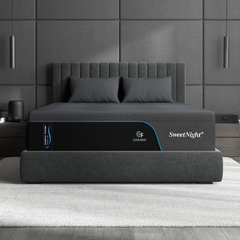
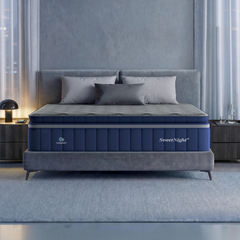
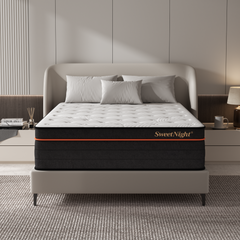
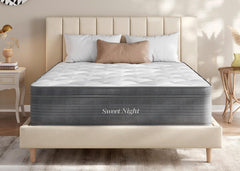
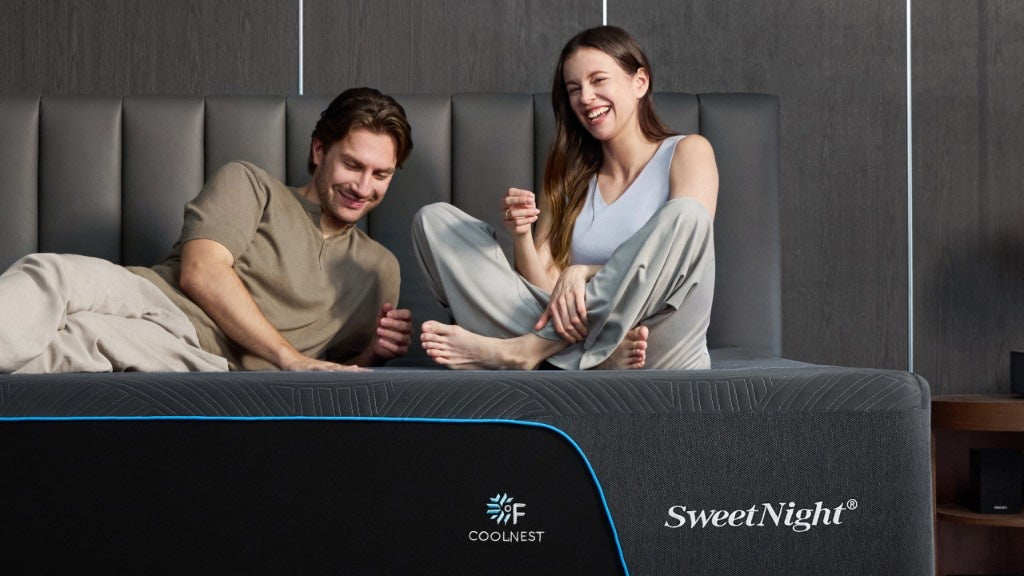
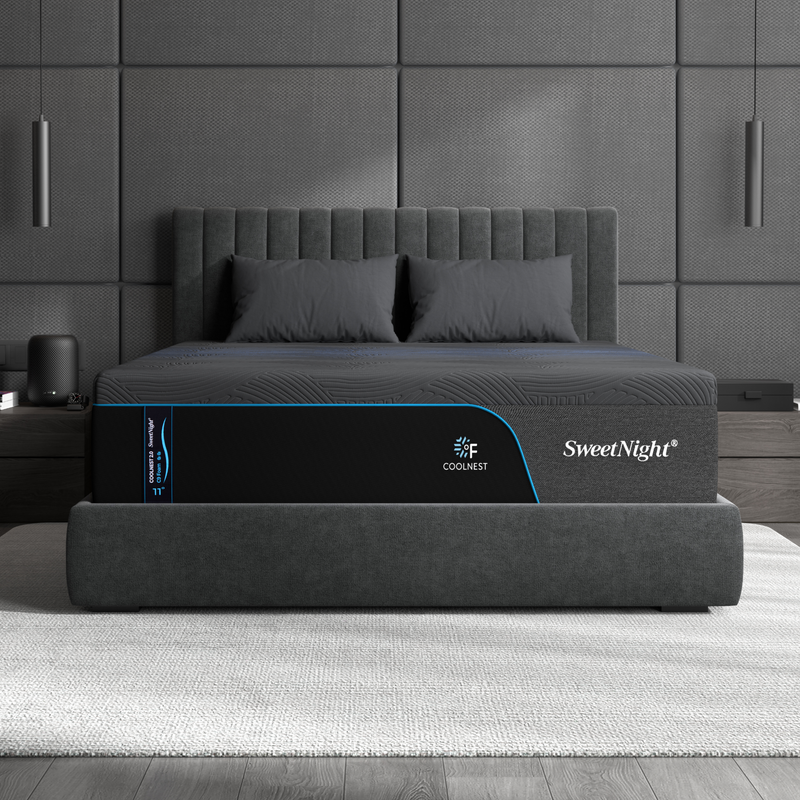
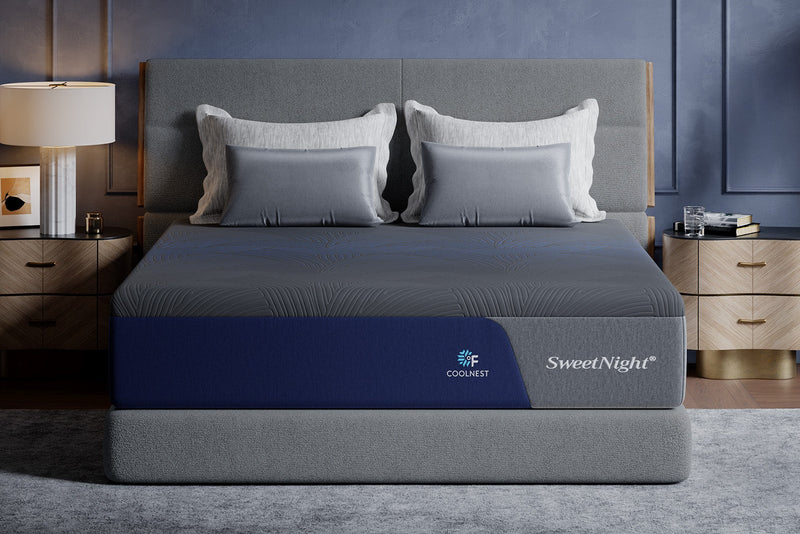
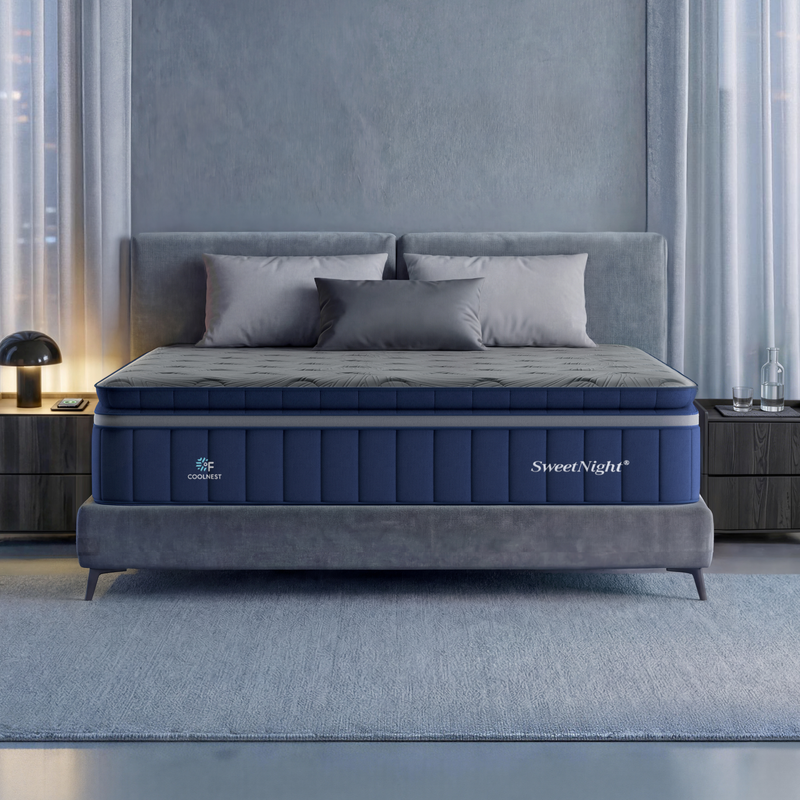
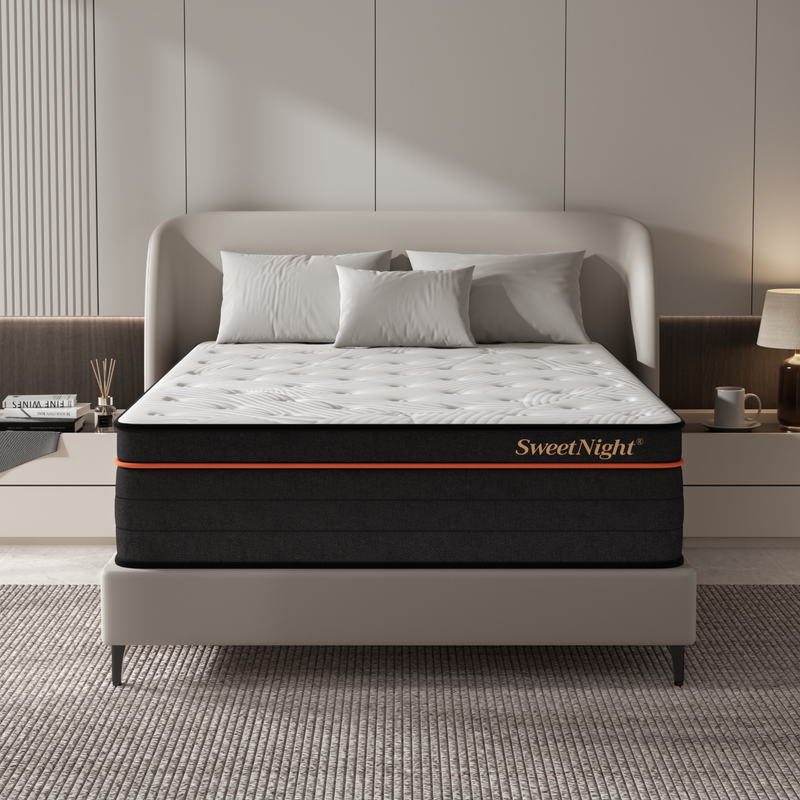
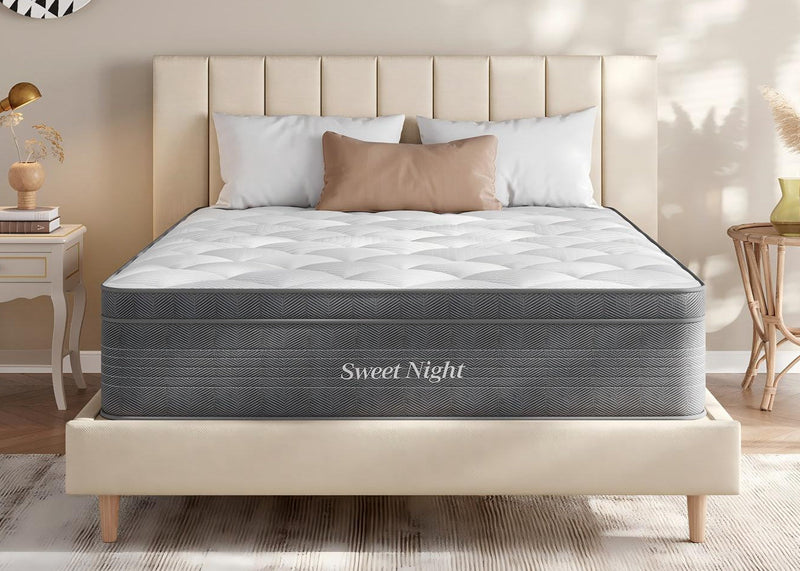
Quality memory foam adapts in a different way: because it responds to pressure and heat, it molds to each body’s actual shape rather than imposing one fixed contour. A lighter sleeper gets gentle cradling; a heavier sleeper gets deeper contouring while a firm support core underneath still holds their hips up. Combine the two — a zoned, supportive core with adaptive memory-foam comfort layers — and you get a bed that keeps far more body types aligned than a simple one-firmness slab. A mattress like the CoolNest® Ultra is built around exactly this pairing: 7-zone targeted support to keep the spine neutral across different weights, adaptive memory foam that molds to your specific shape, and cooling engineered in so the contouring foam doesn’t sleep hot. That combination is how a single bed manages to work for a much broader range of sleepers than a plain firmness number ever could.
Signs Your Mattress Isn’t Supporting Your Body Weight
How do you know your current bed is wrong for your weight rather than just past its prime? A few clear symptoms point straight at a support-versus-weight mismatch, and they’re worth recognizing before you write off your back pain as unfixable.
- You wake with lower-back pain or stiffness that eases as the day goes on. This is the classic signature of a mattress that lets your hips sag — your spine spent the night bowed. Common when a heavier sleeper is on a too-soft or worn-out bed.
- You have sore, numb shoulders or hips. Pressure-point pain usually means the surface is too firm for your weight to sink into — frequent for lighter side sleepers on popular firm beds.
- You toss and turn hunting for a comfortable position. Constant repositioning is your body telling you it can’t find neutral alignment on this surface.
- You see visible body impressions or a sagging middle. Dips deeper than an inch or so mean the materials have broken down under your weight — especially common when a heavier sleeper is on lower-density foam that wasn’t built to last.
- You sleep better in a hotel or on someone else’s bed. A strong hint that a different firmness — one that happens to suit your weight better — is what your body actually needs.
If you recognize a couple of these, the problem probably isn’t that you’re “bad at sleeping” — it’s that your bed and your body weight are mismatched. The encouraging part is that this is one of the most fixable sleep problems there is, because you now know what to change it to. And it’s worth acting on rather than waiting it out: sleeping night after night with your spine out of alignment doesn’t just cost you rest, it tends to build into chronic aches that follow you into the day, so the sooner you match the surface to your weight, the sooner both the sleep and the soreness start to turn around.
How to Choose the Right Mattress for Your Body Type
Let’s pull everything into a practical process for picking a bed that fits your body instead of an imaginary average one. Do these in order and you skip most of the expensive trial and error.
- Start with your weight bracket. Lighter (under ~130 lb): plan to go softer than the label. Average (~130–230 lb): the labels roughly apply to you. Heavier (over ~230 lb): plan to go firmer and prioritize support-core strength and material density.
- Layer in your sleep position. Side sleepers soften toward pressure relief; back sleepers aim medium-firm; stomach sleepers firm up to keep hips from sagging — then shift that target up or down for your weight.
- Prioritize support and durability if you’re heavier. Look for a robust support core, higher-density foams, and enough total thickness that you won’t bottom out. Cheap foam will fail fast under more weight.
- Prioritize contouring if you’re lighter. Favor plush, adaptive comfort layers that will cradle a smaller body, and don’t be talked into extra firmness you don’t weigh enough to use.
- Favor adaptive designs. Zoned support plus quality memory foam handles a wider range of bodies and mixed-weight couples than any single fixed firmness.
- Use the trial period as your real test. Firmness feel is personal and weight-dependent, so a genuine at-home sleep trial — several weeks, not one night — is the only way to confirm the fit for your body. Give your body time to adjust before judging.
Follow that and you’re choosing for the body you actually have rather than the one the marketing assumes. That’s the whole game — and it’s why two people can love and hate the same mattress without either of them being wrong.
Matching the Mattress to the Body, Not the Average
The big lesson worth carrying out of all this is simple, and it quietly explains a huge share of bad mattress purchases: there is no universally correct firmness, only the correct firmness for a specific body, in a specific sleeping position, with a specific weight pressing into it. The firmness number on the box is a starting hint calibrated for someone average — and the further you are from average, the more you have to translate it for yourself.
Once you see it that way, the frustrating experiences stop being mysteries. The bed everyone raved about that left you sore wasn’t a bad bed — it was calibrated for a body unlike yours. Your partner loving a mattress you can’t stand isn’t a disagreement about quality — it’s two different weights experiencing two different beds on the same frame. And your own back pain that no amount of “sleep hygiene” fixed may simply be a support-and-weight mismatch you finally have the language to correct.
So match the bed to the body, not to the average or the reviews. Know your weight bracket, respect your sleep position, weight support and durability if you’re heavier and contouring if you’re lighter, and lean toward adaptive designs — zoned support with quality memory foam — that flex to fit rather than forcing one feel on everyone. Do that and support stops being a gamble. You end up on a surface that keeps your spine neutral all night because it was chosen for the actual force your body puts into it — which is the difference between waking up sore and wondering why, and waking up feeling like the bed was made for you.