














Two people can lie down in the exact same room — same temperature, same faint hum from the hallway, same sliver of light under the door — and one of them is out cold in four minutes while the other is still awake an hour later, cataloguing every sound and wishing the room were just slightly different. If you’re the second person, you already know the strange unfairness of it. You’re not more tired than they are. You just feel your surroundings in a way they somehow don’t, and it costs you sleep. Being a light sleeper isn’t about willpower or bedtime discipline; it’s about how much your nervous system notices the room you’re trying to sleep in.
The good news buried in that frustration is this: if your sleep is unusually sensitive to your environment, then your environment is also your biggest lever. A deep sleeper can get away with a hot, bright, noisy room because their brain filters most of it out. You can’t — which means fixing the room does far more for you than it ever would for them. This article is about why light sleepers are so sensitive to their sleep environment, what specifically they’re picking up on, and how to turn a room that fights you into one that finally lets you rest.
What Makes Someone a Light Sleeper?
“Light sleeper” sounds like a personality quirk, but it describes something real about how your brain handles the line between sleep and waking. Everyone crosses that line up and down all night; the question is how easily you cross it and how much it takes to push you over. A light sleeper has a low threshold — small disturbances get through — while a deep sleeper needs a much bigger jolt to surface.

Researchers have actually measured a piece of this. During sleep, the brain produces bursts of rhythmic activity that seem to act like a filter, shielding sleep from outside disturbance. People whose brains generate more of that protective activity tend to sleep through noise and disruption; people who generate less of it wake more easily. So when you feel like you sleep with one ear open, that’s not your imagination — your built-in filtering may genuinely be turned down compared to the person snoring beside you.
It’s also worth saying that being a light sleeper isn’t one single thing — people land here by different routes. Some are wired this way from childhood and always have been. Some become light sleepers for a season because of stress, a new baby, shift work, age, or hormonal changes, and their sensitivity rises and falls with what’s going on in their life. And plenty of people are light sleepers only in certain conditions — perfectly deep at home, hopeless in a hotel or a new place, because an unfamiliar environment puts their guard up. Knowing which kind you are helps: if your sensitivity is lifelong, the environment is your main lever; if it spiked recently, it’s worth also looking at what changed. Either way, the room is where the practical fixes live.
Part of where you land is genetic and not something you’ll fully rewire. But it’s worth being clear about what that does and doesn’t mean. Your natural threshold is only half the equation; the other half is how many things in your environment are lined up to cross it. A naturally light sleeper in a dark, quiet, cool room can sleep beautifully, while a naturally deep sleeper in a hot, bright, chaotic one will struggle. You can’t change your wiring much, but you have enormous control over the room — and for a sensitive sleeper, the room is where nearly all the leverage lives.
Why Are Light Sleepers So Sensitive to Their Sleep Environment?
The core reason comes back to that lower threshold. Your brain never fully switches off during sleep — it keeps monitoring the environment in the background, ready to wake you if something important happens. In a light sleeper, that monitoring system is more reactive, so ordinary background events — a temperature shift, a passing car, a change in light — get flagged as worth waking for when a deep sleeper’s brain would quietly ignore them.
Evolution probably explains why this trait exists at all. In a group, having some members who wake easily at the first sign of trouble was a survival advantage — the light sleepers were the early-warning system. That heritage is cold comfort at 3 a.m. when the “threat” your finely tuned brain just flagged is the refrigerator cycling on or a streetlight flickering, but it’s a useful reframe: your sensitivity is a feature working overtime in an environment that no longer has real dangers, not a defect.

The practical consequence is that light sleepers pay a much higher price for a bad sleep environment than everyone else. The same imperfect room — a couple of degrees too warm, a bit too bright, a little too noisy — barely dents a deep sleeper’s night and quietly demolishes a light sleeper’s. That’s the whole reason environment matters so much for you specifically: you’re not just choosing between good and great sleep by fixing the room, you’re often choosing between sleeping and not. Let’s go through exactly what your sensitive system is reacting to.
How Temperature Affects Light Sleepers More Than Anyone
Of all the environmental triggers, temperature is the one light sleepers most consistently underestimate, because it doesn’t announce itself the way a loud noise does. You don’t wake up thinking “I’m too hot” — you just surface, throw off a corner of the blanket, flip the pillow, and drift back down without ever connecting it to heat. But temperature is quietly behind a huge share of a light sleeper’s wake-ups.
Here’s the mechanism. To fall and stay asleep, your body lowers its core temperature, shedding heat into the bed and the air around you. Your brain reads that falling temperature as a “stay asleep” signal. When you overheat — a warm room, a heat-trapping mattress, too many layers — that signal reverses, and your brain, already primed to wake easily, nudges you toward the surface to cool off. For a deep sleeper the nudge gets absorbed; for a light sleeper it’s a full wake-up.

The cruelest part is the timing. Your body sheds the most heat early in the night and keeps releasing it as the hours pass, while your core temperature bottoms out in the early morning. If your mattress soaks up that heat instead of releasing it, the surface saturates and starts radiating warmth back at you right around 3 or 4 a.m. — exactly when you’re already in the lightest, most wake-prone stages of the night. Overheating and your most fragile sleep collide, and you’re awake again at the same time you always are. This is why a genuinely cool sleep setup does disproportionate good for a sensitive sleeper — and why the mattress underneath you deserves its own section.
Why Noise and Light Wake Light Sleepers First
Noise and light are the two triggers people do connect to their waking, and light sleepers are especially defenseless against both because their background monitoring is turned up.
With noise, it’s not usually the constant sounds that get you — a steady fan, distant traffic that never changes — it’s the sudden or intermittent ones: a partner’s snore, a creak, a pet moving, a car door. Your brain stays tuned to sound even asleep, and a light sleeper’s brain flags those spikes as worth waking for. This is why silence isn’t actually the goal; a steady wash of background sound — a fan, a white-noise machine, an app — works better than pure quiet because it masks the sudden noises that would otherwise stab through. Earplugs are a cheap, underrated fix a lot of light sleepers swear by.
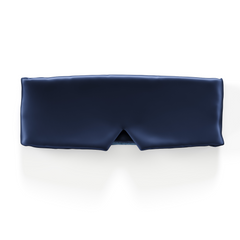
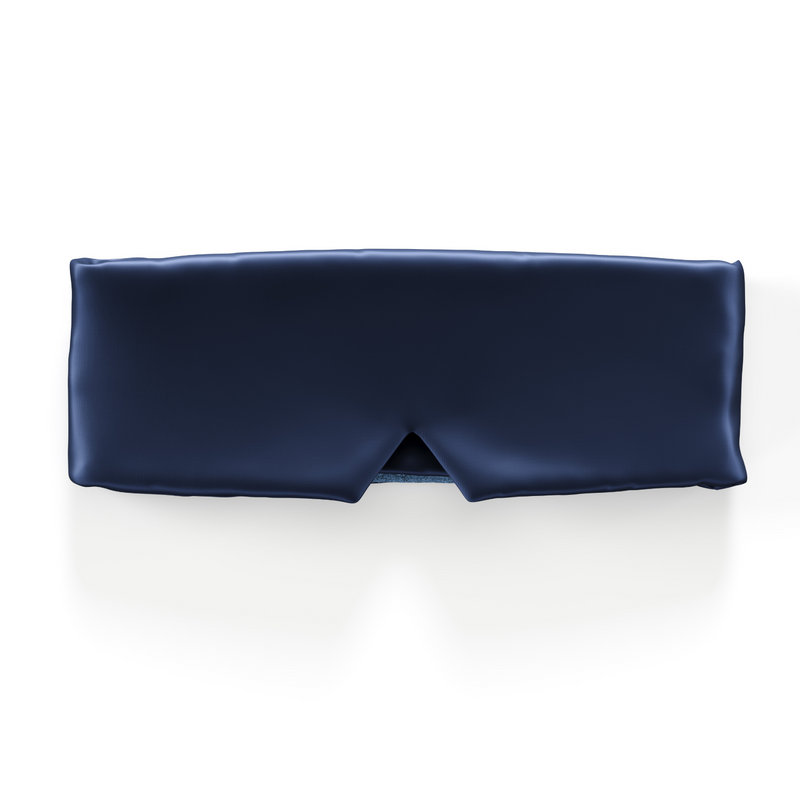
With light, even a small amount matters more than people think. A streetlight through thin curtains, a charging LED, the glow of a clock, the first hint of dawn — all of it signals your brain to wind down melatonin and start the waking process. And the light that does the most damage is early-morning light, because it lands during those late, wake-prone hours when a light sleeper is already hanging near the surface. Blackout curtains, covering or removing stray LEDs, and a sleep mask are small, cheap changes that pay off enormously for someone whose brain treats a sliver of light as a signal to get up. The theme across both triggers: light sleepers need their environment more controlled than average, and the fixes are mostly inexpensive.

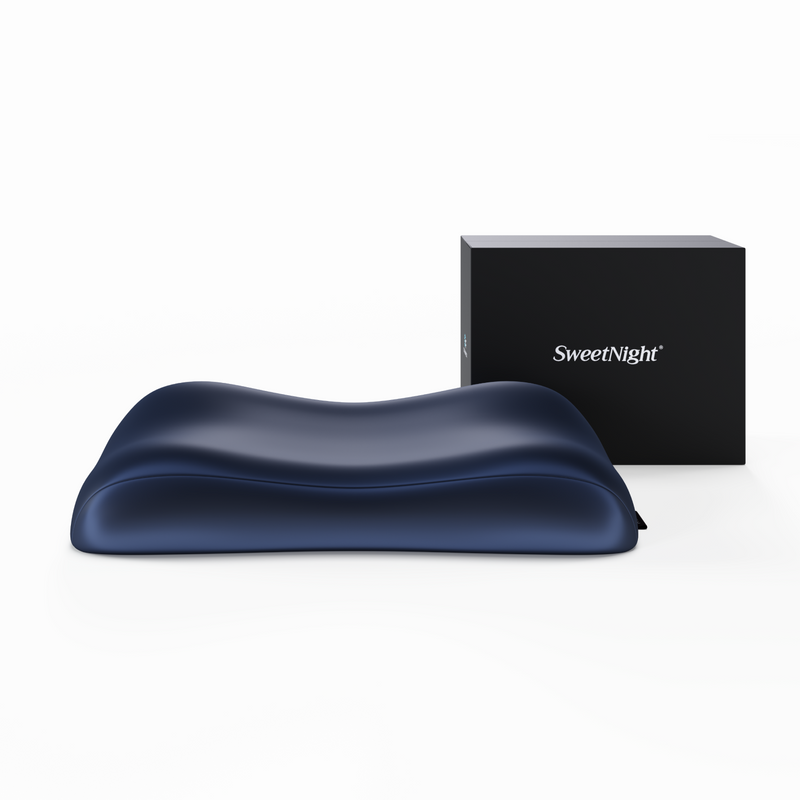
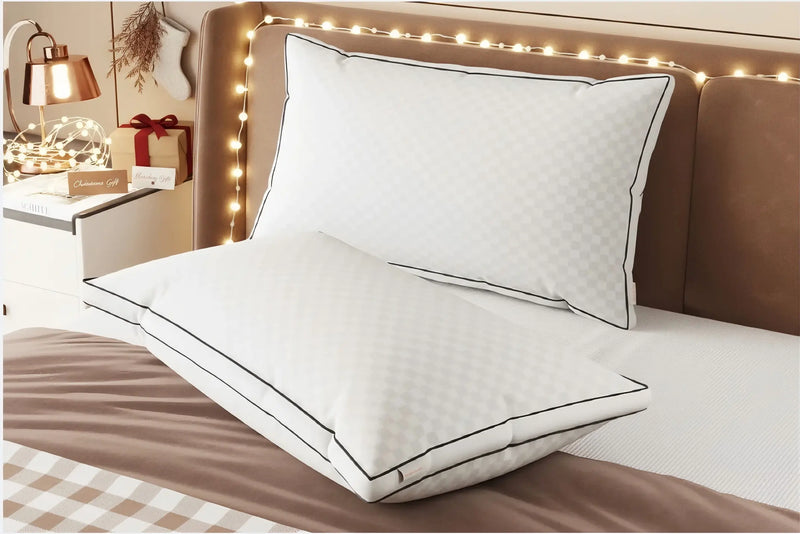
There’s a subtler category worth adding here, because light sleepers get caught by it constantly: the disturbances that aren’t noise or light at all but sensation. A tag scratching your neck, sheets that feel clammy, a blanket that’s suddenly too warm, a seam or a lump you’d never notice awake — a sensitive nervous system registers these physical inputs the same way it registers a sound, and any of them can nudge you over your low threshold. This is why light sleepers often care so much about bedding they “shouldn’t” need to care about: softer sheets, the right weight of blanket, a pillow at exactly the right loft. It’s not fussiness. Your body is feeding your brain a steady stream of touch information all night, and a light sleeper’s brain reads more of it as worth waking for. Reducing the scratchy, clammy, lumpy inputs is the same project as reducing noise and light — you’re lowering the total number of signals crossing your threshold. And clammy is the one that sneaks up most, because it ties straight back to heat: a surface that traps warmth and moisture feels damp and prickly against the skin long before you consciously label it “too hot,” so the cooler and more breathable your bed runs, the fewer of these touch-based wake-ups you hand your sensitive brain in the first place.

The Role of Your Mattress in a Light Sleeper’s Environment
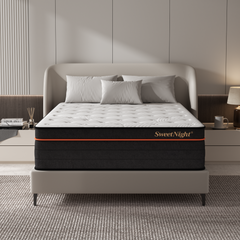
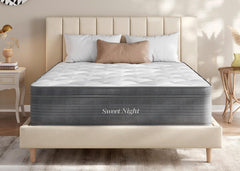
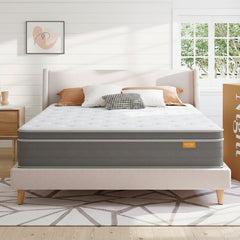
When people picture “sleep environment,” they think of the room — the curtains, the noise, the thermostat. But for a light sleeper, the mattress is arguably the most important piece of the environment, because it sits at the intersection of three of your biggest triggers: temperature, comfort and motion.
On temperature, as we covered, a heat-trapping mattress manufactures the early-morning overheating that wakes you, while a bed built to move heat away keeps that trigger from ever firing. On comfort, a mattress that creates pressure points — an aching shoulder or hip, a lower back that never settles — makes your body shift and reposition all night, and for a light sleeper each of those micro-adjustments is a chance to surface. An old, sagging bed quietly generates dozens of these tiny wake-ups you never fully register. And on motion, if you share the bed, a mattress that transmits your partner’s every roll across the surface hands a light sleeper a wake-up with each move they make.

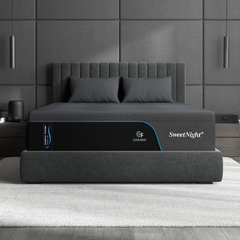
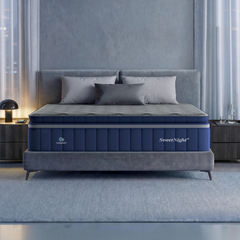
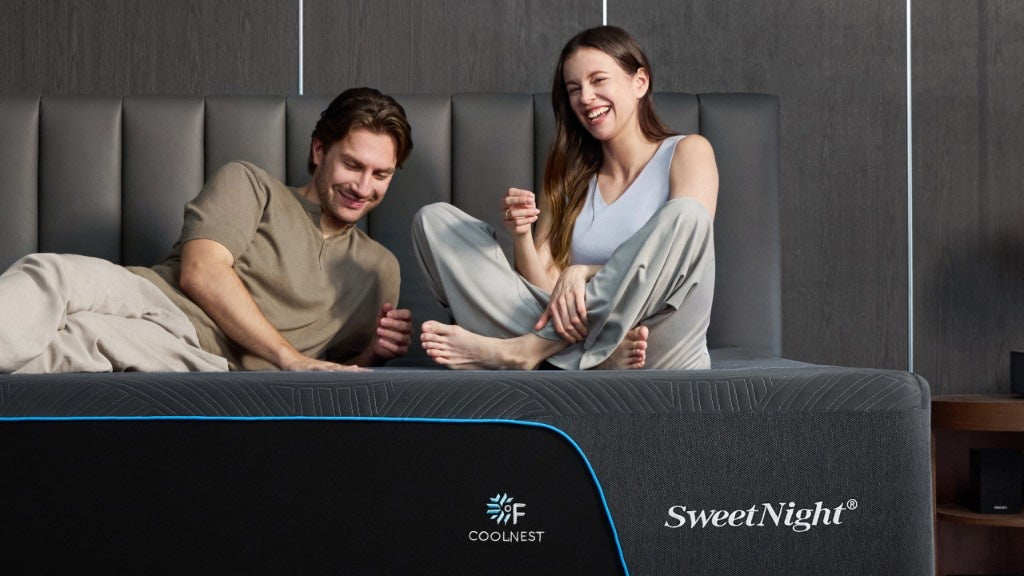
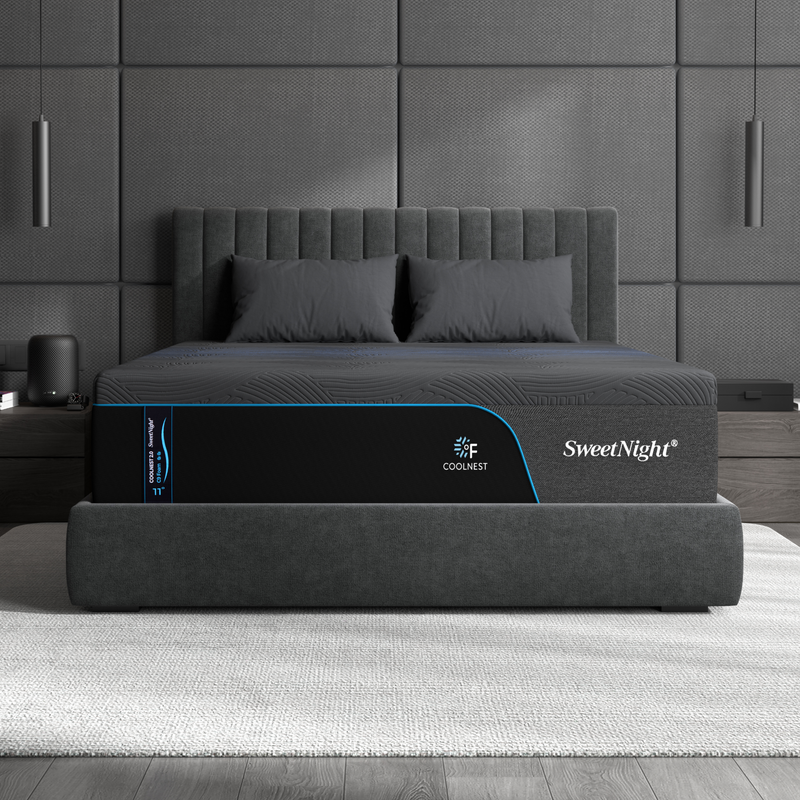
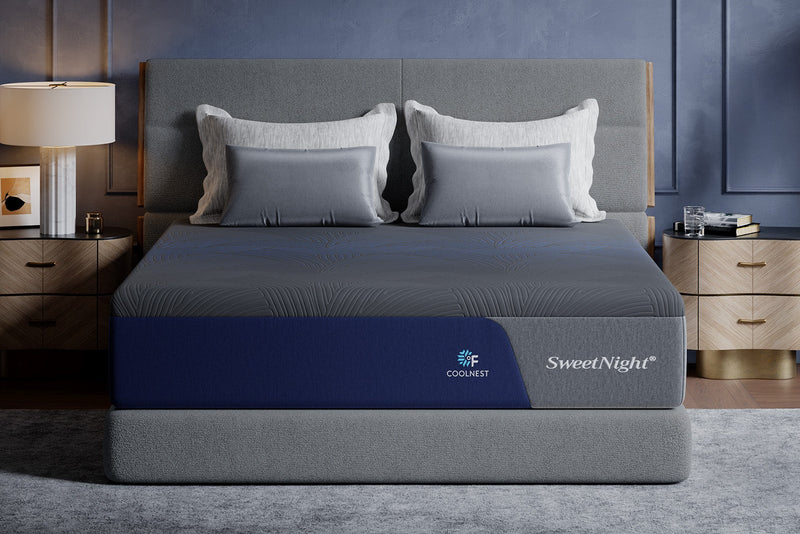
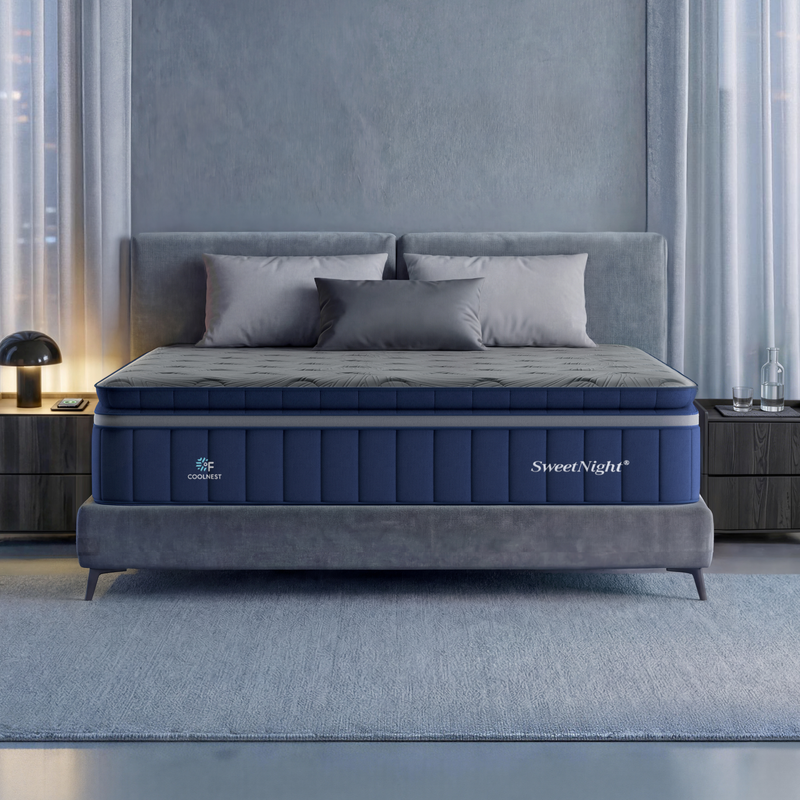
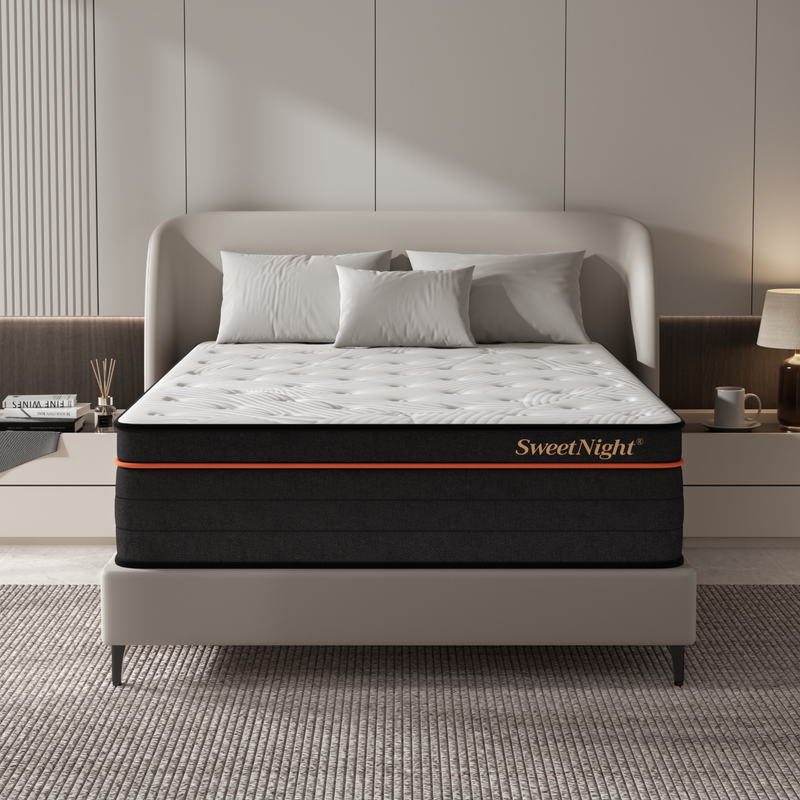
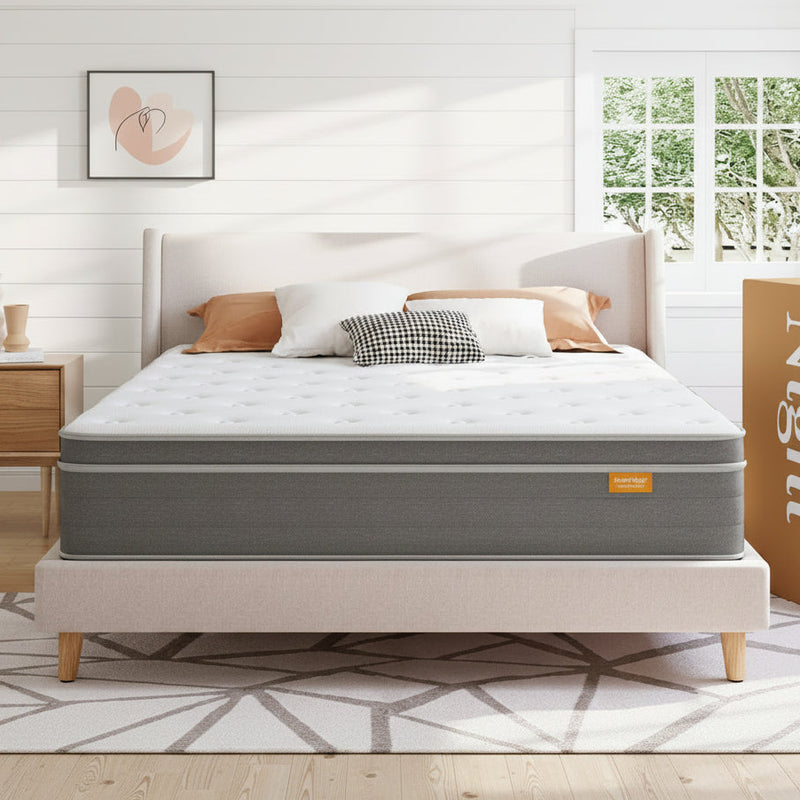
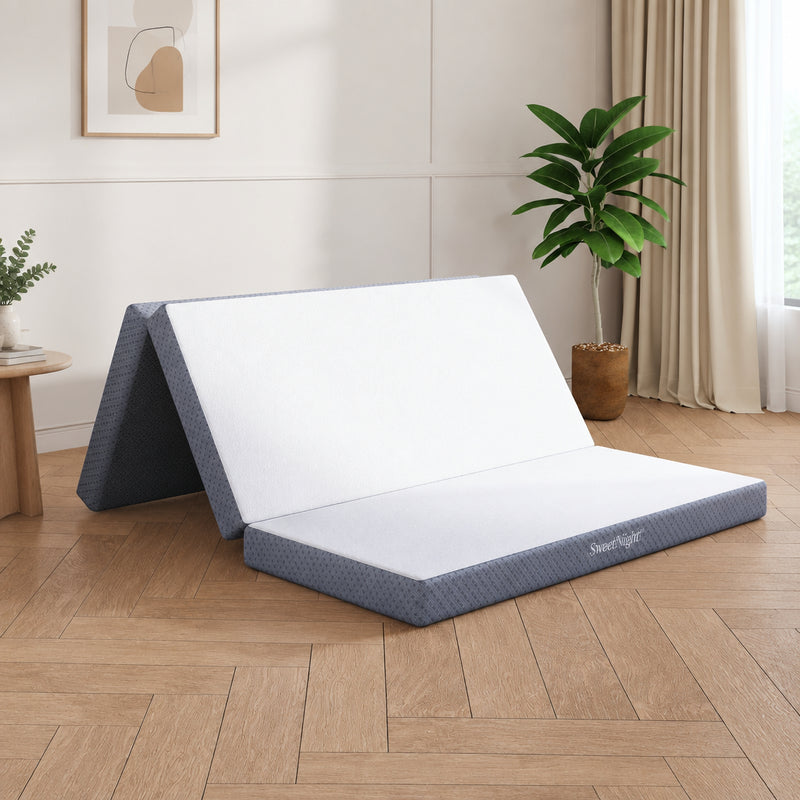
So the mattress isn’t just where you lie down — it’s an active part of whether your environment works for you or against you. This is why memory foam has a real edge for sensitive sleepers: it absorbs motion so a partner’s movement stays on their side, and it cradles pressure points so your body has less reason to keep shifting. The catch is that traditional dense foam sleeps hot, which reintroduces the temperature trigger. The ideal for a light sleeper is a mattress that does all three jobs at once — isolates motion, relieves pressure, and stays cool — which is exactly the design goal behind modern cooling memory foam like the CoolNest® Ultra.
How to Build a Sleep Environment for Light Sleepers
Let’s turn this into a concrete build order, from the cheapest wins to the biggest. A light sleeper rarely needs every item — you need the handful that match your specific triggers, and the whole point is that fixing the environment does more for you than for almost anyone.
- Get the room dark. Blackout curtains, cover or unplug stray LEDs, and keep a sleep mask on hand for stray light and early dawn — the light that hits during your most wake-prone hours.
- Manage the sound. Don’t chase silence; add steady background sound (a fan or white-noise machine) to mask the sudden noises that spike through, and keep earplugs nearby.
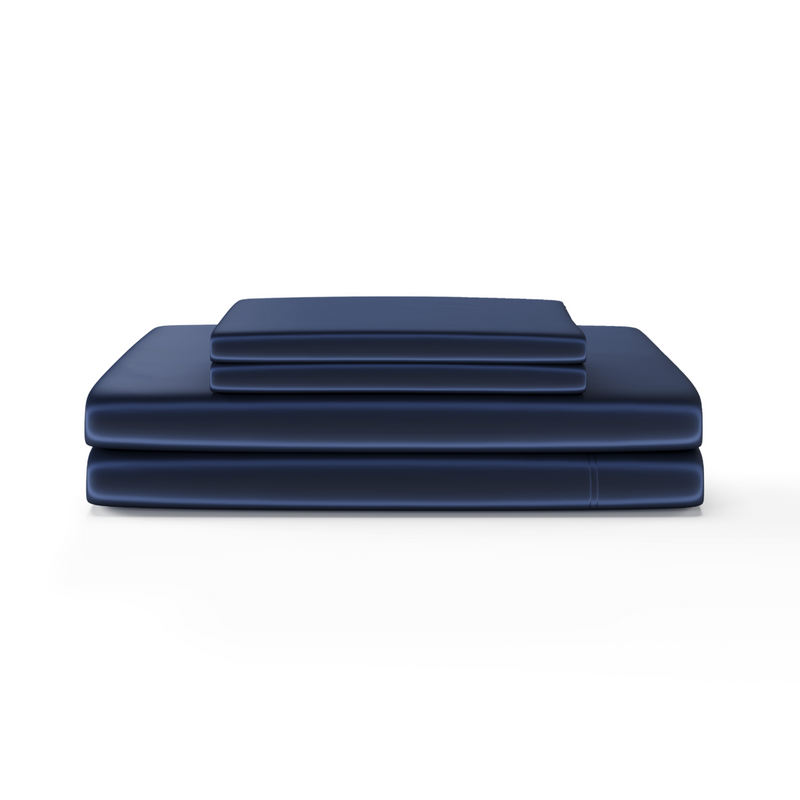
- Fix temperature at the source. A cool room plus breathable cotton or linen bedding and lighter, adjustable layers — and, the big one, a mattress that sheds heat instead of storing it, so the early-morning overheating spike never builds.
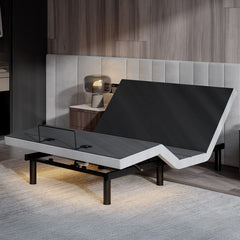
- Address the bed itself. If you wake sore or feel every move your partner makes, a supportive, pressure-relieving mattress with good motion isolation removes two triggers at once.
- Steady your timing and wind-down. Consistent bed and wake times anchor your cycles, and a real wind-down lowers the baseline arousal that keeps a sensitive sleeper shallow and watchful.

Work down the list and pay attention to what changes. Most light sleepers discover their waking is driven by two or three specific things — heat, a snoring partner, morning light — and pulling those out of the environment can transform the night. You’ll likely still be a lighter sleeper than the person next to you, but a light sleeper in a dark, quiet, cool, comfortable room has a completely different night than a light sleeper in a hot, bright, noisy one.
Why the Same Bad Night Hurts Light Sleepers More
It’s worth naming a compounding effect that makes environment matter even more for sensitive sleepers: not only do they wake more easily, they often pay a steeper price for the sleep they lose, which turns one bad night into a cascade.
When a light sleeper surfaces, they don’t just pop back under the way a deep sleeper does — they’re slower to fall back asleep, sometimes lying there twenty or thirty minutes over a disturbance that would’ve never registered for their partner. So each wake-up costs more usable sleep. Stack several of those across a night in an imperfect room and a light sleeper can lose a substantial chunk of rest to an environment a deep sleeper would’ve sailed through untouched.
Then the loop tightens. A few rough nights and part of your brain starts bracing for the wake-up — that low hum of anticipation keeps you shallow and watchful, which makes waking more likely, which confirms the worry. Sensitive sleepers are especially prone to this spiral because they have more bad nights to build the expectation on. That’s exactly why getting the controllable stuff right — the darkness, the quiet, the cool comfortable bed — is so powerful for a light sleeper: every trigger you remove from the room is one less thing feeding the cycle, and a string of good nights loosens the bracing that keeps the whole thing going. The environment isn’t just about tonight; it’s about breaking the pattern.
When Light Sleeping Is More Than Sensitivity
Most light sleeping is a sensitive nervous system meeting an imperfect room, and dialing in the environment fixes the bulk of it. But it’s worth knowing the line where “light sleeper” shades into something that deserves a professional look, so you don’t spend months adjusting curtains when the real issue is medical.
Consider talking to a doctor or sleep specialist if you wake gasping, choking, or snoring loudly and feel exhausted despite a full night in bed — possible signs of sleep apnea, which fragments sleep and often goes unnoticed by the sleeper. Also seek help if you have persistent insomnia and regularly can’t fall back asleep for long stretches, if an urge to move your legs keeps pulling you awake, if drenching night sweats soak your sheets night after night, or if the sensitivity started suddenly alongside other symptoms like a racing heart, low mood, or daytime exhaustion that sleep never repairs. Those patterns deserve evaluation rather than another environmental tweak.
For most sensitive sleepers, though, the story is more ordinary and more hopeful: a naturally low waking threshold meeting a bedroom full of triggers it doesn’t have to contain. You can’t reprogram yourself into a deep sleeper, but that was never the assignment. The assignment is to build a room that a sensitive sleeper can rest through — and because your sleep responds so strongly to its surroundings, that’s a fight you’re unusually well positioned to win.
Turning Sensitivity Into Better Sleep, Not Worse
There’s a way of thinking about being a light sleeper that changes everything, and it’s where this whole thing lands. Your sensitivity to the sleep environment feels like a curse — the reason everyone else gets to sleep like a rock while you lie awake over a hallway light. But flip it around: sensitivity means your sleep is unusually responsive to what you do to the room. The same finely tuned system that punishes a bad environment rewards a good one, immediately and generously.
A deep sleeper can improve their room and barely notice, because they were sleeping fine anyway. When a light sleeper gets the room dark, quiet and cool, cradles their pressure points, and stops feeling their partner move, the change can be night-and-day, because they were the one absorbing the full cost of every flaw. Your sensitivity is exactly what makes the effort pay off — you feel the improvement as sharply as you felt the problem.

So don’t resign yourself to bad sleep as your fixed nature. Start with the cheap wins — blackout curtains, white noise, breathable bedding — and then get serious about the two pieces that quietly run a sensitive sleeper’s night: temperature and the bed itself. A supportive, motion-isolating cooling mattress that keeps you from overheating and keeps your partner’s movement on their side removes the two triggers most likely to fire during your most vulnerable hours. Build the environment your sensitivity actually needs, and the trait you’ve cursed for years quietly becomes the reason you sleep better than you ever thought you could.