



















Ask ten people at a barbecue what Labor Day is about and you will get ten versions of the same shrug: "end of summer," "day off," "big sales." All true. All incomplete.
The real story is stranger and better. Labor Day was born out of a strike that ended with federal troops in Chicago. Nobody can prove who invented it. The first one was celebrated on a Tuesday. And the deadliest hurricane ever to hit the United States is named after it.
This is the most complete collection of Labor Day facts on the internet — 52 of them, grouped so you can grab exactly what you need: quick facts, history facts, fun facts for kids and students, hurricane facts, food and weekend facts, and the genuinely weird ones. Every fact here is sourced to the historical record rather than to the recycled listicles that copy each other's mistakes. Where a popular "fact" is actually a myth, we say so.
Labor Day 2026 falls on Monday, September 7, 2026 — the latest date the holiday can possibly land.
Labor Day Quick Facts: What Is Labor Day? (Facts 1–7)
Start here. These are the quick facts about Labor Day you need before anything else makes sense.
1. Labor Day is always the first Monday in September. That means it can fall no earlier than September 1 and no later than September 7. In 2026 it hits the absolute back end of that window: Monday, September 7.
2. It is one of 11 federal holidays in the United States. Federal offices close, the U.S. Postal Service suspends regular delivery, banks close, and the New York Stock Exchange and Nasdaq are dark for the day.

3. Labor Day honors workers, not soldiers. This is the single most common mix-up in American holidays. Memorial Day honors military personnel who died in service. Veterans Day honors all who served. Labor Day honors the American worker — the people who built the roads, ran the looms, laid the rail and now staff the warehouses, hospitals and server farms.
4. It became a federal holiday on June 28, 1894. President Grover Cleveland signed the act into law. It applied only to federal employees and the District of Columbia at first; states had to pass their own laws.
5. The first Labor Day was not a Monday. The inaugural celebration was held on Tuesday, September 5, 1882, in New York City. The Monday tradition was not fixed until 1884.
6. Canada spells it "Labour Day" and shares the same date. Canada is the other major country that observes the holiday on the first Monday in September rather than on May 1.
7. Most of the world celebrates workers on May 1 instead. International Workers' Day, or May Day, is a public holiday in dozens of countries across Europe, Asia, Africa and Latin America. The United States deliberately chose September — more on why in Fact 20.
Labor Day Facts and History: How the Holiday Was Actually Born (Facts 8–20)
These are the labor day history facts that separate a real article from a padded one. The origin story is messier — and far more dramatic — than the version taught in most classrooms.
8. American workers in the 1880s routinely worked 12-hour days, six or seven days a week. The U.S. Department of Labor describes this as standard at the height of the Industrial Revolution. There was no federal minimum wage, no overtime, no mandated day off.
9. Children as young as five and six worked in mills, mines and factories. They were paid a fraction of adult wages precisely because they were small enough to crawl under machinery and into coal seams.
10. The first Labor Day parade drew about 10,000 workers — and they gave up a day's pay to be there. On September 5, 1882, marchers organized by New York's Central Labor Union walked from City Hall up past Union Square. There was no paid holiday. Every person in that parade took an unpaid absence to attend.
11. The parade ended in a picnic with beer, cigars and speeches. After the march, workers and their families gathered at Wendel's Elm Park in Manhattan. Food, music and political oratory. The modern Labor Day cookout is a direct descendant of that afternoon.

12. Nobody knows for certain who founded Labor Day. The Department of Labor itself acknowledges the dispute. It comes down to two men with nearly identical names.
13. Candidate one: Peter J. McGuire. A carpenter, general secretary of the Brotherhood of Carpenters and Joiners, and a co-founder of the American Federation of Labor. He is widely credited with proposing a day to honor "those who from rude nature have delved and carved all the grandeur we behold."
14. Candidate two: Matthew Maguire. A machinist and secretary of the Central Labor Union in 1882 — the very body that organized the first parade. Research published by the New Jersey Historical Society in the 1970s argued that Maguire, not McGuire, actually proposed the holiday. Some historians suspect his radical politics made him an inconvenient founder for the labor establishment to celebrate.
15. The idea may have been imported from Canada. One well-documented account holds that Peter McGuire attended a Canadian labour festival in Toronto in 1882 and returned to New York inspired to stage something similar. Canada's own labour demonstrations date to the 1872 Toronto printers' strike over the nine-hour workday.
16. Oregon was the first state to make Labor Day a legal holiday — on February 21, 1887. New York introduced a bill first, but Oregon passed one first. Colorado, Massachusetts, New Jersey and New York all followed later in 1887.
17. By 1894, 23 states had already adopted Labor Day. The federal government was catching up to the states, not leading them.
18. The Pullman Strike is the reason Congress moved so fast. In May 1894, workers at the Pullman Palace Car Company outside Chicago struck after wage cuts were imposed without matching rent reductions in the company town. Eugene V. Debs's American Railway Union launched a national boycott of Pullman cars on June 26, paralyzing rail traffic across the country.
19. Here is the fact almost every listicle gets wrong: Cleveland signed the Labor Day bill during the strike, not after it. The signature came on June 28, 1894 — just two days into the national boycott, with the conflict still escalating and federal troops not yet dispatched. The holiday was a conciliatory gesture offered in the middle of a crisis, not a memorial issued once the dust had settled. The strike itself did not formally end until August.

20. September was chosen partly to avoid May Day's radical associations. May 1 had become the international rallying date after the Haymarket affair in Chicago on May 4, 1886, in which a bomb and the gunfire that followed killed police officers and civilians. Putting the American holiday in September gave it a distinctly domestic, non-revolutionary identity.
7 Interesting Facts About Labor Day That Will Surprise You (Facts 21–27)
If you only steal seven interesting facts about Labor Day for your trivia night, make it these.
21. The eight-hour day was a slogan before it was a law. The rallying cry — eight hours for work, eight hours for rest, eight hours for what we will — traces back to the industrial reformer Robert Owen in the early 1800s and became the American labor movement's central demand by the 1880s.
22. That law did not arrive until 1938. The Fair Labor Standards Act, signed by President Franklin D. Roosevelt, established a federal minimum wage of 25 cents an hour, set a maximum workweek that stepped down to 40 hours by 1940, and restricted child labor. Labor Day existed as a holiday for 44 years before the eight-hour day it celebrated became federal law.
23. The U.S. Department of Labor did not exist until 1913. President William Howard Taft signed it into being on March 4, 1913 — his last day in office. The first Secretary of Labor, William B. Wilson, was a former coal miner who had started work underground as a boy.
24. The first woman ever to serve in a U.S. presidential Cabinet was a Secretary of Labor. Frances Perkins held the post from 1933 to 1945 and was a driving force behind Social Security and the Fair Labor Standards Act.
25. The "no white after Labor Day" rule has no documented origin. Every explanation you have read is a theory: that white was practical summer wear in an era before air conditioning; that old-money families used the rule to mark newcomers; that it hardened into etiquette in early-20th-century high society. No founding document exists. Coco Chanel famously wore white year-round and ignored the whole thing.
26. Labor Day marks the unofficial start of the NFL season. The league's regular season traditionally kicks off on the Thursday after Labor Day, which is why the holiday functions as America's informal handoff from summer to football.
27. NASCAR's Southern 500 at Darlington has been a Labor Day weekend tradition since 1950. The inaugural running was held on Labor Day itself, and the race remains one of the oldest continuous holiday-weekend fixtures in American sport.
Labor Day Facts for Kids and Students (Facts 28–36)
Teachers and parents need labor day facts for kids that are accurate, age-appropriate and actually interesting. These work for elementary students through high school.
28. Labor Day is a thank-you note to everyone who works. That includes bus drivers, nurses, farmers, teachers, delivery drivers and the people who fix the power lines after storms.
29. Kids used to be the workers. In 1900, hundreds of thousands of American children under 16 were employed full time. Photographer Lewis Hine spent years documenting them — barefoot boys in coal breakers, girls half the height of the spinning machines they tended — and his images helped change the law.
30. Labor Day is why you have a weekend at all. The two-day weekend, the lunch break, overtime pay and the concept of "quitting time" were all won by organized workers, not granted automatically.
31. Labor Day almost always lands right around the first day of school. Some districts start before it, some after, but the holiday is the traditional bookend of summer vacation in the United States.
32. It is one of the biggest travel weekends of the year. Millions of Americans drive somewhere over the three-day weekend, which makes it one of the busiest stretches on the nation's highways.
33. Only two countries put Labor Day in September. The United States and Canada. If you have relatives in Mexico, Germany, China or the Philippines, their Labor Day is May 1.
34. The holiday is older than the Statue of Liberty's dedication. The first parade was September 1882; the Statue of Liberty was dedicated in October 1886. Labor Day beat Lady Liberty by four years.
35. Labor Day is older than the airplane, the Model T and sliced bread. The Wright brothers flew in 1903, the Model T arrived in 1908, and commercially sliced bread reached stores in 1928.
36. Union membership today is around 10 percent of American wage and salary workers — roughly half the share it was in the early 1980s, when about one in five workers carried a union card. Whatever you think of unions, the number is a useful conversation starter for older students.
Labor Day Hurricane Facts: The 1935 Storm (Facts 37–43)
The search term "labor day hurricane facts" is not a typo or a coincidence. One of the most catastrophic storms in American history is permanently named after this holiday, and the 1935 Labor Day Hurricane facts below are grim but historically important.
37. The Labor Day Hurricane of 1935 remains the most intense hurricane ever to make landfall in the United States. Its central pressure at landfall was measured at 892 millibars — lower than any other U.S. landfalling storm before or since. Lower pressure means a more intense storm.
38. It struck the Florida Keys on September 2, 1935 — Labor Day itself. The eye passed over Islamorada and the Upper Matecumbe Key area.
39. It is one of only four Category 5 hurricanes to hit the U.S. mainland at that strength. The others are Camille in 1969, Andrew in 1992 and Michael in 2018. Estimated sustained winds in 1935 reached roughly 185 mph.
40. At least 400 people died, and many estimates run higher. Hundreds of the dead were World War I veterans working in federal relief camps on the construction of the Overseas Highway.
41. A rescue train was sent — and arrived too late. An evacuation train dispatched from Miami reached the Keys as the storm surge hit. The surge, estimated at well over 15 feet, swept the cars off the tracks. Only the locomotive remained upright.
42. Ernest Hemingway, then living in Key West, wrote a furious essay about it. Published as "Who Murdered the Vets?", it accused the government of leaving vulnerable veterans in flimsy camps in the middle of hurricane season.
43. The storm destroyed the Overseas Railroad, and it was never rebuilt. Henry Flagler's railway to Key West was finished off in a single night. The right-of-way was eventually converted into the Overseas Highway that carries U.S. 1 down the Keys today — so every driver on that road is traveling on the hurricane's legacy.

Labor Day Food Facts and Weekend Facts (Facts 44–48)
Now the lighter side. These labor day weekend facts and labor day food facts are the ones people actually repeat at the grill.
44. Americans eat roughly 7 billion hot dogs between Memorial Day and Labor Day. The National Hot Dog and Sausage Council calculates that this works out to about 818 hot dogs consumed every second across the summer season.
45. Labor Day is one of the top grilling holidays of the year, consistently ranked alongside the Fourth of July and Memorial Day as the days Americans are most likely to fire up a grill.
46. The Labor Day cookout is a direct inheritance from 1882. That first celebration ended in a park with food and beer. The tradition has been unbroken for more than 140 years — the menu just added charcoal.
47. Labor Day weekend is one of the year's biggest retail events, particularly for mattresses, appliances, outdoor furniture and cars. Retailers use the long weekend to clear summer inventory ahead of fall lines.
48. The MDA Telethon owned Labor Day weekend for decades. The Muscular Dystrophy Association's telethon aired over the holiday weekend from 1966 onward, hosted by Jerry Lewis until 2010, and became one of the most recognizable broadcasts in American television before the format was retired in 2015.
Weird and Little-Known Labor Day Facts (Facts 49–52)
The weird facts about Labor Day — the ones that make people say "wait, really?"
49. Labor Day 2026 is as late as the holiday can possibly get. September 7 is the maximum. The next time it lands on September 1 — the earliest possible date — will feel jarringly early to anyone used to a longer August.
50. The holiday celebrating the end of the workday was created by people who could not take the day off. The 10,000 marchers in 1882 forfeited wages to attend. There is a quiet irony in a paid holiday whose founders paid to be there.
51. Labor Day and the stock market have a folk relationship. Traders have long treated the day as the symbolic end of the low-volume "summer doldrums" and the return of institutional money to the desk. It is market folklore rather than a law of finance, but it is durable folklore.
52. The Islamorada Hurricane Monument, dedicated in 1937, holds the ashes of victims of the 1935 storm. It is one of the few American monuments built specifically to commemorate a natural disaster and the workers killed by it.
Labor Day Facts and Trivia: Test Yourself
Five quick questions using the labor day facts and trivia above. Answers are in the parentheses — no peeking.
- What day of the week was the very first Labor Day celebration? (Tuesday)
- Which state made Labor Day a legal holiday first? (Oregon, 1887)
- Which president signed Labor Day into federal law? (Grover Cleveland)
- What is the lowest landfall pressure ever recorded for a U.S. hurricane? (892 millibars, Labor Day 1935)
- In what year did the 40-hour workweek become federal law? (1938, phased in fully by 1940)
The Labor Day Fact Nobody Talks About: Rest Was Half the Demand
Here is the fact that reframes every other fact on this list.
The slogan that powered the American labor movement was not eight hours for work. It was eight hours for work, eight hours for rest, eight hours for what we will. Rest was not an afterthought tacked onto the demand. It was one-third of it — an explicit claim that a human being is entitled to real, uninterrupted recovery, not just a shorter shift.
Which makes it slightly absurd that the average American spends Labor Day weekend traveling, grilling and shopping, then goes back to work on Tuesday more tired than they started. The people who marched in 1882 gave up a day's wages to win you the right to sleep. Most of us then spend that right on a mattress that runs hot, sags in the middle and turns eight hours in bed into five hours of actual rest.

Claim Your Eight Hours: The SweetNight Labor Day Mattress Sale 2026
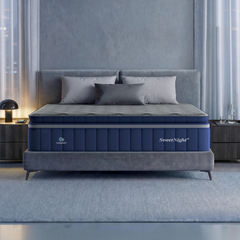
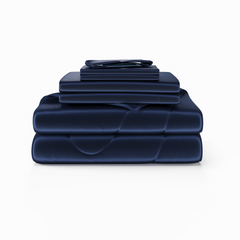
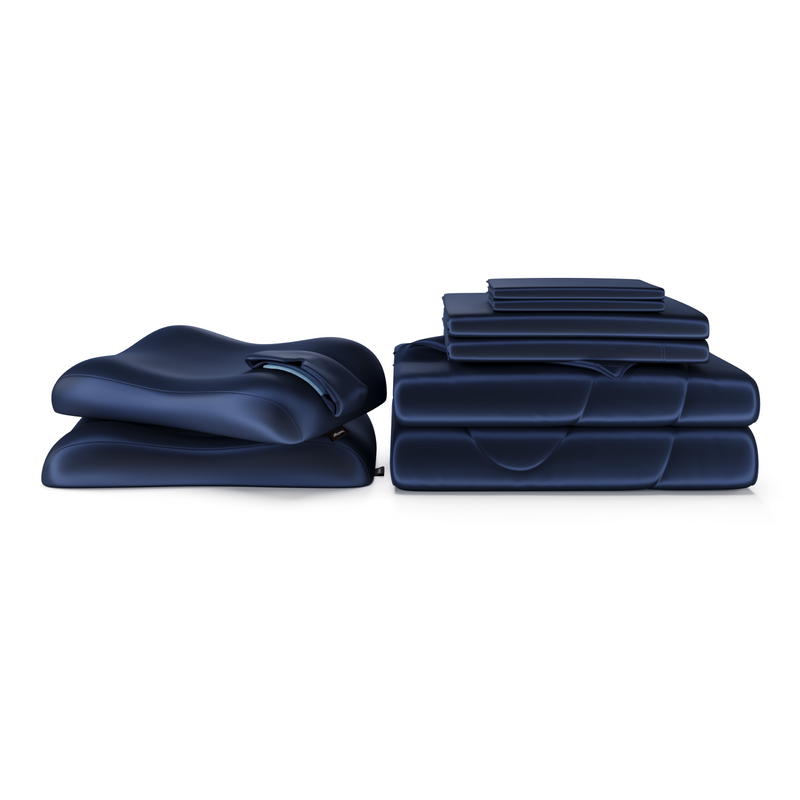
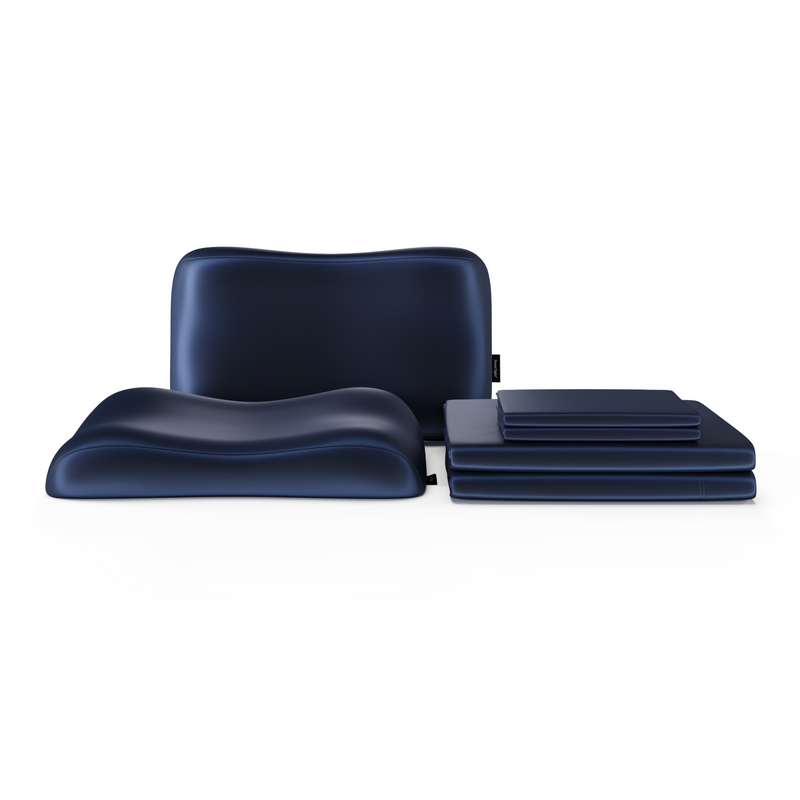
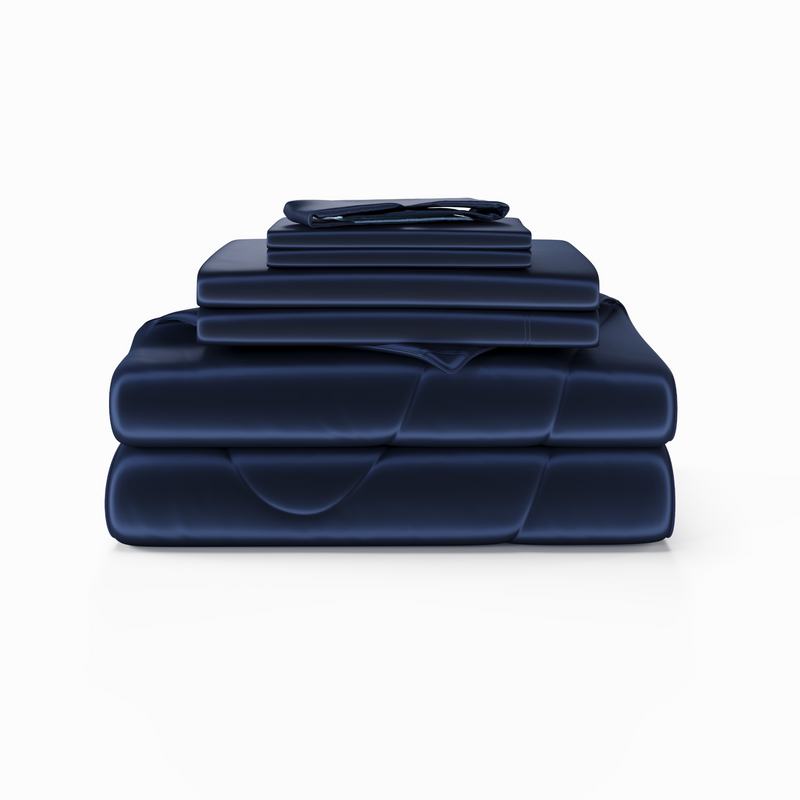
If you want to honor Labor Day in the most literal way available, upgrade the surface you spend a third of your life on. The SweetNight Labor Day Mattress Sale 2026 is running up to 45% off sitewide, with an extra 10% off when you buy any two items and 15% off any three — which is how most people bundle a mattress with a cooling pillow and sheet set in one go.
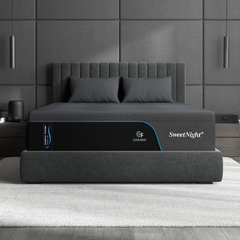
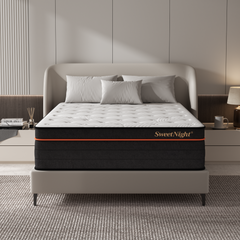
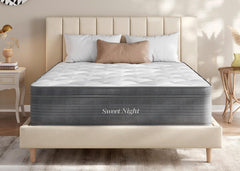
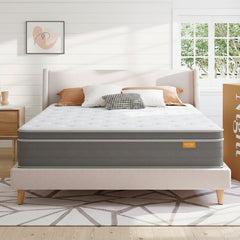
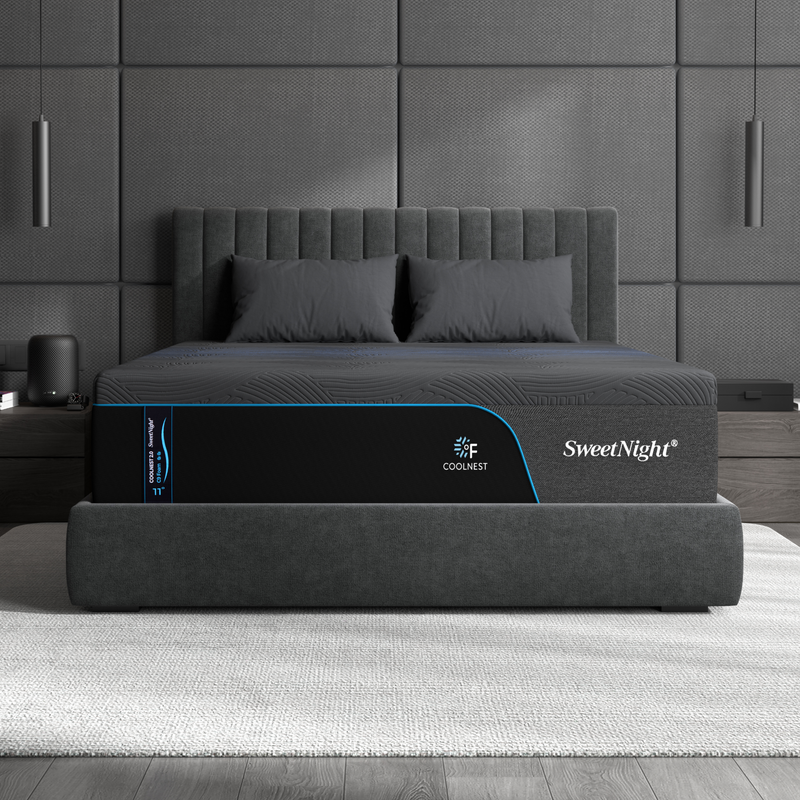
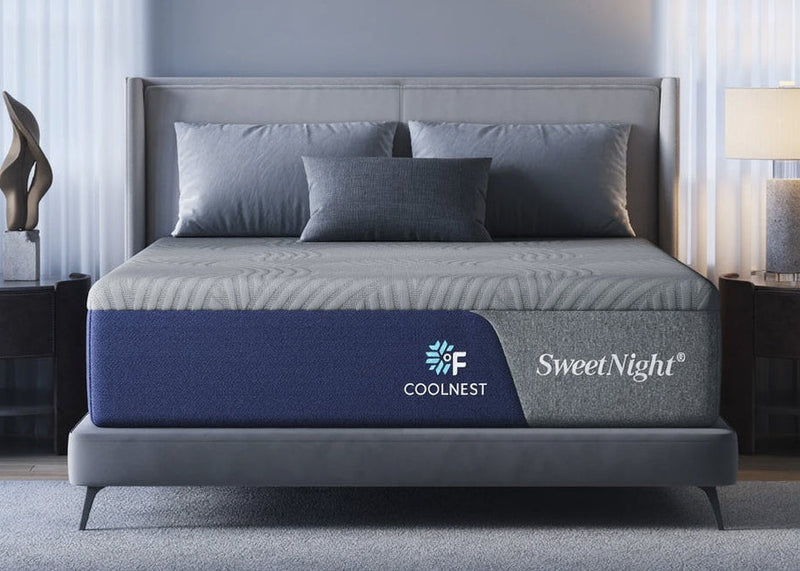
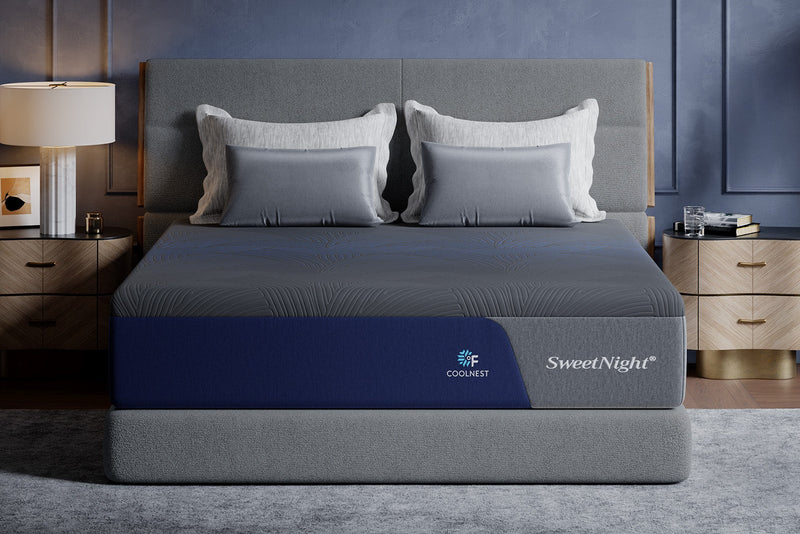
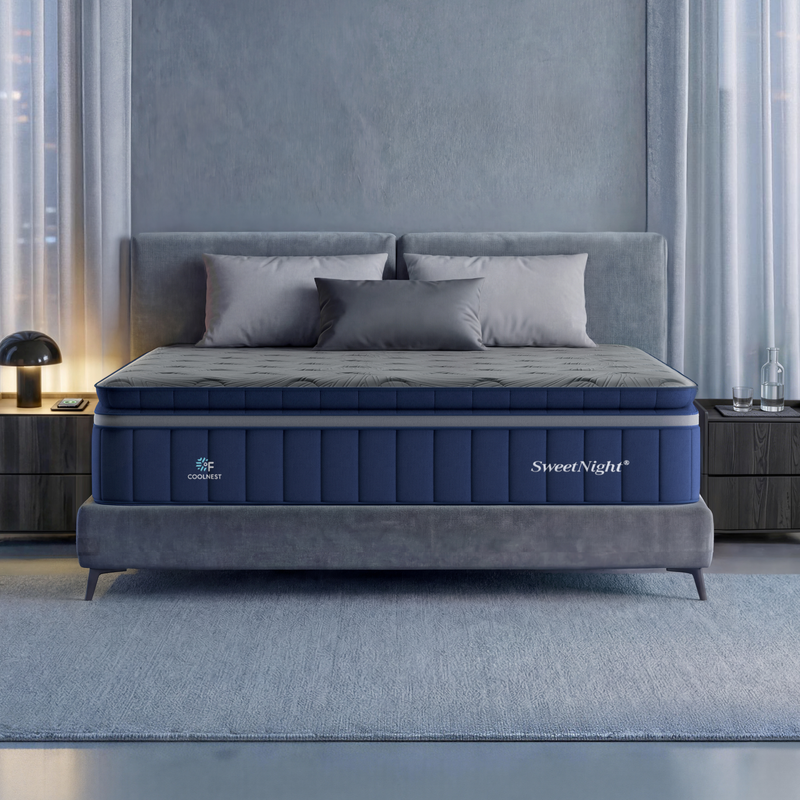
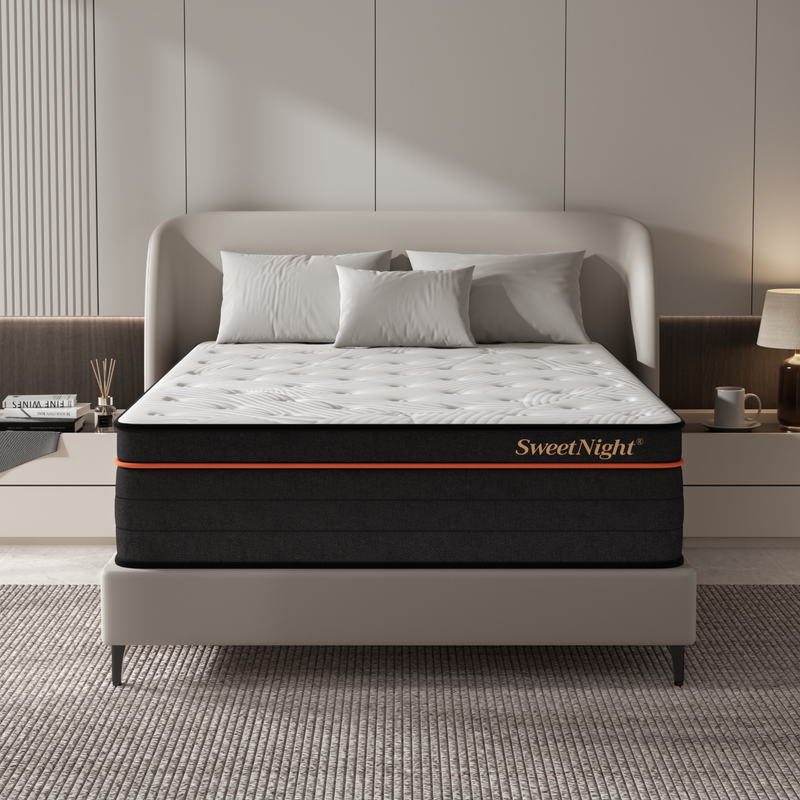
The headline pick is the CoolNest® Ultra Memory Foam Mattress, and it is a genuinely good match for the season. Labor Day weekend is still hot in most of the country, and heat is the number one reason people wake up at 3 a.m. The CoolNest® Ultra is built specifically against that: a Gradient Ice Silk cover with a Qmax cooling value of 0.25 for instant cool-to-the-touch contact, PCMflux® phase-change foam that absorbs heat as your body warms and releases it as you cool, AirMesh™ breathable memory foam rated at up to 6× the airflow of standard memory foam, and a 3D open-channel structure that vents trapped heat instead of letting it pool. SweetNight measures the combined effect at up to 11° cooler than a traditional memory foam bed. Underneath the cooling stack sits a refined 7-zone ergonomic support layer that distributes pressure across shoulders, hips and lower back.

At the time of writing, the Queen is $729.99 (down from $919.99, a $190 saving) with an extra 10% off applied at checkout, available in 12", 14" and 16" builds. Every foam is CertiPUR-US® certified, the cover carries OEKO-TEX® STANDARD 100 certification, and it ships free with a 100-night risk-free trial and a 10-year warranty — so if it is not right, pickup and refund are free.
→ Shop the CoolNest® Ultra Memory Foam Mattress
→ Browse the full SweetNight Labor Day Sale 2026
The eight hours for work were won in 1938. The eight hours for rest are still on you.
Frequently Asked Questions About Labor Day Facts
What are 3 facts about Labor Day? It is always the first Monday in September; it became a federal holiday on June 28, 1894, under President Grover Cleveland; and the first celebration was a parade of about 10,000 unpaid workers in New York City on September 5, 1882.
What are 5 facts about Labor Day? Add two more: Oregon was the first state to make it a legal holiday, in February 1887, and the most intense hurricane ever to hit the United States — the 892-millibar Labor Day Hurricane of 1935 — is named for the holiday.
What are some fun facts about Labor Day for kids? The first Labor Day was on a Tuesday; children as young as five once worked full time in American factories; the holiday is older than the airplane; and Americans eat about 7 billion hot dogs between Memorial Day and Labor Day.
Why can't you wear white after Labor Day? You can. The rule is an etiquette custom with no verifiable origin, most often explained as a class marker used by early-20th-century high society or as a practical seasonal-clothing habit from before air conditioning.
Is Labor Day the same as May Day? No. May Day, or International Workers' Day, falls on May 1 and is observed in dozens of countries. The United States placed its holiday in September in part to distance it from May Day's more radical associations after the 1886 Haymarket affair.
What is the difference between Labor Day and Memorial Day? Memorial Day, in late May, honors U.S. military personnel who died in service. Labor Day, in early September, honors American workers and the labor movement that won the eight-hour day, the weekend and workplace protections.
When is Labor Day 2026? Monday, September 7, 2026 — the latest calendar date the holiday can fall on.