


















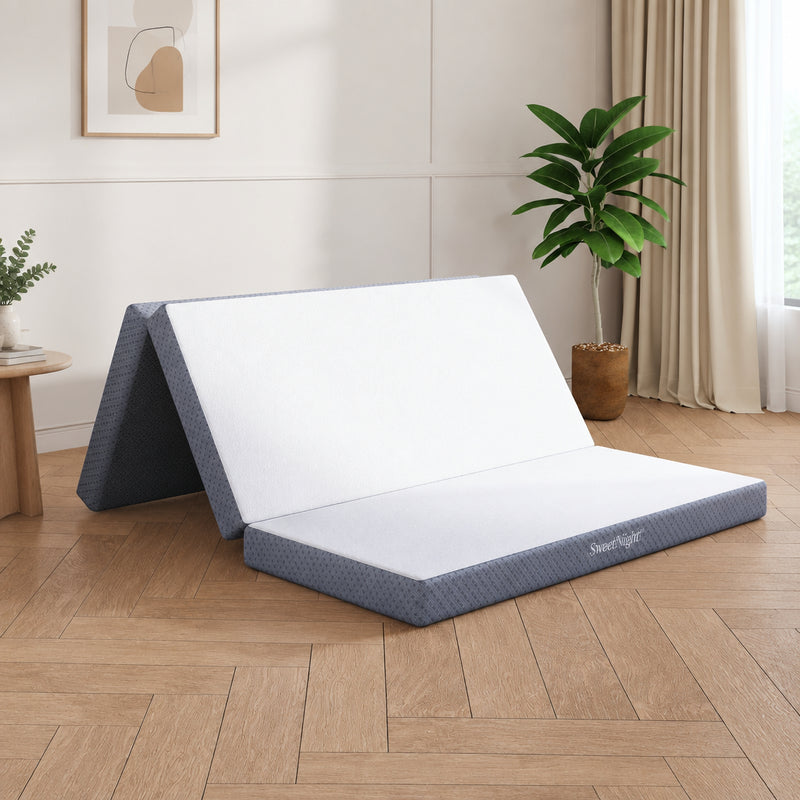

Short answer: The cheapest time to buy a mattress is around the major US holiday sales — Presidents' Day, Memorial Day, July 4th, Labor Day, and especially Black Friday and Cyber Monday — or right when a brand launches a new model and marks down last year's version.
The short version, if you're skimming:
- Best overall: Black Friday through Cyber Monday tends to bring the widest selection at the lowest prices.
- Runner-up windows: The three-day spring and summer holidays (Presidents' Day, Memorial Day, Labor Day) are reliable and less hectic.
- Sleeper deal: When a new model drops, the outgoing version often gets cut — and it's frequently the same bed with a new label.
- Don't over-wait: If your current mattress is wrecking your sleep or your back, the "savings" of waiting three months aren't worth it.
- Set a budget first: Know your price bracket by mattress type before a sale, so a big-percentage banner can't talk you into the wrong bed.

Do Mattress Prices Really Change Through the Year?
Yes, and more than most people assume. A mattress isn't priced like a gallon of milk, where the number barely moves. It's priced like electronics or furniture: there's a "list" figure that many shoppers rarely pay, and a rhythm of promotions that pull the real transaction price up and down across the calendar. If you buy on an ordinary Tuesday in the middle of a quiet month, you're often paying closer to that top number than you need to.
Two forces drive the swings. The first is the holiday retail calendar. Americans have been trained over decades to shop furniture and bedding around long weekends, so brands and stores concentrate their best offers there. The second is the product cycle. Mattress makers refresh their lineups periodically, and when a new version arrives, the old one has to move. Clearing it out means discounts, bundles, or both.
There's a third, quieter factor worth naming: margins on mattresses are generous enough to give sellers a lot of room to discount. That's not a knock on the product — it reflects returns, shipping bulky goods, showroom costs, and the fact that people buy a mattress roughly once a decade, so each sale has to carry weight. The practical takeaway for you is simple. The advertised price is a starting point, not a fixed value, and patience during the right window is usually rewarded.
That said, don't confuse motion with meaning. Some "sales" are theater — a price nudged up in advance so it can be dramatically slashed on cue. The way to protect yourself isn't to memorize every retailer's history; it's to know what a fair price looks like for the type and size you want before you shop, then judge any given deal against that baseline. We'll get to how to set that number later. For now, hold onto the core idea: timing matters, and the difference between a good week and a bad week to buy is real money.
The Best Sale Holidays (Presidents' Day to Black Friday)
If you map out the year, the strong buying windows cluster around a handful of predictable dates. Here's how they stack up in practice, roughly in calendar order.
Presidents' Day (mid-February). This is the first major mattress event of the year and a genuinely good one. Winter is a slow retail stretch, so sellers use the long weekend to kick-start sales. Selection is usually full because it's early in the year, before popular sizes get picked over. If you don't want to wait until November, Presidents' Day is arguably the best of the spring-and-summer holidays.
Memorial Day (late May). The unofficial start of summer doubles as one of the biggest mattress weekends. Expect broad participation across brands and stores, often with the same tier of offer you'd see later at Labor Day. It's a solid choice if your old bed made it through winter but you're ready to replace it before the hot months.
Independence Day / July 4th (early July). The mid-summer holiday brings another round of promotions. It's sometimes a notch smaller than Memorial Day or Labor Day in terms of the deepest offers, but it's still a legitimate window, and it can be quieter, which means less-picked-over inventory.
Labor Day (early September). This one pairs nicely with the product cycle. New models often arrive in late summer and fall, so Labor Day sales frequently coincide with retailers clearing older stock. That overlap can make it one of the better times to catch a markdown on a bed that's perfectly current in everything that matters.
Columbus Day / mid-October. A smaller event, but a real one, and a decent fallback if you missed Labor Day and don't want to hold out for the end of November. Participation is lighter, so shop with a target price in mind.
Black Friday and Cyber Monday (late November). This is the peak. The weekend after Thanksgiving typically brings the widest selection of discounts, the most brands participating at once, and the deepest cuts of the year, often bundled with free accessories. Cyber Monday leans toward online-only offers, so if you're buying a boxed mattress from a website, that Monday can be the single best day to click purchase. The one caveat is popularity: sizes and specific models can sell out, and shipping timelines stretch because everyone is ordering at once. If you want a Black Friday price, decide what you want beforehand rather than browsing cold on the day.
Christmas through New Year (late December to early January). The tail end of the year and the first days of January often carry over holiday pricing or add "new year, new bed" angles. Inventory can be thinner after the Black Friday rush, but deals still surface, especially on remaining stock a store wants off the books before its fiscal year closes.
A useful way to think about all of this: the big three-day weekends (Presidents' Day, Memorial Day, Labor Day) are your reliable, low-stress options with good selection, while Black Friday and Cyber Monday are your maximum-savings option if you're willing to plan and move quickly. Any of them beats an unplanned purchase in a dead week. If you'd rather not wait for the calendar to line up, it's worth checking whether a brand is running current mattress deals directly — online sellers frequently run promotions between the marquee holidays too.
Why Old Models Get Discounted (and Why That's Fine)
One of the most overlooked ways to save has nothing to do with holidays. It's the product cycle. Mattress companies periodically update their lineups, and when a new generation launches, the previous one gets discounted to clear it out. Understanding this changes how you read a "sale."
Here's the part that surprises people: the differences between last year's model and this year's are often small. A cover fabric changes. A foam density gets tweaked. The marketing name gains a "Plus" or a "2.0." The core construction — the support system, the general feel, the thing you actually sleep on — is frequently very close to identical. You're paying a premium for "newest," not necessarily for "meaningfully better." When the outgoing version is 20, 30, or more percent cheaper for what amounts to a spec-sheet footnote, that's one of the smartest buys in the category.
So how do you spot it? A few signs a discount is a genuine model-cycle clearance rather than routine noise:
- The listing mentions "previous generation," "last year's model," or a version number that isn't the newest.
- A brand you're watching just announced or launched a new flagship, and the older line suddenly drops in price.
- Certain sizes or firmness options are limited or listed as "while supplies last," which signals remaining stock.
- Floor models or clearance tags in a physical store, where the specific unit is being retired.
There are two honest caveats. First, floor models in a showroom have been laid on by hundreds of people and may not carry the same trial or warranty terms as new stock — ask before you assume. That's different from buying a brand-new, boxed previous-generation mattress, which is simply last year's design in a sealed package. Second, if the update genuinely fixed a weakness you care about — say, a real cooling improvement when you sleep hot — then the newer version might be worth the difference. Read what actually changed. Most of the time, though, chasing the newest label is how you overpay, and buying the outgoing model is how you get most of the bed for meaningfully less.
Online vs. In-Store Timing
Where you buy shapes when you should buy, because online and brick-and-mortar sellers run on slightly different clocks.
Online brands live on the promotional calendar and then some. They can change a price instantly, run flash sales, and stack email or first-order discounts that a showroom can't match without a manager's sign-off. Cyber Monday is built for them. Boxed-mattress companies also tend to keep some form of promotion running much of the year, so the "list price" online is often more of a suggestion than in a store. The flip side is you can't feel the bed first, which is exactly why generous home trials exist in this channel — more on that shortly.
Physical stores anchor their biggest events to the long holiday weekends and to end-of-month or end-of-quarter targets, when a salesperson has a real incentive to close. In a showroom you also have something the web can't offer: room to negotiate. The sticker is rarely the floor. Asking whether they can do better on the price, throw in a frame or protector, or match a competitor's holiday offer works far more often than people expect, especially near the end of a sales period when quotas are in view.

A few timing tactics that translate across both channels:
- Shop the end of a sale, not just the start. Late in a holiday event or the last days of a month, sellers are more motivated to move remaining stock.
- Use online prices as leverage in stores. A screenshot of a comparable bed's holiday price is a fair, concrete negotiating point.
- Watch shipping windows online during peak events. Black Friday and Cyber Monday orders can take longer to arrive; if you need the bed by a date, order early in the window.
- Sign up before you buy. Email or account signup discounts online are often worth more than waiting for a minor holiday, and they stack with some sales.
Neither channel is universally cheaper — it depends on the brand and the week. If you're still weighing the two, our rundown of where to buy a mattress and what each option gets you walks through the trade-offs in more detail. The short version: online tends to win on baseline price and trial length, stores win on feeling the bed and same-day availability, and both hit their best numbers around the same holidays.
Stacking Trials, Bundles & Free Gifts
The headline discount is only part of the value, and often not the biggest part. What separates a decent mattress purchase from a great one is stacking — combining a price cut with a home trial, a warranty, and any accessories thrown in, then judging the whole package.
Start with the trial, because it's the single most important term and it's easy to undervalue. A home sleep trial lets you actually live with the mattress — through a heat wave, a bad-back week, a few nights with a restless partner — and return it if it's wrong for you. That matters because you genuinely cannot tell whether a bed suits you from ten minutes in a showroom or one night at home. Your body needs a couple of weeks to adjust to a new surface. A long trial turns an expensive guess into a low-risk test. When you compare two offers, a slightly higher price with a real, no-fuss trial usually beats a rock-bottom price with a restocking fee and a two-week return window.
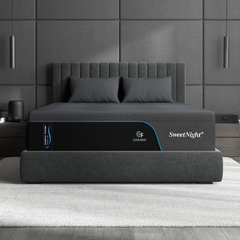
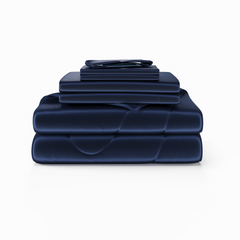
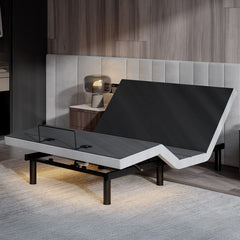
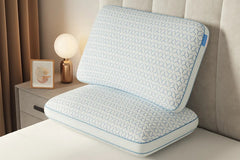
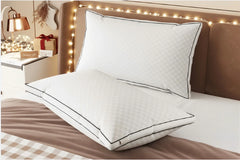
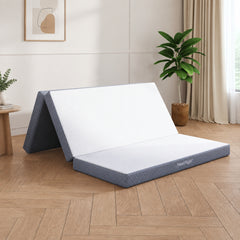
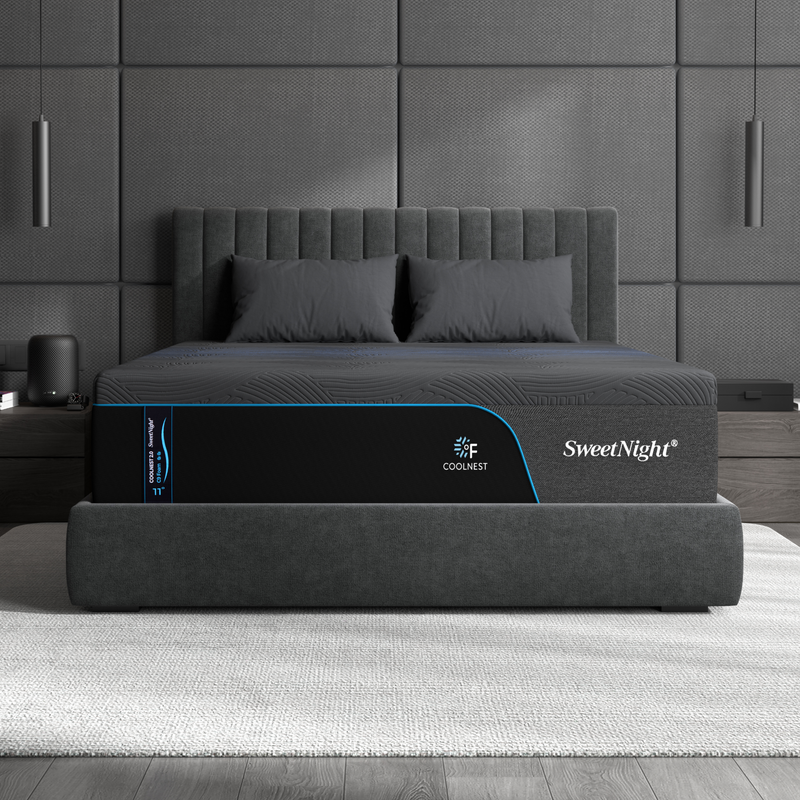
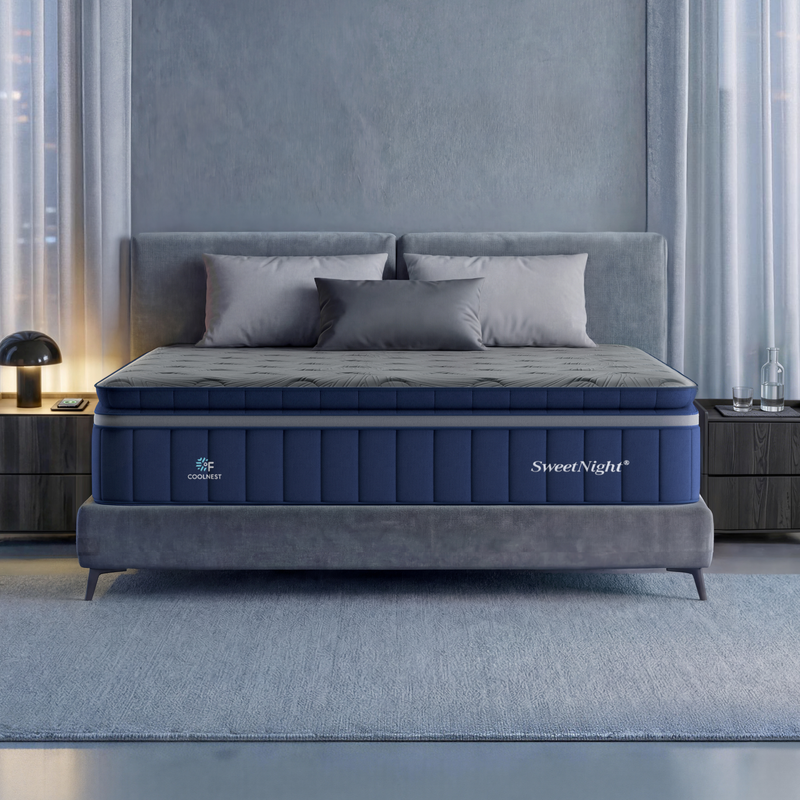
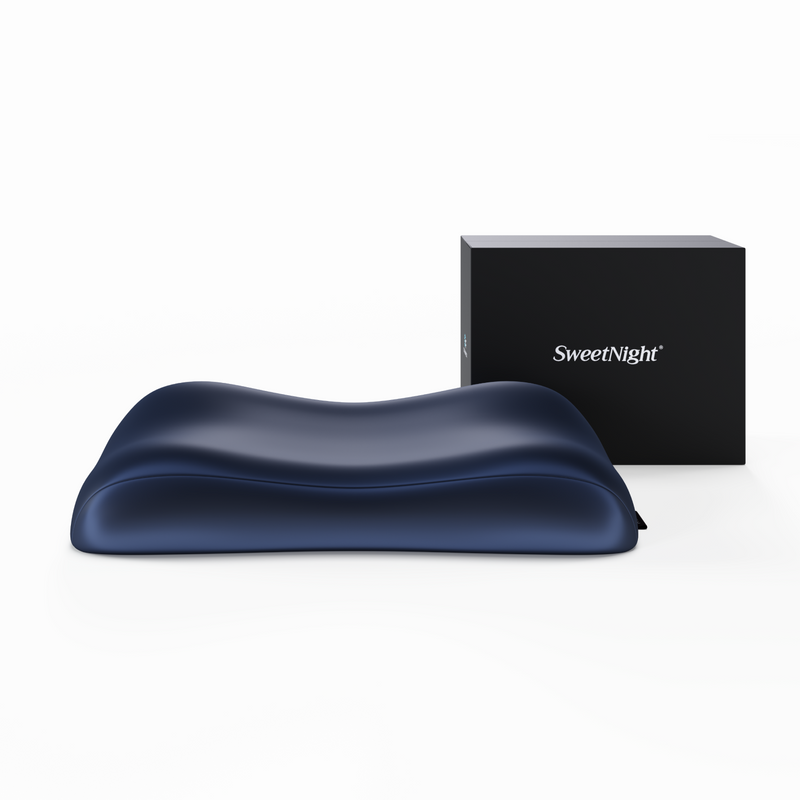
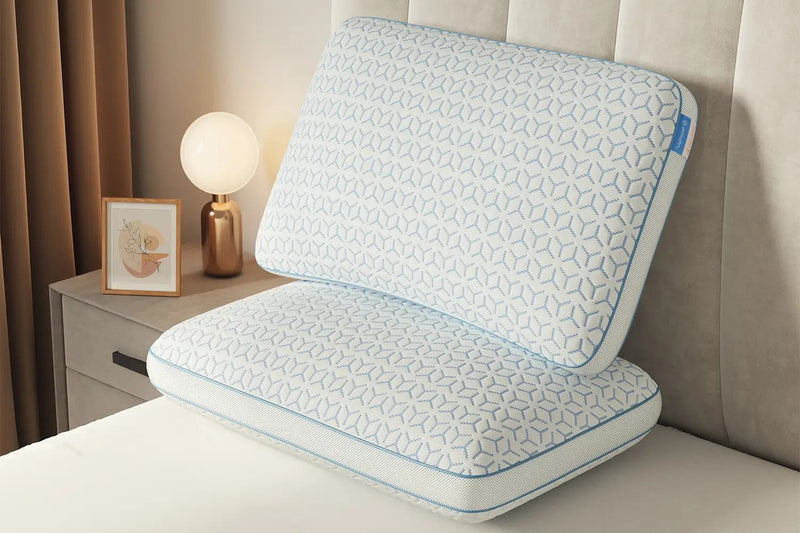
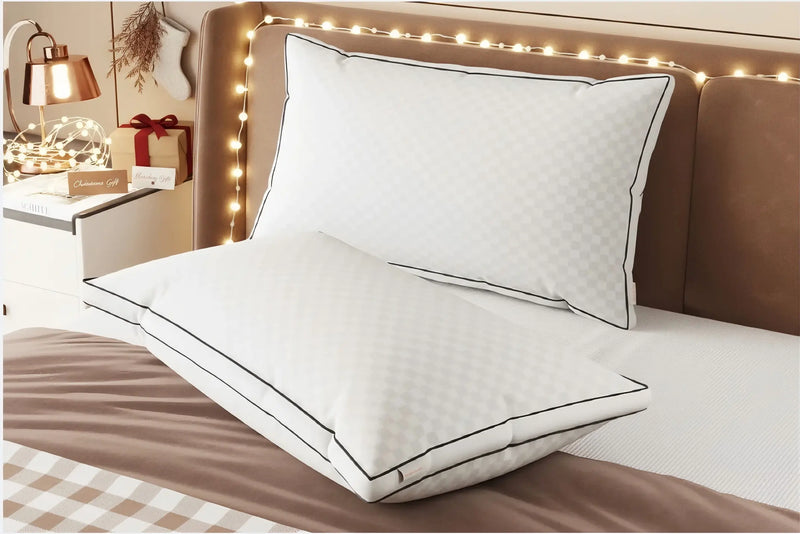
Bundles are the next lever. During big holiday events, sellers frequently include extras to sweeten the deal: pillows, a mattress protector, a sheet set, sometimes a frame or an adjustable base at a reduced add-on price. These have real value if you'd have bought them anyway. The trap is letting a "free" accessory justify a mattress that isn't right — the bed is the decision; the pillow is a bonus. As an example of how this looks in practice, the CoolNest® Ultra memory foam mattress ships with free cooling pillows and backs the purchase with a 100-night risk-free trial, so you get both the accessory value and a long runway to decide it's the right feel before you commit. That combination — something useful in the box plus a genuine window to return it — is exactly the kind of stack worth looking for regardless of which brand you land on.

When you're evaluating a bundled offer, run through a quick mental checklist:
- Is the trial genuinely risk-free? Look for the length in nights and whether there's a restocking or return-shipping fee. "Free returns" and "money-back" aren't always the same thing.
- Do you actually want the freebies? Value a "free" $150 accessory at what it saves you, not its sticker price, and only if you'd use it.
- What's the warranty? A long warranty signals the maker's confidence, but read what it covers — sagging past a certain depth, not normal softening.
- Is the total lower than buying the pieces separately in an ordinary week? That's the real test of a bundle.
Add it all up and compare packages, not just prices. A modest discount with a long trial, useful included accessories, and a solid warranty is worth more than a steeper discount stripped of all three.
When NOT to Wait for a Sale
Timing advice has a natural failure mode: it can talk you into waiting when you shouldn't. There are clear situations where buying now, at whatever fair price is available, beats holding out for the next holiday.
The most important one is your health and sleep. If your current mattress is genuinely hurting you — you wake with back or hip pain that eases as the day goes on, you're sleeping badly because the surface sags or radiates heat, you've started migrating to the couch — then a few more weeks on it costs you real sleep and real comfort. Poor sleep compounds. The modest extra you might save by waiting for Labor Day is a bad trade against three weeks of unrestful nights and a sore back. Buy the right bed now.

Other cases where waiting doesn't pay:
- Your mattress is visibly failing. Deep body impressions, broken coils you can feel, a permanent sag — these don't improve, and sleeping on a shot mattress can undercut the point of buying a good one next.
- A specific bed you want is already at a strong price. If today's offer is at or near what these beds hit during peak events, there's little to gain by gambling that it drops further, and you risk it selling out.
- You have a hard deadline. A move, a guest room needed by a date, a new baby — when you need a bed by a certain day, availability and shipping time matter more than shaving a last few dollars.
- The "sale" you're waiting for is minor. A small mid-cycle promo may not beat a good everyday online price plus a signup discount. Waiting weeks for a lesser event can be a wash.
- Popular sizes are thin. During and right after peak events, common sizes sell through. If you find the right bed in stock, that availability has value.
The balanced view: waiting is smart when you have time, a working bed, and no urgency. It's a false economy when your sleep is suffering, your mattress is done, or the deal in front of you is already good. Don't let the pursuit of a marginally better price cost you weeks of the thing you're actually buying — rest.
Setting a Realistic Budget by Mattress Type
The best defense against a misleading sale is knowing your number before you shop. A "60% off" banner means nothing in isolation; a fair price for the type and size you want means everything. Budgets vary by material because the materials themselves cost different amounts to make.
Here's how the main types generally sort out, from most affordable to most premium, without pretending there are exact figures that hold for every brand:
- Innerspring: Typically the most budget-friendly, especially basic coil-and-pad builds. Good for shoppers who want a familiar bouncy feel at a lower entry price. Quality varies widely, so cheap can mean short-lived.
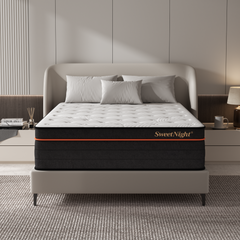
- Memory foam: A broad middle band. You can spend modestly for a decent all-foam bed or step up for cooling technology, higher-density foams, and zoned support. This range gives you the most room to find quality without overpaying.
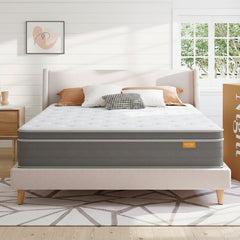
- Hybrid: Generally a step up from all-foam, because you're paying for both a coil system and comfort foam layers. Popular for combining support and contouring, at a mid-to-upper price.
- Latex: Usually the premium tier, particularly natural latex, which is expensive to produce and prized for durability. You pay more upfront for a bed that often lasts longer.
Two more factors move the number regardless of material: size and thickness. Jumping from Queen to King is a real price step, and thicker profiles with more foam cost more than thinner ones. Set your budget around the specific size and type you need, not a general sense of "mattress prices."
Because the ranges are wide and brand-dependent, the most useful thing you can do is study where the brackets actually fall before you shop. Our breakdown of what mattresses cost across price brackets lays out the tiers by type and quality so you can walk into any sale with a realistic target. Once you know that a fair price for, say, a Queen cooling memory foam bed lives in a certain band, a holiday offer either beats that band or it doesn't — and the marketing percentage becomes noise.
One more discipline: decide your ceiling before the sale, and don't let a bigger discount push you above it into a fancier tier you didn't need. Sales are designed to feel like the higher-priced option is "only a little more." A firm budget by type keeps you honest.
Quick Buyer's Checklist
Pull it together into a short routine you can actually follow. Run through this before you buy and you'll get most of the savings available without gambling your sleep on the perfect week.

- Pick your type and size first. Memory foam, hybrid, latex, or innerspring, in the size you need — decide before you look at any price.
- Set a target price for that combination. Know your fair-value band so you can judge any discount against it, not against the seller's list price.
- Map it to the calendar. If you have time, aim for a holiday window — Presidents' Day, Memorial Day, July 4th, Labor Day, or Black Friday/Cyber Monday for the deepest cuts.
- Consider the outgoing model. Check whether last year's version is discounted; it's often nearly the same bed for meaningfully less.
- Judge the whole package. Weigh the trial length, warranty, and any included accessories, not just the headline price.
- Confirm the trial is truly risk-free. Read the return window and any fees before you buy, since this is your safety net.
- Don't wait if your sleep is suffering. A failing mattress or a bad back beats any savings from holding out.
- Order early during peak events. Popular sizes sell out and shipping slows around Black Friday; plan ahead if you need it by a date.
- Negotiate in stores. Ask for a better price or thrown-in extras, especially near the end of a sale period.
Do those nine things and the question of "the perfect day to buy" mostly takes care of itself. You'll recognize a good deal because you defined one in advance, and you'll avoid the two classic mistakes: overpaying in a dead week, and over-waiting while a worn-out bed steals your sleep.
Frequently Asked Questions
What is the single best time of year to buy a mattress?
For the widest selection and deepest discounts, the Black Friday to Cyber Monday weekend in late November is the strongest window, often with bundled accessories on top of the price cut. If you don't want to wait or deal with the crowds, the spring and summer holiday weekends — Presidents' Day, Memorial Day, and Labor Day — are reliable runners-up with good inventory.
Do mattress prices drop at the end of the month?
They can, especially in physical stores, where salespeople often have monthly or quarterly targets. Shopping the last days of a month, or the closing days of a holiday sale, can put you in a better negotiating position because the seller is more motivated to close. It's not a guarantee, but it's a low-effort thing to try.
Is it worth buying last year's mattress model?
Usually, yes. Year-over-year changes are frequently minor — a cover material, a small foam tweak, a new name — while the core construction stays close to the same. If the outgoing model is meaningfully cheaper and the update didn't fix something you specifically care about, the previous generation is often the smartest value in the category.
How long should a mattress trial be?
Long enough to actually adjust to the bed, which takes most people a couple of weeks at minimum. Trials commonly run several weeks to a few months. What matters as much as the length is whether it's genuinely risk-free — check for restocking or return-shipping fees before you assume "trial" means a free return.
Should I wait for a sale if my current mattress hurts my back?
No. If your mattress is causing pain or wrecking your sleep, the small amount you might save by waiting weeks for the next holiday isn't worth the cost to your body and rest. Buy the right bed at a fair current price now, ideally one with a solid home trial so you can confirm the feel with low risk.