


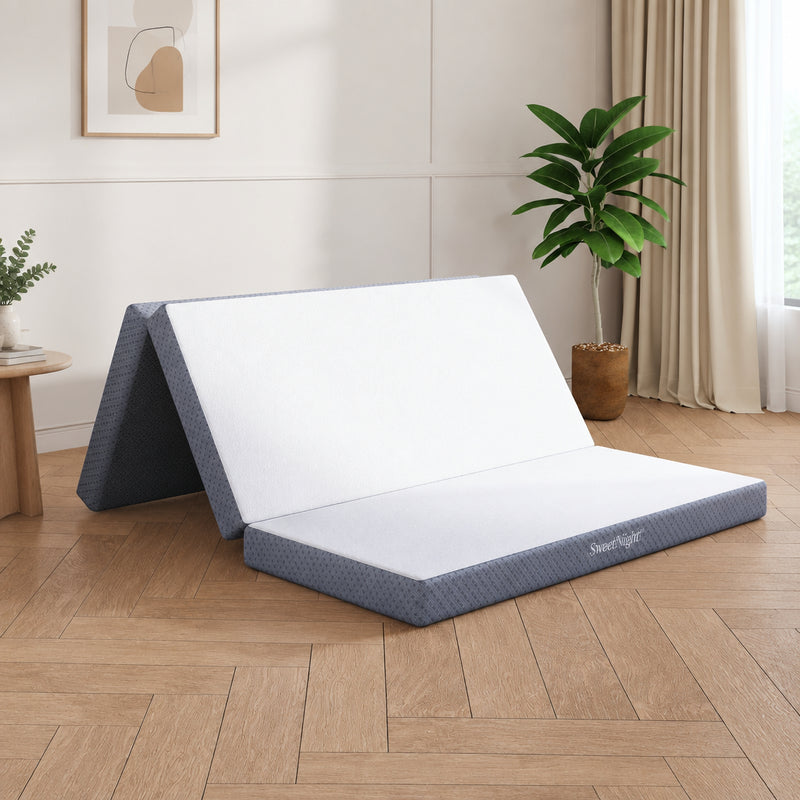

Mattress pricing is deliberately confusing. The same bed can cost $500 one week and $1,400 the next, "sale" prices run year-round, and two mattresses that look identical online can be $300 apart for reasons no product page bothers to explain. Shoppers walk in wanting a simple answer to "how much should I spend?" and walk out more confused than when they started.
The thing nobody tells you is that mattresses cluster into price brackets, and each bracket buys a predictable level of materials, durability, and comfort. Once you know what each tier actually delivers, the whole category stops feeling like a shell game. You are not trying to find the cheapest bed or the fanciest one. You are trying to land in the bracket where the money stops buying real improvement for your particular body and habits. Here is what each price range gets you in 2026, and where the value actually lives.
How Much Does a Mattress Cost in 2026?
A queen mattress in 2026 typically costs between $400 and $1,200, with the market average landing around $600 to $800. The full range runs from about $200 at the rock-bottom end to well over $3,000 at the luxury tier, but the vast majority of beds people actually buy sit in that $400 to $1,200 middle band. That is where materials get genuinely good without tipping into diminishing returns. Anything below it involves real compromise. Anything far above it is paying for brand, feel preferences, or premium materials most sleepers do not strictly need.
Prices have flattened compared to the wild swings of a few years back, but two things still distort what you see:
- The bed-in-a-box effect. Online brands cut showroom markup and sales commission out of the price, so a $700 online mattress often matches the quality of a $1,400 store bed.
- The permanent-sale game. The "list price" is fiction. Almost nobody pays it. Judge a mattress by its typical selling price, not the crossed-out number designed to make the discount look heroic.
What you are really paying for breaks down into materials, durability, and the cost of getting the bed to your door with a trial and warranty attached. As you climb the brackets, you are buying denser foams, better coils, longer lifespan, and more refined comfort. The trick is knowing at what point those upgrades stop mattering for you, because that point is different for a 130-pound side sleeper than it is for a 250-pound couple.
Mattress Prices by Size: Twin, Full, Queen and King in 2026
Size is the single biggest price variable before you even get to materials, because you are literally buying more foam and more coils. As a rule of thumb, a full runs about 20% below queen, a king runs about 30% to 40% above it, and a twin sits at roughly half. Here is what each size typically sells for across the quality brackets in 2026.
| Mattress Size | Dimensions | Budget | Mid-Range | Premium |
|---|---|---|---|---|
| Twin | 38" × 75" | $150 – $300 | $300 – $550 | $550 – $900 |
| Twin XL | 38" × 80" | $180 – $330 | $330 – $600 | $600 – $1,000 |
| Full | 54" × 75" | $220 – $400 | $400 – $750 | $750 – $1,300 |
| Queen | 60" × 80" | $250 – $450 | $450 – $1,000 | $1,000 – $2,000 |
| King | 76" × 80" | $350 – $600 | $600 – $1,300 | $1,300 – $2,600 |
| California King | 72" × 84" | $350 – $600 | $600 – $1,300 | $1,300 – $2,600 |
One practical note that saves people money: the price gap between a queen and a king is usually smaller than the gap between a full and a queen. If you are hovering between queen and king and the room can take it, the upgrade is often cheaper per square inch of sleeping surface than it looks. Going the other way, dropping from queen to full to save $150 is rarely worth it for two adults.
Why Are Mattresses So Expensive? What You Are Actually Paying For
Understanding what actually raises a mattress's price protects you from paying for the wrong things. The legitimate cost drivers are measurable, and you can check most of them on a spec sheet before you buy:
- Foam density. Budget memory foam runs 2.5 to 3.0 lb/ft³ and softens within a year or two. Durable memory foam is 3.5 lb/ft³ and up. This single number explains most of the gap between a bed that lasts three years and one that lasts ten.
- Coil count and gauge. A quality queen hybrid runs roughly 800 to 1,000 pocketed coils. Lower counts and thinner-gauge steel cost less and support less.
- Thickness. More inches means more material. Eight-inch beds are cheap for a reason; 12 to 14 inches costs more and holds up better under weight.
- Cooling technology. Real phase-change materials, gel infusions, and engineered airflow structures add genuine cost.
- Zoned support and certifications. Multi-zone construction requires extra engineering, and CertiPUR-US or OEKO-TEX testing costs money to maintain.
- Trial and warranty. A 100-night trial and a 10-year warranty are real financial liabilities the brand is carrying for you.
What does not justify a higher price is marketing. A famous brand name, a celebrity endorsement, a showroom's overhead, aggressive advertising, and clever "sleep technology" buzzwords with no substance behind them all get baked into the sticker without improving your sleep one bit. This is exactly why bed-in-a-box brands can undercut traditional retailers so dramatically: they strip out the showroom, the sales commission, and much of the marketing markup, and pass the difference to you.
Here is a gut check that cuts through most of the noise. Strip the mattress down to its spec sheet, note the foam density, coil count, thickness, and warranty length, then see whether those numbers match the price. If a $1,500 bed has the same specs as a $700 one, you are paying $800 for marketing, and no amount of soft lighting in a showroom changes that.
Cheap Mattress Under $300: What You Actually Get
The under-$300 bracket is the entry floor, and it is honest about what it is: basic foam, thin profiles, and short lifespans. At this price a queen is almost always an all-foam bed, often 6 to 8 inches thick, built from foams in the 2.0 to 2.5 lb/ft³ range that feel fine in the first few months and start to soften and sag noticeably within a year or two. You are buying function, not longevity.
That does not make it a bad buy in the right situation. A cheap mattress under $300 is genuinely the correct choice for:
- A guest room used a few nights a year
- A kid's first big-kid bed they will outgrow anyway
- A college apartment or short-term rental
- A temporary setup between moves
In those cases, paying for durability you will never use is the actual waste. Cheap and adequate beats expensive and idle. If that is your use case, a focused cheap mattress selection filters for the models that punch above their price instead of the true bottom-of-barrel foam.
Where this bracket bites is as a primary bed for an adult who sleeps on it every night. Low-density foam is exactly what fails fastest under nightly, full-body use, so the money you saved gets spent again in eighteen months when the bed hammocks in the middle. For a body that needs real support, or any sleeper over about 200 pounds, under-$300 is a false economy. Buy it for occasional use, not for the bed you actually live in.
Best Mattress Under $500: The $300 to $600 Bracket
The $300 to $600 range is where mattresses become genuinely livable for daily use, and it is the bracket most budget-conscious shoppers should target for a real bed. Here you get thicker profiles, usually 10 to 12 inches, better-quality memory foam or entry-level hybrids with pocketed coils, and comfort features like gel infusions or a soft top layer that the sub-$300 tier skips. Durability jumps from "a year or two" to "five to seven years" for an average sleeper.
This is the sweet spot for value hunters because the jump from under-$300 to this bracket is the biggest quality-per-dollar leap in the whole market. You cross from disposable to dependable. A well-built $450 hybrid can support an average-weight couple, hold its shape, and sleep cool enough for most people. Browsing a mattress under $500 lineup is a practical way to see what this tier delivers before you assume you need to spend more.
The ceiling of this bracket is edge support, premium cooling, and heavy-duty durability. A $500 mattress will not have the reinforced perimeter, the top-tier breathable materials, or the ten-year staying power of a bed twice the price. For most average-weight sleepers on a normal schedule, none of that is a dealbreaker. But if you are heavier, share the bed, or sleep hot enough that basic cooling does not cut it, the next bracket up starts to justify itself.
Best Mattress Under $1,000: The $600 to $1,000 Sweet Spot
The $600 to $1,000 bracket is what many mattress experts quietly consider the true sweet spot, the range where you get most of the quality of a luxury bed without paying the luxury tax. A queen in this range typically means a well-engineered hybrid or a high-density all-foam bed with real edge support, comfort foams above 3.5 lb/ft³, and cooling technology that actually works rather than just appearing on the spec sheet.
What this bracket buys over the mid-range is durability and refinement. These beds are built to hold their support for seven to ten years, they handle heavier bodies and couples without sagging, and their comfort layers are tuned rather than generic. The cooling is meaningfully better, which matters enormously if you sleep hot. The edge support means you can use the full surface and sit on the side without the mattress collapsing.
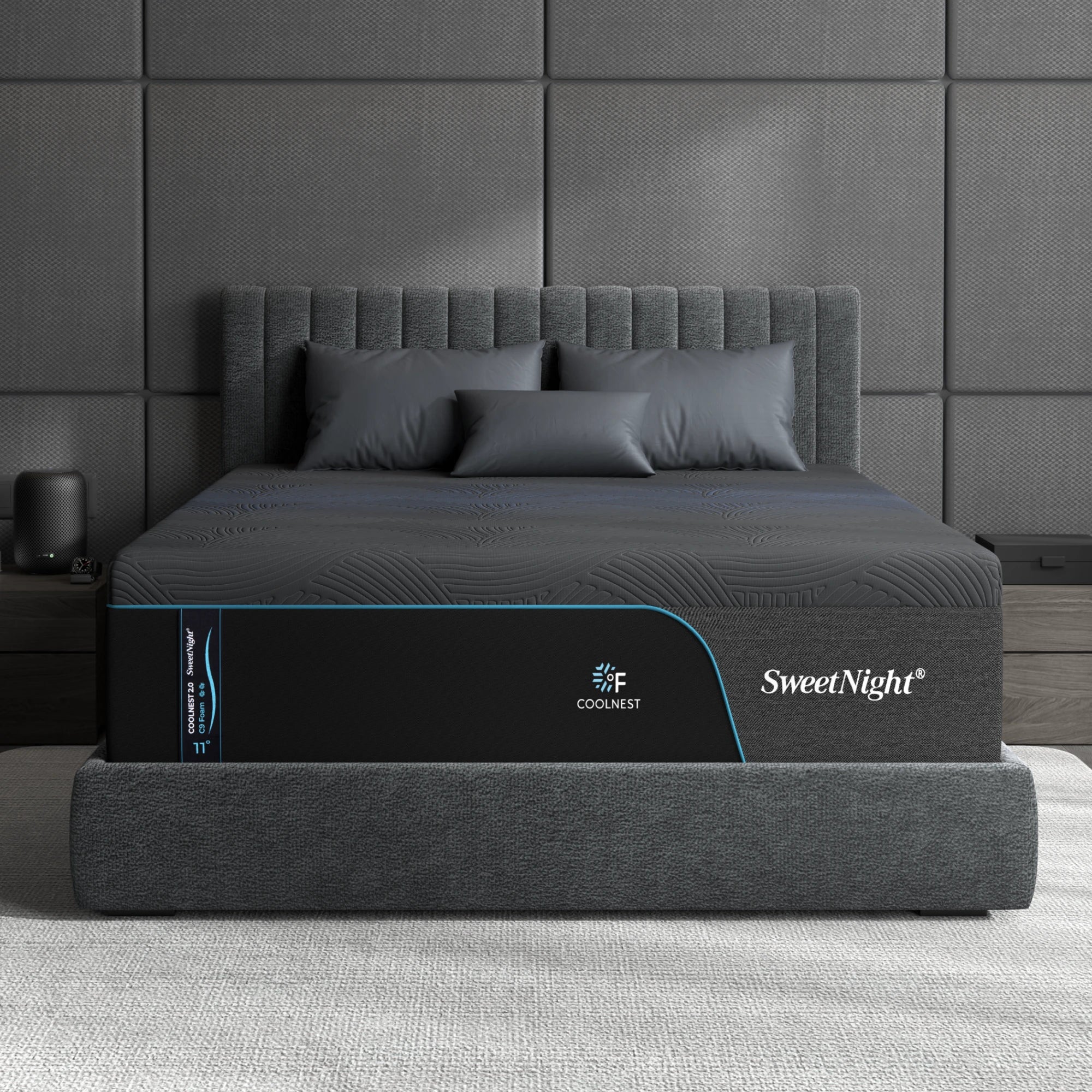
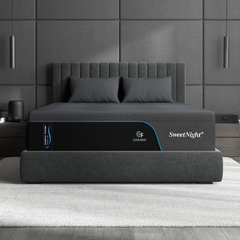
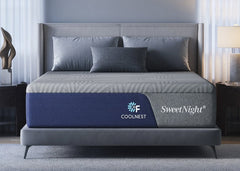
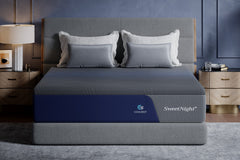
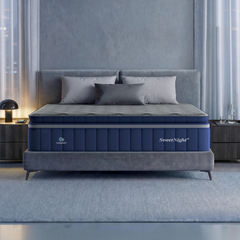
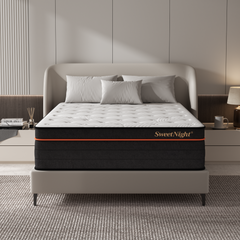
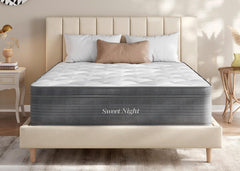
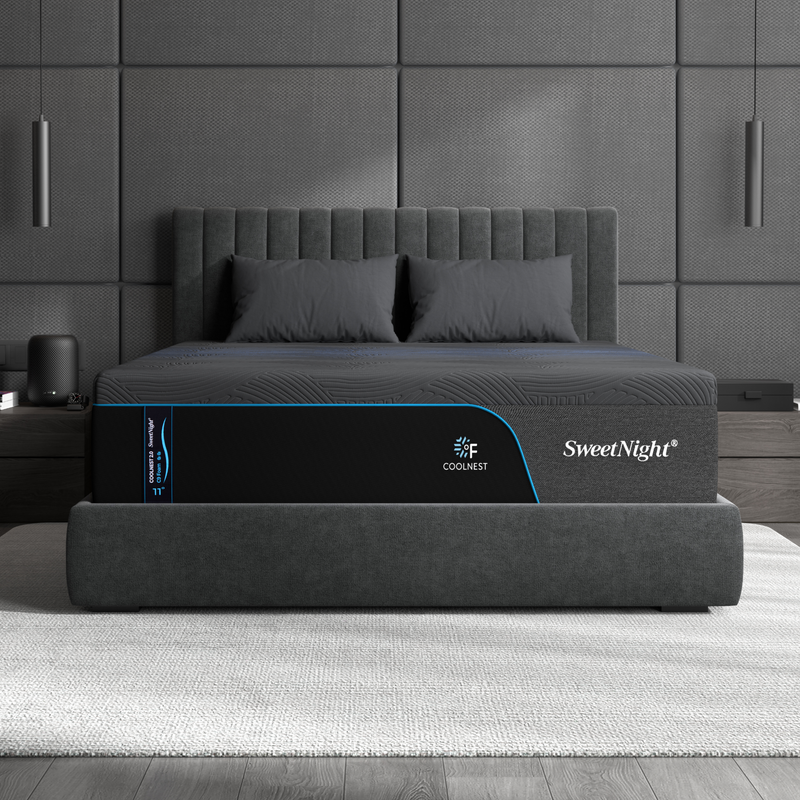
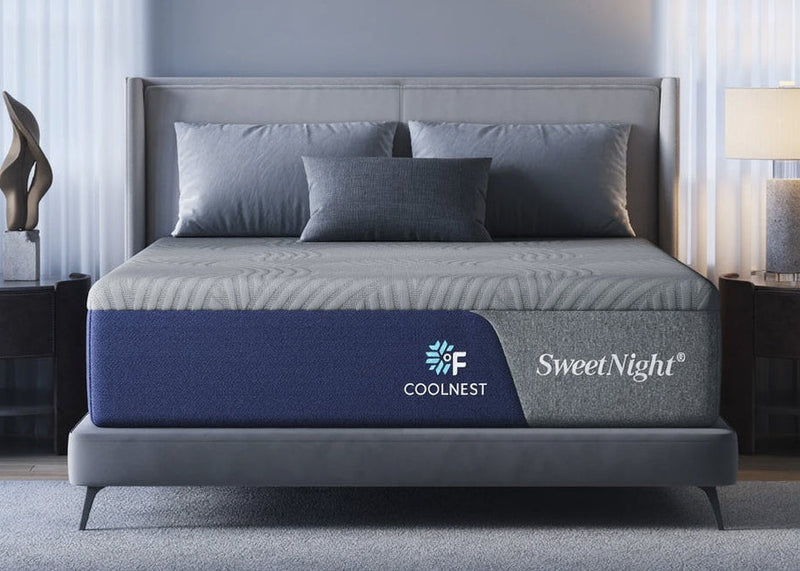
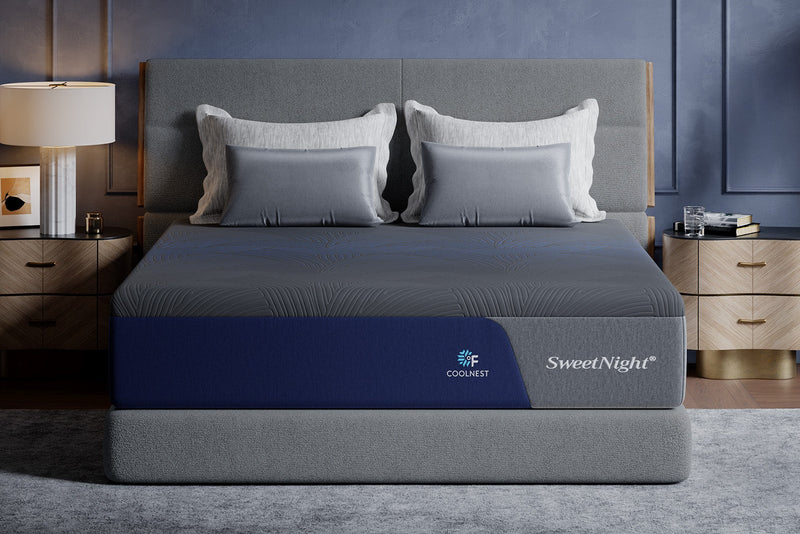
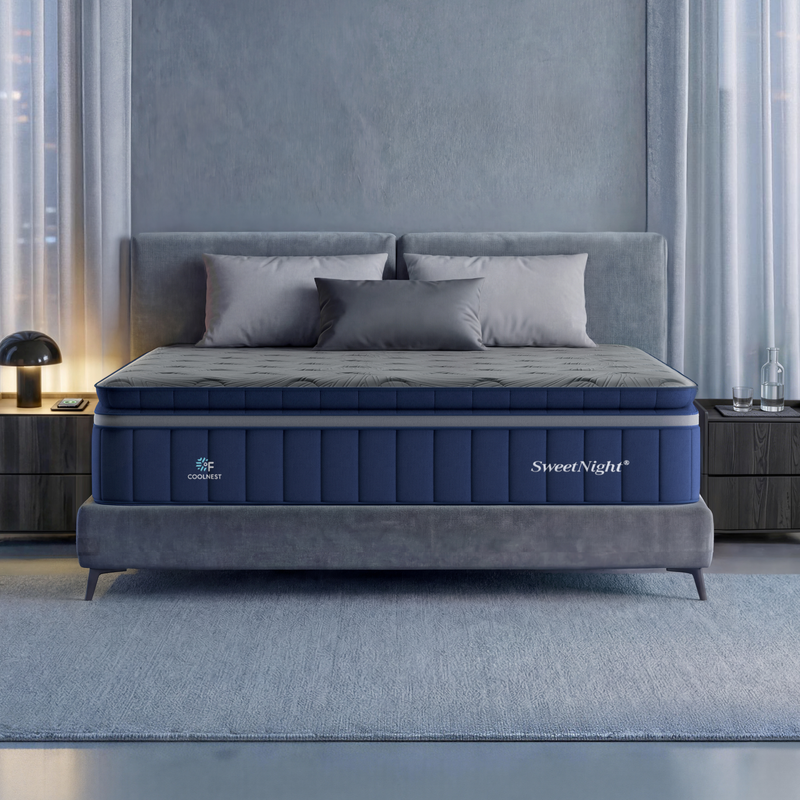
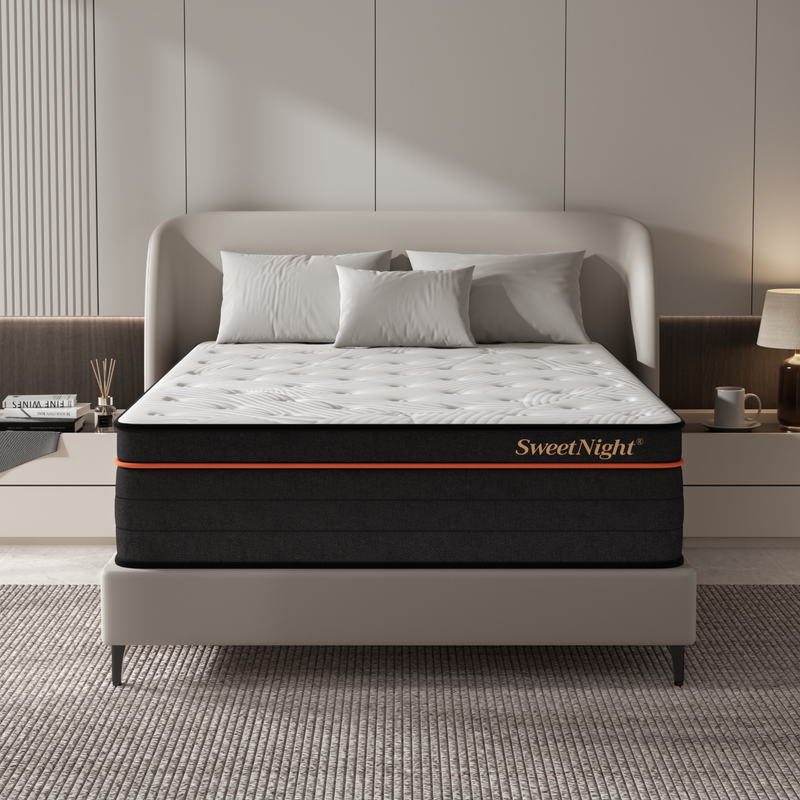
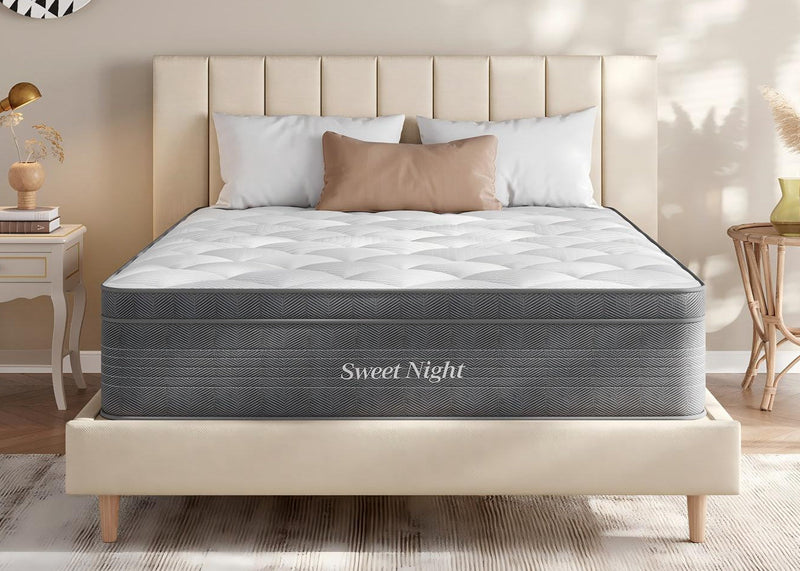
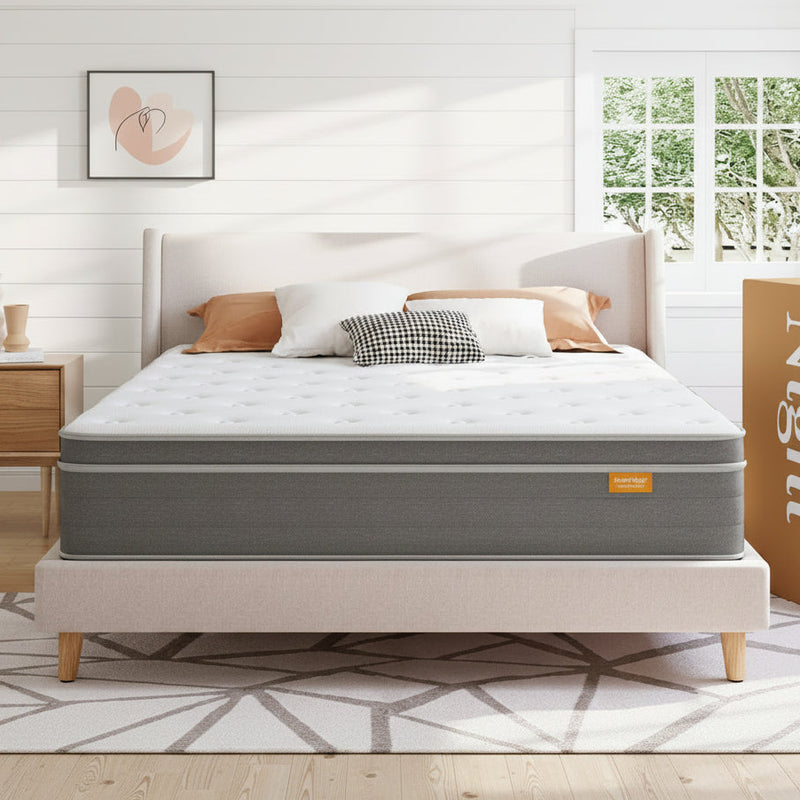
This is also the bracket where premium features start showing up at non-premium prices. The SweetNight cooling memory foam mattress is a fair example of what the top of this range can look like in 2026: a gradient ice silk cover with a Qmax of 0.25 for instant surface cooling, PCMflux® foam that actively balances temperature through the night, AirMesh™ foam rated at six times the breathability of standard memory foam, and refined 7-zone support for spinal alignment, with all foams CertiPUR-US certified and the cover passing OEKO-TEX STANDARD 100. Those are specifications you would normally expect to pay well over $1,000 for, which is exactly the kind of price-to-spec mismatch worth hunting for in this bracket.
For most adults buying a primary mattress they will sleep on nightly for the better part of a decade, this is where spending stops being a compromise and starts being an investment that pays back in sleep quality and lifespan. A mattress under $1,000 selection is where a lot of shoppers find the bed they keep for years without overpaying for a name.
Luxury Mattresses Over $1,000: Is an Expensive Mattress Worth It?
Above $1,000, you enter the premium tier, and the honest answer is that an expensive mattress is worth it only when your body has a specific problem the extra money actually solves. The improvements get smaller per dollar even as the price climbs faster. That does not make luxury mattresses a scam. It means the value equation changes. You are no longer buying the difference between bad and good, you are buying the difference between good and exceptional, and that gap is worth real money to some sleepers and nearly nothing to others.
Spend into the premium tier if you are:
- A heavier sleeper (roughly 230 lb and up) who has worn out cheaper beds before
- A hot sleeper whom basic gel infusions have already failed
- Someone with chronic back, hip, or shoulder pain that responds to zoned support
- Buying natural latex or organic materials specifically
Skip it if you are: an average-weight sleeper with no pain issues and normal temperature regulation. You will often sleep just as well on an $800 bed as a $2,000 one, and the extra $1,200 buys marginal comfort at best. Premium is a tool, not a status.
Memory Foam vs Hybrid Mattress Prices: Why Materials Move the Bracket
Two mattresses at wildly different prices can look nearly identical until you understand that the materials inside are what move a bed from one bracket to another. Here is how the two dominant constructions price out.
| Memory Foam | Hybrid | |
|---|---|---|
| Typical queen price | $300 – $1,200 | $500 – $1,800 |
| Entry price | Lower | Higher (coils add material and labor) |
| Best for | Lighter sleepers, side sleepers, motion isolation | Heavier sleepers, couples, hot sleepers, combo sleepers |
| Cooling | Depends entirely on foam engineering | Naturally better airflow through the coil layer |
| Edge support | Weaker unless reinforced | Stronger by construction |
| Typical lifespan | 6 – 10 years (density dependent) | 7 – 10 years |
All-foam beds start cheaper because foam is less costly to manufacture than a coil-and-foam hybrid, but the gap narrows fast as foam quality rises. A basic memory foam mattress can be genuinely affordable, which is why the budget brackets are dominated by all-foam beds. But high-density memory foam, the kind that lasts and supports properly, costs real money, and so do the specialty layers that fix foam's two classic weaknesses. This is where a gel memory foam mattress earns its price: ventilated gel layers, phase-change foams, and open-cell breathable structures exist specifically to solve heat retention, and building them properly is what pushes a good all-foam bed up into hybrid pricing territory.
The practical takeaway is that the material choice should follow your body, and the price will follow the material. A lighter sleeper who loves a deep, contouring hug can get excellent value from a quality memory foam bed in a lower bracket. A heavier sleeper or a couple usually gets more for their money from a hybrid, even though it costs a bit more. Do not shop by price alone. Shop by which material your body needs, then find the best version of it in your range.
How Much Should You Spend on a Mattress? A Quick Decision Guide
Work backward from your needs, not forward from a budget. Nail down your sleep position, your body weight, whether you share the bed, how hot you sleep, and any pain issues. Those factors tell you which materials you actually require, which points you to the lowest bracket that covers them.
| Your Situation | Target Bracket (Queen) |
|---|---|
| Guest room, occasional use, temporary setup | Under $300 |
| Child's bed they will outgrow | Under $300 |
| Solo adult, average weight, no pain, tight budget | $300 – $600 |
| Primary bed, nightly use, average-weight couple | $600 – $1,000 |
| Hot sleeper who has already tried basic cooling | $600 – $1,000 |
| Sleeper over 230 lb, or heavier couple | $800 – $1,500 |
| Chronic back, hip, or shoulder pain | $800 – $1,500+ |
| Natural latex or organic materials required | $1,200+ |
Spending below your bracket buys a bed that fails you. Spending above it buys features you will not use. The best value is the floor of the bracket that meets your real requirements, and a best mattress for the money collection is built around exactly this idea, surfacing the models with the strongest quality-to-price ratio rather than just the cheapest or the flashiest.
The mistake value-seekers make is optimizing for the lowest possible price instead of the best fit, and it costs them twice. A too-cheap bed that sags in a year, wrecks your back, or sleeps hot enough to ruin your rest is not a good deal at any price. Real value means the bed does its job well for its full expected lifespan and you never think about it again. Sometimes that is $400 and sometimes it is $1,000.
When Is the Best Time to Buy a Mattress in 2026?
Mattress discounts follow a predictable calendar, and buying on one of these dates rather than a random Tuesday reliably saves 20% to 40% off typical selling prices.
- Presidents' Day (February) — the first major sale of the year, often when brands clear last year's models.
- Memorial Day (May) — traditionally one of the two deepest discount windows of the year.
- Fourth of July — strong mid-year sale, good for hybrids and larger sizes.
- Labor Day (September) — the other peak discount window, and the best time to buy a mattress if you can wait for it.
- Black Friday and Cyber Monday (November) — the deepest online-only pricing of the year.
- End-of-year clearance (late December) — inventory clearing ahead of new model launches.
Two more tactics that stretch the budget further. First, buy online rather than in a showroom, because the bed-in-a-box model strips out the markup and hands you the same quality for less. Second, use the free trial periods aggressively. A 100-night trial means the risk of buying sight-unseen largely disappears: if the bed is wrong, you send it back. That safety net lets you shop by value and specs rather than paying a premium for the "certainty" of a ten-minute showroom test that tells you almost nothing about how a bed feels after two months.
Mattress Price FAQs
How much should I spend on a queen mattress?
For a primary bed used nightly, plan on $600 to $1,000 for a queen. That range covers high-density foams, real edge support, effective cooling, and a seven-to-ten-year lifespan. Below $450 you are accepting shorter durability; above $1,200 you are paying for features that only help specific bodies.
Is a $500 mattress good enough?
For an average-weight solo sleeper with no pain or overheating issues, yes. A well-built $500 mattress will deliver five to seven years of dependable support. It will fall short on edge support, premium cooling, and durability under heavier bodies or two sleepers.
Why is the same mattress $2,000 in a store and $700 online?
Showroom rent, sales commission, and traditional advertising get built into the retail price. Bed-in-a-box brands sell direct and remove those layers. The materials are frequently comparable; the overhead is not.
How long should a mattress last?
Six to ten years for most beds. Budget all-foam mattresses under $300 often fail within two to three years of nightly use. Beds in the $600 to $1,000 range with foam densities above 3.5 lb/ft³ regularly reach the full ten.
Are mattress sale prices real?
The discount percentage usually is not, but the selling price usually is. A mattress "marked down" from $2,000 to $900 was very likely never a $2,000 mattress. Ignore the crossed-out anchor price and evaluate the bed on what you actually pay against what that bracket should deliver.
Does a more expensive mattress help with back pain?
Sometimes, but the mechanism matters more than the price. What relieves back pain is zoned support that keeps the spine aligned, and that engineering typically starts appearing around $700 to $800. Paying $2,500 for a bed without zoning will not outperform a well-zoned $900 one.
The Bottom Line on Mattress Prices in 2026
Figure out the lowest bracket that covers your body, your sleep style, and your durability needs, buy the best-built bed in that range, and resist the upsell into features you will not use. Do that and you will land exactly where value lives: a mattress that does its job for years, that you did not overpay for, and that you never have to think about again. In 2026, the smartest mattress money is not the cheapest or the fanciest. It is the bed that fits, in the bracket that fits, bought at the price that fits.