

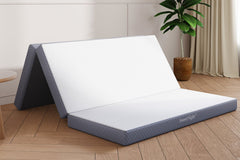

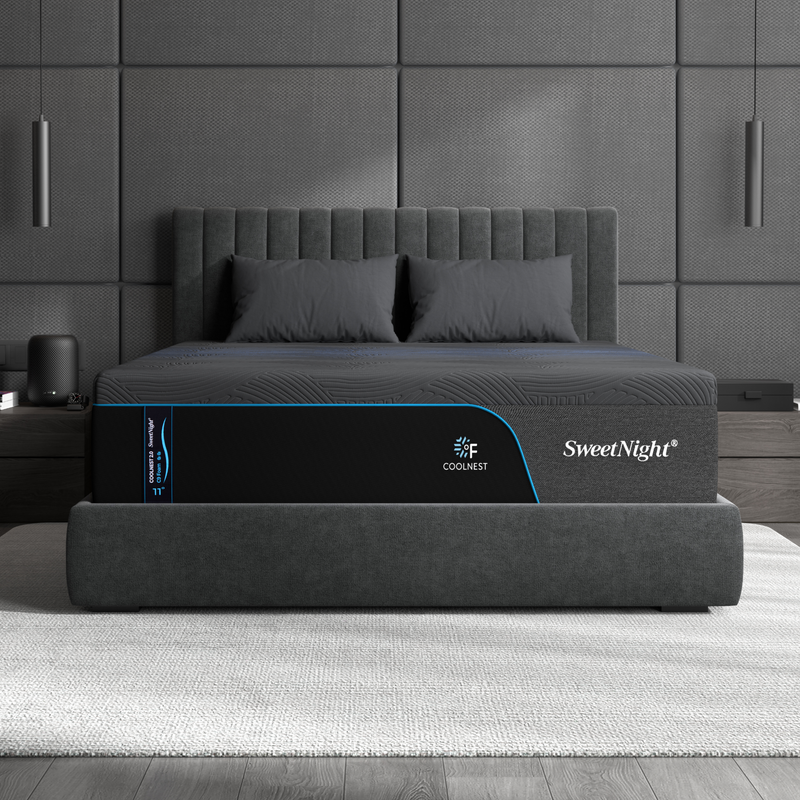
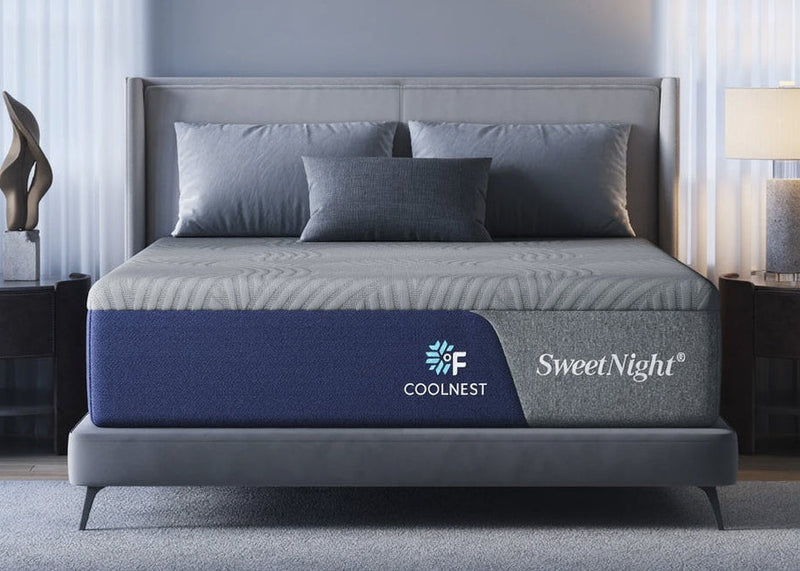
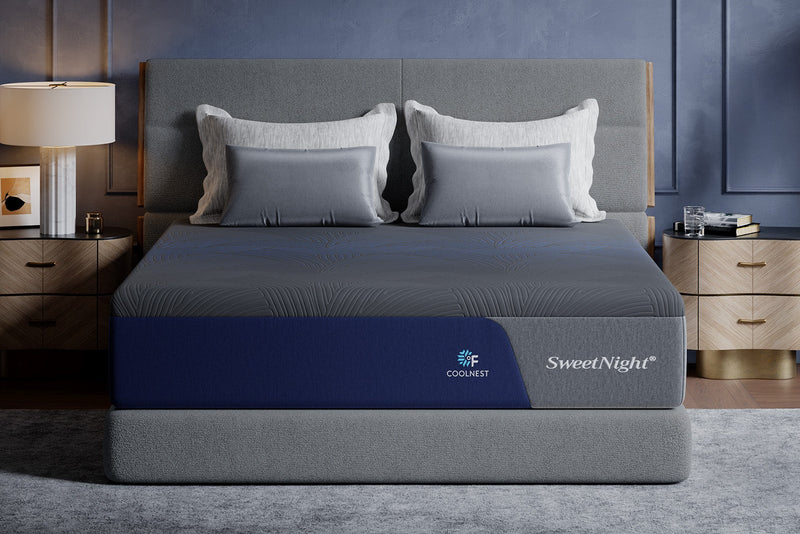

Short answer: For most American shoppers, yes — Labor Day is one of the two genuinely strong windows in the mattress calendar, and it is the best one if you need a bed in the next three months. It is not the single deepest discount event of the year (Black Friday usually edges it out by a small margin), but it consistently offers the best combination of discount depth, model availability, and bundle value. The people who should not buy on Labor Day are a small and specific group, and we'll define exactly who they are below.
Labor Day 2026 falls on Monday, September 7. Most mattress brands open their promotions in mid-to-late August and close them the week after the holiday. That means the decision window for this year is already open.
Why Mattress Sales Cluster Around Holidays in the First Place
If you have shopped for a mattress before, you have probably noticed something odd: the price almost never seems to be the price. There is always a sale. Presidents' Day, Memorial Day, Fourth of July, Labor Day, Black Friday, Cyber Monday, New Year. The cynical read is that the "sale price" is simply the real price and the crossed-out number is theater.
That read is partly correct — and we'll deal with it honestly in a moment — but it misses three structural reasons why the mattress industry genuinely does discount harder around specific dates.
1. Mattresses are a considered purchase with long deliberation cycles
Nobody impulse-buys a bed. Industry research consistently shows that mattress shoppers spend weeks, sometimes months, researching before they commit. That creates a problem for retailers: a shopper who is "thinking about it" may drift for a full quarter and then buy from whoever happens to be visible when they finally decide.
Holiday sales solve this by creating a deadline. A promotion with an end date converts deliberators. This is why the discounts are real — they have to be large enough to actually break the deliberation loop, not just large enough to look good in a banner ad.
2. Labor Day sits at a genuine seasonal inventory turn
This is the underrated part. Late summer is when a lot of sleep brands roll into their next product generation ahead of the fall and holiday selling season. New models get announced in September and October; the outgoing generation needs to clear.
The result is that Labor Day tends to be the moment when last generation's flagship gets its steepest markdown, and where this generation's flagship often gets its first meaningful discount since launch. Both of those are useful to a shopper, in different ways.
3. It aligns with real-life moving and housing patterns
The American moving season peaks between May and September. Leases turn over on September 1 in a surprising number of markets. College students settle in during late August. Families finish summer renovations before school starts.
Labor Day lands directly on top of a genuine demand spike — people who actually need a bed now, not in December. Retailers know this and price accordingly, because a shopper with an empty bedroom is not going to wait twelve weeks for Black Friday.
What Discounts Actually Look Like Across the Year
Here is the practical question: if you plotted mattress discounts across a calendar year, how would the major events rank?
Based on observed promotional patterns across direct-to-consumer sleep brands, the rough hierarchy looks like this:
| Sale event | Typical discount depth | Selection breadth | Best for |
|---|---|---|---|
| Black Friday / Cyber Monday | Deepest of the year | Narrower — popular sizes sell out | Shoppers with total flexibility on timing |
| Labor Day | Very close to Black Friday | Broad — full size and model range | Most shoppers; anyone needing a bed before winter |
| Memorial Day | Strong | Broad | Spring/summer buyers |
| Presidents' Day | Moderate to strong | Broad | Q1 buyers |
| Fourth of July | Moderate | Broad | Mid-year buyers |
| New Year / January | Moderate, clearance-weighted | Thin — leftovers | Bargain hunters who don't care which model |
| Random non-holiday week | Baseline everyday promo | Full | Nobody, if you can avoid it |
Two things stand out.
First, the gap between Labor Day and Black Friday is smaller than most people assume. The headline percentages are often within a few points of each other. The difference is frequently narrower than the value of the free accessories bundled into a Labor Day offer — which we'll quantify shortly.
Second, Labor Day beats Black Friday on selection. By late November, the best-selling configurations — queen and king in the most popular firmness — are frequently out of stock or on extended backorder. In late August and early September, everything is available, because brands stocked up for the fall season. If you want a specific model in a specific size, Labor Day is the more reliable event.
The Honest Part: How to Tell a Real Discount from a Fake One
Any article on this topic that doesn't address anchor pricing is not being straight with you.
Anchor pricing (sometimes called reference pricing or list-price inflation) is the practice of setting an MSRP that the product rarely or never actually sells at, so that the "sale" price looks like a dramatic markdown. It is widespread in the mattress category — more so than in almost any other consumer goods vertical — and it is the single biggest reason shoppers distrust mattress sales.
Here is how to cut through it in about five minutes.
Check the price history, not the percentage
Percentage-off claims are the least reliable data point on the page. What matters is the absolute price, and whether it is lower than what the same product sold for at the last promotional event.
Use a price-history tool or simply check archived versions of the product page. If a queen mattress was $729.99 in June and it is $729.99 during the "45% off" event, the discount is decorative. If it was $729.99 in June and it is meaningfully lower now, the discount is real.
Compare to the category, not to the MSRP
A more useful benchmark than the crossed-out number: what do comparable mattresses cost right now?
For reference, in the cooling memory foam category in 2026:
- Budget tier ($300–$500 queen): basic gel-infused foam, single cooling mechanism, usually 10–12 inches, 5-zone or unzoned support
- Mid tier ($500–$900 queen): multi-layer cooling systems, phase-change materials, zoned support, 12–14 inches
- Premium tier ($900–$2,000+ queen): the same technologies with heavier marketing spend and retail overhead baked in
- Luxury/legacy brands ($2,000+ queen): brand equity, showroom infrastructure, and white-glove delivery
If a "60% off" price lands you in the middle of the tier you were going to shop anyway, the discount is doing real work. If it lands you at the top of a tier below it, it is not.
Weigh the bundle, not just the mattress
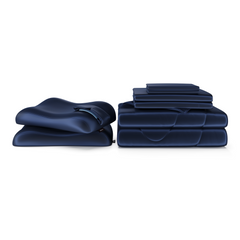
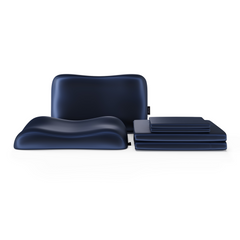
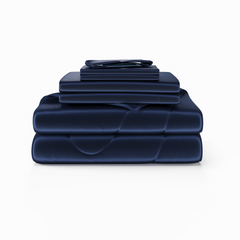
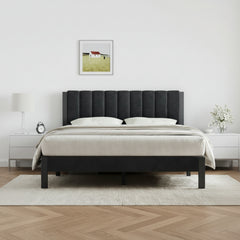
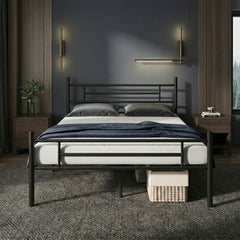
This is where Labor Day quietly outperforms. Holiday promotions in the sleep category increasingly bundle accessories — pillows, protectors, sheet sets, frames — rather than cutting the mattress price further. That is often better for you, because accessories carry higher margins, so a brand can give away $200 of retail value at a fraction of that cost, while cutting $200 from the mattress price would come straight out of the bone.
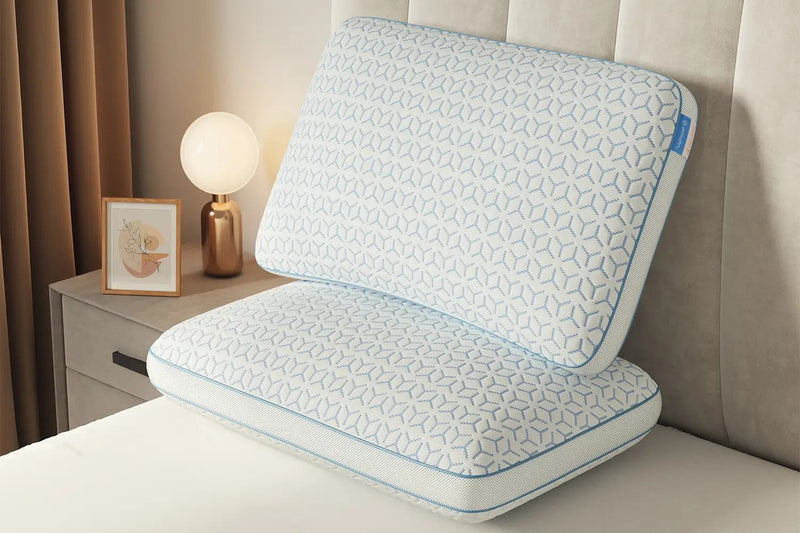
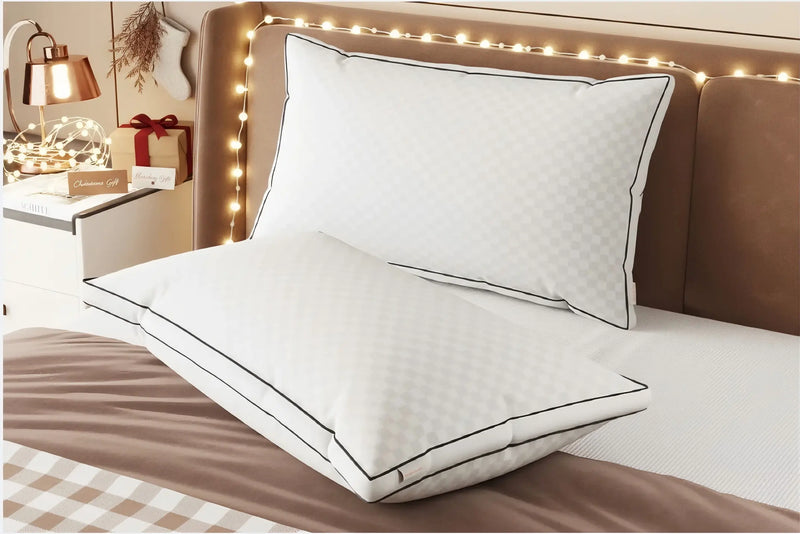
The practical implication: when you compare two offers, price the whole basket. A mattress at $650 with two cooling pillows included beats a mattress at $620 with nothing, if you were going to buy pillows anyway — and if you're upgrading to a cooling mattress, you almost certainly were.
Read the return terms before you read the price
A deep discount attached to a "final sale, no returns" condition is not a deal. It is a gamble. In a category where you cannot know whether a product works for you until you've slept on it for two weeks, the trial period is a material part of the offer's value.
The industry standard for online mattress brands is a 100-night trial with free returns. Anything shorter than 30 nights should make you suspicious. Anything that charges a restocking fee or return shipping should be priced into your comparison as a real cost.
What Actually Goes on Sale on Labor Day
Not everything discounts equally. Understanding what gets cut hardest lets you aim your shopping.
Newly launched flagship models: first real discount
A mattress launched in spring typically holds close to full price through the summer. Labor Day is often the first event where it moves meaningfully. If you have been watching a specific new model and waiting, this is generally your moment — and the discount will rarely be beaten before Black Friday, at which point stock may be constrained.
Outgoing generation models: deepest cuts
When a brand has a Pro and an Ultra version of the same platform, the older tier gets aggressive treatment in late summer. If you don't need the newest cooling technology and you're price-sensitive, this is the highest-value corner of any Labor Day sale.
Accessories and bundles: highest apparent value
Pillows, toppers, protectors, and sheet sets see the most dramatic percentage cuts and the most give-away offers. If you're building out a full bed setup, buying it all in one Labor Day transaction is materially cheaper than buying the mattress now and the accessories in October.
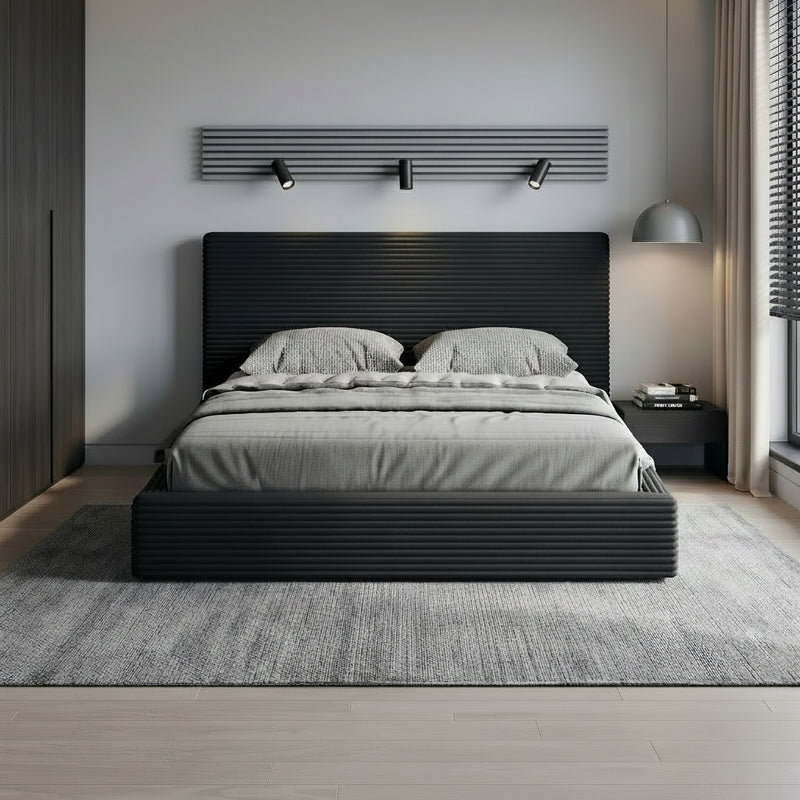
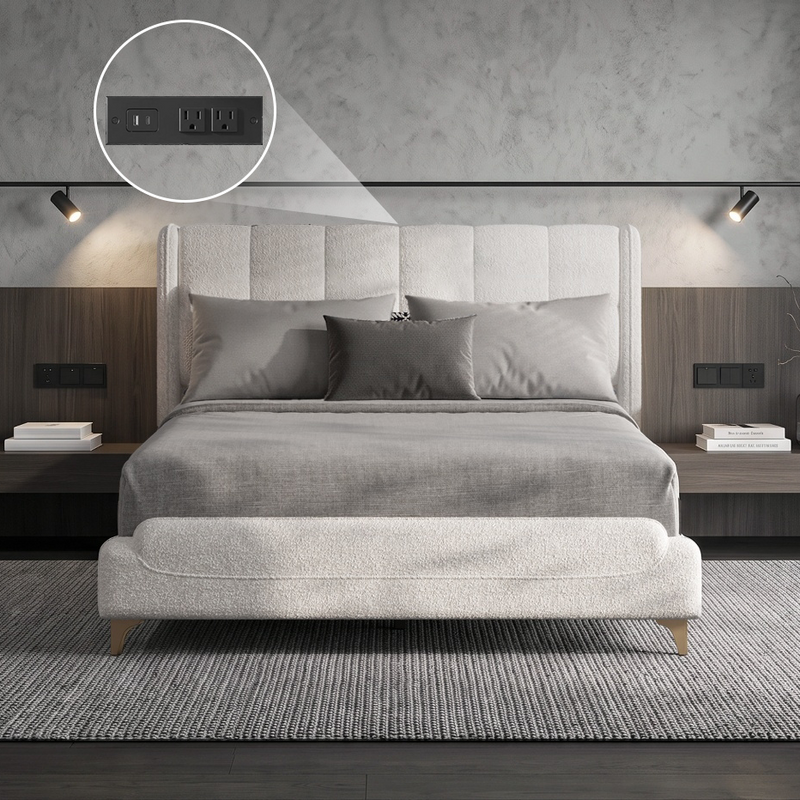
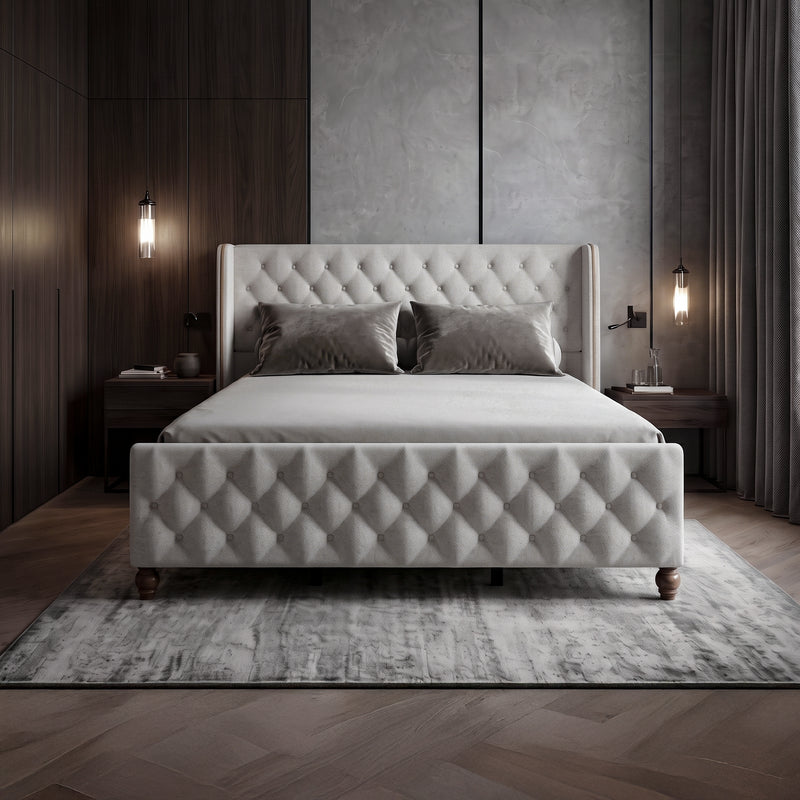
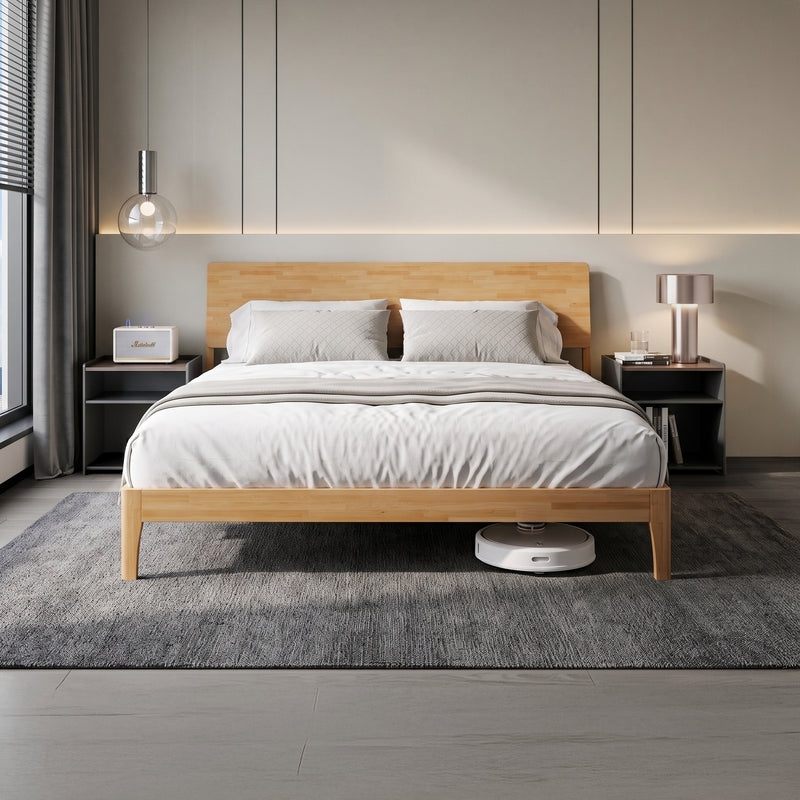
Bed frames: moderate
Frames follow the mattress promotion but usually with shallower cuts, because they're lower-margin and heavier to ship.
What rarely discounts: adjustable bases from premium brands
If you want a high-end adjustable base, holiday events help less than you'd hope. Budget accordingly.
Who Should Buy on Labor Day — And Who Should Wait
Let's make this concrete.
Buy on Labor Day if:
Your current mattress is more than 7–8 years old. The functional lifespan of a quality foam or hybrid mattress is roughly 7–10 years. Past that, support degrades in ways you stop noticing because the decline is gradual. If you're at year eight and waiting for a better price, you are spending twelve more weeks on a bed that is actively working against your sleep quality to save an amount that will not change your life.
You sleep hot and it's affecting you now. This one is timing-specific. Late summer and early fall are when overheating at night is at its worst in most of the US. Buying a cooling mattress in November means you spend the hottest part of the year on the old one and take delivery just as the weather solves the problem for you. That is precisely backwards.
You want a specific model in a specific size. As covered above, availability is materially better in September than in late November.
You're setting up a new home, a guest room, or a kid's room. You need the bed to exist. Waiting isn't a strategy.
You're buying a full sleep setup, not just a mattress. Bundle value peaks at Labor Day.
You want the trial period to end at a convenient time. A 100-night trial starting September 10 ends around December 19 — you'll have made your keep-or-return decision before the holidays complicate your life. A trial starting November 29 ends in early March, and it's remarkably easy to let that deadline slip past you in the winter blur.
Wait for Black Friday if:
Your current mattress is fine and you're upgrading opportunistically. No urgency, no penalty for waiting. Take the extra few points of discount.
You are shopping purely on lowest absolute price and you're flexible on model. Black Friday clearance on whatever is left over will beat Labor Day pricing on the same items.
You're buying a twin or full in a less popular configuration. These don't sell out, so the Black Friday stock-availability problem doesn't apply to you.
The specific model you want just launched in July or August. Very new products sometimes hold price through Labor Day and take their first real cut in November.
Don't wait for either if:
You're experiencing back or joint pain that your mattress is plausibly contributing to. This is not a financial decision. If you're waking up stiff, in pain, or unrested, the cost of three more months of that outweighs any discount differential. Talk to a doctor about the pain, and separately, fix the bed.
The Overlooked Cost of Waiting
Shoppers reason about mattress timing almost entirely in terms of discount percentage. That's an incomplete model.
Suppose the difference between the Labor Day price and the Black Friday price on your target mattress is $80. Waiting from September 7 to November 27 is 81 nights. That works out to roughly 99 cents per night of savings.
Now ask: is one night of sleep on a properly supportive, temperature-regulated mattress worth a dollar more to you than a night on the mattress you're currently trying to replace?
For most people who are actively shopping for a mattress — meaning they've already concluded their current one is a problem — the honest answer is obviously yes. The dollar-a-night framing makes the trade explicit in a way that "wait for a bigger percentage" does not.
There's a second, less obvious cost. Sleep quality compounds. Poor sleep in September affects your work in September, your mood in October, your immune response through the fall. It isn't a static cost you can defer painlessly; it's a running one.
None of which means Labor Day is automatically right for everyone. It means the calculation is "discount differential versus 81 nights," not "bigger number versus smaller number."
How to Evaluate a Labor Day Mattress Deal: The Checklist
Print this, or keep the tab open while you shop.
On price:
- [ ] What did this exact model cost 60 days ago?
- [ ] Where does the sale price land within its category tier?
- [ ] Is the discount applied to the size I actually need? (Some promotions weight discounts toward slow-moving sizes.)
- [ ] Are there stacking offers — bundle discounts, email signup codes, multi-item tiers?
On the product:
- [ ] What is the actual construction? Layer count, thickness, foam density, cover material.
- [ ] What is the firmness, and does it match my sleeping position? (Side sleepers generally want softer; stomach sleepers firmer; back sleepers medium.)
- [ ] If cooling matters: what mechanism delivers the cooling, and is there more than one? Single-mechanism cooling — a gel layer alone, say — fades within an hour.
- [ ] Certifications: CertiPUR-US for foam content, OEKO-TEX for fabric safety.
On the terms:
- [ ] Length of sleep trial
- [ ] Who pays return shipping
- [ ] Warranty length and what it actually covers (usually body impressions past a threshold depth)
- [ ] Delivery timeline — critical if you have a move-in date
On the bundle:
- [ ] What accessories are included, and what would they cost separately?
- [ ] Do I actually want them, or are they padding?
The SweetNight Labor Day Sale: A Worked Example
Let's apply the framework above to a real 2026 offer rather than leaving it abstract.
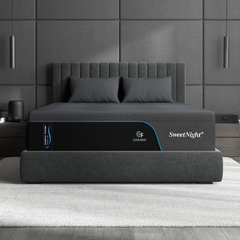
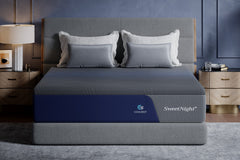
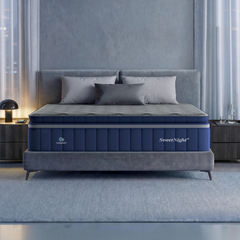
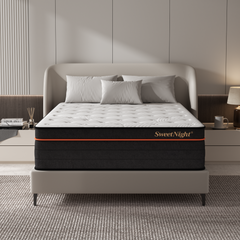
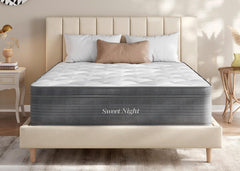
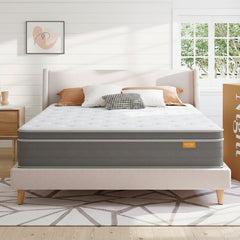
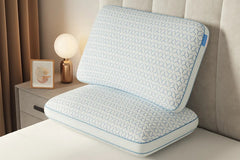
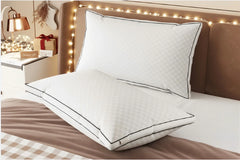
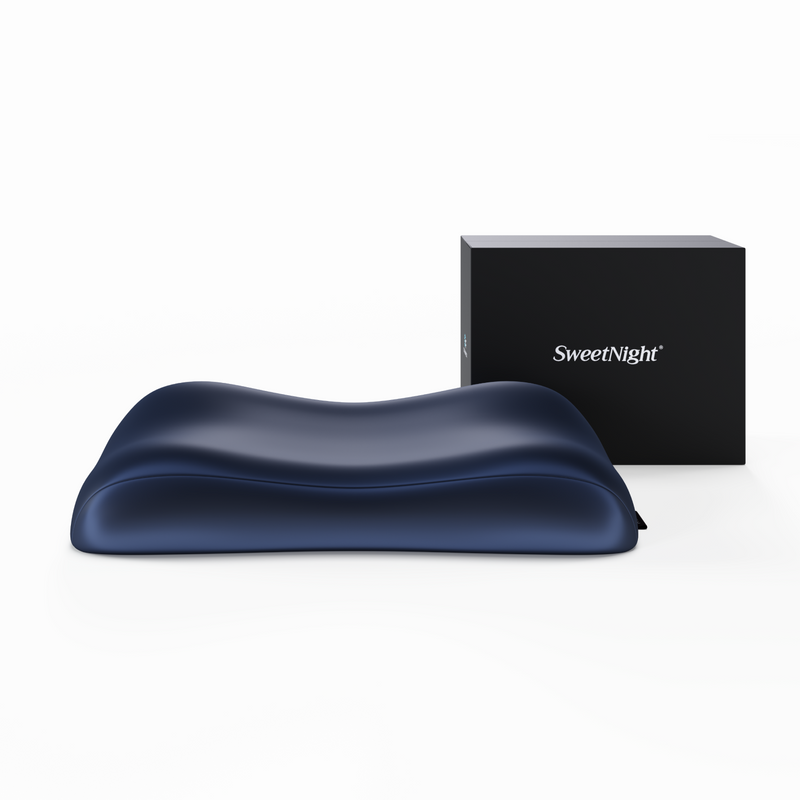
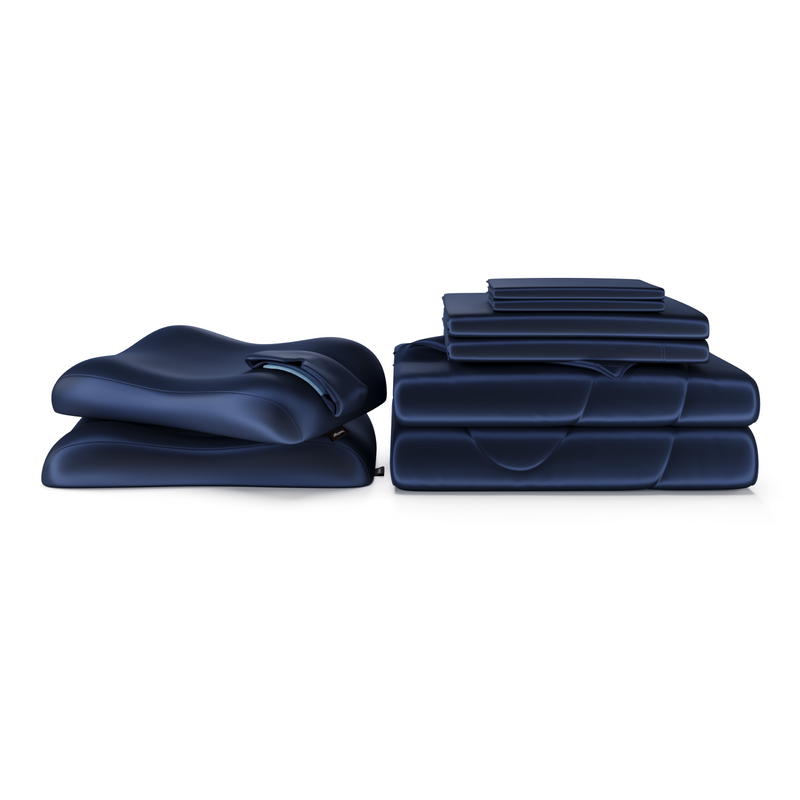
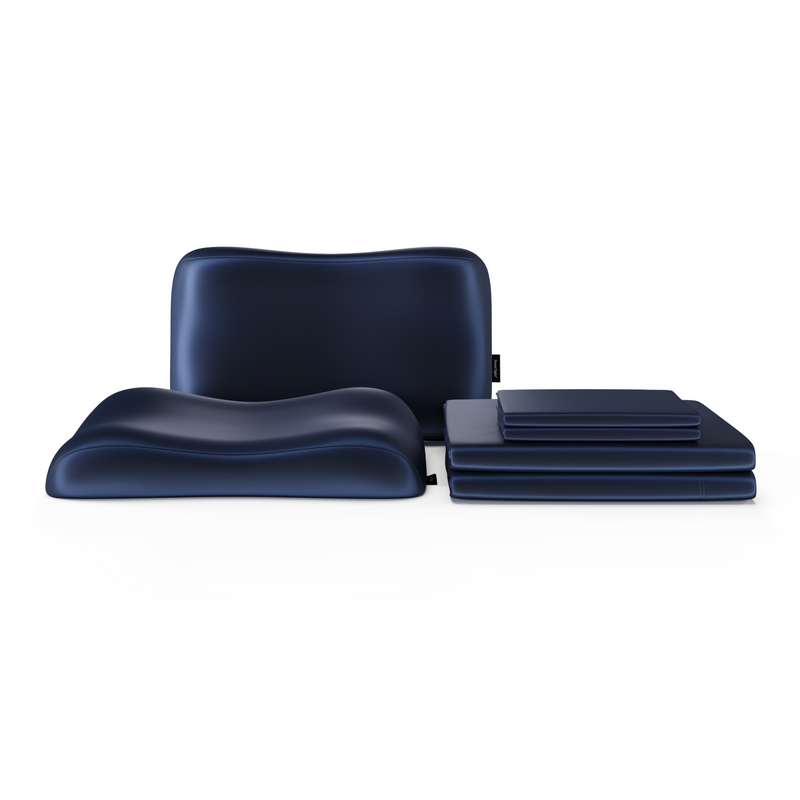
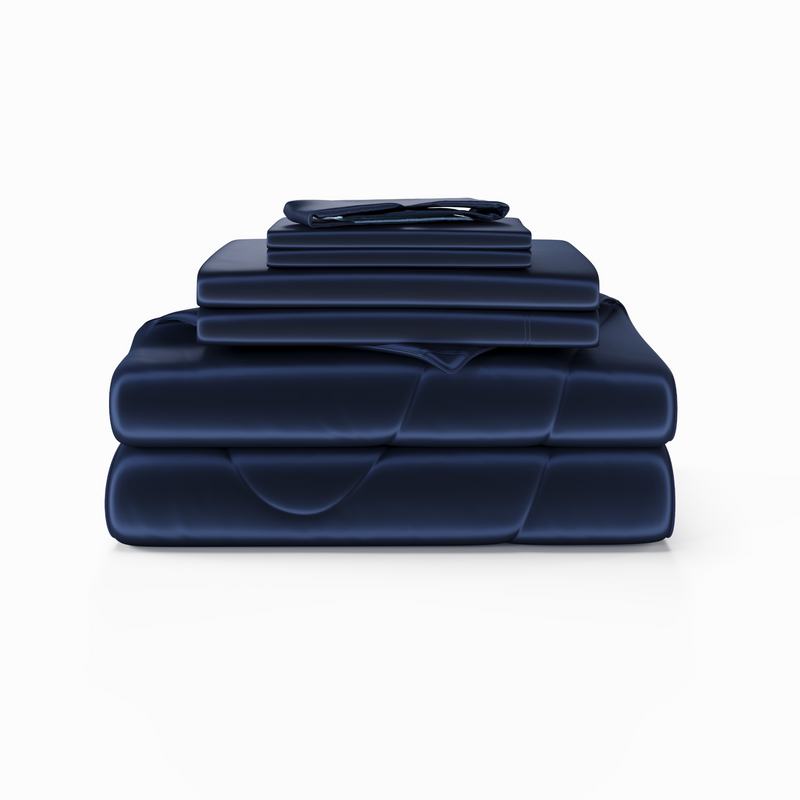
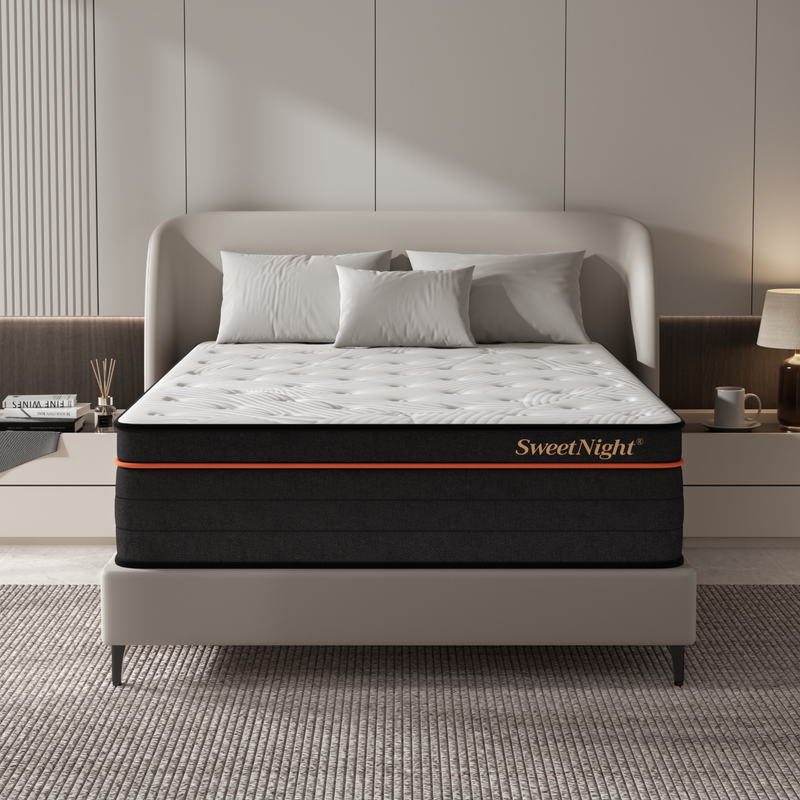
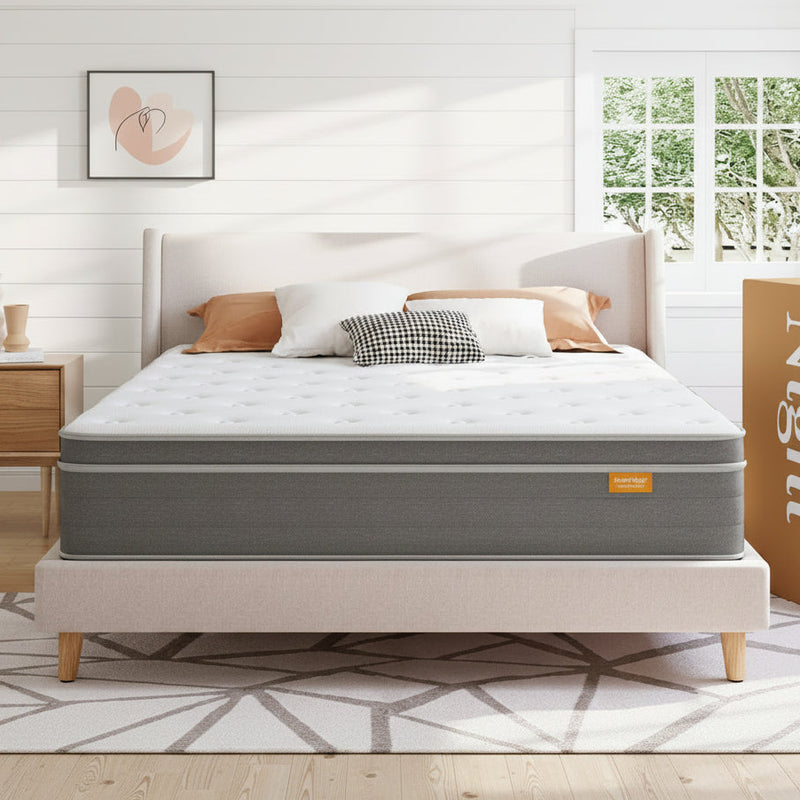
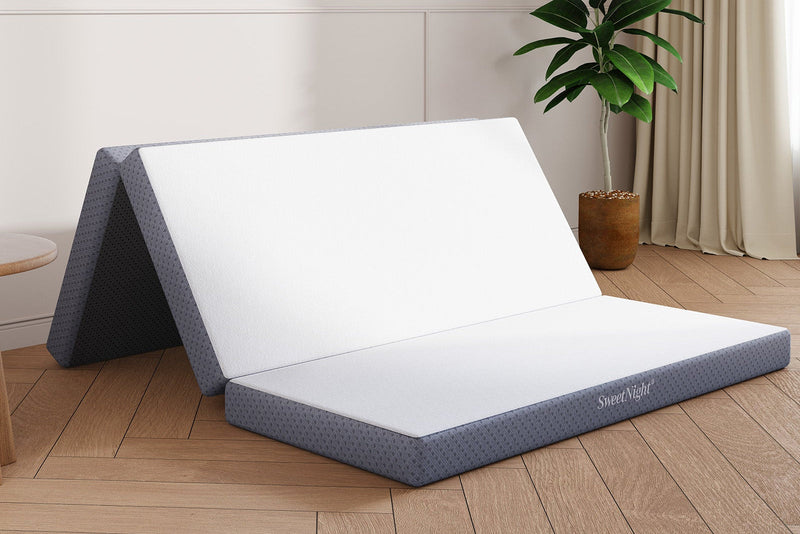
SweetNight's Labor Day event runs sitewide with discounts reaching up to 45% off, an additional 15% off bundles, and two free cooling pillows with every mattress purchase. Mattress pricing in the sale starts at $289.99. Every purchase carries a 100-night risk-free trial, a 10-year warranty, and free FedEx shipping within the contiguous US. You can see the full current offer on the SweetNight deals page.
Run that through the checklist:
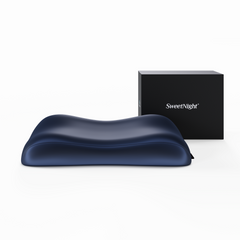
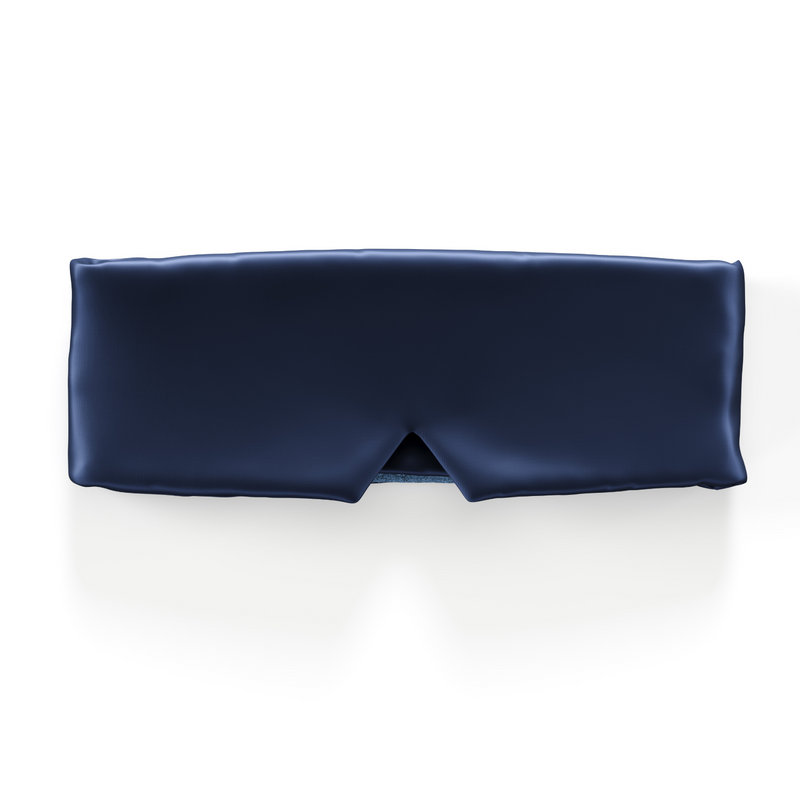
Bundle value: Two cooling pillows at roughly $49.99–$129.99 retail each is not a trivial add-on — for a cooling mattress buyer, it's the accessory you were going to purchase anyway, since a heat-trapping pillow undermines a cooling mattress more than people expect. Your head and neck are a concentrated heat source resting on a small surface area.
Terms: 100-night trial is at industry standard. Ten-year warranty is at standard. Free shipping removes a variable that some competitors use to claw back the discount.
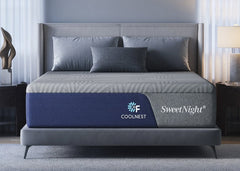
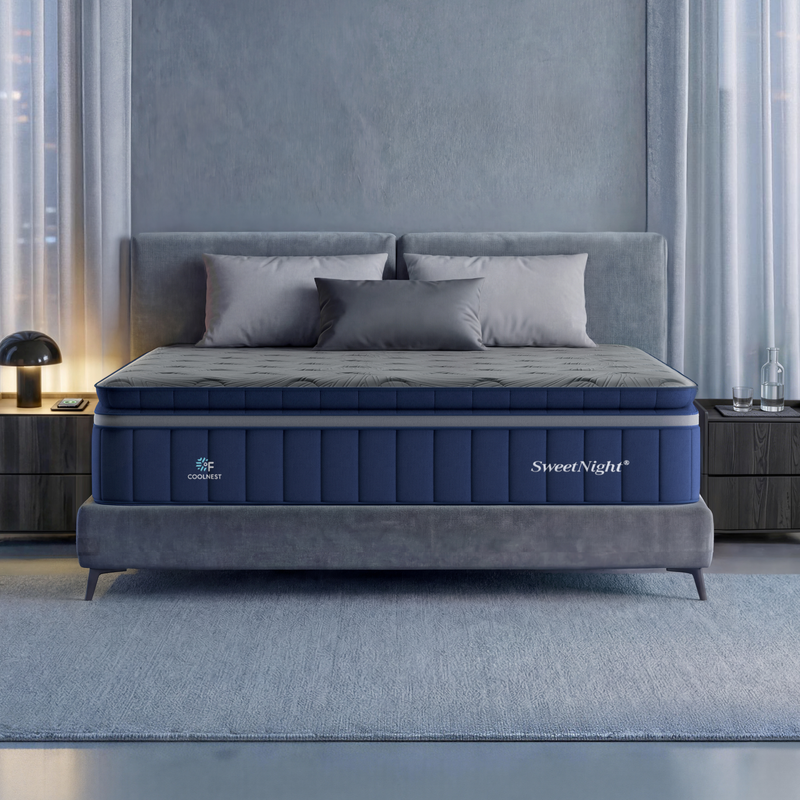
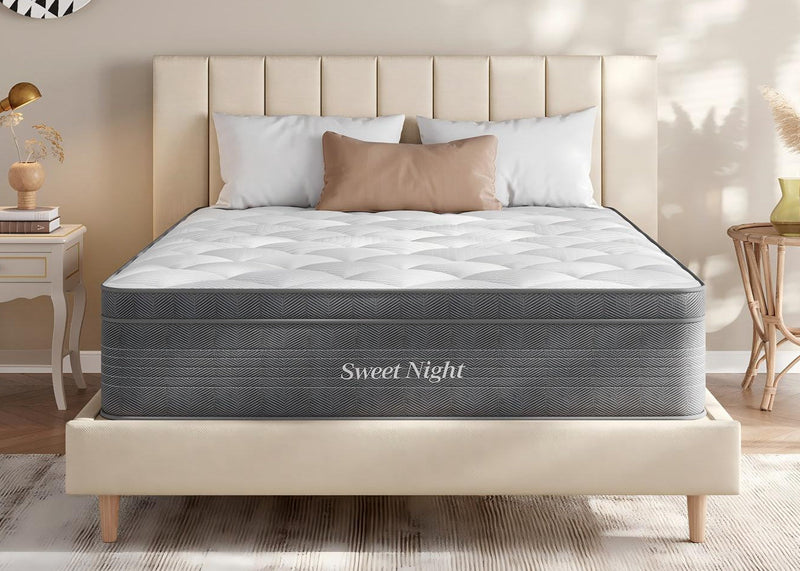
Where the discount lands: The flagship CoolNest® Ultra Memory Foam Mattress lists at $729.99 for a queen — which is mid-tier pricing for a 14-inch, multi-layer cooling build before any Labor Day discount is applied. That's the meaningful comparison: not the percentage, but where you end up relative to comparable products.
What's actually in the CoolNest Ultra
Since "cooling mattress" is the most abused phrase in the category, it's worth being specific about mechanism. The CoolNest Ultra uses a five-stage cooling system, which is to say five distinct physical mechanisms rather than one marketing claim:
- Gradient Ice Silk cover with a Qmax value of 0.25 J/(cm²·s) — this is the instant cool-to-the-touch sensation, and Qmax is a measurable thermal-absorption figure rather than a subjective claim.
- PCMflux® high-resilience foam — phase-change material that absorbs heat as your body warms and releases it as you cool. This is the layer that handles the middle-of-the-night problem, when most single-mechanism cooling beds have already given up.
- AirMesh™ breathable memory foam — SweetNight's open-channel foam, engineered for up to 6× the breathability of conventional memory foam while retaining contouring.
- Ventilated gel-infused memory foam — draws heat out of the deeper structure.
- 3D open-channel airflow layer — keeps air moving through the mattress rather than letting it stagnate.
Underneath the cooling stack sits a refined 7-zone support system — firmer under the hips and lumbar region, softer under the shoulders — and an Enhanced Stability Support Foam base, the main structural upgrade over the previous CoolNest Pro generation. Foams are CertiPUR-US certified and the cover fabric passes STANDARD 100 by OEKO-TEX. Feel is medium-plush, which puts it in the range that suits side and combination sleepers best.
Who this is genuinely for: hot sleepers, side and back sleepers, couples (the foam construction isolates motion well), and anyone who has previously bought a memory foam mattress, found it slept hot, and concluded memory foam wasn't for them. That last group is larger than most people realize — the contouring is what they wanted; the heat retention was the dealbreaker.
Who should look elsewhere in the range: if you want bounce and edge support, the hybrid construction suits you better. If your budget caps below $500, the standard CoolNest at $399.99 queen delivers the core cooling system with 5-zone rather than 7-zone support.
Timing Your Purchase Within the Sale
A last piece of tactical advice: within a Labor Day promotion, when you buy matters slightly.
Early (mid-to-late August): Best stock availability. Discounts are usually already at or near their final depth — brands rarely deepen a mattress promotion mid-flight, because doing so angers early buyers. Buying early costs you almost nothing and guarantees selection.
Holiday weekend itself: Highest traffic, occasional flash additions to the offer, but also the point at which popular configurations start going out of stock.
The week after (through mid-September): Some brands extend. SweetNight's current event runs through September 13. Extended periods can add doorbuster-style offers on remaining stock, but by this point you're shopping what's left rather than what you wanted.
The verdict: buy early unless you're specifically hunting clearance. The marginal discount from waiting until the last day is usually zero, and the risk of losing your size isn't.
Frequently Asked Questions
When do Labor Day mattress sales start in 2026? Most begin between August 15 and August 25, roughly two to three weeks ahead of the holiday itself (September 7, 2026). Some brands run them as continuations of a back-to-school promotion, so the transition is seamless. Sales typically close in the week following the holiday — SweetNight's runs through September 13.
Is Labor Day better than Memorial Day for mattress deals? Marginally, yes. The two are structurally similar, but Labor Day benefits from the fall product changeover, which produces deeper cuts on outgoing models. Memorial Day discounts on current-generation products are usually comparable.
Do mattress prices actually drop, or is it just marketing? Both are true, depending on the brand. Anchor pricing is real and common. But so are genuine promotional cuts, particularly from direct-to-consumer brands that don't carry showroom overhead. The way to tell is to check the absolute price against the same product's price 60 days earlier, and against comparable products in its tier — not to trust the percentage.
Should I buy a mattress online or in a store on Labor Day? Online direct-to-consumer pricing is typically lower for equivalent construction, because there's no showroom cost embedded. The trade-off is that you can't test the feel — which is what the 100-night trial exists to solve. If you buy online, verify the trial terms and who pays return shipping before you commit.
How long do I actually have to decide? More than you think. With a 100-night trial, the sale deadline is the pressure point, not the purchase decision. If a mattress is discounted and returnable at no cost, buying before the sale ends and deciding over the following three months is strictly better than deliberating past the deadline and paying more.
Will there be better deals on Black Friday? Slightly deeper discounts, usually — but on a narrower selection. See our companion analysis, Labor Day vs Black Friday Mattress Deals: Which Saves More?, for a full head-to-head.
Does a cooling mattress still make sense if I'm buying in September? Yes, and arguably more than at any other time. Overheating at night doesn't end when summer does — it's driven by your body's thermoregulation and your bedding as much as by ambient temperature, and heavier fall and winter bedding often makes it worse. Buying a cooling mattress in September also means you have it in place before next summer rather than after it.
The Bottom Line
Labor Day is not the deepest discount event of the mattress year. Black Friday usually is, by a small margin.
But "deepest discount" and "best time to buy" are different questions. Labor Day offers a discount within a few points of the annual floor, on full inventory, with the strongest accessory bundles of the year, at the point in the calendar when hot sleepers are suffering most and when a 100-night trial resolves before the holidays.
For the overwhelming majority of shoppers, that combination wins. The exception is a narrow one: you have no urgency, no size constraint, and you're optimizing purely for the lowest absolute number. If that's you, wait twelve weeks.
If it isn't — and if your current mattress is the reason you're reading this — the math on 81 nights is not close.
See the current SweetNight Labor Day offers →
Explore the CoolNest® Ultra Memory Foam Mattress →
Pricing and promotional details referenced in this article reflect offers available at time of publication and are subject to change. Verify current terms on the product and deals pages.