
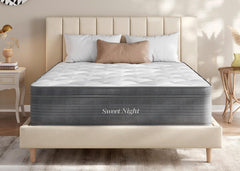
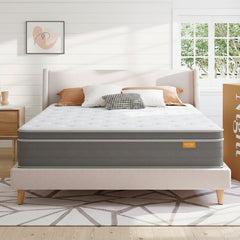
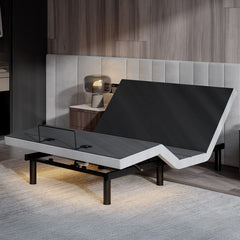
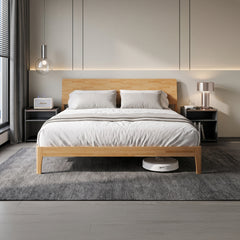

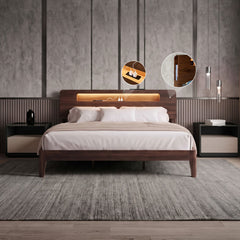
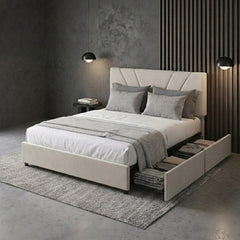
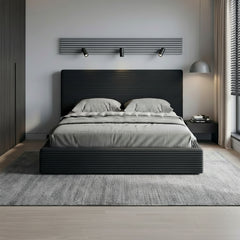
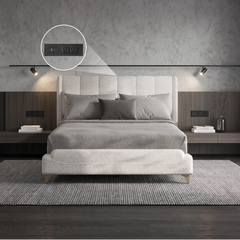
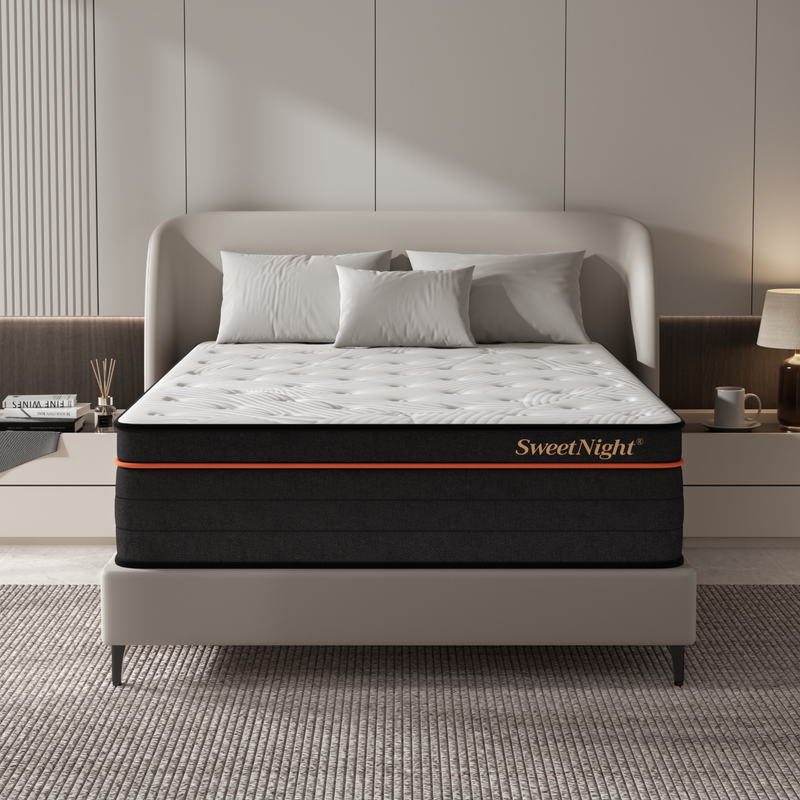
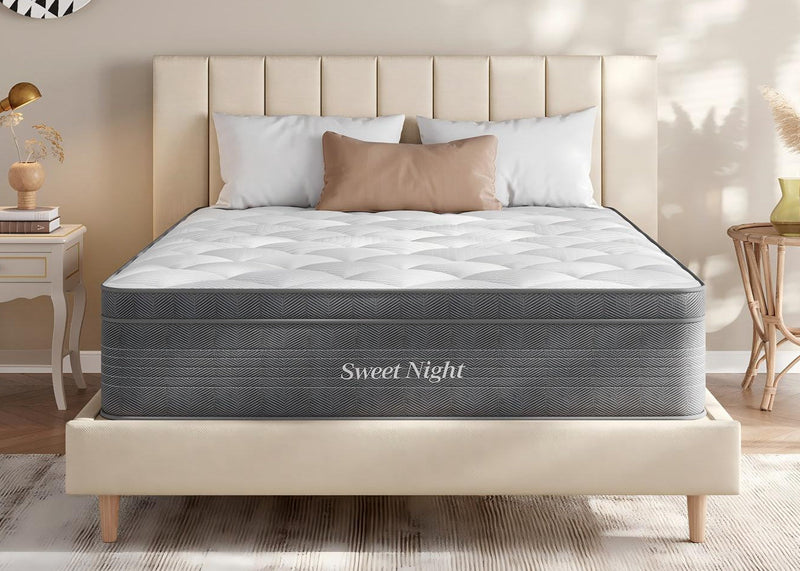
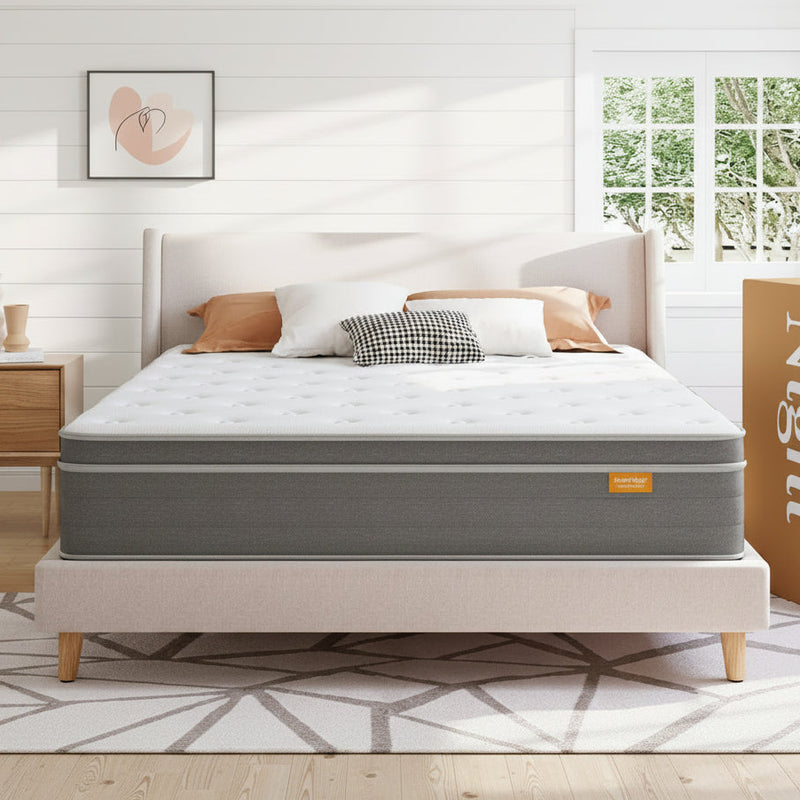
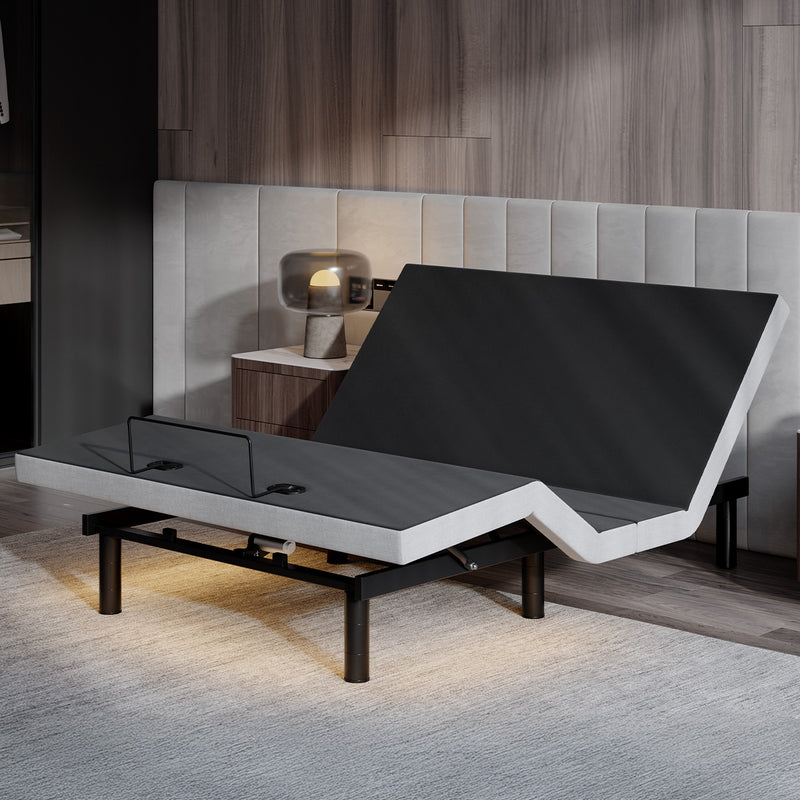
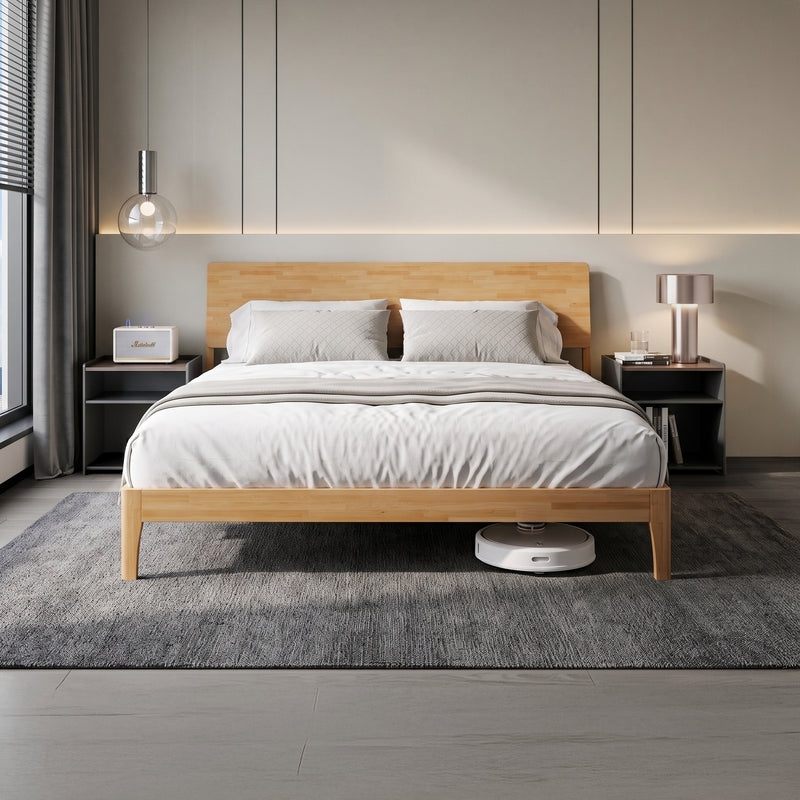

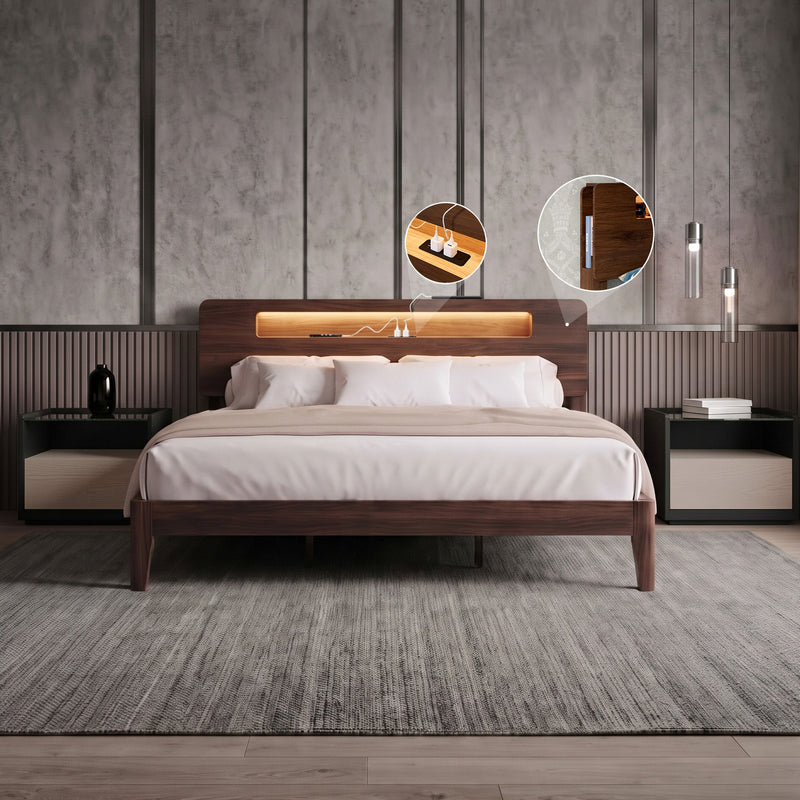
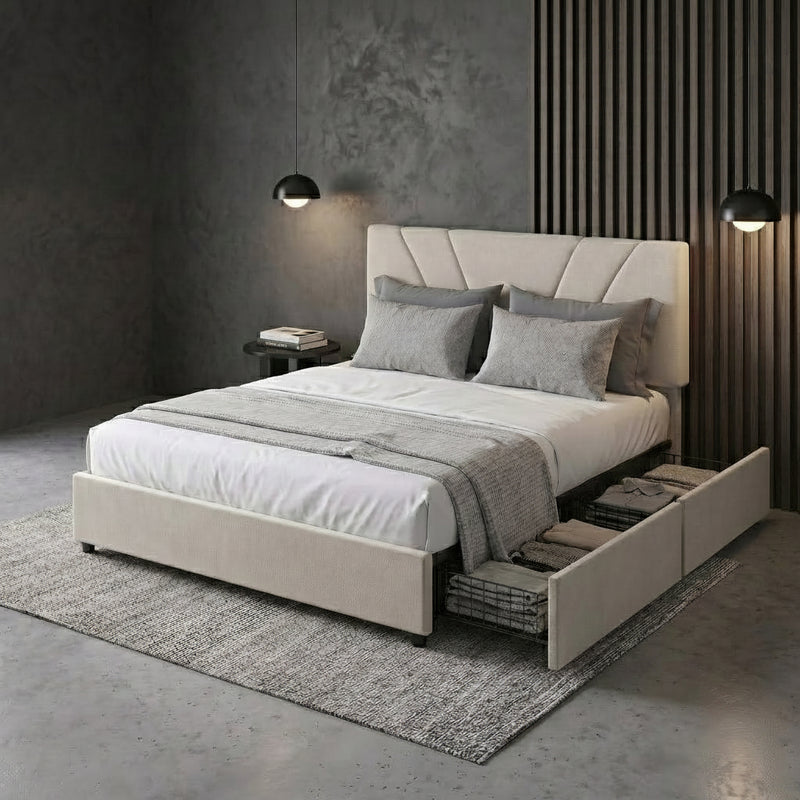
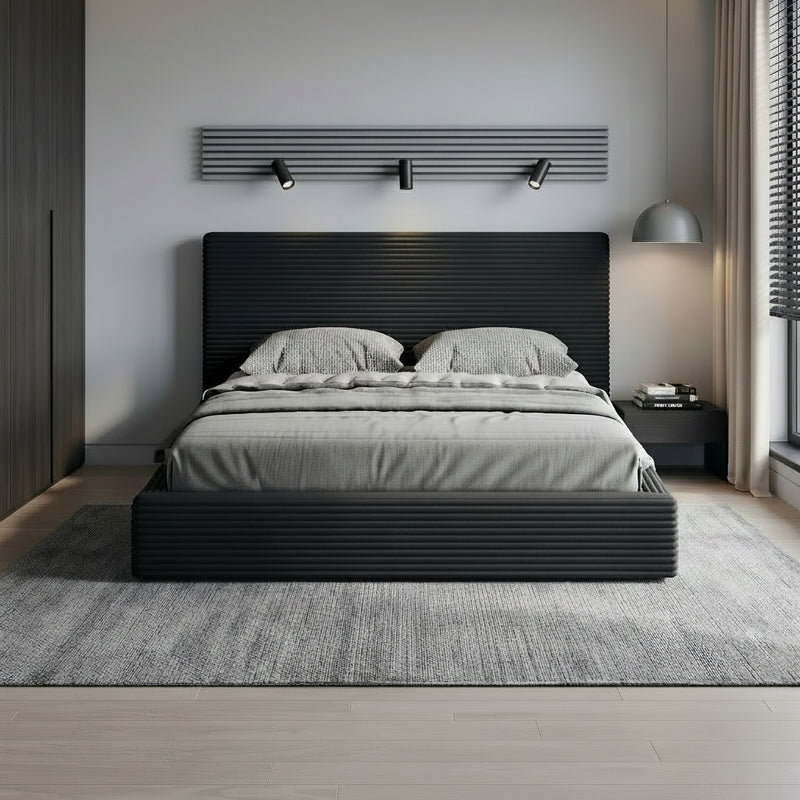
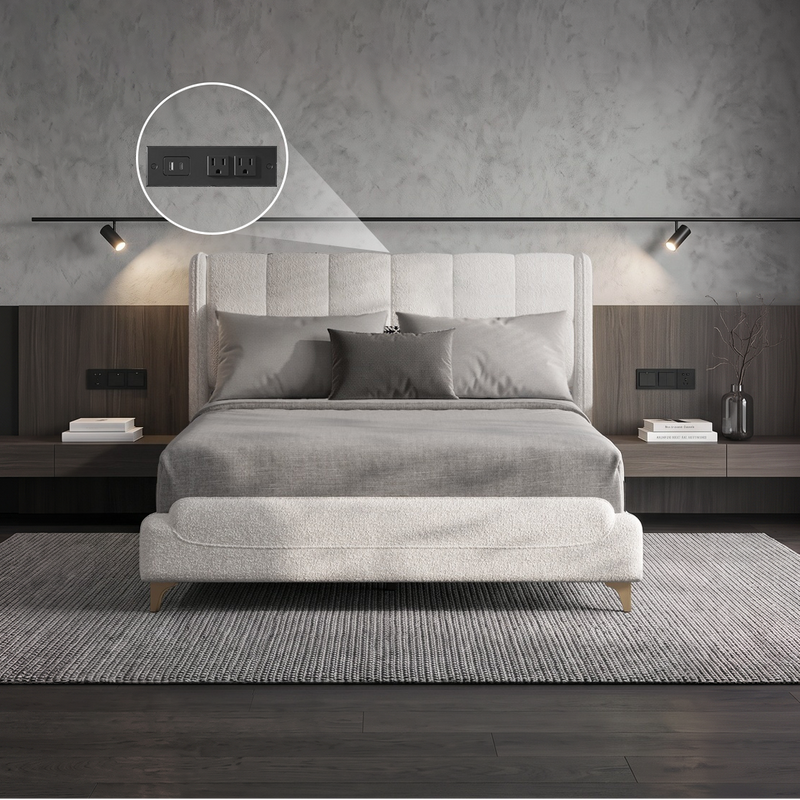
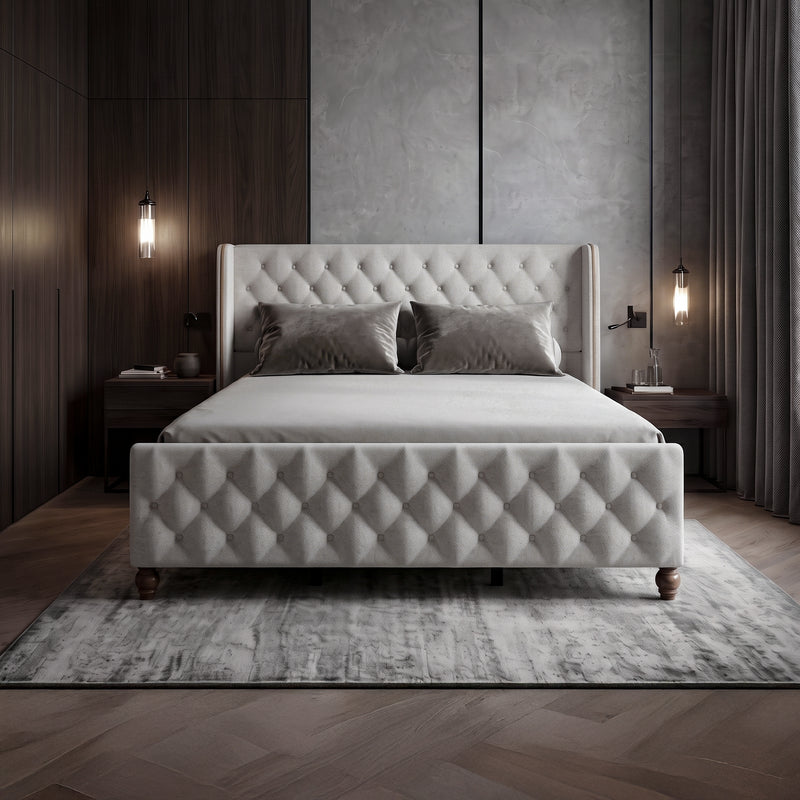
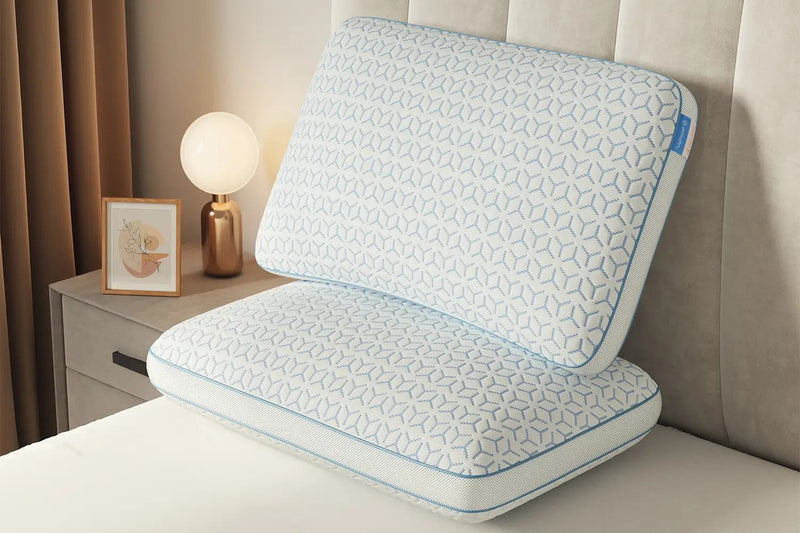
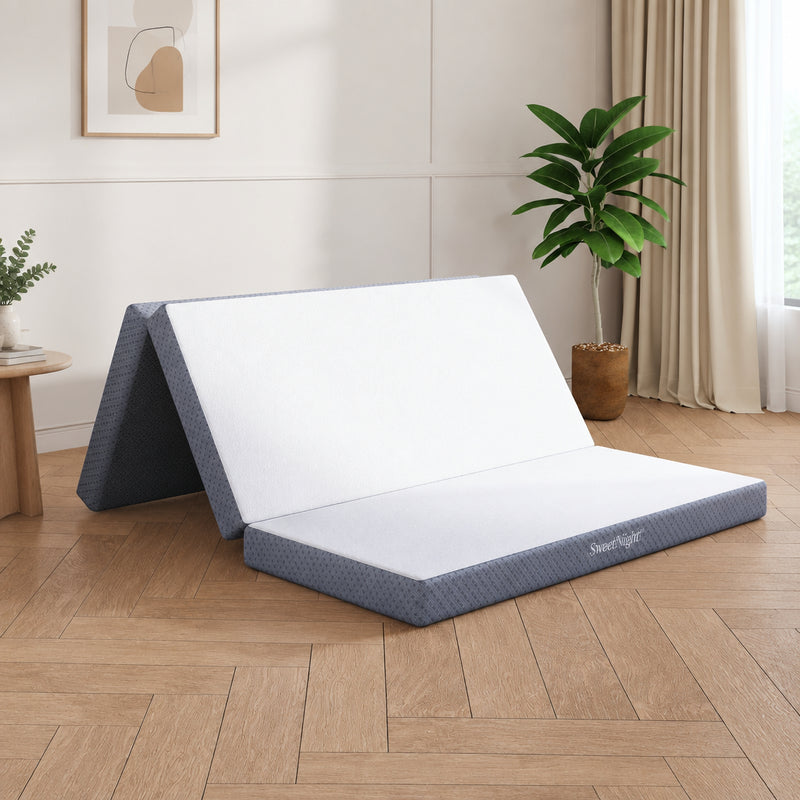

The spare room does not get to be just a spare room anymore. It is the home office on weekdays, the guest room when your in-laws visit, the workout corner when the gym feels too far, and the overflow storage the rest of the time. Asking one small space to do four jobs is normal now, and the mattress you put in it has to earn its floor space instead of just filling it.
That is the whole tension. A bed big enough to sleep guests comfortably can swallow a room you need for a desk. A mattress small enough to leave working space can leave a guest hanging off the edge. The people who get this right are not the ones who buy the biggest bed. They are the ones who match the mattress size to how the room actually gets used across the week. This guide walks through the exact dimensions, the minimum room sizes, and the decision order that keeps you from regretting the purchase.
Mattress Size Chart: Dimensions and Minimum Room Size
Before anything else, get the numbers in front of you. Most sizing mistakes happen because people shop by name — "we need a queen" — without ever checking the queen against the room. Here is every standard mattress size, its dimensions, and the smallest room that can hold it while still leaving usable walking space.
| Mattress Size | Dimensions (inches) | Dimensions (cm) | Minimum Room Size | Best For in a Multi-Purpose Room |
|---|---|---|---|---|
| Twin | 38" × 75" | 96 × 191 cm | 7' × 10' | Daily office, rare solo guests |
| Twin XL | 38" × 80" | 96 × 203 cm | 7' × 10' | Same footprint, taller guests |
| Full (Double) | 54" × 75" | 137 × 191 cm | 10' × 10' | The all-round office + guest room pick |
| Full XL | 54" × 80" | 137 × 203 cm | 10' × 11' | Tall single sleepers, tight width |
| Queen | 60" × 80" | 152 × 203 cm | 10' × 12' | Frequent couples, low-footprint second use |
| King | 76" × 80" | 193 × 203 cm | 12' × 12' | Rarely viable in a shared-use room |
| California King | 72" × 84" | 183 × 213 cm | 12' × 12' | Rarely viable in a shared-use room |
Two things to notice. First, Twin XL and Full XL cost you nothing in width — they add five inches of length only, which is free space in most rooms since the bed is against a wall anyway. If your guests run tall, they are quietly better choices than the standard versions. Second, the jump from full to queen is only six inches of width on paper, but it is the jump that most often breaks a multi-purpose room, because those six inches come straight out of your walkway.
What Is a Multi-Purpose Room and Why Bed Size Matters Most
A multi-purpose room is any space asked to serve more than one function, and the bed is usually the biggest, least flexible object in it. That is what makes the size decision so high-stakes. A desk can be folded, a treadmill can be wheeled, a bookshelf can go vertical. A mattress mostly just sits there taking up the same rectangle whether anyone is sleeping on it or not.
The rooms this describes are familiar: the office-slash-guest-room, the nursery that used to be a den, the basement that flips between playroom and crash pad, the studio apartment where the bedroom and living room are the same eight feet of floor. In every one of them, the question is not "what is the most comfortable bed?" It is "what is the largest bed this room can hold while still doing its other job?"
Get that balance wrong in either direction and you feel it. Too big, and the desk gets shoved into a corner where you hate working, or the yoga mat has nowhere to unroll. Too small, and your guests dread the visit and your relatives start booking hotels. Size, in a multi-purpose room, is not a comfort preference. It is a floor-plan negotiation, and the mattress is the party that refuses to compromise unless you make it.
Best Mattress Size for a Home Office Guest Room Combo
The office-plus-guest-room is the most common version of this problem, and for most of them a full-size mattress is the sweet spot. A full runs 54 by 75 inches, wide enough that a single guest or a close couple can sleep on it without misery, but small enough to leave room for a desk, a chair, and a path to both. It is the "does both jobs adequately" answer, which is exactly what a part-time guest room needs.
A twin or twin XL is the move when the office is the priority and guests are rare. If someone stays over twice a year, do not sacrifice your daily workspace to a bed that sits empty 363 nights. A twin leaves the most floor for a real desk setup and still handles the occasional solo guest. Pair it with a good chair and you have an office that happens to have a bed, rather than a guest room you resent working in.
Go up to a queen only if guests are frequent enough to justify it and the room can genuinely spare the space, which most home offices cannot. If your visitors are usually couples and they stay for a while, the extra width is worth negotiating for. When two people share the bed regularly, filtering options through a mattress for couples selection helps you find a surface built for two-person sleep rather than a solo bed you are cramming a pair onto. But be honest about frequency before you hand that much floor to a bed that mostly waits.
A quick way to settle it: count the nights. Add up the nights per year the room is a bedroom versus the days it is an office or gym, and the ratio usually makes the size obvious. A room that hosts guests six nights a year and functions as your daily workspace the other 359 should be sized for the workspace, full stop. Let the dominant use win, and solve the minority use with a trundle, a foldable, or an air mattress in the closet.
Twin vs Full Mattress: Which Fits a Small Room Better?
In a genuinely small room, the whole game comes down to twin versus full, and the deciding factor is who sleeps there and how often.
| Twin (38" × 75") | Full (54" × 75") | |
|---|---|---|
| Floor space used | ~20 sq ft | ~28 sq ft |
| Sleeps comfortably | One adult | One adult with room, or two at a squeeze |
| Works in a 9' × 9' room? | Yes, with a desk | Tight — desk shrinks |
| Doubles as seating? | Yes, as a daybed | Reads as a bed, not furniture |
| Choose it when | Daily workspace, occasional solo guest | Regular guests, secondary use is light |
The twin's footprint is forgiving. It tucks against a wall, leaves the center of the room open, and plays nicely with a daybed frame that reads as a couch by day and a bed by night. For a home office, a reading nook, or a kid's room that doubles as a play space, twin keeps the room usable for its other life.
The full asks for a real commitment of floor. Those extra 16 inches of width are wonderful for a sleeping guest and rough on a small room's usable space. In a room under about 10 by 10, a full can leave you edging sideways past the footboard to reach the closet. It is the right call when comfortable sleeping is the room's most important job and the desk or storage can shrink to accommodate it. It is the wrong call when you use the room daily and host quarterly.
A trick that resolves a lot of these standoffs: a daybed with a trundle. A twin daybed works as seating and a work-surface backdrop during the day, and the trundle pulls out to sleep a second guest when you need it. You get twin-size floor efficiency most of the time and near-full sleeping capacity on the rare nights it matters. For small multi-purpose rooms, that flexibility often beats simply picking a bigger fixed mattress and living with the lost space.
Queen Bed Room Size: Will a Queen Actually Fit?
The queen is the size everyone wants and most multi-purpose rooms cannot afford. At 60 by 80 inches it is the standard for comfortable two-person sleep, which is exactly why it is tempting for a guest room. The catch is footprint: a queen wants roughly 10 by 12 feet to leave walking room on both sides, and once you add a desk or workout space to that room, the math gets tight fast. A 10 by 10 room technically holds a queen, but with only about 24 inches of clearance on each side and nothing left for furniture.
A queen fits a dual-purpose room when three things are true at once: the room is on the larger side, the secondary use is low-footprint, and hosting comfort genuinely matters to you. A spare room that doubles as a rarely-used home gym can often take a queen, because a couple of dumbbells and a folded mat do not need much floor. A room that has to hold a full desk, a filing cabinet, and a printer usually cannot, not without feeling cramped in both roles.
Before you commit to a queen, picture the room in both modes at once. Can you sit at the desk with the chair pushed back and still walk around the foot of the bed? Can two people get in and out of the bed on both sides without climbing over furniture? If the answer is no, the queen is fighting the room, and a full will make everyone happier. The queen is a great bed. It is a demanding roommate.
Space-Saving Beds: Murphy Beds, Sofa Beds, and Foldable Mattresses
When the room simply cannot spare permanent bed space, the answer is a bed that disappears. This is where space-saving beds earn their keep, because they let a room be fully an office or a living space by day and a bedroom only when needed. The mattress inside them is the part people forget to think about, and it is what decides whether the guest sleeps well or limps out the door.
| Option | Floor space when stored | Sleep quality | Best for |
|---|---|---|---|
| Sofa bed / futon | Same as a sofa | Fair — thin built-in mattress | Rooms that also need seating |
| Murphy bed | Wall depth only (~16") | Excellent — takes a real mattress | Frequent hosts with wall space |
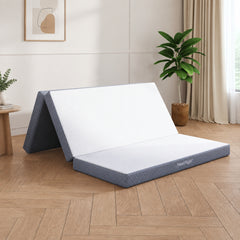
| Foldable / tri-fold foam | Closet shelf | Good for short stays | Rare guests, tight budget |
| Daybed with trundle | Sofa footprint | Good — two real twin surfaces | Small rooms hosting two people |
The trade-off across all of these is comfort versus footprint. The more the bed disappears, the more you tend to compromise on mattress quality, unless you spend up. If guests are rare and short-stay, a foldable foam mattress is a smart, cheap way to keep the room flexible. If you host often, a Murphy bed with a proper mattress is worth the investment, because it does not force you to choose between a usable room and a rested guest. Match the mechanism to how often the bed actually needs to exist.
How to Measure a Room for a Bed (Step by Step)
Every regret in this category traces back to not measuring. Here is the ten-minute version that prevents almost all of them.
- Measure length and width wall to wall, then convert to inches so it matches the mattress spec sheet.
- Mark the obstructions. Note where the door swings, where the closet opens, and where the window sits. All three eat usable floor and none of them show up in a size chart.
- Apply the clearance rule. Leave at least 24 inches of clear walking space on every side of the bed you need to access, and 30 inches at the foot if there is a doorway or dresser there.
- Sketch it to scale. On paper or in a free floor-planner app, drop in the mattress rectangle at the size you are considering, then add the desk, the chair, and anything else the room must hold. If the shapes overlap or the walkways vanish, the bed is too big.
- Do it twice — once per mode. Lay out the room as an office with the bed present, then imagine it as a guest room with the desk chair pushed aside. Confirm both configurations actually work.
- Do not skip the vertical. A Murphy bed needs wall height and cabinet depth clearance, a bunk or loft needs ceiling room, and a tall mattress on a tall frame can block a window or make a small room feel like a box. Measure height and note the window sills before you buy the frame.
Multi-purpose rooms punish guesswork. A tape measure and a rough sketch beat optimism every time.
Best Mattress for a Guest Room That Works Overtime
A guest room that is also your office is a guest room working overtime, and the mattress inside it has a split personality: it has to be good enough that guests sleep well, and unobtrusive enough that it does not dominate the room the other 350 days. The instinct is to buy cheap because "it's just for guests." That instinct is how you end up with relatives who never come back and a bed you are embarrassed to offer.
The better framing is to buy a genuinely comfortable mattress in a size the room can support, rather than a big cheap one that eats the space and sleeps poorly. A quality full or queen that fits the footprint beats an oversized bargain bed that makes the room unusable and still gives guests a rough night. Guests remember the mattress far more than they remember the square footage, so put the money into comfort and the sizing into fit.
Durability matters more than people expect in an overtime guest room, because occasional heavy use plus long stretches of sitting empty is its own kind of wear. Look for CertiPUR-US certified foams, which are tested for durable performance as well as content and emissions, and an OEKO-TEX certified cover if the room is closed up for weeks at a time. Choose a supportive, well-built model in the right size, add a mattress protector so it stays fresh between visitors, and the room quietly handles both of its jobs without you fussing over it.
Cooling Mattress Features That Matter in a Closed-Up Spare Room
A rarely used bed has a quirk people miss: it sits in a closed-up room that gets stuffy, and a guest who only sleeps there a night or two notices heat and stiffness far more than a nightly sleeper who has adjusted. Cooling punches above its weight in a room that does not get daily airflow.
Breathable materials matter because a spare room is often the room with the worst ventilation, the one nobody opens the window in for weeks. A mattress that traps heat turns a warm, closed room into an uncomfortable night for a guest who is already sleeping somewhere unfamiliar. Three features do the real work here:
- An instant-cool cover surface. Ice silk and similar fabrics are rated by Qmax — the higher the number, the cooler the first touch. Anything at or above 0.20 J/(cm²·s) feels immediately cool to the skin.
- Open-cell or open-channel foam. Standard memory foam is dense and holds heat. Ventilated and open-channel structures let air move through the comfort layers instead of pooling under the sleeper.
- Phase-change material. PCM absorbs heat when the surface warms and releases it as the surface cools, which flattens out the temperature swings across a night rather than just feeling cool at bedtime.
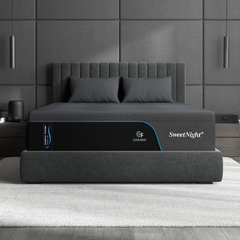
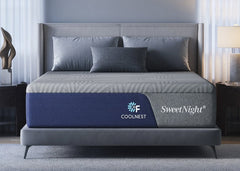
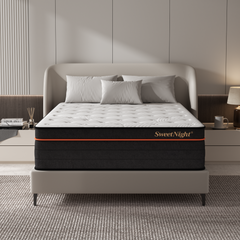
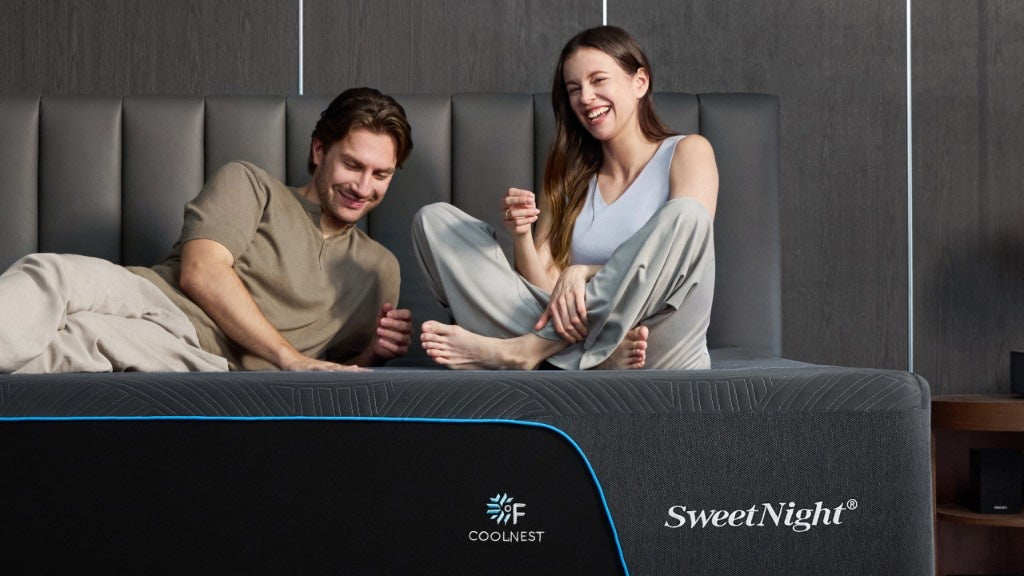
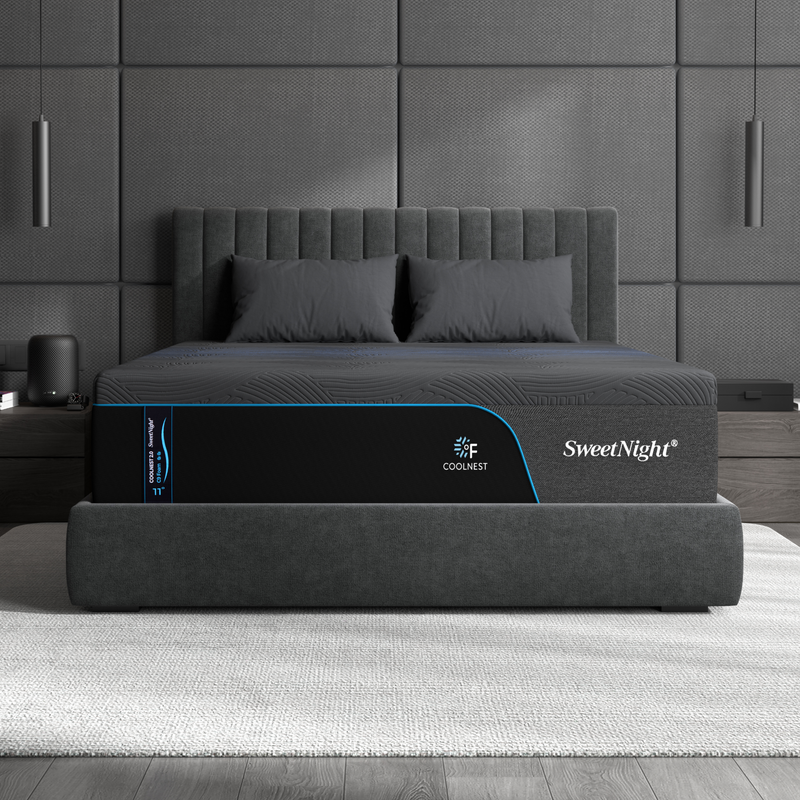
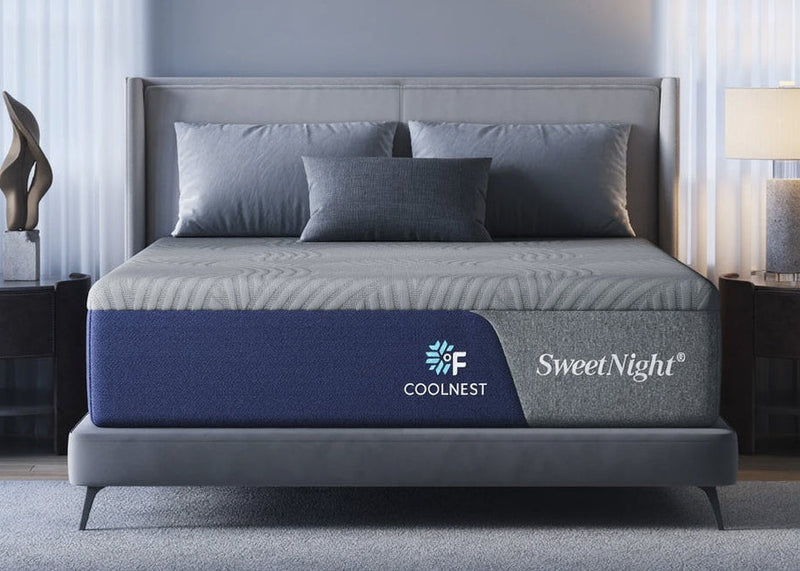
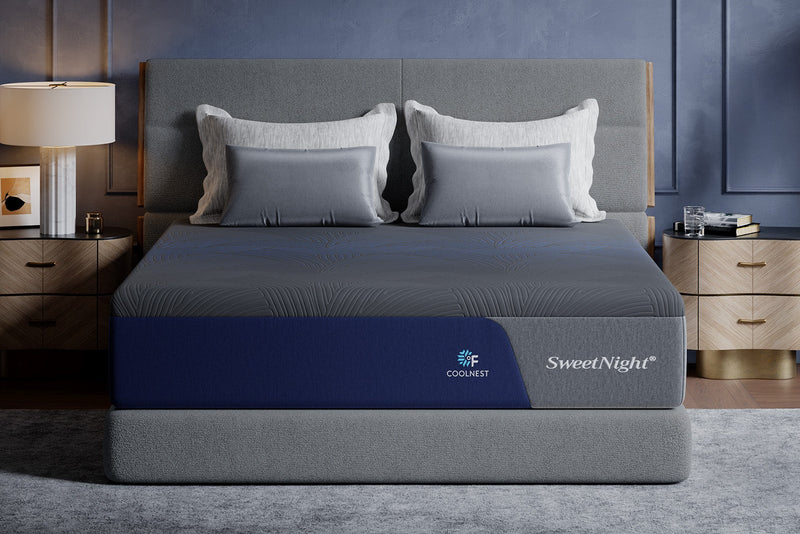
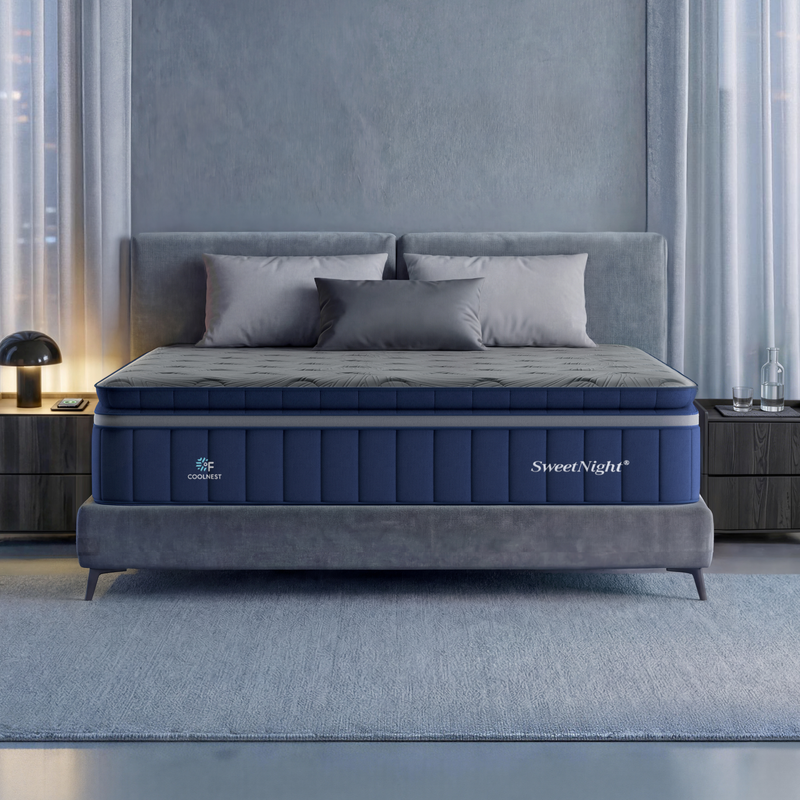
If your spare room genuinely runs warm, a purpose-built cooling memory foam mattress is worth the upgrade over a generic foam bed. The SweetNight CoolNest® Ultra is a good reference point for what the category should deliver: its Advanced CoolNest® Ultra System is engineered to feel up to 11° cooler, the gradient ice silk cover hits Qmax = 0.25 for instant cooling, PCMflux® foam actively balances temperature through the night, and AirMesh™ foam delivers six times the breathability with continuous heat dissipation. In a stuffy room with the door shut for three weeks, that stack of features is the difference between a guest who sleeps and a guest who lies there warm.
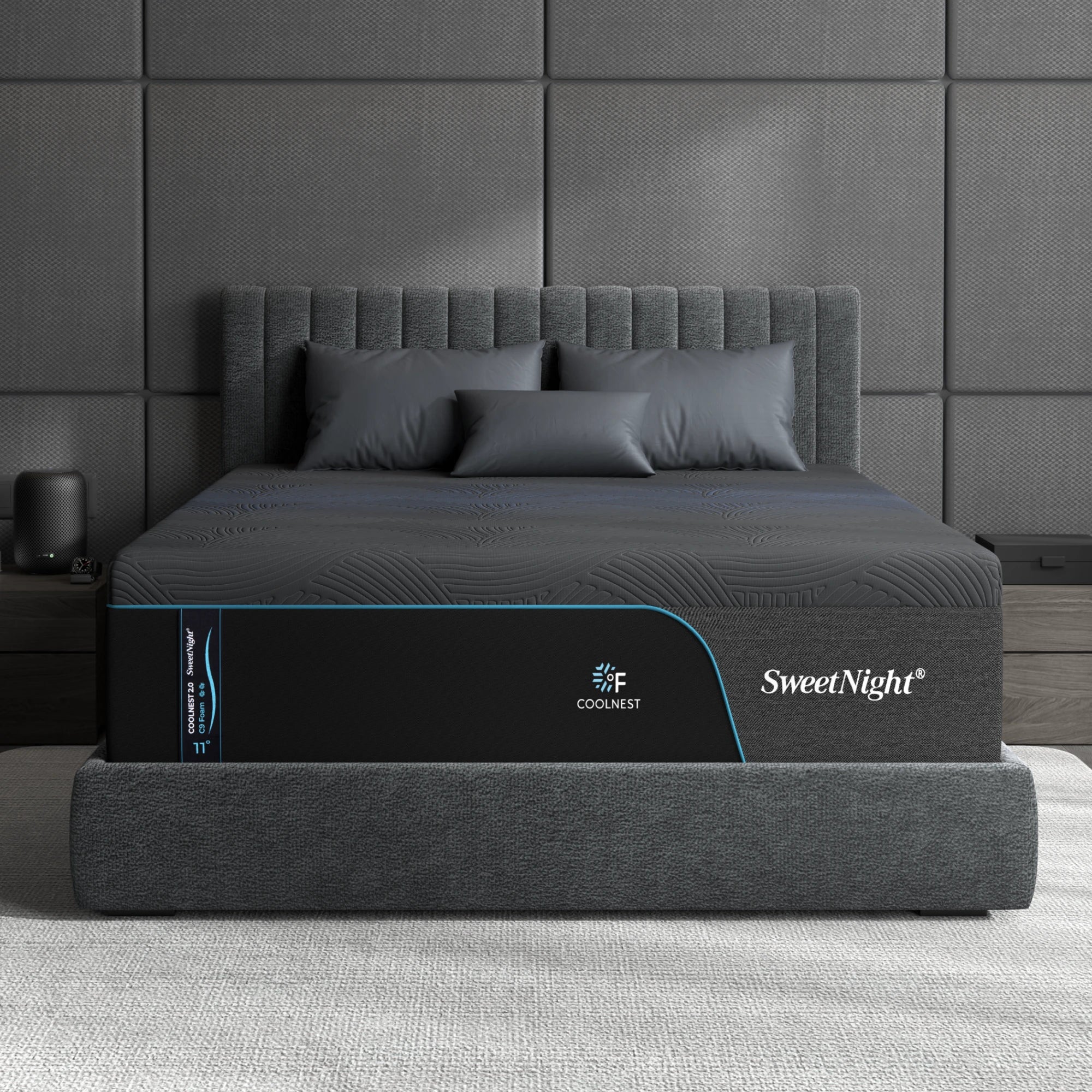
Support is the other half of the impression. A guest arriving after travel wants a surface that cradles a tired back, not one that leaves them stiff. A medium-firm feel suits the widest range of guests, since you do not know whether your next visitor is a side sleeper or a back sleeper. Zoned support helps here too — a 7-zone layout firms up under the hips and softens at the shoulders, which keeps spinal alignment reasonable across body types you cannot predict in advance. If you want the wider set of options first, the cooling mattress collection lets you compare builds before you commit to one.
Mattress Firmness Guide: Occasional Guests vs Daily Sleepers
How often the bed gets used should shape the firmness and build you choose, not just the size.
| Use pattern | Recommended firmness | What to prioritize |
|---|---|---|
| A few nights a year | Medium-firm (5–7/10) | Universal comfort, simple construction, low cost |
| Monthly guests + light daily use | Medium to medium-firm | Durable foams, good edge support |
| Daily sleeper (studio, crash bed) | Match your own sleep position | Zoned support, cooling, long-term resilience |
A mattress that only hosts guests a handful of nights a year can lean toward a universal medium-firm, because you are optimizing for the unknown sleeper rather than dialing it in for one person's exact preference. Medium-firm is the safe center that keeps most guests, in most sleep positions, comfortable enough.
A bed that also serves as your daily crash spot — or the primary mattress in a studio where the bedroom and living room are one — deserves more thought. Daily use means you should choose firmness for your own body and sleep position the way you would any main mattress, because you are the one living on it. A ventilated gel memory foam mattress with refined 7-zone support handles this dual role well, since it relieves pressure for a side sleeper without going so soft that a back sleeper sinks. Do not settle for guest-grade compromise on a bed you sleep on five nights a week just because the room has other jobs.
Edge support deserves a special mention in a multi-purpose room, because the bed so often pulls double duty as a couch, a reading perch, or the spot you sit to lace up shoes before a workout. A mattress with weak edges sags and rolls when you sit on the perimeter, which wears the sides out fast and makes the bed feel smaller than it is. Reinforced edges keep the full surface usable for sleeping and sturdy for sitting.
Best Mattress Size by Room Type: Quick Reference
| Room setup | Room size | Recommended mattress |
|---|---|---|
| Daily home office, guests 2–4 nights/year | Under 10' × 10' | Twin or Twin XL daybed with trundle |
| Home office, guests monthly | 10' × 10' to 10' × 12' | Full |
| Guest room + light home gym | 10' × 12' or larger | Queen |
| Studio apartment, bed used daily | Any | Full or Queen, chosen for your own comfort |
| Room must be fully clear most days | Any | Murphy bed or foldable foam mattress |
| Kid's room + play space | Under 10' × 10' | Twin, or bunk if ceiling height allows |
Frequently Asked Questions
What size bed fits in a 10x10 room?
A 10 by 10 room comfortably holds a full (54" × 75") with room left for a desk, or a queen (60" × 80") if the bed is the only major piece of furniture. A queen in a 10 by 10 leaves roughly 24 inches on each side — walkable, but not enough for a workspace as well.
Is a full mattress big enough for a guest room?
Yes, for most guest rooms. A full sleeps one adult very comfortably and two adults adequately for short stays. It is the best balance of hosting comfort and floor efficiency in a room that also has a daytime job.
Twin or full for a home office?
Twin, if you work in the room daily and host a few times a year. It frees roughly eight square feet compared with a full, which is the difference between a real desk setup and a laptop on a side table.
How much space do you need around a bed?
At least 24 inches of clearance on each side you need to access, and 30 inches at the foot if a door or dresser is there. Below that, the room reads as cramped even when the bed technically fits.
Do cooling mattresses matter in a guest room?
More than in your own bedroom. Spare rooms are usually the least ventilated rooms in a home, so heat builds up in a closed space. A breathable, gel- or PCM-equipped build keeps a guest comfortable in a room that has not had airflow in weeks.
What is the best mattress size for a studio apartment?
A full is the common answer, since it sleeps well without dominating a single-room layout. Choose a queen only if you can keep 24 inches of clearance and the living area still works. If the space has to be fully clear during the day, a Murphy bed with a real mattress beats any fixed frame.
Choosing the Right Mattress Size for a Room That Does It All
The right size for a multi-purpose room is the largest bed the room can hold while still doing its other job well, and that answer changes with the room, not with what you wish you could fit. For a tight office-guest room, that usually means a twin or full. For a roomier dual-purpose space with frequent overnight guests, a queen can work. For a space that has to be fully clear most of the time, a foldable or wall-mounted bed beats any fixed mattress.
Work the decision in this order: measure the room in both of its modes, decide who realistically sleeps there and how often, then pick the biggest size that leaves the room functional for its primary daytime use. Size for fit first, then put your money into comfort and support within that size, because a well-chosen full that sleeps great will always beat an oversized queen that ruins the room and still sleeps mediocre.
A multi-purpose room rewards restraint and planning. The people who love their setup are not the ones who forced the biggest possible bed into the space. They are the ones who let the room's real life dictate the mattress, matched cooling and support to how the bed gets used, and ended up with a space that works as an office, a gym, or a guest room without apology. Choose the size the room can carry, and the room finally gets to do it all.