



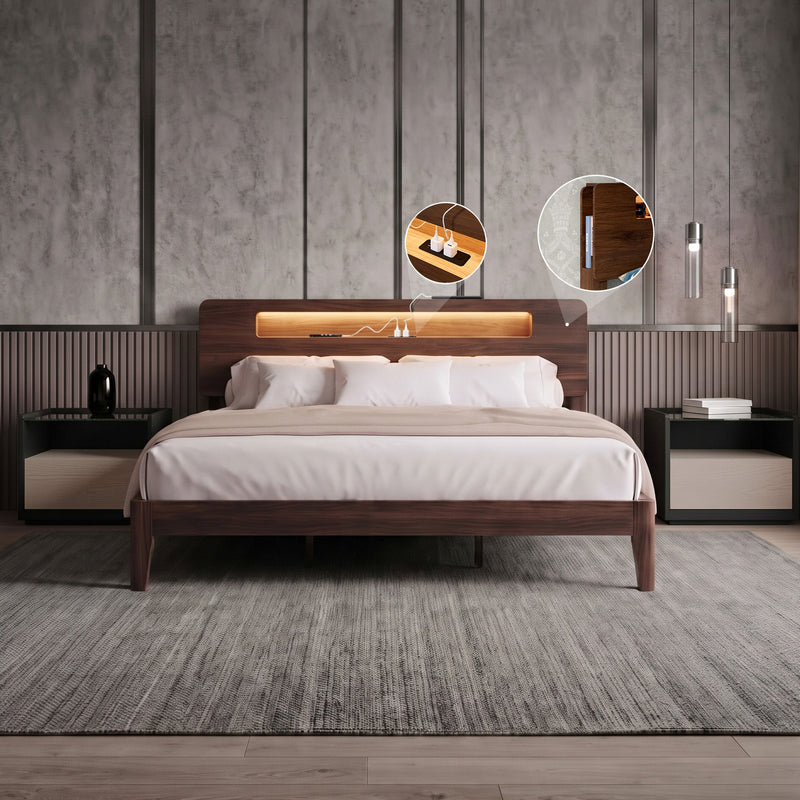
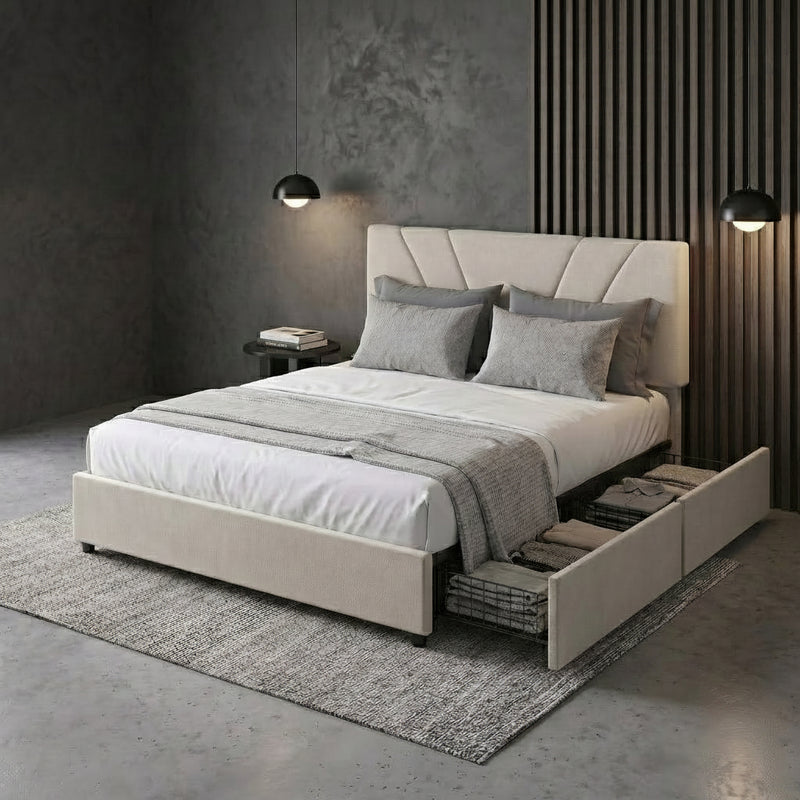
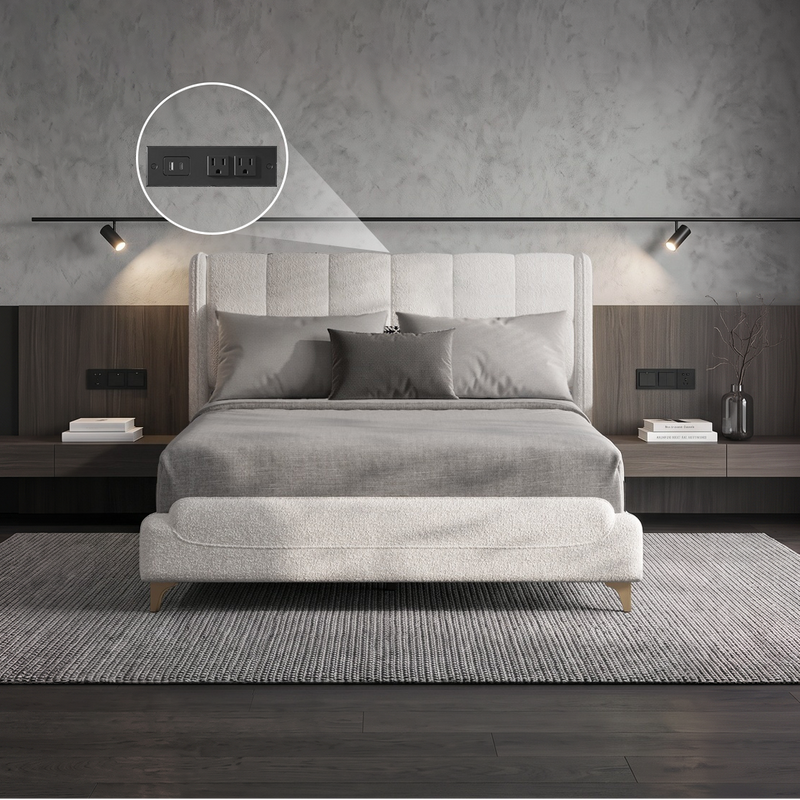

Buying a mattress for a kid feels like it should be simple. It is not. The child who fits a toddler bed at three is a different-sized human at six, and a stranger entirely at ten. You are not buying for the kid in front of you. You are buying for the one who shows up in a couple of years with longer legs and stronger opinions about everything, including where they sleep.
Parents ask a version of this question constantly, usually phrased as some flavor of "did I waste money getting a twin?" The honest answer is that mattress size for a growing child is less about their current height and more about how you want to time your next purchase. Get the size right and you buy once for years. Get it wrong and you are back in the store before the warranty ink dries.
This guide gives you the full kids' mattress size chart, a size recommendation by age, and the two specs — firmness and breathability — that decide whether the bed survives the growth spurt or gets replaced early.
Quick answer: For most children aged 4 to 12, a twin (38" × 75") is the practical default. Choose a twin XL (38" × 80") if your child is tall for their age or you want the bed to last through high school. Choose a full (54" × 75") if the room is at least 10 × 10 feet and you would rather buy once.
Kids Mattress Size Chart: Dimensions, Fit, and Room Space
Before anything else, here is the size chart everything in this guide refers back to. Beyond the crib, children sleep on the same standard mattress sizes adults do — there is no secret "junior" dimension.
| Mattress size | Dimensions | Comfortably fits a child up to | Minimum room size | Typical use |
|---|---|---|---|---|
| Crib / Toddler | 27" × 52" | ~45" tall (approx. age 3–5) | 7' × 7' | Crib and toddler-bed phase |
| Twin | 38" × 75" | ~5'3" | 7' × 10' | The default kids' bed, bunks, trundles |
| Twin XL | 38" × 80" | ~6'2" | 7' × 10' | Tall kids, teens, top bunk in newer frames |
| Full (Double) | 54" × 75" | ~5'3", much wider | 10' × 10' | Sprawlers, sleepovers, buy-once households |
| Full XL | 54" × 80" | ~6'2" | 10' × 10' | Tall teens who also want width |
| Queen | 60" × 80" | ~6'2" | 10' × 12' | Older teens with a large bedroom |
Two numbers do most of the work here. Length decides when the bed expires: a mattress should give a child at least six inches of clearance beyond their standing height. Width decides how comfortable the bed feels day to day: 38 inches is fine for a small child and tight for a sprawling twelve-year-old.
What Size Mattress Is Best for a Growing Child?
For most growing kids, the practical answer is a twin or twin XL, with a full as the upgrade you consider if the room and budget allow. A standard twin comfortably holds a child up to roughly five-foot-three, which covers the average kid well into the middle-school years. It fits nearly any bedroom, works with bunk beds and trundles, and is the cheapest size to buy — which matters when you know you will replace it eventually.
Where parents get tripped up is treating "kids' mattress" as its own category. It mostly isn't. What changes for a child is the firmness, the height of the bed frame, and the safety rails — not the dimensions. So when you shop, think about the endpoint: the size this kid needs at thirteen, not just at seven.
If you want a shortlist tuned for younger sleepers, a good best mattress for kids collection narrows the field to beds built for the durability and support a child actually needs, so you are not sorting through adult luxury models that make no sense for a nine-year-old.
What Size Bed for a 5, 8, or 10 Year Old? Size by Age
Age is a rough proxy for height, but it is how most parents shop, so here is the translation.
| Age | Typical height | Recommended size | Why |
|---|---|---|---|
| 18 months – 3 years | 32"–38" | Crib mattress in a toddler bed, or a twin with a guardrail | The toddler bed is optional; a twin plus rail skips a purchase |
| 4 – 6 years | 40"–47" | Twin | Fits with years of clearance to spare |
| 7 – 9 years | 48"–54" | Twin, or twin XL if tracking tall | Growth spurts start eating the length |
| 10 – 12 years | 55"–62" | Twin XL or full | Width starts to matter as much as length |
| 13+ years | 62"–70"+ | Twin XL, full XL, or queen | Adult-sized sleeper, adult-sized bed |
Growth in children is not a smooth line. A typical kid gains two to two-and-a-half inches a year through elementary school, then hits a spurt where three to four inches in a single year is normal. That means the bed that swallowed your six-year-old can look tight by nine and cramped by twelve.
Kids also do not just get taller — they get denser. A mattress that felt supportive under a 40-pound five-year-old behaves differently under an 80-pound ten-year-old. Cheap, low-density foam compresses and loses its rebound faster under more weight, which is why a bargain kids' bed can feel fine for two years and then sag right as the growth spurt arrives. Sizing and support are the same conversation.
Twin vs Twin XL Mattress for Kids: The Real Difference
The twin XL is the size parents forget exists, and it is often the smartest buy for a kid heading toward a growth spurt. A twin XL keeps the same 38-inch width as a standard twin but stretches to 80 inches long, matching the length of a queen or king. That extra five inches sounds trivial. It is the difference between a bed a tall teenager outgrows and one they keep through high school.
| Twin | Twin XL | |
|---|---|---|
| Dimensions | 38" × 75" | 38" × 80" |
| Fits up to | ~5'3" | ~6'2" |
| Bedding availability | Everywhere, cheapest | Fewer options in stores |
| Bunk bed compatibility | Universal | Check the frame first |
| Best for | Average-height kids, bunks, budgets | Tall kids, buy-once households |
The trade-offs are real. Twin XL costs a little more, bedding is harder to grab off a shelf, and standard twin sheets will not fit the longer mattress properly. Not every bunk frame accepts one either, though more do than parents assume — measure the frame rails rather than guessing.
Width is the part neither twin solves. Both are 38 inches, which is fine for a small child but narrow once a kid becomes a restless, sprawling teenager. Length you can fix with a twin XL. Width you cannot.
Twin vs Full Mattress for Kids: When Bigger Actually Makes Sense
A full size mattress, at 54 by 75 inches, is the upgrade a lot of parents wish they had started with. It gives a child 16 more inches of width than a twin — a huge amount of room for a kid who sprawls, shares during a thunderstorm, or piles the bed with stuffed animals, books, and a tablet. For a single child in a decently sized room, a full can genuinely be the last mattress you buy before they leave for college.
The case for going full early is strongest when the room can take it and you would rather buy once. The case against is space and money. A full needs about a 10-by-10 room to leave walking room and space for a dresser, and it costs more for both the mattress and the bedding. In a small or shared bedroom, that footprint eats the floor a kid actually wants to play on.
One length note that surprises people: a standard full is only 75 inches long — the same as a twin. A tall teenager can outgrow a full in length even though it is generously wide. If your kid is trending tall and you are buying a full to last, look for a full XL at 80 inches, or accept that length, not width, will eventually retire the bed.
When to Switch From a Toddler Bed to a Twin Mattress
The toddler bed is a short chapter, and plenty of parents skip it entirely. A toddler bed uses a crib-size mattress, roughly 27 by 52 inches, and its whole point is the low height and the safety rails for a kid transitioning out of the crib. Most children are ready to leave the crib somewhere between 18 months and three years, usually triggered by climbing out or simply outgrowing the space.
Here is the money question: do you buy a toddler bed at all, or go straight to a twin with a guardrail? If you already own a crib that converts, use it — it costs nothing extra. If you would be buying new, a twin with a bed rail usually makes more sense, because a toddler bed has a hard expiration date around age five and a twin does not.
The readiness signals are the same either way:
- They are climbing the crib rail
- Their feet reach the end of the current bed
- They sleep curled or diagonally to fit
- They ask for a "big-kid bed" and can follow the rule of staying put at night
Mattress Thickness for Kids: Bunk Beds, Trundles, and Safety Rails
Thickness is the spec that quietly ruins bunk bed purchases. Safety guidance is consistent on this: the top surface of a bunk mattress should sit at least five inches below the top of the guardrail. Most bunk frames are built around a 6 to 8 inch mattress, so dropping a 12-inch model onto a top bunk turns a compliant rail into a decorative one.
Rough guide by placement:
- Top bunk: 6"–8" maximum, and check the frame's stated limit
- Bottom bunk or trundle: 8"–10", limited by the clearance underneath
- Standard bed frame: 10"–14", where thicker builds pay off in support layers and durability
For a standalone bed, thicker is generally better for a growing child, because the extra height is where the support core and transition layers live — the parts that keep the mattress from sagging as your kid gains weight.
Best Mattress Firmness for Kids: What a Growing Spine Needs
Size gets all the attention, but firmness is what protects a growing kid's back, and it is the spec parents most often get wrong. Children generally need a mattress on the firmer side of medium. Their bodies are lighter, so they do not sink into foam the way an adult does, and a bed that feels "cozy soft" to you can leave a child's hips and spine unsupported. Too soft is a far more common mistake than too firm.
A growing spine benefits from a surface that holds it in neutral alignment — neither hammocking in the middle nor pushing back so hard it creates pressure points at the shoulders and hips. Zoned support builds handle this well, because they firm up under the hips and soften under the shoulders instead of treating the whole body the same. If a child regularly wakes with a stiff back or says the bed hurts, firmness, not size, is usually the culprit.
Do not overthink the "kids need soft" instinct. It usually comes from projecting adult comfort onto a small body. A child adapts to a supportive surface quickly, and their spine thanks you for it, whereas a too-soft bed quietly builds bad alignment habits you will not notice until they are complaining about their back.
Best Cooling Mattress Features for Kids Who Sleep Hot
Ask any parent of a warm sleeper and they will tell you kids run hot. Children have a higher metabolic rate, and a lot of them kick off covers, sweat through pajamas, and wake up flushed and cranky. If your kid sleeps hot, the mattress material matters as much as the size, because dense foam that traps heat turns a restless sleeper into a nightly battle.
Three features actually move the needle:
- A breathable cover that pulls heat away on contact rather than insulating it
- Open-cell, gel, or phase-change foams that do not bake stored heat back at the sleeper
- Airflow structure — ventilated or channeled layers that let warm air escape instead of pooling under the body
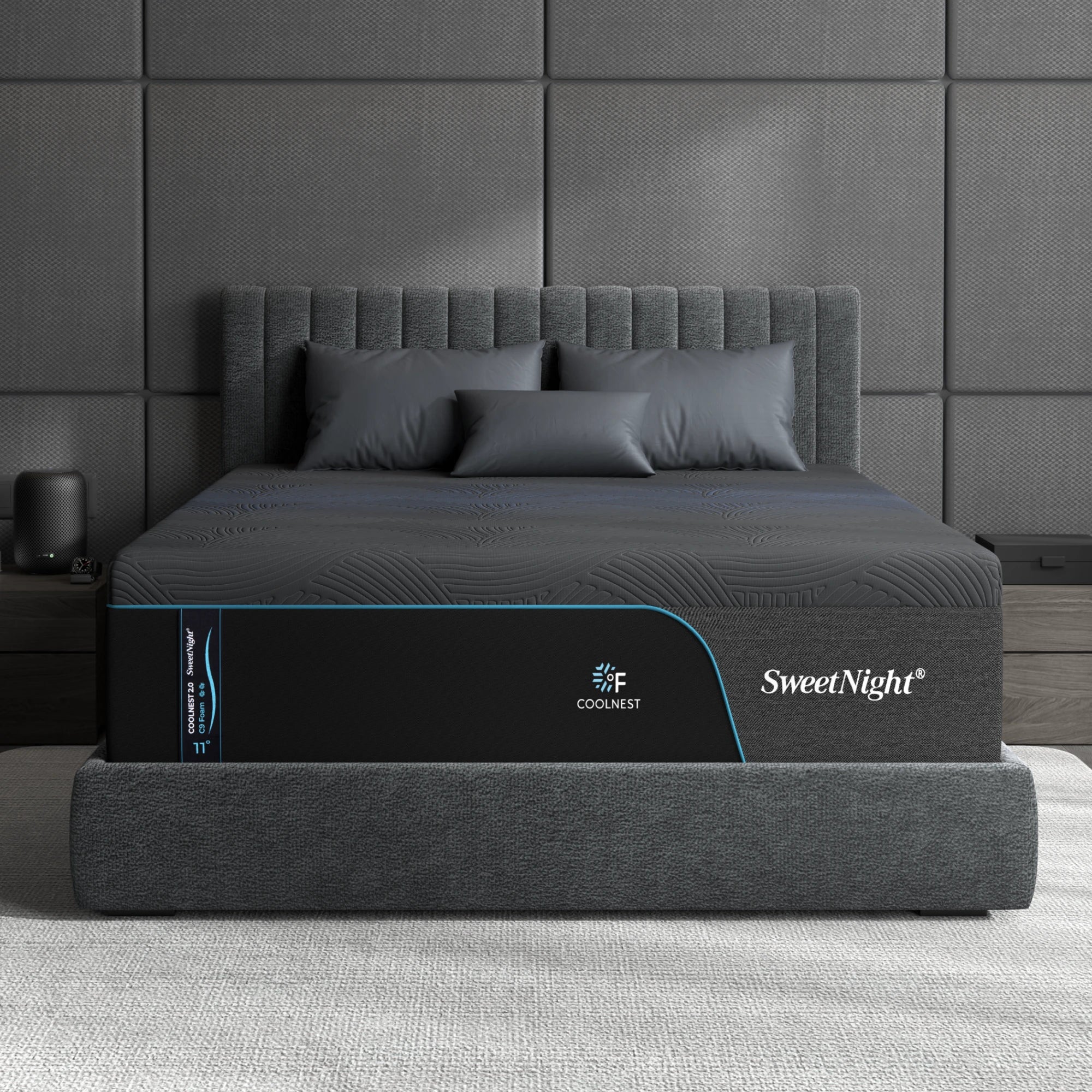
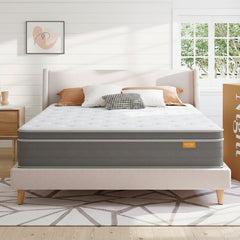
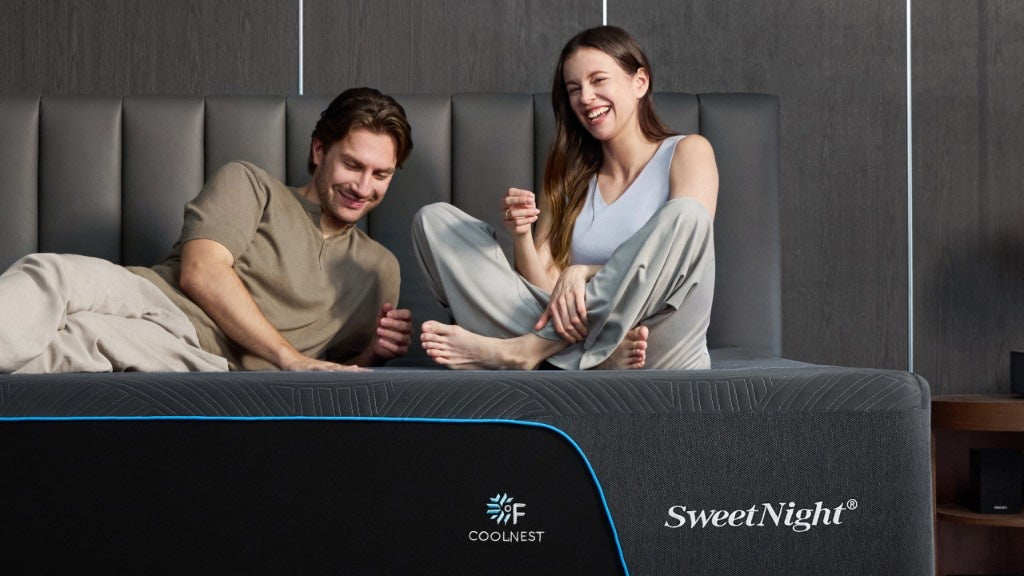
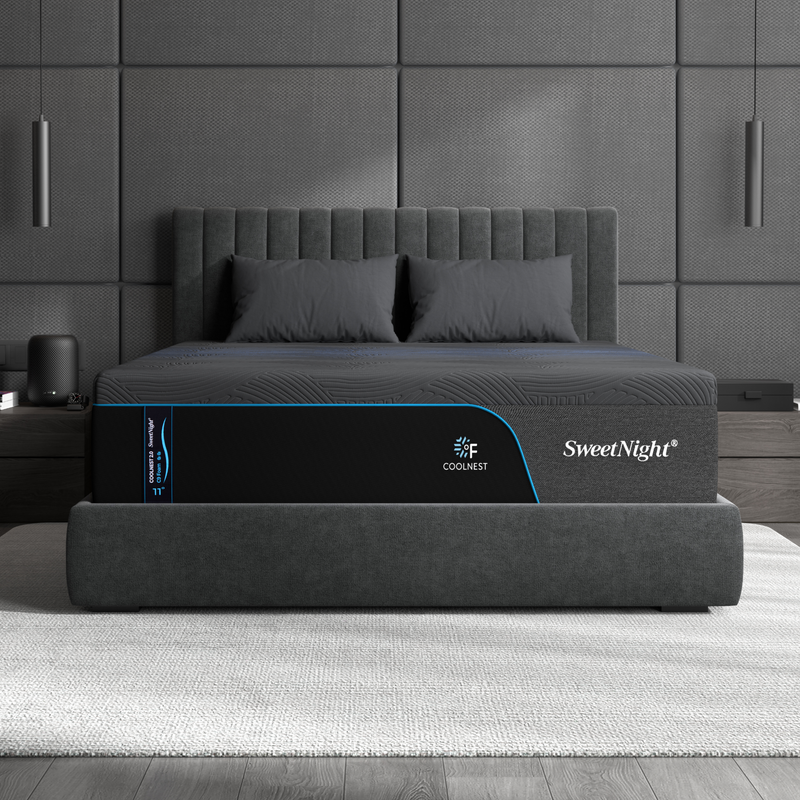
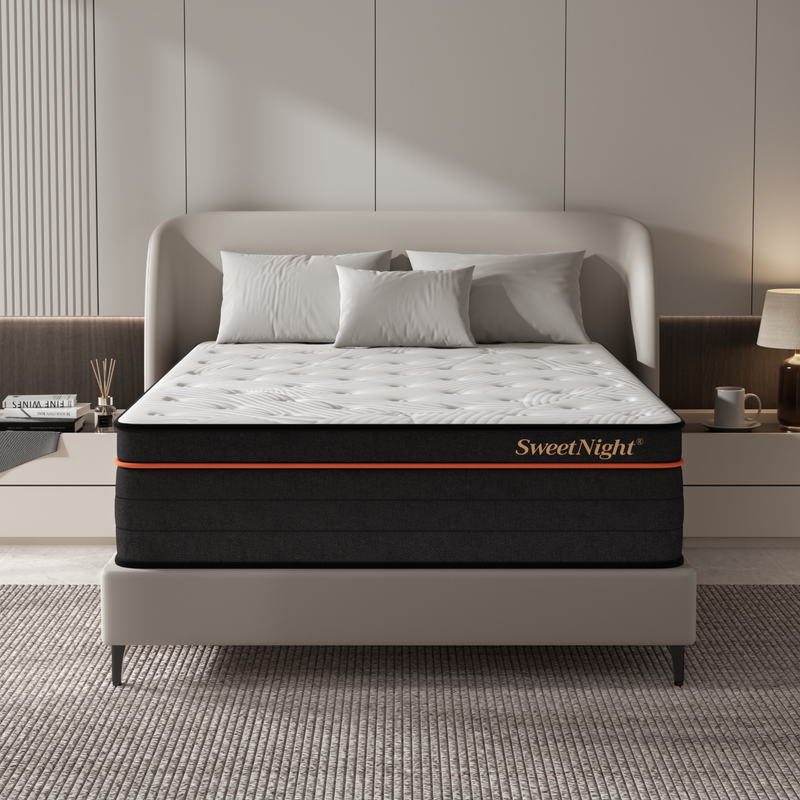
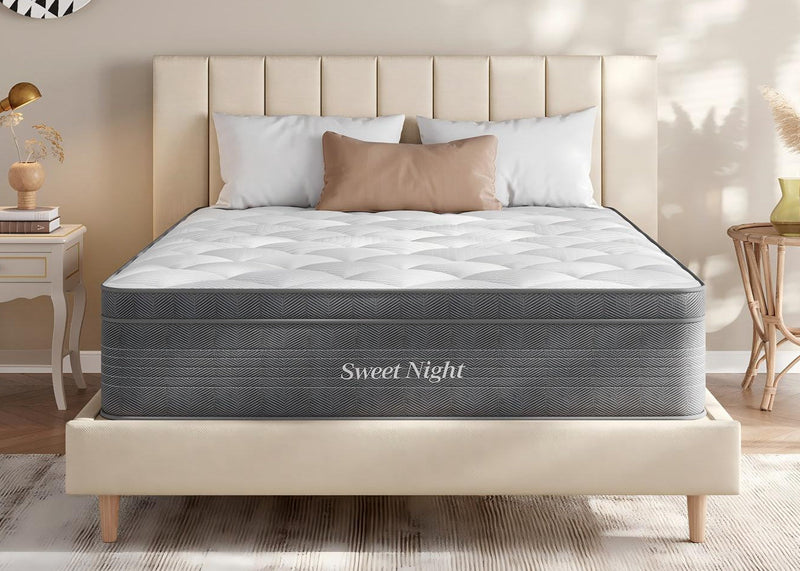
This is where a purpose-built cooling memory foam mattress separates from a basic foam bed. The SweetNight CoolNest® Ultra layers a gradient ice silk cover (Qmax = 0.25 J/cm²·s) for instant contact cooling over PCMflux® foam that actively balances temperature through the night, with AirMesh™ breathable memory foam delivering up to 6× the airflow of standard foam — a system that measures up to 11° cooler in use. All foams are CertiPUR-US certified and the fabric passes STANDARD 100 by OEKO-TEX, which is the part worth checking when the sleeper is a child.
If heat is the recurring problem in your house, browsing SweetNight's cooling collection helps you filter for airflow features instead of guessing from a product photo.
How Long Does a Kids' Mattress Last? Signs It's Time to Size Up
A decent kids' mattress lasts roughly seven to ten years, but with a growing child the size, not the wear, is usually what forces the swap. You might have a perfectly good mattress with years of life left and still replace it because the kid grew four inches. That is why the smartest buyers think about the replacement timeline before they buy, not after.
The clearest signals are physical:
- Feet reach or hang off the end, or clearance has dropped below six inches
- They sleep diagonally or curled to fit
- Visible sagging or a body-shaped dent that no longer springs back
- New complaints that the bed is uncomfortable — often the support giving way under added weight
To stretch the value of whatever you buy, rotate the mattress head to foot every few months, use a waterproof protector, and keep it clean. And keep resale in mind: a twin a kid outgrows is rarely worn out, so it moves easily to a guest room, a bunk, or the next sibling. A durable build is not just for the child on it now — it is a small asset your household reuses for years.
Choosing a Mattress Size That Grows With Your Child
The most future-proof play is to skip the smallest sizes once the toddler phase ends and buy the size your child will need in a few years, not the one that fits today. For a lot of families that means going straight to a twin XL or a full and letting the kid grow into it, rather than buying a snug twin now and a bigger bed later. You spend a little more once instead of a moderate amount twice.
Pair the size decision with a supportive, breathable build and you have a bed that keeps up with the growth spurts, the weight gain, and the summer heat. Size handles the length, firmness handles the spine, cooling handles the 2 a.m. wake-ups.
When your child crosses into their teens and wants a real grown-up bed, that is the moment a full or full XL with premium support and cooling pays off — a 7-zone gel memory foam mattress with ventilated airflow layers fits a taller, hotter-sleeping teenager the way basic kids' foam no longer can. For the full step-up, our mattress for teenagers lineup is the natural next stop. Until then: size for the growth ahead, buy supportive, buy breathable, and you will not be back in the mattress aisle before you planned to be.
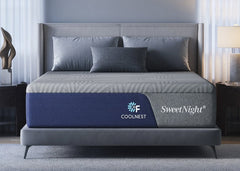
If you're comparing mattresses after reading this, here's where each CoolNest® model fits:
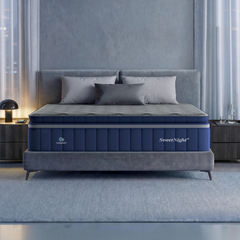
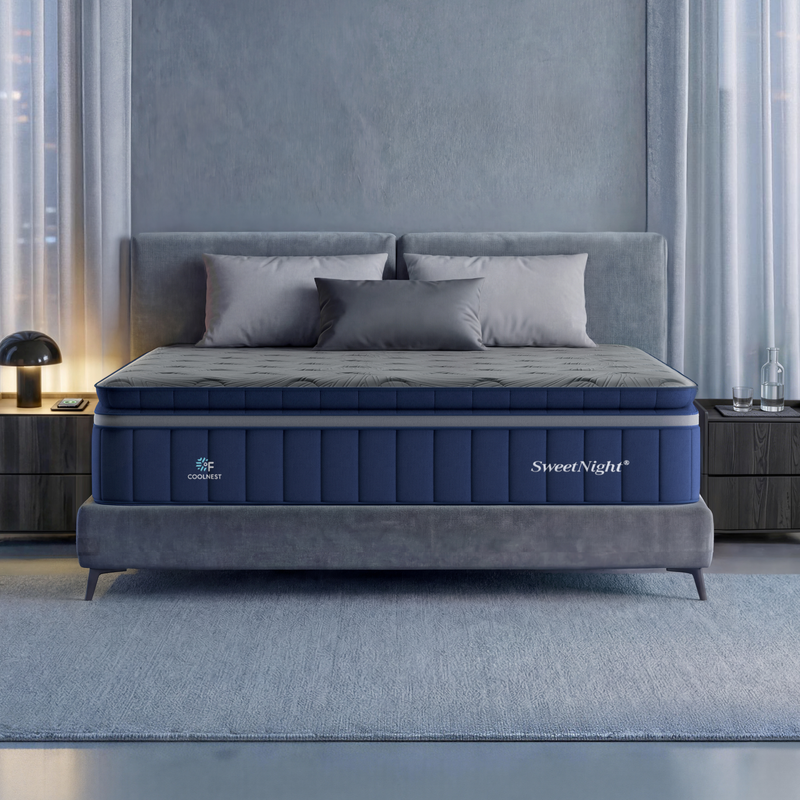
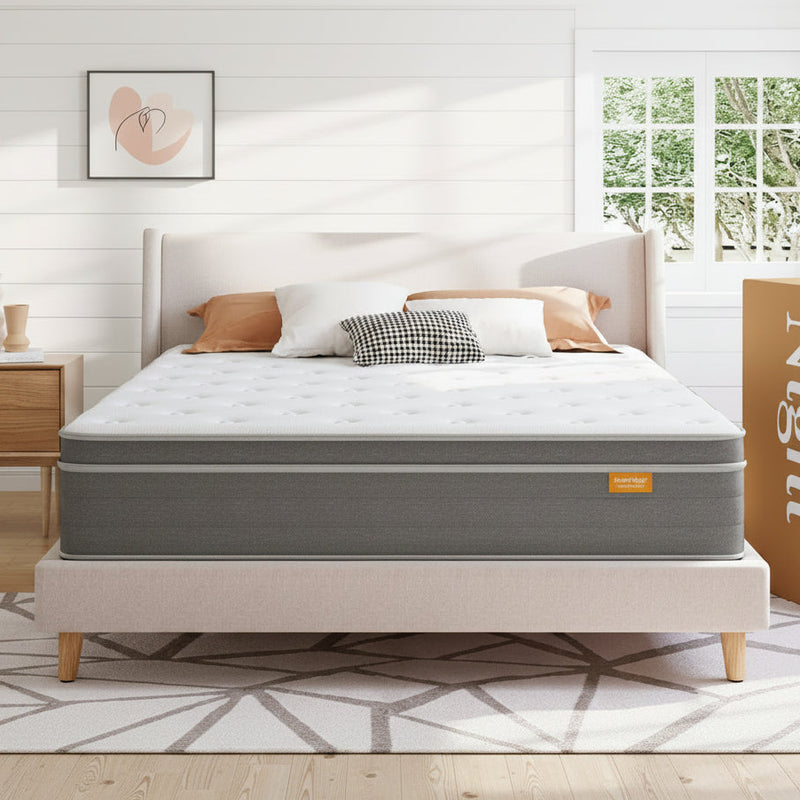
- CoolNest® Hybrid Mattress: pocketed coils under a DuoSense™ pillow top. Pick this one if you want bounce, firm edges and less partner motion.
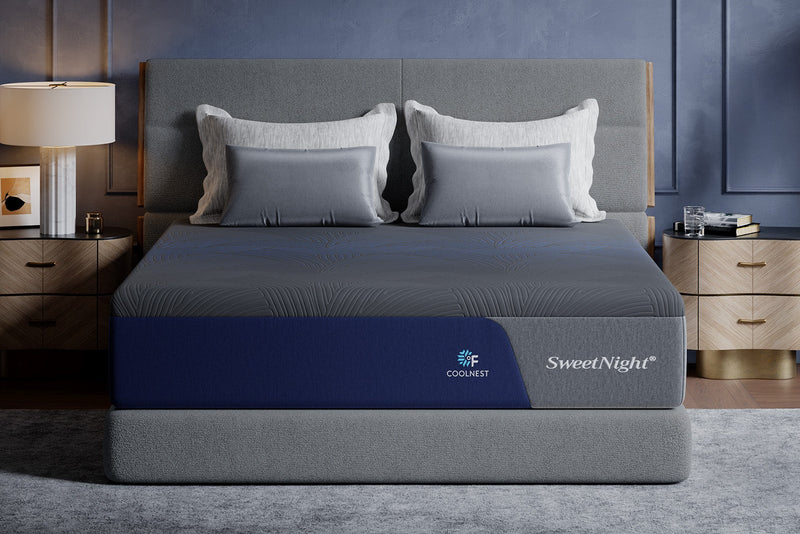
- CoolNest® Memory Foam Mattress: the lowest-priced model in the range, all-foam with 5-zone support and a breathable 3D-woven cover.
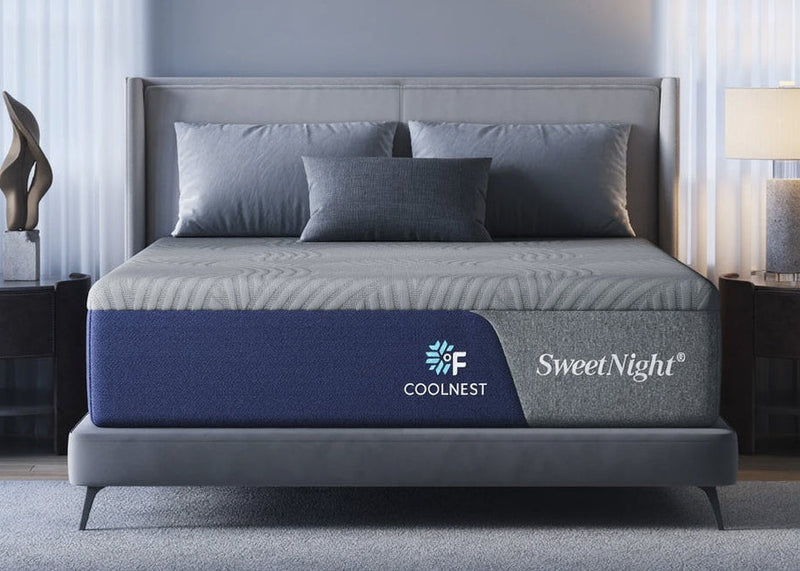
- CoolNest® Pro and CoolNest® Ultra: the step-up foam models, with PCMflux® temperature-regulating foam and 7-zone support. Ultra adds AirMesh™ foam and feels up to 11° cooler.
- Current prices on every size and thickness are on the Fall Sale page, or browse all mattresses.
Kids Mattress Size FAQ
What size mattress should a 5 year old have? A standard twin (38" × 75"). It fits a five-year-old with years of clearance and will typically last until age 10–12, when height or width starts to become the limit.
Is a twin or full better for a growing child? A twin is better for small rooms, bunk beds, and tighter budgets. A full is better if the room is at least 10 × 10 feet and you want a single purchase that lasts into the teen years. Note that both are 75 inches long — only twin XL and full XL add length.
When should a child move from a toddler bed to a twin? Around ages 4 to 5, or sooner if their feet reach the end of the toddler bed. Many families skip the toddler bed entirely and use a twin with a guardrail from about age two.
Should a kids' mattress be firm or soft? Medium-firm. Children are lighter and do not compress foam the way adults do, so a soft mattress leaves their hips and spine unsupported.
How thick should a kids' mattress be? 6–8 inches for a top bunk so the guardrail stays at least five inches above the sleeping surface, 8–10 inches for a trundle or bottom bunk, and 10–14 inches for a standard frame.
Can a kid sleep on a queen mattress? Yes, there is nothing unsafe about it — the constraint is the room. A queen needs roughly 10 × 12 feet to leave usable floor space, which most kids' bedrooms do not have.