


























Short answer: A mattress warranty covers manufacturing defects and sagging past a stated depth — not your changing comfort preference — and the fastest way to void it is using the wrong support, staining the bed, or cutting off the law tag.
The short version, if you're skimming:
- Covered: genuine manufacturing defects and sagging or body impressions deeper than the threshold the warranty names.
- Not covered: normal softening, comfort you simply stopped liking, and ordinary wear.
- Voids it fast: improper support (wrong frame, slats spaced too wide), any stain, and removing the law tag.
- Different tools: a warranty, a sleep trial, and a return policy solve three different problems — don't confuse them.
- Before you buy: read the sag threshold, the support requirements, and the "prorated" fine print, not just the headline number of years.
Why Mattress Warranties Confuse Everyone
Most people read the big number on the warranty — ten years, fifteen, twenty — and file it away as a promise that the bed will stay good for that long. That is not what the number means, and the gap between what buyers assume and what the document actually says is where nearly every frustrating claim story begins.
A mattress warranty is a defect guarantee, not a satisfaction guarantee. It exists to protect you against the bed being built wrong: a seam that fails, foam that breaks down far faster than it should, coils that collapse, a cover that splits along a stitch line that never should have given way. It is not a pledge that the mattress will feel the same in year eight as it did the night you unboxed it. Materials soften. Bodies change. Your idea of "comfortable" drifts. None of that is a defect, and none of it is covered, no matter how long the term runs.
The confusion is understandable, because the marketing and the legal document are written for two different audiences. The marketing wants you to hear "we stand behind this for twenty years." The warranty, several clicks deeper on the website, wants to define exactly which failures the manufacturer will pay to fix and which ones they will politely decline. Both are true at the same time. The trick is knowing that the second document is the one that governs an actual claim.
There is also a quiet structural reason these terms feel slippery. Long warranties are, in part, a sales tool. A twenty-year term signals confidence and helps close the sale, but the same fine print that grants those twenty years also narrows what counts as a claim and often reduces what you'll be paid as the years tick by. So the impressive length and the strict conditions are not a contradiction. They're two halves of the same design. Once you accept that, the rest of the document stops feeling like a trap and starts reading like what it is: a fairly specific list of what the maker promised to build correctly.
The rest of this guide walks through what that list usually includes, where the fine print hides, and the handful of ordinary mistakes that quietly cancel your coverage before you ever need it.
What a Typical Warranty Actually Covers
Strip away the brand-specific language and most mattress warranties protect against the same short list of genuine defects. Knowing the categories helps you recognize a real claim when you have one — and stops you from filing a claim that was never going to succeed.
The core of almost every warranty is material and workmanship defects. In practice that covers things like:
- Foam that splits, cracks, or crumbles under normal use, rather than simply softening.
- Coils that break, poke through, or become loose enough to feel or hear.
- Seams, handles, or zippers that come apart because of how they were stitched, not because they were yanked or misused.
- The cover failing along a manufactured seam — again, a construction failure, not a spill or a pet's claws.
The second major category is sagging beyond a defined depth, and this is the one people care about most, because a body-shaped dip in the mattress is usually the first sign that something has genuinely gone wrong. Warranties handle this with a specific measurement rather than a judgment call, and that measurement is the whole ballgame. We'll spend the next section on it because the fine print there deserves its own attention.
What is emphatically not covered is the slow, normal loss of firmness that every mattress goes through. A new bed feels its firmest; over months and years the comfort layers relax and the surface gives a little more. That is expected behavior, not a manufacturing failure, and warranties are written specifically to exclude it. The same goes for comfort preference. If you bought a medium-plush bed and decided a year later you'd rather have something firmer, that is a real problem worth solving — but it is not a warranty problem. No manufacturer will replace a functioning mattress because your taste changed.
A few practical boundaries tend to show up across the industry, and they're worth internalizing before you assume something is covered:
- Normal comfort softening is excluded. The bed getting a bit plusher over time is aging, not a defect.
- Cosmetic issues usually don't count unless they affect the structure or performance of the mattress.
- The original purchaser is typically the only one covered. Buy a mattress secondhand and you generally inherit none of the protection.
- Proof of purchase is almost always required. No receipt, no order record, often no claim.
Read those exclusions not as fine-print cruelty but as the boundary of the promise. The manufacturer said, in effect, "we will make sure this is built correctly." They never said "this will feel new forever." When a claim gets denied, it is almost always because it fell on the wrong side of that line.
Sagging & Body Impressions: The Fine Print
Sagging is where warranties get specific, and it's the single most important clause to understand before you buy. Nearly every mattress warranty covers sagging — but only sagging that exceeds a stated depth, measured a particular way, under particular conditions. Miss any of those qualifiers and a dip that looks obvious to you can still be denied.
First, the distinction that trips everyone up: a body impression is not automatically a defect. Comfort layers are supposed to conform to you, and a shallow impression where you sleep is normal and expected, especially in softer foam beds. A defective sag is a deeper, persistent depression that remains even when no one is on the mattress. The warranty draws a line between the two using a measured depth — and your job as a buyer is to find out where that line sits before you commit.
The measurement itself matters more than most people realize. Sag is almost always measured with nothing on the bed — no sheets, no mattress topper, no body — because weight and bedding distort the reading. The standard method is to lay a straightedge across the mattress and measure the depth of the gap underneath at its lowest point. A sag that feels dramatic while you're lying in it can shrink considerably once the bed is empty and the foam recovers. That is not the manufacturer being sneaky; it is the only consistent way to measure a surface that changes shape under load. But it does mean the number you'd guess by feel and the number a claim inspector records can be quite different.
Because the covered depth is a threshold, everything hinges on which side of it you land. That is why I keep pushing readers to note the exact figure in their own warranty rather than trusting a rough sense of "it sags a lot." A shallow dip is likely aging you'll have to live with; a deep, empty-bed depression past the stated depth is a legitimate claim. If your bed has started to develop a dip and you're not sure which category it falls into, it helps to understand why mattresses lose support over time so you can tell ordinary softening apart from a structural failure.
There's also a timing angle that works in your favor. Sagging rarely appears overnight; it tends to creep in as the support core or comfort layers fatigue, often accelerated by an unsupportive base. Catching it early sometimes lets you correct the cause before it crosses into permanent territory. If you're seeing the beginnings of a dip, a few practical habits — rotating the mattress, fixing the foundation, checking for a failing slat — can slow it down, and there's a full walkthrough of how to address mattress sagging early before it becomes a claim you have to fight for.
One more piece of fine print: many warranties are prorated on sag replacement. In the early years the manufacturer typically covers a defective sag fully, replacing or repairing at no cost to you beyond shipping. After a certain point, the coverage shifts to a sliding scale where you pay a growing percentage of the replacement cost based on how many years you've owned the bed. A "20-year warranty" might be fully covered for the first decade and prorated for the second. Neither approach is wrong, but they are very different promises, and the word "prorated" is the one to hunt for.
Common Things That Void Your Warranty
Here's the part that catches good, careful people off guard: you can void an otherwise valid warranty through ordinary use, without ever knowing you did something wrong. Manufacturers include these conditions partly to protect against genuine abuse and partly to limit their exposure, but the effect is the same either way. Cross one of these lines and even a real defect may no longer be your problem to claim.
The big ones show up across nearly every brand:
- Improper or inadequate support. This is the most common voiding cause by far, and it gets its own section below because it's both easy to trigger and easy to avoid. The short version: if the mattress wasn't sitting on the kind of base the warranty requires, the manufacturer can argue that your foundation caused the sag, not their construction.
- Any stain. This one feels harsh, but it's nearly universal. A visible stain — even a small, clearly harmless one — is frequently grounds for denial, on the reasoning that a stain signals conditions (moisture, spills) that could have caused the very damage you're claiming. A single coffee ring can technically cancel coverage on a bed with a legitimate defect elsewhere.
- Removing the law tag. That little white tag sewn to the mattress — the one that says "do not remove under penalty of law" — is not just legal boilerplate. It carries the identifying information the manufacturer uses to verify the bed's model, materials, and date. Cut it off and you may have removed your own proof that the mattress is what you say it is. Leave it attached, always.
Beyond that headline trio, a handful of quieter conditions void coverage more often than people expect:
- Buying secondhand. Warranties almost always cover only the original purchaser. A hand-me-down or resale mattress usually arrives with no protection at all.
- No proof of purchase. Lose the receipt or order confirmation and you may have no way to prove when and where you bought it, which many warranties require up front.
- Physical abuse or misuse. Standing on the mattress, folding or bending it, using it in a way it wasn't designed for — all fair grounds for denial.
- Normal wear treated as a defect. Filing a claim for ordinary softening or a shallow body impression doesn't void anything, but it wastes everyone's time and won't succeed.
The throughline is that manufacturers want evidence the bed failed because of how it was built, not how it was used. Every one of these conditions is really asking the same question: can we rule out that you caused this? Keep the tag on, keep the bed clean and protected, keep your receipt, and support it correctly, and you keep the burden of proof where it belongs — on the construction, not on you.
A washable, removable cover or a good mattress protector is the cheapest insurance here. The stain clause alone justifies it. A protector that guards against spills and everyday grime means one accident can't quietly erase years of coverage.
Why a Bed Frame or Foundation Matters
If improper support is the most common way warranties get voided, then the base under your mattress deserves far more attention than it usually gets. People agonize over which mattress to buy and then drop it onto whatever frame they already own — and that decision can quietly undermine both the bed's lifespan and its warranty.
The logic manufacturers use is straightforward. A mattress is engineered to be supported evenly across its whole underside. When the base fails to do that, the mattress sags in the unsupported spots, and that sag looks exactly like a manufacturing defect even though the frame caused it. Rather than argue case by case, warranties simply require adequate support and deny claims where it's missing. That's why the support clause is worth reading as carefully as the coverage clause.
The most common culprit is slat spacing. Many modern foam and hybrid mattresses require slats no more than a few inches apart, because wider gaps let the mattress bow downward between them over time. Put a foam bed on a frame with slats spaced far apart and you can create sagging that is entirely your foundation's fault — and entirely your responsibility under the warranty. If your slats are too wide, the fix is cheap: add slats, lay a bunkie board across them, or use plywood to close the gaps.
A few base realities worth checking against your own setup:
- Center support for queen and larger. Bigger beds typically need a center rail or leg down the middle. Without it, the frame flexes under weight and the mattress dips through the middle.
- Slat gaps. Confirm the maximum spacing your warranty specifies and make sure your frame actually meets it — a lot of older or decorative frames don't.
- A solid, level surface. The foundation itself shouldn't sag, bow, or wobble. A tired old box spring under a new foam mattress is a classic mismatch.
- Matching the base to the mattress type. Foam and hybrid beds generally want a firm, flat, closely supported platform, not the springy give of a traditional box spring.
Platform beds have become popular precisely because they solve most of this by design — a firm, evenly spaced surface that keeps foam mattresses flat and well-supported. If you're setting up a new bed or replacing a frame, it's worth reading through what actually makes a good match between a mattress and a platform bed so your base helps your warranty rather than fighting it.
None of this is expensive or complicated. It just requires treating the frame as part of the mattress system instead of an afterthought. Get the base right on day one and you remove the single most common reason claims get rejected — before you ever have a reason to file one.
Warranty vs. Sleep Trial vs. Return Policy
Three different protections come with most mattresses, they get used interchangeably in conversation, and they solve completely different problems. Confusing them is how people end up disappointed — expecting one to do the job of another. Here's how they actually divide up.
A sleep trial is about comfort and fit. It's a set window, often measured in a few months, during which you can sleep on the mattress at home and decide whether you like it. If it doesn't suit you — too firm, too soft, sleeps hot, whatever the reason — you can usually return it for a refund, sometimes after a required break-in period of a few weeks so your body has time to adjust. The sleep trial exists precisely to cover the thing the warranty never will: personal comfort preference. This is your window to change your mind about how the bed feels.
A return policy is the broader store-level rule about sending a product back — timeframes, conditions, whether return shipping is free, whether there's a restocking fee. For mattresses, the sleep trial often is the return policy, but not always, and the details (who pays shipping, what condition the bed must be in) live here. Read it for the logistics of getting your money back, not for defect protection.
A warranty, as this whole guide has covered, is about defects and structural failure over the long haul. It kicks in long after the trial has ended and does nothing for comfort. You can't use a warranty to return a bed you simply don't like, and you can't use a sleep trial to claim a defect that appears years later.
Lined up side by side, the division of labor is clean:
- Sleep trial: short-term, comfort-based, "I want to make sure I like it." Refund if you don't.
- Return policy: the logistics and conditions for sending it back — timeframe, shipping, fees.
- Warranty: long-term, defect-based, "something is genuinely wrong with how it was built." Repair or replacement, not a refund.
The practical takeaway: use the right tool inside the right window. If the mattress isn't comfortable, act during the sleep trial — don't wait, because that window closes and the warranty won't catch you. If a real defect shows up down the road, that's the warranty's job, and comfort has nothing to do with it. Knowing which is which before you buy means you'll never find yourself asking a warranty to fix a problem it was never designed to solve.
How to File a Claim Without the Headache
When you do have a legitimate defect, a warranty claim doesn't have to be a fight. Most denials come down to missing documentation or a measurement done wrong, and both are avoidable. Here's the process that tends to go smoothly.
Start by reading your specific warranty before you file. It sounds obvious, but knowing what your document actually covers — the exact sag depth, the support requirements, whether it's prorated — tells you immediately whether you have a claim worth making. It also tells you what evidence they'll want, so you can gather it once instead of going back and forth.
Then work through the documentation methodically:
- Find your proof of purchase. The original receipt or order confirmation, showing where and when you bought the mattress. Without it, most claims stall at the first step.
- Confirm the law tag is still attached. It carries the model and manufacturing details the maker uses to verify the bed. If it's there, you're in good shape.
- Photograph the problem clearly. Good lighting, multiple angles, and a shot that shows the scale of the issue.
- Measure sag the way the warranty specifies. Strip the bed completely — no bedding, no topper, no weight on it — lay a straightedge across the dip, and measure the depth of the gap at its lowest point. Photograph the measurement with the ruler in frame.
- Document your support setup. A photo of the frame or foundation, showing that you're using an adequate base with proper slat spacing, heads off the most common denial before it happens.
A few things make the difference between a clean approval and a drawn-out dispute:
- Measure sag with an empty bed, every time. This is the error that sinks the most otherwise-valid claims. Bedding and body weight inflate what you see and won't match the manufacturer's method.
- Be honest and precise. Describe the defect plainly. Inspectors handle these daily and can tell the difference between a structural failure and normal wear.
- Keep a paper trail. Save your claim number, note who you spoke with, and keep copies of everything you send. If the claim drags, that record is your leverage.
- Know the remedy in advance. Warranties typically repair or replace rather than refund, and prorated terms may mean you cover part of the cost or the shipping. Expecting that keeps the outcome from feeling like a surprise.
Filed this way, most legitimate claims are approved without drama. The manufacturer is looking for evidence the bed failed on its own, built wrong, supported right, and unabused. Hand them that evidence cleanly and there's usually nothing left to argue about.
What to Look for Before You Buy
Everything in this guide points back to a single moment: the purchase. The warranty you'll live with is decided before the mattress ever arrives, and a few minutes reading the fine print upfront saves the headache of discovering the limits later. So before you buy, look past the headline number of years and check the terms that actually govern a claim.
Run through this quick checklist on any mattress you're seriously considering:
- The sag threshold. Find the exact depth at which sagging becomes a covered defect. This is the most important number in the whole document — more important than the length of the term.
- Prorated vs. full coverage. Learn whether the warranty covers replacement fully throughout, or shifts to a sliding scale where you pay a growing share over time. A long prorated warranty can be worth less than a shorter full one.
- The support requirements. Note exactly what base and slat spacing the warranty demands, and make sure your frame meets it. This is where most claims quietly die.
- Who's covered and for how long. Confirm it protects the original purchaser (almost always) and check whether it's transferable if that matters to you.
- The sleep trial separately. Since the warranty won't help with comfort, make sure there's a real trial window so you can return the bed if the feel isn't right for you.
It's also fair to judge a company by how plainly it writes all of this. A brand that spells out its coverage, its support requirements, and its trial in clear language is easier to trust than one that buries everything behind vague marketing. When you're comparing beds, the readability of the warranty tells you something real about the maker.

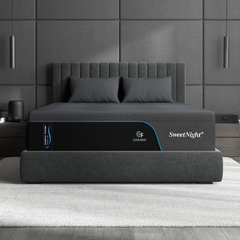
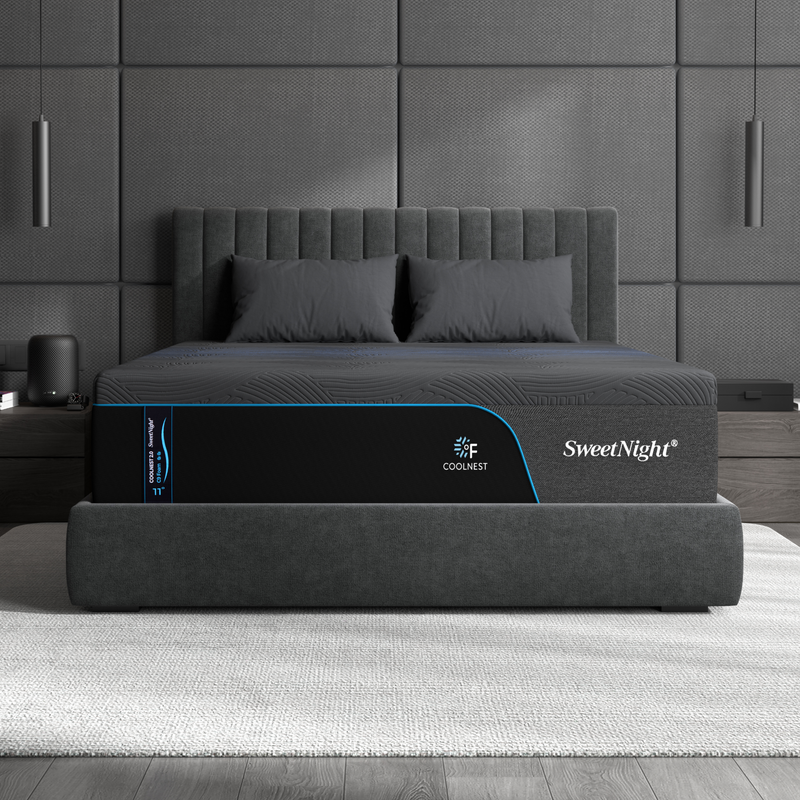
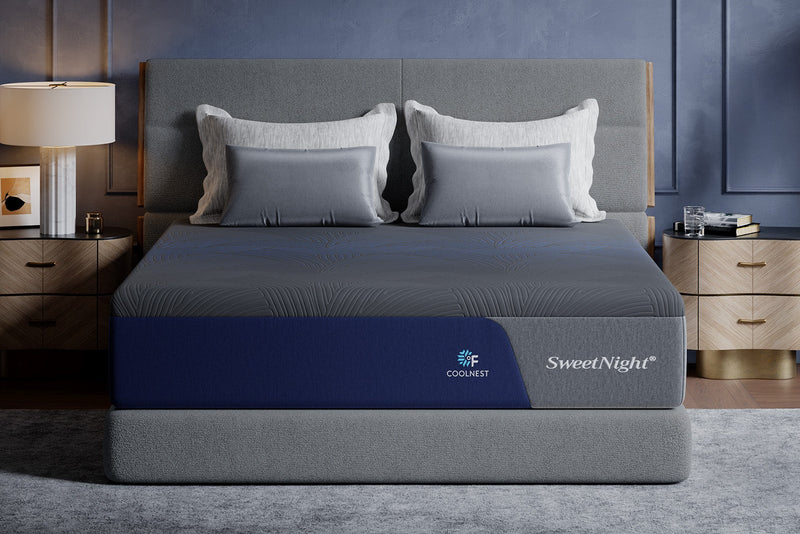
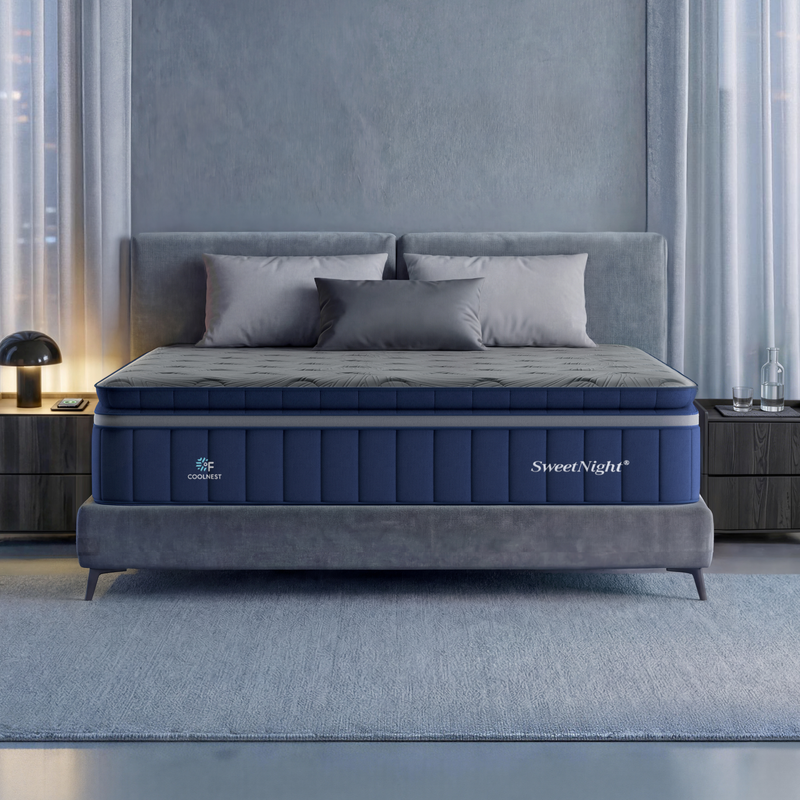
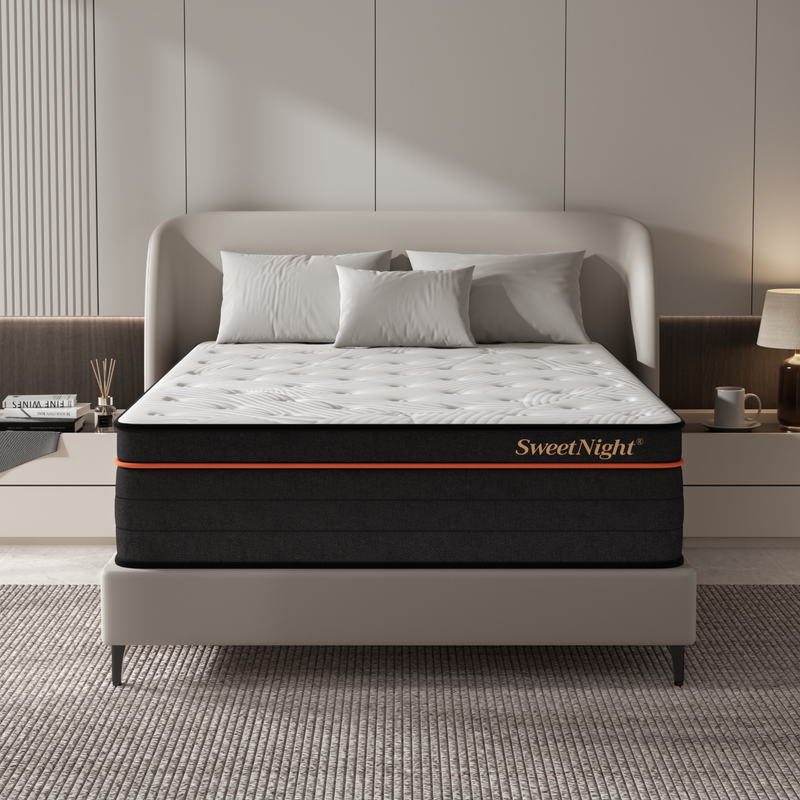
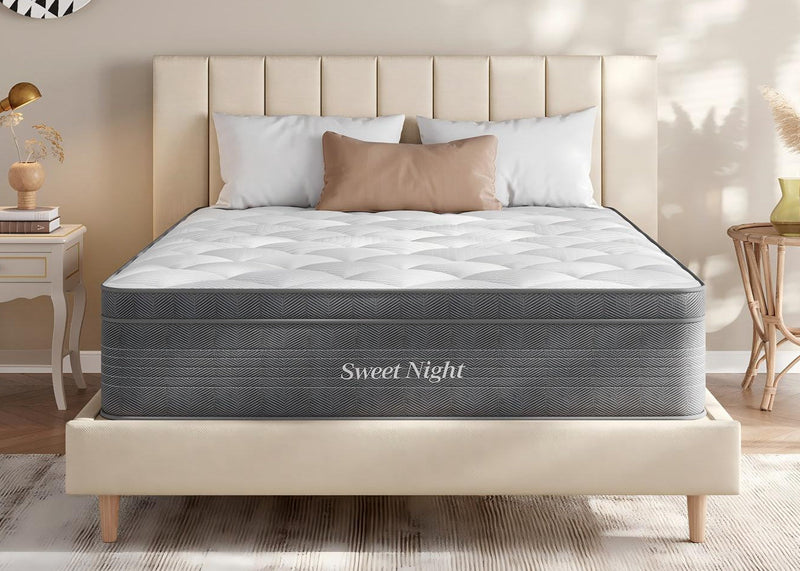
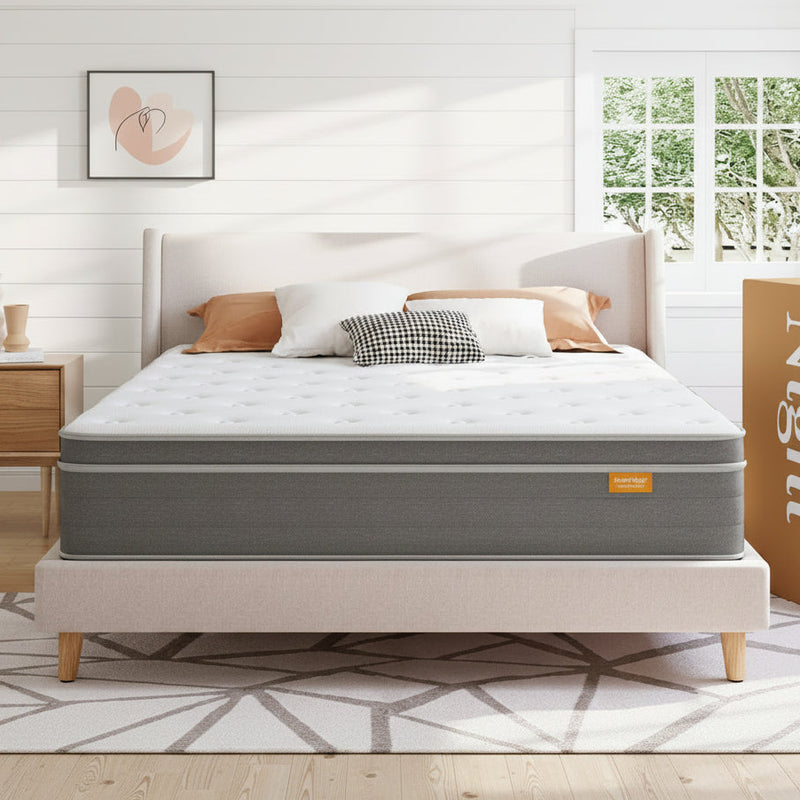
A cooling memory foam bed like the CoolNest® Ultra memory foam mattress is a useful example of what to look for at the point of purchase: it pairs a risk-free sleep trial — the window that actually protects your comfort preference — with clearly stated construction, so you know what you're getting and what base it expects underneath it. That combination, a genuine trial plus transparent terms, is exactly the pairing worth hunting for on any mattress, whichever one you choose. The best warranty protection starts with buying a well-built bed, supporting it correctly from night one, and keeping the tag, the receipt, and the surface clean.
Do those few things and you've handled the parts of a warranty that are actually within your control — which turns out to be most of them.
Frequently Asked Questions
Does a small stain really void the whole warranty?
Often, yes. Most warranties treat any stain as grounds for denial, because a stain signals moisture or spills that could have contributed to the damage being claimed. It can feel disproportionate, but it's nearly universal across the industry, which is why a removable washable cover or a mattress protector is such cheap insurance.
Is a body impression the same as a defect?
No. A shallow body impression where you sleep is normal, especially on softer foam beds, and it isn't covered. A defect is a deeper, persistent sag that stays put even with nothing on the mattress and exceeds the depth your warranty names. The empty-bed measurement is what separates the two.
Can I use my warranty if the mattress just feels too firm or too soft?
No — that's a comfort issue, and warranties only cover defects. Comfort is what the sleep trial is for, so act within that window if the feel isn't right. Once the trial ends, there's no mechanism to return a functioning bed simply because you don't like how it feels.
Why does the type of bed frame affect my coverage?
Because an inadequate base can cause sagging that looks identical to a manufacturing defect. Warranties require proper support — correct slat spacing, center support on larger sizes, a firm level surface — and can deny claims where it's missing, on the reasoning that your foundation, not their construction, caused the dip.
What if I threw away the receipt?
You may still have options if you can locate an order record another way — an email confirmation, a card statement, or the retailer's account history. But proof of purchase is required by most warranties, so it's worth saving the receipt from the start. The same goes for leaving the law tag attached; both are small habits that keep your coverage intact.