































Short answer: A mattress sleep trial lets you test a bed in your own bedroom for a set stretch of nights — often around 100 — and return it for a refund if it doesn't work out, but you only get real value from it if you give your body a few weeks to adjust before you judge.
The short version, if you're skimming:
- A sleep trial is a home test period, not a same-day verdict — your first night tells you almost nothing.
- Bodies need roughly two to four weeks to adapt to a new sleep surface, so plan to keep the bed at least that long.
- Read the fine print: some policies require a minimum break-in window, some charge return or pickup fees, and "risk-free" doesn't always mean truly free.
- A trial covers whether you like the mattress; a warranty covers whether it's defective. They're different promises.
- Small habits — consistent bedtime, a proper base, giving foam time to expand — help you break the bed in faster and decide with a clear head.
What Is a Mattress Sleep Trial?
A sleep trial is a promise from the seller: buy the mattress, sleep on it at home for a defined number of nights, and if it isn't right for you, send it back for your money. The number varies by brand, but the structure is almost always the same — a fixed window, measured in nights, during which the decision is reversible. Thirty nights, ninety nights, a hundred nights, sometimes a full year. The count starts on the day the mattress is delivered, not the day you place the order.
The reason trials exist at all is that mattresses are hard to shop for. You can't meaningfully test a bed by lying on it for four minutes in a fluorescent-lit showroom with your shoes on and a salesperson hovering. Comfort over a night of actual sleep is a completely different measurement than comfort during a brief press-test. The whole point of buying a mattress is what happens across seven or eight hours while you're unconscious, and no store visit can simulate that. Online mattress sellers, who don't have showrooms at all, leaned into the trial as the answer: the showroom is your bedroom, and the demo lasts weeks.
For you as a buyer, that shifts the risk in a helpful direction. Instead of gambling a few hundred or a few thousand dollars on a hunch, you get to make the real decision after real sleep. But a trial is only as good as the way you use it. Treated casually — a couple of restless nights, a snap judgment, a return request — it wastes the very thing it's designed to give you: time. Treated deliberately, it's one of the most consumer-friendly arrangements in any big-ticket category.
It helps to think of the trial as a structured experiment rather than a safety net you hope not to use. You're gathering evidence about how your body responds to a specific surface, night after night, under normal conditions. That framing changes how you behave during the window, and it's the difference between a decision you trust and a coin flip.
Why the First Night Isn't a Fair Test
Almost everyone judges a new mattress on the first night, and almost everyone is wrong to. The first night is the least reliable data point you will collect during the entire trial, and there are a few concrete reasons for that.
Start with novelty itself. Sleep researchers have long observed that people sleep differently the first night in an unfamiliar setting — lighter, with more awakenings, part of the brain staying more alert in a new environment. A new mattress changes the feel, the height, sometimes the smell and sound of your bed all at once. Your nervous system treats it as new territory, and you sleep more shallowly as a result. That has nothing to do with whether the mattress is good. It's just unfamiliarity.
Then there's the physical state of a boxed mattress. Most foam and hybrid beds ship compressed and rolled. When you unbox one, it expands over hours, and depending on the construction it can take longer than a day to reach its true firmness and full loft. A bed you sleep on the very first evening may still be firmer, or oddly uneven, compared to how it will feel once it's fully open. Judging final comfort against a half-expanded surface isn't a fair comparison. We get into the timeline for that in our guide on how long a new mattress takes to fully expand, and it's worth setting expectations before you draw any conclusions.
New foam can also carry a faint chemical smell for the first day or two — commonly called off-gassing. It's the odor of a freshly manufactured product airing out, and it usually fades quickly with ventilation. It's harmless in the ordinary sense, but on night one it can color your impression of the whole bed and make you feel like something is wrong when nothing is.
Finally, your body is arriving with baggage. If you spent years on a sagging old mattress, your muscles adapted to that sag. A supportive new surface can feel strange, even briefly uncomfortable, precisely because it's holding you in a healthier position your body isn't used to yet. That initial "this feels off" reaction is common and often reverses on its own. We wrote a whole piece on why a new mattress can feel uncomfortable at first, because so many people mistake normal adjustment for a bad purchase and return a perfectly good bed on day two.
None of this means you should ignore a genuinely wrong mattress. If you're in sharp pain or the bed is obviously defective, that's real information. But ordinary first-night grogginess, mild stiffness, or a "this isn't my old bed" feeling? Those are exactly the sensations the trial period is built to outlast. Give it time.
The 30-Day Adjustment Period Explained
The most useful mental model for a sleep trial is the break-in, or adjustment, period. Two things are adjusting at once: the mattress and you. Understanding both keeps you patient through the awkward middle stretch.
On the mattress side, new foam is at its firmest and least yielding when it's brand new. As you sleep on it over the first weeks, the comfort layers flex and settle into a more consistent, slightly softer feel. This isn't the bed wearing out — it's the material relaxing from its factory-fresh state into its normal working range, the way a new pair of leather shoes softens with wear. A mattress that felt a touch too firm on night three can feel just right by week three without anything being wrong.
On your side, the adjustment is muscular and postural. If your spine and muscles spent years compensating for an unsupportive bed, they need time to unlearn those compensations. A better surface may work muscles that had gone slack, or relieve pressure in a way that initially feels unfamiliar. People sometimes report mild back or shoulder soreness in the first week on a new mattress — not injury, more like the low-grade ache of using your body slightly differently. It typically eases as the weeks pass.
Thirty days is the number that gets quoted most often, and it's a sensible default. It's long enough for both the mattress and your body to settle, and it spans enough nights to average out the noise — the one bad night after a stressful day, the great night when you were exhausted. A single night is an anecdote. Thirty nights is a pattern, and patterns are what you actually want to base a decision on. Our detailed walkthrough of what to expect during the first 30 days with a new mattress maps out how the experience tends to change week by week, which makes the slow parts easier to sit through.
Here's the practical upshot: don't treat the early nights as a referendum. Treat them as the settling-in phase they are. Keep a loose mental note of how you feel week over week rather than night over night. Is the trend improving, flat, or getting worse? A trend that climbs toward comfort is a keeper in progress. A trend that's flat or declining after several weeks is telling you something the trial exists to catch.
What counts as a real problem during break-in?
Adjustment discomfort is diffuse and improving. A real mismatch tends to be specific and stubborn. If you wake every morning with the same localized pain in the same spot, and it isn't easing after two or three weeks, that's a signal the firmness or support isn't right for your body — not just novelty. Numbness, a hip that keeps sinking too far, or a lower back that arches because the bed is too firm are structural complaints, not settling-in aches. Learning to tell the two apart is most of what makes a trial useful.
How Long Should You Test Before Deciding?
If a trial gives you 100 nights, you don't have to use all 100 to decide — but you shouldn't decide in three, either. The right amount of testing sits in a sensible middle: long enough for adjustment to finish, short enough that you're not agonizing for months.
A reasonable framework looks like this. Give any new mattress a minimum of two to three weeks of honest, regular use before forming a real opinion. That clears the first-night effect, most of the break-in, and the bulk of your body's adjustment. If you're still unsure after three weeks, extend to the four-to-six week range, which is usually enough for the picture to become clear one way or another. Very few genuine mismatches stay ambiguous past six weeks of consistent sleep.
"Honest, regular use" is the load-bearing phrase. The trial clock keeps running whether or not you actually sleep on the bed, so travel weeks, nights on the couch, or a stretch in a guest room all eat into your window without giving you data. To get a clean read, you want the mattress to be your normal bed during the test — same room, same sheets you'll actually use, same bedtime routine. Testing under artificial conditions produces an artificial verdict.
A few things sharpen the evaluation:
- Keep it consistent. Go to bed and wake up at roughly the same times. Wild schedule swings make it impossible to tell whether the mattress or your routine is responsible for a rough night.
- Use it in every position you sleep in. If you're a combination sleeper, pay attention to how the bed handles your back, side, and stomach across the night, not just your favorite position.
- Note mornings, not just nights. How you feel when you wake up — stiff, refreshed, sore in a specific spot — is often more telling than how the bed felt when you lay down.
- Don't over-monitor. Obsessively grading every night makes you sleep worse and reason worse. Check in weekly, not hourly.
There's also a risk in waiting too long, and it's a quiet one: the deadline. Trials have hard end dates, and it's genuinely common for people to drift past the return window while telling themselves they'll decide "soon," then discover the option has expired. If you have a real doubt, set a personal checkpoint well before the official cutoff — say, two-thirds of the way through the window — and force a decision then. That leaves margin to arrange a return if you need one, instead of scrambling on the final day.
What "Risk-Free" Really Means (Read the Fine Print)
"Risk-free" is a marketing phrase, and like most marketing phrases it's mostly true with edges worth checking. Before you lean on any trial, read the actual policy, because the details vary a lot and they determine whether the promise is as clean as it sounds.
Here are the clauses that matter most:
- Minimum break-in requirement. Many sellers require you to keep and sleep on the mattress for a set number of nights — often around 30 — before they'll accept a return. This is reasonable; it stops snap first-night returns. But it means you can't test for a weekend and bail. Know the minimum before you start counting.
- Return and pickup fees. This is the big one. "Risk-free" sometimes still comes with a return shipping charge, a restocking fee, or a pickup cost that can run into real money. A trial that refunds every cent is meaningfully different from one that keeps a slice. Find the number, if there is one.
- Refund vs. exchange vs. credit. Some policies give you a full cash refund; others only offer a swap for a different model or store credit. All can be fair, but they're not the same, and you should know which you're agreeing to.
- Condition rules. Returns usually require the mattress to be undamaged and unstained. A mattress protector isn't just hygiene — it can be what keeps your return eligible.
- One return per customer, or per order. Trials often can't be used repeatedly to sample a whole catalog. Check whether a return closes the door on a future one.
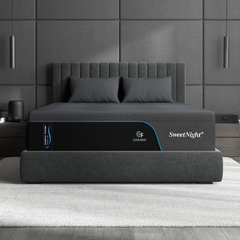
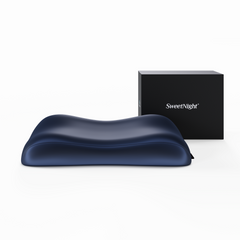
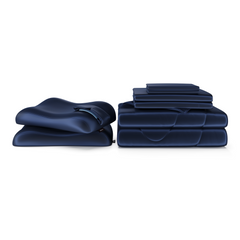
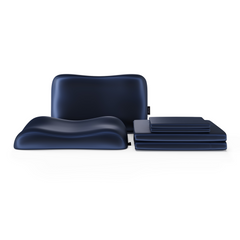
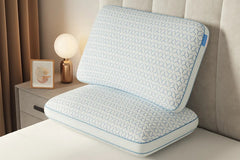
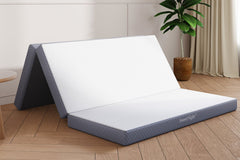
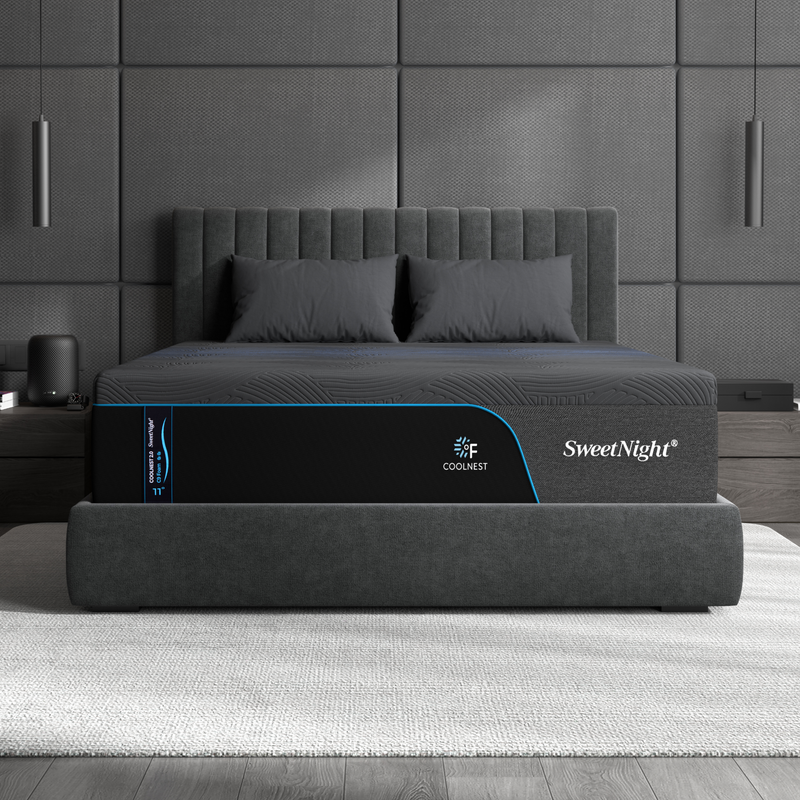
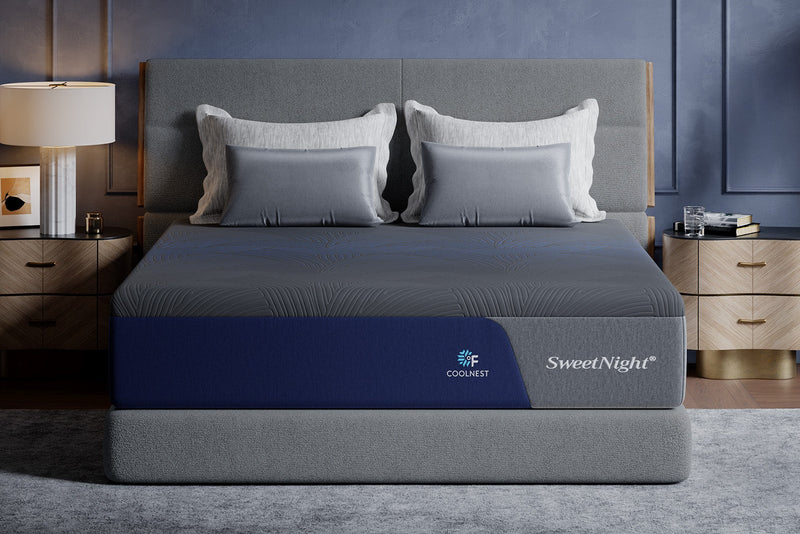
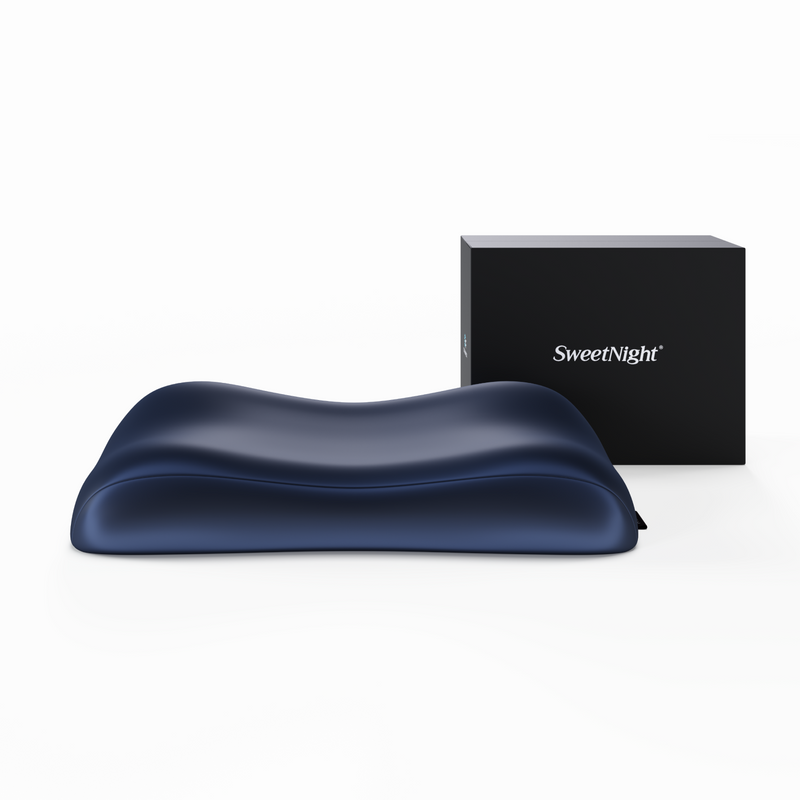
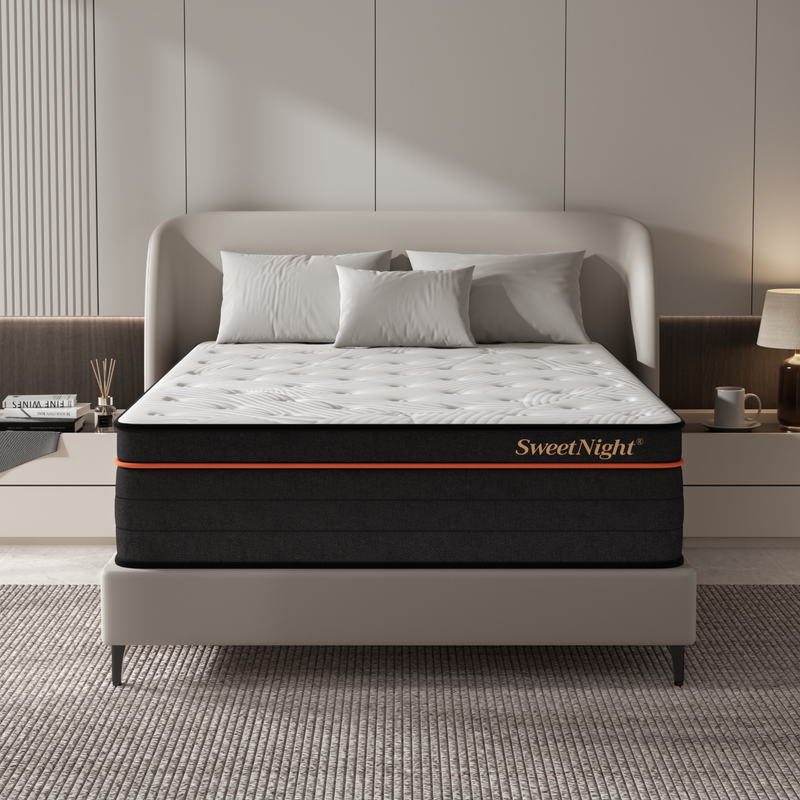
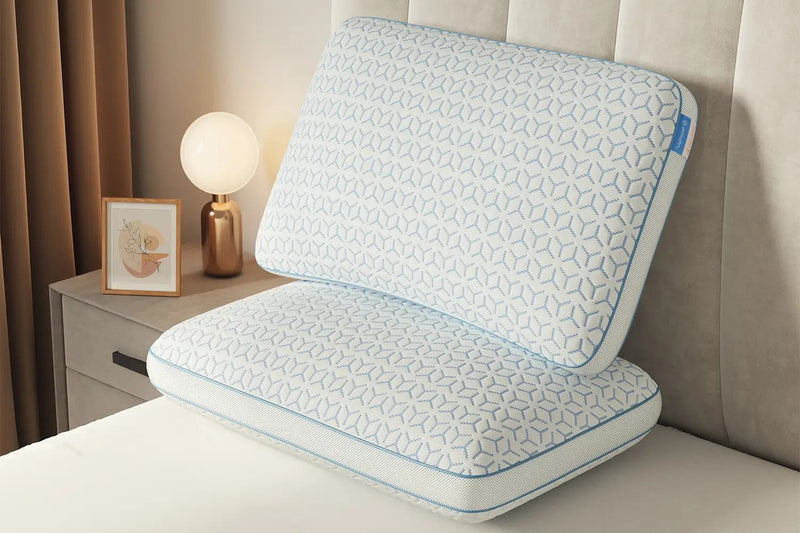
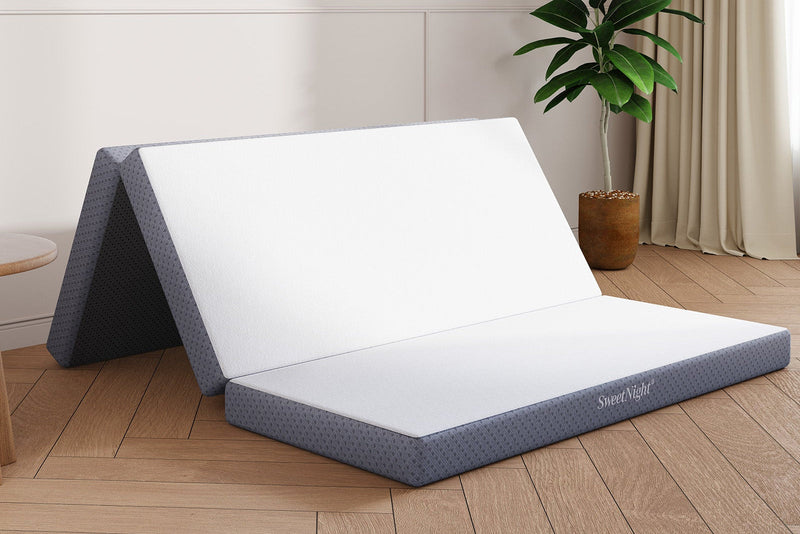
The strongest version of a trial is the one where the fine print doesn't claw the promise back — a genuinely full refund, a clear window, and no surprise fees waiting at the end. As an example of how that can look, SweetNight's CoolNest® Ultra memory foam mattress ships with a 100-night risk-free trial and includes free cooling pillows, so the at-home test period is long enough to clear the break-in stretch and reach a real verdict rather than a first-week guess. The specific length matters here: 100 nights comfortably outlasts the two-to-four-week adjustment period, which is exactly what a trial should do — give you room to get past the awkward early phase and judge the bed on how it actually sleeps.

Whatever brand you're considering, the move is the same: read the policy in full before you buy, not after you're unhappy. A trial you understand is protection. A trial you assumed things about is a gamble with extra steps.
Trial vs. Warranty: Know the Difference
People conflate these two constantly, and the confusion causes real frustration when a claim gets denied. A sleep trial and a warranty are separate promises that cover separate problems, and they operate on completely different timelines.
A sleep trial answers one question: do you like this mattress? It's about comfort, feel, and fit. It's short — weeks to a few months — and it lets you return a perfectly functional bed simply because it isn't right for your body. There's nothing wrong with the mattress; it just isn't for you. That's a valid reason, and the trial exists to honor it.
A warranty answers a different question: is this mattress defective? It covers manufacturing faults and premature structural failure — foam that develops deep body impressions beyond a stated threshold, seams that split, materials that break down abnormally early. Warranties are long, often measured in years, but they are narrow. They protect against the product failing to be what it's supposed to be, not against you changing your mind or finding it too firm.
The distinctions that trip people up:
- Timeline: the trial is short and about preference; the warranty is long and about defects. They barely overlap.
- What triggers a claim: "I don't like the feel" is a trial matter and a warranty non-starter. "The foam sagged four inches in a year" is a warranty matter, not a trial one.
- The remedy: a trial usually means a refund; a warranty usually means a repair or replacement, sometimes prorated by how long you've owned the bed.
- Your obligations: warranties frequently require proper support underneath the mattress. Using an unsuitable base or an inadequate frame can void coverage, so keep proof of a compliant setup.
The practical takeaway: use the trial window for comfort decisions, because once it closes, disliking the feel is no longer a returnable problem. After that, the warranty is your protection — but only against defects, and only if you've held up your end on support and care. Read both documents when the bed arrives, while you still have time to act on either.
Tips to Break In a New Mattress Faster
You can't skip the adjustment period, but you can help both the mattress and your body move through it more efficiently. None of this is magic; it's just removing the friction that slows the process down.
- Let it fully expand first. Unbox the mattress promptly and give it the time the maker recommends to reach full loft before you judge anything. Sleeping on a half-expanded bed and forming an opinion is the most common self-inflicted mistake of the whole trial.
- Put it on the right base. Foam and hybrid beds generally want a solid or closely-slatted foundation. Slats spaced too far apart let the mattress dip between them, which feels like a comfort problem but is really a support problem. The correct base can change how a bed feels immediately.
- Warm it up and use it. Foam softens and responds to body heat and pressure. The simplest accelerant is time spent on the bed — sleeping on it every night, and even walking or gently pressing across the surface (evenly, not jumping) in the early days to help the comfort layers flex.
- Keep the room reasonably warm early on. Very cold rooms make new foam firmer and slower to soften. A normal, comfortable room temperature helps the material reach its intended feel sooner.
- Ventilate to clear off-gassing. If there's any new-foam smell, air the room out for the first day or two. Getting that out of the way removes a distraction from your evaluation.
- Rotate if the maker allows it. For beds designed to be rotated head-to-foot, doing so periodically encourages even break-in and prevents one area from settling faster than the rest. Don't flip a one-sided mattress, though — check first.
- Hold your sleep schedule steady. The faster your body settles into a consistent routine, the faster you can separate "the mattress" from "my week." Consistency isn't just good sleep hygiene; it's cleaner test conditions.
Give these a couple of weeks and most of the early awkwardness — the firmness, the unfamiliarity, the mild stiffness — tends to resolve on its own. If it doesn't, that's genuinely useful information, and it's arriving right on the schedule the trial was designed around.
Signs the Mattress Is (or Isn't) Right for You
After a few weeks of honest use, you'll usually have enough evidence to decide. The trick is knowing which signals to trust. Group them into keep signs and return signs.
Signs the mattress is working:
- You're waking up feeling more rested, or at least no worse, and the trend across weeks is upward.
- Aches you had on your old bed — a stiff lower back, sore hips — are easing rather than persisting.
- You fall asleep in a reasonable time and aren't waking repeatedly because of discomfort.
- You've stopped noticing the mattress. Not thinking about your bed is one of the best signs it fits — comfort is quiet.
- If you share the bed, you're not being woken by your partner's movement the way you were before.
Signs it isn't the right fit:
- The same specific pain shows up every morning, in the same place, and isn't fading after two to three weeks. That points to a firmness or support mismatch.
- You consistently sink too far and feel "stuck," or you feel perched on top and pressure builds at your shoulders and hips — too soft or too firm for your body, respectively.
- You're sleeping hot enough to wake up, night after night, despite reasonable room temperature and bedding.
- You dread going to bed, or you keep migrating to the couch or a spare room because it's more comfortable. Your behavior is voting even if you haven't consciously decided.
- After a full, fair adjustment period, nothing is improving. Flat or declining comfort over several weeks is the clearest return signal there is.
Weigh these against the calendar. If the return-worthy signs are stacking up and you're past the minimum break-in but still inside the window, that's the trial doing precisely its job — act while you can. If the keep signs dominate, you can stop watching the clock and just enjoy the bed. Either way, the decision should rest on a few weeks of pattern, not one memorable night in either direction.
One last piece of judgment: don't let sunk cost or the hassle of a return talk you into keeping a bed that's genuinely wrong for you. A mattress is something you'll use for thousands of nights. Spending a little effort to return a poor fit, while the policy still lets you, is a much smaller cost than years of bad sleep. That's the entire reason the trial exists — use it as the tool it is.
Frequently Asked Questions
Does the sleep trial start when I order or when the mattress arrives?
Almost always when it's delivered, not when you place the order. The window is about nights slept, so the count begins once the bed is in your home. If you're unsure, confirm the start date with the seller, since it sets your deadline.
Can I return a mattress if I just don't like the feel?
Yes — that's exactly what a sleep trial is for. Disliking the feel is a valid trial return, as long as you're within the window, past any required minimum break-in period, and the bed meets the condition rules (typically undamaged and unstained). It is not, however, a warranty claim.
Will I have to pay anything to return it?
It depends entirely on the policy. Some trials refund every dollar with free return pickup; others deduct a return shipping or restocking fee. This is the single most important thing to check before you buy, because it's where "risk-free" occasionally isn't fully free.
How long do I really need to sleep on it before deciding?
Give it at least two to three weeks of regular use to clear the first-night effect and the break-in period, and extend toward four to six weeks if you're still unsure. Just don't drift past the return deadline — set your own checkpoint before the official cutoff.
What if it's comfortable but sags a year later?
That's a warranty question, not a trial one. Sagging beyond the stated threshold is a defect the warranty may cover, often with a repair or replacement. Keep your proof of purchase and make sure you're using a supportive base, since an unsuitable foundation can void the coverage.