













Almost everyone has had this experience with a mattress, whether they noticed it happening or not. The bed that once felt supportive and just right gradually turns into something you sink into wrong, wake up sore on, and can’t quite get comfortable on anymore — even though it looks basically fine and isn’t that old. You start blaming your pillow, your posture, your age, the weather. But nine times out of ten the real culprit is quietly sitting under you: the mattress has lost its support.
It’s one of the most common questions in sleep forums — “why does my mattress feel worse than it used to when there’s no visible sag?” — and the answers are usually a mess of guesses. The truth is that every mattress loses support over time, but why it happens, how fast, and how much you can slow it down all depend on what the bed is made of and how you treat it. Once you understand the mechanics of how mattresses break down, you can tell whether yours is genuinely finished or just needs a tweak, and you can buy your next one in a way that keeps its support for years instead of months. That’s what this guide walks through.
Understanding Why Some Mattresses Lose Support Over Time
Every mattress is a stack of materials doing a physical job — resisting your weight and springing back into shape — and like anything that flexes under load thousands of times, those materials wear out. You lie down roughly 2,500 nights over seven years, and on each of them the foams compress and the coils flex and then try to recover. No material recovers perfectly forever. A little of that resilience is lost on every cycle, and eventually the bed can no longer push back the way it did when it was new. That gradual loss of push-back is what “losing support” means.
The key thing to understand is that support and comfort are different, and they fail differently. The comfort layer — the plush top that cradles you — can feel worn while the support core is fine, or the core can weaken while the top still feels soft and inviting. It’s the deep support layer quietly failing that causes the real problems, because that’s the part holding your spine in line. A bed can still feel superficially cushy while its structural support has drained away, which is exactly why people struggle to diagnose the change — it doesn’t always look or even feel obviously broken.

How fast all this happens isn’t fixed. The same seven years that leave one mattress perfectly supportive turn another into a sagging mess, and the difference comes down to material quality, your body weight, and how the bed was cared for. So “losing support over time” isn’t one universal timeline — it’s a race between how well a bed was built and how hard it’s being used. Understanding the factors in that race is what lets you influence the outcome.
What Losing Support Really Means for Your Spine
To care about support loss, it helps to be clear on what support is actually for. A supportive mattress keeps your spine in roughly the same gentle, neutral curve it has when you’re standing up straight — not bowed downward in the middle, not arched. It does that by pushing back hardest under the heaviest parts of you, mainly the hips, so your midsection doesn’t drop lower than your shoulders and legs. When the bed does this well, the muscles around your spine get to fully relax all night, and you wake up feeling repaired.
When a mattress loses support, that push-back weakens right where you need it most. Your hips start sinking too far, your midsection sags below the rest of your body, and your spine bends into a shallow U for hours at a stretch. The muscles and ligaments that would otherwise rest are instead held under mild tension all night trying to compensate. That’s the mechanism behind the classic complaint of a worn-out bed: morning back pain and stiffness that loosens up once you’re on your feet and moving.

The insidious part is how gradual it is. Support doesn’t vanish overnight; it drains away a little at a time, so your body slowly adapts to sleeping slightly misaligned and you stop noticing the bed is the problem. You just accumulate more restless nights and more morning aches and assume it’s life. Recognizing that a slow slide in support directly translates into a slow slide in how your spine is treated each night is what motivates people to actually do something about it — whether that’s better care or a replacement — instead of quietly suffering on a bed that stopped doing its one job.
Why Foam Mattresses Soften and Lose Support as They Age
Foam mattresses — memory foam and polyfoam — lose support through a process the industry politely calls softening, and understanding it demystifies why your foam bed feels different than it did. Foam is a structure of countless tiny cells with thin walls. Every time you lie down, those cell walls bend; every time you get up, they spring back. Over tens of thousands of cycles, some of those walls fatigue and stop fully rebounding, so the foam gradually gets softer and less able to hold you up. This happens even without any visible dip — the bed just quietly loses firmness and support from the inside.

Two versions of this failure show up. There’s general, all-over softening, where the whole mattress mellows and starts feeling too soft to keep you aligned, and there’s localized breakdown, where the foam right under your hips fatigues faster than the rest and forms a body impression. Both are the same underlying process — cell walls giving out under repeated compression — just concentrated differently. Heat and humidity accelerate it, because warmth makes foam more pliable and easier to permanently deform, which is why hot sleepers and warm rooms tend to wear foam faster.
This is where foam density becomes the whole story, and it’s worth repeating because it’s the single best predictor of how long a foam bed keeps its support. High-density foam has far more cell walls sharing the load, so each one is stressed less and the foam resists fatigue for years. Low-density foam has fewer, thinner walls doing the same work, so they break down quickly and the bed softens out of support within a year or two. A cheap foam mattress that felt luxurious on day one is usually low density — wonderful at first, structurally hollow soon after — which is exactly the trap budget shoppers fall into.
Why Innerspring and Hybrid Coils Weaken Over Time
If your bed has coils — a traditional innerspring or a hybrid — it loses support through a different but equally physical process. Steel coils are springs, and springs fatigue. Every night they compress under your weight and rebound; over years of that, the steel slowly loses a little of its tension and the coils no longer push back as firmly as they did new. A coil that’s lost its snap can’t hold your hips up the way it used to, so the support fades and, eventually, the surface starts to dip.
Coils weaken unevenly, which is why innerspring and hybrid sagging tends to be so localized. The springs directly under your hips and shoulders do the most work and take the most repeated compression, so they fatigue first while the coils near your feet stay nearly new. The result is the familiar body-shaped depression on each sleeper’s side with a firmer ridge standing in the untouched middle. The quality of the coils matters enormously here: thicker-gauge steel, higher coil counts, and individually pocketed coils in a well-made hybrid resist fatigue far longer than the thin, cheap, interconnected springs in a bargain innerspring.

Older all-innerspring beds have an extra weakness: with only coils and a thin comfort layer, there’s not much between you and the springs, so as the coils fatigue you feel it quickly and directly. Better hybrids pair quality pocketed coils with substantial high-density foam above, so support degrades more slowly and gracefully. The takeaway is the same as with foam — the cheaper the internal components, the faster support drains away, and coil quality is something worth asking about specifically rather than trusting a firmness label that tells you nothing about durability.
How Body Weight, Nightly Use, and Heat Break Down Mattress Materials
Two identical mattresses can age at completely different rates depending on who’s sleeping on them and how, and the biggest single factor is body weight. Heavier bodies compress every layer harder on each cycle, pushing foams and coils closer to their fatigue limit night after night, so the same materials that last a decade under a lighter sleeper might give out in a couple of years under a much heavier one. It’s not a defect — it’s simply more force applied to the same materials, spending their lifespan faster. Heavier sleepers, more than anyone, need to prioritize density and support-core quality precisely because their beds lose support quicker otherwise.
Beyond weight, everyday conditions quietly chip away at every mattress. The main culprits stack up like this:
- Nightly use, obviously. A bed slept on every night by two people ages faster than a lightly used guest-room mattress. More cycles, more fatigue.
- Heat. Warmth softens foam and makes it easier to permanently deform, so hot sleepers and warm bedrooms wear the comfort layers faster.
- Moisture. Sweat and humidity soak into materials over time, degrading foam and even encouraging the breakdown of adhesives and fabrics.
- A poor foundation. Widely spaced slats or a sagging box spring let the mattress bow into the gaps, so it loses support prematurely no matter how good the bed itself is.
The reason this matters is that several of these are within your control, which means how fast your mattress loses support is partly up to you. You can’t change your body weight for the sake of your bed, but you can manage heat and moisture, put the mattress on a proper foundation, and buy materials matched to the load you’ll put on them. Ignore all of that and even a decent bed ages fast; manage it and you get years of extra support out of the same mattress.
Why Foam Density Determines How Long a Mattress Keeps Its Support
If you remember one technical concept from this whole article, make it this one, because it predicts mattress longevity better than price, brand, or firmness: density. For foam layers, density is how much actual material is packed into each cubic foot — and it’s a completely different thing from firmness, which is just how hard the surface feels. You can have a soft high-density foam and a firm low-density foam; the density is what tells you how long it’ll last, while firmness only tells you how it feels today.
The connection is direct. More material per cubic foot means more cell walls sharing your weight, so each one is stressed less and the foam resists fatigue far longer before it softens out of support. Less material means fewer walls doing the same job, so they wear out fast and the bed loses support early. This is the entire reason two foam mattresses that feel identical in the store can have wildly different lifespans — one is built with dense, durable foam and the other with airy, cheap foam dressed up to feel good just long enough to get sold.

The practical problem is that showrooms and product pages love to talk about feel and rarely volunteer density, so shoppers judge on first impressions and get burned. When you’re choosing a mattress you want to keep its support for years, look past the plush and ask about the materials, and lean toward beds and brands that build with genuine longevity in mind. Browsing a curated durable mattress selection — models chosen for how well they hold up rather than how they feel in a two-minute test lie — puts the odds in your favor far better than sorting by the softest surface or the lowest price.
How Long Should a Mattress Keep Its Support
A fair question at this point is: how long is a mattress supposed to last before losing support is just normal wear? A useful rule of thumb is that a decent-quality mattress should hold meaningful support for roughly seven to ten years, though the honest range is wider than that at both ends. A high-density foam or well-made hybrid, kept on a good foundation and treated well, can comfortably reach and pass the ten-year mark. A cheap, low-density bed under a heavier sleeper on a bad frame might be sagging out of support in two or three.

Rather than fixate on a number, it’s smarter to judge by how the bed treats your body. The materials set the ceiling — density and coil quality determine the potential lifespan — but weight, care, and foundation determine where in that range you actually land. That’s why two people can own the “same” mattress and one replaces it at year four while the other is happy at year eleven. Warranties are only a rough guide here; they typically only cover sagging past a certain depth (often more than an inch), which means a bed can lose enough support to hurt your back while still technically being within warranty spec. Your back is the better judge than the fine print.
The reason this matters practically is that it reframes replacement as normal maintenance rather than failure. Losing support over many years isn’t a defect — it’s materials doing what materials do. The goal isn’t a mattress that lasts forever; it’s one that holds genuine support for as long as reasonably possible, and knowing the rough timeline helps you set expectations, care for the bed you have, and recognize when a decline has crossed from “normal aging” into “this is hurting me and it’s time.”
How to Make a Mattress Keep Its Support Longer
Since how fast a mattress loses support is partly in your hands, a few habits meaningfully extend the years of good support you get — and they cost little beyond attention. The most important, and most overlooked, is the foundation. A mattress can only stay supportive if what’s under it is solid. Slats spaced more than a few inches apart let the mattress bow into the gaps and lose support fast; a saggy old box spring drags a good mattress down with it. Make sure your bed has closely spaced slats or a solid platform, plus center support for larger sizes, and you’ve removed one of the biggest causes of premature support loss.
Rotating the mattress head-to-foot every couple of months is the next big lever, because it spreads the wear so the same square foot under your hips isn’t fatiguing every single night. It won’t make cheap materials durable, but it noticeably delays and evens out the breakdown on any bed. A few more worthwhile habits:
- Use a mattress protector to keep sweat and humidity from soaking into and degrading the foams over time.
- Keep the bedroom from running hot where you can, since heat softens foam and speeds its permanent deformation.
- Let the bed air out periodically — strip the sheets, let it breathe — so trapped heat and moisture escape.
- Follow the maker’s foundation and rotation guidance, since ignoring it can also void the warranty that’s supposed to protect you.

None of this reverses support that’s already gone — care buys time, it doesn’t rebuild collapsed foam or fatigued coils. But on a genuinely well-built mattress, good habits are often the difference between replacing it at year five and getting a comfortable decade. The foundation and rotation especially are close to free and pay back enormously, so they’re worth treating as standard practice rather than optional.
What Makes a Mattress Keep Its Support for Years
When it’s time for a new bed, the way to avoid a fast slide back into unsupported sleep is to buy for durability from the start — and durability lives in the construction, not the surface feel. The heart of a long-lasting mattress is a strong, high-density support core, whether that’s dense foam or quality pocketed coils, because that’s the layer holding your spine in line and it’s the layer whose failure ends a mattress’s useful life. Above it, higher-density comfort foams resist the softening that quietly drains support, and zoned support reinforces the hip region where breakdown otherwise starts first.

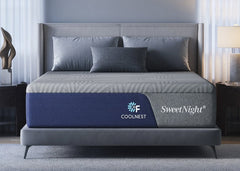
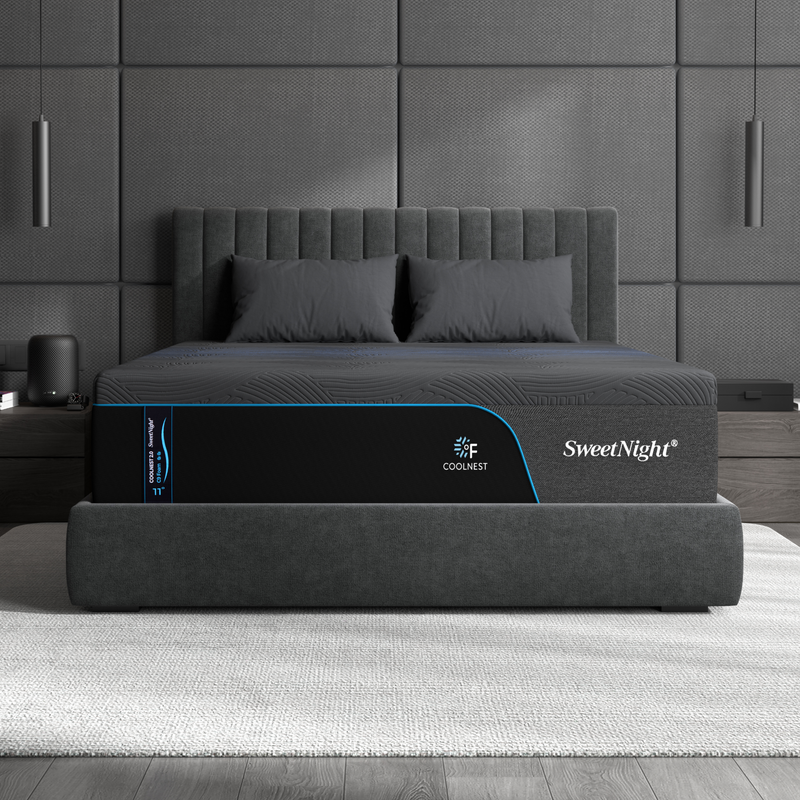
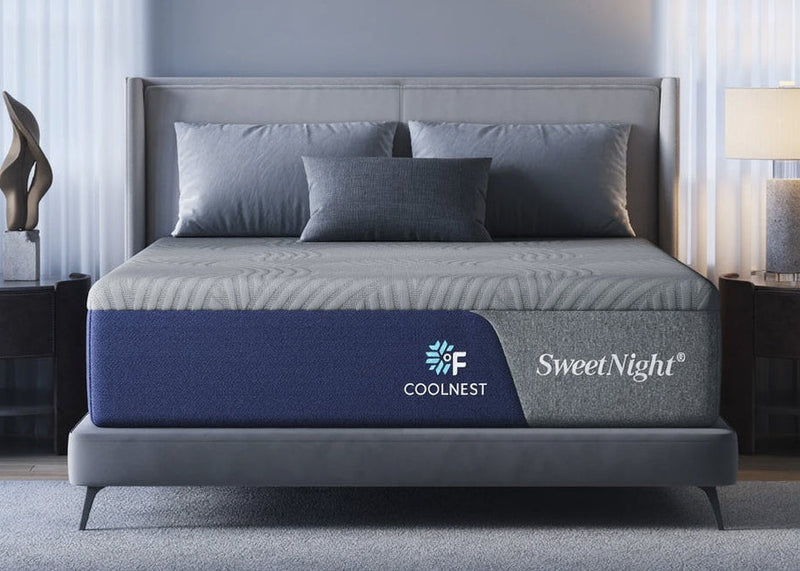
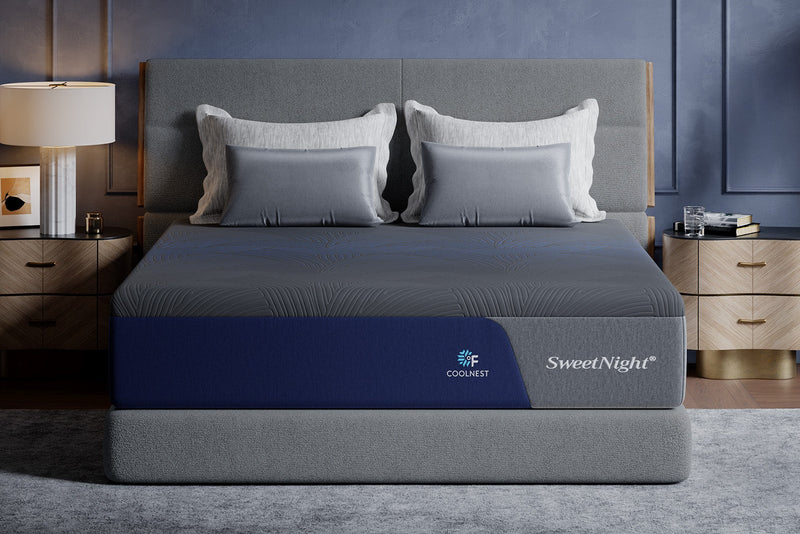
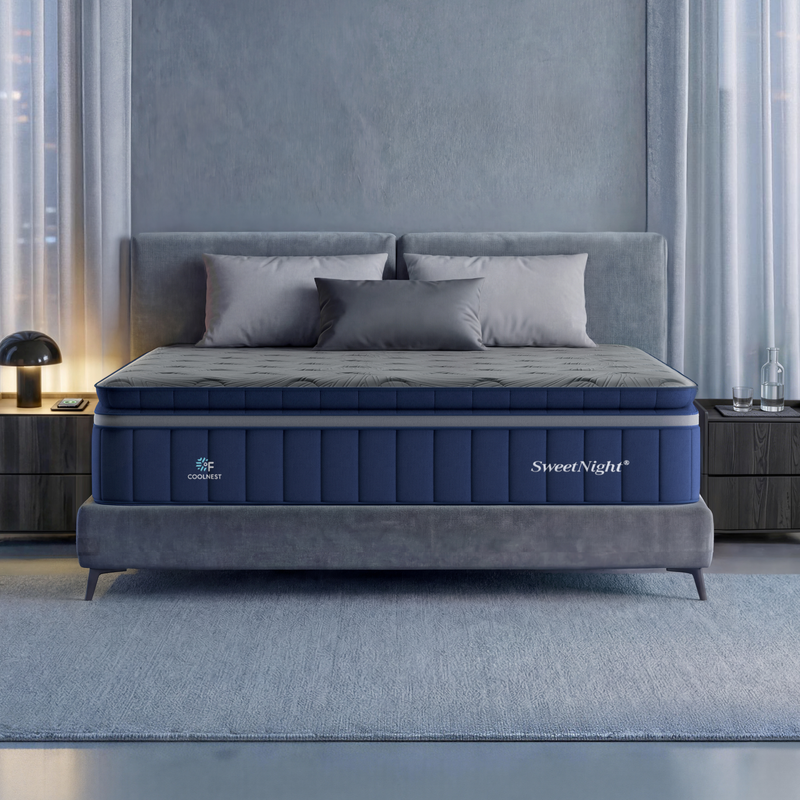
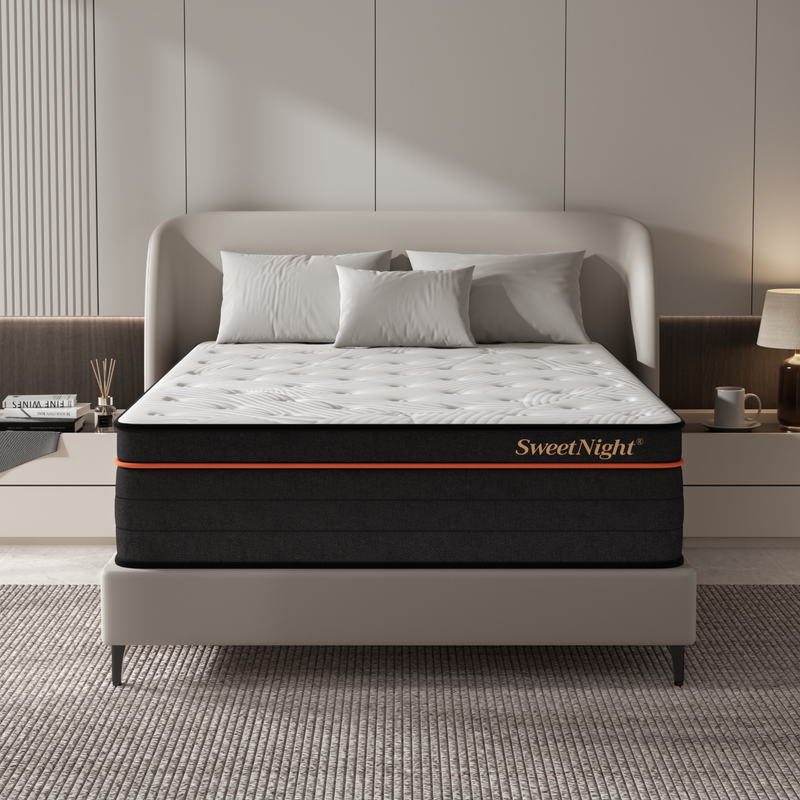
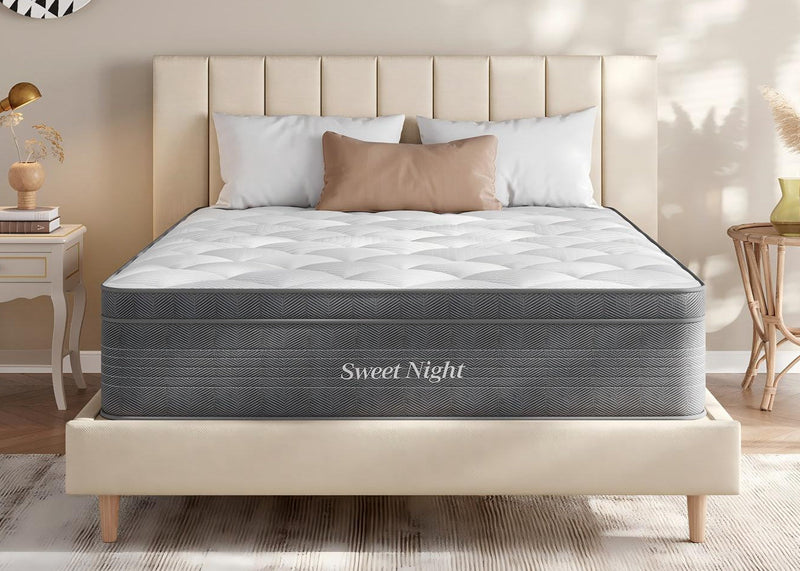
A well-engineered model like the CoolNest® Ultra is built around exactly these longevity priorities: a high-density support core to resist the deep breakdown that ends a bed’s life, 7-zone targeted support that firms up under the hips where mattresses lose support first, adaptive memory foam dense enough to keep contouring without collapsing, and cooling engineered in so heat doesn’t prematurely soften the comfort layers. That pairing of dense materials, structural support, and heat management is precisely what lets a mattress hold genuine support for years rather than mellowing out of it in the first eighteen months.
When you shop, flip the usual priorities: make support-core strength and material density your headline questions and treat surface plushness as secondary, since a plush low-density bed will feel great and fail fast while a dense, well-cored one keeps holding you up long after. Starting from a lineup chosen for staying power — a supportive mattress selection built to keep the spine neutral over the long haul — stacks the deck toward a bed you won’t be re-diagnosing in two years. The extra you spend on genuine density up front is what buys the years on the back end.
Signs Your Mattress Has Lost Its Support for Good
Finally, how do you know when your current mattress has lost enough support that it’s worth replacing rather than nursing along? Your body gives clear signals, and it’s worth trusting them over the calendar or the fact that the bed still looks okay. The most telling sign is waking up with back pain or stiffness that eases within an hour of getting up — that pattern almost always means the bed let your spine sag out of alignment all night, which is support failure in action.

A handful of other symptoms round out the picture:
- You toss and turn hunting for a comfortable position you used to find instantly — a sign the surface no longer holds you where it should.
- You sleep noticeably better elsewhere, in a hotel or a guest bed, which points squarely at your own mattress.
- You see or feel body impressions — a permanent dip visible when the bed is empty means the materials have broken down structurally.
- You feel the springs or the hard base through a comfort layer that used to buffer them, meaning the top has worn thin and the core is exposed.
- You roll toward the middle or into your partner, a classic tell that each side has lost support and dipped.
If a couple of these ring true — especially the morning back pain — the mattress has likely lost its support for good, and no amount of rotating or wishful thinking will restore a collapsed core. That’s not a personal failing or a sign you chose badly; every mattress reaches this point eventually, some just far sooner than they should because of the materials inside. Treat these signs as your cue to move on, and use what you now know about density, support cores, and care to choose a replacement that holds its support far longer than the one it’s retiring.