























Walk into any mattress store or scroll any brand’s website and you’ll notice something: almost nothing is described for your body if your body is on the larger side. The beds are “universally comfortable,” rated a tidy medium, reviewed by people who never mention what they weigh. So you buy the popular pick, and within months you’re sinking too far, waking up with a sore back, and quietly wondering why a bed everyone raves about is failing you. If that’s familiar, you’re not imagining it and you’re not doing anything wrong.
The uncomfortable reality is that most “standard” mattresses are engineered around an average-weight sleeper — roughly 130 to 200 pounds — and if you weigh meaningfully more than that, the same bed behaves completely differently under you. It feels softer, sags faster, and stops supporting your spine sooner, not because it’s defective but because it was never designed for the force you put into it. This guide breaks down exactly why standard mattresses fall short for higher body weights, what a bed actually needs to support a larger body, and how to shop so your next mattress fits you instead of the average person the marketing had in mind.
Why Standard Mattresses May Not Support Higher Body Weight Properly
The core issue is that a mattress responds to force, and heavier bodies apply more of it. When you lie down, your weight compresses the layers beneath you until the material pushes back hard enough to stop you sinking. A standard mattress is calibrated so that an average-weight body reaches that balance point in the sweet spot — supported, aligned, cradled. Put a significantly heavier body on the identical bed and it compresses those same layers much further before they push back enough, so you sink past the supportive zone into a too-soft, hips-dropping position.

This is why the same mattress that feels “medium” to an average sleeper can feel soft, even mushy, to a heavier one — you’re both being honest, you’re just experiencing different amounts of the bed. The comfort layers that gently cradle a 150-pound person get fully flattened by a 250-pound person, who then rests on whatever’s underneath, often a support core that isn’t strong enough to hold them up either. The bed simply runs out of the give and the structure it needs to keep a larger body aligned.
None of this means heavier sleepers are stuck — it means standard, average-calibrated mattresses are the wrong tool. A bed built for higher body weight uses firmer, denser, stronger materials specifically so that a larger body reaches its balance point in the supported zone rather than sinking past it. The problem isn’t your body; it’s that the default products are designed for someone lighter, and the fix is choosing a mattress engineered for the load you actually apply.
What Standard Mattress Design Actually Assumes About Your Body
It’s worth understanding what “standard” really means here, because it explains why so many beds miss. When a manufacturer designs a mainstream mattress and slaps a firmness rating on it, they’re calibrating for a target customer — and that target is an average-weight adult, generally somewhere in the 130-to-200-pound range. The foam densities, the coil gauges, the layer thicknesses, the “medium” feel — all of it is tuned so that this average body sinks the right amount and feels supported. That’s who the bed is for.
The firmness label is the clearest symptom of this assumption. A number like “6 out of 10” or a word like “medium-firm” describes how the bed feels to that imagined average sleeper, full stop. It quietly assumes you weigh about what they weigh. The further your actual weight sits from that assumption, the more the real-world feel drifts from the label — and for a heavier body, everything shifts softer, because you compress the materials more than the average person the rating was written for.

This is why generic mattress advice works fine for some people and fails others so completely. If you happen to be average weight, the standard design was built for you and the labels roughly hold. If you’re substantially heavier, you’re shopping in a market where nearly every product is quietly calibrated for someone lighter, and the guidance written for that market keeps steering you wrong. Recognizing that “standard” is code for “average-weight” is the first step to filtering for the beds that were actually engineered with a larger body in mind.
Why Average-Firmness Mattresses Feel Too Soft for Higher Body Weight
Let’s dig into the most common and frustrating experience for heavier shoppers: buying a well-reviewed “medium” or “medium-firm” bed and finding it feels far softer than promised. This isn’t bad luck or a mislabeled product — it’s physics doing exactly what it should. Firmness is really a measure of how much a surface resists your weight, and a heavier body applies more weight, so it pushes deeper into any given surface and experiences it as softer than a lighter body would.
Concretely, a “medium” bed that cradles an average sleeper gets compressed further by a heavier one, past the point where the comfort layers were meant to stop and support. Instead of resting in the supportive sweet spot, the heavier sleeper sinks through it, hips dropping toward the core. The result feels mushy and unsupported, and it’s why so many larger sleepers conclude they need to size up in firmness — a standard “firm” often feels like an average person’s medium once a heavier body is on it.

The catch is that sizing up firmness on a standard bed only half solves the problem. A firmer surface helps you not sink as far, but if that firmness comes from a low-density or thin construction, it still won’t hold up over time or provide real deep support — it just feels harder at first. What a heavier body actually needs isn’t merely a firmer feel but genuine structural support and density underneath, which is a different thing. That distinction — firmness of feel versus real supportive structure — is where most standard mattresses fall short for higher body weights, and it’s the thing to shop for deliberately.
How Thin Comfort Layers and Weak Support Cores Fail Heavier Sleepers
To see exactly where standard mattresses break down for larger bodies, it helps to look at their two main parts: the comfort layer on top and the support core beneath. In a standard bed, both are sized for average weight, and a heavier sleeper overwhelms each in a specific way. The comfort layer is often too thin — fine for cushioning a lighter person, but a heavier body compresses right through it and bottoms out onto the core, feeling the hard base instead of a cushioned cradle. There’s simply not enough material to sink into before you hit the bottom.

The support core is the bigger failure point. In many standard mattresses, the core is built to hold up an average body, so it lacks the density or the coil strength to keep a heavier one from sinking too far. When the core can’t push back hard enough, your hips and midsection — where most of your weight concentrates — drop below the rest of you, your spine bows, and morning back pain follows. A larger body doesn’t just need a nicer top layer; it needs a fundamentally stronger foundation underneath, and that’s exactly what standard beds skimp on to hit their price and their average-weight target.
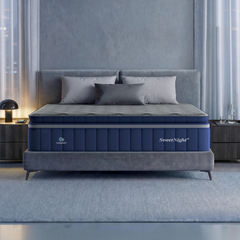
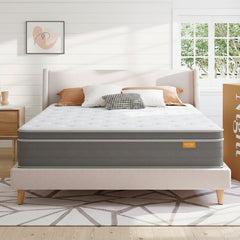
Edges are a third weak spot worth naming. Standard mattresses often have under-built perimeters, and a heavier person sitting on the side to dress or sleeping near the edge puts intense localized load on it, so the edges collapse and feel unstable early. Between a too-thin comfort layer, an under-strength core, and flimsy edges, a heavier sleeper is essentially over-stressing every part of a bed that was proportioned for someone lighter. It’s worth starting your search from a lineup built for larger bodies — a mattress for heavy people selection — where the comfort layers, cores, and edges are all scaled up for the load you actually apply.
Why Standard Mattresses Sag and Wear Out Faster Under More Weight
Even when a standard mattress feels acceptable at first, higher body weight tends to wear it out far faster — and this is one of the most common complaints from heavier sleepers online. The mechanism is straightforward: mattress materials fatigue with repeated compression, and a heavier body compresses them harder on every one of the thousands of nights you sleep on it. Foam cells and coils that might last a decade under an average sleeper get pushed closer to their limit each night under a larger one, so they break down in a fraction of the time.
Because your weight concentrates in the hips and midsection, that breakdown shows up as a distinct sag right where you rest heaviest — the worst possible spot, since it’s exactly where your spine needs support. A bed can feel fine for a few months and then develop a visible body-shaped valley that pitches your hips down and your back into a bow. Low-density foams, common in standard and budget beds, are especially prone to this; they’re chosen to feel good cheaply, not to survive heavy repeated load, so they crater fast under a larger sleeper.

The lesson is that for higher body weight, durability isn’t a bonus feature — it’s a core requirement, and it’s tied directly to material density and support-core quality. A standard bed built to an average-weight price point is essentially guaranteed to sag early under a heavier body, which is why so many larger sleepers feel trapped in a cycle of replacing mattresses every couple of years. Breaking that cycle means choosing genuinely dense, robustly built materials from the start, so the bed can take your load for years rather than months.
What Higher Body Weight Actually Needs From a Mattress
So what does a mattress built for higher body weight actually look like? The good news is the requirements are concrete and easy to shop for once you know them. It starts with a strong, high-density support core — thick, dense foam or sturdy, appropriately gauged coils — whose job is to push back firmly enough to keep your heaviest parts lifted into alignment. This is the single most important feature; without a strong core, nothing else matters, because your hips will sink and your spine will sag no matter how nice the surface feels.
On top of that, a larger body needs the right supporting cast. The essentials:
- Thick, high-density comfort layers — enough substantial material to cushion and contour without you compressing straight through to the core and bottoming out.
- Adequate total thickness — generally a taller mattress, so there’s real material to sink into before reaching the base; very thin beds simply can’t support higher weight well.
- A genuinely supportive firmness — usually firmer than average, but backed by real structure rather than just a hard-feeling cheap surface.
- Reinforced edges — a supportive perimeter so the sides don’t collapse under a heavier body sitting or sleeping near the edge.
- High-density, durable materials throughout — because a larger body wears a bed faster, longevity has to be engineered in from the start.

Notice that almost every requirement comes back to density and structure rather than surface feel. That’s the whole point: a heavier body needs a mattress with more and better material doing the supporting work, which is precisely what standard, average-weight beds economize on. If you’ve been burned before, browsing a supportive mattress lineup with these features front and center is a far smarter starting point than sorting by star ratings that average over every body type at once.
Why Firmness Ratings Are Misleading for Heavier Sleepers
One of the biggest traps for heavier shoppers is taking firmness ratings at face value, so it’s worth spelling out why those numbers mislead you specifically. A firmness rating describes how a bed feels to an average-weight tester. Since you compress the surface more than that tester does, every bed effectively feels a notch or two softer to you than its label claims — a “firm” can feel like a medium, a “medium” can feel downright soft. The number was never calibrated for your weight, so it’s a poor guide to how the bed will actually feel or perform for you.
Worse, firmness tells you nothing about durability or real support, which are the things that matter most at higher body weight. You can build a firm-feeling surface out of cheap, low-density foam that will still sag under a heavy sleeper within a year — it just feels hard on day one. So chasing a high firmness number can leave you with a bed that feels supportive briefly and then collapses, because firmness of feel and structural support are different properties. A heavier sleeper who shops on firmness alone often ends up disappointed twice: first that it’s softer than promised, then that it wears out fast.
The better approach is to treat firmness as a rough starting hint and put your real attention on the things that predict support and longevity for a larger body: support-core strength, foam density, coil quality, and total thickness. Ask what the bed is made of, not just how firm it’s rated. And lean on genuine at-home trials over showroom impressions or star ratings, because the only reliable test of how a mattress supports your weight is sleeping on it for several weeks in your own bed. The label is written for someone else; your body is the instrument that actually matters.
How Zoned Support and High-Density Foam Support Higher Body Weight
Here’s where modern mattress design genuinely helps heavier sleepers, because two features in particular are built to handle higher and unevenly distributed body weight: zoned support and high-density adaptive foam. Zoned support means the mattress isn’t uniform from head to foot — it’s engineered firmer under the heavy middle of the body, where the hips and lower back concentrate load, and more cushioning under the lighter shoulders and legs. For a larger body, whose weight piles up dramatically in the midsection, this targeted reinforcement is exactly what keeps the hips from sinking and the spine from bowing.
A fine-grained layout — a 7-zone design, for instance — does this at a detailed level, catching the specific spots where a heavier body tends to sag and firming them up while still relieving pressure at the shoulders. That’s a meaningful upgrade over a flat, one-firmness slab that has to compromise between support and comfort everywhere at once and ends up doing neither well for a larger sleeper. Pair zoning with high-density foam, and you get comfort layers that contour to your actual shape and, crucially, keep contouring for years without collapsing under repeated heavy load — density being the property that resists the fast breakdown heavier bodies otherwise cause.

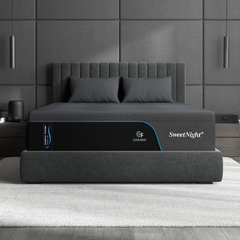
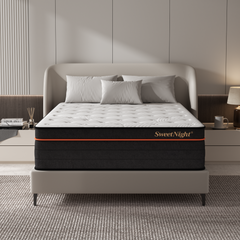
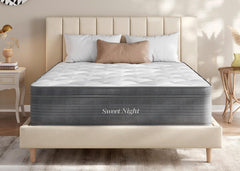
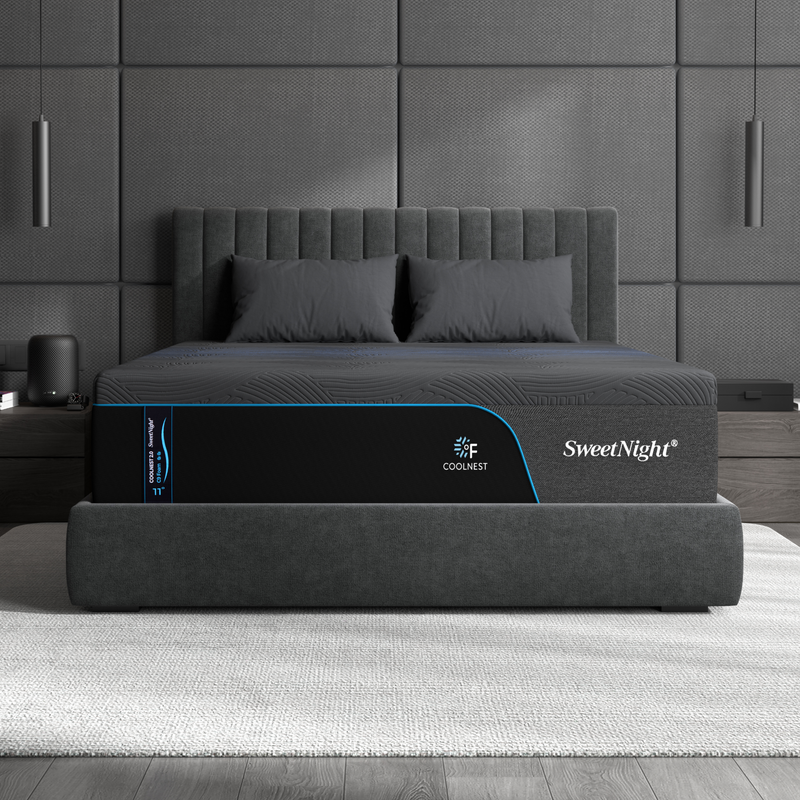
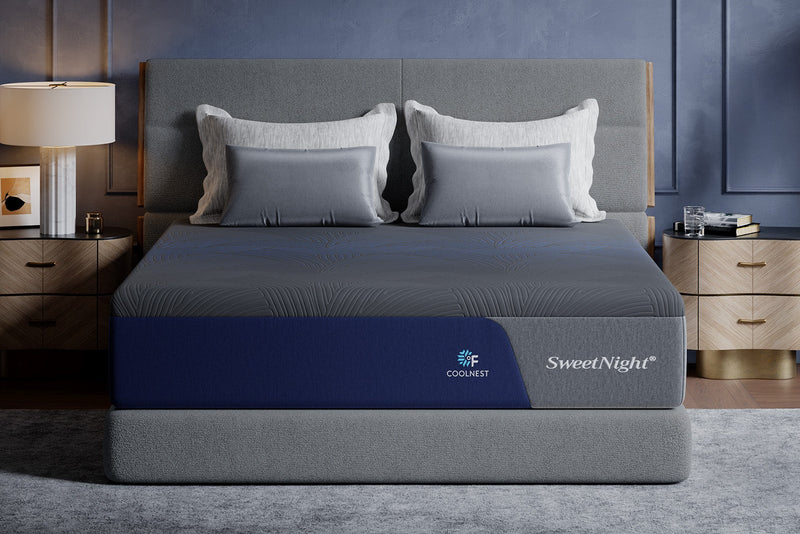
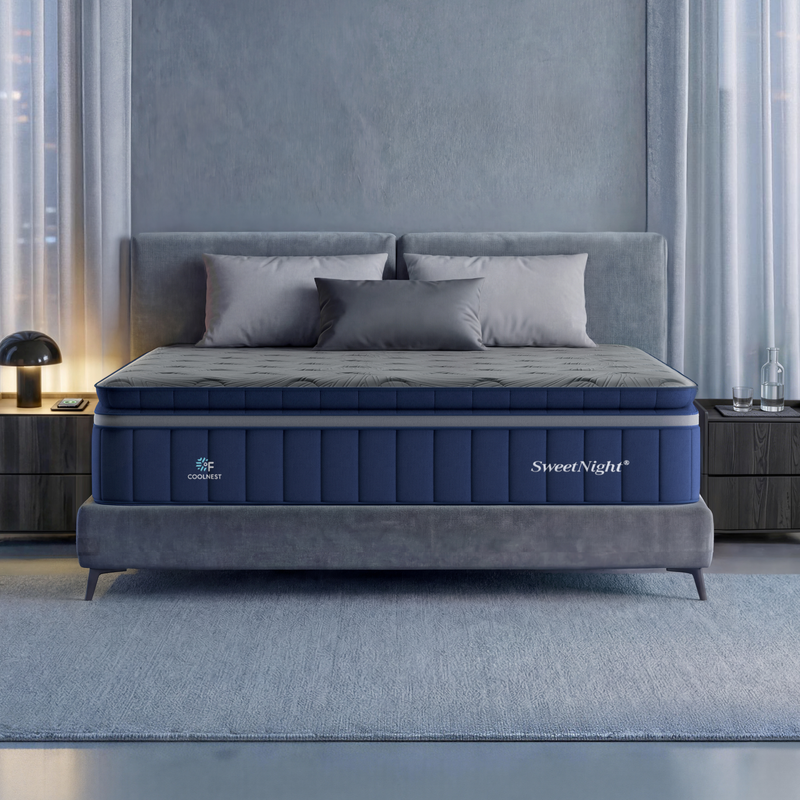
A mattress like the CoolNest® Ultra is built around exactly this combination: a high-density support core to keep a heavier body from sinking through, 7-zone targeted support that reinforces the hip and lower-back region where larger bodies concentrate their weight, adaptive memory foam dense enough to contour without bottoming out, and cooling engineered in so the supportive foam doesn’t sleep hot for bodies that tend to run warm. That pairing of zoning, density, and structure is how a single well-designed bed manages to properly support a higher body weight that a standard, average-calibrated mattress simply can’t. If support and sagging have been your recurring issues, a zoned mattress is worth looking at first.
What to Look For in a Mattress Built for Higher Body Weight
Let’s turn all of this into a practical shopping checklist you can actually use, so you stop relying on labels written for lighter people and start filtering for what your body needs. Work through these in order and you’ll skip most of the expensive trial and error heavier shoppers usually endure:
- Prioritize the support core. Look for a thick, high-density foam core or robust, quality coils — this is what keeps you from sinking through, so make it your first filter, not an afterthought.
- Insist on real density. Ask about foam density and coil quality rather than trusting the firmness number; density is what predicts both support and how long the bed will last under your weight.
- Choose adequate thickness. Favor a taller mattress so there’s enough material to support you without bottoming out on the base.
- Look for zoned support. Targeted reinforcement under the hips keeps a heavier body’s spine aligned far better than a uniform surface.
- Check the edges. Reinforced perimeters keep the sides from collapsing and give you the full usable surface of the bed.
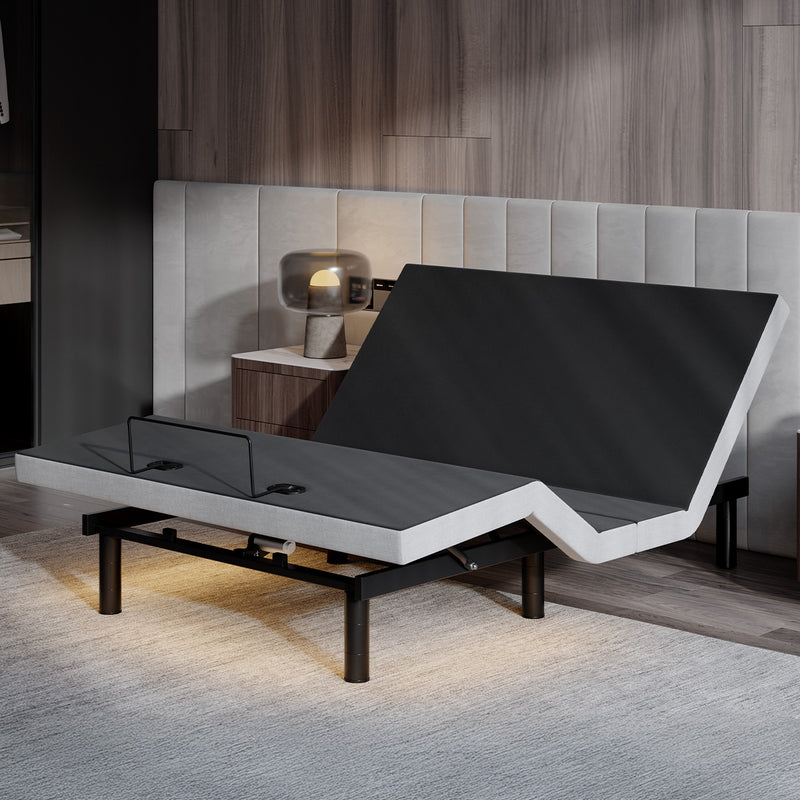
- Weight durability heavily. Since a larger body wears a bed faster, lean toward genuinely durable, high-density construction — and a good foundation with center support underneath.
- Use the trial period as your real test. Sleep on it for several weeks in your own bed; that’s the only honest test of how it supports your actual weight.
Follow that and you’re choosing for the body you actually have rather than the average one the marketing assumes. Starting from lineups built for the job — whether that’s a durable, supportive, or heavier-body-focused selection — saves you from re-learning these lessons the expensive way, one sagging mattress at a time.
Choosing a Mattress That Supports Your Actual Body
The big takeaway is simple and it explains a huge share of heavier sleepers’ bad mattress experiences: standard mattresses are calibrated for an average-weight body, and the further you are from that average, the worse the default products fit you. The bed everyone raved about that left you sore wasn’t defective — it was designed for someone lighter. The “medium” that felt mushy, the firm surface that sagged in a year, the edges that collapsed — all of it traces back to materials sized for a smaller load than yours.
Once you see it that way, the fix stops being a mystery. You don’t need to keep gambling on popular picks and hoping; you need to shop for the specific things a higher body weight requires — a strong high-density support core, thick durable comfort layers, adequate thickness, zoned reinforcement under the hips, sturdy edges, and genuine longevity — on a solid foundation, and then confirm the fit with a real at-home trial. Those features aren’t exotic or unaffordable; they’re just what standard beds leave out to hit an average-weight price point.

So match the mattress to your actual body, not to the average the labels assume. Make density and support your headline priorities, treat firmness ratings as a loose hint rather than a promise, and lean toward adaptive, zoned designs built to take the force you put into them. Do that and support stops being a gamble that fails you every couple of years. You end up on a bed that keeps your spine aligned night after night and holds up for the long haul — because for once, it was actually built for a body like yours.