










Search this question and you will get the same nine bullet points on every page: better sleep, healthier skin, more intimacy, better sperm quality, weight loss. Almost none of them tell you the one thing that actually decides whether sleeping naked works for you.
Here it is: sleeping naked only helps if the layer you removed was the one blocking your heat. Take off a cotton t-shirt and then climb under a thick synthetic duvet on a mattress that holds warmth, and you have removed roughly 5% of your insulation while leaving 95% in place. That is why so many people try sleeping naked, feel no difference, and conclude the whole idea is a myth. It is not a myth. It is just a small lever that only moves when it is the right lever.
This guide starts from the thermodynamics, sorts the benefits that survive scrutiny from the ones that do not, and gives you a three-night test that answers the question for your body rather than for an average one.
Is It Good to Sleep Naked? The Short Answer
Yes, for a specific group of people, for one specific reason, and with one condition attached.
- The group: people who run warm at bedtime, who take a long time to fall asleep, or who wear heavy or synthetic sleepwear.
- The reason: sleep onset is gated by heat loss, and one less insulating layer means faster heat loss.
- The condition: the rest of your sleep surface has to let that heat go somewhere. If it does not, undressing accomplishes nothing.
And it is genuinely not for everyone. If you sleep cold, wake with cold feet, or share a bed with someone who steals the covers, sleeping naked can push you into the shivering range, and shivering fragments sleep just as effectively as overheating does.
What Sleeping Naked Actually Changes: The Heat-Loss Mechanism
Falling asleep is not purely a brain event. It is a heat event with a brain attached.
In the couple of hours before sleep, your body begins dumping heat. Blood vessels in your hands and feet dilate, warm blood is routed to the skin surface, and heat radiates outward. Core temperature falls by roughly 1–2°F, and that fall is one of the physiological signals that lets sleep begin. The relationship is tight enough that the speed of that heat dump predicts how fast people fall asleep — the classic demonstration of this is Kräuchi and colleagues' work on the link between distal skin vasodilation and sleep-onset latency, which found that the degree of blood-flow-driven warming at the hands and feet was the strongest physiological predictor of how quickly sleep arrived.
So the useful way to think about clothing is not "comfort." It is thermal resistance — how much the layer slows heat leaving your skin. And your sleep setup is a stack of resistances:
| Layer | Roughly how much it insulates | Can you change it tonight? |
|---|---|---|
| Sleepwear (thin cotton tee and shorts) | Small | Yes — this is the layer you remove when you sleep naked |
| Sheet | Small, but fiber choice matters a lot for moisture | Yes |
| Duvet or comforter | Large — usually the biggest single layer | Yes |
| Mattress surface under you | Large, and it is the layer heat cannot escape downward through | No — requires a real change |
| Room air temperature | Sets the ceiling on how much heat can leave at all | Yes |
Look at that table and the honest conclusion writes itself. Sleepwear is the smallest adjustable layer in the stack. Removing it is a real change, but it is the change with the least leverage. That is not an argument against sleeping naked. It is an argument for fixing the big layers first and treating undressing as the final tuning step.
Benefits of Sleeping Naked That Actually Hold Up
Three benefits survive scrutiny. They are smaller than the internet claims, and they are real.
1. Faster heat loss at sleep onset
This is the main one, and it follows directly from the mechanism above. If you are someone who lies down warm and takes 25 minutes to drop off, removing an insulating layer speeds the heat dump that sleep onset depends on. People who already fall asleep in five minutes have no room to improve here.
2. Fewer micro-awakenings from fabric
This one is underrated because it is unglamorous. Sleepwear rides up, twists at the waist, bunches under the shoulder, and pulls when you turn. Each of those is a small arousal. You will not remember them, but they show up as the feeling of having slept lightly. Removing the fabric removes the friction. For restless sleepers and frequent position-changers this is often a bigger practical gain than the temperature effect. If you are turning all night because of pressure rather than fabric, the cause is different — see why shoulder pressure is common among side sleepers.
3. Skin that stays drier in a humid bedroom
In warm, humid conditions, trapped fabric holds moisture against the skin. Persistent damp skin under an occlusive layer is what leads to heat rash and irritation in skin folds. Removing that layer lets moisture disperse — provided air can actually move. Naked under a sealed synthetic duvet is more occlusive, not less.
Notice what is missing from this list: metabolic claims, hormonal claims, and immune claims. That is deliberate.
The Sleeping-Naked Claims That Don't Hold Up
These are repeated everywhere. They deserve a straight answer.
| The claim | Where it came from | The honest verdict |
|---|---|---|
| "Sleeping naked burns fat" | Brown-fat studies using sustained mild cold exposure, often around 66°F for hours while awake | Does not transfer. Being unclothed under a warm duvet is not cold exposure, and the measured energy effect is far too small to move weight anyway. We cover this in detail in sleeping naked for weight loss: fact or myth. |
| "It boosts fertility" | Real evidence that testicular temperature affects sperm production, plus survey data on tight underwear | Directionally plausible, wildly overstated. The evidence concerns sustained daytime heat — tight clothing, laptops, hot tubs, occupational heat. Seven or eight hours unclothed under bedding is a marginal contribution, and no study has shown a fertility outcome from sleeping naked specifically. |
| "It prevents yeast infections" | The genuine principle that a dry, ventilated environment discourages candida overgrowth | Partly reasonable, commonly overpromised. Breathability helps; sleeping naked is one way to get it, and loose cotton underwear is another that works about as well. Treat it as general hygiene, not as prevention or treatment. Recurrent infections need a clinician, not a bedding change. |
| "It lowers cortisol" | Sleep quality and cortisol are genuinely linked | Backwards. Better sleep can improve cortisol rhythm; there is no evidence that being unclothed does anything to cortisol on its own. Any benefit here is downstream of sleeping better, if you sleep better. |
| "It improves your relationship" | Survey correlations between skin contact and reported closeness | Correlation, and possibly reversed causation. Couples who feel close are also more likely to sleep unclothed. Nice if it applies to you; not a health mechanism. |
None of this means sleeping naked is pointless. It means the reason to do it is the boring thermal one, not the exciting metabolic one.
Why Some People Sleep Naked and Still Wake Up Hot
This is the most common complaint we hear, and it has a specific signature.
Ask where the sweat is. If you are damp all over, the problem is the room or the duvet. If you are damp only where your body presses into the mattress — the middle of the back, the hips, the shoulder you sleep on — the problem is underneath you, and undressing was never going to fix it.
The mechanism is straightforward. Traditional memory foam is viscoelastic: it softens as it warms toward skin temperature. As it softens, you sink further in, and more of your body is enclosed by foam rather than exposed to air. That contact area is where heat cannot radiate away and where humid air has nowhere to go. You end up with a sealed warm pocket that follows the exact shape of your body — which is why the sweat pattern maps to your contact points so precisely. We break down the full mechanism in why memory foam feels hot during sleep.
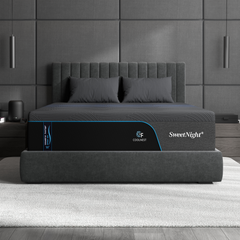
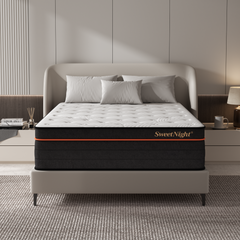
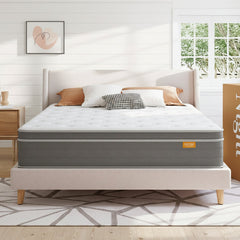
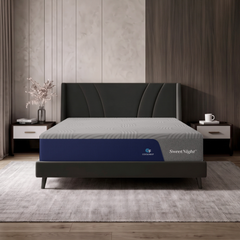
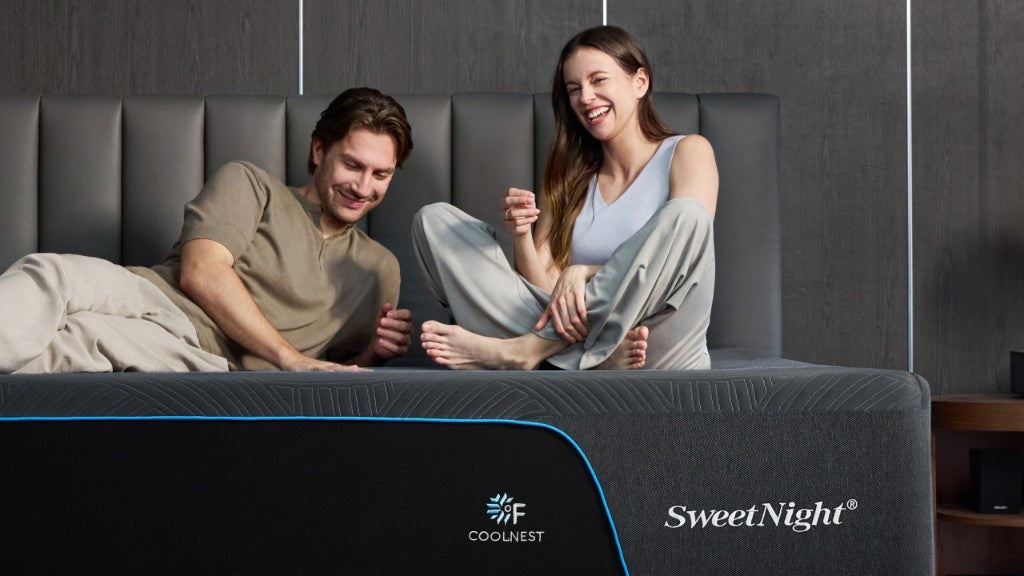
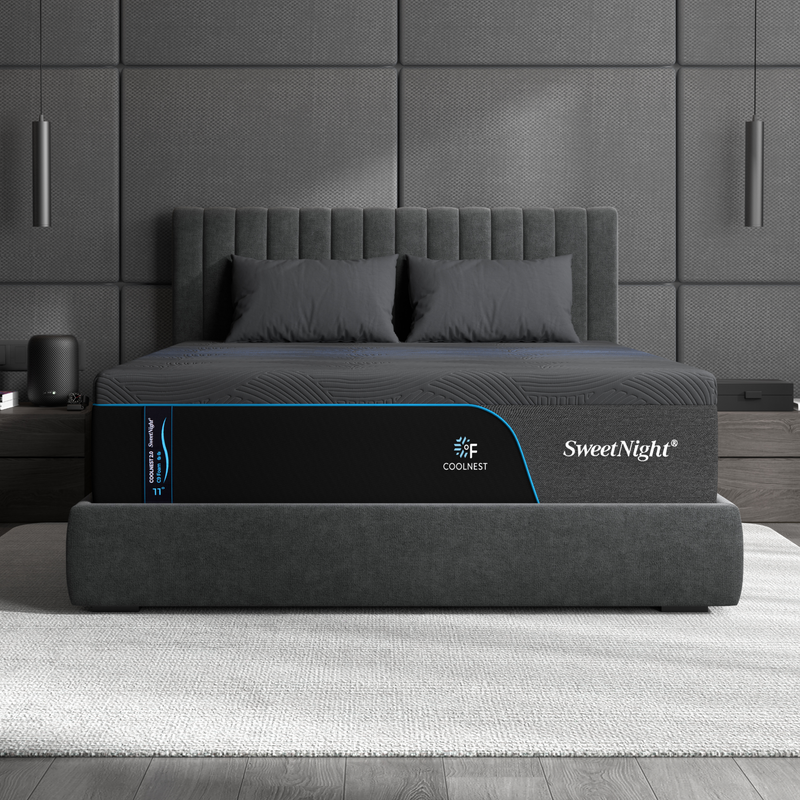
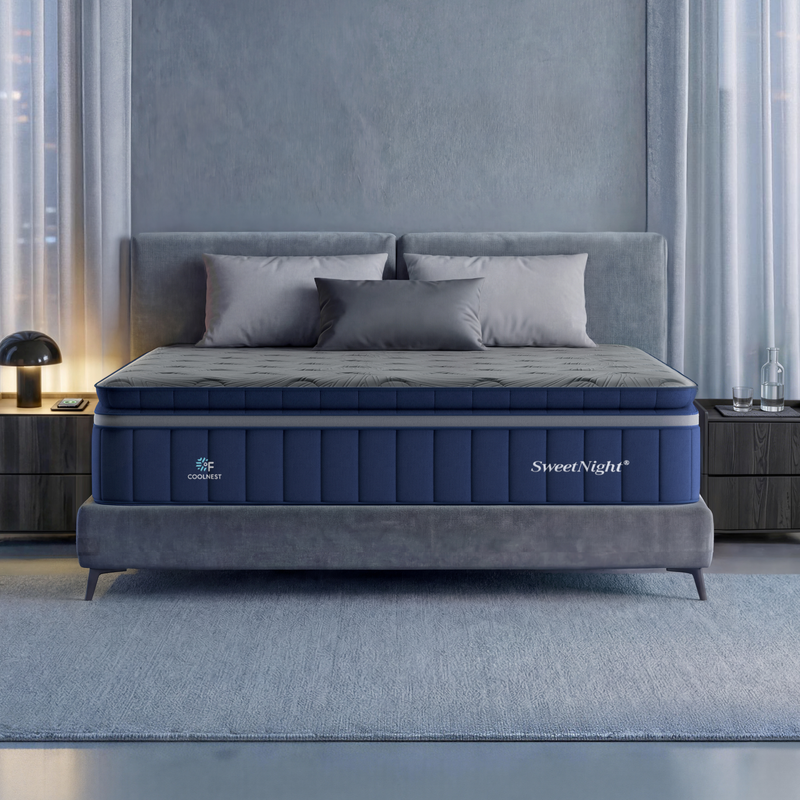
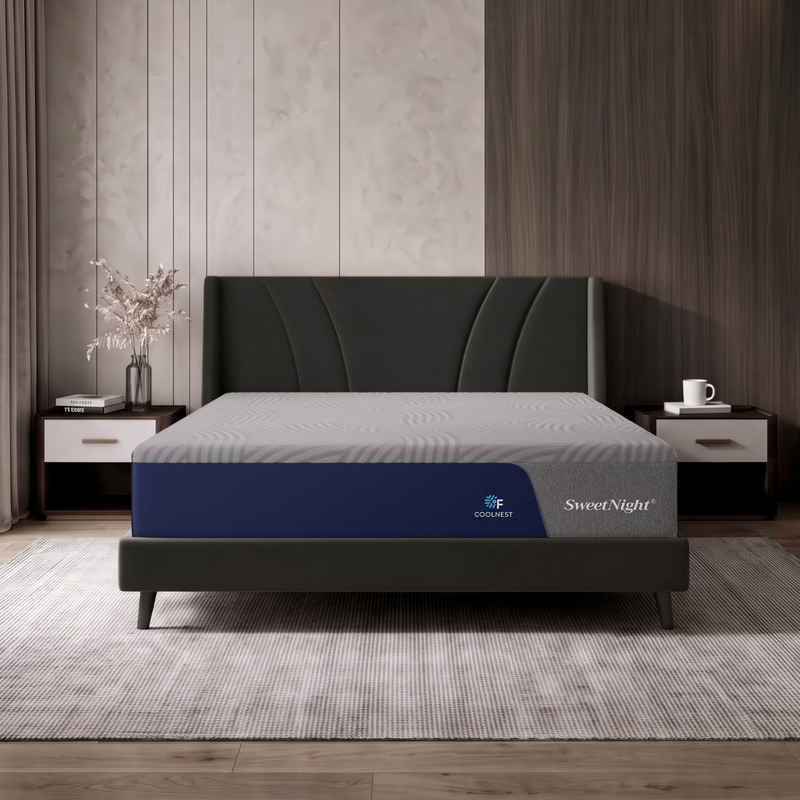
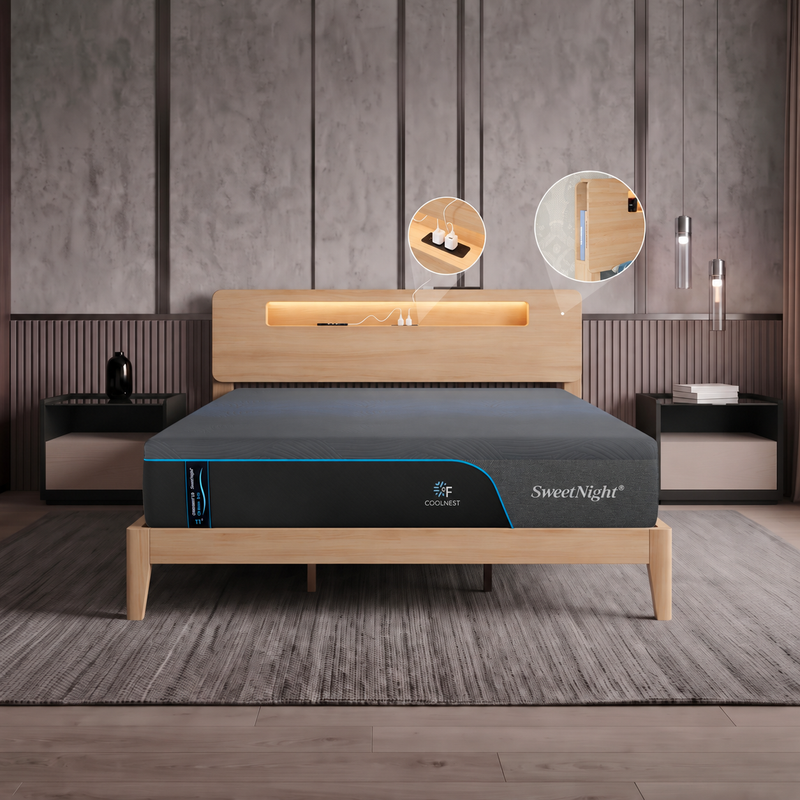
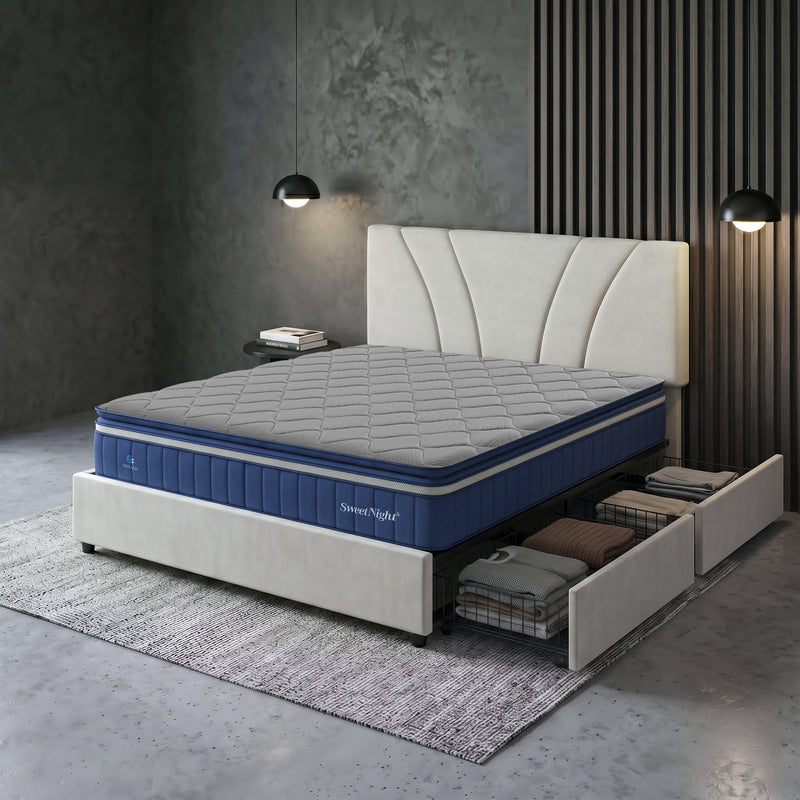
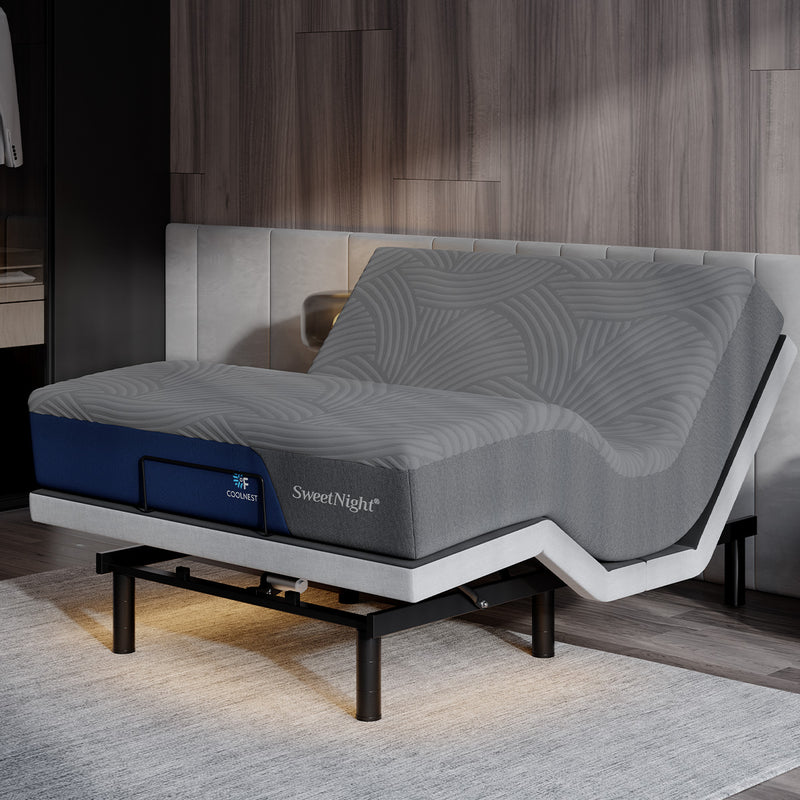
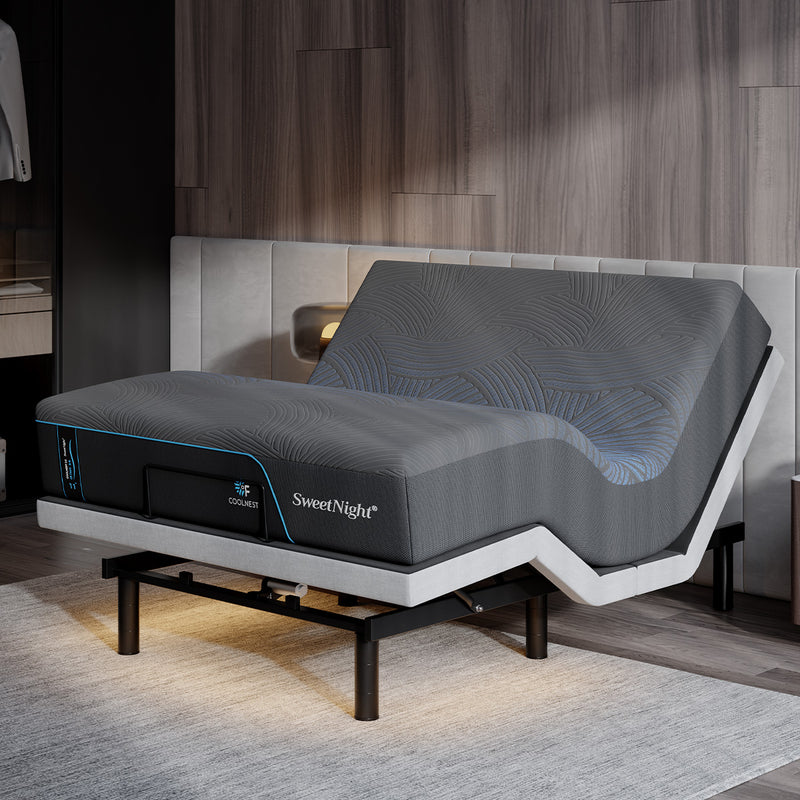
You cannot undress your way out of that. The fix has to open the space beneath you: an open-cell or gel-infused foam that resists softening, a hybrid with a coil layer that lets air move laterally, or at minimum a breathable protector rather than a waterproof vinyl one. Our CoolNest® Ultra cooling memory foam mattress is built around exactly this problem — phase-change surface plus an open-cell structure so the contact patch keeps venting instead of sealing. If you want the comparison across the range first, start with the best cooling mattress for hot sleepers.
If the sweating is drenching and happens even in a genuinely cool room, stop troubleshooting bedding and read night sweats: causes and how to stop them — that pattern points internal.
Who Should Sleep Naked — and Who Shouldn't
Averages are useless here. Find your row.
| If this is you | Verdict | Why |
|---|---|---|
| You lie down warm and take 20+ minutes to fall asleep | Try it — best case for benefit | You have room to speed up the heat dump that gates sleep onset |
| You wear fleece, flannel, or synthetic sleepwear | Try it, or switch fabric first | You are removing a genuinely significant layer, so the effect is real |
| You are in perimenopause or menopause with night sweats | Helps at the margin, not enough alone | Hot flashes are internally driven; see menopause, night sweats and sleep |
| You wake with cold hands and feet | Skip it | You need heat retention at the extremities, not more loss; socks often beat everything else here |
| You share a bed and lose the covers | Risky | Unclothed plus uncovered at 3 a.m. means waking cold, which fragments sleep as badly as heat |
| You have eczema or sensitive skin | Depends on your sheets | Direct skin-to-fabric contact all night makes fiber and detergent choice matter much more |
| You get up to children or on-call at night | Practical no | The friction of dressing at 2 a.m. outweighs a marginal thermal gain |
Is It Unhygienic to Sleep Naked? What Actually Matters
Sleeping naked is not dirty. But it does relocate the hygiene problem, and most articles skip this part.
Every night you shed skin cells, skin oils, and somewhere between a third of a cup and a full cup of moisture. When you wear sleepwear, a meaningful share of that lands on a garment you wash every few days. When you sleep naked, essentially all of it goes into your sheets. Nothing about that is dangerous — it just means your sheets are now doing the job your pajamas were doing, and they need to be treated accordingly.
Practical version:
- Wash sheets weekly. Not fortnightly. This is the single change that matters, and it matters more if you sleep naked than if you do not.
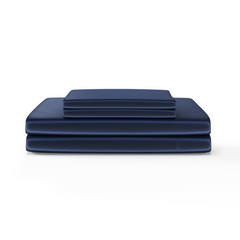
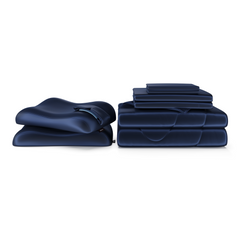
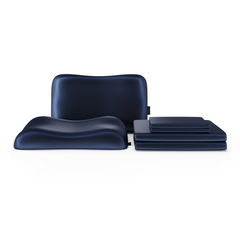
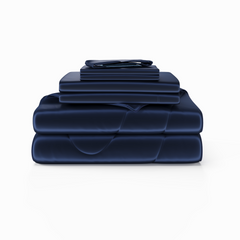
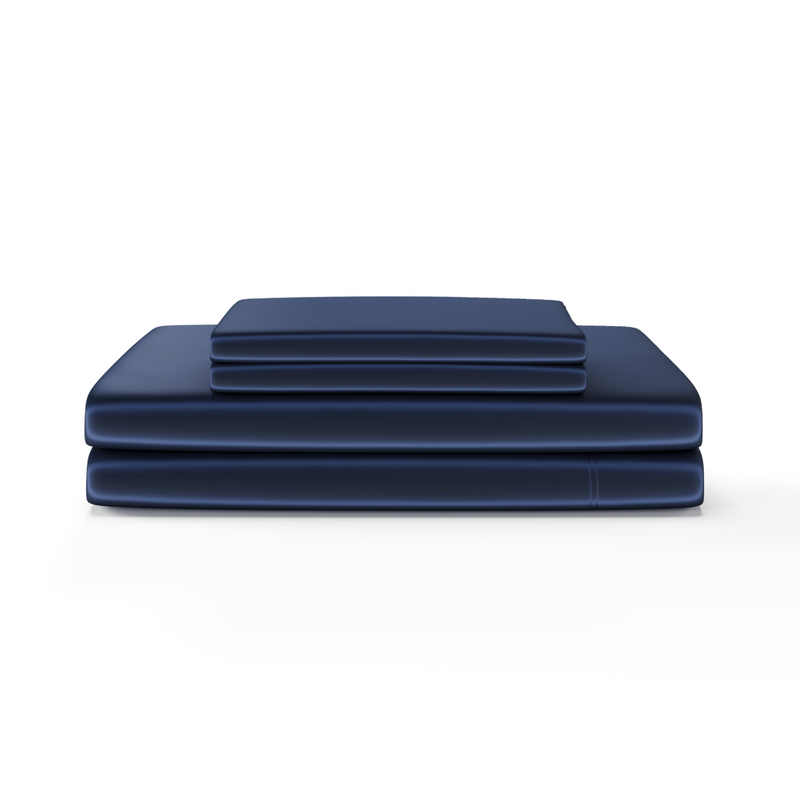
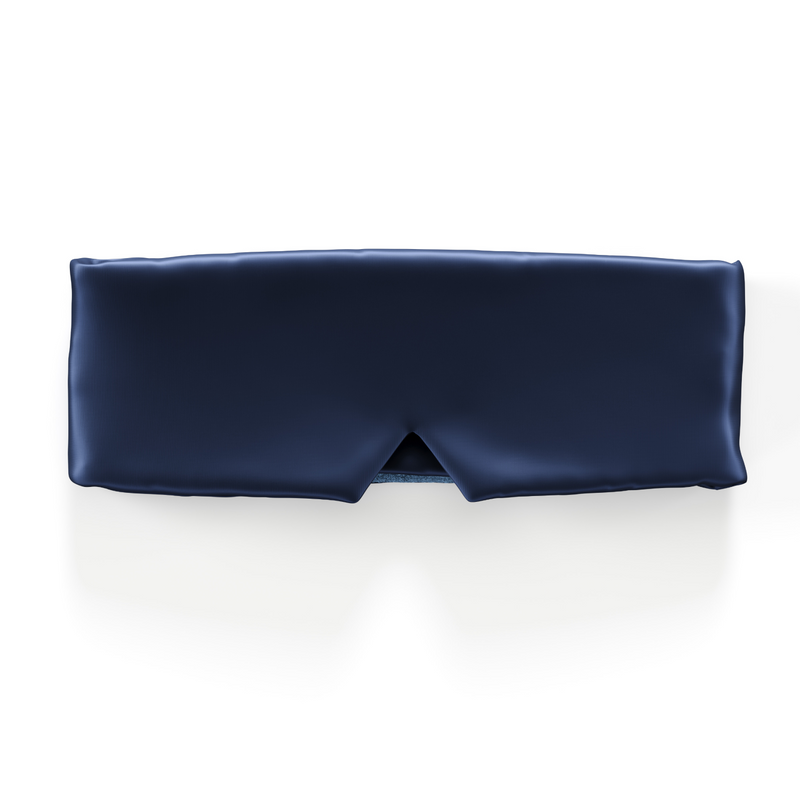
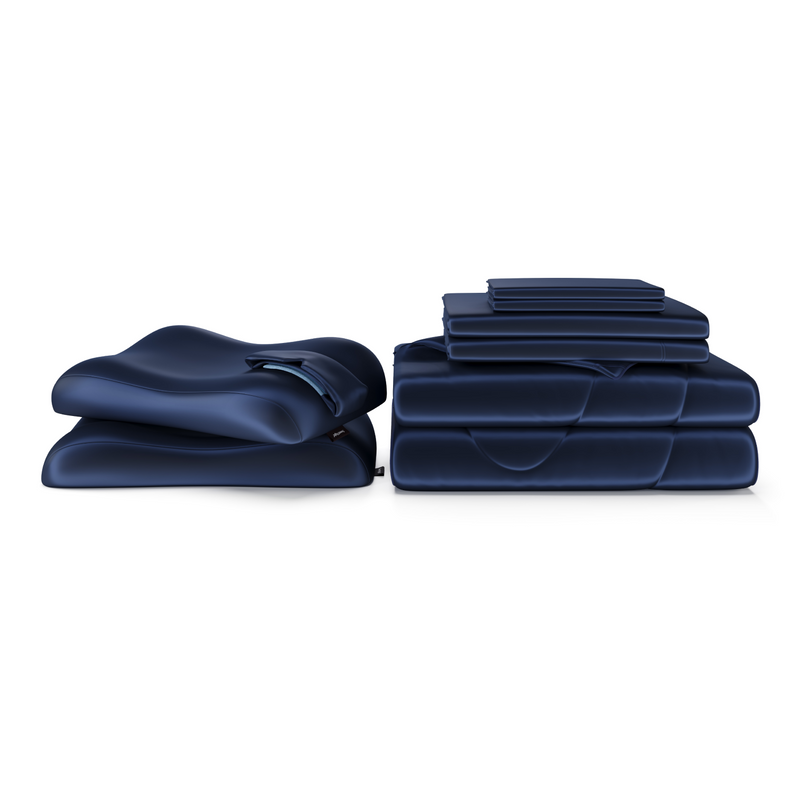
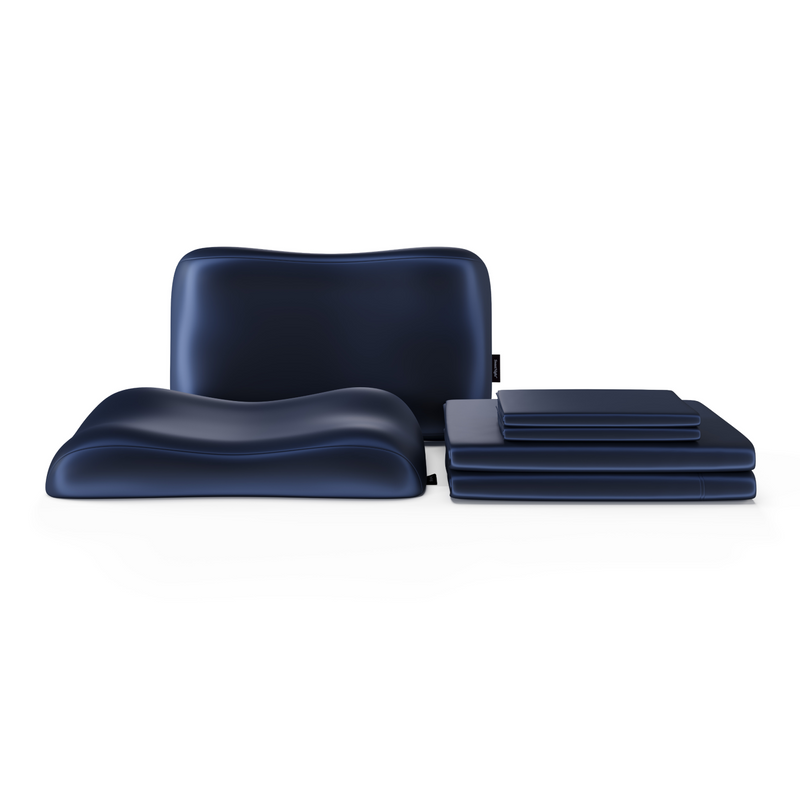
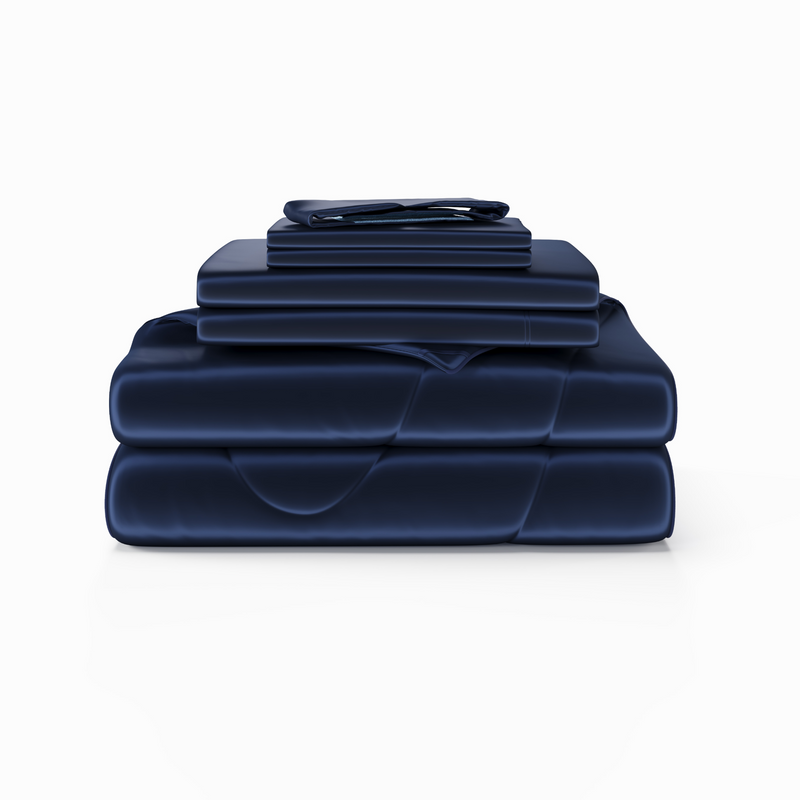
- Pick a fiber that moves moisture. Cotton percale, bamboo viscose, linen, and TENCEL™ all wick and release moisture; polyester microfiber tends to hold it against the skin. Our comparison of cooling sheets — cotton vs bamboo vs linen vs TENCEL covers the trade-offs, and the CoolNest® Cooling Sheet Set is our own answer to it.
- Use a breathable mattress protector. A waterproof vinyl protector solves the stain problem and creates the humidity problem. Breathable membrane protectors do both jobs.
- Air the bed before making it. Throwing the duvet back for twenty minutes lets overnight moisture evaporate instead of getting sealed in. Costs nothing.
Sleeping Naked vs Pajamas: Which Is Actually Better?
Here is the finding that surprises people: for many hot sleepers, thin moisture-wicking sleepwear slightly outperforms sleeping naked.
The reason is evaporation, not insulation. Sweat cools you only when it evaporates. Bare skin pressed against a sheet holds a film of moisture in a thin, poorly ventilated gap, where it sits rather than evaporates. A light, loose, wicking fabric does something better: it pulls moisture off the skin and spreads it across a much larger surface area, where it can actually evaporate and carry heat with it. That is the same principle behind technical athletic wear, and it does not stop applying at bedtime.
So the practical ranking for a hot sleeper, best to worst:
- Thin, loose, moisture-wicking sleepwear (merino, TENCEL™, bamboo, technical cotton blends)
- Sleeping naked
- Standard cotton jersey pajamas
- Anything fleece, flannel, or heavyweight synthetic
The gap between the top two is small, and it flips depending on your bedding and how much you sweat. The gap between the top two and the bottom one is large. If you only change one thing, change the heavy sleepwear — whether you replace it with light fabric or with nothing is close to a coin flip.
How to Test Whether Sleeping Naked Works for You: A 3-Night Protocol
Trying it once and going by feel does not work, because how you slept last night depends on far more than what you wore. Run this instead. It takes three nights and one cheap room thermometer.
Control the variables first. For all three nights, keep the room in the 65–68°F range that most adults sleep best in (see the Sleep Foundation's guidance on the best temperature for sleep), use the same duvet, and keep alcohol and heavy late meals out of the three hours before bed. Those three factors swamp the clothing effect if you let them move.
- Night 1 — baseline. Sleep exactly as you normally do. In the morning, record three numbers: roughly how long it took to fall asleep, how many times you remember waking, and whether you woke damp anywhere.
- Night 2 — naked. Same room, same duvet, no sleepwear. Record the same three numbers.
- Night 3 — thin wicking layer. Same room, same duvet, light loose wicking sleepwear. Record again.
Then read the result:
- Night 2 and 3 both clearly better than Night 1 → your old sleepwear was the bottleneck. Pick whichever of the two you prefer; both work.
- Night 3 best → you sweat enough that evaporation matters more than insulation. Wicking sleepwear is your answer, not nakedness.
- Night 2 best → friction and bunching were costing you more than moisture. Sleep naked.
- All three roughly identical, and you still wake warm → clothing is not your variable. The heat is in the duvet, the room, or the mattress — and if the dampness maps to your contact points, it is the mattress. Start with why do I get hot when I sleep.
- You woke cold on Night 2 → clear answer. Sleeping naked is not for you, and that is a legitimate result rather than a failure.
Three nights is enough to see a clothing effect if one exists, and short enough that you will actually finish it.
Fix the Big Layers First
If you take one thing from this page, make it the order of operations. Sleeping naked is the last 5% of a heat problem, and people keep reaching for it first because it is free.
- Room temperature. Biggest single lever, and the cheapest to test. Details in the best AC temperature for sleeping.
- The duvet. The most over-insulated item in most bedrooms. A season-appropriate tog rating beats every clothing decision you will ever make.
- The mattress surface. The layer you cannot ventilate around, and the one that produces contact-point sweating.
- Sheets and protector. Fiber choice decides whether moisture leaves or sits.
- What you wear, or don't. Real, small, and worth tuning once the four layers above are handled.
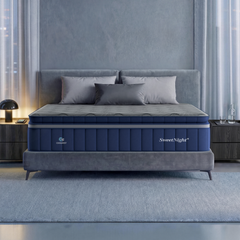
If you are working through this list and the mattress turns out to be your bottleneck, our current bundles and mattress offers are on the SweetNight deals page, and the full lineup sits in the best cooling mattress collection.
Frequently Asked Questions About Sleeping Naked
Is it good to sleep naked every night?
If it works for you, yes — there is no cumulative downside and no adaptation effect that wears off. The only ongoing cost is laundry: sheets need washing weekly rather than whenever you get round to it.
Does sleeping naked help you fall asleep faster?
It can, if slow heat loss is what is delaying you. Sleep onset tracks how quickly your body sheds heat through the skin, so removing an insulating layer helps people who lie down warm. It does nothing for people whose delay is mental rather than thermal — if your mind is racing, the problem is arousal, not insulation.
Is sleeping naked better for your skin?
In warm or humid conditions, yes, because trapped damp fabric against skin is what drives heat rash and irritation in skin folds. In a cool, dry bedroom the difference is negligible, and your detergent and sheet fiber matter more than whether you are dressed.
Should children sleep naked?
No. Infants and young children have less mature temperature regulation and should be dressed for the room, following current safe-sleep guidance. The reasoning in this article applies to adults.
Is it bad to sleep naked in winter?
Not bad, just often counterproductive. In a cold bedroom you are more likely to end up compensating with a heavier duvet, which puts more insulation back into the stack than the sleepwear you removed. Warm feet and a lighter cover usually beat cold feet and a heavy one.
Does sleeping naked make you sweat more or less?
Less, if the air around you can carry moisture away. More, effectively, if bare skin sits pressed against a sheet on a mattress that does not breathe, because the sweat has nowhere to evaporate to. The variable is airflow, not clothing.
The Bottom Line
Sleeping naked is a legitimate but modest intervention with one clear mechanism behind it: less insulation means faster heat loss, and faster heat loss means easier sleep onset. It is worth trying if you run warm, and worth skipping if you run cold.
What it is not is a fix for a hot bed. If you sweat where your body meets the mattress, no clothing decision touches that — the heat is trapped in a layer you cannot undress. Fix the room, the duvet, and the surface underneath you first. Then decide what to wear, and enjoy the fact that the answer might be nothing at all.