










Most mattresses last seven to ten years, but the material decides the math. A budget all-foam bed can start softening in three to five years, while natural latex often runs past twelve. And "lasting" isn't the same as "still supporting you" — most mattresses stop doing their job well before they look worn out.
Here's the question that almost never comes up in the showroom and should: how long is this thing actually going to hold up? People lie down for ninety seconds, decide it feels great, and hand over a card. Six hundred nights later they're waking up in a dip that swallows their hips, wondering why the bed that felt so good is now the reason their lower back is on fire.
Durability isn't the fun part of buying a mattress. It's the part that quietly decides whether you got a good deal or threw money in a hole. Below: realistic lifespans by material, the signs yours is failing, how to tell whether it's the mattress or the frame underneath it, and what actually separates a bed that lasts a decade from one that dies in year three.
Key Takeaways
- Seven to ten years is the honest baseline, but material shifts it dramatically in both directions.
- Foam density is the single most predictive spec. Comfort foam under 3 lb/ft³ breaks down fast; 4 lb and up holds shape for years.
- Mattresses fail gradually, not suddenly. By the time you notice, the decline has usually been underway for a year.
- Before blaming the mattress, check the foundation. A cracked slat or missing center support leg causes a lot of "sagging mattress" complaints.
- Warranty length does not predict lifespan. Third-party foam certification and disclosed construction specs predict it much better.
- Judge value as cost per good night, not sticker price. A $900 bed that holds up nine years beats a $2,500 bed that craters at year four.
How Long Does a Mattress Last by Type?
Seven to ten years is the standard answer, and it's roughly right on average — but averages hide most of what matters here. Material and build quality move the number more than anything else:
| Mattress type | Realistic lifespan | What fails first |
|---|---|---|
| Budget all-foam (low-density comfort layer) | 3–5 years | Comfort foam softens and stops rebounding |
| Quality memory foam (4 lb/ft³ and up) | 8–10 years | Gradual softening in the sleeping zones |
| Traditional innerspring | 5–7 years | Coil fatigue, often before the padding wears |
| Hybrid (pocketed coils + foam) | 7–10 years | The comfort layer, usually before the coils |
| Natural latex | 10–15 years+ | Owners get bored before the material gives up |
These are baselines, not guarantees. You can shift them several years in either direction through body weight, foundation quality, and maintenance — all covered further down.
But "how long will it last" is still slightly the wrong question. The better one is "how long will it hold support," because a mattress can be structurally intact and completely finished. Foam rarely fails dramatically. It fails gradually: each night it compresses a little more and recovers a little less, until one morning you realize you've been rolling toward the center for months. It wasn't sudden. The decline had been happening the whole time, just below the threshold you'd notice, until it crossed the line where your body could no longer compensate.
Why Durability Is the Spec Almost Everyone Underweights
A mattress isn't a one-night purchase. It's a surface you'll spend roughly a third of your life on for the next seven to ten years — something like 20,000 to 30,000 hours of load, heat, and movement. A pair of shoes that wears out in a year is annoying. A bed that wears out in three is a nightly tax on your sleep, and sleep touches everything else.
Durability gets ignored because it's invisible at the point of sale. Comfort is instant — you feel it the second you lie down. Durability only reveals itself months later, long after the return window closed. That gap is exactly why so many people get burned. They optimize for the ninety-second test and forget that the real test happens in month eighteen, when the foam has started to soften and the support core is quietly giving up. If you judge a mattress only by how it feels in the store, you're judging it on the one thing guaranteed to change.
The cost-per-good-night test
Take the price and divide it by the nights you'll actually sleep well on it — not the nights until it technically falls apart:
| Scenario | Years of good support | Cost per night |
|---|---|---|
| $1,200 mattress, well built | 8 years | $0.41 |
| $1,200 mattress, sags at year 3 | 3 years | $1.10 |
| $900 mattress, well built | 9 years | $0.27 |
| $2,500 mattress, plush top fails early | 4 years | $1.71 |
And that's before you count the poor sleep and the back pain. Framed this way, durability stops being the boring part of the decision and starts looking like the whole point of it.
7 Signs Your Mattress Is Losing Support
You don't need a lab to catch a failing mattress. Your body runs the test every night:
- You wake stiff or sore and feel better an hour after getting up. This is the clearest tell. Worse in bed, better once you're moving, almost always means a surface that's no longer holding your spine neutral.
- Visible dip under a straight edge. Lay a broom handle or level across the mattress and look for daylight underneath, especially through the middle third.
- Body impressions deeper than about an inch that are still there in the morning after the bed has had all night to recover.
- The edges cave when you sit down to tie your shoes.
- You and a partner drift toward each other — the classic valley that forms once the support core softens in the sleeping zones.
- More motion transfer than there used to be. Degraded foam absorbs less movement, so a bed that used to be quiet gets bouncier as it ages.
- The surface feels lumpy or uneven rather than uniformly soft.

Catch these early and you can sometimes buy time with a firm topper or a rotation. Ignore them and you're just paying in back pain.
Is It the Mattress, or the Foundation Underneath It?
Before you write off a mattress, check what it's sitting on. A surprising share of "my bed is sagging" complaints turn out to be the base, and people replace a perfectly good mattress when a small fix would have solved it.

Pull the mattress off and run through this:
- Any slat cracked, bowed, or shifted out of position? A single broken slat produces exactly the dip people blame on foam.
- Slats spaced more than about three inches apart? Wide gaps let foam sag between them and will void most warranties on top of it.
- Missing center support leg on a queen or king? This is the most common cause of a mid-bed crater, and the cheapest to fix.
- Old box spring with its own coils? Those coils fatigue too, and a caved box spring drags a good mattress down with it.
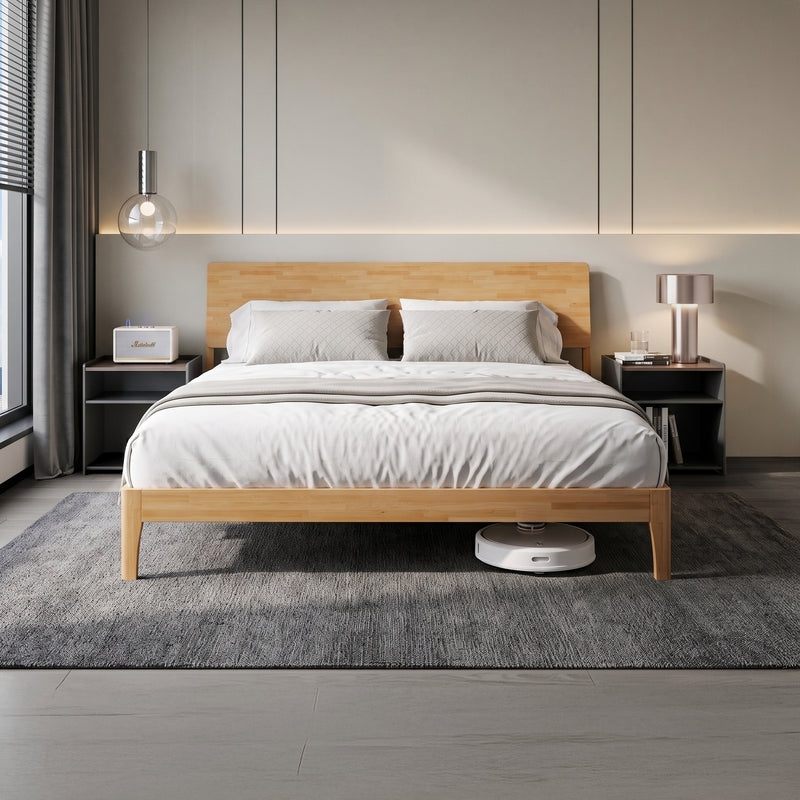
If the foundation is solid and flat and the mattress still craters, the mattress is genuinely done — and now you've confirmed it instead of guessing. If the base is the problem, a proper platform bed frame costs a fraction of a new mattress and will protect whatever you buy next.
What Actually Makes a Mattress Durable
Durability is built in at the factory, not sprayed on afterward, and a handful of specs tell you almost everything.
Foam density is king
For memory foam, density is the most predictive number on the spec sheet. Comfort foam under 3 pounds per cubic foot tends to break down fast. Four pounds and up holds its shape for years. Two mattresses can feel identical in a showroom and be five years apart in real lifespan, and density is usually why.
The support core does the heavy lifting
High-density polyfoam or, better, individually pocketed coils of a decent gauge will outlast a slab of cheap base foam. This is the layer carrying your weight all night — a plush comfort layer over a weak core is a bed that dishes out early no matter how good the top feels.
Construction spreads the wear
Zoned support — firmer under the hips, softer under the shoulders — distributes load intelligently so no single area absorbs all the wear. That matters more than it sounds, because mattresses don't wear out evenly; they wear out exactly where your heaviest parts sit. A reinforced perimeter keeps the edges from collapsing, which otherwise shrinks a bed as it ages. Quality stitching and a cover that handles heat and moisture keep the whole system from degrading early.
Certification is the spec most shoppers skip
Here's the one worth adding to your checklist: CertiPUR-US® certification. It tests foam for durability performance alongside content and emissions standards, and it's third-party verified rather than brand-claimed. For a category where "high-density premium foam" is a phrase anyone can print on a box, an independent certification is one of the few checkable signals you get.
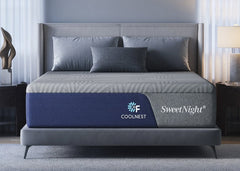
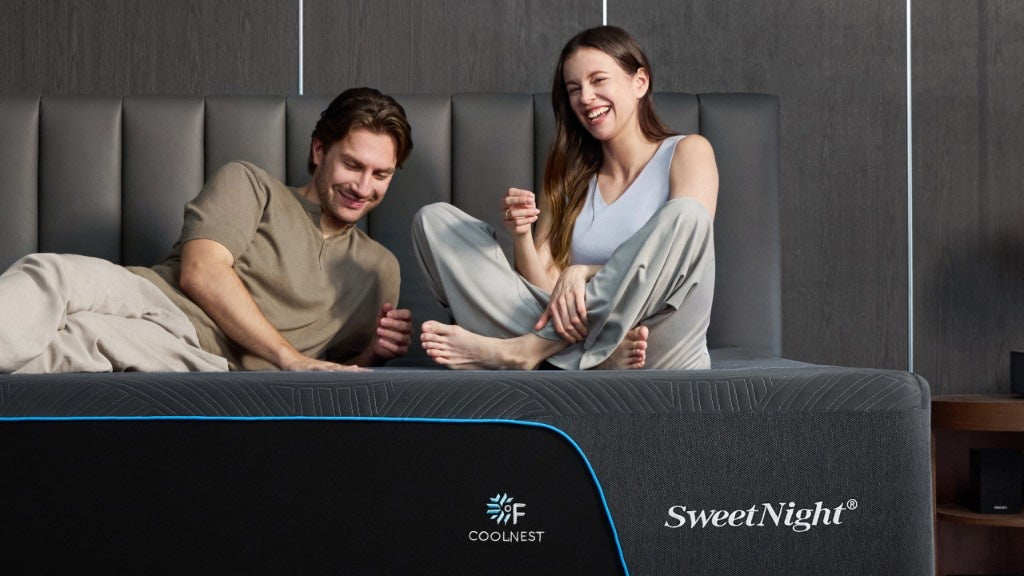
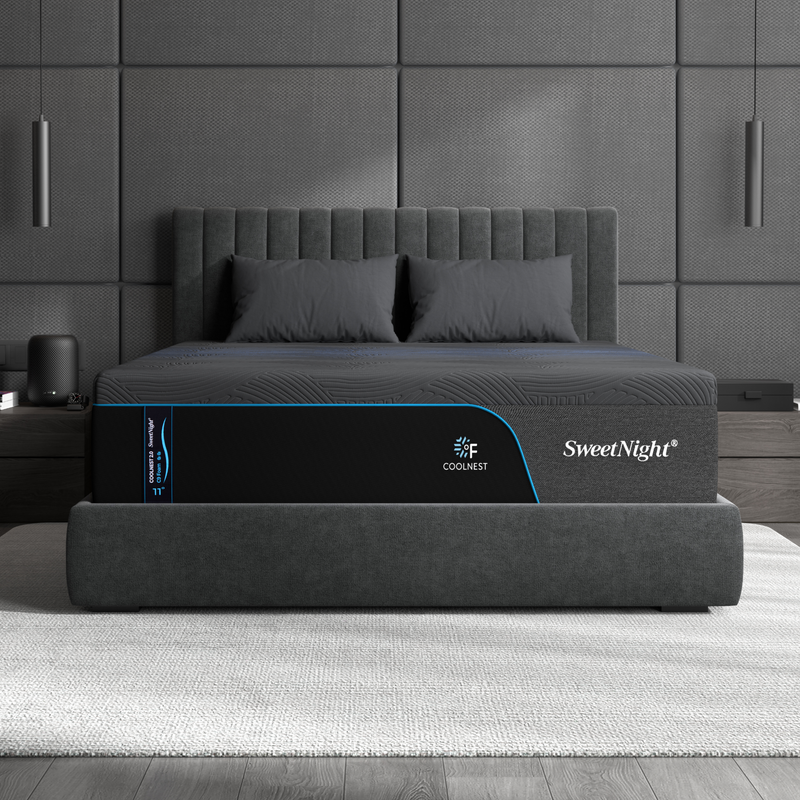
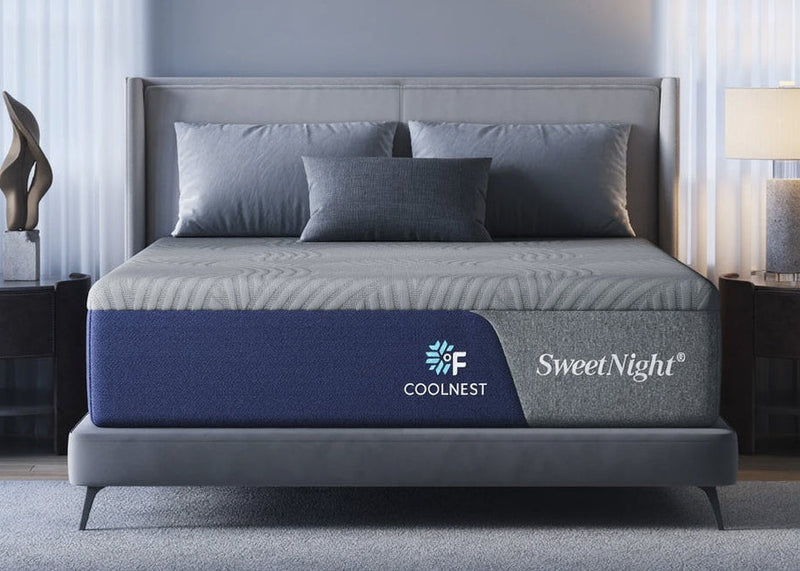
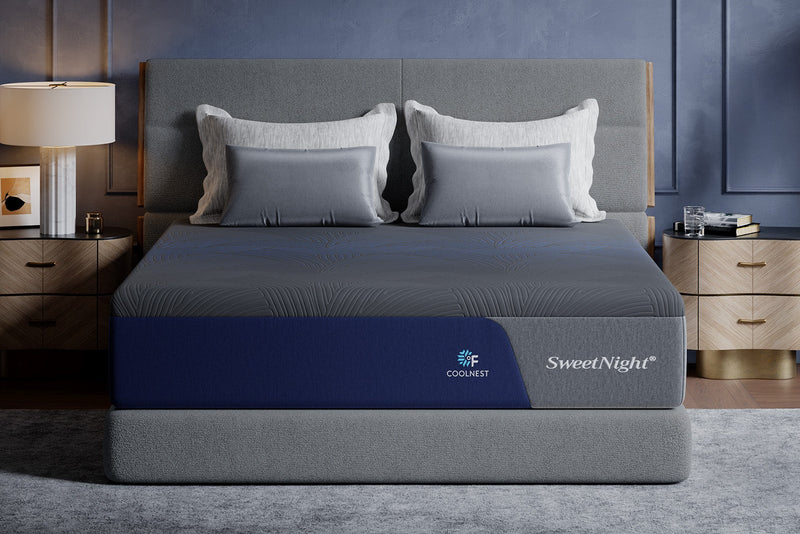
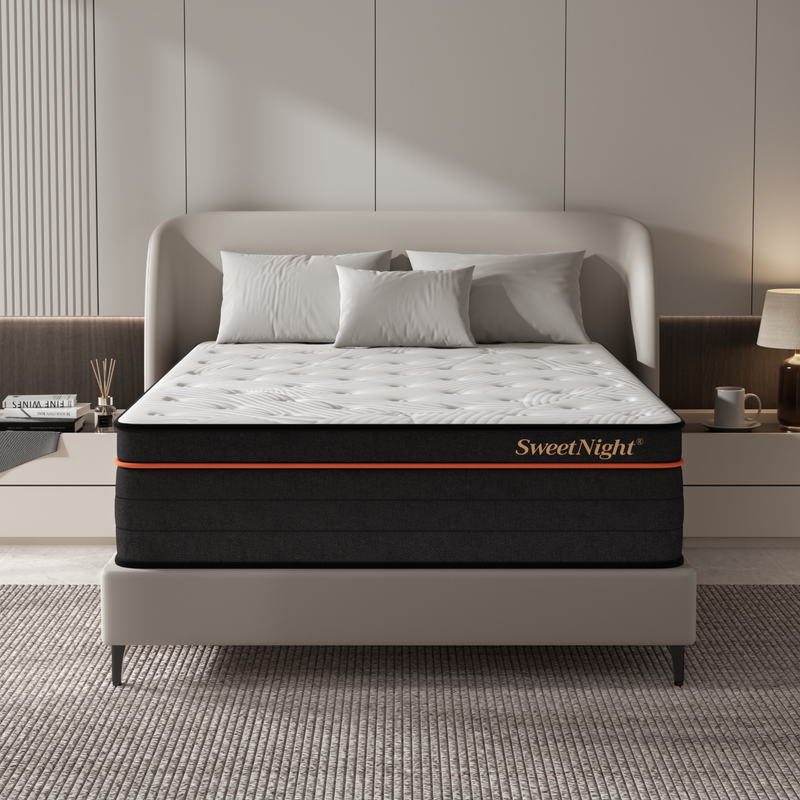
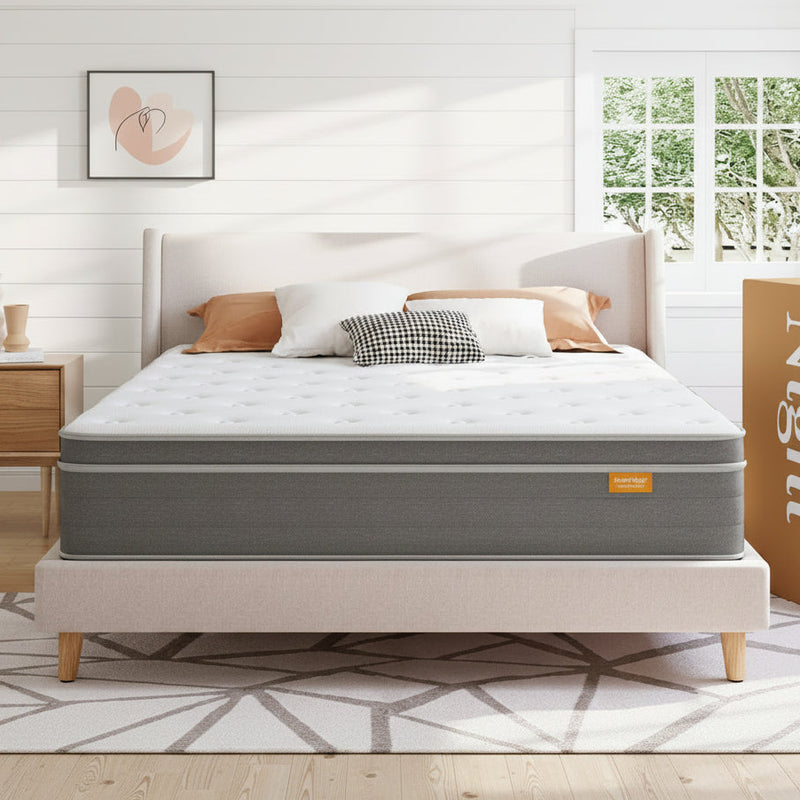
Every SweetNight foam is CertiPUR-US® certified, and the CoolNest® Ultra pairs that with an OEKO-TEX® STANDARD 100 certified cover, a high-density support foam base, and a 7-zone contour-cut design that spreads load away from the sleeping zones. When you're comparing options, a curated lineup built around long-term support is a faster way to see these features side by side than decoding a hundred spec sheets on your own.
What a Mattress Warranty Does and Doesn't Cover
People assume a long warranty means a durable mattress. It doesn't — but the reason is more useful than "ignore warranties," so it's worth getting right.
What a warranty actually covers is manufacturing defect, primarily sagging beyond a stated depth — commonly around an inch to an inch and a half, measured with no weight on the bed. That's a defect threshold, not a comfort threshold, and the two are different things. Your back can start protesting well before a dip reaches the depth that qualifies as a manufacturing fault.
What warranties generally don't cover is normal softening — a bed that got less supportive without developing a measurable dip. That's not a defect in warranty language, even when it's the precise reason someone is uncomfortable. Most also require an approved foundation for the full term and a stain-free mattress, so the wrong bed frame or one bad spill can void the whole thing.
So the practical reading is this:
A warranty tells you what a brand will replace. It doesn't tell you how long the bed will feel good. Treat it as the floor, not the forecast — and pay attention to how specific it is. A warranty that names an exact sag threshold and term is more informative than a vague "lifetime" promise, because you can actually check it against the build.
Then go read the things that do predict lifespan: foam density, support core construction, perimeter reinforcement, and third-party certification. A twenty-year warranty on a bed built from 1.5-pound foam is a marketing promise. A ten-year warranty on CertiPUR-US® certified foam over a high-density core is a build you can evaluate. SweetNight's warranty terms are published in full if you want to see what a specific one reads like.
Memory Foam vs Hybrid: Which Lasts Longer?
This is the matchup people argue about most, and the honest answer is that construction quality beats category every single time.
All-foam
A high-density memory foam mattress has no moving parts to fatigue. Nothing rusts, nothing squeaks, nothing loses tension. Its only real enemy is the slow softening of the foam itself, which good density largely solves. That's why a well-made foam bed can quietly outlast beds that cost twice as much.
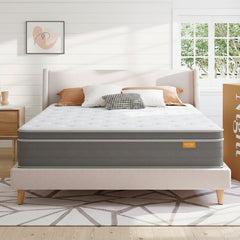
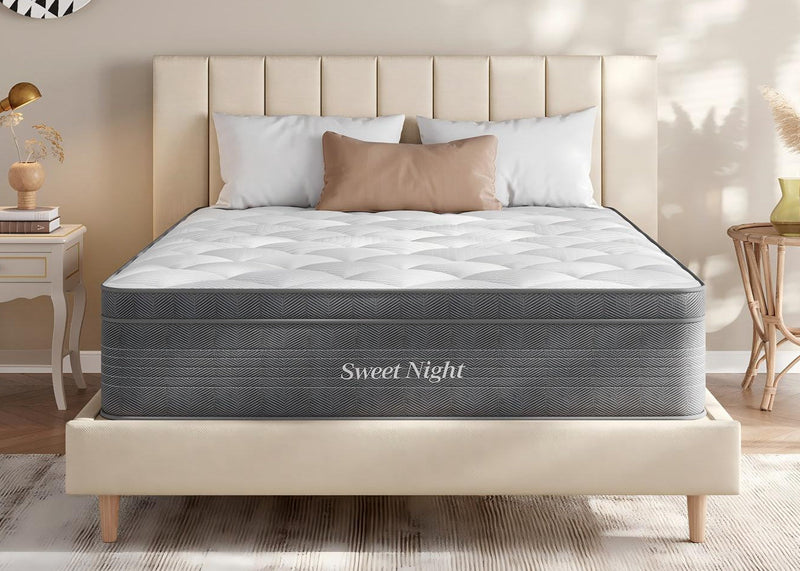
The CoolNest® Ultra is a useful example of what that looks like built properly — it's an all-foam mattress, not a hybrid, layering CertiPUR-US® certified foams over a thicker high-density support base, with 7-zone contour-cut support so the hip and shoulder zones aren't absorbing all the wear. It comes in 12", 14" and 16" heights (Queen and King currently), with a 100-night trial and a 10-year warranty covering sag over 1.5 inches.
Hybrid
A hybrid pairs a coil support core with foam comfort layers, and its durability depends on both together. Pocketed coils are resilient and breathe well — but a hybrid with thin, low-density foam on top can still develop surface impressions while the coils remain perfectly fine. The comfort layer wears out before the engine does. Which is exactly why coil count alone tells you very little; what's sitting on top of those coils is doing most of the aging.
The gut check
When comparing two beds, ask the product page three questions: what's the density of the comfort foam, what's in the support core, and is the perimeter reinforced? If nobody can answer, that silence is an answer. A brand confident in its durability will tell you the foam is 4-plus pounds and the coils are individually pocketed, because those numbers sell the product to anyone who knows what they mean. A brand that dodges and pivots to how soft the pillow-top feels is telling you where the money went, and it wasn't into the parts that last.
How Body Weight and Sleep Habits Change the Math
The same mattress can last eight years for one person and three for another, and it isn't random.

Load is the biggest variable. Heavier sleepers compress foam and coils harder every night, so a bed that's under-built for their weight sags faster — sometimes dramatically faster. Heavier sleepers are better served by firmer, denser builds designed for the load than by a plush bed that feels amazing for a month and then bottoms out. A genuinely mattress built for heavier loads is less about firmness preference and more about longevity when there's real weight on it. Our mattress firmness guide covers how to match firmness to body type, and the thickness guide explains why heavier sleepers usually want more material underneath them.
Habits pile on from there. Always sleeping in the exact same spot concentrates wear into one crater instead of spreading it. Sitting on the same edge daily breaks down the perimeter. Skipping rotation, using slats spaced too far apart, letting the bedroom run hot — none of these are dramatic on any single night. They're compound interest working against you, and they explain why two identical mattresses end up in wildly different shape after the same number of years.
Does a More Expensive Mattress Last Longer?
Not automatically, and this is where a lot of money gets wasted. Price pays for plenty that has nothing to do with lifespan: a showroom, an endorsement, a pillowy euro-top that feels luxurious and wears out first, a brand you've seen on TV. You can absolutely spend three thousand dollars on a mattress that sags in four years because the budget went to marketing and plush surface foam instead of a durable core.
At the same time, rock-bottom prices usually do mean corners were cut, and durability is the easiest place to cut because customers can't see it at checkout. The sweet spot is a mid-range bed from a maker that's transparent about foam certification and construction.
The trap that catches smart shoppers
Luxury surface comfort and long-term durability often pull in opposite directions. The plushest, most pillowy top layers — the ones that make you go "wow" in the store — are usually the softest, lowest-density foams, which means they're first to break down. The exact feature that closes the sale is frequently the one that fails first.
That's not a reason to buy a rock-hard bed. It's a reason to be suspicious when a mattress feels like a cloud and costs a fortune. Ask what's under the cloud. A durable bed can still feel great — it just earns the feel through smart layering and density rather than a thick slab of the softest foam money can buy.
How to Make Your Mattress Last Longer
Most of this costs nothing and is the cheapest upgrade in the house:
- Rotate head to foot every three to six months so the same zone isn't always carrying your hips. This alone can add years to a bed's comfort life.
- Use a proper foundation — slats no more than about three inches apart, or a solid platform. A sagging base makes even a great mattress sag.
- Use a mattress protector. Moisture accelerates foam breakdown and voids most warranties anyway. See our mattress cleaning guide for the rest of the hygiene picture.
- Don't always sleep on the same six inches. Spread the load where you can.
- Keep the bedroom from running like a sauna. Heat softens foam over time.
- Buy time with a firm topper if the comfort layer is going but the core is still sound. It's a stopgap, not a fix — it won't correct a genuine sag.
And when it is finally time, our mattress disposal guide covers getting rid of the old one responsibly.
How to Buy a Mattress That Actually Lasts
- Check for third-party foam certification (CertiPUR-US® or equivalent). If a brand won't name one, ask why.
- Ask about comfort foam density. Four pounds per cubic foot and up for memory foam.
- Find out what's in the support core — high-density polyfoam or individually pocketed coils, not cheap base foam.
- Confirm the perimeter is reinforced, especially if you sit on the edge daily.
- Match the build to your body weight, not just your firmness preference.
- Read the warranty for what it excludes, not the number on the front — and prefer a specific term over a vague "lifetime."
- Check your existing foundation before you buy, so the new bed doesn't inherit the old problem.
- Insist on a real trial period. Ninety seconds in a showroom tells you nothing about durability. Weeks of real nights start to.
Where to start
If your current bed already has a permanent dip, the SweetNight mattresses built to resist sagging are the right shortlist — sagging is the failure mode you'll most want to avoid repeating. Every SweetNight mattress uses CertiPUR-US® certified foam and ships with a 100-night risk-free trial and a 10-year warranty, which is the closest thing there is to testing durability before you commit.

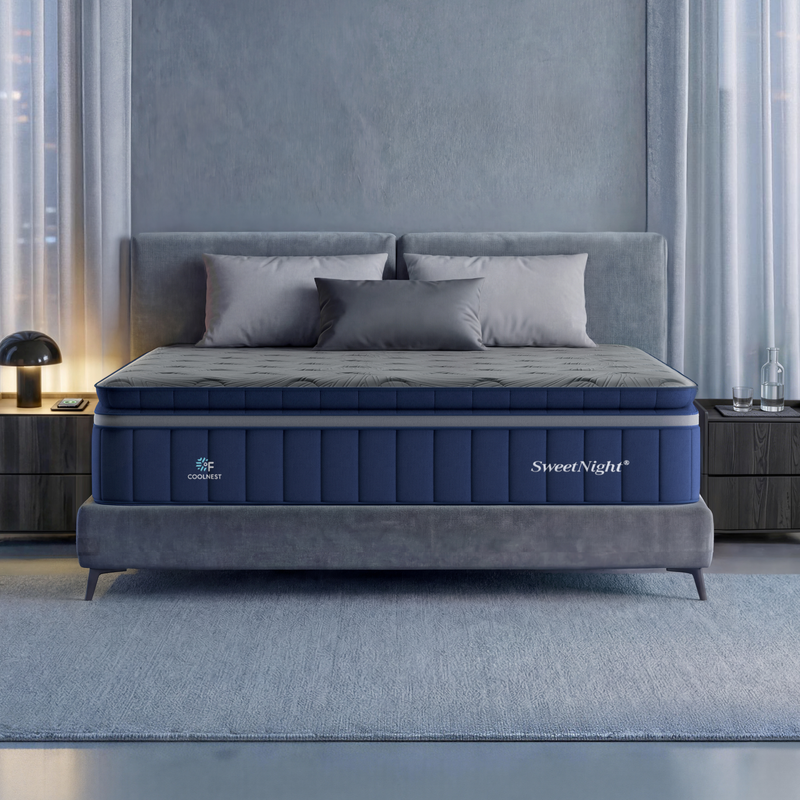
The CoolNest® Ultra is the pick if you want the all-foam route with a high-density support base and 7-zone load distribution. If you'd rather have coils carrying the weight, the Twilight Hybrid and Gloaming Hybrid put pocketed springs under the comfort layer. Not sure which direction fits? The mattress buying guide walks through it.
Frequently Asked Questions
How long does a mattress last?
Most mattresses last seven to ten years. Budget all-foam beds with low-density comfort layers may start softening in three to five years, quality memory foam typically runs eight to ten, innersprings five to seven, and natural latex often exceeds twelve.
How do I know when to replace my mattress?
The clearest sign is waking up stiff or sore and feeling better an hour after getting up. Other indicators include a visible dip under a straight edge, body impressions deeper than about an inch, collapsing edges, drifting toward your partner at night, and more motion transfer than the bed used to have.
Why is my mattress sagging in the middle?
Usually the comfort foam has softened in the zone carrying your hips, or the support core has lost resilience. But check the foundation first — a cracked slat, wide slat spacing, or a missing center support leg on a queen or king causes a mid-bed dip that looks identical to a failing mattress.
Does a mattress warranty cover sagging?
Typically only once the dip exceeds a stated depth, often around an inch to an inch and a half, measured with no weight on the bed. Normal softening without a measurable dip is generally excluded, and most warranties also require an approved foundation and a stain-free mattress to stay valid.
What foam density lasts the longest?
For memory foam comfort layers, 4 pounds per cubic foot and above holds its shape for years, while foam under 3 pounds tends to break down quickly. For the support core, high-density polyfoam or individually pocketed coils outlast cheap base foam.
Does a more expensive mattress last longer?
Not reliably. Price often pays for marketing and plush surface foam, and the softest top layers are usually the first to fail. A mid-range mattress from a brand transparent about foam certification and construction is generally a better durability bet than a premium bed with a thick, soft pillow-top.
Can a mattress topper fix a sagging mattress?
A firm topper can buy time if the comfort layer is softening but the support core is still sound. It cannot correct a genuine sag — adding soft material on top of a dip doesn't restore the support underneath it.
How often should I rotate my mattress?
Every three to six months, head to foot. This keeps the same zone from always carrying your hips and can meaningfully extend a mattress's comfort life. Most modern mattresses should not be flipped, only rotated.
The Bottom Line
Durability deserves a seat at the top of your list, right next to comfort, because the two are more connected than they look. A durable mattress is one that keeps delivering the comfort and support you fell in love with, night after night, instead of slowly becoming the reason you wake up sore. Comfort is the promise. Durability is whether that promise gets kept.
So don't just ask "does this feel good right now." Ask "will it still feel good in year five." Check the foam certification. Check the density and the support core. Read the warranty for what it excludes. Match the build to your body weight and habits. Do that, and you stop buying mattresses every few years and start buying one that earns its keep.