


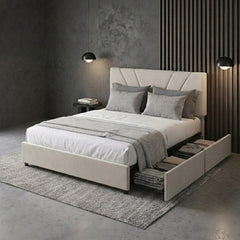

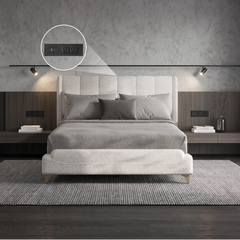
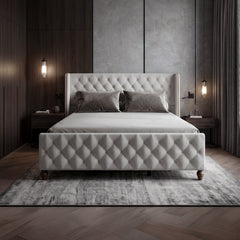
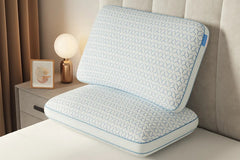


Key Takeaways
- Foam wins on pressure relief and motion isolation; springs win on airflow, bounce, and edge support.
- The research backs medium-firm, not maximum-firm, for most adults and for back pain.
- Traditional memory foam sleeps hot, but modern gel and open-cell foams have mostly closed that gap.
- For couples, hot sleepers, larger bodies, and combination sleepers, a hybrid quietly beats both pure types.
- Latex is the durable, responsive, cooler alternative if your budget allows.
- Match the mattress to your sleep position, body weight, and climate, not to a label.
- Look for CertiPUR-US foam and OEKO-TEX fabric, and replace any bed that sags or is past 7 to 8 years.
You will spend roughly a third of your life on whatever mattress you buy next. That is not a marketing line. The math is real, and so are the stakes: more than a third of American adults already sleep less than the seven hours doctors recommend, a shortfall the CDC links to higher rates of obesity, heart disease, and depression. The surface under your spine for those eight-ish hours every night has more to do with how you feel at 7 a.m. than most people give it credit for.
So when you sit down to choose between a foam mattress and a spring mattress, you are not picking a texture. You are picking how your shoulders are cradled, how cool you stay in July, how much you feel your partner roll over, and how many years pass before the thing starts sagging in the middle.
This guide is the foam vs spring mattress comparison people actually need. We will break down what each type is made of, run them head to head across the ten things that matter, and then go past the old binary entirely. Because the honest truth, after two decades of sleep research and a lot of engineering, is that the best answer for most people in 2026 is rarely pure foam or pure springs. It is something in between.
Foam vs Spring Mattress Comparison: The 30-Second Answer
If you only have a minute, here it is.
Choose a foam mattress if you sleep on your side, sleep alone or with a restless partner, want a quiet bed with deep pressure relief, and do not run hot at night.
Choose a spring mattress if you want a bouncy, responsive feel, you sleep hot, you are a larger body that needs strong support, or you like sitting and moving on a firmer, more "on top of the bed" surface.
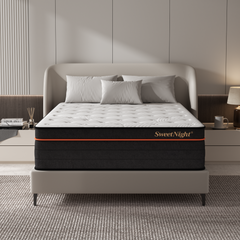
Choose a hybrid (the most popular alternative) if you want most of the benefits of both, which is most people. A hybrid stacks pressure-relieving foam over a pocketed coil core, so you get the contouring of foam and the airflow, support, and bounce of springs in one bed.
Everything below explains why, with the research to back it up. Keep reading if you want to get this decision right the first time.
What Is a Foam Mattress? Memory Foam, Poly Foam, and Gel Explained

A foam mattress is built entirely from layers of polyurethane-based foam, with no metal coils inside. The category sounds simple, but there is real variety in what sits under the cover.
Memory foam (technically viscoelastic polyurethane) is the headliner. It softens with your body heat and pressure, then slowly molds to your exact shape. That slow-sinking, "hugged" feeling is what people either love or hate about foam. It is fantastic for cradling a bony hip or a sharp shoulder. It is less fun if you like to move around freely.
Polyfoam (standard polyurethane) is more responsive and springs back faster. It usually shows up in the comfort and transition layers and as the high-density support core at the bottom.
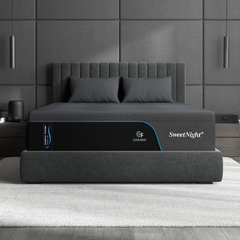
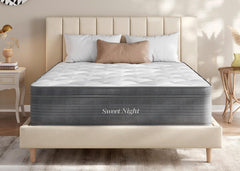
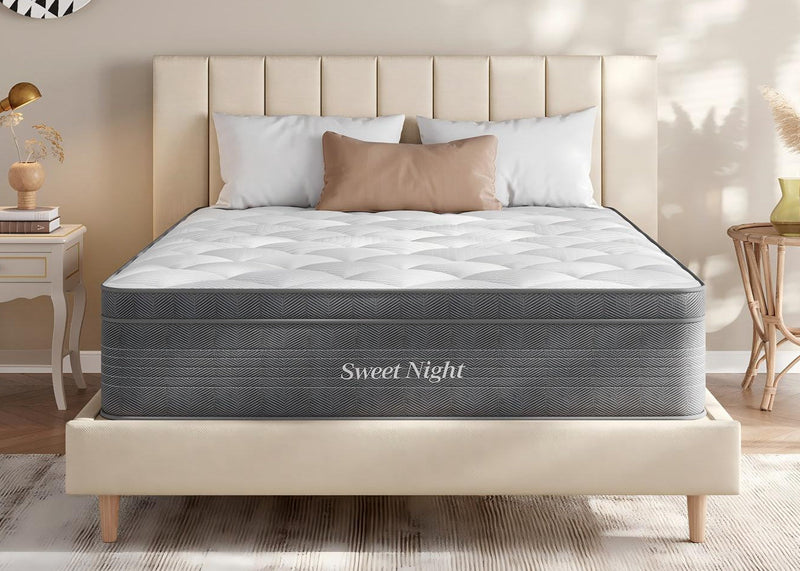
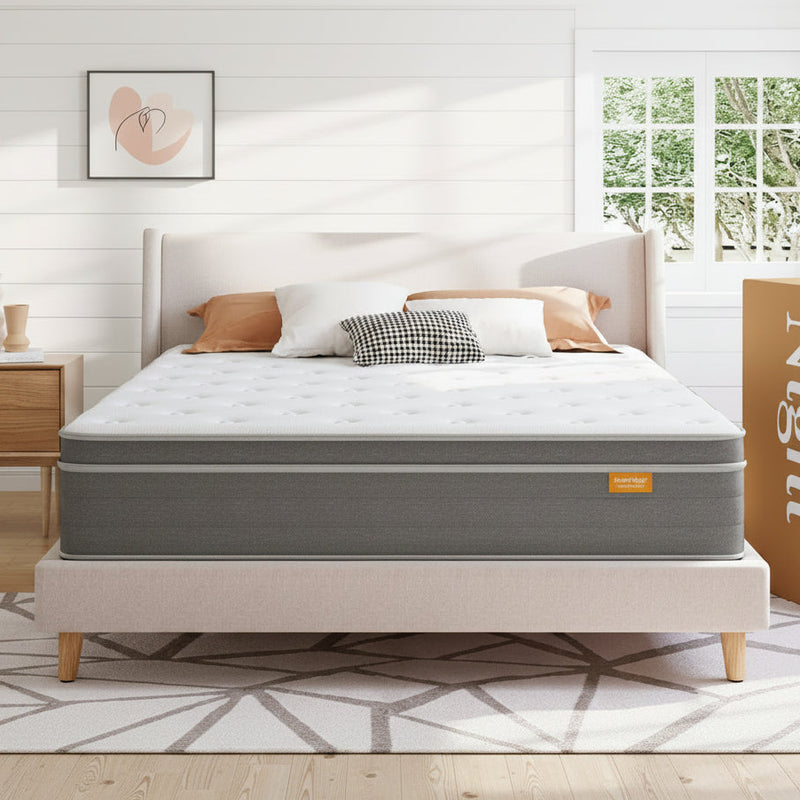
Gel-infused and open-cell foams are the modern fix for memory foam's oldest complaint: heat. By blending in cooling gel beads or phase-change material and opening up the cell structure, manufacturers pull heat away from the body and move air through the foam. SweetNight's gel memory foam Whisper mattress, for example, uses gel-infused foam specifically to keep the contouring without the overheating.
Latex technically deserves its own category and we will cover it in the alternatives section, but it is worth flagging here that "all-foam" and "memory foam" are not the same thing. Latex is bouncier, cooler, and more durable than memory foam, and it changes the comparison.
A typical all-foam build looks like this, top to bottom:
- A breathable knit cover
- A soft comfort layer of memory or gel foam for pressure relief
- A firmer transition layer that stops you from sinking too far
- A high-density base foam that provides the actual support and structure
The quality of that base layer is what separates a foam mattress that lasts eight years from one that develops a body-shaped crater in three.
What Is a Spring Mattress? Innerspring vs Pocketed Coil Construction

A spring mattress, also called an innerspring, uses a core of steel coils as its main support system, usually topped with a thin layer of padding, fiber, or foam for comfort. This is the classic bed your grandparents owned, and the coil design has quietly gotten a lot smarter since then.
There are four coil types worth knowing, because they feel completely different:
- Bonnell coils are the old-school hourglass springs, wired together in a connected grid. They are cheap, bouncy, and durable, but they transfer motion across the whole bed and contour poorly. This is the budget motel feel.
- Offset coils are a refined Bonnell, hinged to flex more independently and conform a bit better.
- Continuous coils are made from a single long wire twisted into rows. Sturdy and inexpensive, but again, very connected, so one person moving wakes the other.
- Pocketed coils (also called individually wrapped coils or Marshall coils) are the modern standard, and they change everything. Each spring sits in its own fabric pocket and compresses on its own. That means a coil under your hip can sink while the coil under your ribs holds firm, giving you both contouring and dramatically better motion isolation.
If someone tells you spring mattresses transfer too much motion and sleep too firm, they are describing old Bonnell beds. A modern pocketed-coil system is a different animal, and it is the foundation of nearly every good hybrid sold today. SweetNight builds its hybrids on exactly this kind of individually wrapped pocket coil system for that reason.
The trade-off with a pure spring mattress is the comfort layer. With only a thin pad on top, the coils do most of the work, which is great for support and airflow but weaker on the deep pressure relief that side sleepers and people with joint pain need.
Foam vs Spring Mattress Comparison: Head to Head on 10 Factors
Here is where the decision actually gets made. The table gives you the quick read, and the sections after it explain the why, including what the research says.
| Factor | Foam Mattress | Spring Mattress |
|---|---|---|
| Pressure relief | Excellent. Deep contouring around hips and shoulders | Fair. Depends heavily on the comfort layer |
| Support / spinal alignment | Good, if base foam is high-density | Very good, especially for larger bodies |
| Motion isolation | Excellent. Absorbs partner movement | Poor (Bonnell) to good (pocketed coils) |
| Temperature / cooling | Cooler with gel; warmer with traditional foam | Excellent natural airflow through coils |
| Bounce / responsiveness | Slow, "sinking" feel | Springy, easy to move and reposition |
| Edge support | Weaker; edges compress when you sit | Strong; reinforced perimeters hold firm |
| Durability / lifespan | 6 to 8 years (longer for high-density and latex) | 5 to 7 years; coils can lose tension |
| Noise | Silent | Can squeak as coils age |
| Off-gassing | More noticeable when new | Minimal |
| Best price-to-comfort | Strong value in memory foam | Strong value in basic innerspring |

Pressure Relief and Spinal Alignment: What the Studies Actually Found
This is the factor people get most wrong, because for decades the advice was "bad back? get a firm mattress." The research says otherwise.
The landmark study is a 2003 randomized, double-blind trial published in The Lancet. Researchers assigned 313 adults with chronic low back pain to sleep on either a firm or a medium-firm mattress for 90 days. The medium-firm group reported significantly less pain in bed, less pain on rising, and less daily disability than the firm group. A 2015 systematic review in the journal Sleep Health looked across the controlled trials available at the time and reached the same conclusion: a medium-firm surface is optimal for sleep comfort, sleep quality, and spinal alignment, while very firm and very soft beds both perform worse.
What does that mean for foam vs springs? Neither one wins automatically. What matters is whether the surface is firm enough to keep your spine in a neutral line and soft enough to relieve pressure at the points where your body curves. Memory foam excels at the pressure-relief half by molding around your shoulders and hips. A well-built spring or hybrid excels at the support half by pushing back where you need it. The sweet spot for most adults is that medium-firm middle, which is why our medium-firm mattress collection tends to be the most-recommended starting point.
There is also a material-level wrinkle. A 2017 study in the Journal of Chiropractic Medicine compared body-contact pressure on different mattress materials and found that latex reduced peak pressure on the torso and buttocks better than standard polyurethane foam. So the "foam" half of this debate is not monolithic. The type of foam matters as much as foam versus springs.
Temperature Regulation: Why Traditional Foam Sleeps Hot
If you wake up sweating, this section is the whole ballgame.
Coils win on airflow, full stop. The open space between springs lets air move through the mattress and carry body heat away. That is physics, and it is the single biggest advantage a spring mattress has over a traditional all-foam bed.
Memory foam, by contrast, is dense by design. It hugs your body, which means it traps the heat your body radiates. Older memory foam was notorious for sleeping hot, and plenty of people still associate foam with that stuffy, sweaty feeling.
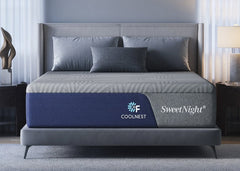
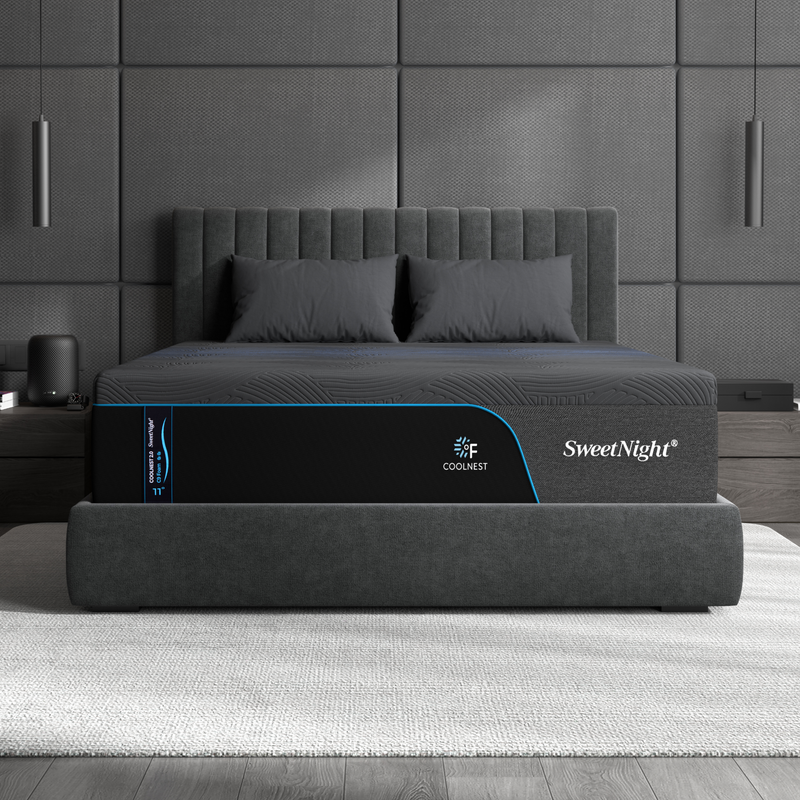
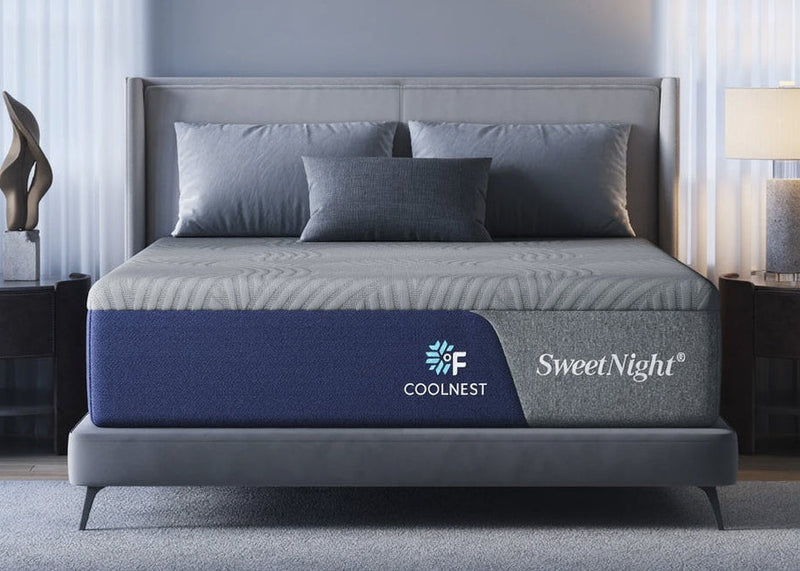
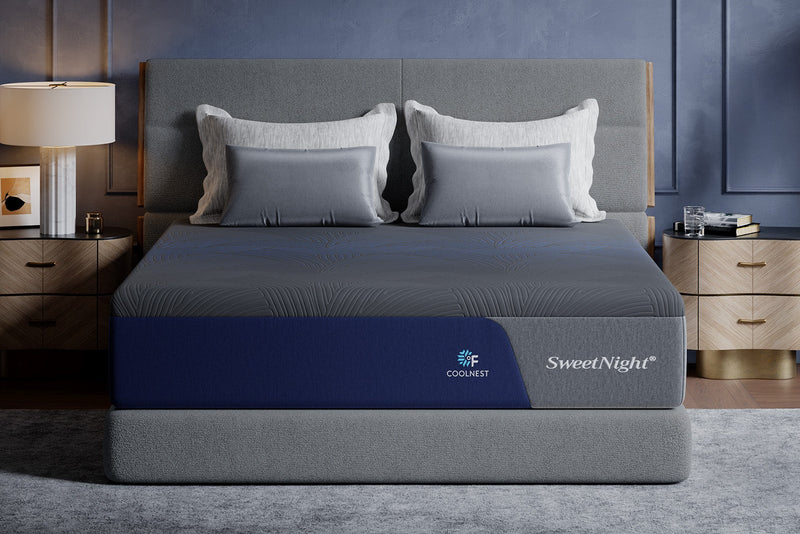
Here is what changed: gel infusions, open-cell structures, breathable covers, and phase-change materials now pull a lot of that heat out. A modern cooling foam is nothing like the foam from ten years ago. SweetNight's CoolNest Hybrid is a good example of the current approach, layering gel-infused foam and a breathable cover over a coil core so the surface stays cooler while the coils underneath keep the air moving. Temperature matters more than people think, too: stable, cooler sleep surfaces help you fall and stay asleep, which is why cooling has become the headline feature in the category rather than an afterthought.
If you run hot, the order of preference is roughly: hybrid with cooling foam, then innerspring, then cooling gel foam, then traditional memory foam last.
Motion Isolation: The Make-or-Break Factor for Couples
Share a bed with someone who gets up at 5 a.m. or flips like a rotisserie chicken? Motion isolation is your priority, and foam owns this category.
Memory foam absorbs movement instead of transmitting it. Your partner can change positions and you will barely register it. This is the reason all-foam beds are so popular with light sleepers and couples on different schedules.
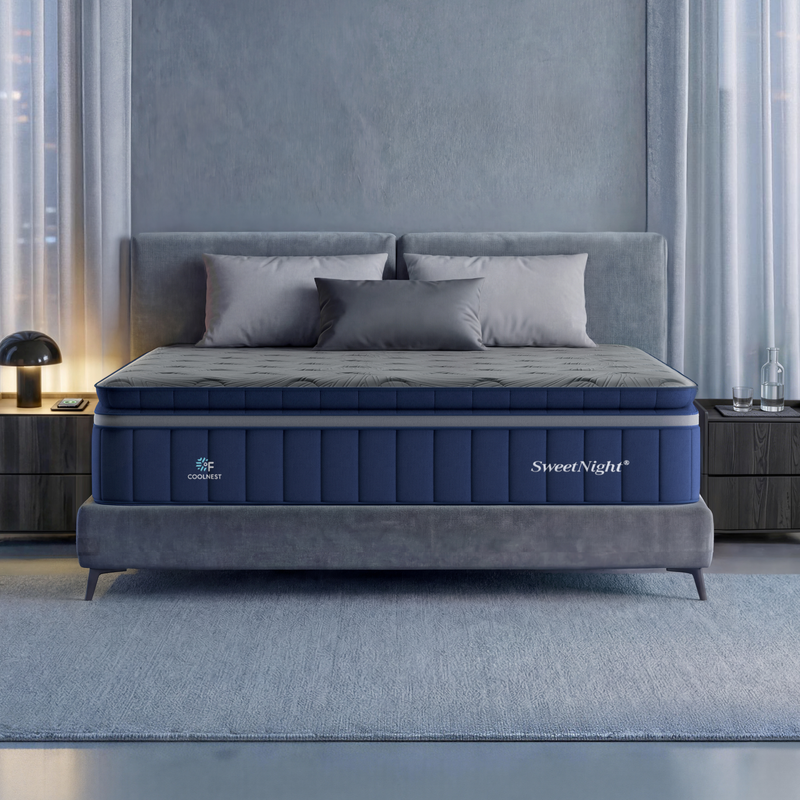
Pure spring mattresses are the opposite, at least the old connected-coil ones. Push down on one side of a Bonnell bed and the whole surface responds. Pocketed coils fix most of this, since each spring moves independently, but a hybrid with a foam comfort layer over pocketed coils gives you the best of both: the motion-dampening of foam plus the support of springs. For couples, that combination is hard to beat, which is part of why our Island Hybrid and Twilight Hybrid are built the way they are.
Edge Support: The Underrated Detail
Edge support is how well the perimeter of the mattress holds up when you sit on the side to tie your shoes or sleep right up against the edge. It also affects how much of the surface actually feels usable.
Springs win here. A reinforced coil perimeter stays firm and gives you the full width of the bed. All-foam beds tend to compress at the edges, so you feel like you might roll off and you lose a few inches of sleeping space on each side. For couples sharing a queen, that lost real estate is not trivial. Many hybrids, including SweetNight's, add high-density foam rails or stronger perimeter coils specifically to solve this.
Durability and Lifespan: How Long Each Type Really Lasts
No mattress lasts forever, and the science suggests you should not push it: that 2015 review and the 2003 trial both found that introducing a new, properly supportive mattress measurably improved pain and sleep, which implies an old, sagging one was quietly working against people.
As a general rule:
- High-density memory foam and latex last the longest, often 8 to 10 years or more for premium builds, because there are no coils to lose tension.
- Mid-range foam runs about 6 to 8 years.
- Innerspring beds tend to land around 5 to 7 years, since coils gradually soften and can start to squeak or poke.
- Hybrids usually fall in the 7 to 8 year range, depending on coil gauge and foam density.
The biggest enemy of foam longevity is low density in the support core. The biggest enemy of spring longevity is thin-gauge, low-coil-count construction. Either way, a 10-year warranty (which SweetNight includes across its lineup) is a reasonable signal that a manufacturer expects the bed to hold up.
Off-Gassing, Noise, and the Small Stuff
A few practical points that do not need their own paragraphs but do affect daily life:
- Off-gassing: New foam beds release a temporary odor as they expand. It is generally harmless and fades within a few days of airing out, but it is more noticeable than with springs. Look for CertiPUR-US certified foam, which is tested for emissions and made without certain heavy metals, formaldehyde, and specific flame retardants.
- Noise: Foam is silent. Aging spring beds can develop squeaks. Pocketed coils are much quieter than connected coils.
- Weight and handling: Dense foam beds are heavy and awkward to move. Springs are often a bit lighter for the same size.
Best Mattress Type by Sleeping Position

Your default sleep position changes the answer more than almost anything else.
Side sleepers put concentrated pressure on the shoulder and hip. They need a surface that lets those points sink in while keeping the spine straight. Soft to medium memory foam and plush hybrids are ideal. A surface that is too firm leaves the shoulder jammed and the waist unsupported. If you sleep on your side and like a softer feel, our plush mattress guide walks through the trade-offs.
Back sleepers need lumbar support above all. The lower back should stay supported without the hips sinking too far. Medium-firm foam, hybrids, and supportive innersprings all work well here.
Stomach sleepers need the firmest support of any group, because a soft bed lets the hips drop and arches the lower back. A firmer hybrid or innerspring is the safer bet. Soft memory foam is usually a mistake for this position.
Combination sleepers who switch positions all night need responsiveness, the ability to reposition without fighting the mattress. This is where slow-sinking memory foam can feel like quicksand. A bouncier hybrid or latex bed lets you move freely while still cushioning each position.
Best Mattress Type by Body Weight
Body weight changes how a mattress responds, and ignoring it is the fastest way to end up with a bed that feels nothing like it did in the showroom.
Lighter sleepers (under about 130 lbs) do not sink in much, so they often find firm beds too hard and prefer softer foam or a plush comfort layer that actually contours to them.
Average-weight sleepers (about 130 to 230 lbs) have the widest range of good options and tend to do best with medium to medium-firm hybrids and foam.
Heavier sleepers (over about 230 lbs) need stronger support to avoid sinking past neutral alignment, and they wear out soft beds faster. A hybrid or innerspring with a sturdy coil core and high-density foam is the durable choice. A thicker profile helps too, which is one reason our 12-inch mattress guide exists, since the extra thickness gives larger bodies more material to work with.
Foam vs Spring Mattress for Back Pain
Because back pain is the number one reason people replace a mattress, it deserves a direct answer.
The evidence points to medium-firm, not maximum-firm. The Lancet trial and the Sleep Health review both landed there, and the takeaway is that proper spinal alignment plus pressure relief beats raw firmness. What that means in practice:
- A pure innerspring can be too firm and create pressure points at the shoulders and hips, which disrupts sleep even if your spine is supported.
- Traditional soft memory foam can let the hips sink too far, pulling the spine out of line, especially for heavier or back-and-stomach sleepers.
- A medium-firm hybrid or a zoned foam bed tends to hit the alignment-plus-relief balance most consistently, which is why it is the most common recommendation for back pain.
The other lesson from the research that nobody likes to hear: an old mattress is part of the problem. If yours is sagging, no firmness label will fix it. Replacement itself was associated with measurable improvement in those studies.
One important caveat: a mattress supports recovery, it does not cure a medical condition. Persistent or severe back pain is worth a conversation with a doctor or physical therapist, not just a new bed.
Signs Your Current Mattress Is Working Against You
Before you spend on anything new, it helps to confirm the old bed is actually the culprit. A lot of people limp along on a mattress years past its prime without connecting it to how they feel. Here are the tells.
You wake up stiff or sore and it eases within an hour of getting up. That pattern, fine by mid-morning, rough at dawn, points straight at your sleep surface rather than an injury. You sleep noticeably better in hotels or guest beds. You can see or feel sagging, a dip where you lie, or a ridge down the middle where two people's weight has compressed the foam or coils unevenly. You feel the springs, or you roll toward your partner because the center has collapsed. The bed has started to squeak. Or you are simply past the typical lifespan: most foam and hybrid beds are due around the 7 to 8 year mark, and basic innersprings sooner.
Allergies are a quieter sign. Older mattresses accumulate dust mites and allergens over the years, and foam and latex are naturally more resistant to them than open coil beds, which is one underrated reason allergy-prone sleepers tend to prefer a sealed memory foam mattress or a covered hybrid.
If you checked two or more of those boxes, the mattress is part of the problem, and the research is clear that replacing a worn-out bed with a properly supportive one tends to improve both pain and sleep. A good protector, regular rotation, and a flat, well-supported base will stretch the life of whatever you buy next.
Beyond Foam vs Spring: The Best Mattress Alternatives in 2026
Here is the part most comparison articles skip, and it is the most useful part. The foam-versus-spring framing is a little dated. The market moved on, and the alternatives genuinely solve the weaknesses of both. If you have been agonizing over the binary choice, these are your off-ramps.
Hybrid Mattresses: The Best of Both Worlds
A hybrid is the answer for most people, and it is no longer a niche product. The construction is simple in concept: take a pocketed coil core for support, airflow, and bounce, then stack real comfort layers of memory or gel foam on top for pressure relief and motion isolation.

What you get is a bed that contours like foam, breathes like springs, isolates motion well, and supports the edges. The cooling foam handles the heat that pure memory foam struggles with, and the coils handle the support and durability that pure foam can lack. For couples, hot sleepers, larger bodies, and combination sleepers, a hybrid quietly fixes almost every complaint people have about the two traditional types.
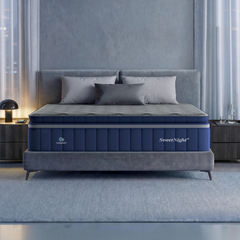
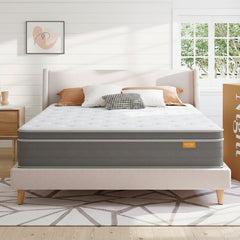
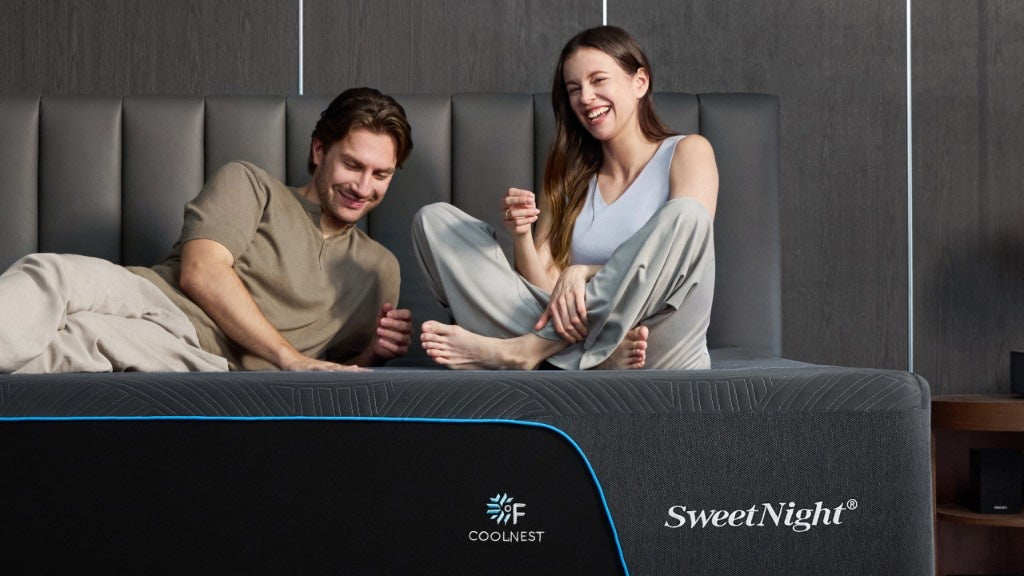
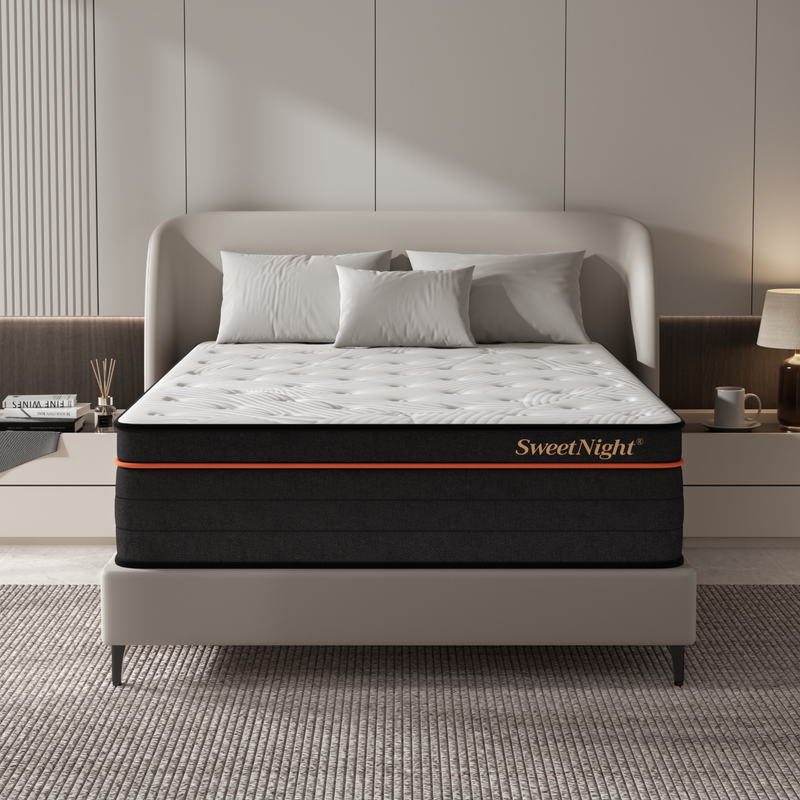
This is the core of what SweetNight builds. The hybrid mattress collection covers the range, from the cooling-focused CoolNest Hybrid for hot sleepers to the pillow-top Twilight Hybrid for people who want that plush, sink-in top with coil support underneath.
When a hybrid makes the most sense:
- You are a couple with different sleep preferences
- You run hot but still want pressure relief
- You switch positions during the night
- You want one bed that does not force a compromise
Latex Mattresses: The Durable, Responsive, Eco-Friendly Option
Latex is the quiet overachiever of the mattress world, and it is technically foam, but it behaves nothing like memory foam.
Made from the sap of rubber trees (natural latex) or synthetically, latex is buoyant and responsive instead of slow and sinking. It bounces back fast, so you never feel stuck. It sleeps cooler than memory foam thanks to a naturally more open structure. And it is exceptionally durable, often outlasting every other material. Remember that 2017 study: latex reduced peak body pressure better than standard polyurethane foam, so it delivers pressure relief without the quicksand feel.
The catches are price and weight. Natural latex is expensive and heavy. But if you want a responsive, long-lasting, naturally cooler bed and the budget allows, it is a genuinely excellent alternative that splits the difference between foam and springs in feel.
Airbeds and Adjustable-Firmness Beds
These use air chambers as the support core, with a pump that lets you dial firmness up or down, sometimes independently on each side of the bed. For couples who cannot agree on firmness, that adjustability is the killer feature. The downsides are cost, complexity, and the fact that a pump or valve is one more thing that can fail. They are a real solution for a specific problem rather than a mainstream pick.
Specialty and Budget Alternatives
A few more options round out the field:
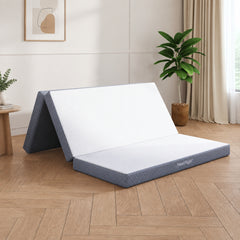
- Flippable two-sided foam beds give you a soft side and a firmer side in one mattress, so you can change the feel without buying a new bed. SweetNight's flippable Whisper memory foam mattress works this way.
- Futons and Japanese-style floor mattresses are firm, minimal, space-saving, and inexpensive, popular for guest rooms and small apartments.
- Waterbeds still exist but have largely fallen out of favor due to weight, maintenance, and temperature issues.
- Kids' and bunk mattresses have their own requirements around firmness, safety, and thickness, which we cover in the kids' mattress guide.
How to Choose Between Foam, Spring, and Hybrid
Strip away the marketing and the decision comes down to five questions. Answer these honestly and the right category becomes obvious.
- How do you sleep? Side sleepers lean foam or plush hybrid. Stomach and heavy back sleepers lean firmer hybrid or innerspring. Combination sleepers lean responsive hybrid or latex.
- Do you sleep hot? If yes, prioritize coils and cooling foam. A cooling hybrid or innerspring beats traditional memory foam.
- Do you share the bed? If your partner moves a lot, prioritize motion isolation, which means foam or a foam-over-coil hybrid.
- What is your body type? Heavier bodies need stronger support and durability, which favors hybrids and innersprings with dense cores.
- What is your budget and timeline? Foam offers strong value at the low end. Hybrids cost a bit more but solve more problems. Latex costs the most and lasts the longest.
For the large middle of sleepers who said "medium-firm, share the bed, sometimes run hot, switch positions," the answer keeps landing on a cooling hybrid. That is not a coincidence. It is the configuration designed to remove the compromises. If you want to compare the full range side by side, the complete mattress collection lays out the foam and hybrid options together.

Not sure where you fall? A quick sleep quiz on the SweetNight site narrows it down in a couple of minutes, or you can browse all products to see the full lineup.
Safety and Certifications: What CertiPUR-US and OEKO-TEX Actually Mean
Since a mattress sits inches from your face for a third of your life, what is inside it is a fair question. Two certifications do most of the meaningful work, and they are worth checking before you buy.
CertiPUR-US is an independent program that tests polyurethane foam. Certified foam is made without ozone depleters, certain flame retardants, mercury, lead, and formaldehyde, and is tested for low emissions (low VOCs) for indoor air quality. If a foam bed carries this certification, the temporary new-mattress smell is far less of a concern.
OEKO-TEX Standard 100 certifies textiles, in this case the mattress cover and fabrics, confirming they have been tested for a long list of harmful substances. It is the fabric counterpart to CertiPUR-US.
SweetNight's foams are CertiPUR-US certified and fiberglass-free, and the covers pass OEKO-TEX Standard 100. Those are the boxes you want checked regardless of which brand you choose. Skip any mattress that cannot tell you what its foam and fabric are certified to.
A note on fiberglass: some budget foam beds use a fiberglass inner sock as a flame barrier, which can be a problem if the cover is ever removed. Confirm a bed is fiberglass-free, especially if you have kids or pets who might unzip the cover.
Cost Comparison: Foam vs Spring vs Hybrid
Price ranges shift constantly, but the relative positioning is stable, so here is the practical lay of the land for a queen.
| Mattress Type | Typical Queen Range | What You Are Paying For |
|---|---|---|
| Basic innerspring | Lowest entry price | Simple support, good airflow, short lifespan |
| Memory / gel foam | Low to mid | Pressure relief, motion isolation, quiet |
| Hybrid | Mid | Coils plus quality foam, cooling, broad fit |
| Latex | Highest | Durability, responsiveness, natural materials |
The smartest way to think about cost is price per year of good sleep, not sticker price. A cheap innerspring that sags in four years is more expensive over time than a well-built hybrid that lasts eight. Direct-to-consumer brands like SweetNight also cut out the showroom markup, which is why a cooling hybrid can land in the mid range instead of the premium one. Pair that with a 100-night trial and a 10-year warranty and the financial risk of getting it wrong drops considerably.
Frequently Asked Questions
Is a foam or spring mattress better for back pain? Neither category wins on its own. The research points to medium-firm support with good spinal alignment, which a quality medium-firm hybrid or zoned foam bed delivers most consistently. A too-firm innerspring or a too-soft foam bed are the two most common back-pain mistakes.
Do foam mattresses really sleep hotter than spring mattresses? Traditional memory foam does, because it is dense and traps heat. Modern gel-infused and open-cell foams have closed most of that gap, and a cooling hybrid combines breathable foam with coil airflow to sleep about as cool as an innerspring while contouring better.
How long should a mattress last before I replace it? Roughly 6 to 8 years for most foam and hybrid beds, a bit less for basic innersprings, and 8 to 10 years or more for high-density foam and latex. If you wake up stiff, see visible sagging, or sleep better in a hotel, it is time, regardless of age.
Are hybrid mattresses worth the extra cost over foam or springs? For most people, yes. A hybrid solves the main weaknesses of both pure types at once: heat, motion transfer, edge support, and the foam-versus-support trade-off. If you are a couple, a hot sleeper, a larger body, or a combination sleeper, the upgrade usually pays off.
What does CertiPUR-US certification mean for safety? It means the foam was independently tested for low emissions and made without certain flame retardants, heavy metals, and formaldehyde. It is one of the clearest signals that a foam bed meets indoor air-quality and content standards. Pair it with OEKO-TEX certification for the fabrics.
Can I put a foam or hybrid mattress on any bed frame? Generally yes. SweetNight mattresses work with most frames, with or without a box spring, as long as the surface is flat and properly supported (a slatted base needs slats close enough together to prevent sagging).
The Verdict: Foam, Spring, or the Smarter Middle
The old question was foam or springs. The better question is what your body, your partner, and your climate actually need, and then matching a construction to that.
Pure foam is the move if you sleep on your side, sleep alone or with a restless partner, want silence and deep pressure relief, and stay cool naturally. Pure springs make sense if you want a bouncy, breathable, firmer surface and strong edges. But for the large majority of sleepers, the alternatives, especially a cooling hybrid, quietly outperform both by removing the compromises that made the original debate so hard in the first place.
Whatever you choose, get the fundamentals right: medium-firm for most adults, certified materials, a real trial period, and a warranty that signals the bed is built to last. Do that, and the third of your life you spend asleep will take care of the other two.
Ready to find your match? Compare the full foam and hybrid mattress lineup and pick the surface your spine has been waiting for.
This article is for general educational purposes and reflects current sleep research and product engineering. It is not medical advice. If you have chronic or severe back pain or a sleep disorder, talk with a qualified healthcare provider.