
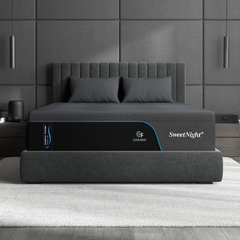


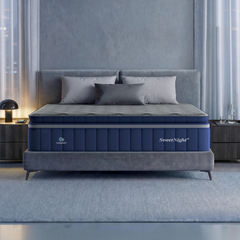









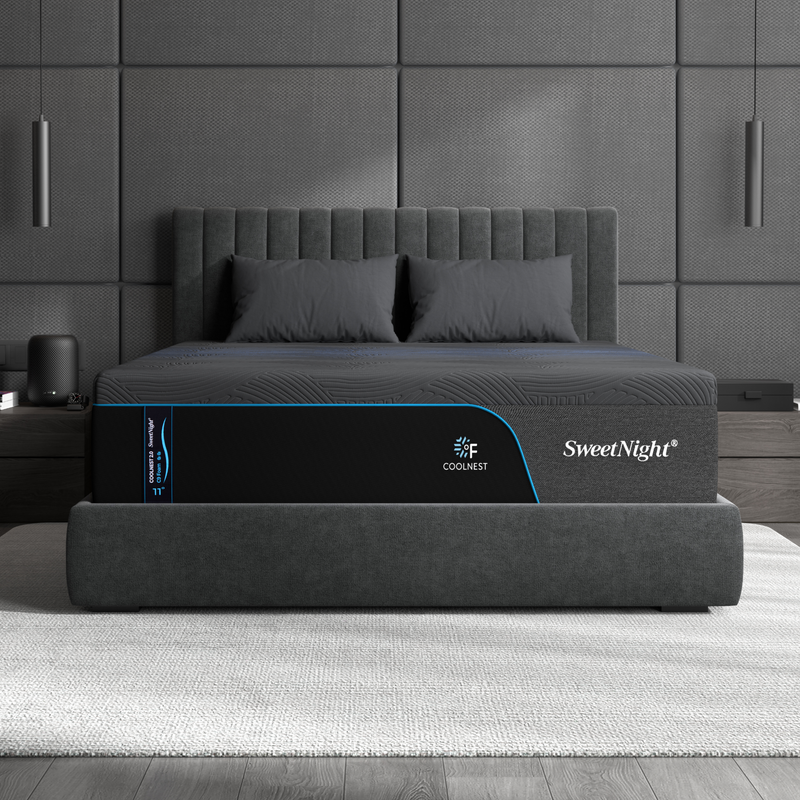

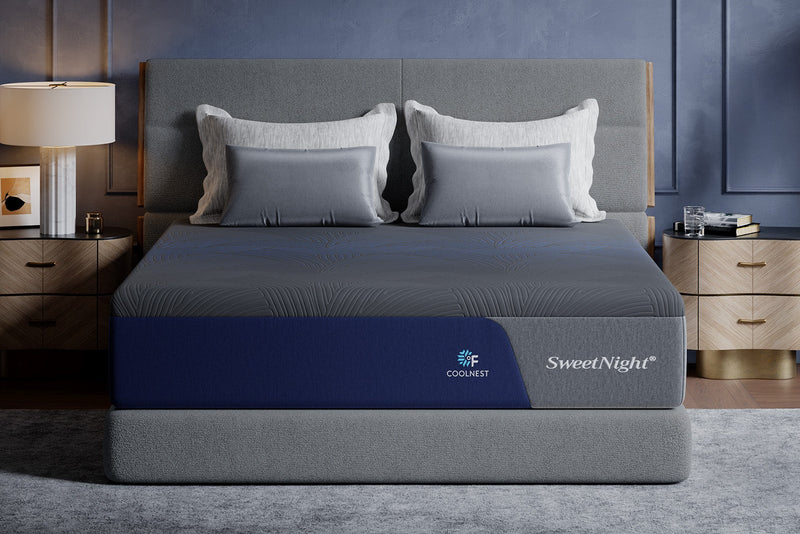
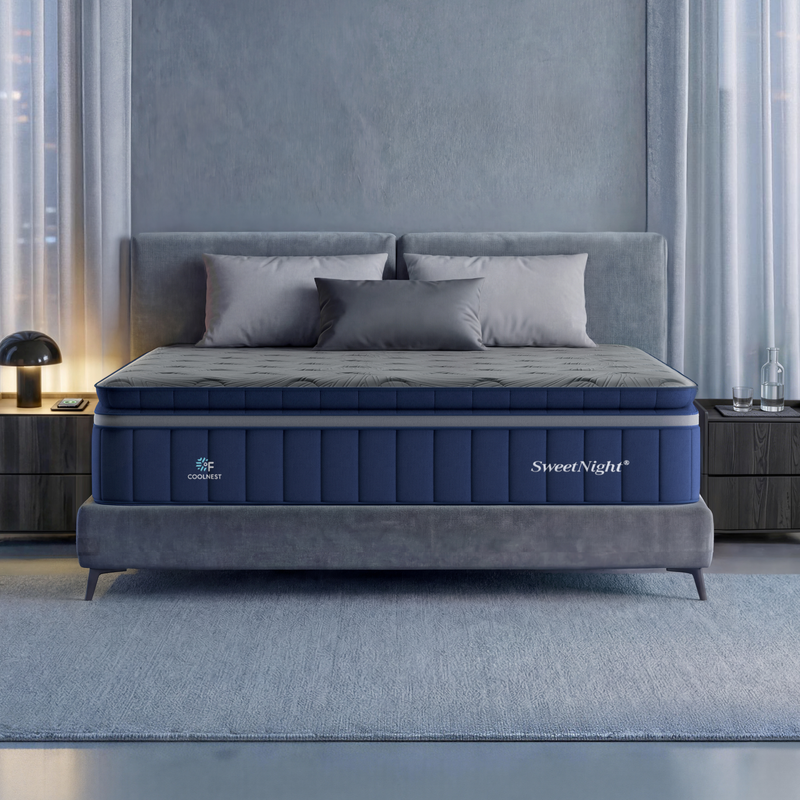








Mattresses got thicker and sheets did not. That is the whole problem in one sentence, and it is why a set of sheets that fit your last bed perfectly may pop off the corners of your new one within a week.
"Deep pocket" is the label the industry uses for the fix. It is also almost completely unregulated, which means two products with the same words on the packaging can differ by six inches. Here is how to buy on numbers instead of adjectives.
Short Answer: Measure Your Mattress Before You Buy Sheets
Three steps, two minutes, and you will not get this wrong again.
- Measure the mattress depth from the top surface to the bottom edge, with any topper and protector already on it.
- Add two inches. The elastic needs to reach past the bottom edge and wrap underneath to hold anything. A pocket that stops flush with the mattress is a pocket that comes off.
- Buy a fitted sheet rated at or slightly above that number — not five inches above, which brings its own problems.
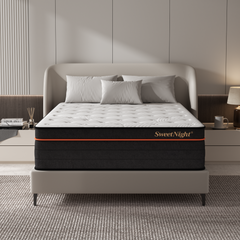
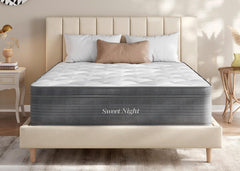
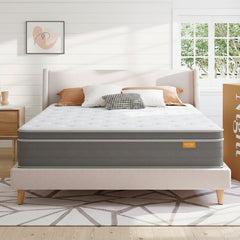
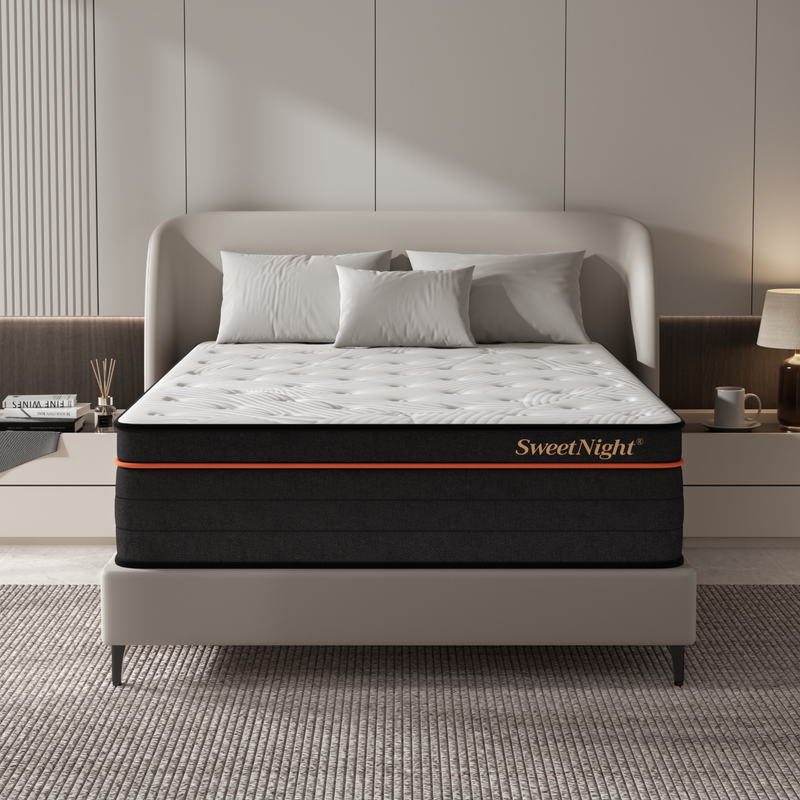
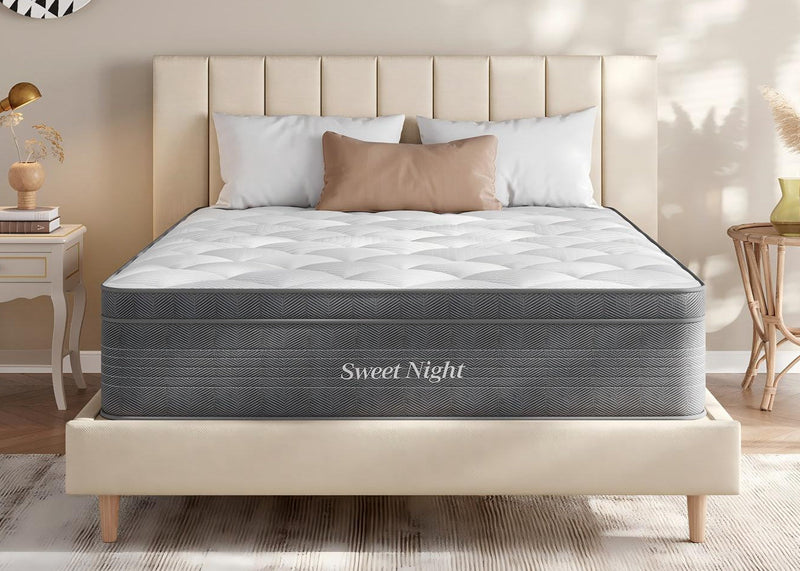
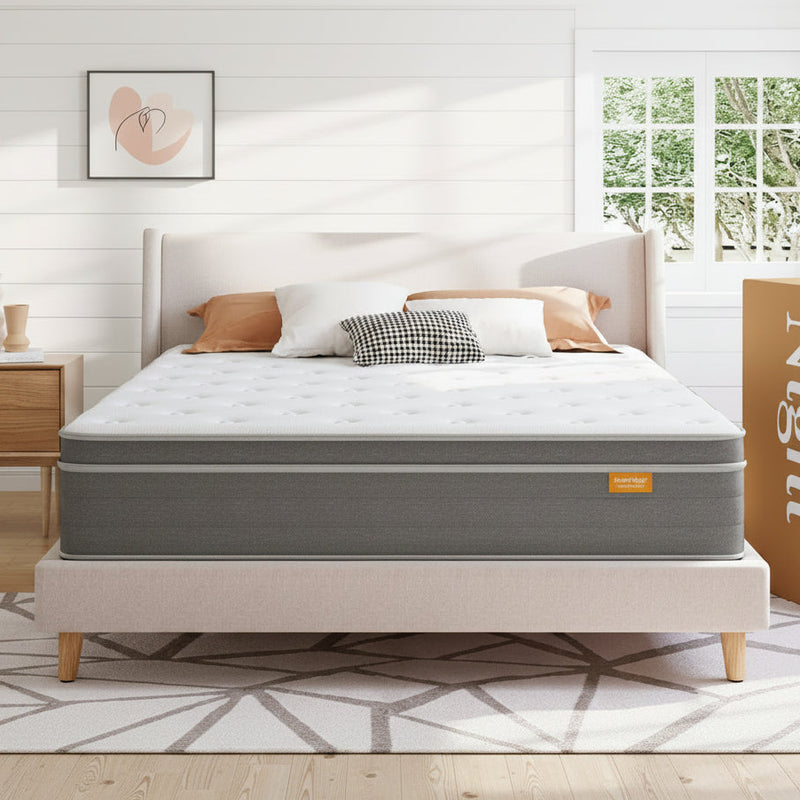
Most beds sold in the last few years land between 10 and 14 inches. Add a topper and you can be at 17 or 18 without it looking unusual. The reason people are surprised is that mattress depth has been climbing steadily for two decades while the "standard" fitted sheet has stayed where it was.
What "Deep Pocket" Actually Means (and What It Does Not)
There is no industry body defining these terms. Each brand chooses its own, and the ranges you will see in practice are roughly:
| Label | Typical pocket depth | Suits |
|---|---|---|
| Standard | 7–9 inches | Older or slim mattresses, futons, bunk beds, some guest beds |
| Deep pocket | 10–15 inches | Most mattresses sold today, with no topper |
| Extra deep / ultra deep | 16–22 inches | Thick pillow-tops, or any mattress with a topper stacked on it |
Because the labels are unreliable, the only thing worth reading on a listing is the number of inches. If a product says "deep pocket" and does not state a depth, treat it as unknown rather than as deep. A 10 inch pocket is technically deep by the loosest definition and will not stay on a 15 inch bed.
One more distinction worth knowing: pocket depth is not the same as the total drop of the fitted sheet. The drop is how far the fabric extends down; the pocket depth is how much mattress it is designed to hold. Good listings state the depth range the sheet is designed for. That is the number to compare.
How to Measure Your Mattress Depth in 30 Seconds
Strip the bed down to the bare mattress, then put back anything that lives permanently on it.
Stand a tape measure vertically against the side of the mattress at the middle of one long edge, not at a corner — corners are often slightly compressed or rounded and will read short. Measure from the top surface down to where the mattress meets the foundation. Write down the number.
Now add the extras:
- A mattress topper adds its full thickness. A 3 inch topper takes a 12 inch bed to 15.
- A quilted mattress pad adds half an inch to an inch.
- A waterproof protector adds very little thickness but does add friction, which changes how the sheet behaves.
Measure the topper as it sits under body weight rather than at its fully expanded height, especially with foam. A 4 inch foam topper compresses to noticeably less where you sleep, but the sheet still has to stretch over its full uncompressed depth at the edges, so buy for the taller number.
One thing people skip: check both sides. If your mattress has a pillow-top on one face only, flipping it changes the depth by several inches.
The 4 Reasons a Fitted Sheet Pops Off at 3 a.m.
1. The pocket is too shallow. The most common cause. If the sheet only just reaches the bottom edge, there is nothing holding it under the mattress, and the first hard turn peels a corner. You can usually confirm this by lifting a corner: if the elastic sits right at the mattress edge rather than several inches under it, the sheet is undersized.
2. The pocket is far too deep. Less obvious, equally real. A 22 inch pocket on a 10 inch mattress leaves a foot of loose fabric bunched underneath. Every movement works that slack around, and eventually a corner walks free. Extra depth is not a safety margin past about two or three inches.
3. The elastic only runs across the corners. Cheap fitted sheets use four short elastic bands at the corners and nothing along the sides. Those hold in a linen cupboard and fail on a bed, because the fabric between the corners has nothing pulling it under. All-around elastic is worth paying for.
4. The fabric has no give. A sheet with some stretch in the weave conforms to the mattress and returns after you move. A completely rigid fabric transmits every movement straight to the corners. This is why two sheets with identical pocket depths can behave very differently.
If you have ruled out all four and it still comes off, check the mattress itself. A bed with rounded or tapered edges — common on foam mattresses without a firm perimeter — simply gives elastic less to grip.
Sheet Depth by Mattress Type
Depth correlates loosely with construction, which is a useful shortcut when you are shopping for a bed you have not measured yet.
| Mattress type | Common depth | Pocket to buy |
|---|---|---|
| All-foam, boxed | 10–12" | 14–16" |
| All-foam, premium / thick | 13–14" | 16"+ |
| Hybrid (coils + foam) | 12–15" | 16"+ |
| Innerspring with pillow-top | 14–18" | 18–22" |
| Any of the above + 3–4" topper | add 3–4" | Measure, then add 2" |
The row that catches people out is the last one. Adding a topper to an existing bed is the single most common reason a set of sheets that fit last month does not fit this month, and it is also the moment nobody thinks about sheets. The same depth eats into your top layer too, which is why our comforter size chart tells you to add twice the mattress depth before choosing a size — a deep bed quietly outgrows both layers at once.
Hybrids deserve a note as well. Coil units usually have firmer, squarer edges than foam, which means elastic grips better — but they are also often the tallest beds in the room. Good grip does not compensate for insufficient depth.
Too Deep Is Also a Problem
The instinct when in doubt is to buy the deepest pocket available. That creates three specific failures.
Bunching underneath. Excess fabric gathers under the mattress and works loose over a few nights. It is the reason an extra-deep sheet on a slim mattress can come off more readily than a correctly sized one.
Wrinkles on the surface. A fitted sheet is held taut by the elastic pulling against the mattress edge. Remove that tension and the top surface goes slack, which shows up as creases across the bed and, over a night, as press marks on your skin.
Reduced contact. This one matters if you bought the sheets for temperature. A cool-touch surface only works where it is actually touching you. A slack, wrinkled sheet makes patchy contact, so you get patchy performance from a fabric that would otherwise be doing its job.
The target is snug: deep enough to wrap two or three inches under the mattress, not so deep that a fold of fabric is loose underneath. If you are between sizes, go up — but by one step, not three.
Does Deep Pocket Change How Cool a Sheet Sleeps?
Not chemically. Very much practically.
Contact cooling depends on contact. A cool-touch fabric conducts heat away from your skin at the point where fabric meets skin, so total effect scales with how much of the sheet is flat against you and against the mattress rather than tented over a wrinkle. A sheet that has slid halfway off one side is not cooling that side of the bed at all.
There is a second, subtler effect. A well-fitted sheet stays in place, so the surface you lie on is the surface you chose. A loose one migrates during the night and you end up partly on the mattress protector, or on a rucked fold, or on the flat sheet you kicked down.
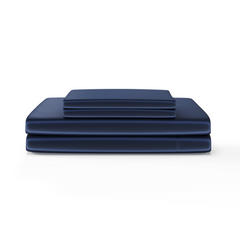
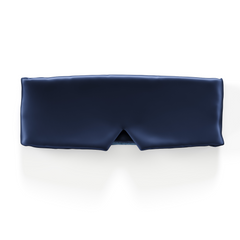
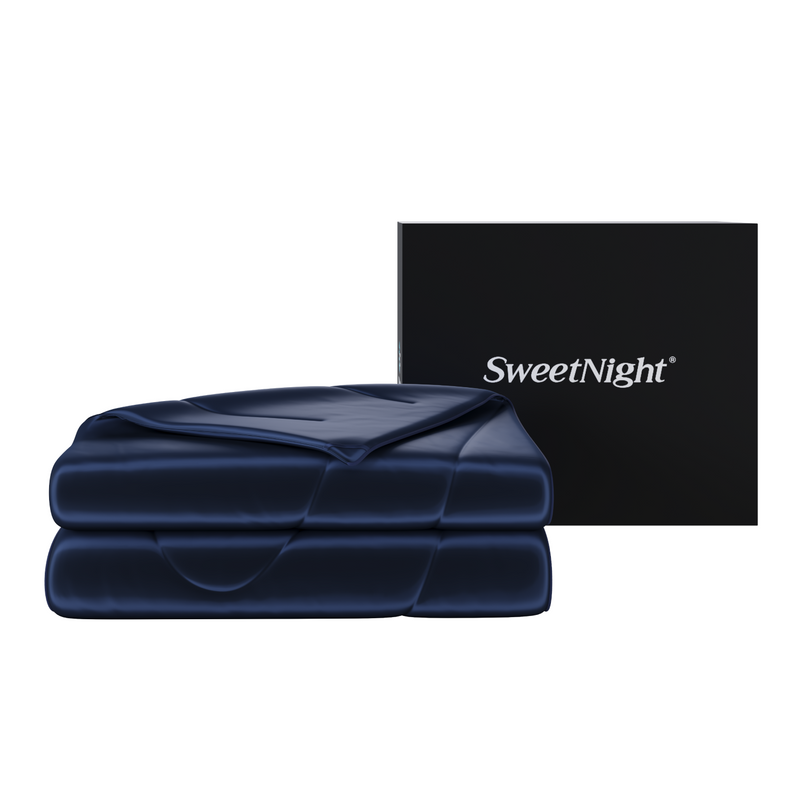
Our CoolNest® Cooling Sheet Set is built around both halves of that. The fabric is CoolGlide™ with a measured Q-Max value of 0.4, which is in the range that reads as distinctly cold on first contact, and the fitted sheet is cut with a deep pocket that grips mattresses up to 16 inches so it stays flat instead of sliding or bunching. The finish is also deliberately low-friction — it glides against skin and hair rather than dragging, which is what stops it from creasing your face and roughing up your hair overnight.

What decides the ceiling on all of this is the fiber itself, and that is a separate question with a genuinely long answer. We compared cotton, bamboo, linen and Tencel on breathability, wicking and weave in a dedicated piece — read that one for material choice, and use this one for fit.
What Comes in a Full Sheet Set
"Sheet set" means different things at different price points, and the count on the box is worth checking before you compare prices.
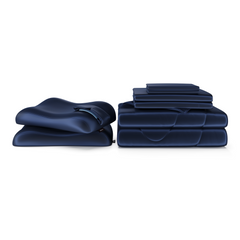
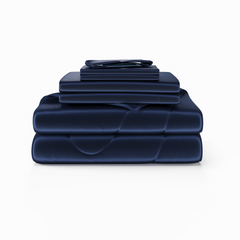
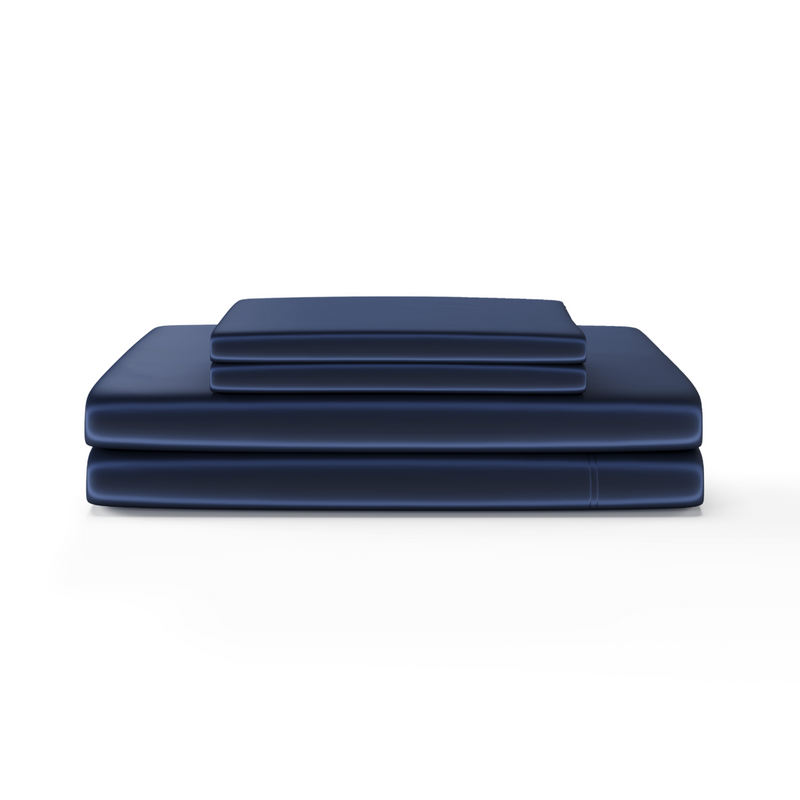
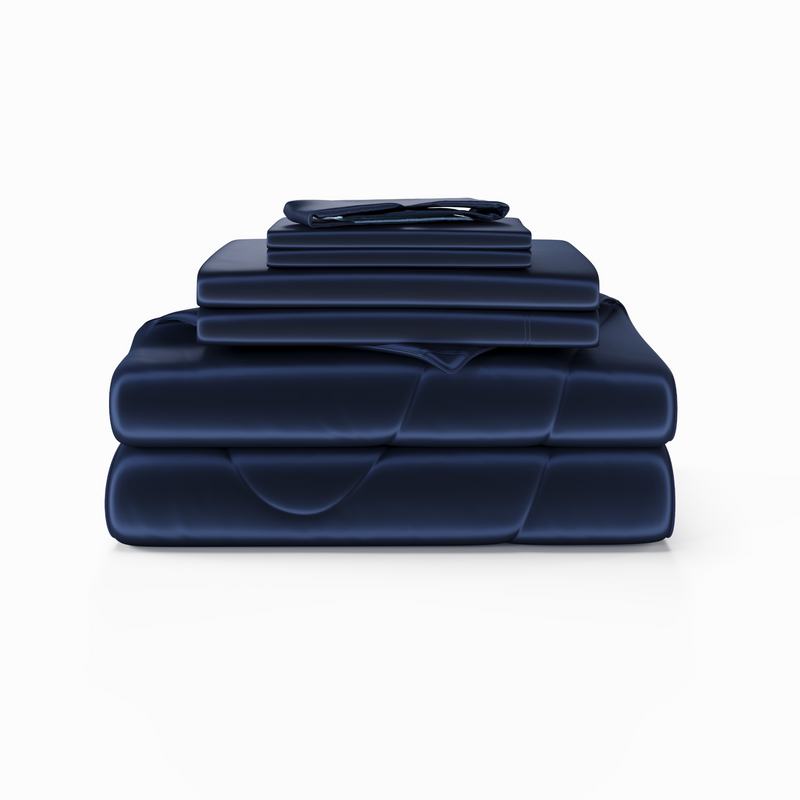
A complete set contains four pieces: one fitted sheet, one flat sheet, and two pillowcases. Some budget sets drop the flat sheet, and some King sets include only two pillowcases where you might reasonably want more. Our set is the standard four-piece configuration — fitted sheet, flat sheet and two pillowcases — in Queen and King, at $159.99 to $179.99.
Keep the flat sheet even if you think you do not use one. It gives you an intermediate layer you can throw off without going straight from covered to uncovered, which matters far more if you run hot than the tidiness argument suggests. It also takes the wear that would otherwise go to your comforter, and it is much easier to wash weekly.
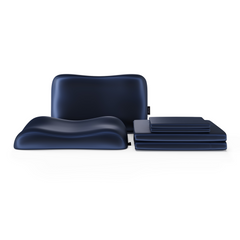
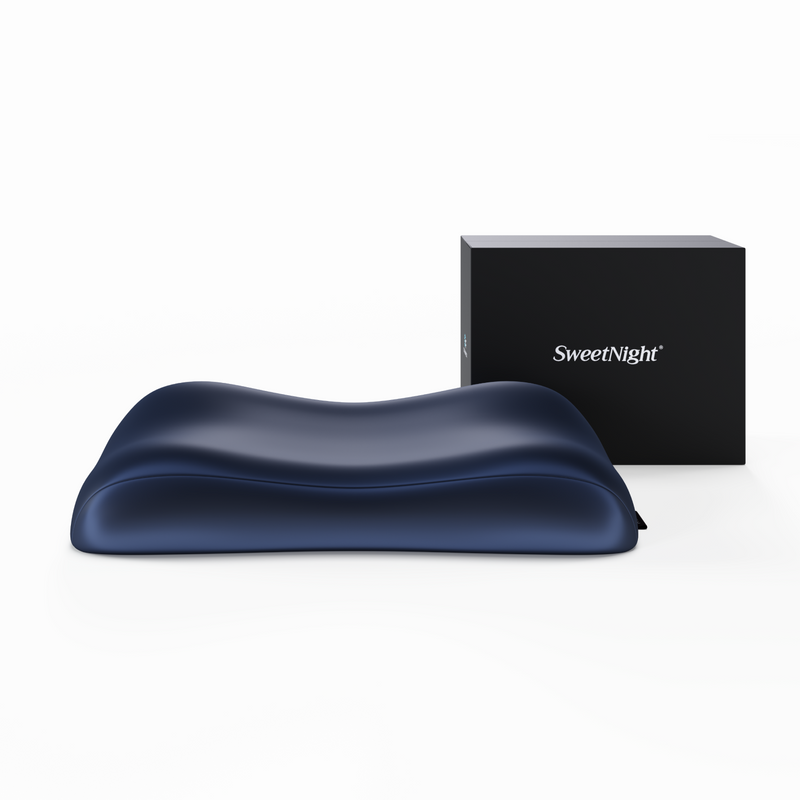
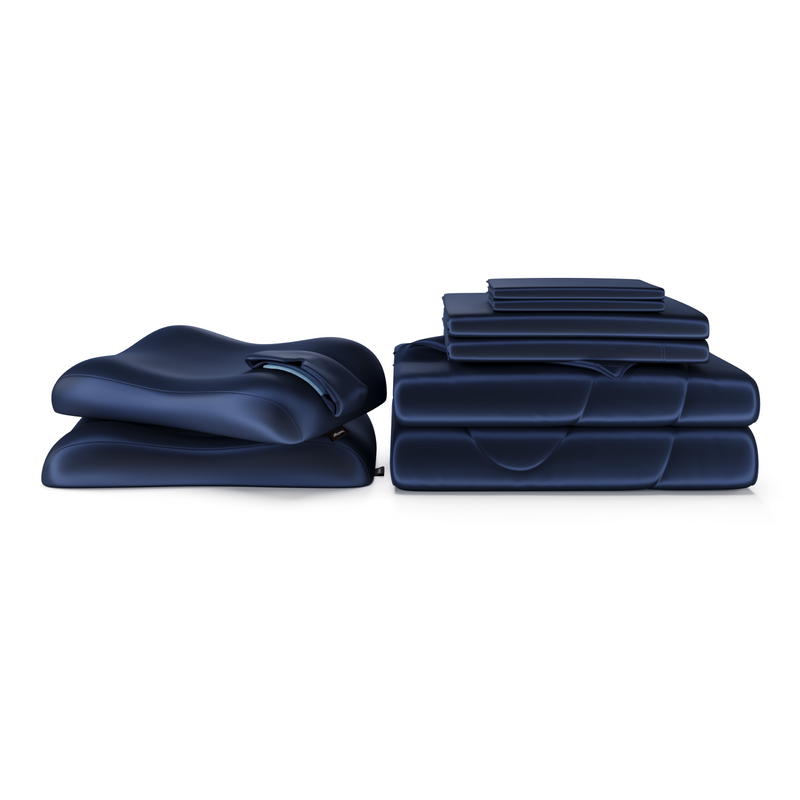
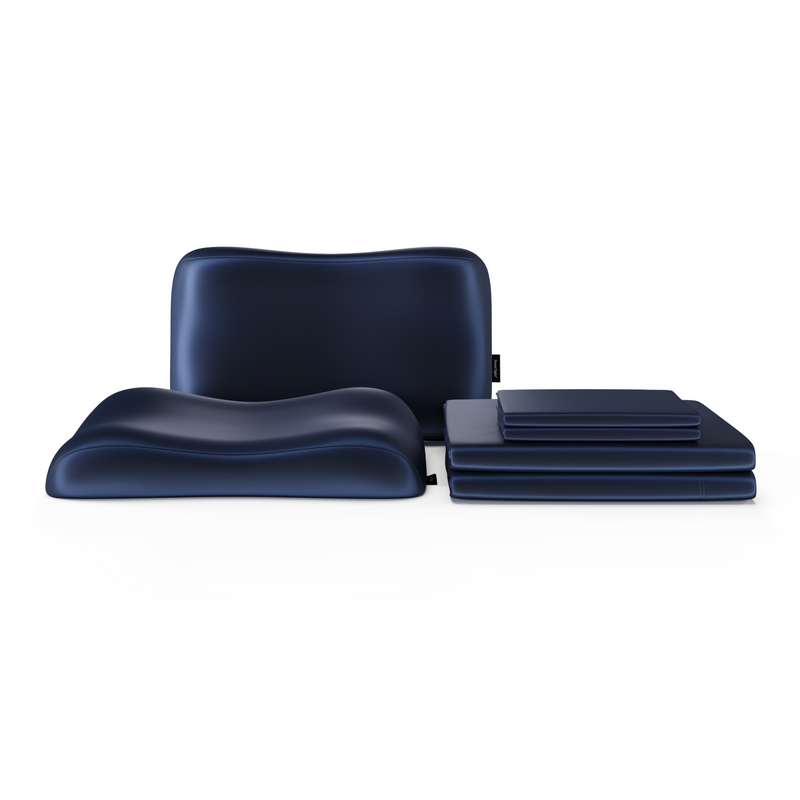
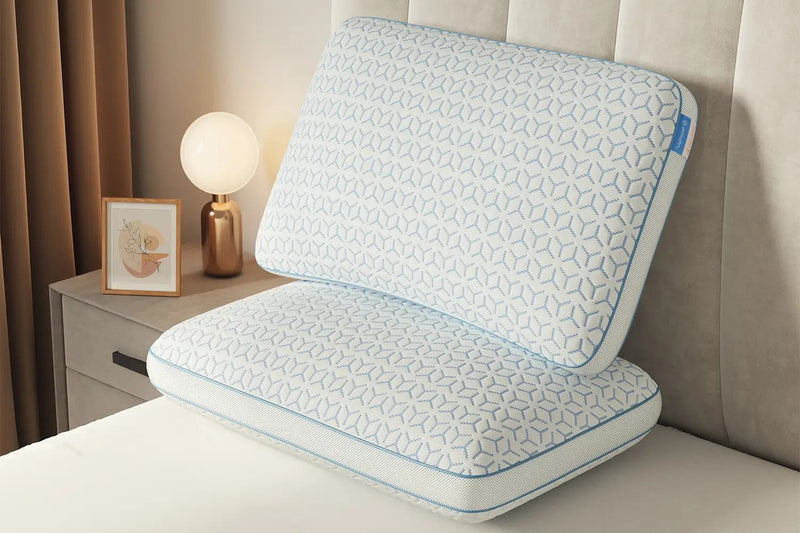
If the pillows themselves are also due for replacement, the sheet set and pillows bundle adds two ergonomic cooling pillows to the same four pieces, which works out cheaper than buying them separately and keeps the fabrics consistent across everything your upper body touches.

Care Without Killing the Fit
Elastic is the part of a fitted sheet that fails first, and heat is what kills it.
Elastic in bedding is usually a rubber or spandex core wrapped in a fiber sheath. High wash temperatures and hot tumble drying degrade that core, so the band gradually loses its recovery. The sheet still looks fine and no longer grips — which people usually blame on the mattress.
Follow the care instructions and the fit outlasts the fabric. On our sheets that means machine washing on a gentle cycle below 104°F, tumble drying on low heat below 130°F, no dry cleaning, no ironing and no bleach. The same limits protect the cool-touch finish, so the two goals happen to align.
Three habits that help regardless of brand. Take sheets out of the dryer slightly damp and put them straight on the bed, which sets the fit and avoids the deepest creases. Skip fabric softener — the film it leaves reduces moisture transfer and makes a cooling sheet feel clammy. And rotate two sets rather than washing one every week; halving the number of cycles roughly doubles how long the elastic lasts.
If your fitted sheet has already gone slack, the cheap rescue is a set of sheet suspenders under the mattress. It works, but it is a patch on failed elastic rather than a fix for a sheet that was never deep enough. When it is time to replace rather than patch, the rest of the cooling bedding range is sized on the same 16 inch pocket standard, so the layers stay consistent.
FAQ
Is a 16 inch deep pocket enough?
For most beds sold today, yes. Standard mattresses run 10 to 14 inches, and 16 covers those plus a thin topper or protector with elastic left over to grip underneath. It stops being enough on a 14 inch mattress with a 3 to 4 inch topper, or on very tall pillow-tops.
How do I account for a topper?
Add its thickness to the mattress depth and buy for the total, ideally with an inch or two spare so the elastic can wrap under the edge. A 12 inch mattress plus a 3 inch topper needs at least a 15 inch pocket.
Why does my fitted sheet keep coming off?
Four usual causes: the pocket is too shallow to grip underneath, it is so deep that loose fabric works itself free, the elastic only spans the corners instead of running all the way around, or the fabric has no stretch. Depth and elastic coverage account for most cases.
Are King and California King sheets interchangeable?
No. A King is 76 by 80 inches and a Cal King is 72 by 84 — different shapes, not different sizes. A King fitted sheet on a Cal King is too wide and four inches short, so it stays under tension and pulls off the corners.
Does a deeper pocket make a sheet sleep cooler?
Indirectly, yes. Cool-touch fabric only works where it touches you, so a sheet that wrinkles or slides delivers less of what you paid for. Fit does not change the fabric; it changes how much of the fabric is doing its job.
How often should I replace fitted sheets?
Around two to three years in weekly rotation, and the elastic usually goes before the fabric. Watch for corners popping off within a night or two, a sheet that no longer grips after washing, and thinning where contact is highest. Hot washing and hot drying shorten that considerably.