










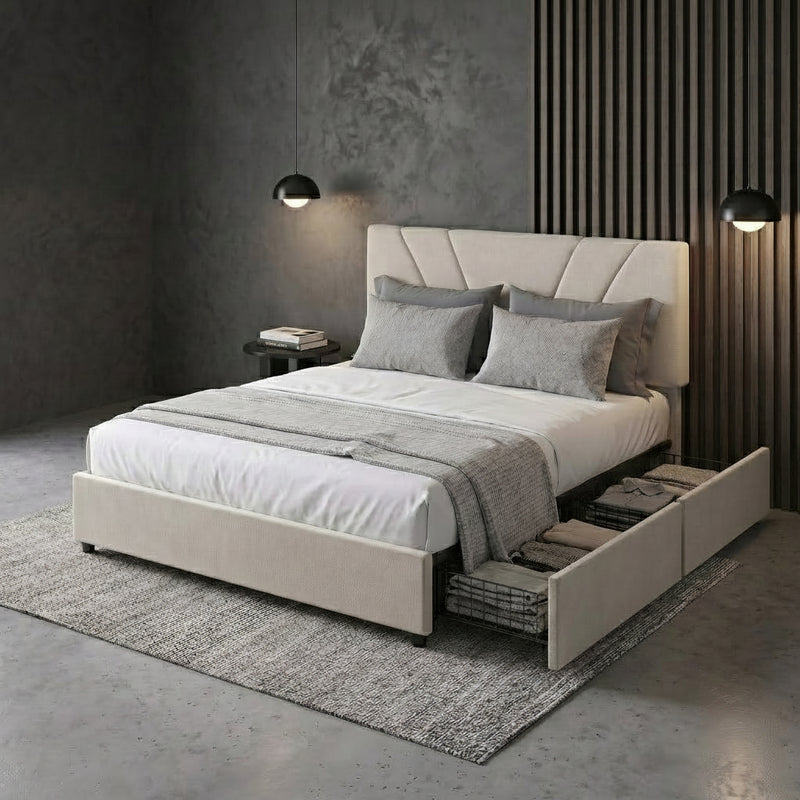
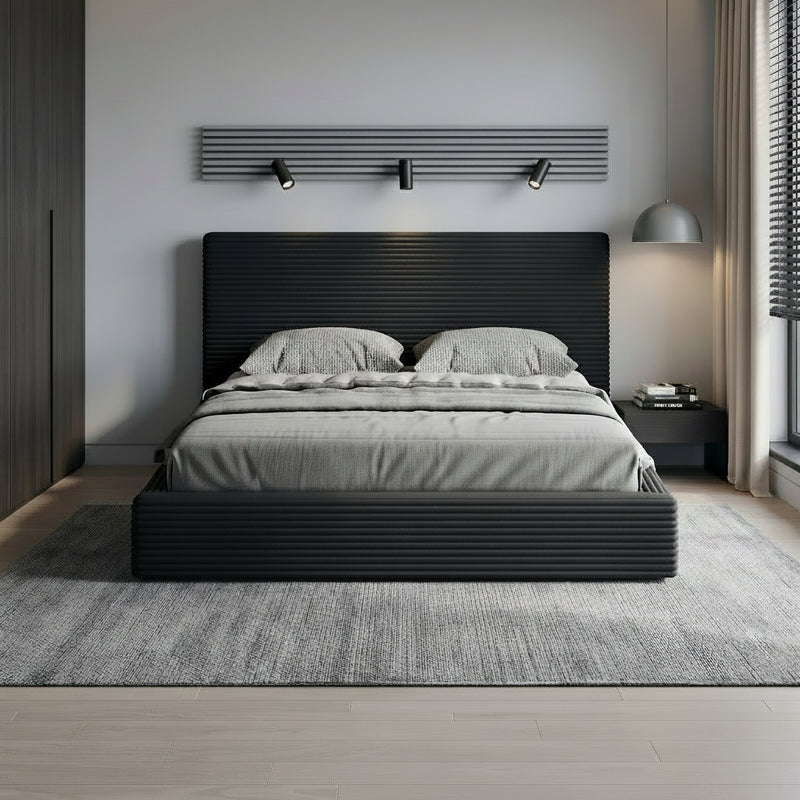
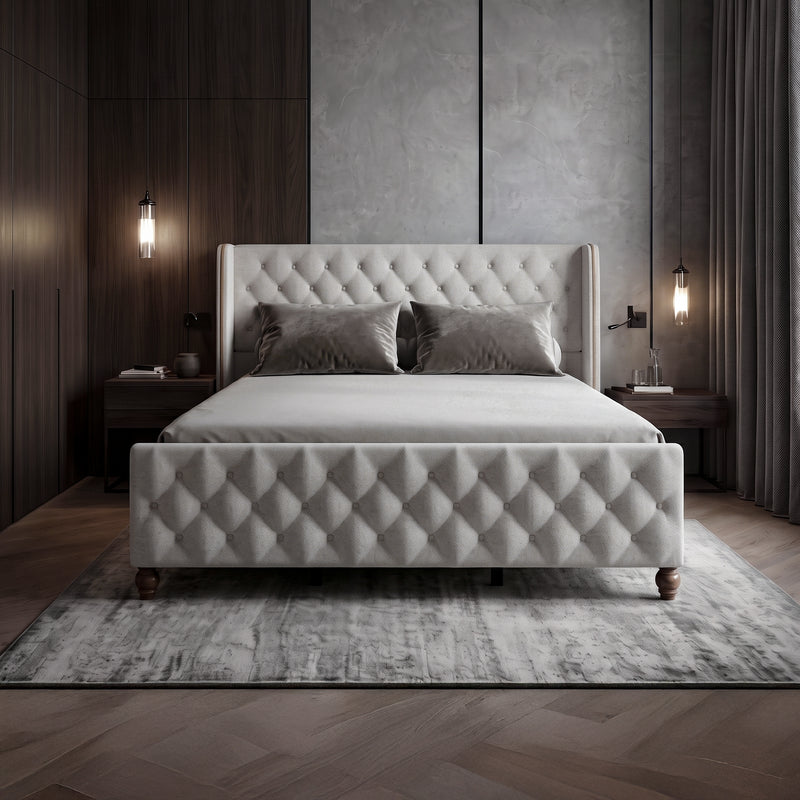
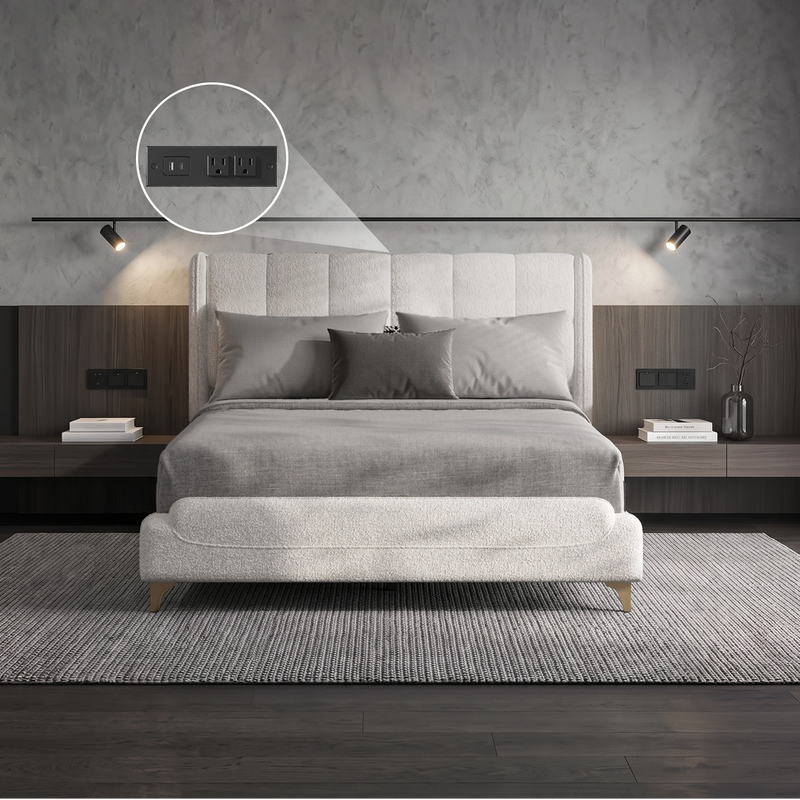


Comforter sizing is the one part of buying bedding that people get wrong most often, and it is entirely because of a false assumption: that a Queen comforter is built to match a Queen mattress. It is not. Comforters are sized for how far they hang down, and the number that decides whether yours is right is the depth of your mattress, which nobody mentions on the label.
Here is the full chart, the arithmetic behind it, and the three situations where the standard size is the wrong choice.
Comforter Size Chart (All Standard Sizes)
US comforter sizing is not standardised the way mattress sizing is, so brands vary by a few inches. These are the ranges you will actually encounter, paired with the mattress each one is meant for.
| Bed size | Mattress (inches) | Typical comforter (inches) | Overhang per side* |
|---|---|---|---|
| Twin | 38–39 x 75 | 66–68 x 86–88 | ~14–15" |
| Twin XL | 38–39 x 80 | 68 x 90 | ~14–15" |
| Full / Double | 54 x 75 | 81–84 x 86–88 | ~13–15" |
| Queen | 60 x 80 | 86–96 x 86–96 (90 x 90 most common) | ~13–18" |
| King | 76 x 80 | 102–108 x 86–94 | ~13–16" |
| California King | 72 x 84 | 104–110 x 96–98 | ~16–19" |
| Oversized King | 76 x 80 | 110–120 x 96–98 | ~17–22" |
*Overhang per side is the raw arithmetic before mattress depth is subtracted. On a thick mattress, most of it disappears — which is the whole point of the next few sections.
Why Comforter Sizes Do Not Match Mattress Sizes
A Queen mattress is 60 inches wide. A Queen comforter is around 90. That 30 inch difference is not a manufacturing quirk — it is the product.
A comforter has to do three things a mattress-shaped rectangle cannot. It has to cover the vertical face of the mattress on both sides, which on a modern bed is anywhere from 10 to 16 inches each. It has to hang below that so the bed looks made rather than shrink-wrapped. And it has to leave enough slack at the top to fold back over a pillow without pulling the bottom edge up off your feet.
This is also why sheets and comforters are sized on completely different logic. A fitted sheet is cut to the mattress and its depth, so it either fits or it does not. A comforter is cut to the mattress plus the look you want, so there is a legitimate range rather than one right answer. Two people with identical Queen beds can reasonably want a 86 inch and a 96 inch comforter.
Once you see it that way, the sizing question stops being "what size is my bed" and becomes "how much fabric has to hang down." That has an answer you can calculate.
How Much Drape Do You Actually Need?
Use this and you will never buy the wrong size again.
Required width = mattress width + (2 × mattress depth) + (2 × free hang)
Mattress depth includes everything stacked on it — a topper, a protector, a mattress pad. Free hang is how far below the bottom edge of the mattress you want the fabric to fall, which is a style choice: zero inches for a tailored look that stops at the mattress edge, three to six inches for the standard look, more if you want it to skim a low frame.
A worked example. A Queen mattress, 60 inches wide, 12 inches deep, and you want four inches of free hang:
60 + (2 × 12) + (2 × 4) = 92 inches. A 90 by 90 comforter is one inch short per side, which nobody would notice. Fine.
Now the same bed with a 16 inch mattress and a two inch topper:
60 + (2 × 18) + (2 × 4) = 104 inches. A 90 inch Queen comforter is now seven inches short on each side, and it will pull off one side whenever the other person turns over. This is the single most common comforter sizing failure, and it has nothing to do with the bed being a Queen.
Length is simpler because you only need hang at one end: mattress length + mattress depth + free hang at the foot + about 10 to 12 inches of fold-back at the top.
Queen Comforter Dimensions Explained
Queen is the most-bought size in the US and the one with the widest spread in what "Queen" actually means. You will find Queen comforters at 86 by 86, 88 by 88, 90 by 90, 92 by 96 and beyond, all with the same word on the packaging.
The 90 by 90 cut is the reference point. On a 60 by 80 inch mattress it leaves 15 inches of width per side and 10 inches of length at the foot before depth is accounted for. On a mattress up to about 11 inches deep, that produces the classic hotel look: fabric covering the side of the mattress with a few inches hanging free.
Anything smaller than 88 inches wide is effectively a tailored cut. It works on a platform bed with a slim mattress and looks deliberate. It does not work on a thick mattress, and it does not work for two people.
Anything from 92 inches up is where you should be looking if you have a deep mattress, if you share, or if you simply like a comforter that reaches well down the sides. There is no penalty for extra width beyond the fabric touching the floor on a very low frame — and if your bed sits low, that is worth measuring before you order.
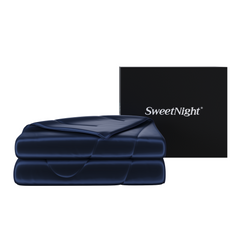
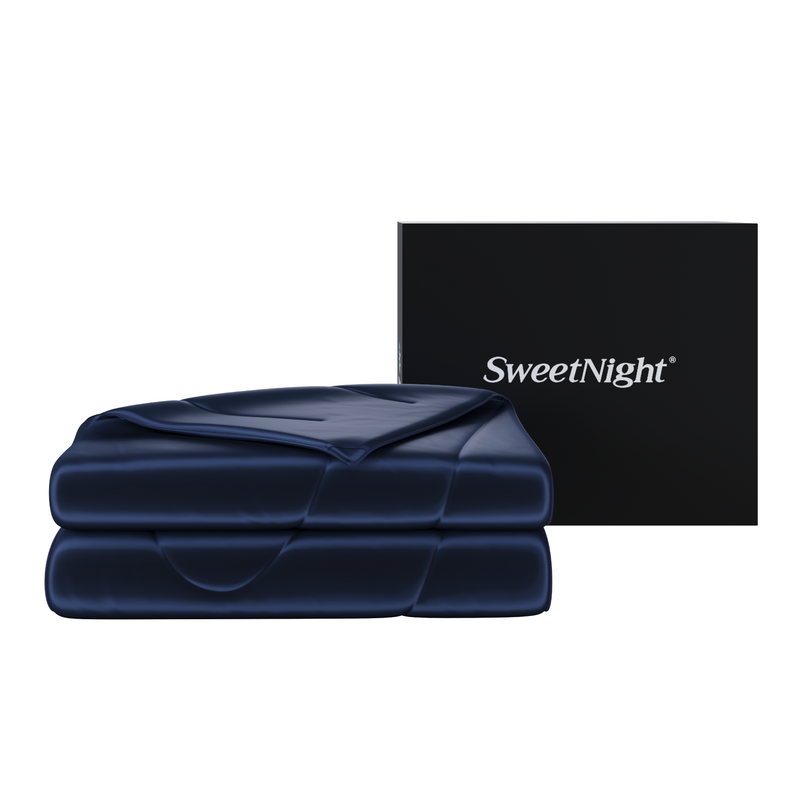
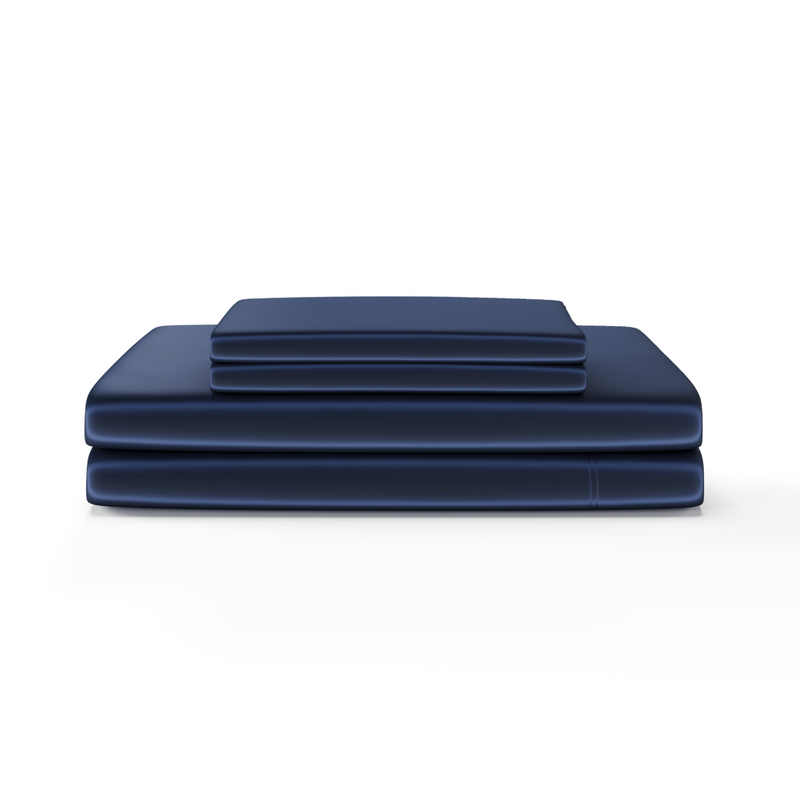
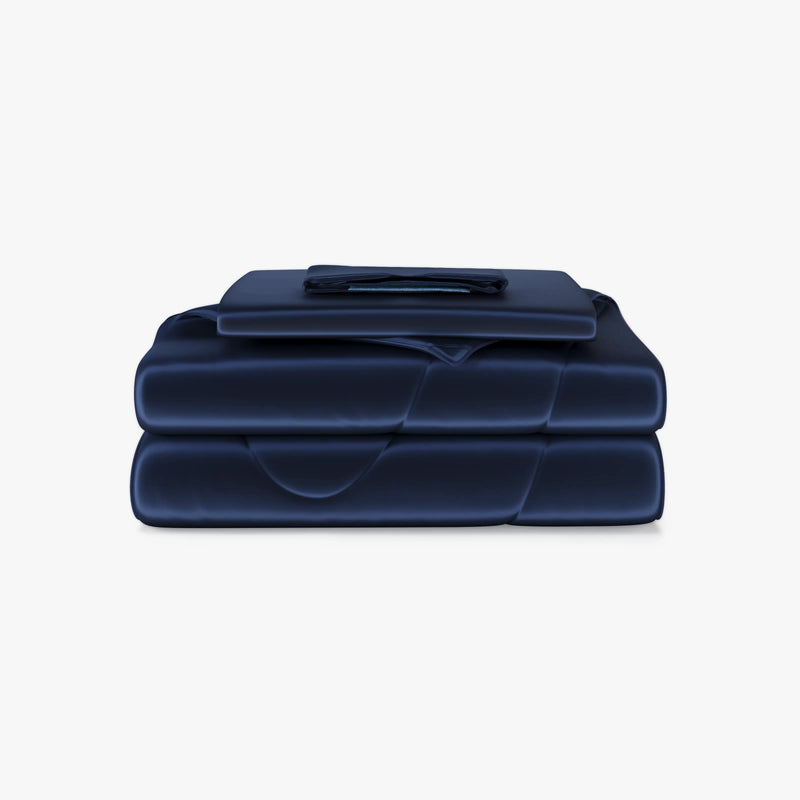
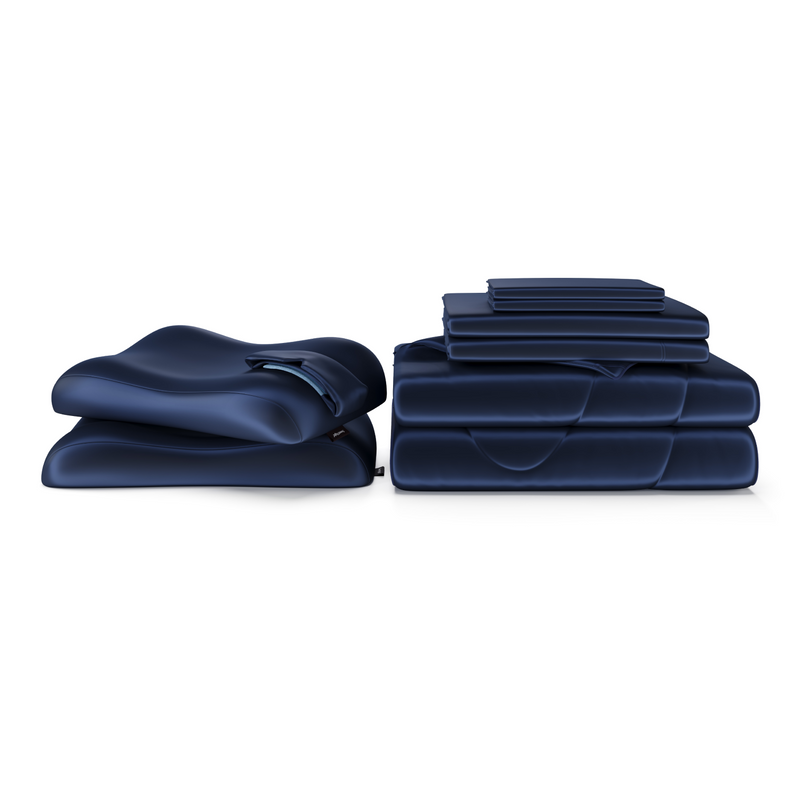
Our own CoolNest® Cooling Comforter (Queen and King) uses the standard 90 by 90 inch cut for Queen, which suits mattresses up to roughly 12 inches with a normal amount of drape.

King and Oversized King: When to Size Up
King mattresses are 76 by 80 inches — sixteen inches wider than a Queen but exactly the same length. King comforters follow, typically 102 to 108 inches wide and 86 to 94 long, so the CoolNest King cut at 106 by 90 inches sits right in the middle of that band.
The trap on a King bed is length, not width. Because a King is no longer than a Queen, some brands reuse a Queen's length. Combined with a deep mattress, that leaves the foot of the bed uncovered whenever anyone pulls the comforter up toward their shoulders — and on a King, someone always is.
Oversized King, sometimes sold as an extra-wide King, runs 110 to 120 inches wide. It exists for three specific cases:
- Deep mattresses. Anything past 15 inches, especially with a topper.
- High bed frames. Tall platforms and storage bases make a standard comforter look stranded halfway down.
- Two sleepers who both pull. More fabric is the only mechanical solution to a shared comforter.
California King is a different shape rather than a bigger one: 72 by 84 inches, so four inches narrower and four inches longer than a King. A King comforter will cover a Cal King but gives you surplus width and a shortfall in length, which is the opposite of what you want. Buy for the size on the label.
Thick Mattresses Change Everything
Mattresses have grown. Fifteen years ago a 9 inch mattress was normal. Today 12 to 14 inches is standard and 16 is common, and comforter sizing has not moved to match.
The arithmetic is unforgiving because depth is charged twice, once per side. Here is what a 90 inch Queen comforter has left after covering the mattress face:
| Mattress depth | Width used by both sides | Free hang left per side |
|---|---|---|
| 10" | 20" | 5" |
| 12" | 24" | 3" |
| 14" | 28" | 1" |
| 16" | 32" | −1" (does not reach the bottom edge) |
At 16 inches the comforter no longer reaches the bottom of the mattress, which is why a bed can look permanently unmade no matter how carefully you straighten it.
Deep mattresses cause the same problem one layer down, and it is worth fixing at the same time: a standard fitted sheet will not stay on a 16 inch mattress either. That is covered in our guide to deep pocket sheets that fit a thick mattress, including how to measure depth properly with a topper in place.
Two Sleepers, One Comforter: The Size Fix for Cover Hogging
Cover hogging is usually treated as a personality trait. Most of the time it is a fabric shortage.
Two adults on a Queen bed each occupy about 30 inches of width. A 90 inch comforter across a 12 inch deep mattress leaves roughly three inches of free hang per side. When one person rolls and takes six inches with them, the other side lifts off the mattress edge entirely and cold air gets in. The response — pulling back — does the same thing in reverse, all night.
Two fixes, both about size.
Size up one step. A King-width comforter on a Queen bed sounds excessive and works extremely well. There is enough slack that normal movement no longer strips the other side.
Use two separate comforters. Two Twin or Twin XL comforters side by side on a Queen or King bed, the standard arrangement across Scandinavia and Germany. It ends the tug-of-war completely and has a second benefit: each person picks their own weight and warmth, which matters if one of you sleeps hot. That is the same logic we apply throughout the bedding collection — split the layers that can be split.

Comforter vs Duvet Insert Sizing
These two words are used interchangeably in the US and they are not sized the same way.
A comforter is a finished item designed to be used as-is, so it is cut generously to drape over the sides of the bed. A duvet insert is designed to live inside a cover, so it is cut closer to the mattress footprint and relies on the cover for the finished look. That is why a duvet insert sold as Queen is often noticeably smaller than a Queen comforter.
Two practical consequences. If you buy a duvet cover for a comforter, buy the cover to match the comforter's actual measurements rather than the bed size — a 90 by 90 comforter in an 88 by 88 cover will be permanently strained at the corners. And if you use a comforter inside a cover, remember the cover fabric becomes the surface touching your skin, which cancels out any cool-touch shell underneath.
If the distinction between the two is new to you, we have a separate explainer on the difference between a duvet and a comforter that covers construction and care as well as sizing.
Size Chart for Our CoolNest® Cooling Comforter
Our own numbers, so you can run them through the formula above.
| Size | Dimensions | Fits mattress | Best for |
|---|---|---|---|
| Queen | 90" x 90" | 60 x 80, up to ~12" deep with normal drape | One or two sleepers on a standard-depth Queen |
| King | 106" x 90" | 76 x 80, up to ~13" deep with normal drape | King beds; also a generous upgrade on a deep Queen |
Two notes. On a mattress deeper than about 13 inches, buying the King for a Queen bed is a legitimate move — you are buying drape, not bed size. And if you are choosing a comforter for heat rather than for looks, the fill and shell matter more than an inch either way; our guide to picking a cooling comforter for hot sleepers covers what to look for.
FAQ
What are the dimensions of a Queen size comforter?
Usually 86 to 96 inches in both directions, with 90 by 90 the most common single size. On a 60 by 80 inch Queen mattress, 90 inches of width gives about 15 inches of overhang per side before mattress depth is subtracted.
Can you use a Queen comforter on a Full bed?
Yes, and many people prefer it. A Full mattress is 54 by 75 inches, so a Queen adds about three extra inches of drape per side and more length at the foot. The only catch is that the extra length can touch the floor on a low frame.
Will a King comforter fit a California King?
It covers it, but imperfectly. A Cal King is four inches narrower and four inches longer than a King, so you get surplus width and a shortfall in length. Buy a comforter sold for Cal King if foot coverage matters to you.
Should I size up for a thick mattress?
Usually. Depth is charged twice, once per side. A 16 inch mattress with a protector eats about 32 inches of comforter width before anything hangs free. Past roughly 14 inches, go up a size or choose an oversized cut.
How do I stop my partner hogging the comforter?
Add fabric or split it. Going up one size gives both people their own drape; two separate comforters on one bed removes the problem entirely and lets each person pick their own warmth.
How do I measure for a comforter?
Measure mattress width, length and depth including any topper. Decide your free hang. Then: width = mattress width + (2 × depth) + (2 × free hang). Length = mattress length + depth + hang at the foot + about 10 to 12 inches to fold back at the top.