



You kick the covers off at 2 a.m., flip to the cool side of the pillow, and it's warm before your head finishes settling. The mattress underneath feels like it's been storing your body heat all night and radiating it right back. If this is your nightly routine, you already know how much it wrecks your sleep, and a quick scroll through the sleep forums shows you're in enormous company: "my bed feels like an oven" is one of the most common complaints hot sleepers post.
The frustrating truth is that a lot of mattresses genuinely do trap heat, and some materials are far worse offenders than others. The good news is that a hot mattress is one of the more fixable sleep problems out there. Some fixes cost nothing and work tonight, some are cheap upgrades, and some point toward a bed that was actually built to sleep cool. Here's why your mattress feels too hot in the first place, and the full range of ways to fix it, from free tweaks to a genuine cooling overhaul.
Why Your Mattress Traps Heat at Night
Your body dumps heat all night long, and a mattress that can't move that heat away turns your sleep surface into a warm pocket you're trapped against. The problem is that many beds are built from dense materials that insulate rather than ventilate. Heat has nowhere to go, so it builds up between your body and the surface, and by the small hours you're lying in a warm dent of your own making. That's the core of nearly every hot-mattress complaint.
Density and airflow are the deciding factors. A solid slab of dense foam has very little internal air movement, so the heat your body produces gets absorbed and held instead of carried away. Beds with open, breathable structures, ventilation channels, or coils let air circulate and flush warm air out as you move, which keeps the surface closer to a neutral temperature. The more sealed and solid the construction, the hotter it tends to sleep, which is why two beds can feel worlds apart on temperature.
Your surroundings stack on top of the mattress itself. A warm bedroom, heavy bedding, thick pajamas, and a partner throwing off their own body heat all raise the baseline the bed has to cope with. If the mattress is already poor at shedding heat, those extras tip you from warm into sweating. Understanding that heat buildup is really a ventilation failure is the key to fixing it, because every effective solution comes down to the same goal: get the heat moving away from your body instead of letting it pool.
There's also a moisture piece that makes trapped heat feel even worse. As you warm up, you sweat, and a bed that can't breathe holds that moisture against your skin along with the heat, so you're not just hot, you're clammy. Damp warmth feels far more miserable than dry warmth and wakes you more often, which is why "I wake up sweaty" and "my bed feels hot" are really the same complaint. A surface that moves both heat and moisture away is what actually breaks the cycle, and that's the standard every fix below is aiming at.
How Memory Foam Ends Up Feeling Hot
Memory foam earned its reputation for sleeping hot honestly. Classic memory foam is dense and molds closely around your body, which is exactly what makes it feel so cradling and pressure-relieving, but that same close contact wraps you in the material and cuts off airflow around your skin. The more of you the foam hugs, the less air can circulate to carry heat away, so the very feature people love about memory foam is also what makes it warm.
The density that gives memory foam its slow, contouring feel also means there's little open space inside for air to move. Traditional foam absorbs and stores body heat rather than dispersing it, so warmth accumulates through the night and the surface gets hotter the longer you lie still. This is why so many hot-sleeper complaints specifically name memory foam, and why "why does my memory foam bed sleep so hot" is a perennial question in the mattress communities.
Not all foam is stuck in that trap anymore, though. Modern memory foam mattress designs fight the heat with open-cell structures, gel infusions, ventilation channels, and breathable covers that keep air moving through the foam instead of sealing it in. So while older or cheaper foam beds can genuinely cook you, the material itself isn't doomed to sleep hot; it depends entirely on how the foam is engineered. If your foam bed runs warm, that tells you it was built without cooling in mind, not that all foam has to be miserable.

Why You Sleep Hot Even in a Cool Room
One of the most confusing versions of this problem is feeling hot in a bedroom that's genuinely cool. You've got the thermostat down, maybe a fan running, and you're still sweating into the mattress. The reason is that the trapped heat isn't coming from the room, it's coming from you, and the bed is holding it against your skin faster than the cool air around you can pull it away. The microclimate right at the surface can be far warmer than the room.
The insulating layer of a heat-trapping mattress creates a warm pocket between your body and the surface that room air never reaches. Cool air a foot above the bed does nothing for the sealed-off zone where your back meets the foam, so you can be surrounded by cool air and still baking where it counts. This is why cranking the AC often barely helps hot sleepers on the wrong mattress: you're cooling the room, not the surface that's actually overheating you.
Personal factors feed into it too. Some people simply run hot, whether from metabolism, hormones, medications, or menopause-related night sweats, and for them a heat-trapping bed turns a manageable tendency into drenched sheets. The mattress amplifies whatever heat you bring to it. That's why the fix has to target the surface itself, either by making the bed shed heat better or by adding a layer that pulls warmth away, rather than only chasing a colder room the mattress will just undo.
This is also why hot sleepers get so frustrated chasing the thermostat down further and further with no real relief. Once the room is genuinely cool and you're still overheating, you've hit the ceiling of what room temperature can do, because the problem lives in the sealed inch of surface pressed against your back, not in the air. Recognizing that early saves you a lot of wasted nights fiddling with the AC, and points you straight at the layer that's actually holding the heat: the mattress surface and whatever you've stacked on top of it.
How Your Sheets and Mattress Protector Trap Heat
Sometimes the mattress gets blamed for heat that's really coming from what's on top of it. A thick, non-breathable mattress protector is a classic culprit, especially the cheap waterproof kind with a plastic or heavy vinyl backing. That layer seals the surface, blocks whatever airflow the mattress does offer, and traps a warm, sweaty film right under you. People add a protector for good reasons and unknowingly cook themselves in the process.
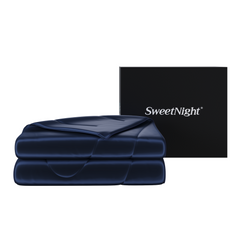
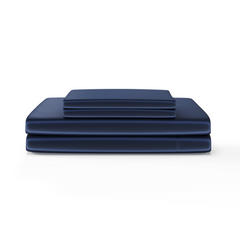
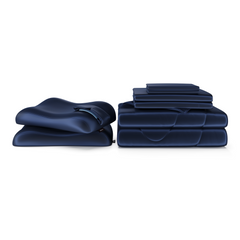
Your sheets matter more than most people think as well. Polyester and microfiber sheets are cheap and soft but trap heat and hold moisture against your skin, while natural fibers like cotton, bamboo, and linen breathe and wick sweat far better. High-thread-count sheets can actually sleep warmer despite feeling luxurious, because the tighter weave restricts airflow. If your bedding is synthetic and dense, it can undo the cooling of even a decent mattress and make a warm bed feel unbearable.
The fix here is cheap and worth trying before you blame the bed. Swap to breathable natural-fiber sheets, choose a thin, breathable, or moisture-wicking mattress protector instead of a heavy waterproof slab, and lighten your comforter for the warmer months. These swaps cost a fraction of a new mattress and sometimes solve the whole problem on their own. If you've overheated for years, audit everything between you and the mattress first, because the trapped heat might be living in your sheets, not your bed.
Why Sharing a Bed Makes the Mattress Feel Hotter
If your bed only started feeling like an oven when you began sharing it, that's not your imagination. Two bodies put out roughly twice the heat of one into the same surface, and on a mattress that already struggles to ventilate, that doubled load turns warm into sweltering. The space between two sleepers becomes a genuine heat trap, which is why couples so often report sleeping hotter together than either of them did alone.
Body heat also travels through the surface. On a poorly ventilating bed, your partner's warmth spreads through the foam toward your side, so even with a gap between you, you're both marinating in shared heat with nowhere to escape. Add in the fact that couples usually share one comforter that traps heat over both of you, and the overheating compounds. This is one of the most common reasons a bed that felt fine for a single sleeper feels miserable once it's shared.
The construction that handles two hot bodies best is one built for airflow. A hybrid mattress with a coil support core lets air move through the whole bed as you shift, flushing out the heat two sleepers generate far better than a solid foam slab can. Pairing that with separate lighter blankets so each person controls their own warmth, and choosing a larger size so bodies aren't crowded into one heat pocket, takes a lot of the shared-bed heat problem off the table.

Quick Fixes to Cool Down a Hot Mattress Tonight
Before spending a cent, there are things you can do tonight that genuinely take the edge off a hot bed. Start with airflow in the room: run a fan aimed across the bed rather than just at you, since moving air over the surface helps carry heat away from the mattress, not only off your skin. Crack a window if the night air is cooler, and set up a cross-breeze if you can, because still air lets heat pool right where you're lying.
Attack the bedding next. Strip down to breathable natural-fiber sheets, swap a heavy comforter for a lighter blanket, and ditch any thick waterproof protector for the night to see how much heat it was trapping. A cool shower before bed lowers your core temperature going in, and moisture-wicking sleepwear, or none at all, keeps sweat off the surface. Freezing a set of sheets or a pillowcase for an hour before bed is a low-tech trick hot sleepers swear by for falling asleep faster.
Position and habit help too. Lower your thermostat in the couple of hours before bed so the room is genuinely cool by the time you lie down, since a warm room keeps reheating the mattress all night. Keep a foot or a limb outside the covers to vent heat, an old trick that works because your extremities shed warmth efficiently. None of these solve a fundamentally heat-trapping bed, but stacked together they can turn a rough night into a tolerable one while you decide on a bigger fix.
Treat these as a diagnostic as much as a fix, too. If stripping the bedding, adding a fan, and cooling the room genuinely solves your overheating, the mattress probably ventilates fine and your setup was the problem. If you do all of it and still wake up in a warm dent, that's strong evidence the bed itself traps heat and the real solution is a cooler surface, not more tricks. Running the free fixes first tells you exactly how far up the ladder you actually need to go before spending anything.
How a Cooling Mattress Topper Lowers Surface Heat
When the free fixes aren't enough but you're not ready to replace the whole bed, a cooling mattress topper is the highest-impact middle step. A topper sits directly between you and the hot surface, so a cooling one made from gel-infused foam, breathable latex, or a ventilated design puts a heat-shedding layer exactly where the overheating happens. It targets the microclimate at the surface, which is the specific zone that room air and AC can't reach.
The best cooling toppers work by moving heat and moisture away rather than just feeling cool for a minute. Gel infusions help draw warmth from your body, open structures let air circulate under you, and moisture-wicking covers pull sweat off your skin so you're not lying in a damp warm patch. A good one can make a noticeable difference on a bed that traps heat, and it costs a fraction of a new mattress, which is why the forums recommend it so often for this exact problem.
Know the limits, though. A topper improves the surface feel, but it can't transform a fundamentally poorly ventilated bed into a cool one, because the heat-trapping core is still underneath doing its thing. If your mattress is otherwise comfortable and supportive and only runs a bit warm, a cooling topper may fully solve it. If the bed is deeply heat-trapping, sagging, or wrong for your body in other ways, a topper is a patch rather than a cure, and it may be time to think about the mattress itself.
Why a Hybrid Mattress Sleeps Cooler Than All-Foam
If you've decided the bed itself is the problem, understanding why construction matters points you toward a genuinely cooler replacement. The single biggest structural factor in how hot a mattress sleeps is whether air can move through it, and this is where hybrids have a built-in advantage over all-foam beds. A hybrid's coil support core is mostly open space, so air circulates freely through the middle of the bed and flushes out heat every time you shift.
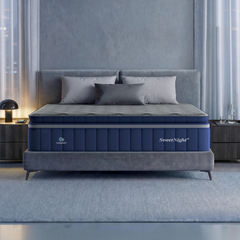
All-foam beds, by contrast, are solid top to bottom, so even with cooling infusions in the comfort layer, there's no open core to ventilate the heat that builds up underneath. A hybrid combines a contouring foam or pillow-top surface for pressure relief with that breathable coil engine below, giving you much of the hug of foam without the sealed-in heat. For people who love how foam feels but hate how hot it sleeps, this construction is often the sweet spot.
That's why hybrids dominate recommendations for hot sleepers, couples, and anyone in a warm climate. The coils don't just cool, they also add support and durability, and they handle two bodies' worth of heat far better than a foam slab. If overheating has been your deal-breaker, shopping a cooling mattress lineup with an eye toward hybrid construction is one of the surest ways to fix the problem at the source rather than patching it layer by layer.
When to Upgrade to a Cooling Mattress Built for Hot Sleepers
There's a point where fixes stop being worth it and a purpose-built cooling bed makes more sense. If you've tried breathable sheets, a cooling topper, fans, and a cold room and you're still waking up sweaty most nights, the mattress is fighting you and no amount of patching will win. When overheating is costing you sleep night after night, replacing a fundamentally hot bed with one engineered to stay cool is the fix that actually holds.
What separates a true cooling mattress from a regular one is that cooling is designed into every layer, not sprinkled on top. The best cooling mattresses stack multiple technologies: phase-change materials that actively pull heat from your skin, breathable cover fabrics, ventilation channels, gel infusions, and airflow-friendly cores that move heat out instead of storing it. That layered approach is what keeps the surface cool all night rather than for the first ten minutes, which is the difference hot sleepers actually feel.

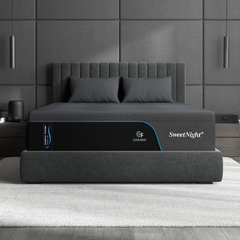
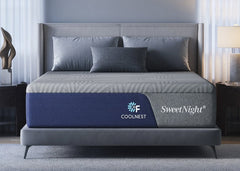
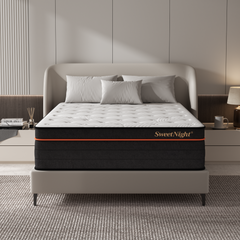
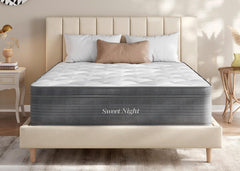
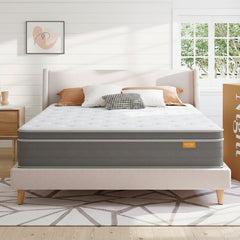
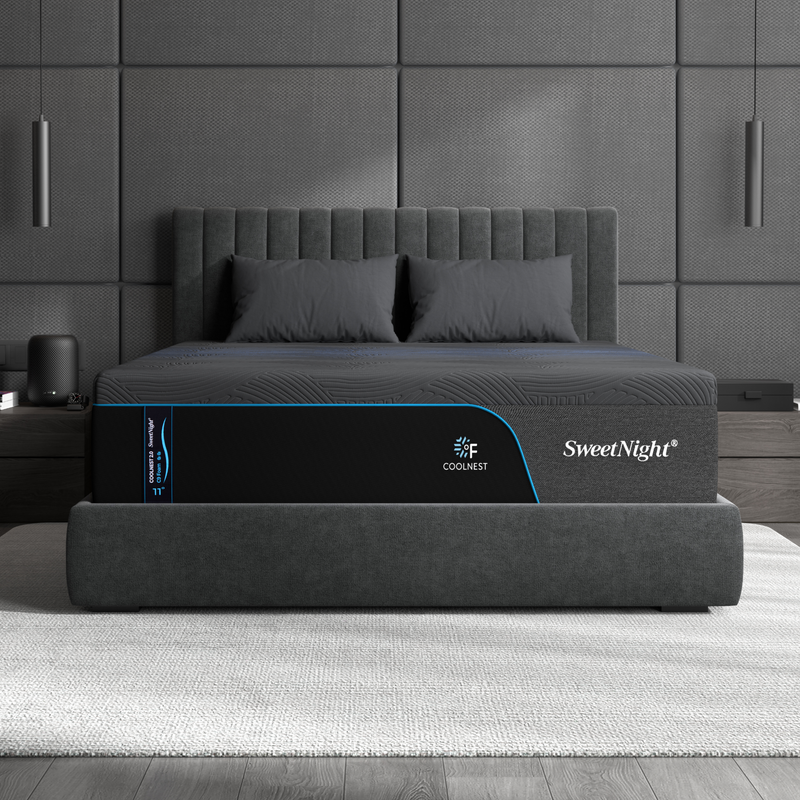
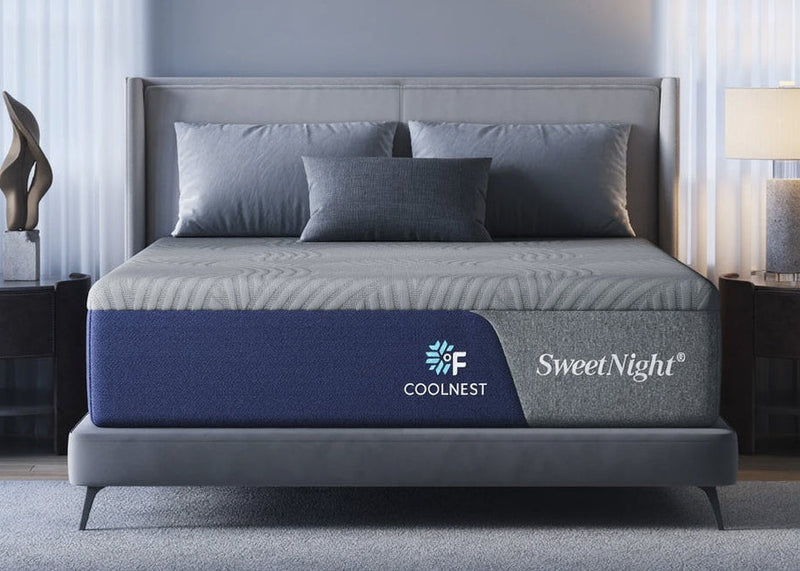
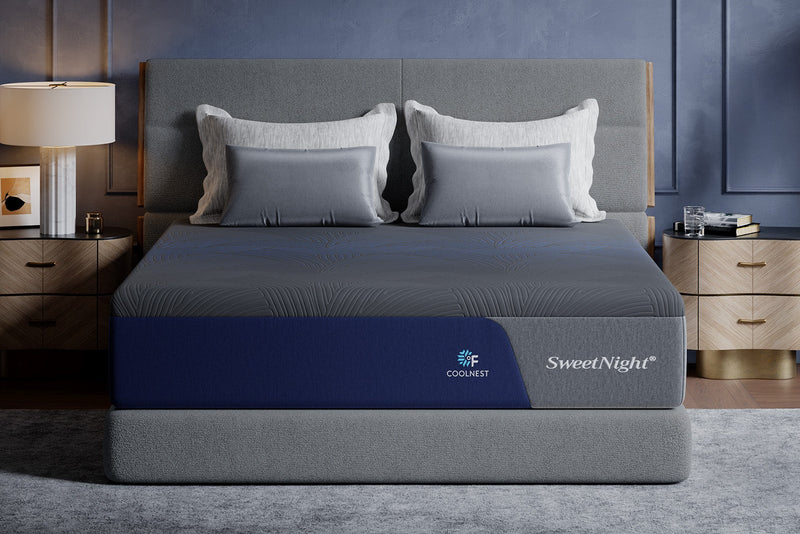
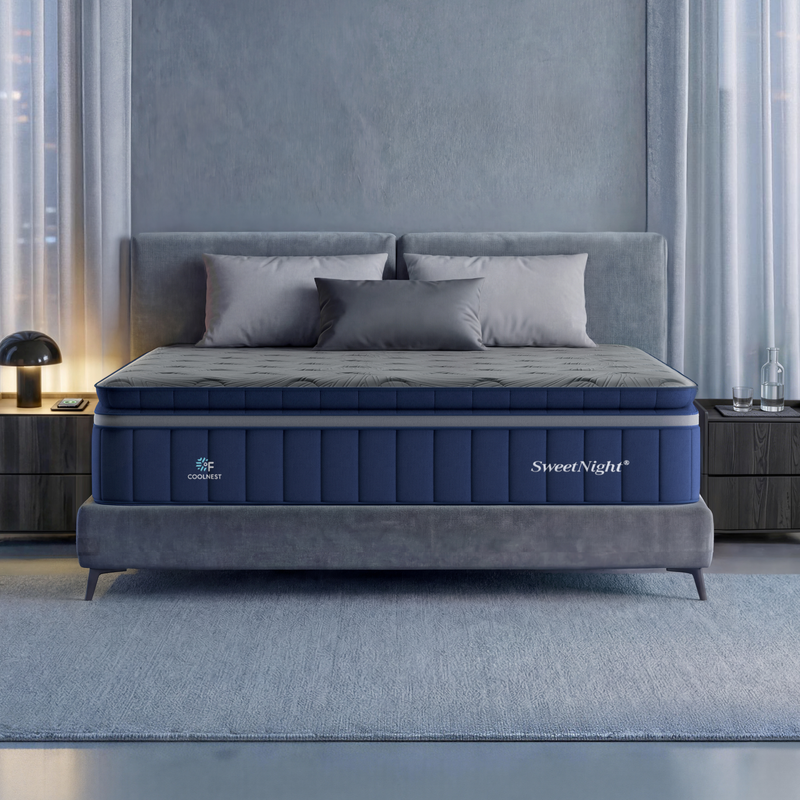
A flagship example is the cooling memory foam mattress engineered to sleep up to 11°C cooler, which combines a multi-stage cooling system, a breathable AirMesh™ construction, and 7-zone support so you get the contouring hug of memory foam without the heat that usually comes with it. That's the payoff of a bed built for hot sleepers from the ground up: it delivers the feel people want while solving the exact overheating that drove them crazy on their old mattress. If heat is your make-or-break issue, buying for cooling first is the move.
How to Keep Your Mattress Cool Long-Term
Once you've cooled things down, a few ongoing habits keep the bed from creeping back toward hot. Airflow is the foundation, so use a breathable foundation or slatted base that lets air move under the mattress rather than a solid platform that seals the bottom. Let the bed breathe periodically by pulling back the covers each morning instead of making it immediately, which gives trapped overnight moisture and heat a chance to escape before they build up.
Keep your bedding working with the mattress, not against it. Stick with breathable natural-fiber sheets, rotate to lighter blankets as the seasons warm, and choose a thin, breathable protector so you're not resealing the surface you worked to cool. Wash bedding regularly, since sweat and body oils build up and reduce how well fabrics wick moisture over time. Small, consistent choices about what sits between you and the mattress protect the cooling you set up.
Manage the room around the bed as a system, too. A consistently cool bedroom, good ventilation, and a fan for air movement all reduce the heat load the mattress has to handle, which keeps even a good cooling bed performing at its best. Keep the room in the cool sleeping range at night, and your body and your mattress both have less heat to fight. Treat cooling as an ongoing setup rather than a one-time purchase, and a bed that once felt like an oven stays comfortable for the long haul.