



















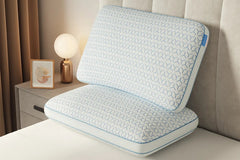

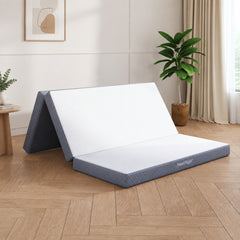

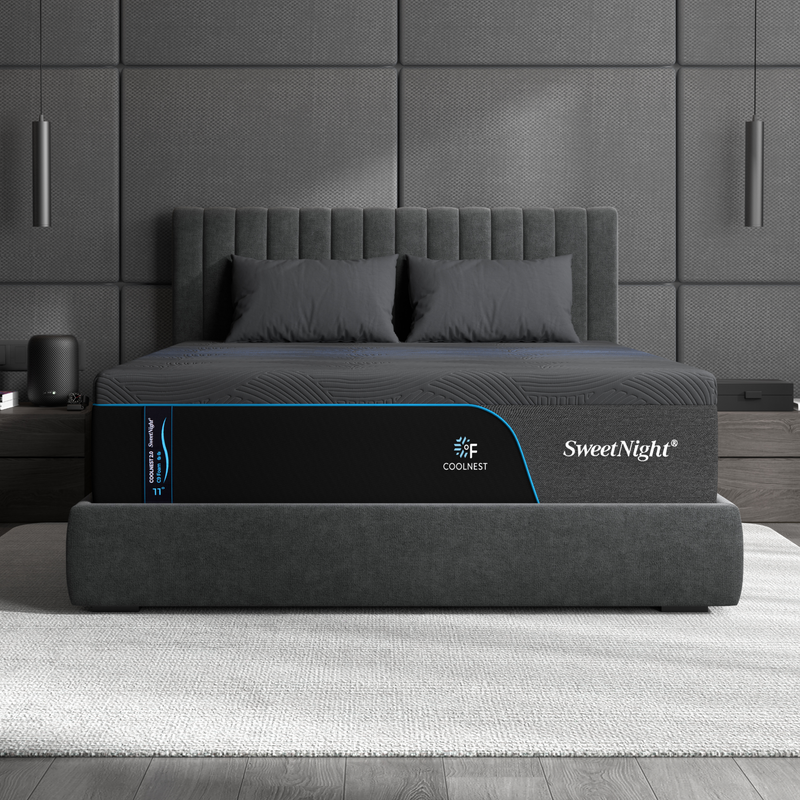



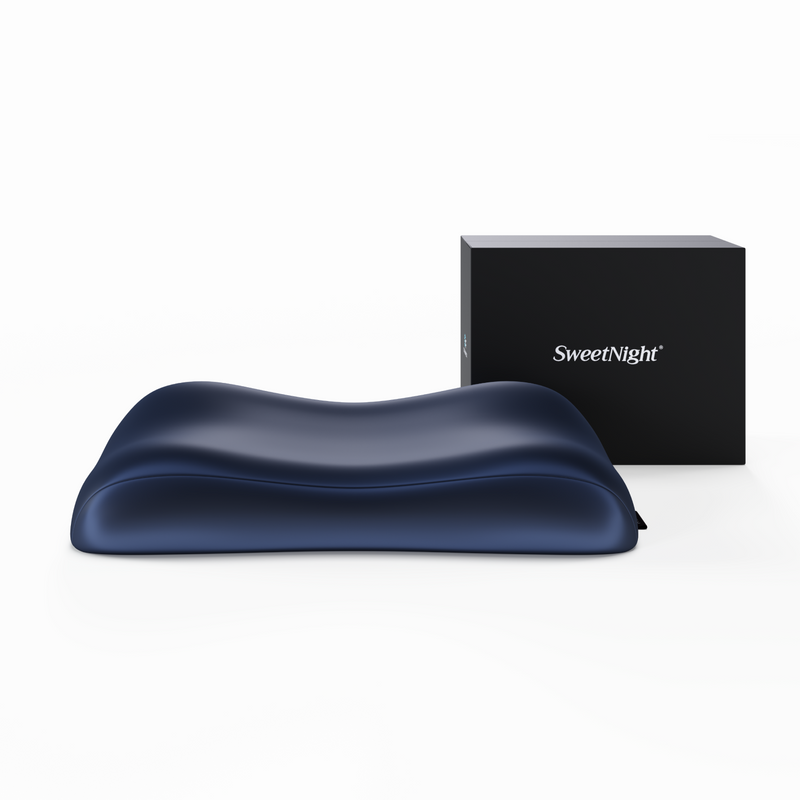














You unboxed your new bed, it puffed up to full height, and the first thing you thought was: this is way harder than I expected. Maybe the reviews called it "medium," maybe you specifically ordered something plush, and yet here you are lying on what feels like a padded floor. It's a genuinely common experience, and the mattress subreddits are full of people asking the same anxious question during week one: is my new mattress supposed to feel this firm?
Usually the answer is that a new mattress feeling too firm is at least partly the break-in period talking, plus a few environmental factors nobody warns you about. Sometimes, though, it's a real mismatch and you'll want to act on it before your return window closes. Here's how to tell which is which, and exactly what to do about a bed that's harder than you signed up for, from free fixes to the classic topper workaround to knowing when to just send it back.
Why a New Mattress Feels Too Firm at First
A brand-new mattress is at its stiffest the day it arrives. The foams have never been compressed by a sleeping body, the comfort layers are at full density, and the whole surface pushes back at maximum resistance. Nothing about it has softened, molded, or relaxed yet. So even a bed rated medium can feel firm-plus straight out of the box, and a bed rated firm can feel downright unforgiving.
On top of that, your body is comparing it to your last mattress, which had years of broken-in grooves and a worn comfort layer that let you sink right in. That sinking felt like softness, even when it was really just a sagging bed failing to support you. The new one holds you up instead of swallowing you, and to a body used to sinking, correct support can read as "too hard." It's the same reason a firm restaurant chair feels stiff after you've been slouched in a broken-down couch all week.
First impressions of firmness are almost always exaggerated, because you're measuring a fresh bed against a collapsed one and a new surface against years of familiarity. This doesn't mean you should ignore a too-firm feeling, it means you shouldn't trust the night-one version of it. The real firmness of the bed only shows itself once the foam has loosened and your body has stopped comparing it to the mattress you just threw out.
There's a psychological layer to this as well. When you've spent real money on a bed, the first night carries a lot of expectation, and any gap between the cozy fantasy and the firm reality lands hard. That disappointment can make the bed feel worse than it objectively is, and it fades as the novelty and the nerves settle. Give the firmness a few nights before you let a rough first impression harden into a verdict, because the version of the bed you meet on night one is rarely the version you'll be sleeping on a month later.
Is a Firm New Mattress a Defect or Just the Break-In Period?
Firmness on night one is rarely a defect. The mattress break-in period specifically softens that initial rigidity as you sleep on the bed and the foam cells start flexing for the first time. Most foam and hybrid mattresses loosen up noticeably over 2 to 4 weeks of nightly use, and a bed that felt like a plank at the start often feels genuinely comfortable by the end of the first month. The change is gradual and easy to miss day to day, but real.
A genuine defect looks different from ordinary firmness. If the surface is uneven, harder in some patches than others, feels crunchy, or doesn't respond to pressure at all even after warming up, that's worth flagging with the seller. Same goes for any visible high spots or a comfort layer that seems to have bunched. Those are manufacturing issues, not break-in, and no amount of waiting fixes them.
But uniform, all-over firmness that's slowly easing week by week is exactly what a healthy break-in feels like. The key signal is direction: break-in firmness trends softer over time, while a genuine problem stays put or gets worse. This is why the standard advice is to track it for a few weeks before concluding anything. Note how the bed feels every few days. If the harshness is fading, you're on the normal path. If it's frozen in place after a month, you've moved from break-in into a real firmness question.
Why Memory Foam Feels Firmer in a Cold Room
Here's a factor that catches a lot of people off guard: temperature. Memory foam is heat-reactive by design. It softens and molds as it warms to your body, and it stiffens when it's cold. Unbox a foam mattress in a chilly bedroom in winter and it can feel dramatically firmer than the same bed would in a warm room, purely because the material hasn't reached the temperature where it goes pliable. The foam is fine; it's just cold.
This is why some people swear their new bed "magically" softened after a week, when really the room warmed up or their body heat finally saturated the foam over a few nights. It's also why a bed can feel stiff for the first twenty minutes and then start cradling you once you've warmed a body-shaped patch into it. If your bedroom runs cold, give the mattress time to warm under you each night, and don't judge its true feel in those first frigid minutes before it responds.
Bumping the thermostat a couple of degrees, adding a mattress protector that traps a little warmth, or just sleeping on it consistently so it stays warm can make a stubbornly firm foam bed feel meaningfully more forgiving. A memory foam mattress is doing exactly what it was engineered to do, it just needs heat to show its softer side. Before you decide a foam bed is too firm, make sure you're not judging it cold, because cold foam and firm foam are easy to confuse.

How Your Sleep Position Changes How Firm a Mattress Feels
The same mattress can feel firm to one person and perfect to another, and a lot of that comes down to how you sleep. Side sleepers press their shoulders and hips into the bed at sharp points, so they need the surface to give and cushion those pressure zones. On a firm mattress, side sleepers often feel it pushing back hard against the shoulder and hip, which reads as uncomfortable and can cause numbness, tingling, or a deep ache by morning.
Back and stomach sleepers spread their weight more evenly across the surface and generally tolerate, even prefer, a firmer feel, because it keeps the spine from bowing and the hips from sinking. So if you're a dedicated side sleeper and your new bed feels punishingly firm, it may not just be break-in, it may be that the firmness genuinely doesn't suit your position. That's a different problem than a bed that just needs a few weeks.
Body weight plays in too, and it stacks with position. Lighter sleepers don't sink into a bed much, so they experience any given mattress as firmer than a heavier person would on the identical model. A 130-pound side sleeper and a 220-pound back sleeper can lie on the same mattress and come away with completely opposite verdicts. Position and weight together explain a huge share of "why does this feel so hard" complaints, so factor in both before you blame the bed alone.
This is also why online reviews about firmness can be so contradictory. One reviewer calls a bed "way too hard" and the next calls it "perfectly plush," and both are telling the truth about their own bodies. A firm-leaning reviewer is often a lighter side sleeper, while the person who loved it is a heavier back sleeper, and neither is wrong. When you read firmness complaints, check whether the reviewer sleeps and weighs anything like you do, because a rating from someone with a very different body tells you almost nothing about how the bed will feel to you.
How Long Before a Too-Firm Mattress Softens Up?
Set your expectations around 30 days. The first few nights are usually the firmest and least pleasant, thanks to a combination of dense new foam, off-gassing, and the shock of change. Through weeks one and two, the foam gradually limbers up and your body starts adapting to the new support, so the harshness fades bit by bit, though not in a straight line. By weeks three and four, most beds have done the bulk of their softening and you can judge the real, settled feel.
That timeline is exactly why sleep trials run 100 nights and why brands ask you to wait at least 30 days before requesting a return. They're not stalling, they know the honest verdict on firmness comes after the break-in, not during it. A bed judged on night two and a bed judged on night forty can feel like two different products, and the return statistics drop sharply once people push past the first couple of weeks.
Keep in mind the softening is subtle and cumulative, not a sudden overnight change, so watch for small shifts rather than a dramatic one. If you're tracking it, you'll notice the "board" sensation easing, pressure points calming down, and the surface starting to cradle rather than resist. Consistency matters here too, since sleeping elsewhere half the week stretches the process out. If a full month of steady nights passes with no improvement at all, that's when firmness stops being a phase and starts being a mismatch worth acting on.
How to Soften a Mattress That Feels Too Firm
You have real options short of returning the bed. First, give it the full break-in by sleeping on it nightly and warming it up, since foam needs both time and heat to relax. Walk on it, crawl across it, or press firmly over the whole surface during the day to work the layers faster than sleeping alone would. Warm the room a little if you can, because a cold bedroom keeps foam stiff and slows the whole process down.
Check your foundation, too, because it changes how firm a bed feels more than people expect. A rigid platform or closely spaced slats make a firm mattress feel even firmer, while a base with a touch more give can take the edge off. Make sure everything is set up as intended before you decide the mattress itself is the issue. Break in the surface with regular use for a few weeks before you spend money on anything else.
And don't underestimate your pillow setup. The wrong pillow height on a firm bed throws off your neck alignment and makes the whole thing feel worse than it is, because your body braces against the poor angle all night. Dial in a pillow that keeps your neck level with your spine for your sleep position. If, after the free fixes and a fair break-in window, the bed is still too hard for comfort, there's one more well-proven route that saves a lot of otherwise-fine mattresses.
When a Mattress Topper Fixes a Too-Firm Bed
A soft mattress topper is the single most effective way to soften a bed that's too firm without returning it. A plush memory foam or down-alternative topper, usually 2 to 4 inches thick, adds a cushioning layer on top that cradles your shoulders and hips while the firm mattress underneath keeps supporting your spine. For side sleepers stuck with a too-firm bed, a good topper can be the difference between waking up sore and sleeping straight through the night.
Toppers work best when the underlying mattress is supportive but just too hard on the surface, which is the most common version of the too-firm problem. You get the pressure relief you were missing without giving up the spinal support that a firm core provides, and you spend a fraction of what a new mattress costs. This is the workaround the mattress forums recommend over and over for exactly this situation, and for good reason, since it solves the surface-feel issue directly.
That said, know the limits. A topper won't fix a bed that's fundamentally wrong for your body, and it won't rescue a defective one with real structural problems. Pick a plush topper if you want maximum softening, or a medium one if you only need to take a little bite out of the firmness. Match the thickness to how far off the bed feels: a slightly-too-firm mattress needs less topper than one that feels like concrete. Done right, it can turn a bed you were ready to return into one you actually like.
One practical note: wait until the bed has finished breaking in before you commit to a topper. If you add one on night three, you might over-soften a mattress that would have settled into a comfortable feel on its own by week four, and then you're stuck with a bed that's now too soft. Let the mattress do its own softening first, decide whether it's landing close to right, and only then add a topper to close the remaining gap. That order saves you money and keeps you from overcorrecting.
Signs You Actually Bought a Mattress That's Too Firm for You
Sometimes it's not break-in and it's not fixable with a topper. Certain signs mean the mattress is genuinely too firm for your body. If you wake with sharp pressure or aching specifically in the shoulders and hips, if your arm goes numb from the surface pushing back, or if you feel like you're lying on top of the bed instead of settling into it even after a month, the firmness is likely a true mismatch rather than a passing phase.
Persistent lower back tension can go either way, since both too-firm and too-soft beds cause it, but combined with clear pressure-point pain it usually points to a surface that's too hard for your weight and position. Another tell is that you keep waking up to shift position because no position feels comfortable for long, a sign the bed isn't relieving pressure anywhere. Restless, position-hopping nights that don't settle down after break-in are a red flag.
Side sleepers and lighter-bodied people are the most likely to end up with a bed that's too firm, because they need more give than the mattress provides and their weight never compresses it enough. If your discomfort isn't trending better week over week, and a topper only partly helps, trust the pattern over your hope that it'll come around. The bed may simply be the wrong firmness for you, and no amount of waiting will change your anatomy or your preferred sleep position.
Choosing a Softer Mattress for Side Sleepers and Lighter Bodies
If you've concluded the firmness is genuinely wrong, choosing again with your body in mind saves you a repeat of this whole ordeal. Side sleepers and lighter people usually do best with more surface give, and browsing a soft mattress selection built for pressure relief points you toward beds that cushion shoulders and hips instead of fighting them all night.
If you don't want to overcorrect into something that feels like quicksand, a medium-firm mattress gives cushioning at the surface while still supporting your spine, which suits a lot of combination sleepers who switch between their side and back. It's the safest middle ground when you know firm was too much but you're nervous about going all the way soft. Dedicated side sleepers can also shop options tuned specifically for their position in a mattress for side sleepers lineup, where the whole design is built around cradling the shoulder and hip.

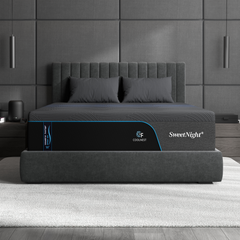
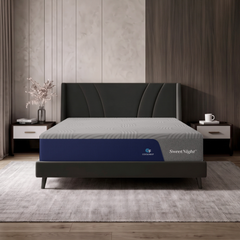
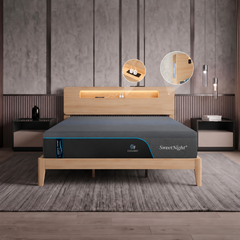
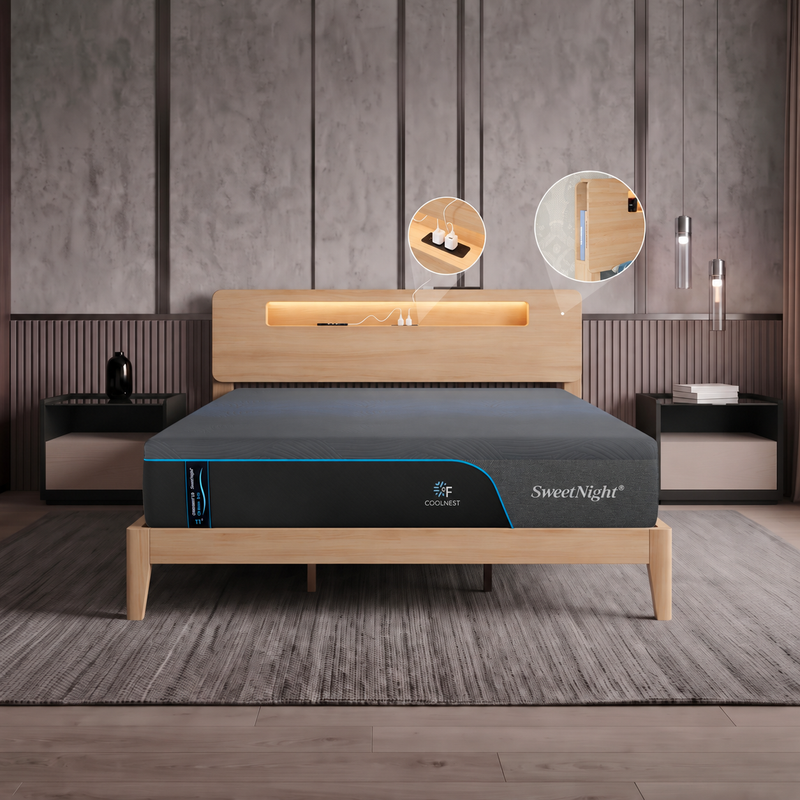
And if pressure relief matters but you don't want to give up support or run hot at night, the CoolNest® Ultra layers plush contouring over a 7-zone support core, so it hugs your pressure points without turning into a board or letting your hips sag. Matching firmness to your sleep style up front is how you avoid the too-firm surprise entirely, and it means your next unboxing feels like relief instead of another gamble.
When to Return a Firm Mattress Under Your Sleep Trial
Your sleep trial is the safety net for exactly this, so use it if the bed truly doesn't work. The sensible sequence: sleep on it consistently for at least 30 nights, warm it up and break it in, try a soft topper if the surface is the only issue, and track whether the firmness is easing or holding steady. If a full month of honest effort leaves you still in pain, and a topper only half-solves it, the mattress is too firm for you and that's a completely valid reason to return it.
Watch the calendar, since trial windows have hard deadlines and lapse quietly whether you're ready or not. Contact the retailer before yours closes, and if there's any visible unevenness or a spot that never softened, mention that too, since it may qualify as a defect exchange rather than a preference return. Have your order details handy and take a couple of photos if anything looks off.
Swapping to a softer model or a different construction is a normal, expected use of the trial, not a failure on your part or a sign you chose badly. The whole point of a long trial is that firmness can't be judged in a store or on night one, only after weeks of real sleep. You gave it a fair shot, it stayed too hard, and now you get to fix that without eating the cost. That's the trial doing its job, and it's exactly why you bought a bed that came with one.
And keep the takeaway simple for next time: firm beds get better with break-in, so they reward patience, while a bed that's fundamentally the wrong firmness for your body and position won't. Learn which camp yours is in, give the break-in a fair month, use a topper to close a small gap, and lean on the trial for a genuine mismatch. Do that and a too-firm first night rarely turns into a bad long-term bed.
If you're comparing mattresses after reading this, here's where each CoolNest® model fits:
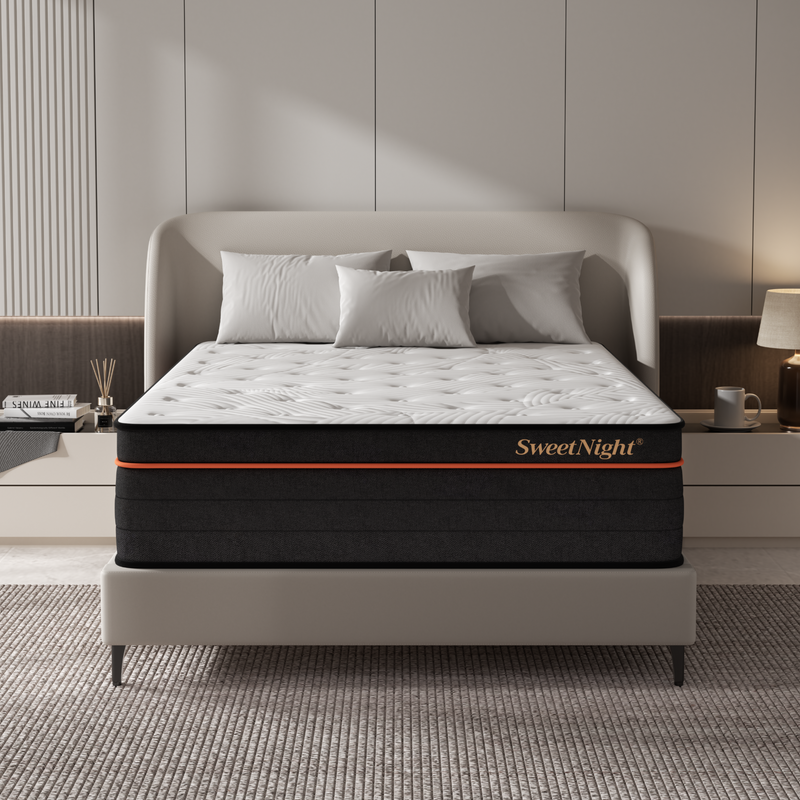
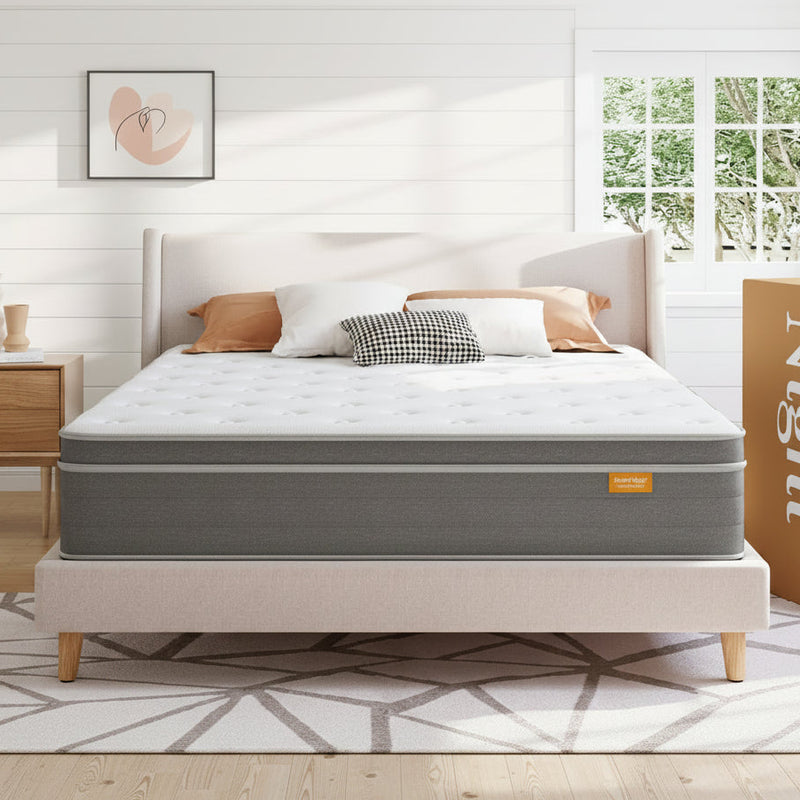
- CoolNest® Hybrid Mattress: pocketed coils under a DuoSense™ pillow top. Pick this one if you want bounce, firm edges and less partner motion.
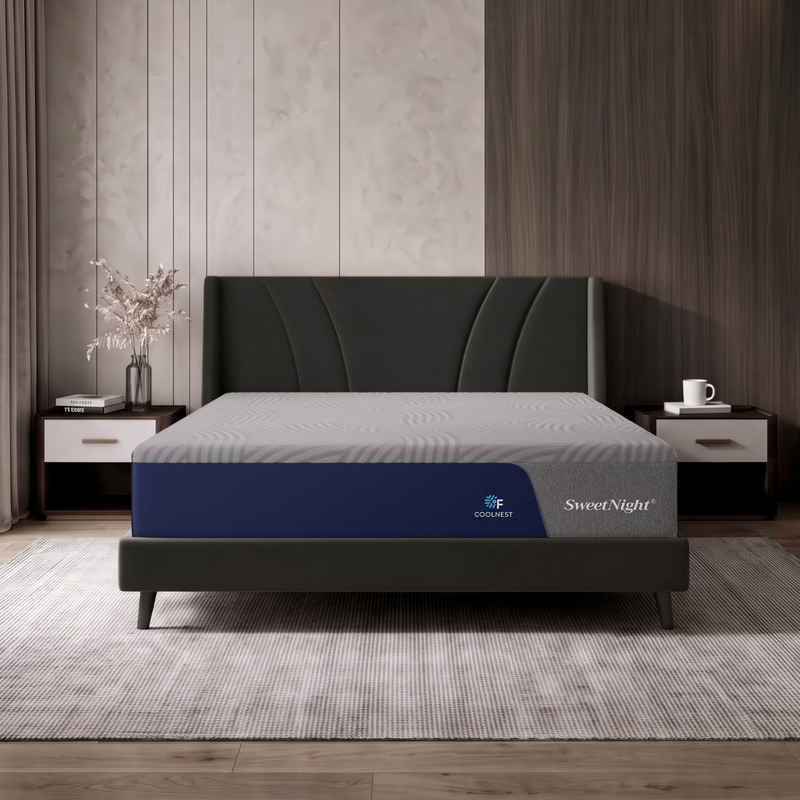
- CoolNest® Memory Foam Mattress: the lowest-priced model in the range, all-foam with 5-zone support and a breathable 3D-woven cover.
- CoolNest® Pro and CoolNest® Ultra: the step-up foam models, with PCMflux® temperature-regulating foam and 7-zone support. Ultra adds AirMesh™ foam and feels up to 11° cooler.
- Current prices on every size and thickness are on the Fall Sale page, or browse all mattresses.