










Short answer: A fabric feels cold to the touch because it pulls heat away from your skin fast — that speed is set by the material's thermal effusivity, and it's what a Qmax reading actually measures, though the cool sensation fades within seconds once your skin and the fabric reach the same temperature.
The short version, if you're skimming:
- The cold feeling is heat transfer, not a low temperature. The fabric starts at room temperature; it just moves your body heat away quickly.
- Dense, smooth, conductive fibers (ice silk, nylon blends, certain cooling yarns) feel colder than fluffy cotton because they contact more skin and conduct better.
- Qmax puts a number on it. Higher Qmax = a stronger initial cool hit. It says nothing about the next eight hours.
- Touch-cooling is temporary. Once fabric and skin equalize, the cold sensation is gone until you move to a fresh spot.
- All-night comfort needs airflow and heat management, not just a cold-feeling surface. A cool cover and real temperature control are two different jobs.
Why Some Fabrics Feel Instantly Cold
Put your palm on a metal doorknob and a wooden door on the same wall. The metal feels colder. Both have been sitting in the same room for hours, so they're the same temperature — your hand is lying to you. What you're feeling isn't how cold the object is; it's how quickly it drains heat out of your skin. Metal does that fast, wood does it slowly, and your nerve endings read "fast heat loss" as "cold."
Fabrics work the same way. When a cooling mattress cover feels icy the instant you sit on it, the fabric is not refrigerated. It's the same temperature as your bedroom. It simply happens to be very good at conducting your body heat away from the contact point, and that rush of heat leaving your skin is the sensation you register as coolness.
This matters because it reshapes what "cooling fabric" even means. A cover can feel dramatically cold and still do nothing for you at 3 a.m. Conversely, a fabric that feels ordinary to the hand can keep you comfortable all night by moving air and moisture. The cold-to-touch trick and genuine overnight temperature control are separate properties, and marketing tends to blur them into one. Understanding the difference is the whole point of this article, so it's worth being precise from the start.
Three physical traits decide whether a fabric grabs heat quickly: what the fiber is made of, how densely and smoothly it's woven, and how much of it actually touches your skin. A tightly knit, flat, dense surface presses against far more of your skin than a fuzzy, lofted one, and every point of contact is a channel for heat to escape. That's why a slick, cool-feeling cover and a plush, warm-feeling one can be made from surprisingly similar chemistry — the construction changes the feel as much as the fiber does.
The Science of Heat Transfer at the Skin
Your skin sits somewhere around 90°F at the surface, warmer than most bedrooms. Heat always flows from warm to cool, so the moment your skin meets a cooler fabric, energy starts moving out of you and into the material. How that feels depends almost entirely on the rate of that flow in the first few seconds.
The property that governs the rate is called thermal effusivity. It's a mouthful, but the idea is simple: effusivity describes how readily a material exchanges heat with something touching it. It rolls together three things — how well the material conducts heat, how much heat it can hold, and how dense it is. A material high in all three, like metal or a dense conductive yarn, pulls heat fast and feels cold. A material low in them, like a pocket of trapped air inside fluffy cotton, barely pulls at all and feels neutral or warm.
Air is the key villain and hero here. Air is a terrible conductor, which is exactly why we use it for insulation in walls, jackets, and duvets. Any fabric that traps a lot of still air — think brushed flannel or a thick fleece — insulates rather than conducts, so it feels warm. A fabric engineered to feel cold does the opposite: it minimizes trapped air at the surface and maximizes solid, conductive contact with your skin.
There's also a moving target underneath all this. Skin isn't a passive slab; it's actively producing heat and pumping warm blood to the surface, and it sweats. So the exchange at the fabric boundary is never a one-time event. Heat keeps arriving from inside you, and moisture keeps arriving as vapor or sweat. A fabric's cold-touch rating captures only the dry, first-contact part of that story. The parts that decide how comfortable you are at hour six — can the fabric keep moving heat away as fast as your body makes it, and can it get moisture off your skin — aren't captured by the touch test at all.
Two more mechanisms are worth naming because good cooling depends on them even though they don't register as a "cold touch":
- Conduction is direct contact transfer — the effusivity story above. It dominates the first instant and then tapers off fast.
- Convection is heat carried away by moving air. This is what keeps working all night if the fabric and the layers beneath it let air circulate.
- Evaporation is the big one for a sweating body. Turning sweat into vapor pulls a large amount of heat off your skin, but only if the fabric wicks moisture and lets it evaporate instead of sealing it against you.
A cold-to-touch fabric wins on conduction for a few seconds. A fabric that keeps you cool all night wins on convection and evaporation for hours. The best surfaces do a bit of both, but no touch test can tell you whether a fabric is good at the second job.
Ice Silk, Nylon & Cooling Yarns Explained
The materials marketed as cooling fabrics almost all share the same strategy: use smooth, dense, moderately conductive fibers packed into a flat surface so they contact a lot of skin and shed heat quickly. The names differ; the physics rhyme.
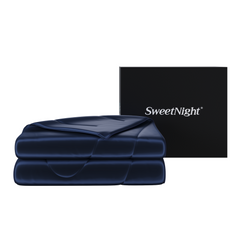
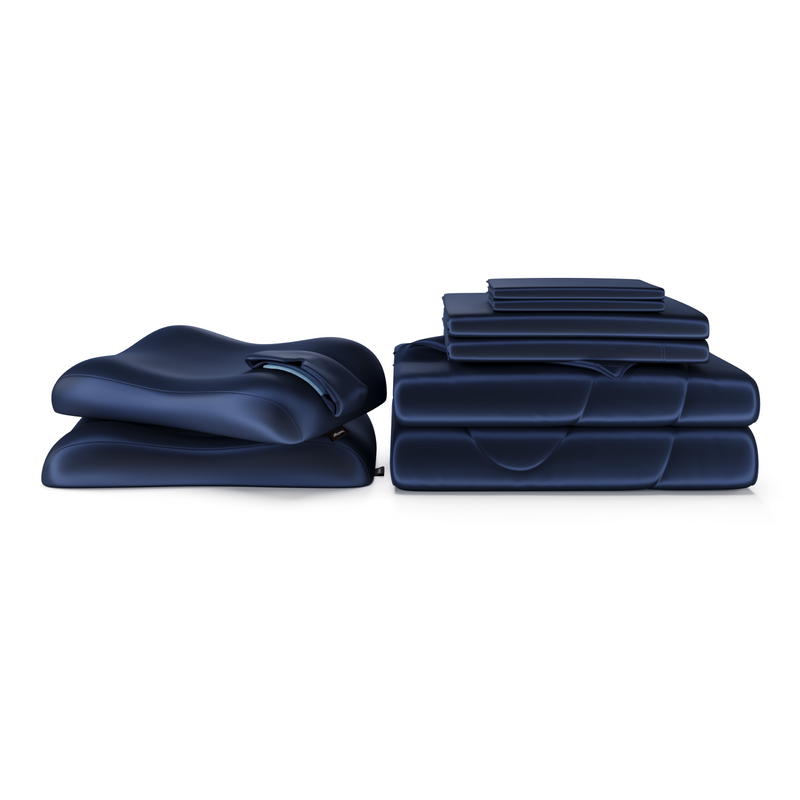
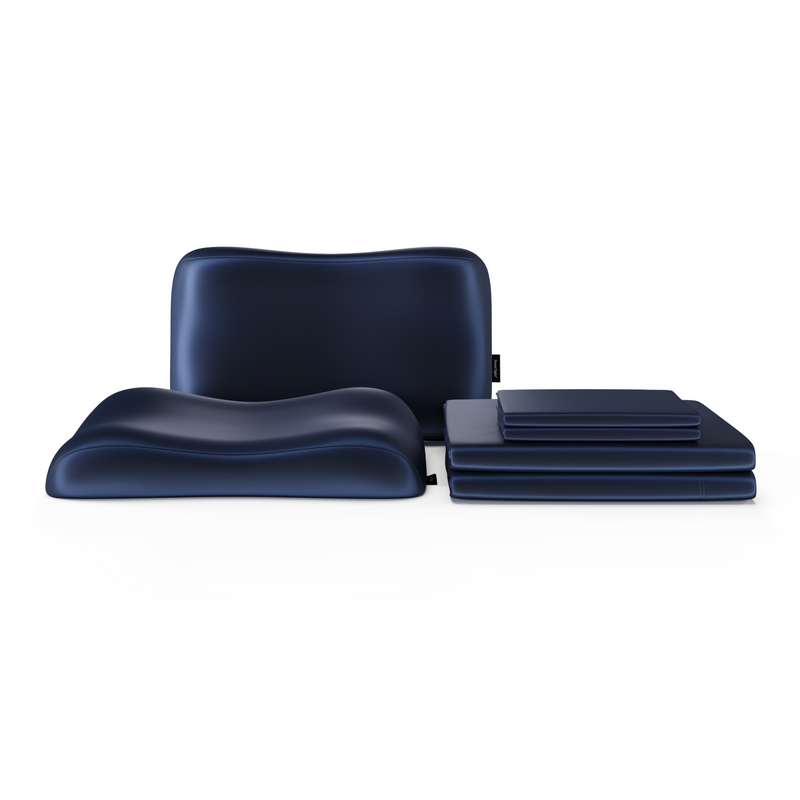
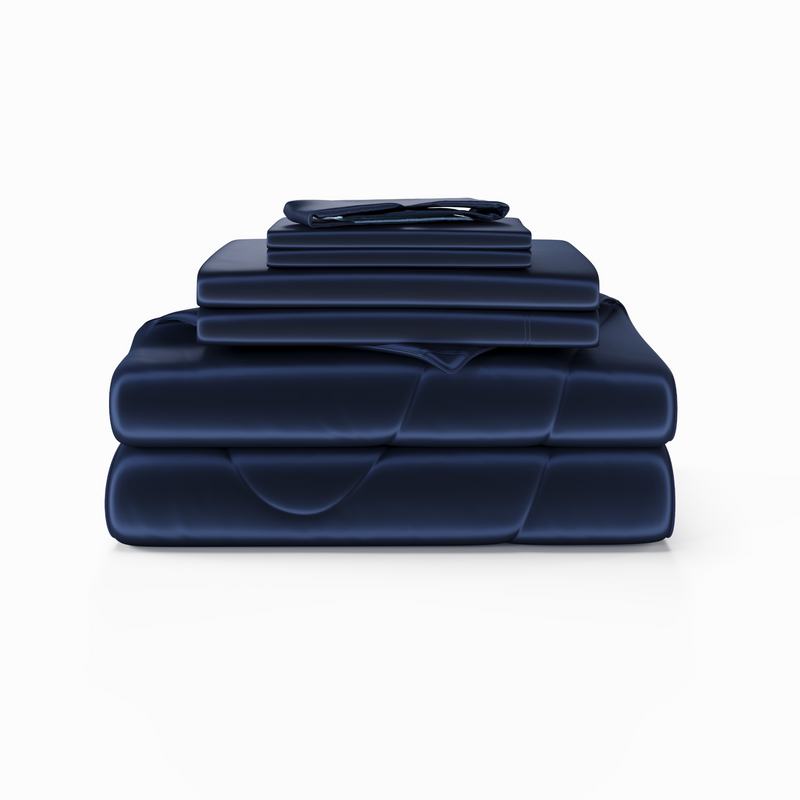
Ice silk is the one you'll see most on cooling covers, and it's worth clearing up the name. Ice silk usually isn't silk at all — it's typically a fine synthetic, often a nylon or polyester-based yarn (sometimes blended with rayon or viscose), knitted into an extremely smooth, cool-feeling surface. The "ice" refers to the sensation, not the temperature or the ingredient. What makes it work is the combination of very thin filaments, a slick finish, and a dense flat knit. There's little trapped air at the surface and a lot of fiber-to-skin contact, so it conducts heat away briskly. That's the source of the signature cold hit when you first lie down.
Nylon is a common cooling-fabric backbone on its own merits. Compared with cotton, nylon conducts heat somewhat better and, crucially, holds far less water in the fiber itself — it moves moisture along the surface rather than soaking it up. A tightly knit nylon or nylon blend feels cool and dries quickly, which is why it shows up in performance sheets, athletic wear, and cooling covers. The trade-off is that pure synthetics can feel a little slick or less "breathable" in the everyday sense, so they're often blended to soften the hand.
Engineered cooling yarns are the next step up. These are fibers designed specifically to raise conductivity or improve moisture handling. Some are mineral-infused — jade, or more often finely milled minerals blended into the fiber — with the claim that the additive conducts heat marginally better than the base polymer. Others are shaped for capillary action, with cross-sections that channel sweat outward to spread and evaporate faster. The honest read on these is that the effects are real but usually modest; the yarn's density and knit structure tend to matter more than any magic additive. Treat mineral-infusion claims as a plausible small bonus, not the main event.
Natural fibers deserve a fair mention because they cool differently. Linen and, to a degree, bamboo-derived viscose and Tencel feel cool and breathe well, but their strength is less about a sharp cold touch and more about airflow and moisture. Linen's stiff, loosely woven fibers create open channels for air; bamboo viscose and Tencel are smooth and highly absorbent, so they wick well. Cotton is the honest baseline — breathable and comfortable, but its fibers trap air and soak up moisture, holding it against you, which is why a soaked cotton sheet feels clammy rather than cool. None of these typically deliver the instant cold slap of a dense ice-silk knit, but several of them handle a sweaty night better than a slick synthetic that seals moisture in.
The takeaway across all of them: a fabric's cool-touch reputation comes mostly from fiber smoothness, density, and skin contact. Whether that same fabric keeps you comfortable through the night depends on separate traits — breathability and moisture management — that don't always travel with the cold-touch feel.
How Qmax Measures the Cool Touch (Quick Version)
Qmax is the industry's attempt to put a number on that first-contact coldness so you're not relying on a showroom hand-swipe. The test is straightforward in concept. A sensor is warmed to roughly skin temperature, then pressed onto the fabric, which sits at a cooler room temperature. The instrument records how much heat rushes out of the warm sensor into the fabric at the peak instant of contact. That peak heat-flow value is the Qmax, reported in watts per square centimeter.
The rule to remember: higher Qmax means a stronger, colder initial feel. A fabric with a higher reading pulls heat faster at first touch, so your skin registers a more pronounced cool sensation. Everyday cottons and warmer fabrics sit low. Fabrics specifically engineered for cool touch read higher, and there's a rough threshold above which most people clearly notice the effect. If you want the full breakdown of how the number is generated and how to read it on a spec sheet, we cover what a Qmax cooling rating actually tells you in a dedicated guide.
Two cautions keep Qmax honest. First, it's a peak-instant measurement. It captures the split second of maximum heat flow and nothing after, which is precisely why a high-Qmax fabric can feel amazing for the first few seconds and unremarkable a minute later. The number is a snapshot of the cold hit, not a rating of overnight cooling. Second, testing conditions move the number. The starting temperature difference between sensor and fabric, the pressure applied, and the humidity all shift the result, so two brands quoting Qmax figures aren't necessarily measuring under identical conditions. A number is more trustworthy as a relative guide within a consistent test than as an absolute promise.
None of that makes Qmax useless — it's the best single indicator we have for cool-to-touch, and it beats guessing. Just read it for what it is: a reliable measure of the initial feel, and a silent one on everything that happens after your skin warms the fabric up.
Cool-to-Touch vs. All-Night Temperature Control
Here's the gap that trips up most shoppers. A cover can ace the cold-touch test and still let you overheat, because the cold touch, by its nature, expires. When your warm skin meets a cool fabric, heat flows out fast — but as it does, the fabric right under you warms up and your skin cools slightly, and the two march toward the same temperature. Once they meet in the middle, there's no temperature gap left to drive heat flow, and the cold sensation simply stops. This usually happens within seconds to a minute. It's why the cold side of the pillow feels great until it doesn't, and why flipping to a fresh patch briefly revives the effect.
So a high-Qmax cover buys you a wonderful moment of relief when you lie down and a fresh hit every time you shift position. What it does not do on its own is remove the heat your body keeps generating for the rest of the night. For that, the surface and the layers beneath it have to keep moving heat and moisture away continuously — through airflow and evaporation, not just first-contact conduction. A cold cover over a dense, heat-trapping foam is a fast handshake followed by a long, warm hug.

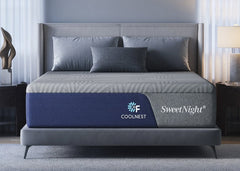
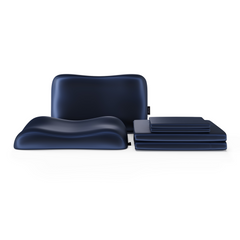
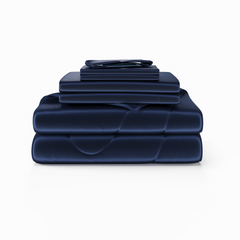
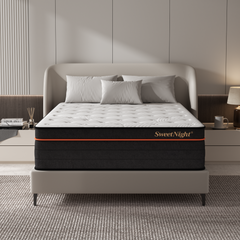
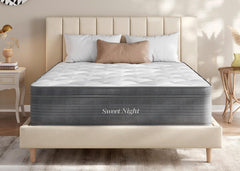
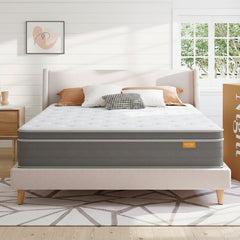
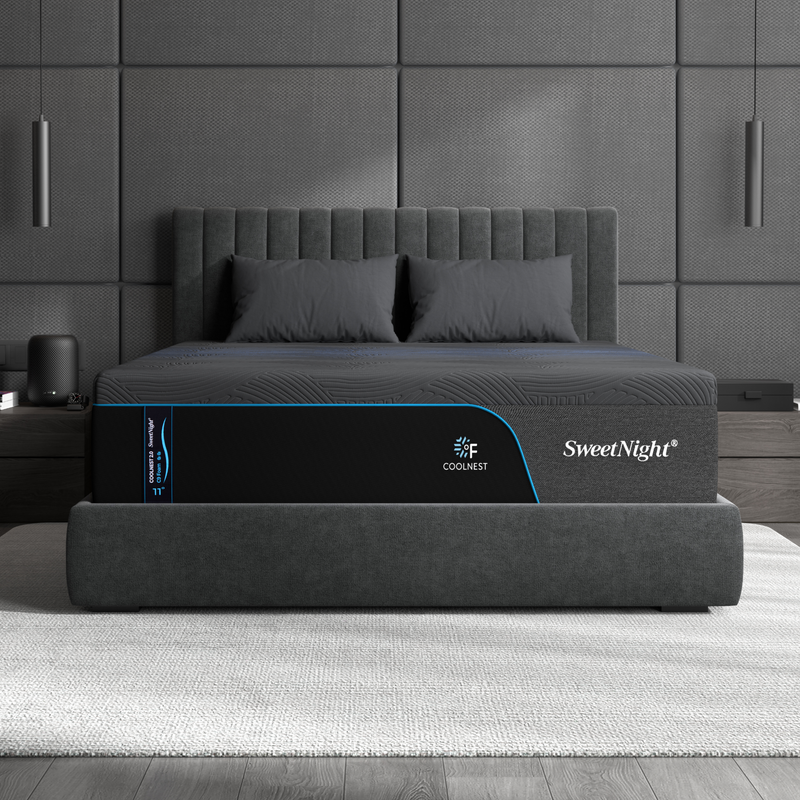
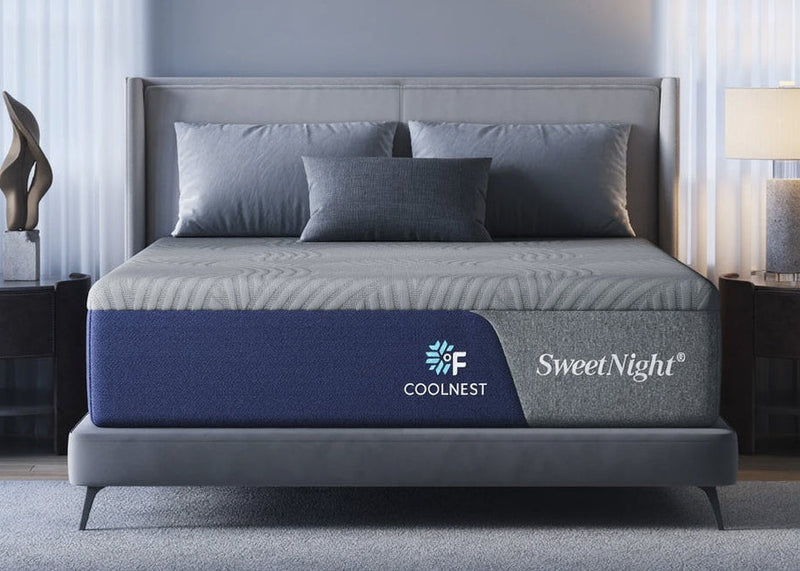
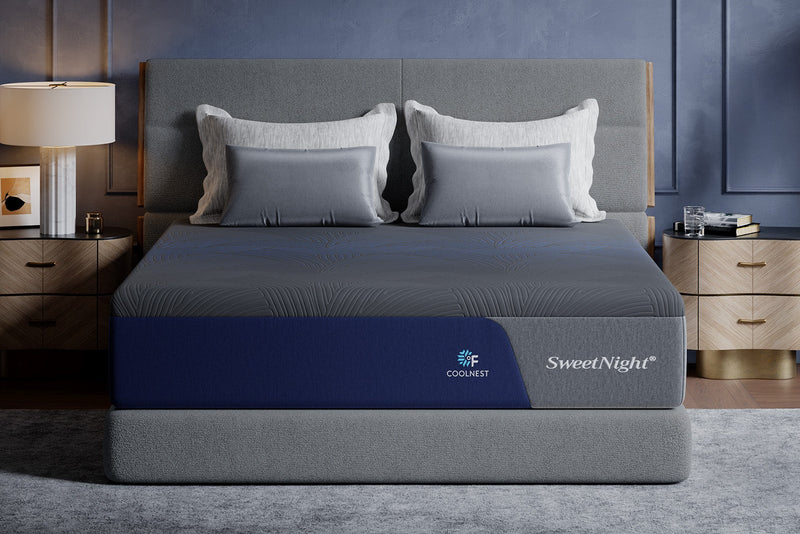
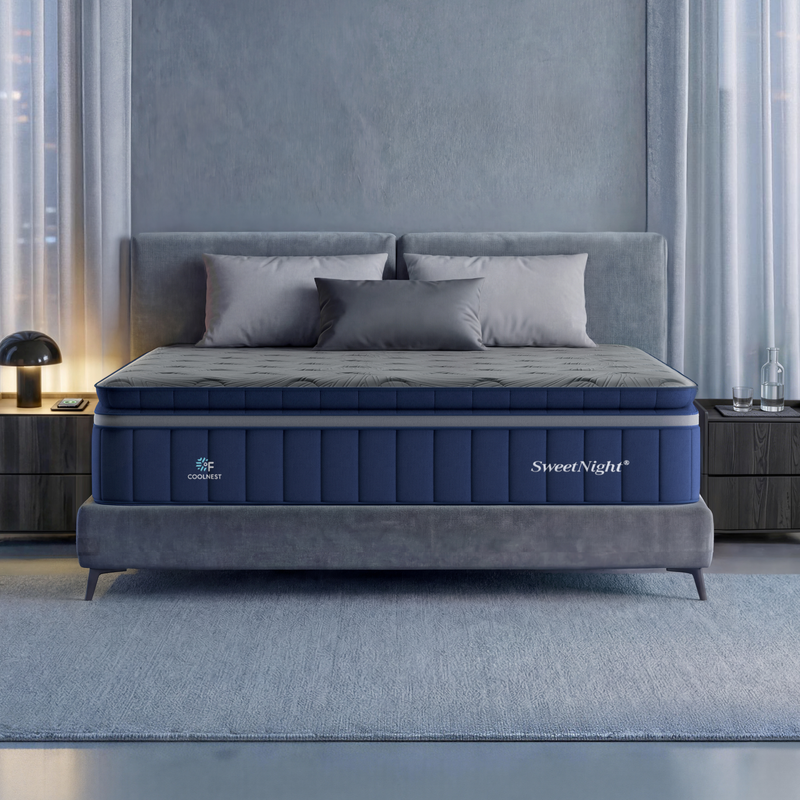
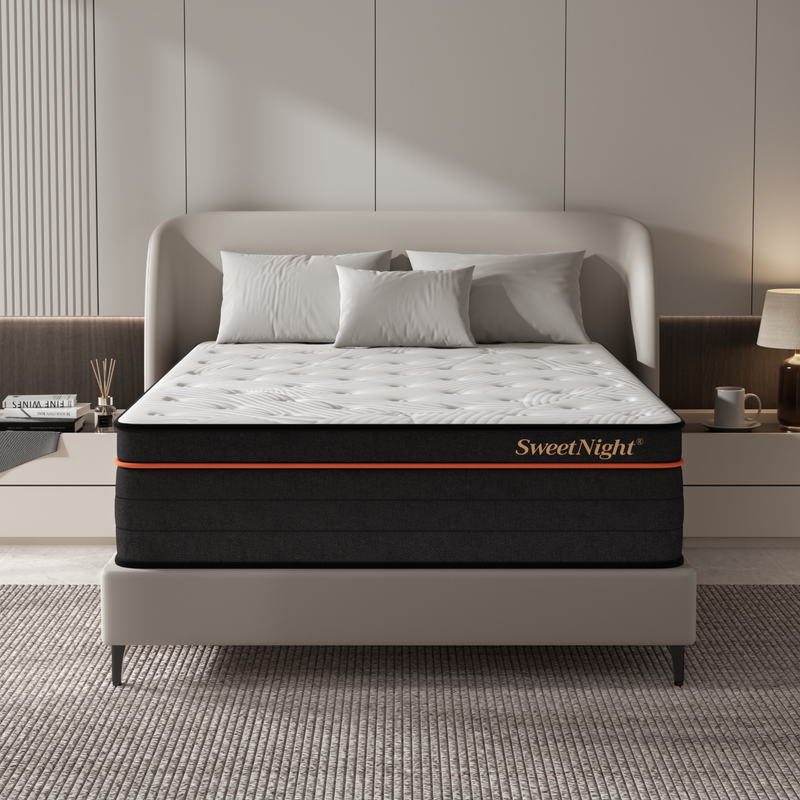
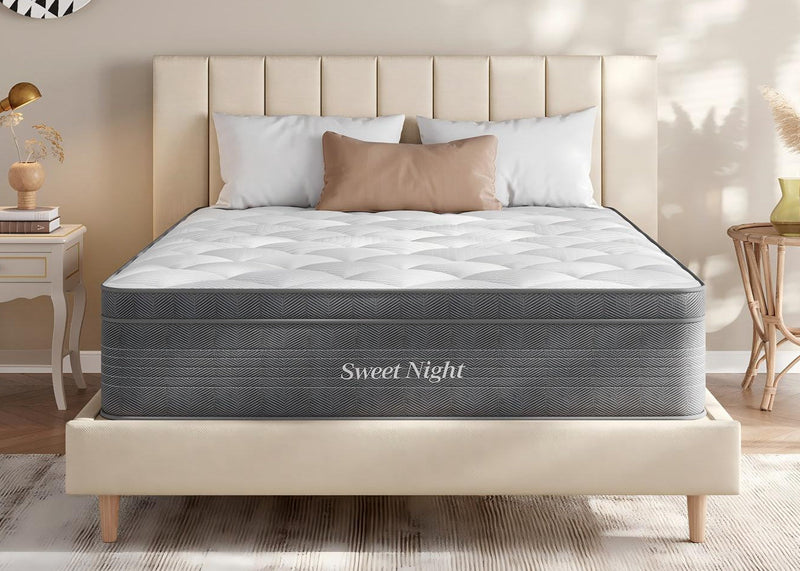
This is exactly why a serious cooling mattress treats the cold touch as one layer of a system rather than the whole answer. The CoolNest® Ultra memory foam mattress is a useful illustration: its gradient ice silk cover delivers the instant cool-to-touch hit (a measured Qmax of 0.25), but it pairs that with a phase-change foam layer that absorbs and releases heat to buffer temperature swings through the night, plus a highly breathable core built to keep air circulating. The cover handles the first-contact feel; the phase-change and airflow layers handle the hours after your skin has already warmed the surface. That division of labor is the point — the cold touch is the greeting, and the deeper layers are what actually manage temperature once the greeting is over.
If you take one idea from this whole article, make it this: ask what happens after the first minute. A cold-feeling cover is genuinely nice and worth having, but judge a mattress or protector on whether it can keep pace with the heat your body produces all night, which depends on breathability and moisture handling far more than on the Qmax figure printed on the tag.
Cover Fabric vs. Sheets: What Wins?
Even the best cooling cover rarely touches your skin directly. Your sheets sit on top of it. That single fact changes how much the cover's cold-touch rating matters in practice, and it's routinely ignored.
Think about the stack. From the top down, you have your skin, your sheet, then the mattress cover, then the comfort layers. Heat and moisture from your body hit the sheet first. If your sheet is a thick, air-trapping cotton flannel, it insulates you from the cool cover underneath — the cover's high Qmax is doing very little because your skin never feels it. If your sheet is thin, breathable, and moisture-wicking, it lets the cover's cooling and the mattress's airflow come through. In other words, the sheet can either reveal or smother whatever the cover is capable of.
So which layer "wins"? For the instant cold-touch sensation, the layer against your skin wins, and that's almost always the sheet. A cool-touch sheet on a warm mattress will feel cooler at first contact than a warm sheet on a cool-touch mattress, because you feel the surface you're actually touching. For sustained, all-night cooling, the mattress matters more, because that's where most of the mass and airflow live, and it's what determines whether heat has anywhere to go once it leaves your skin. The sheet is the gatekeeper; the mattress is the engine.
The practical move is to make the two work together rather than fight. If you've invested in a cooling mattress, don't cover it with a heavy, insulating sheet set that blocks everything you paid for. Match a breathable, quick-drying sheet to a breathable mattress. Sheet materials cool by different mechanisms — some by cold touch, some by airflow, some by moisture-wicking — and the right pick depends on whether you run hot from the surface feel or from sweat. We compare the common options in a rundown of cooling sheets across cotton, bamboo, linen, and Tencel if you want to line your bedding up with your mattress instead of working against it.
One more nuance: a mattress protector adds a third layer to this stack, and a poorly chosen one can quietly cancel your cooling. Many waterproof protectors use a plastic-film backing that seals in heat and moisture, turning a breathable mattress into a warm one. If you use a protector, it needs to breathe as much as the rest of the stack.
Do Cooling Covers Wear Off Over Time?
The cold-touch effect can fade, but it's worth separating two very different reasons why — one that's inherent and one that's about wear.
The inherent one, we've already covered: the cold touch is temporary every single night, by physics, within seconds of contact. That's not the cover wearing out; that's just how first-contact cooling works. No fabric holds a cold sensation indefinitely against warm skin, no matter how new or how high its Qmax.
The wear-related fade is the real question here, and the answer is yes, it can diminish over months and years — but how much depends on how the cooling was built in. This is the key distinction to shop by:
- Structural cooling lasts. If the cool touch comes from the fiber itself and the way it's knitted — a dense, smooth, conductive yarn — the effect is baked into the material and doesn't wash out. It may soften slightly as fibers relax and pill over years of use, but the fundamental conductivity is still there.
- Coated or treated cooling fades. Some fabrics get their cool feel from a surface finish or chemical treatment applied after weaving. Those coatings wear off with washing, friction, and time, and when they go, so does much of the effect. A fabric that felt icy for the first few months and ordinary a year later was probably relying on a finish.
General wear takes a toll regardless. Body oils, dead skin, and detergent residue build up in the fibers and change how the surface conducts and wicks. Pilling and matting flatten the knit and trap more air. Repeated hot washes and high-heat drying are especially hard on synthetic cooling yarns, which can be damaged or distorted by heat — ironic for a fabric whose job is to stay cool. Following the care instructions isn't fussiness; it's how you keep the structure that produces the cooling intact.
The moisture side degrades too, and it's easy to miss because it doesn't announce itself. A wicking fabric that's clogged with residue stops moving sweat efficiently, so the bed feels clammier even if the cold-touch feel seems fine. If an older cooling cover feels like it's "not cooling anymore," a buildup problem is often the culprit before any coating has worn off — a proper wash can partly revive it.
So the durable answer: buy cooling that's structural, not sprayed on, wash it the way the label says, and expect a gentle decline over years rather than a cliff. A quality cooling cover won't feel brand-new forever, but it also shouldn't go flat in a season.
How to Choose a Genuinely Cooling Surface
Pulling the physics together, here's how to shop so you end up with a bed that's actually cool at 3 a.m., not just cool for the three seconds a salesperson is watching you touch it.
- Separate the two jobs in your head. Decide whether you want the instant cold hit (cool-to-touch, measured by Qmax) or all-night comfort (breathability and moisture management), then make sure the product you're eyeing addresses the one you care about. Ideally it does both, but they're delivered by different features.
- Use Qmax as a relative guide, not a guarantee. A higher number does mean a stronger cold-touch feel, and it's a fair way to compare cool-touch fabrics. Just remember it rates the first instant only, and test conditions vary between brands.
- Ask how the cooling is built in. Structural cooling from the fiber and knit lasts; a surface coating fades. If a listing only says "cooling finish" or "cooling treatment," expect the effect to diminish with washing.
- Look past the cover to the layers underneath. A cold cover over a heat-trapping core is a short-lived trick. Breathable foam, ventilated or open-cell structures, and phase-change layers are what carry heat away after the first minute.
- Line up your bedding. A breathable, quick-drying sheet lets a cooling mattress do its job; a heavy insulating one blocks it. Match the sheet to how you overheat — surface feel versus sweat.
- Mind the protector. If you use a mattress protector, choose one that breathes. A plastic-backed waterproof layer can undo an entire cooling system.
- Weigh your own body. If you run hot mostly from sweat, prioritize wicking and airflow over a sharp cold touch. If you just want that welcome cool feeling as you drift off, a high-Qmax surface delivers exactly that.
If your main worry is the protector layer specifically — which trips up a lot of hot sleepers who did everything else right — it's worth reading through the trade-offs on materials and backings in our guide to the coolest mattress protectors for hot sleepers before you add one to a cooling bed.
The honest summary is that a genuinely cooling surface is a system, not a single wonder fabric. The cold-to-touch cover is the part you'll notice first and the part that's easiest to demo in a store, which is exactly why it gets the marketing attention. But the features that decide whether you sleep cool — airflow, moisture handling, and a core that doesn't hoard heat — are the quieter ones. Shop for the whole stack, and the cold-touch feel becomes a pleasant bonus on top of a bed that's actually built to keep you comfortable all night.
Frequently Asked Questions
Is a fabric with a higher Qmax always better?
Not necessarily. A higher Qmax means a stronger cold sensation the moment you touch it, which is genuinely nice. But it says nothing about breathability or moisture-wicking, and those decide whether you stay cool for the rest of the night. A very high-Qmax fabric that traps heat and moisture underneath can still leave you sweaty. Treat Qmax as one useful spec among several, not the final word.
Why does the cool feeling disappear so fast?
Because the cold touch depends on a temperature gap between your warm skin and the cooler fabric. As heat flows across that gap, the fabric warms and your skin cools until they match, and once there's no gap, there's no heat flow to feel. That equalizing happens within seconds to a minute, which is why moving to a fresh spot briefly brings the coolness back.
Does a cooling cover mean I don't need cooling sheets?
No — because your sheets, not the cover, usually touch your skin. A thick, insulating sheet can hide most of what a cool-touch cover offers, while a breathable sheet lets the cover and the mattress's airflow reach you. For the best result, match breathable bedding to a breathable mattress rather than relying on either one alone.
Can I wash a cooling cover normally?
Follow the care label, and be especially careful with heat. Many cooling yarns are synthetics that hot water and high-heat drying can damage or distort, weakening the very structure that produces the cool feel. Detergent and body-oil buildup also clog wicking over time, so gentle, correct washing both protects the fabric and keeps it performing.
Is ice silk actually silk?
Usually not. "Ice silk" describes the cool, smooth sensation rather than the ingredient. Most ice silk is a fine synthetic yarn — often nylon or polyester based, sometimes blended with viscose — knitted into a dense, slick surface that conducts heat away quickly. It earns the name from how it feels, not from any connection to silkworm silk.