






























The opposite problem doesn't get talked about as much, but it's just as unsettling. You buy a new mattress, lie down, and instead of the cozy cloud you pictured, you feel like you're sinking in and can't get comfortable. Maybe you roll toward the middle, maybe your hips drop too far, maybe you wake up with a dull ache in your lower back that wasn't there before. And you're left wondering why a new mattress feels too soft when a soft bed was supposed to feel good.
Search the mattress forums and you'll find plenty of people in your exact spot, worried they made an expensive mistake. Sometimes a too-soft feeling is just early days and it settles. Sometimes it's a sign the bed isn't giving your spine the support it needs, and that's a problem you shouldn't wait out. Here's how to read the difference and what to do about a mattress that feels too plush from the very first night.
Why a New Mattress Feels Too Soft in the Beginning
A soft feeling in the first nights often comes from the comfort layers being at their most pillowy before anything has settled. Fresh plush foam and pillow-top layers sit tall and airy out of the box, so you sink in easily and the deeper support core can feel far away. Your body drops into that top layer and, until things compress a bit with use, the bed reads as softer than its rated feel suggests.
There's also the contrast effect working in reverse from the usual complaint. If your old mattress had gotten firm and unforgiving with age, or was a basic innerspring you slept on top of, a new foam bed that cradles you feels shockingly soft by comparison. Some of that "too soft" reaction is just your body recalibrating from one extreme to another after years on a different surface.
The real question is whether the softness is only a surface sensation or whether you're actually losing spinal support underneath, because those two things call for very different responses. A little plush cushioning on top of a firm, supportive core is fine and often desirable. Sinking so far that your hips drop below your shoulders and your spine bends into a hammock is not. The rest of this guide is about telling those two apart before you either give up on a good bed too early or tolerate a bad one too long.
A quick self-test helps here. Lie on your back in your normal sleep spot and have someone check, or reach down and feel, whether there's a gap under the small of your back or whether your hips have dropped noticeably lower than your ribs and shoulders. If your spine is holding a gentle, natural curve, the softness is probably just surface plushness and you're fine. If your hips are sinking into a valley and your lower back is either bridging a gap or bending downward, that's the unsupportive kind of soft, and it's the version that causes trouble.
Too Soft or Just Broken In? Reading the First Few Nights
New foam beds can go one of two ways in the break-in period, and it helps to know which you're dealing with. Some mattresses feel plush and cushy at first, then firm up slightly as the comfort layers settle and you find the support beneath them. Others were built soft and stay soft, and if that's more give than your body needs, no amount of break-in will fix it, because foam gets softer with use, not firmer.
The first few nights are noisy data. Off-gassing, a brand-new surface, an unfamiliar cradle, and the shock of change all cloud your read, and any single bad night tells you almost nothing. What you're watching for over the next couple of weeks is the trend. If the excessive sinking eases and you start feeling supported and level, that was settling and you're fine. If you keep dropping into the bed, rolling to the center, and waking sore, the softness is structural, not temporary.
Give it consistent nights and track the direction rather than reacting to one rough sleep, but don't ignore a bed that's clearly failing to hold your spine in line either. Keep a quick morning note about how you slept and where you ache. Over two or three weeks the pattern usually declares itself. The nuance with soft beds is that time tends to work against you rather than for you, so you generally don't need to wait the full month to know, which we'll come back to.
Why a Soft Mattress Can Leave You Sinking and Sore
A mattress that's too soft lets your heaviest parts, usually your hips and midsection, sink deeper than the rest of you. That drops your spine out of its neutral alignment into a subtle hammock shape, and your back muscles spend the whole night quietly straining to compensate for the bend. You wake up stiff, achy, or sore in the lower back, and it doesn't ease until you've been up and moving around for a while.
Stomach sleepers feel this fastest, because a sagging middle arches the lower back the wrong way and cranks the neck to the side on top of it. Heavier sleepers feel it too, since more weight means deeper sinkage into an already-soft surface, sometimes right through the comfort layers. Even side sleepers, who genuinely need some give at the shoulder and hip, can get too much of it and lose the support that keeps their spine straight from neck to tailbone.
That morning soreness is the clearest tell that softness has crossed from cozy into unsupportive. A well-matched bed lets you wake up loose and neutral; a too-soft one leaves you needing to stretch out the kinks before you feel human. If you're consistently waking worse than you went to bed, and especially if it centers on your lower back, take it as real feedback about the bed rather than blaming how you slept or what you did the day before.
How Body Weight Affects Whether a Mattress Feels Too Soft
The same mattress feels different depending on who's lying on it, and body weight is a big reason. A heavier person compresses the comfort layers more deeply, so a bed rated medium can feel soft or even mushy to them, sinking them right down toward the support core or past its comfortable limit. A lighter person barely presses in, so that identical bed feels firmer and more supportive to them.
This is why weight-based mattress guidance exists in the first place. If you're on the heavier side and your new bed feels too soft, it may simply not have enough support built in for your body, and that's a common mismatch rather than a defect. Heavier sleepers generally need firmer, more robustly built beds precisely so they don't bottom out, and a bed that works beautifully for a 140-pound sleeper can feel like a sinkhole to someone at 250.
Couples with a big weight gap run into a version of this too, where one partner finds the bed perfect and the other sinks in too far and wakes up sore. That's a genuinely hard problem to solve with a single feel, and it sometimes points toward a more supportive base model or a split setup. Knowing where you fall on the weight scale helps you judge whether "too soft" is a passing break-in phase or a sign you need more support than this particular mattress was ever designed to deliver.
It's worth checking the model's own guidance too. Many mattresses list a recommended weight range or note that they run softer for heavier sleepers, and if you're above that range, the too-soft feeling isn't a fluke, it's the bed behaving exactly as expected for someone your size. That's not a defect and it's not something you broke in wrong. It just means you shopped a notch below the support tier your body needs, which is useful to know so your next pick starts from the right firmness and construction instead of repeating the same gap.
Why Memory Foam Feels Softer in a Warm Bedroom
Temperature swings foam feel in both directions. Just as a cold room makes memory foam stiffer, a warm room, or your own body heat, makes it softer and more yielding. If your bedroom runs hot, or it's the middle of summer, a foam mattress can feel noticeably plusher and let you sink in more than it would in cooler conditions, because the material goes pliable as it heats up under and around you.
That's worth factoring in before you decide the bed is permanently too soft. The feel you get on a sweltering July night isn't the same feel you'll get in a temperate, climate-controlled room, and a mattress that seems to swallow you in the heat may firm up and support you better as conditions cool. If your complaint started during a heat wave, give it another read once the weather or your thermostat settles down.
It also explains a frustrating pattern people report: the bed feels okay when they lie down but softer and sinkier as the night goes on. That's the foam continuing to warm and soften, which happens more on beds that trap heat around your body. If overheating is part of your complaint, that's its own issue worth solving, because a cooler-sleeping bed holds a more consistent, supportive feel through the whole night instead of gradually giving way as it heats. Softness and heat are more connected than most people realize.
How Long Before a Soft New Mattress Firms Up (or Doesn't)
Give it about 30 days as a baseline, same as any break-in. Some soft-feeling beds settle within the first couple of weeks as the top layers compress and you locate the support beneath them, and the excessive sinking calms down to something comfortable. That's the good outcome, and it's part of why sleep trials ask you to wait before judging any new bed.
But there's a hard truth about softness that flips the usual advice: break-in makes beds softer over time, not firmer. Foam loosens and yields more with use, so a mattress that's genuinely too soft on day one tends to get softer, not more supportive, as the weeks go on. That's the exact opposite of a too-firm bed, which reliably improves as it breaks in. The direction of travel matters enormously, and for soft beds it usually runs the wrong way.
So if you're sinking too far and aching after two to four weeks of consistent sleep, waiting longer usually won't rescue it and may quietly make it worse as the foam continues to relax. The timeline works in your favor for firm beds and against you for soft ones. That's exactly why a too-soft mattress deserves a quicker, more decisive read than a too-firm one. Don't burn your entire trial window hoping a soft bed will firm up, because that's the one thing it's least likely to do.
How to Make a Too-Soft Mattress Firmer and More Supportive
If the softness is borderline rather than severe, a few fixes can add support. Check your foundation first, since a sagging box spring or bent, widely spaced slats can make any bed feel softer and more sunken than it should, and people blame the mattress when the base is the real culprit. A solid platform, a bunkie board, or a sheet of plywood laid across the slats firms up the whole feel and is often the cheapest fix you'll find.
A firm mattress topper can help in the other direction from a plush one, adding a denser surface layer that keeps you from sinking as deeply into the comfort foam. This works better on beds that are only slightly too soft, where you need to take the edge off the sink rather than rebuild the whole support system. High-density latex or firm foam toppers are the usual picks for this, and they can buy a marginal bed enough support to be workable.
Just know the limits going in. You can firm up a bed that's a little too plush, but you can't build real, lasting support into a mattress that fundamentally lacks it in the core. If your hips are hitting bottom every night and your spine is bowing no matter what you put on top, a topper is a band-aid, not a cure. Try the cheap fixes if the bed is close, but don't spend good money layering support onto a foundation that was never there to begin with.
There's also a rotation angle worth trying if only part of the bed feels soft. If you sleep on the same spot every night, that area breaks down and softens faster than the rest, creating a shallow dip that reads as "too soft" even when the mattress overall is fine. Rotating the bed head to foot every few weeks, especially in the first few months, evens out the wear and can keep a single sagging patch from forming. It won't add support the bed never had, but it can stop an otherwise-decent mattress from going soft in just the spot you lie.
When a Too-Soft Mattress Is Hurting Your Back
Back pain is the line where a too-soft mattress stops being a comfort preference and becomes a health issue. If you wake up with lower back stiffness that eases once you're upright, feel a persistent ache from your spine sagging out of alignment overnight, or notice pain that's clearly worse since the new bed arrived and isn't improving, the softness is likely undersupporting you. This is common with beds that let the hips drop too far below the shoulders.
Don't tough this out for months hoping it improves, because, as covered above, a too-soft bed trends softer, not firmer. Chronic misalignment while you sleep can turn a minor ache into an ongoing problem, and eight hours a night in a spine-bending position adds up fast. Your mattress is supposed to be part of the solution to back pain, not a nightly cause of it, so a new bed that's actively making your back worse is failing at its main job.
If support is the issue, you'll want a bed designed to keep your spine neutral, and browsing options built specifically for back relief in a mattress for back pain selection helps you find one that holds your alignment instead of surrendering to your weight. When your back is the thing complaining, treat the softness as a real signal, not a quirk to get used to. Comfort you can adjust to; a bed that pulls your spine out of line night after night you shouldn't have to.

Choosing a Firm, Supportive Mattress That Won't Feel Too Soft
If you've decided the bed is genuinely too soft, choosing again with support in mind stops the cycle before it repeats. Heavier sleepers, stomach sleepers, and anyone with back trouble usually do best with a firmer, more structured feel, and browsing a firm mattress selection points you toward beds that hold you up on the surface instead of letting you sink through it.
Support isn't only about surface firmness, though, and this trips people up. What you really want is a bed that keeps your spine neutral under your specific weight, which is what a supportive mattress lineup is built around, with denser cores and reinforced construction that resist sinkage. A bed can feel firm on top and still lack deep support, or feel plush on top while a strong core keeps you aligned, so look at how it's built, not just how hard the surface is.
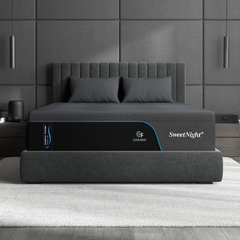
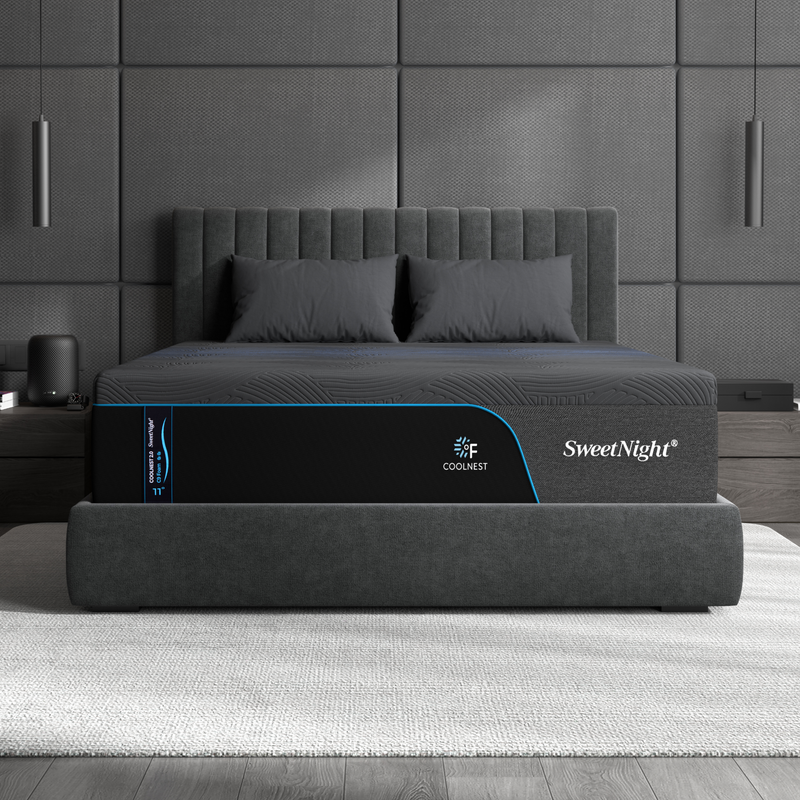
If you don't want to overcorrect into something rock-hard, a medium-firm mattress gives you a supportive core with just enough surface comfort to stay pleasant. And if you want targeted support that won't go mushy over time, the CoolNest® Ultra uses a 7-zone core to hold your hips and lower back in line while still cushioning your shoulders, so it feels supportive without feeling like a slab. Matching support to your body up front is how you avoid the sinking-and-sore surprise next time.

When to Return a Soft Mattress During Your Sleep Trial
Your sleep trial is built for this, so lean on it if the bed truly doesn't support you. The sensible approach: sleep on it consistently for at least a couple of weeks to let the surface settle, rule out a bad foundation, try firming it up if the softness is only mild, and watch closely whether your back is improving or getting worse. Because too-soft beds trend softer, you often know sooner than you would with a firm one, and you don't need to burn the full trial waiting for a rescue that isn't coming.
If you're consistently sinking too far and waking in pain after a few weeks, that's a valid reason to return or exchange it, and there's no need to feel like you failed at breaking it in. This is one of the most common trial outcomes there is, and companies handle these exchanges routinely. Watch your trial deadline, since it lapses on a fixed date whether or not you've decided, and set a reminder so it doesn't sneak up on you.
Contact the retailer while there's still time on the clock, have your order details ready, and be clear that the issue is support and back pain rather than a vague preference, since that framing often helps. Swapping a too-soft bed for something firmer and more supportive is a completely normal move, not an admission you chose wrong. The goal was always a mattress that lets you sleep without aching, and if this one can't hold you up, the trial is exactly how you get to the one that will.
The one rule to remember with soft beds is that time works against you. A too-firm mattress can earn its keep over a month of breaking in, but a too-soft one only gets softer, so don't sit on the fence hoping it firms up. Do the quick foundation and self-tests, watch your back for a couple of weeks, and if you're still sinking and sore, move decisively while your trial is still open. That's how a soft-bed regret becomes a supportive-bed win.