



Key Takeaways
- A mattress is the structural surface that supports your body, while a mattress pad is a thin top layer that adds light comfort and protects the bed underneath.
- A pad and a mattress are not interchangeable: a pad can't replace a mattress or fix one that has started to sag.
- The difference between a mattress pad, a topper, and a protector comes down to thickness and job, where protectors block liquids and allergens, pads add modest cushioning plus protection, and toppers (2 to 4 inches) actually change how firm the bed feels.
- Choose a pad when your mattress is sound and you just want it softer, cooler, or cleaner, and replace the mattress when it sags or you wake up sore.
- A mattress pad costs roughly $30 to $150 and is washable, while a mattress runs $300 to $2,000+ and lasts 7 to 10 years, which is exactly why a cheap, washable pad is worth using to protect the expensive bed.
Walk through any bedding aisle, or scroll through a sleep brand's website, and you'll bump into the same fuzzy vocabulary over and over. Mattress. Mattress pad. Topper. Protector. People use these words almost interchangeably, and that's exactly how someone ends up buying a $60 pad when their aching back actually needed a new bed, or tossing a perfectly good mattress when a thin pad would have fixed the real problem.
So let's clear it up. A mattress is the thing you sleep on. A mattress pad is a thin, removable layer that sits on top of it. One is the foundation of your sleep. The other is an accessory that adjusts and protects that foundation. They are not rivals, and you can't substitute one for the other.
That distinction carries more weight than it first appears. You spend roughly a third of your life in bed, and about 30.5% of U.S. adults already sleep less than seven hours a night, which the CDC links to higher risks of obesity, heart disease, and a long list of chronic conditions. The surface under your body is one of the few sleep variables you fully control. This guide breaks down how a mattress pad and a mattress actually differ, what each one is built to do, where a pad helps and where it can't, and how to tell whether your money belongs on a $50 accessory or a brand-new bed.
Mattress Pad vs Mattress: The Difference in Plain English
If you only have a minute, here's the whole thing in a nutshell.
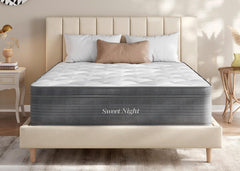
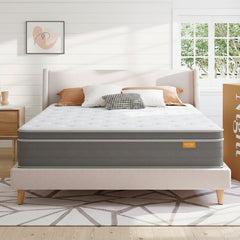
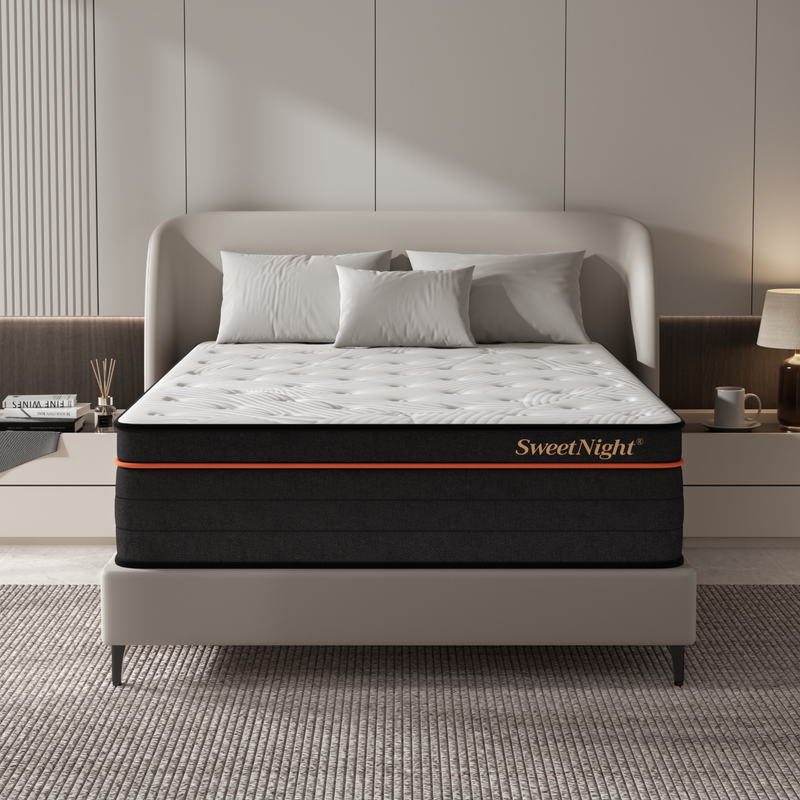
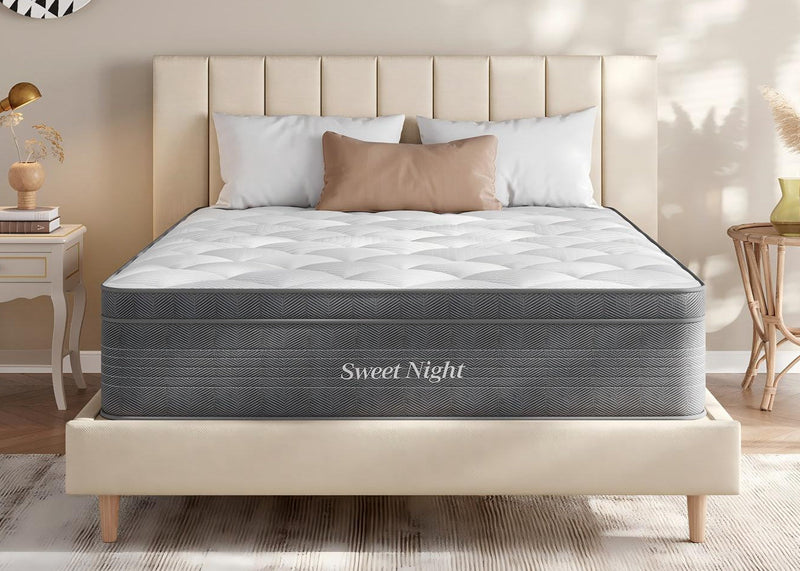
A mattress is a thick, structural product, usually somewhere between 8 and 16 inches tall, built from layers of foam, coils, latex, or some combination. Its job is to support your spine, cushion your joints, and hold its shape for years. It's the load-bearing part of your sleep setup.
A mattress pad is a thin layer, typically half an inch to two inches, that lies on top of the mattress and usually attaches like a fitted sheet with an elastic skirt. Its job is twofold: add a touch of softness and shield the mattress underneath from sweat, spills, skin oils, and dust. A pad changes how a bed feels at the surface, but it doesn't change the support coming from below.
Put simply: the mattress does the heavy lifting, and the pad fine-tunes and guards it. You'll almost always own both. What you won't do is fix a sagging, decade-old mattress by throwing a pad on top, any more than you'd fix bald tires with a fresh coat of wax.
The rest of this article fills in the detail, because the moment you start shopping, the lines blur again, especially between pads, toppers, and protectors.
What a Mattress Does: The Foundation of Your Sleep
Before comparing a pad to a mattress, it helps to be precise about what a mattress is actually responsible for. Strip away the marketing and a mattress has one core duty: keep your body supported and aligned through seven or eight hours of stillness and tossing, night after night, without breaking down.
Most mattresses fall into a handful of construction types, and the type drives almost everything about how the bed feels and how long it survives.
| Mattress type | What's inside | Feels like | Typical lifespan |
|---|---|---|---|
| Memory foam | Layers of viscoelastic and support foam | Contouring, slow-sinking, pressure-relieving | 7 to 10 years |
| Hybrid | Pocketed coils topped with foam or latex | Supportive with bounce, good airflow | 7 to 10 years |
| Innerspring | Steel coils with a thin comfort layer | Bouncy, firm, breathable | 5 to 7 years |
| Latex | Natural or synthetic rubber foam | Responsive, springy, durable | 10 to 15 years |
The materials matter because they decide how the mattress ages. Higher-density foams and natural latex hold up; cheap low-density foam softens and dips much faster. According to the Sleep Foundation, most mattresses should last between seven and ten years, though that's a starting point rather than a guarantee. Your weight, whether you share the bed, and how well you support it underneath all pull that number around.
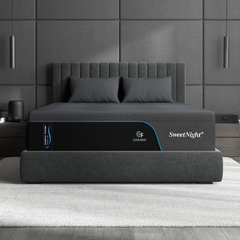
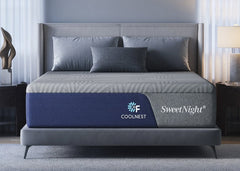
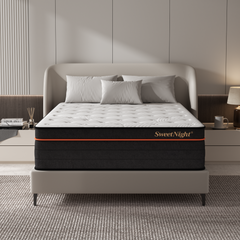
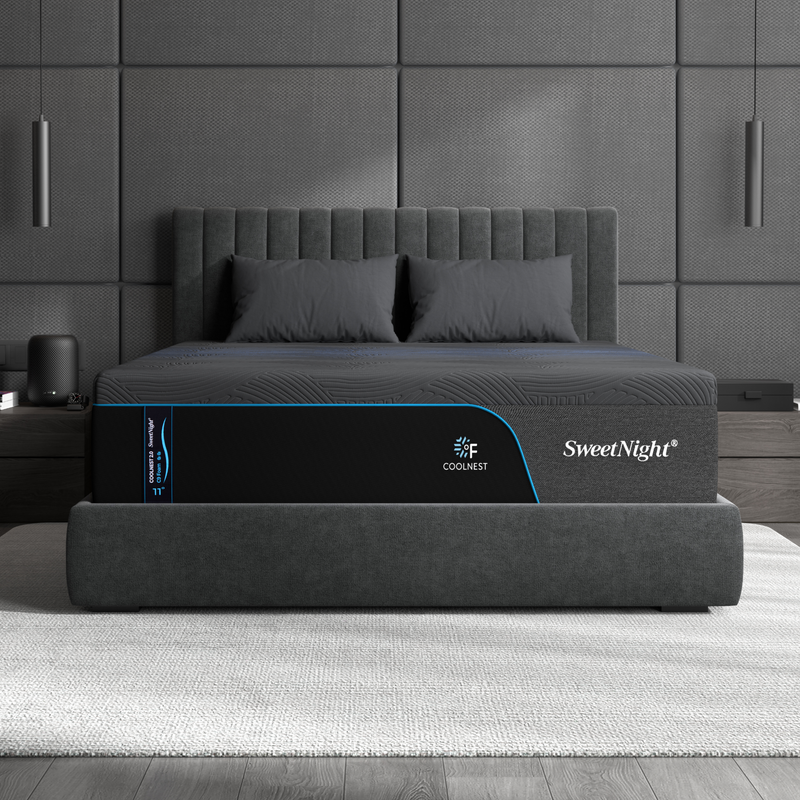
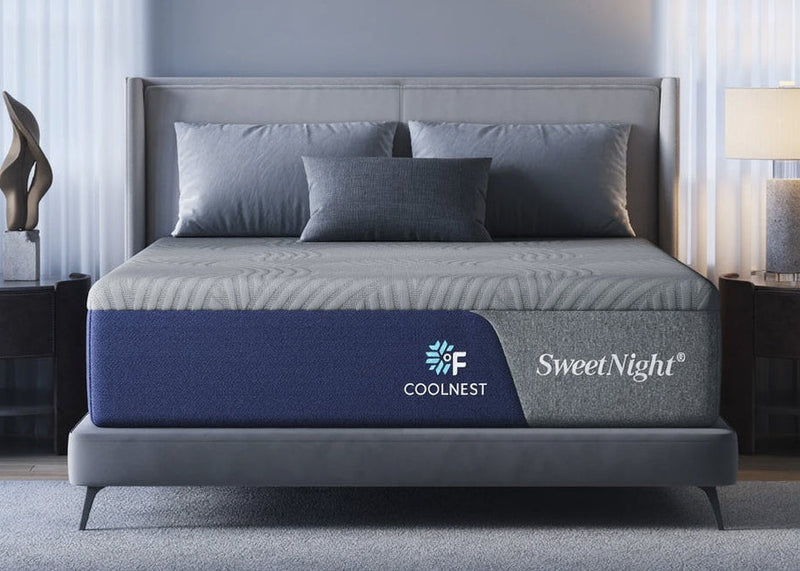
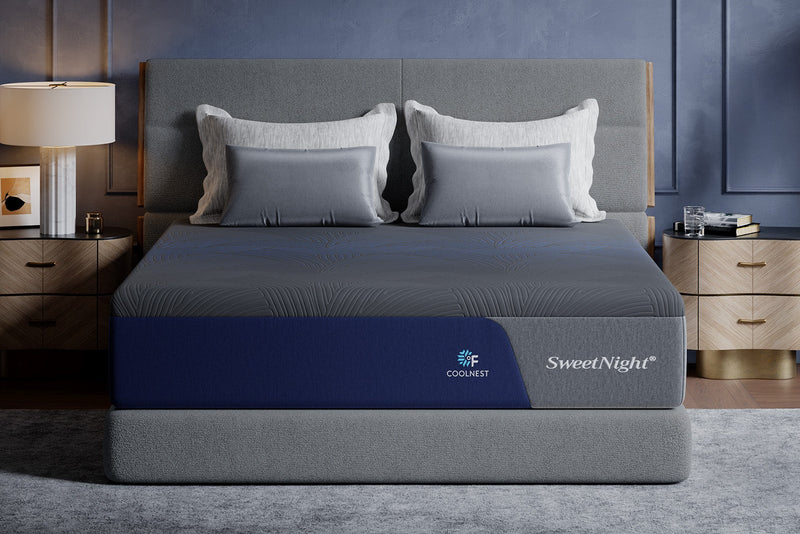
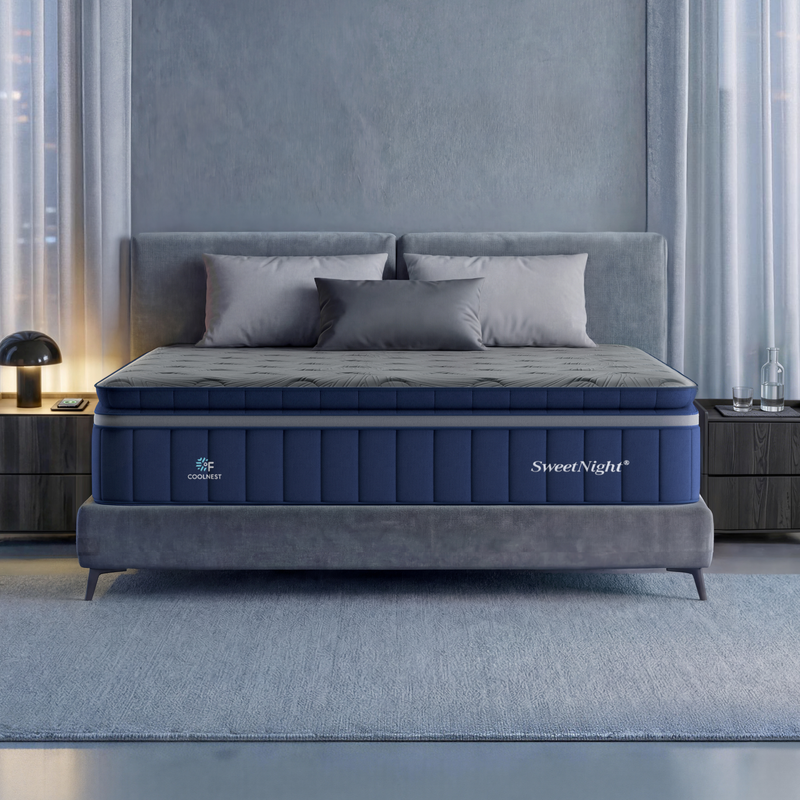
This is also where temperature lives. A mattress is a big slab of material pressed against your skin all night, so its breathability shapes whether you sleep cool or wake up damp. Dense memory foam is notorious for trapping heat, which is why modern beds engineer their way around it. SweetNight's CoolNest® memory foam mattress, for instance, is built specifically to run cooler than standard foam, and its hybrid models lean on coils to keep air moving. If you're trying to figure out which construction suits you, the brand's guide to choosing a mattress is a sensible place to start, along with the firmness guide for dialing in feel.
The key takeaway: a mattress is a long-term, structural purchase. It's expensive, it's heavy, and when it fails, no accessory truly rescues it. That's the backdrop against which the humble mattress pad makes sense.
What Is a Mattress Pad, Exactly?
A mattress pad is the quiet workhorse of the bedroom. It rarely gets the attention the mattress does, partly because it's hidden under your sheets, but it earns its keep.
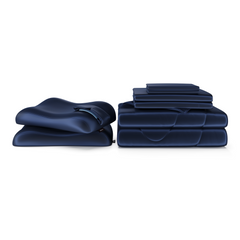
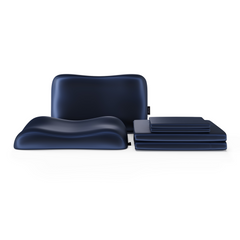
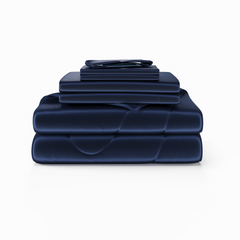
Physically, a pad looks a lot like a thick fitted sheet. It has a quilted or padded top surface and a stretchy skirt around the edges that hugs the corners of your mattress and tucks underneath. Some versions use corner straps or elastic anchor bands instead. The point of that design is simple: the pad needs to stay put even when you flip and turn, so it doesn't bunch up or slide off in the night.

Thickness is where pads stake out their territory. They generally run from about half an inch up to two inches at the most. That's enough to soften the very top of the bed and make a firm mattress feel a little more forgiving, but not enough to overhaul the support underneath. A pad won't turn a rock-hard mattress into a cloud or rescue one that's gone saggy. It works at the surface.
A pad pulls double duty, and this is the part people miss:
- Light comfort adjustment. A good pad adds a thin cushion that takes the edge off a too-firm surface and gives the bed a slightly plusher hand-feel.
- Protection. This is arguably the bigger job. Your body sheds skin cells, oils, and a surprising amount of moisture every night. A pad catches most of that before it soaks into the mattress, and you can pull it off and wash it. Doing so keeps the bed cleaner and helps it last.
Pads come in a range of fills, from breezy cotton to plush down to temperature-regulating gel foam. If you run hot, a dedicated cooling mattress pad is engineered to wick sweat and pull heat away, which is a different goal than a plain quilted cotton pad chasing softness. We'll get into the material options shortly.
One honest caveat. The word "pad" gets stretched by marketers to cover everything from a paper-thin protective sheet to a near-topper with two inches of memory foam. So when you shop, read the thickness and the stated purpose, not just the label on the box.
Mattress Pad vs Mattress: The Key Differences Side by Side
Here's the head-to-head. When people search for the difference between a mattress pad and a mattress, this is the comparison they're really after.
| Factor | Mattress | Mattress pad |
|---|---|---|
| Primary purpose | Support and structure for your whole body | Light comfort tweak plus surface protection |
| Thickness | 8 to 16 inches | 0.5 to 2 inches |
| Where it sits | The base of your sleep system, on a frame or foundation | On top of the mattress, under the sheet |
| Effect on support | Determines spinal alignment and pressure relief | Minimal; it cushions the surface only |
| Lifespan | 7 to 10 years on average | 1 to 5 years, depending on material and washing |
| Typical cost | $300 to $2,000+ | $30 to $150 |
| Washable? | No, you spot-clean it | Often machine washable |
| Replaceable on its own? | It is the bed | Yes, swap it out anytime |
| Fixes a sagging bed? | Replacement is the only real fix | No |
A few of these deserve a sentence of context.
The support row is the one that trips people up most. If you wake with a stiff lower back or a numb shoulder, the cause is almost always the mattress, not the absence of a pad. A pad can mask a slightly too-firm surface, but it can't generate support that the structure underneath has lost.
The cost and lifespan rows together explain why pads exist at all. A mattress is a major outlay you keep for the better part of a decade. A pad is cheap and disposable by comparison, which makes it the ideal sacrificial layer. You'd much rather wear out and wash a $60 pad than grind sweat and oil directly into a $900 bed.
And washability is the everyday difference you'll feel most. You can't put a mattress in the laundry. You can strip the pad off on a Sunday morning, run it through the machine, and have your sleep surface feeling fresh again by bedtime. That single fact is the whole hygiene argument for owning a pad.
Mattress Pad vs Mattress Topper vs Protector: What's the Difference?
This is where most of the real confusion lives, because three different products all park themselves on top of your mattress and three different sets of marketing copy describe them in nearly identical language. Sorting them out is half the battle.
| Product | Thickness | Main job | Changes firmness? | Waterproof? |
|---|---|---|---|---|
| Mattress protector | Paper-thin to ~0.25 in | Block liquids, allergens, dust mites | No | Usually yes |
| Mattress pad | 0.5 to 2 in | Light cushion plus modest protection | Slightly | Sometimes, often not |
| Mattress topper | 2 to 4 in | Noticeably change feel and firmness | Yes, significantly | No |
Think of them as a spectrum from "pure protection" to "pure comfort."

A mattress protector is the thinnest of the three and the most single-minded. It exists to guard the bed, full stop. Most are waterproof or water-resistant, sealing out spills, sweat stains, and bedwetting accidents, and many double as a barrier against allergens. What a protector won't do is make your bed feel any different. You usually can't even tell it's there once the sheets go on.
A mattress pad sits in the middle. It offers some of the protection of a protector but adds a thin layer of plushness on top. It's the compromise pick for someone who wants their bed a touch softer and a bit cleaner without committing to either extreme. Note that most pads are not fully waterproof, so if liquid protection is your top priority, a dedicated protector still wins.
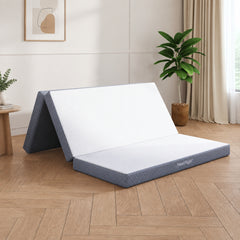
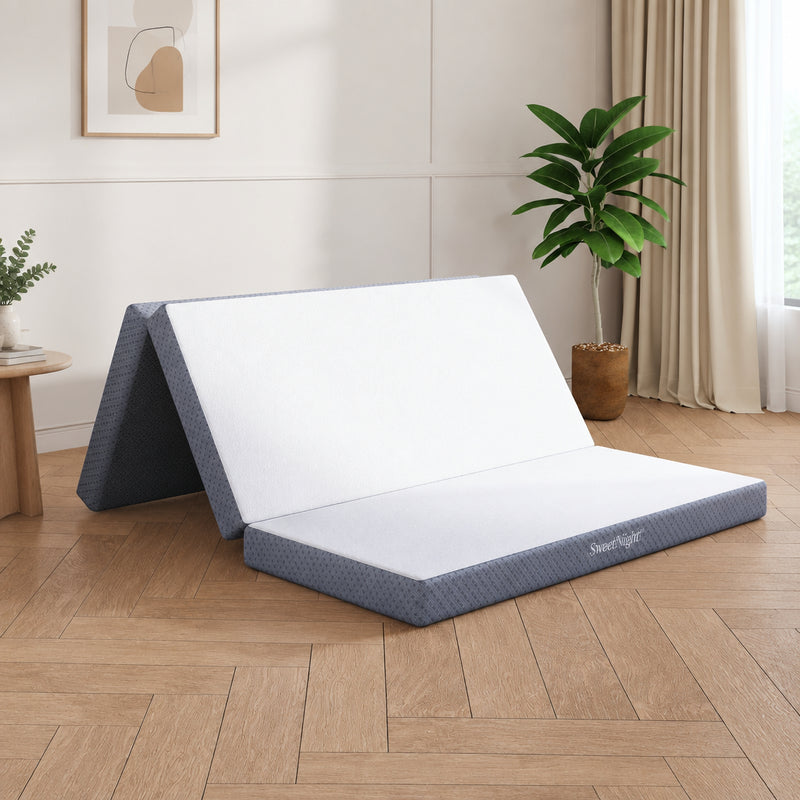
A mattress topper is the comfort heavyweight. At two to four inches of memory foam, latex, wool, or feathers, it genuinely reshapes how your bed feels, softening a firm mattress or adding support to one that's gone too soft. A topper is what you reach for when the mattress feels wrong but you're not ready to replace it. SweetNight's 4-inch tri-folding mattress topper is a good example of this category: enough gel foam to meaningfully change the surface, with a washable cover and the bonus of folding away for guests. You can see the full lineup of toppers, pillows, and protective layers in the bedding collection.
Here's the rule of thumb worth remembering. If your goal is to protect, get a protector. If your goal is a small refinement plus easy cleaning, get a pad. If your goal is to change how the bed feels, get a topper. And if the bed is genuinely worn out, none of the three is the answer, which brings us to a question we'll tackle head-on a little further down.
Types of Mattress Pads and What Each One Does
Not all pads are built for the same job. The fill material decides whether a pad chases softness, coolness, durability, or budget. Here's what you'll actually find on the shelf.
- Cotton. The classic. Cotton pads are breathable, soft, washable, and easy on the wallet, which is why they're everywhere. The trade-off is that cotton soaks up moisture, so on its own it offers weak spill protection. Organic cotton costs more but feels lovely.
- Down and feather. Filled with duck or goose feathers, these are the plush, sink-in option. They add a hotel-bed softness to a firm mattress. The downsides are higher cost, the occasional poking quill, and the fact that down isn't a great pick if you have allergies.
- Wool. An underrated performer. Wool regulates temperature in both directions, keeping you warm in winter and wicking moisture in summer, and it's naturally resistant to dust mites. It tends to sit at the premium end of the price range.
- Memory foam. A thin layer of foam adds contouring and pressure relief at the surface. Once a foam pad creeps past an inch and a half, though, it starts behaving more like a topper than a pad. Foam can trap heat unless it's gel-infused.
- Gel and cooling. Built for hot sleepers, these use gel-infused foam, phase-change fabrics, or moisture-wicking weaves to pull heat off your body. If you tend to wake up sweating, this is the category to look at first.
- Polyester and fiberfill. The budget standard. Lightweight, inexpensive, machine washable, and decent at adding a little loft, though it flattens faster than the pricier fills and doesn't breathe as well.

Choosing among them comes down to what's bugging you about your current bed. Too firm? Down or memory foam. Sleeping hot? Gel or wool. Worried about hygiene on a budget? Cotton or polyester. Want the temperature benefits to start at the mattress itself rather than the pad, consider a bed engineered for airflow from the ground up, like one of SweetNight's hybrid mattresses with breathable coil cores. A cooling pad and a cooling mattress aren't mutually exclusive; they stack.
One practical note on cooling, since it comes up constantly. Your body needs to shed about one to two degrees of core temperature to fall and stay asleep, and the Sleep Foundation pegs the ideal bedroom range at 65 to 68°F. A surface that traps heat fights that process all night. So if you're a hot sleeper, the material touching your skin isn't a vanity concern, it's a sleep-quality one.
What a Mattress Pad Can and Can't Do for Your Mattress
A pad is genuinely useful, but it gets oversold. Knowing its limits saves you from disappointment and from spending on the wrong fix.
What a pad does well:
- Catches sweat, oil, and grime. This is the headline benefit. Everything your body sheds at night hits the pad first, and the pad goes in the wash. The mattress stays cleaner for longer.
- Reduces allergen buildup at the surface. Beds are prime real estate for dust mites, which feed on dead skin and thrive in warm, humid bedding. Roughly four out of five U.S. homes have dust mite allergens in at least one bed, and a used mattress can harbor an unsettling number of them, with estimates running up to several million mites in an older bed. A washable pad you launder regularly keeps that population in check at the layer closest to you.
- Adds a modest comfort tweak. It can take the hard edge off a firm mattress and give the surface a softer hand.
- Extends the bed's usable life. By absorbing the daily wear and tear that would otherwise grind into the mattress, a pad helps your investment go the distance.

What a pad cannot do:
- Restore lost support. If the mattress sags or has a body-shaped dent, a pad won't fill it. You'll feel the dip right through it.
- Make a thin or cheap mattress feel premium. Two inches of pad can't replace eight inches of good support.
- Fully waterproof your bed. Most pads resist a little moisture but aren't sealed. For real liquid protection, you want a dedicated protector.
- Fix the heat problem of a heat-trapping mattress. A cooling pad helps at the surface, but if the mattress core bakes, you'll still feel it over a long night.
A quick word on the allergen point, because it's frequently misunderstood. Reducing the mites and allergens in your bedding is real and measurable. A Johns Hopkins study cited by the Cleveland Clinic found that allergen levels dropped by 90% or more within a month of using protective covers and washing bedding. That said, fewer allergens in the bed doesn't always translate to dramatically fewer symptoms for every person, so treat a pad or protector as one helpful tool, not a cure-all. If allergies are serious, pair washable bedding with hot-water laundering and talk to a doctor.
Mattress Pad vs a New Mattress: Which One Do You Actually Need?
This is the decision that actually saves or wastes your money, so it's worth slowing down for. The honest answer is that a pad and a new mattress solve completely different problems, and the trick is correctly diagnosing which problem you have.
Reach for a pad (or a topper) when the bed is fundamentally sound but you want to refine it. Signs you're in this camp:
- The mattress is reasonably young, with no visible sagging or dips.
- You wake up comfortable, you'd just prefer the surface a little softer or cooler.
- You want to keep the bed cleaner and protect your investment.
- Your sleep is decent and you're chasing a minor upgrade, not relief from pain.
Start shopping for a new mattress when the structure itself has failed. A pad cannot fix any of these:
- You see or feel a permanent body impression, a sag, or a sun-level surface.
- You wake with back, hip, or shoulder pain that eases once you're up and moving.
- You consistently sleep better in a hotel or on a different bed than your own.
- You can feel every move your partner makes, where you used to feel none.
- The bed is past the seven-to-ten-year mark and showing its age.

If two or more of those replacement signs sound familiar, a pad is a bandage on a problem it can't reach. You'll spend $80, feel a faint improvement for a week, and end up replacing the mattress anyway. Better to put the money toward the actual fix.
When a new bed is the answer, match the type to your sleep style. Hot sleepers and anyone tired of memory foam's heat tend to do well with a cooling-engineered foam bed like the CoolNest® mattress or the upgraded CoolNest® Pro with its zoned support. People who want bounce and airflow lean toward a hybrid such as the Twilight or Gloaming. If you're unsure, browse the full mattress range and check the thickness guide and size guide before you commit. And when the old one's headed out the door, here's how to dispose of a mattress responsibly.
Cost Comparison: Mattress Pad vs Mattress
Price is usually what nudges people toward a pad in the first place, so let's lay the numbers out plainly. They aren't in the same league, and that's the point.
| Item | Typical price range | How long it lasts | Rough cost per year |
|---|---|---|---|
| Mattress pad | $30 to $150 | 1 to 5 years | $15 to $60 |
| Mattress topper | $50 to $300 | 3 to 5 years | $15 to $80 |
| Mattress (foam or hybrid) | $300 to $2,000+ | 7 to 10 years | $40 to $200 |
A pad is cheap enough to be an impulse buy and easy to replace when it wears out or you just want a refresh. A mattress is a planned, once-a-decade purchase. That gap is exactly why pairing them is smart: you let the inexpensive, washable layer absorb the daily abuse so the expensive layer underneath ages more gracefully.
There's a value angle worth naming too. Spending $60 on a quality pad to protect a $900 mattress is one of the better-leveraged decisions in your home. It's a small fraction of the cost that meaningfully helps the big-ticket item survive its full lifespan. The mistake runs the other way: spending on pad after pad to compensate for a mattress that's genuinely finished. At that point you've spent topper money on a bandage, and you still need the bed.
Worth knowing: many sleep products, including mattresses and certain pads, are HSA/FSA eligible when they address a medical need, and financing can spread a mattress purchase out, which softens the up-front sting of the larger buy.
How to Choose a Mattress Pad That Fits Your Mattress and Your Sleep
Once you've decided a pad is the right call, picking a good one comes down to a few concrete factors. Skip the guesswork and run through these.
Match the size and depth to your bed. A pad has to fit your mattress dimensions, but depth matters just as much as length and width. Thick mattresses need pads with a deep enough skirt to grip the corners, or the thing pops off every time you move. Check your mattress height against the pad's stated pocket depth.
Lead with your main complaint. Are you too hot, or is the bed too firm? Those point to different pads. Hot sleepers want cooling gel, phase-change fabric, or wool. People chasing softness want down or memory foam. Don't buy a plush down pad and then wonder why you're still overheating.
Consider your sleeping position. Side sleepers put a lot of pressure on the shoulder and hip, so a touch of extra cushioning from a pad can help, though a sagging bed will still need replacing. Back and stomach sleepers usually want to preserve firmness and shouldn't add too much plush height.
Prioritize washability if hygiene is the goal. A pad you can't easily launder defeats half its purpose. Confirm it's machine washable and will survive repeated cycles. This is especially worth it for kids' beds, guest rooms, and anyone with allergies.
Don't expect a pad to do a topper's or a mattress's job. If you find yourself wanting a dramatic change in feel, you've outgrown the pad category. Look at a topper or, if the bed is worn, a new mattress.
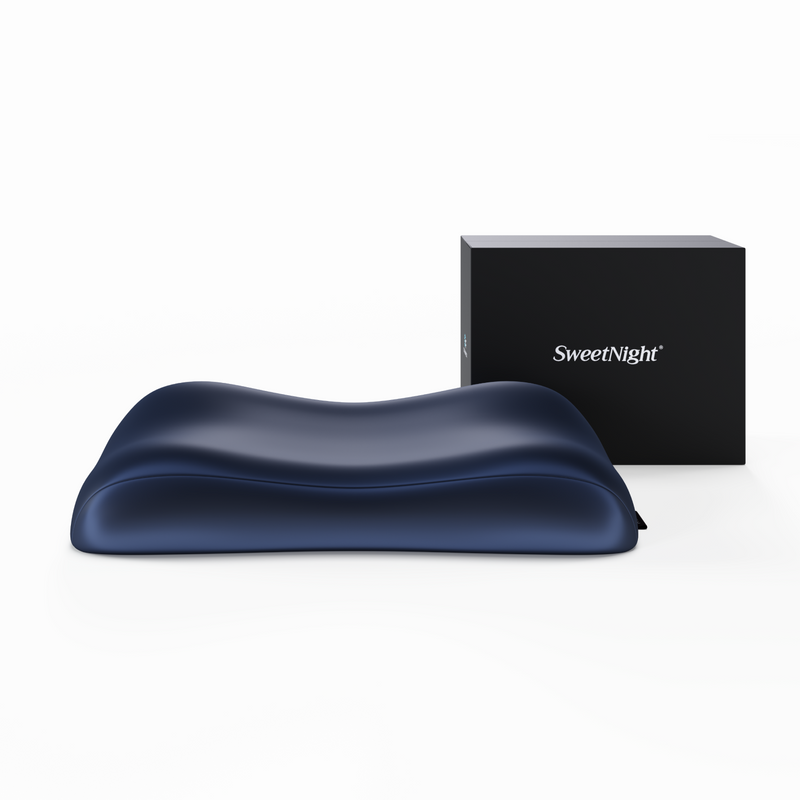
It's also worth thinking about the rest of the sleep system while you're at it. The right cooling pillow does for your head and neck what a cooling pad does for your body, and the two together make a bigger difference than either alone. For the bigger-picture decisions, the mattress buying guide walks through everything from firmness to construction.
Caring for Your Mattress Pad and Mattress
Owning both means a little upkeep, and the payoff is a cleaner, longer-lasting bed. None of this is complicated.
For the pad: Wash it every three to four weeks, more often if you sweat heavily, have allergies, or share the bed with kids or pets. Follow the care label, since some fills (foam and wool especially) have specific requirements. A common mistake is fabric softener, which coats the fibers and kills breathability, so skip it on cooling and wicking pads. Dry on low heat to avoid damaging the fill, and store a spare pad away from direct sunlight.
For the mattress: You can't wash it, but you can keep it healthy. Rotate it head-to-foot every three to six months so wear spreads evenly and body impressions form more slowly. Vacuum the surface occasionally to lift dust and dander. Treat spills promptly, because moisture is the enemy of foam. And make sure it sits on proper support: a sagging foundation or slats spaced too far apart will wear a mattress out early, no matter how good the bed is. For a deeper routine, here's how to clean a mattress the right way.

The two layers work as a team. The pad takes the daily hit and gets refreshed in the laundry; the mattress, shielded from most of that wear, holds its support and comfort across the years you're counting on it.
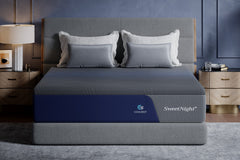
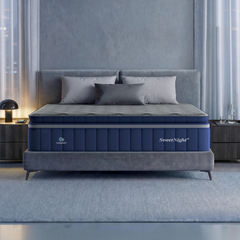
If you're comparing mattresses after reading this, here's where each CoolNest® model fits:
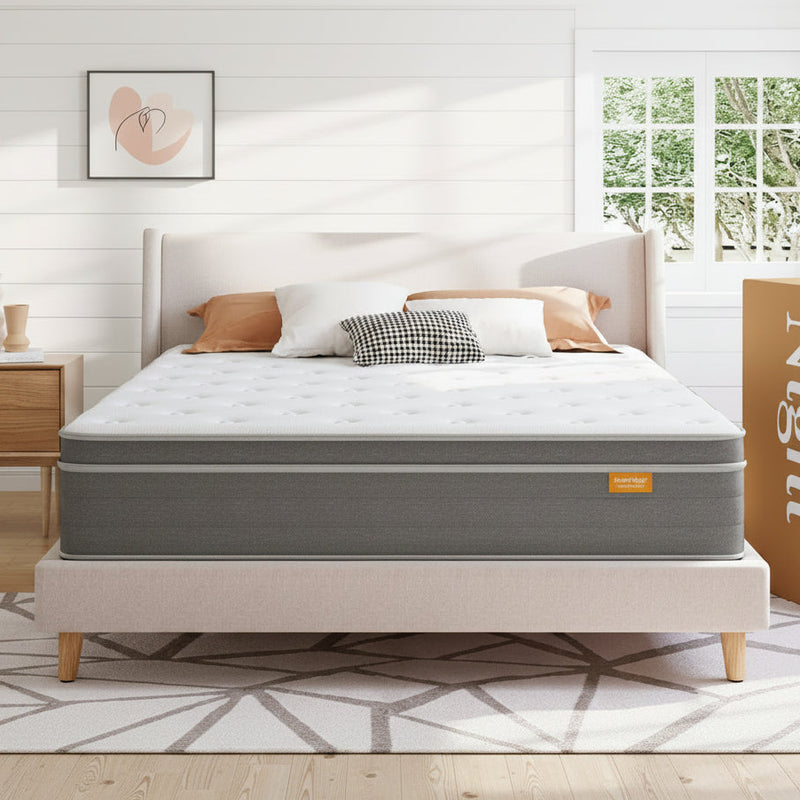
- CoolNest® Hybrid Mattress: pocketed coils under a DuoSense™ pillow top. Pick this one if you want bounce, firm edges and less partner motion.
- CoolNest® Memory Foam Mattress: the lowest-priced model in the range, all-foam with 5-zone support and a breathable 3D-woven cover.
- CoolNest® Pro and CoolNest® Ultra: the step-up foam models, with PCMflux® temperature-regulating foam and 7-zone support. Ultra adds AirMesh™ foam and feels up to 11° cooler.
- Current prices on every size and thickness are on the Fall Sale page, or browse all mattresses.
Mattress Pad vs Mattress: Frequently Asked Questions
Can a mattress pad replace a mattress? No. A pad is a thin surface layer with no real support of its own. It sits on top of a mattress and tweaks the feel; it can't function as the bed itself. If you're sleeping on a pad alone, you're missing the structure your spine needs.
Do I really need a mattress pad if I have a good mattress? You don't strictly need one, but it's a smart, low-cost habit. A pad keeps sweat, oils, and dust out of the mattress and is far easier to wash than the bed, which helps a quality mattress reach its full lifespan. Think of it as cheap insurance on an expensive purchase.
What's the difference between a mattress pad and a mattress topper? Thickness and purpose. A pad is half an inch to two inches and focused on light comfort plus protection. A topper is two to four inches and built to genuinely change how firm or soft your bed feels. If you want a noticeable change, you want a topper, not a pad.
Will a mattress pad fix my sagging mattress? No. A pad works only at the surface and can't restore support a mattress has lost. A sag means the structure has broken down, and the real fix is a new mattress. A pad over a sag just puts a thin layer over a dip you'll still feel.
Will a pad make my bed cooler? A cooling pad helps, since the material against your skin is what you feel first, and your body needs to lose a degree or two of heat to sleep well. But if the mattress core itself traps heat, a pad only goes so far. The best results come from a cooling surface over a breathable, cooling-engineered mattress.
How often should I replace a mattress pad versus a mattress? Pads last roughly one to five years depending on material and how often you wash them; replace one when it thins out, flattens, or stops protecting. Mattresses last seven to ten years on average; replace one when you see sagging, wake up sore, or sleep better elsewhere.
Is a mattress pad or a mattress protector better for allergies? A protector is usually the stronger pick for allergies because it seals more completely against dust mites and moisture. A washable pad still helps by keeping the surface clean, and laundering it regularly reduces allergen buildup. For serious allergies, use a protector, wash bedding in hot water, and follow medical advice.
Can I use a pad and a protector at the same time? Yes, and plenty of people do. Put the protector directly on the mattress for the liquid and allergen barrier, then the pad on top for comfort, then your fitted sheet. You get protection and a softer surface without choosing between them.
Does a mattress pad go over or under the fitted sheet? Under. The order from the mattress up is: mattress, then protector (if you use one), then mattress pad, then fitted sheet, then you. The pad's elastic skirt grips the mattress corners, and the sheet goes over the top of it. Putting the pad over the sheet defeats both its comfort and its protective purpose.
Can I put a mattress pad on a brand-new mattress? Absolutely, and it's a good idea. Adding a washable pad to a new bed from day one means the mattress never has to absorb sweat and skin oils directly, which helps it stay fresh and reach its full lifespan. Just give a new memory foam or hybrid mattress the recommended time to fully expand and air out first, then dress it.
How do I know when my mattress pad is worn out? A pad has had it when the padding flattens and stops adding any cushion, when it thins to the point that it no longer protects the mattress, when stains or odors survive a wash, or when the elastic skirt stretches out and won't stay on the bed. Pads are cheap to replace, so there's no reason to keep sleeping on a flat, tired one.
The Bottom Line
A mattress and a mattress pad answer two different questions. The mattress answers "what holds me up all night," and it's the structural, long-term, several-hundred-dollar decision you make once every decade or so. The pad answers "how do I keep that surface comfortable and clean in the meantime," and it's the cheap, washable, swap-it-whenever layer that protects the big investment underneath.
Get the diagnosis right and the spending takes care of itself. If your bed is sound and you just want it a little softer, cooler, or better protected, a pad (or a topper for a bigger change) is money well spent. If the mattress sags, leaves you aching, or has simply aged out, no accessory will save it, and the smart move is a new mattress suited to how you actually sleep. Match the fix to the problem, treat the pad as the guardian of the mattress rather than a substitute for it, and you'll sleep better while spending less over the long run.