






One day your kid fits neatly in a twin bed with a stuffed animal army lined up along the wall. Blink, and they're fourteen, their feet are hanging off the end, and they're sleeping diagonally because it's the only way to fit. Buying a mattress for a teenager is weirdly harder than buying one for yourself, because you're not shopping for the person in front of you. You're shopping for the person they're about to become, and that person might be five inches taller by next summer.
So the question isn't just "what mattress is comfortable." It's "what size mattress do I buy so I'm not doing this again in eighteen months," plus a pile of related questions about support, heat, and how much floor space a bedroom actually has. This guide walks through all of it the way a parent actually thinks about it — budget, bedroom, and growth spurts included — and lands on a size that makes sense instead of one you'll regret.
Quick Answer: What Size Mattress Is Best for a Teenager?
For most teenagers, a full (double) mattress is the best size if the room allows it, with twin XL as the strong runner-up for tall teens in narrow rooms, and queen as the buy-once option if you have the space and budget.
- Tall teen, narrow room → Twin XL (38" × 80")
- Average-height teen, normal room → Full (54" × 75")
- Spacious room, buy-it-once mindset → Queen (60" × 80")
- Bunk bed or trundle → Standard twin (38" × 75"), by necessity
Whatever size you land on, pair it with a medium to medium-firm feel and, if your teen sleeps hot, real cooling technology. Size, support, and temperature are the three things that decide whether a teen mattress actually works.
Teen Mattress Size Chart: Twin vs Twin XL vs Full vs Queen Dimensions
Before anything else, here are the actual numbers. Almost every mattress size debate for teenagers comes down to two measurements — width for sprawl, length for height — and seeing them side by side settles most of the argument instantly.
| Mattress Size | Dimensions (inches) | Dimensions (cm) | Best For | Minimum Room Size |
|---|---|---|---|---|
| Twin | 38" × 75" | 97 × 190 cm | Younger teens under 5'8", bunk beds, small rooms | 7' × 10' |
| Twin XL | 38" × 80" | 97 × 203 cm | Tall teens, narrow rooms, college-bound kids | 7' × 10' |
| Full (Double) | 54" × 75" | 137 × 190 cm | Average-height teens who move a lot in their sleep | 10' × 10' |
| Full XL | 54" × 80" | 137 × 203 cm | Tall teens who also want width (harder to find) | 10' × 10' |
| Queen | 60" × 80" | 152 × 203 cm | Tall teens, big rooms, buy-once-for-adulthood | 10' × 11' |
Two things jump out of that table. First, twin and twin XL are the exact same width — the only difference is five inches of length. Second, a full is 16 inches wider than a twin but no longer, which is why a full can still leave a six-foot teen's feet hanging off the end. Length solves height; width solves restlessness. Figure out which problem you actually have and the size mostly picks itself.
One practical wrinkle parents forget: mattress size decides the whole ecosystem around the bed. Sheets, mattress protectors, bed frames, and headboards are all sized to the mattress, so the size you pick locks in what fits for years. Twin XL sheets are a different length than standard twin sheets, and buying the wrong ones is a classic first-week annoyance. Full and queen bedding is easy to find and frequently on sale, which quietly makes those sizes more livable long-term.
Why Teenagers Outgrow a Twin Mattress: When to Upgrade
The twin that served your child for a decade stops working almost overnight, and it's not your imagination. Puberty brings growth spurts that can add three or four inches of height in a single year. A bed that fit fine in September can leave feet hanging off by June. Add the fact that teens sleep restlessly, toss more, and need real, deep sleep for the brain and body development happening at that age, and a cramped, worn-out childhood mattress becomes an active problem rather than a minor annoyance.
Signs it's time to upgrade your teen's mattress size:
- Their feet reach or hang over the end of the mattress
- They sleep diagonally, curled up, or wake up half off the bed
- There's a visible dip or sag where they sleep
- They complain about a sore back, stiff neck, or numb shoulder in the morning
- They sleep better at a friend's house or on the couch than in their own bed
There's also the weight and support side of it. A ten-year-old and a fifteen-year-old put very different loads on a mattress. A kids' bed built light for a small body may start bottoming out under a teenager, especially one who's shot up and filled out. If you're moving up from a genuine children's setup, it's worth looking at options built for the next stage rather than another round of the same, and browsing a proper mattress for kids range versus a teen-appropriate one side by side makes the difference obvious. The childhood mattress didn't fail. Your teenager just outgrew what it was designed to do.
Twin vs Twin XL Mattress for Teens: Is Five Inches Worth It?
This is the first real fork in the road, and it comes down to one word: length. A standard twin and a twin XL are the exact same width, 38 inches. The only difference is that a twin XL adds five inches of length, going from 75 to 80 inches. Those five inches are the whole ballgame for a growing teen. Eighty inches is the same length as a queen or king, so a twin XL will comfortably fit even a very tall adult, which means it can carry your teen all the way through their growth years and into college.
Height is the constraint people underestimate. The average 16-year-old boy is already around 5'7" and often still climbing, and plenty of teens sail past six feet before they finish growing. A 75-inch mattress leaves a tall teen's feet dangling, which isn't just uncomfortable — it fragments sleep quality. That's exactly why twin XL exists.
That college angle is worth flagging, because most dorms use twin XL beds. Buying a twin XL now means the sheets and mattress logic your teen learns at home carries straight into their dorm room, and the mattress itself may make the move with them.
If you spend any time in parenting forums when this question comes up, the twin XL recommendation shows up over and over from parents who've already been through it, and their reasoning is almost always the same: they bought a standard twin, their kid hit a growth spurt, and they were mattress shopping again within two years. The five inches sound trivial on paper and turn out to be the difference between a bed that lasts through high school and one that gets replaced halfway through. The only real counterargument is bunk beds and trundles, where twin XL frames and mattresses are genuinely harder to source and pricier when you find them. For a standard freestanding frame, the upgrade is cheap insurance against buying twice.
Full Size Mattress for a Teenager: Dimensions, Pros, and Cons
For a lot of families, a full size mattress — 54 inches wide by 75 inches long — is the sweet spot, and the case for it is width. A full is 16 inches wider than a twin, which is real room to sprawl, roll, and actually rest instead of clinging to a narrow strip. Teenagers move a lot in their sleep, and that extra width turns "I keep waking up half off the bed" into a non-issue. It also means the mattress won't feel cramped even once they're fully grown.
Pros of a full for a teen: grown-up width, easy and affordable bedding, fits most standard bedrooms, likely their last mattress before they move out.
Cons: same 75-inch length as a standard twin, so it doesn't solve the tall-teen problem; needs roughly a 10' × 10' room to sit comfortably.
That length limitation is the one real weakness. For a very tall teen, a full can leave feet hanging just like a regular twin does, so if height is the dominant concern, twin XL or queen serves better. But for an average-height teen, or one whose room has the floor space, a full delivers grown-up comfort that lasts well past the teen years. Plenty of adults sleep on a full quite happily. Buy one for a fourteen-year-old and you've very likely bought their last mattress before they move out, which makes the higher price easier to swallow.
There's also a social dimension parents tend to forget until it comes up: teenagers have friends over, and friends sometimes crash. A full gives a teen enough room to not feel like a little kid, which matters more to a fifteen-year-old than any parent wants to admit, and it handles the occasional sleepover far better than a narrow twin. It's the size that says "you're not a child anymore" without jumping all the way to a queen.
Queen Size Mattress for a Teenager: Should You Size Up?
Sometimes the right answer is to just skip ahead. A queen mattress is 60 inches wide and 80 long — full-adult sizing — and there are real situations where it's the smart buy for a teen. If your teenager is already tall, if the bedroom is spacious, if you want a guest-ready bed for when they eventually move out, or if you'd simply rather buy once and never think about it again, queen makes sense. It's the size they'll want as an adult anyway, so you're not wasting a purchase.
The honest caveats are cost and space. A queen costs more than a twin or full, needs a bigger frame, and eats real floor area, which can make a smaller bedroom feel packed. There's also the "is this overkill for a 13-year-old" question, which is fair. But if the room can take it and the budget's there, sizing up to a queen is rarely something families regret — especially since a queen is the size most premium mattress technology is built around, so you get the widest choice of beds at that size.
What Size Bedroom Do You Need for Each Mattress Size?
You can pick the perfect mattress on paper and still get it wrong if the room can't hold it, so measure before you fall in love. As a rough guide, a twin or twin XL fits comfortably in a room around 7 by 10 feet, a full wants something closer to 10 by 10, and a queen really breathes in a room 10 by 11 or bigger. Those aren't hard limits, but they account for the reality that a teenager's room isn't just a bed. It's a desk, a dresser, a chair, and usually a floor covered in stuff.
Leave at least 24–30 inches of walking space on one side of the bed, room for the door to swing fully open, and space for a desk if this is where homework happens. A bed that's technically correct for a growing body but jammed wall-to-wall makes the whole room feel like a closet, and teens are territorial about their space. If you're stuck between a full that fills the room and a twin XL that leaves breathing room, the twin XL is often the more livable choice.
The desk question deserves special attention, because for a lot of teens the bedroom is also the study and the hangout. A common mistake is buying the biggest bed the room can physically hold, then discovering there's nowhere to put a desk, so the kid ends up doing homework on the bed — bad for both posture and sleep associations. If the room has to pull double duty, err toward the smaller bed that leaves room for a proper workspace. A teen who can sit at a desk and then sleep in a bed sleeps better than one whose bed is also their office.
Bunk Bed, Loft Bed, and Trundle Mattress Sizes for Teens
If your teen shares a room or you're maximizing floor space, the frame decides the mattress size rather than the other way around, and there are a few rules worth knowing before you order.
- Bunk beds almost always take standard twin (38" × 75"). Twin XL bunk frames exist but are far less common and cost noticeably more. Check the frame spec before buying the mattress, never after.
- Loft beds usually take twin or twin XL, and often full for the newer teen-focused models with a desk underneath.
- Trundles are twin, full stop — the whole point is that they slide under the main bed.
- Mattress thickness matters here more than anywhere else. Most bunk and loft beds cap mattress height at 6–8 inches so the guardrail still does its job, and trundles have a clearance limit too. A 12- or 14-inch mattress that's perfect on a platform frame is genuinely unsafe on a top bunk.
For a standard freestanding frame, thickness is a comfort question rather than a safety one, and 10–14 inches is the range where you get enough support core to handle a teenager's growing weight without bottoming out.
Best Mattress Firmness for Teenagers: Why Medium-Firm Wins
Size gets all the attention, but firmness is where a teen mattress quietly succeeds or fails. Growing bodies need support that keeps the spine aligned while the skeleton is still developing, which usually points to a medium to medium-firm feel. Too soft, and a teen sinks into a C-shaped slump all night; too firm, and side sleepers get shoulder and hip pressure. Medium-firm threads the needle for the mix of positions most teens cycle through, and it holds up better as they gain weight through their teens.
Sleep position plays into this, and teens are often still figuring out theirs. A side sleeper — the most common position — needs enough give at the shoulder and hip to keep the spine straight, so a bed that's too firm creates pressure points that show up as a numb arm or a sore hip. A back or stomach sleeper needs more surface support to keep the hips from sinking. Since most teens rotate through positions all night, a medium to medium-firm bed is the safest bet. If your teen consistently wakes up with a sore shoulder or a stiff lower back, that's feedback about firmness, and it's worth acting on rather than assuming they'll grow out of it.
Support core matters as much as surface feel. A teenager isn't a small child anymore, and a flimsy budget build will start to sag under the increasing load, undoing whatever good the firmness was doing. Look for a genuine support layer — dense zoned foam or pocketed coils — rather than a thin slab that feels fine in the store and dishes out in a year. Zoned construction is the meaningful upgrade at this stage: a gel memory foam mattress with 7-zone ergonomic support gives firmer reinforcement under the hips and lumbar while staying softer at the shoulders, which is exactly what a still-developing spine needs from a bed it'll sleep on for the next seven years. If you're moving up from a lightweight kid-specific bed, a purpose-built mattress for teenagers is designed for that heavier, growing load. Comfort that collapses in six months isn't comfort, it's a countdown.
Do Teenagers Need a Cooling Mattress? What to Look For
If you've ever felt the heat coming off a teenager's room, you already know where this is going. Teens run hot. Hormonal shifts, higher metabolism, late-night gaming and phone use, and the general furnace of adolescence all add up to kids who sleep warm and kick the covers off by 2 a.m. Overheating fragments sleep, and teens are already fighting biology, since their circadian clock naturally pushes them to fall asleep later and wake later. Anything that helps them stay asleep once they finally get there is worth considering.
Cooling isn't one feature, it's a stack: a cover that pulls heat off the skin on contact, a comfort layer that doesn't trap body heat, and an open structure that lets warm air escape instead of pooling under the sleeper. A mattress that only has a "cool-touch" cover feels great for ninety seconds and then behaves like any other foam bed for the rest of the night.
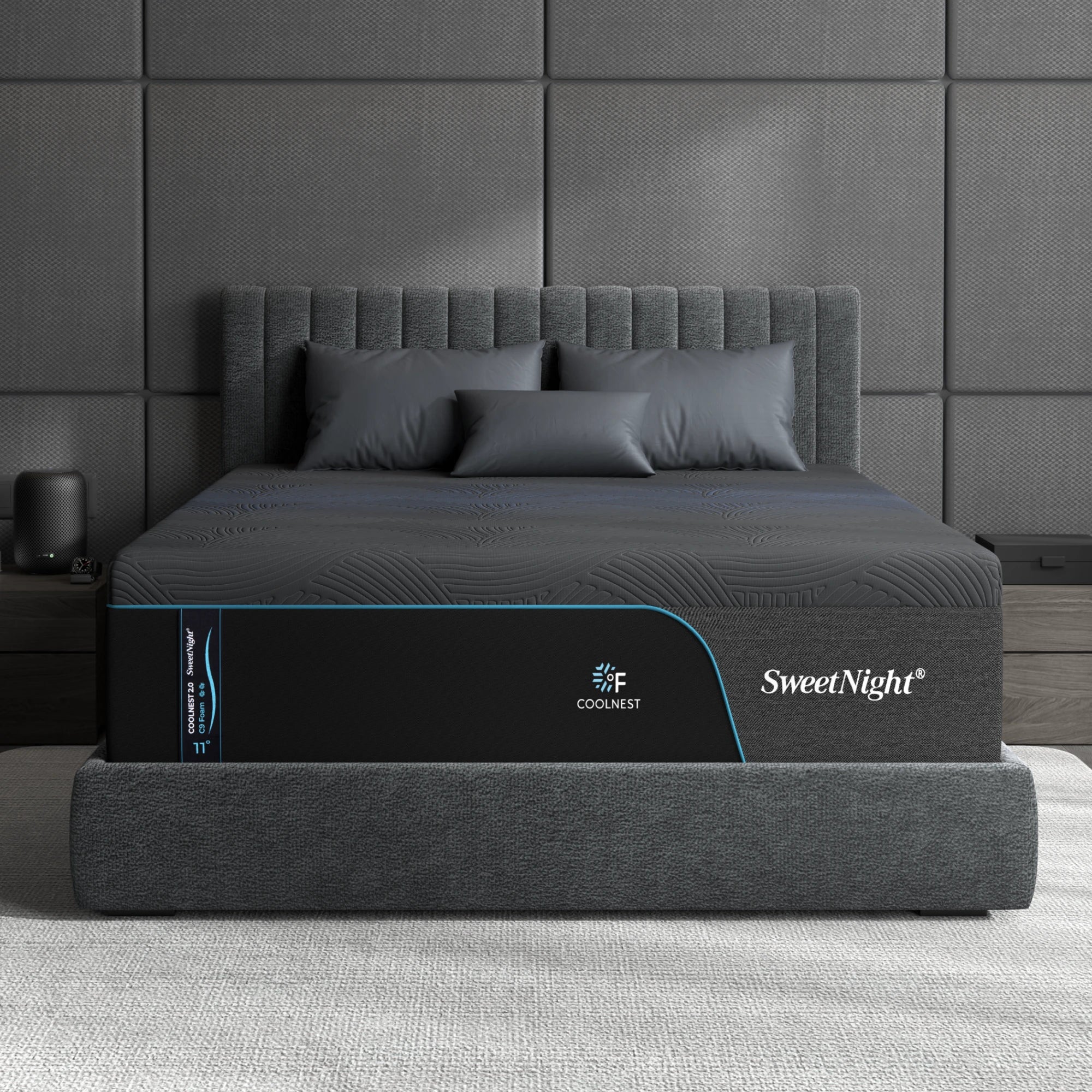
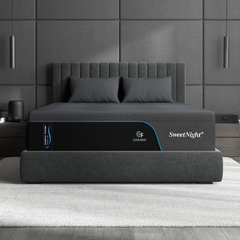
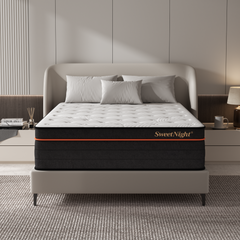
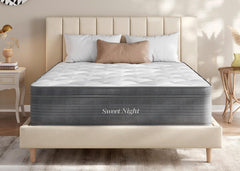
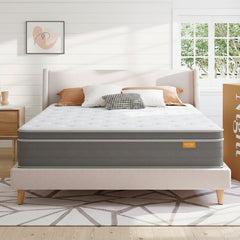
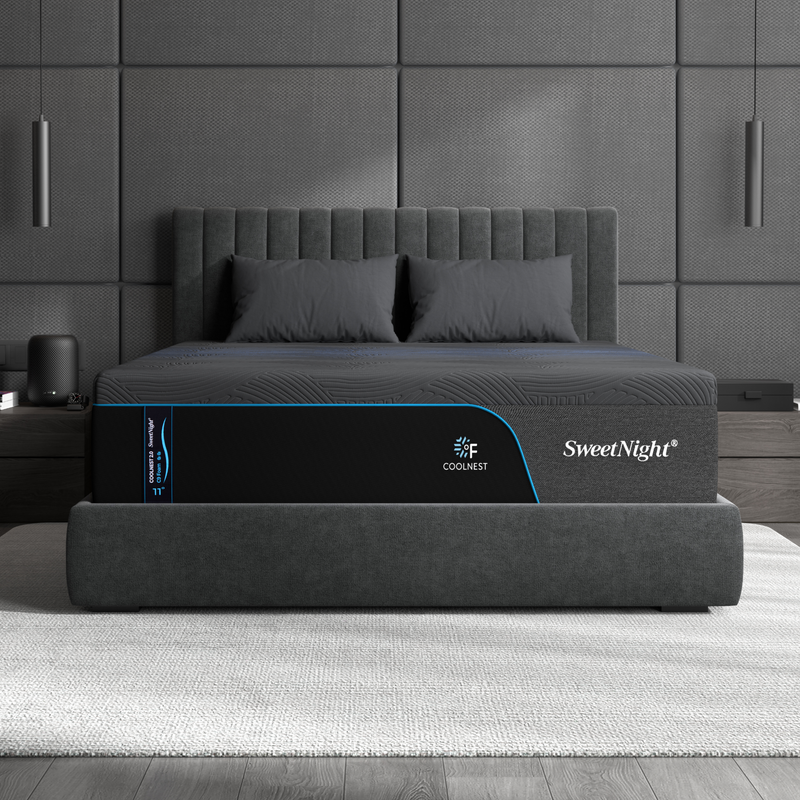
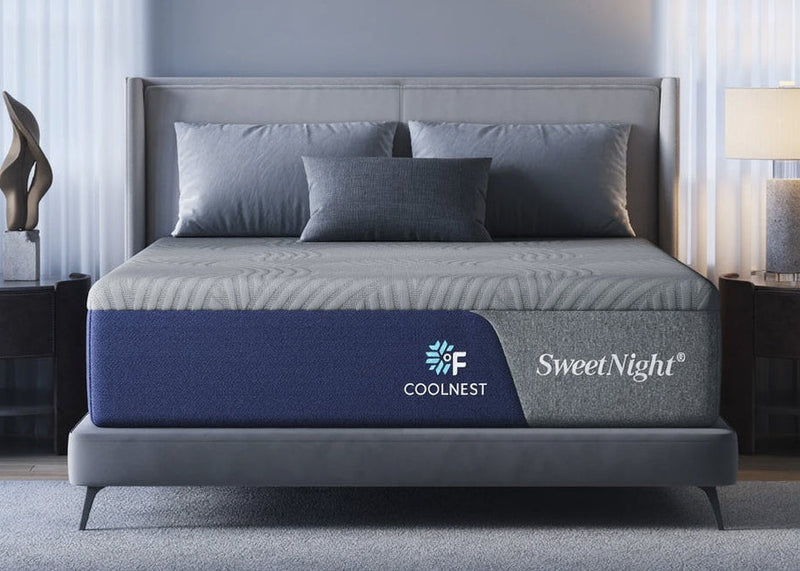
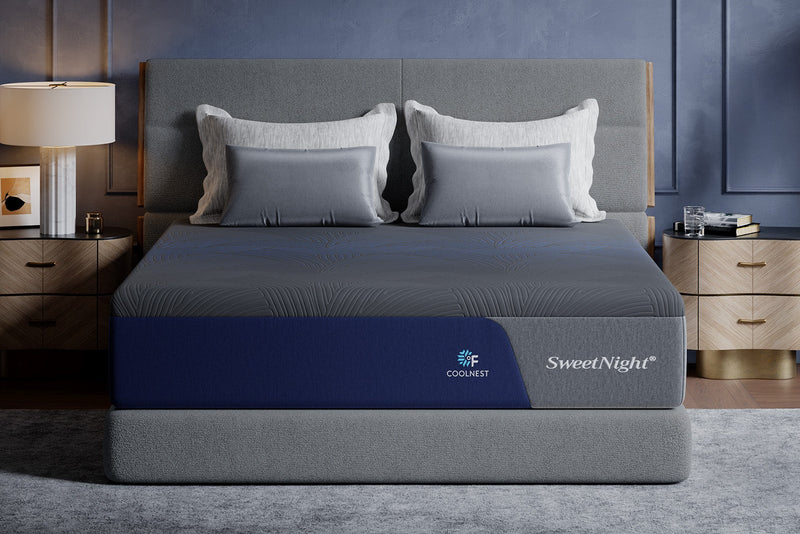
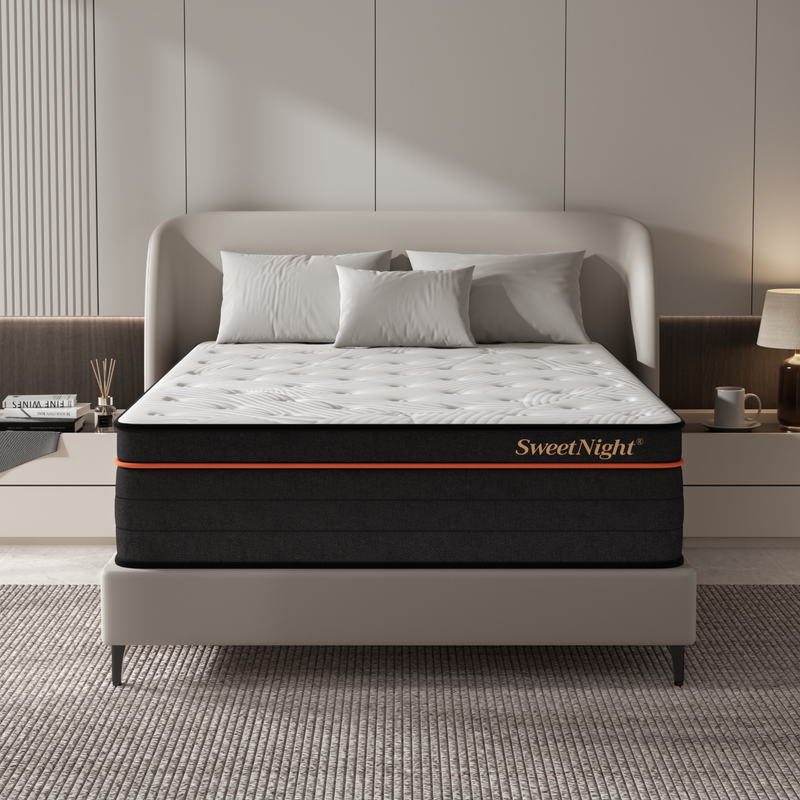
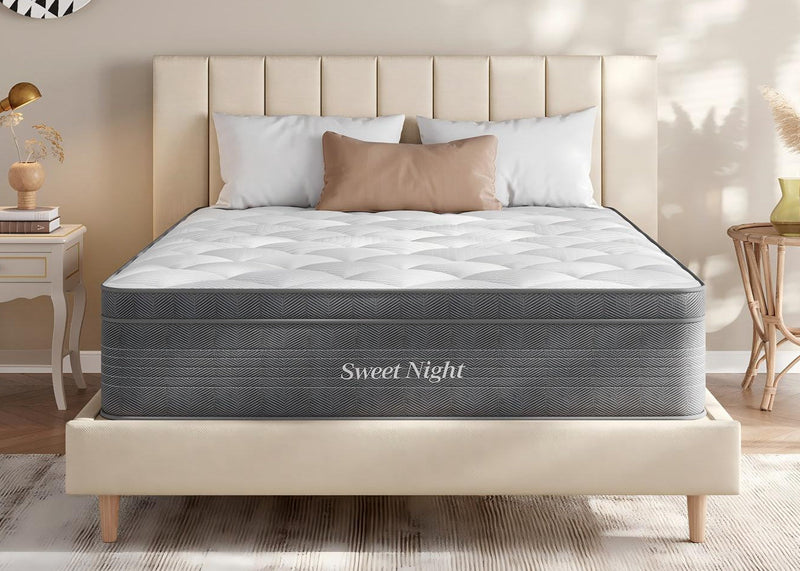
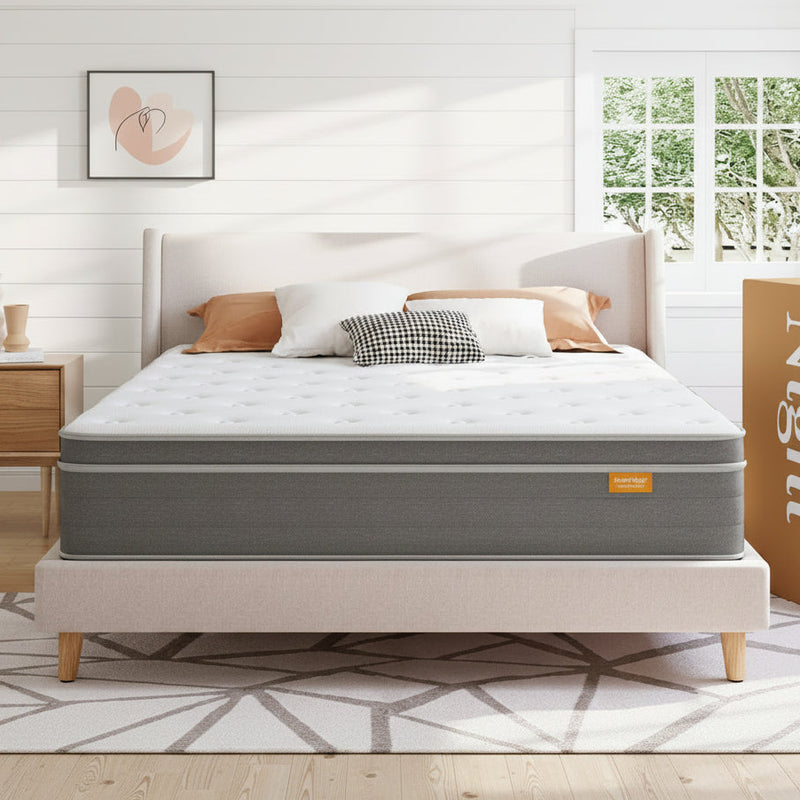
That's the gap the SweetNight cooling memory foam mattress is built to close. Its Advanced CoolNest® Ultra System is engineered to feel up to 11° cooler, and it gets there in stages rather than relying on a single trick:
- Gradient Ice Silk Cover — a Qmax of 0.25 J/(cm²·s) means genuinely cold-to-the-touch contact the moment your teen lies down, not a vague "cool feel" claim.
- PCMflux® High Resilience Foam — phase-change material that absorbs and releases heat to actively balance temperature through the night, which is the part that matters at 3 a.m., not at bedtime.
- AirMesh™ Breathable Memory Foam — 6× the breathability of standard memory foam, with a 3D open-channel structure for continuous heat dissipation, plus a ventilated gel memory foam layer underneath.
- Refined 7-Zone Precision Support — wavy-cut ergonomic foam that varies firmness along the body for spinal alignment and pressure relief, over an enhanced stability support core and an anti-slip dotted fabric base.
For a teenager's room, the certifications are worth a look too: all the foam is CertiPUR-US certified, and the fabric passes STANDARD 100 by OEKO-TEX, so you're not putting a chemical question mark in a kid's bedroom. Firmness lands at medium / medium plush, which suits side and combination sleepers — the two most common teen profiles — and it runs $729.99–$1,029.99 depending on size. If cooling is the main thing you're solving for and you'd rather compare a few builds first, the full best cooling mattress range is a reasonable place to start.
The practical test is simple. If your teen consistently complains about being hot, sleeps on top of the covers, or you find the sheets damp in the morning, cooling isn't a luxury add-on — it's solving a real, nightly problem. Pair it with a size that fits their frame and you've addressed both halves of teen sleep at once.
How Long Does a Mattress Last for a Teenager?
Here's a reframe that changes the whole purchase: don't buy a mattress for the teen you have, buy one for the years ahead. A decent mattress lasts seven to ten years. A thirteen-year-old on a well-chosen bed could ride it straight through high school and into their first apartment. That's exactly why sizing up often beats buying cheap and small — a too-small bed becomes obsolete the moment they hit a growth spurt, long before the mattress itself wears out.
The math usually favors one good purchase over two mediocre ones. A full or queen bought at fourteen can be the same bed they take to their first place at nineteen. A twin bought at fourteen is very likely getting replaced by sixteen, meaning you paid twice. Factor durability into the size decision, not just comfort.
Protecting that investment is easy and worth doing. A washable mattress protector is close to mandatory for a teenager's bed, because teen rooms see spills, snacks, and general chaos, and a single stain can both ruin the surface and void the warranty. Rotating the mattress head to foot a couple of times a year keeps the wear even so a growing, heavier body doesn't carve a permanent dip in one spot. And a solid, supportive frame or slat base does as much for longevity as the mattress itself, since a sagging foundation drags a good bed down with it. None of this is expensive or complicated, and it's the difference between a mattress that genuinely lasts through high school and one that's tired by junior year.
Best Mattress Size for Teenagers: Final Recommendation
Let's tie it together into something you can act on. Start with your teen's height and how much growing they've likely got left, because length is the constraint that ruins sleep fastest. Then measure the room honestly — bed plus desk plus dresser plus walking space. Then set your budget. Where those three meet is your answer.
- Tall teen, narrow room: twin XL
- Average-height teen, decent room: full
- Room and budget to spare, or a teen you'd rather set up for adulthood now: queen
- Bunk or trundle setup: standard twin, and keep the mattress under 8 inches thick
Once size is settled, get the support right with a medium to medium-firm, zoned build that won't sag under a growing body, and add real cooling if your teen sleeps hot. Do that and you've bought a bed that fits them now and still fits them at nineteen, instead of a mattress you're replacing before the warranty's even warmed up. Teenagers don't need the fanciest bed in the catalog. They need one sized for the person they're becoming, supportive enough to protect a developing spine, and cool enough to actually stay asleep on. Nail those three, and growth spurts stop being a problem you have to shop your way out of every year.
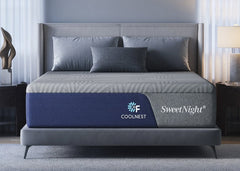
If you're comparing mattresses after reading this, here's where each CoolNest® model fits:
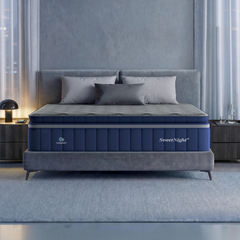
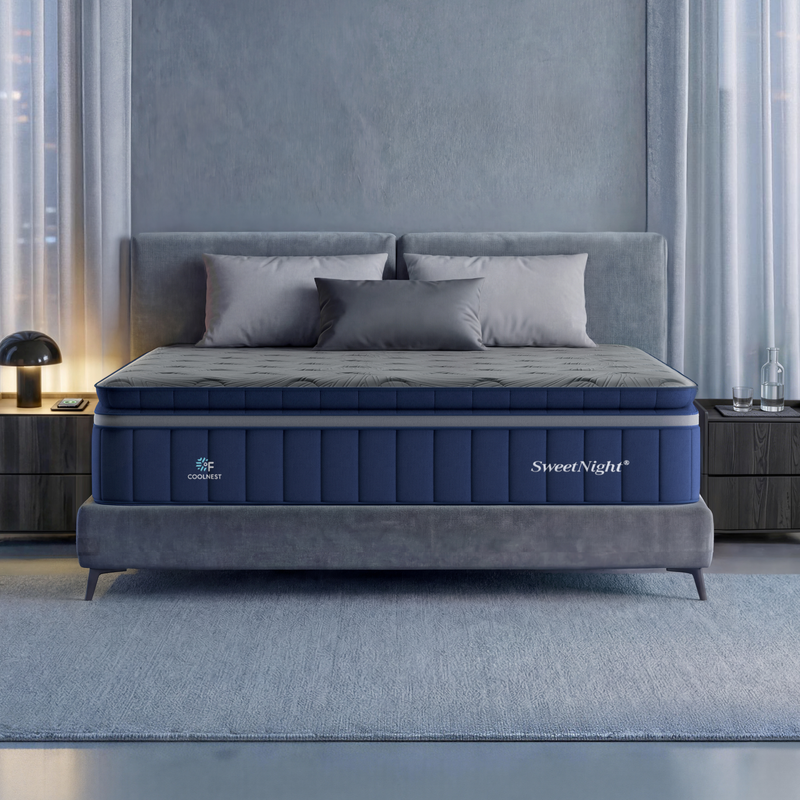
- CoolNest® Hybrid Mattress: pocketed coils under a DuoSense™ pillow top. Pick this one if you want bounce, firm edges and less partner motion.
- CoolNest® Memory Foam Mattress: the lowest-priced model in the range, all-foam with 5-zone support and a breathable 3D-woven cover.
- CoolNest® Pro and CoolNest® Ultra: the step-up foam models, with PCMflux® temperature-regulating foam and 7-zone support. Ultra adds AirMesh™ foam and feels up to 11° cooler.
- Current prices on every size and thickness are on the Fall Sale page, or browse all mattresses.
Teen Mattress Size FAQs
What size mattress should a 13-year-old have?
A twin XL or full works best for most 13-year-olds. At that age there's usually several years of growing left, so a standard twin often has under two years of life in it. If the room is small, twin XL; if it can take the width, full.
Is a full size mattress too big for a teenager?
No. A full is 54 inches wide, which is standard adult sizing, and plenty of adults sleep on one permanently. The only real constraint is floor space — a full needs roughly a 10' × 10' room to leave walking room and space for a desk.
Should I buy a twin XL or a full for my teenager?
Choose twin XL if height is the problem — it's five inches longer than a full. Choose full if restlessness is the problem — it's 16 inches wider. Twin XL also matches most college dorm beds, which is a real advantage if your teen is a few years out from moving.
What size mattress do college dorms use?
Most US college dorms use twin XL (38" × 80"). Buying a twin XL for a high schooler means the mattress, sheets, and protector can move with them.
How firm should a teenager's mattress be?
Medium to medium-firm. It keeps a developing spine aligned without creating shoulder and hip pressure for side sleepers, and it handles the position-switching most teens do all night.
How thick should a teenager's mattress be?
Ten to 14 inches on a standard frame gives enough support core to handle a teen's growing weight. On a bunk or loft bed, stay at 6–8 inches so the guardrail still sits high enough to be safe.
Do teenagers need a cooling mattress?
If your teen kicks the covers off, sleeps on top of the bedding, or wakes up with damp sheets, yes. Teens run hot from hormonal and metabolic changes, and overheating is one of the most common reasons they wake in the night. Look for layered cooling — a cool-touch cover plus breathable, ventilated foam — rather than a cover alone.
How often should you replace a teenager's mattress?
Every seven to ten years on quality, or sooner if they outgrow the size. In practice, size is what forces the replacement for teens, not wear — which is why buying a size up front usually costs less than buying twice.