





























You cut open the plastic, watched your new mattress puff up from a flat brick into a full-size bed, and then it hit you: that sharp, chemical, new-car-meets-glue smell filling the whole room. It is easily the most common surprise people run into with a bed-in-a-box, and it sends a lot of first-time buyers straight to a search bar wondering if they just brought something toxic into their bedroom. The smell is real, it is normal, and in almost every case it fades on its own.
Still, "it's normal" is not very reassuring when you are supposed to sleep on the thing tonight. You want to know what the smell actually is, whether it is safe, how long you are stuck with it, and what you can do to get rid of it faster. This guide covers all of that, plus how to tell the ordinary break-in smell apart from the rare warning sign that means something is genuinely wrong with the mattress.
Why Does a New Mattress Smell and What Is Off-Gassing
That fresh-out-of-the-box odor has a name: off-gassing. When a foam mattress is manufactured, it is made from petroleum-based materials, adhesives, and foaming agents that release tiny amounts of trapped gases as they cure and settle. Those gases are volatile organic compounds, or VOCs, and they are what your nose picks up as that distinct chemical smell. Sealing the mattress in plastic and compressing it into a box traps all of it inside with nowhere to escape.
The moment you open the packaging, months of trapped vapor get released at once, which is why the smell is strongest in the first few minutes and hours. It is the same reason a new car, fresh paint, or a new pair of sneakers has that signature scent. None of those materials are actively rotting or reacting in a dangerous way; they are simply finishing the curing process out in open air instead of sealed in a bag.
Compression packaging makes the effect more dramatic than it used to be. Older mattresses shipped fully expanded and did most of their off-gassing at the factory and warehouse before you ever saw them. A modern boxed mattress is vacuum-sealed within hours of being made, so the entire off-gassing process gets postponed until it reaches your bedroom. You are essentially smelling the curing that older beds finished before delivery.
How long the mattress sat compressed before it reached you affects the intensity too. A bed that spent weeks or months packed in a warehouse has more concentrated built-up vapor to release the moment you open it. That is partly luck of the draw with shipping and stock, but it explains why two people buying the identical model can report very different smell levels. The freshness of the box has as much to do with it as the foam itself.
What Off-Gassing Is and Whether the Mattress Smell Is Harmful
The big question everyone has is whether that smell is doing them harm, and for the vast majority of people the answer is no. The VOCs released by a quality mattress are present in very low concentrations, and most are the same low-toxicity compounds you encounter daily from furniture, carpet, and household products. For a healthy adult, the temporary odor from a certified mattress is considered a nuisance rather than a genuine health hazard.
That said, some people are more sensitive than others. If you have asthma, chemical sensitivities, allergies, or respiratory issues, the smell can trigger headaches, throat irritation, watery eyes, or nausea while it is at its strongest. Pregnant people, infants, and anyone with a compromised immune system have good reason to be extra cautious and to air the bed out thoroughly before sleeping on it. Sensitivity varies enormously from person to person.
The practical takeaway is to respect the smell without panicking about it. Give the mattress time to release most of its VOCs before you sleep on it, ventilate the room well, and pay attention to how your own body reacts. If the odor is mild and fades quickly, there is little to worry about. If it is overwhelming, lingers for weeks, or gives you real symptoms, that is your cue to take the removal steps seriously or question the quality of the materials.
Buying from reputable brands that test and certify their foams is the single best way to keep off-gassing in the harmless range. Cheap, uncertified imports are the ones most likely to use lower-grade chemicals that smell stronger and linger longer. The odor itself is not proof of danger, but stronger and more persistent smells do tend to track with lower-quality materials, which is worth keeping in mind when you shop.
Why Memory Foam Mattresses Smell More Than Other Types
If your new bed is a foam model, you probably noticed the smell more than a friend who bought coils. That is not your imagination. A memory foam mattress is built almost entirely from polyurethane-based foams and the chemicals used to create their signature slow-sinking feel. More foam means more surface area releasing VOCs, so all-foam beds tend to off-gas more noticeably than hybrids or innersprings with less foam in them.

The density that makes memory foam so good at contouring also makes it hold onto trapped gases longer. Denser foam has more material packed into each cubic inch, so there is simply more to cure and release once you free it from the packaging. High-quality dense foam often smells stronger at first precisely because it is more substantial, which feels backward but makes sense once you understand where the odor comes from.
Hybrid designs usually off-gas less because they swap a chunk of that foam for a coil support core. A hybrid mattress still has comfort foam up top that releases some odor, but the airy coil layer underneath both reduces total foam volume and lets air circulate through the mattress. That built-in breathability helps the whole bed clear its smell faster. If you are extremely sensitive to odors, a hybrid or innerspring is worth considering over an all-foam build.

The type of foam within a memory foam bed matters as well. Gel-infused and open-cell foams are engineered to breathe better than dense traditional memory foam, so they tend to release and clear their odor a little faster. Plant-based foams that replace part of the petroleum content usually smell milder from the start. None of this means all-foam beds are a bad choice; it just means the specific foam formula influences how strong that first-night smell is and how quickly it disappears.
How Long Does New Mattress Smell Last
The honest answer is that it depends on the mattress, but most new mattress smell fades within a few days to a couple of weeks. For a well-made, certified foam bed, the strongest odor typically drops off sharply within the first 24 to 72 hours as the bulk of the trapped VOCs escape. After that, any lingering scent tapers gradually until you stop noticing it, usually inside two weeks of normal use with decent ventilation.
Several factors stretch or shorten that timeline. Room ventilation is the biggest lever: a mattress airing out in a well-ventilated room with open windows clears far faster than one in a closed, humid space. Temperature matters too, since warmth accelerates off-gassing. Foam density plays a role, with denser, cheaper foams sometimes holding their smell longer. And your own sensitivity determines how long you personally keep detecting it after most people would call it gone.
If the smell is still strong after two to four weeks despite good airflow, something is off. Quality mattresses simply do not off-gas for a month under normal conditions. A smell that refuses to fade, or that changes into something musty or sour rather than chemical, is worth investigating as a possible material defect or moisture problem rather than routine off-gassing you just need to wait out.
Setting a realistic expectation from the start saves a lot of second-guessing. Plan to unbox the mattress a day or two before you actually need to sleep on it, rather than the same night, so the worst of the smell passes before your first night. Treating the first few days as an airing-out window rather than an emergency turns off-gassing into a minor, expected chore instead of a nasty surprise that has you questioning your purchase.
How to Air Out a New Mattress to Remove the Odor
The simplest and most effective fix is also the most old-fashioned: let it breathe. As soon as you unbox the mattress, stand it up or lay it out in a well-ventilated room and give it time before you dress it with sheets. If weather allows, open the windows wide and create a cross-breeze with the door open on the opposite side. Moving air carries the released VOCs out of the room instead of letting them pool around the bed.
Give it as long as you reasonably can before sleeping on it, ideally somewhere between a few hours and a full day or two. If you can spare the room, letting a new mattress air out for 24 to 48 hours before its first night handles the worst of the odor. This is the single most impactful thing you can do, and it costs nothing but a little patience and an open window.
Run a fan pointed across the surface to speed things up when you cannot open windows, such as in winter or during allergy season. Even a ceiling fan or box fan circulating the bedroom air makes a real difference in how fast the smell dissipates. The goal is constant airflow over and around the mattress so fresh air keeps replacing the VOC-laden air right at the surface where the odor is coming from.
Standing the mattress on its side against a wall while it airs out exposes far more surface to moving air than laying it flat does. Both faces breathe at once, and the edges that normally sit tucked against the base get a chance to clear too. If you have the floor space, prop it up for the first several hours after unboxing. Just lean it securely so it cannot slide or topple, especially in a room where kids or pets wander through.
Using Baking Soda to Remove Mattress Smell
When airing out alone is not fast enough, baking soda is the cheap household hero for pulling odor out of a mattress. Sprinkle a generous, even layer of baking soda across the entire bare surface of the mattress and let it sit. Baking soda is a natural odor absorber, and given a few hours it draws the smell out of the top foam layer rather than just masking it with a competing scent the way sprays do.
For a stubborn smell, leave the baking soda on for several hours or even a full day, then vacuum it up thoroughly with an upholstery attachment. You can repeat the process a second time if the odor is still noticeable. Flip the mattress and treat the other side too if it is a design that allows it, so both surfaces get the benefit. It is a slow method, but it works with almost no effort and no cost.
You can gently boost the effect by mixing a few drops of a natural essential oil like lavender into the baking soda before sprinkling, which leaves a faint pleasant scent behind. Keep it subtle, since heavy fragrance just trades one strong smell for another. Skip the temptation to soak the mattress with liquid deodorizers or fabric sprays, because adding moisture to foam invites a mildew problem that smells far worse than a little off-gassing ever did.
Timing the baking soda treatment for a sunny, low-humidity day makes it work even better, since dry air helps the powder pull odor and moisture from the foam. Do it while you are out of the house for a full day so nobody has to breathe the disturbed dust or step around the bare bed. When you vacuum it back up, go slowly and overlap your passes so no gritty residue is left behind to feel through your sheets that night.
How to Speed Up Off-Gassing With Airflow and Heat
Off-gassing is a chemical process, and like most chemical processes it moves faster when it is warm. Gently warming the room, letting sunlight hit the mattress, or simply raising the thermostat encourages the trapped VOCs to release and disperse more quickly. Some people set up their new mattress in a spare room on a warm day with the windows open and a fan running, which combines heat and airflow for the fastest possible clearing.
Sunlight does double duty. A little direct sun both warms the foam to accelerate off-gassing and helps break down odor-causing compounds, while its UV light discourages any surface bacteria. If you can get the mattress near a sunny window or briefly outdoors on a dry day, take advantage of it. Just avoid prolonged, intense sun exposure, which over time can degrade foam and fade covers, so use it as a short boost rather than an all-day bake.
Airflow and heat work best as a team. Warmth speeds the release, and moving air whisks the released gases away before they resettle into the foam. Combining an open window, a fan, and a slightly warmer room clears a new mattress dramatically faster than any single method alone. Give that combination a day and most beds go from eye-watering to barely noticeable, at which point normal daily ventilation finishes the job.
How Low-VOC and Eco-Friendly Mattresses Reduce Smell
If avoiding that chemical smell in the first place matters to you, the materials a mattress is made from make all the difference. An eco-friendly mattress built with plant-based foams, natural latex, or organic materials releases far fewer synthetic VOCs than a conventional petroleum-foam bed. Less synthetic content going in means less to off-gas coming out, so these beds tend to have a milder, shorter-lived smell that many people barely register at all.

Low-VOC construction is not just marketing language when it is backed by real material choices and testing. Mattresses that replace a portion of their petroleum foam with plant-derived alternatives, use water-based adhesives instead of solvent-based ones, and wrap everything in natural fiber covers genuinely smell less. The tradeoff is usually a higher price, but for sensitive sleepers, pregnant people, or nurseries, that premium buys real peace of mind and a gentler first few nights.
It also helps to know what to look for on the label so you are not just trusting a green-colored logo. Terms like plant-based, soy-based, or natural latex point to reduced synthetic content, while a wool or cotton cover breathes better than a synthetic one. Genuine eco credentials are usually backed by named certifications rather than vague claims. If a listing leans hard on the word natural but names no certification and lists no materials, treat the eco angle with healthy skepticism.
Keep your expectations realistic, though. Even the greenest mattress may have a faint natural scent when new, whether it is the earthy smell of latex or the mild odor of natural fibers. The difference is that these smells are usually softer, more neutral, and quicker to fade than harsh chemical off-gassing. Eco-friendly does not always mean zero smell, but it reliably means less of it and less reason to worry about what you are breathing.
What Certifications Like CertiPUR-US Mean for Mattress Odor
The most practical way to protect yourself from strong or unsafe off-gassing is to look for independent certifications before you buy. CertiPUR-US is the big one for foam. It certifies that the foam is made without certain harmful chemicals like formaldehyde, heavy metals, and specific flame retardants, and that it meets strict low-VOC emission limits. A CertiPUR-US label tells you the smell you get will be within tested, low-emission bounds rather than a mystery.
Other labels round out the picture. OEKO-TEX certifies that textiles are free from a long list of harmful substances, and GREENGUARD Gold sets some of the strictest low-emission standards, often used for products intended for children and sensitive environments. When a mattress carries these certifications, you are not just trusting the brand's word about safety; an outside lab has verified the materials meet defined chemical and emission thresholds.
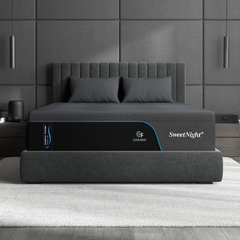
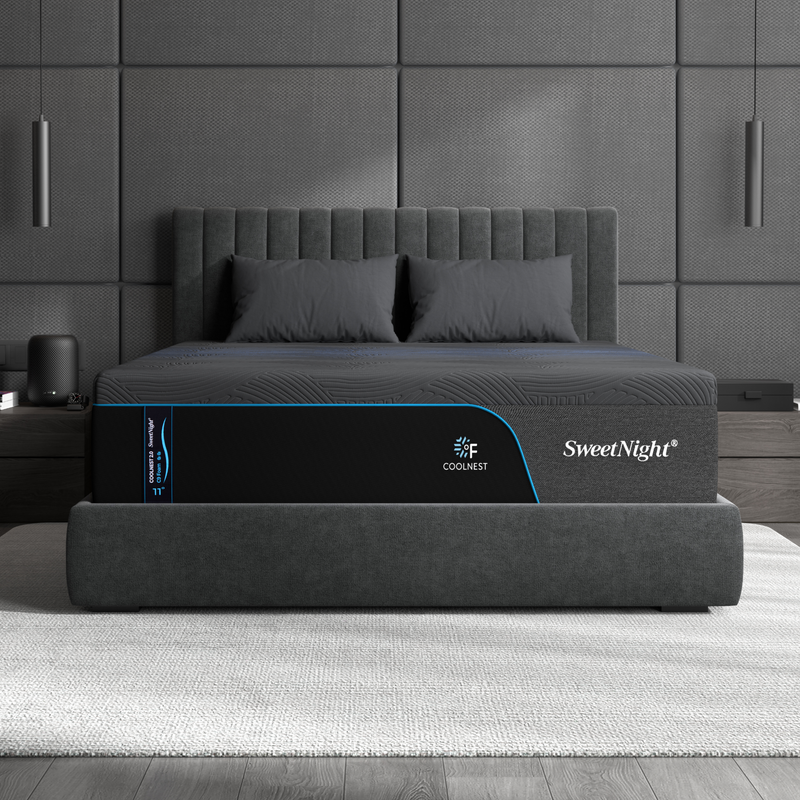
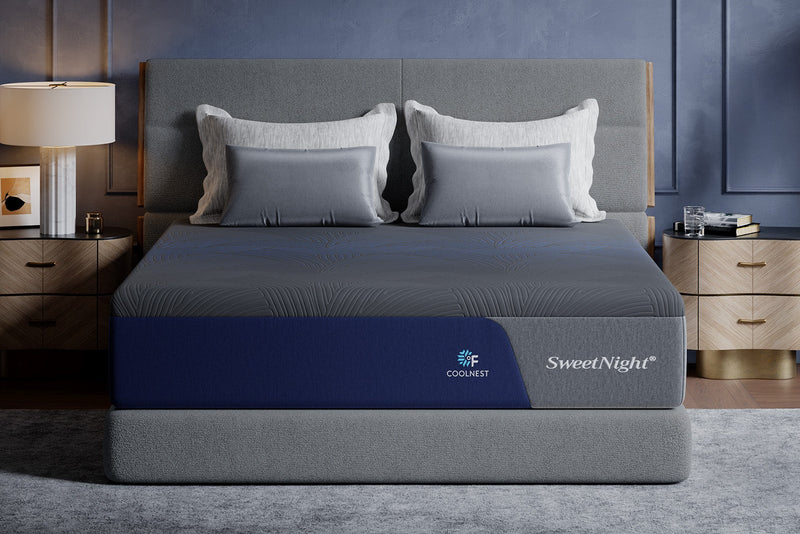
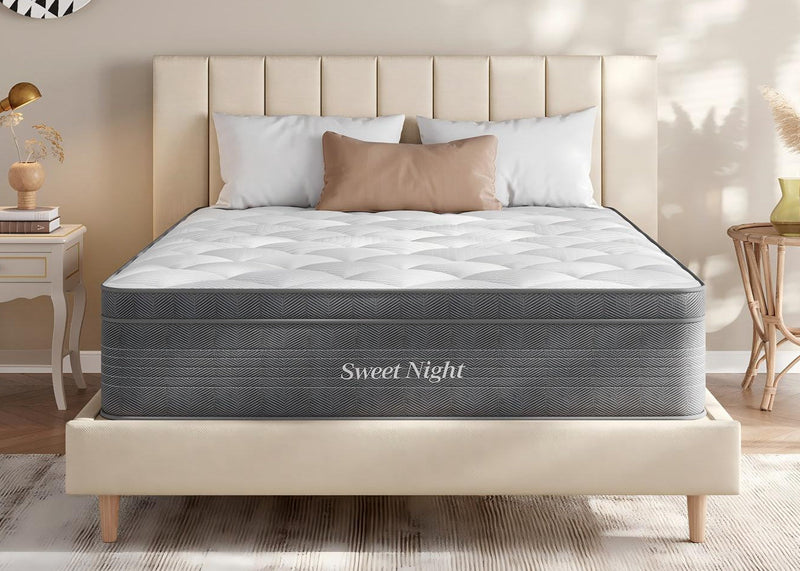
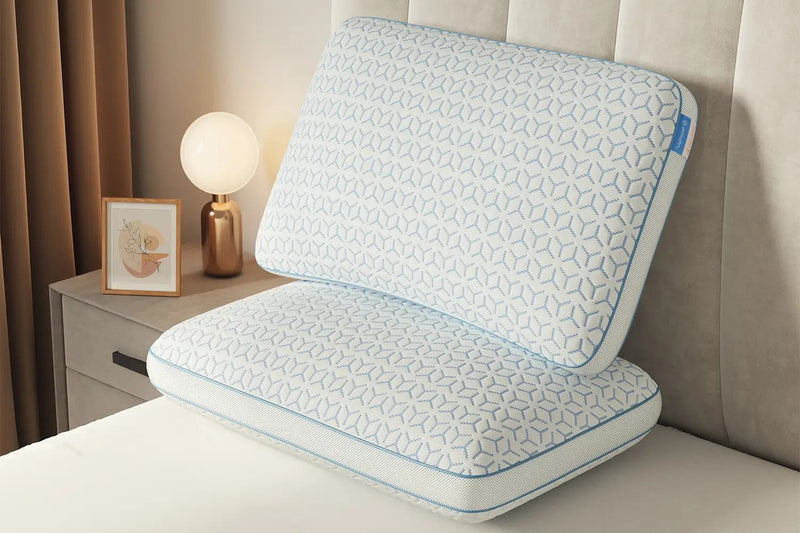
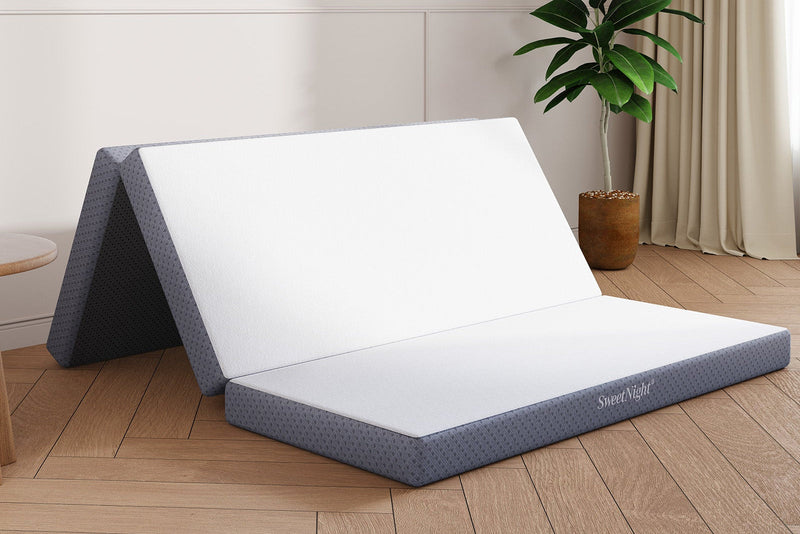
Reputable brands make these certifications easy to find because they are a selling point. SweetNight's CoolNest® Ultra, built with CertiPUR-US certified foam, is a good example of a bed that pairs low-emission materials with a breathable, ventilated construction, so it both off-gasses less and clears what little smell it has faster. When you shop, treat missing certification as a red flag, especially on suspiciously cheap foam beds where cost was cut somewhere you cannot see.

When a Mattress Smell Is a Warning Sign of Mold or a Defect
Ordinary off-gassing is chemical and temporary, so the smells you actually need to worry about are the ones that break those two rules. A musty, damp, or mildewy odor is not off-gassing at all; it points to moisture and possible mold inside the mattress or foundation. That kind of smell tends to get worse rather than better over time and often comes with a damp feel, discoloration, or a bed that sits on a poorly ventilated base trapping humidity underneath.
Duration is your other warning flag. Normal chemical off-gassing fades within days to a couple of weeks, so a sharp smell that is still going strong a month later is not routine. Persistent, overpowering odor can indicate lower-grade materials, a manufacturing problem, or a mattress that was stored compressed for too long. Either way, a smell that will not quit despite thorough airing out is a legitimate reason to contact the retailer and ask about their return or warranty policy.
Trust your body over any general timeline. If a new mattress consistently gives you headaches, breathing trouble, throat irritation, or nausea that does not ease as the smell fades, do not talk yourself into sleeping through it. Sensitivity is real and individual, and no mattress is worth nightly symptoms. Use the return window, choose a certified low-VOC or eco-friendly replacement, and give it plenty of time to air out before its first night on the bed.