



























You climbed into bed expecting to sink into a cloud, and for the first week it felt amazing. Then your lower back started aching every morning, your hips felt like they were dropping into a hammock, and rolling over turned into a small workout. A mattress that feels too soft is one of the most common complaints on sleep forums, and the frustrating part is that "soft" and "comfortable" are not the same thing. A bed can feel plush the moment you lie down and still leave your spine bent out of shape all night.
The good news is that a too-soft mattress is often fixable without buying a whole new bed. Some of the fixes cost nothing. Others cost less than a nice dinner. And in the cases where the mattress is genuinely past saving, knowing the difference saves you from throwing money at a problem a topper was never going to solve. This guide walks through why beds feel too soft, what that softness is doing to your body, and the full ladder of fixes from free to full replacement.
What It Really Means When Your Mattress Feels Too Soft
When people say their mattress feels too soft, they usually mean their body is sinking further than it should and nothing is pushing back. A supportive bed lets your shoulders and hips settle in while keeping your spine level. A too-soft bed lets everything sink, so your midsection dips lower than your shoulders and knees. You end up sleeping in a shallow U shape without realizing it, and your muscles work all night to compensate.
Softness and support are two different things, and mixing them up is where a lot of confusion starts. Softness is the feel of the top comfort layer against your skin. Support is what the deeper core layers do to hold your body in alignment. A mattress can have a pillowy top and a firm, dense core, which feels soft but sleeps supportive. Problems show up when the whole thing is soft top to bottom with no firm base to catch you.
Temperature plays a sneaky role too. Memory foam softens as it warms up, so a bed that felt fine at bedtime can feel noticeably mushier by 3 a.m. once your body heat has soaked into it. That is why some people swear their mattress "gets softer" during the night. It literally does. Warm foam responds more to pressure, letting you sink deeper as the hours pass and your alignment drifts.
It also helps to know whether the softness was always there or crept in over time. A bed that was always too soft is usually a firmness mismatch from day one. A bed that slowly became too soft is often breaking down, and those two situations call for completely different fixes. Pinning down which camp you are in is the first real step toward solving it rather than guessing.
Why a Soft Mattress Causes Back Pain and Morning Stiffness
The clearest sign a soft mattress is working against you is waking up stiff and sore when you went to bed feeling fine. When your hips sink too far, your pelvis tilts and your lumbar curve flattens or overextends. Your spine spends the whole night slightly bent, and the small stabilizing muscles around it never fully relax. By morning they are fatigued and tight, which reads as that classic lower-back ache that eases up once you have been moving for an hour.
Stomach sleepers feel this fastest. If your midsection drops into a soft surface, your lower back arches backward all night, compressing the joints. Back sleepers get a milder version where the pelvis sags and the natural lumbar gap disappears. Side sleepers can actually tolerate a bit more softness because they need the shoulder and hip to sink in, but even they suffer once the waist has nothing holding it up and the spine bows sideways toward the mattress.
Pressure is the other half of the story. It sounds backward, but a mattress that is too soft can create pressure points just like one that is too firm. When you sink in too far, the surface wraps up around you and you lose the ability to shift position easily. You stay planted in one spot longer, blood flow to that area drops, and you wake up to reposition more often. That broken, restless sleep is part of why a soft bed can leave you feeling unrested.
The cruel irony is that the soreness usually shows up right when the bed feels most comfortable. Lying down on a plush surface at night feels wonderful, so you never suspect it while you are awake. The damage happens over hours of misalignment you sleep straight through. That disconnect is why so many people spend months blaming their desk chair, their workouts, or their age before they finally realize the soft bed they love is the thing quietly wrecking their mornings.
How Body Weight and Sleep Position Change What Too Soft Feels Like
The same mattress can feel luxuriously plush to one person and dangerously soft to another, and body weight is the biggest reason. Firmness is not an absolute number your body reads the same way. A lighter person, say under 130 pounds, does not press deeply into the comfort layers, so a bed feels firmer to them. A heavier person sinks past those top layers and reaches the core faster, so the exact same mattress feels much softer and offers less support.
This is why online reviews are so contradictory. One reviewer calls a bed "perfectly balanced" while another calls it "a marshmallow that wrecked my back," and both are telling the truth for their own body. If you are on the heavier side and a bed feels too soft, it is not that you chose wrong on purpose. Most mainstream mattresses are built around an average sleeper, and you are simply compressing it more than the design assumed you would.
Sleep position stacks on top of weight. Side sleepers want more give at the shoulder and hip, so they can handle a softer feel without trouble. Back and stomach sleepers need firmer support to keep the midsection lifted. Couples run into this constantly when one partner is a heavier stomach sleeper and the other is a light side sleeper. A bed that feels supportive to her feels like quicksand to him, and no single fix pleases both without some compromise.
Knowing your own combination of weight and position tells you how much support you actually need, not how much you think you want. Plenty of people chase the softest bed on the showroom floor because it feels heavenly for the two minutes they lie on it, then regret it for years. Matching firmness to your body is the difference between a bed that cradles you and one that swallows you.
Is Your Mattress Too Soft or Just Worn Out and Sagging
Before you fix anything, figure out whether you have a firmness problem or a wear problem, because they look similar and fix differently. A mattress that was comfortable for a couple of years and gradually got softer is almost certainly breaking down. The comfort foams have compressed, the support core has fatigued, and the structure that once held you up has lost its spring. That is not softness you can add back with a topper for long.
The easy home test is to strip the bed and look across the surface at eye level. Body-shaped dips, valleys where you sleep, or a raised ridge down the middle where nobody lies all point to sagging rather than a soft-by-design feel. Press your hand into the low spots and the firm spots and feel the difference. If there is a clear crater where your hips go, the material has given out and no surface fix restores the core.
Age matters here. Most foam and hybrid mattresses hold their shape for roughly seven to ten years, and cheaper builds go faster. If yours is well past that and feels soft and lumpy, you are dealing with the end of its life, not a firmness mismatch. On the other hand, if a nearly new bed feels too soft, that is a comfort-choice issue, and toppers, foundations, and adjustment tricks have a real shot at rescuing it.
How Your Foundation and Bed Frame Affect Mattress Support
People obsess over the mattress and forget that whatever sits underneath it does half the job. A soft, sagging feel is frequently the foundation failing, not the mattress. If your bed sits on a slatted frame with slats spaced too far apart, the mattress droops into every gap between them. You feel that as a soft, uneven surface even when the mattress itself is perfectly firm. It is a support failure coming from below.
Foam mattresses in particular need a solid, even base. Most brands specify slats no more than about three inches apart, and many require a center support leg on queen and larger sizes. Skip that center support and the middle of the bed bows downward under the heaviest part of your body, mimicking a sagging mattress exactly. Before blaming the mattress, get under the bed with a flashlight and check the slat spacing and whether that center leg is even there.
Old box springs are another culprit. A traditional coil box spring is designed for old innerspring mattresses and can be too springy or too broken-down for a modern foam bed. If your foam mattress is sitting on a decade-old box spring, that bounce underneath translates into a soft, unstable feel up top. Swapping to a proper platform base or a bunkie board often firms up the whole bed dramatically for very little money.
The quickest diagnostic is to put the mattress directly on the floor for a night or two. If it suddenly feels much more supportive down there, your foundation was the problem all along, not the mattress. That single test can save you from buying a topper or a whole new bed to solve something a fifty-dollar bunkie board fixes. Fix the base first, then judge the mattress on its own merits.
Free Fixes to Make a Soft Mattress Feel More Supportive
Start with the changes that cost nothing before you spend a cent. Rotating your mattress 180 degrees head to foot evens out the wear, especially if you have been sleeping on the same spot for months. The area under your hips compresses fastest, and swapping ends lets a fresher section carry your weight. Do this every few months as regular maintenance and a soft bed often regains a bit of its lost support.
Temperature control helps more than people expect. Since memory foam softens with heat, keeping your bedroom cooler at night keeps the foam firmer and slows how far you sink. Turn the thermostat down, run a fan, or switch to breathable sheets. A cooler sleeping surface holds its structure better through the night, which directly reduces that 3 a.m. sinking feeling that comes from foam warming up and going mushy under you.
You can also try firming the floor under the mattress. If you have slats, laying a sheet of plywood or a bunkie board across them removes the sag from the gaps and gives foam a flat, hard surface to rest on. Some people put the mattress on the floor entirely for a firmer feel. None of this is glamorous, but it changes how the whole bed behaves and buys you time to decide on a bigger fix.
Give any single change a few nights before you judge it, and try them one at a time. Your body needs a little while to register whether a firmer feel actually helps, and stacking every fix at once makes it impossible to tell what worked. Rotate first, sleep on it for a week, then add the board if you need more. Methodical beats frantic here, and it keeps you from spending on a topper you may not even need.
Using a Firm Mattress Topper to Add Support
If free fixes are not enough, a firm mattress topper is the single most effective way to make a too-soft bed feel more supportive. It sounds counterintuitive to add a layer on top to make a bed firmer, but a dense, high-firmness topper redistributes your weight before you sink into the soft layers underneath. Latex and high-density polyfoam toppers work best for this because they push back rather than melt around you like plush memory foam does.
Material choice matters a lot here. A soft, pillowy memory foam topper makes the problem worse by adding even more sink. What you want is a firm latex topper or a firm high-density foam topper, ideally in the two-to-three-inch range. That thickness is enough to change the feel without perching you awkwardly high off the bed. Read the firmness rating, not just the material, because "firm" toppers and "plush" toppers of the same foam feel nothing alike.
Be honest about the limits, though. A topper can firm up the surface feel and correct a mild softness mismatch, but it cannot fix a broken-down core. If your support layers have collapsed and there is a real crater under your hips, a topper just bridges the crater for a while before conforming to it. Toppers are a genuine fix for a bed that is too soft by design, and a temporary band-aid for a bed that is worn out.
One more thing worth checking is how the topper interacts with your sheets and the mattress underneath. Adding two or three inches of height can make fitted sheets pop off at the corners, so you may need deeper-pocket sheets to keep everything in place. A slip-resistant topper or a few anchor straps stop it from sliding around during the night. Get those small details right and a firm topper feels like part of the bed rather than a slab shifting under you.
When a Medium-Firm Mattress Is the Right Fix
Sometimes the honest answer is that the mattress is simply the wrong firmness for you and no amount of layering will truly correct it. For most sleepers, a medium-firm mattress hits the sweet spot between cushioning and support. It gives enough at the shoulders and hips to relieve pressure while keeping your midsection lifted and your spine level. That balance is why sleep researchers keep landing on medium-firm as the best all-around choice for back comfort.
Medium-firm works so well because it forgives a range of bodies and positions. Side sleepers get the contouring they need, back sleepers get the lift, and even many stomach sleepers stay supported enough to avoid the arched-back problem. If your current bed is a plush or soft model and you keep waking up sore, stepping up to medium-firm usually solves what a topper only masks. It is the firmness most people should have started with.
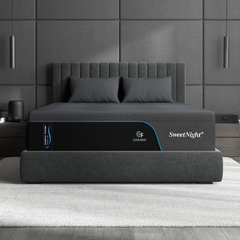
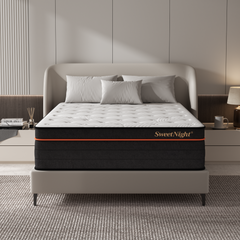
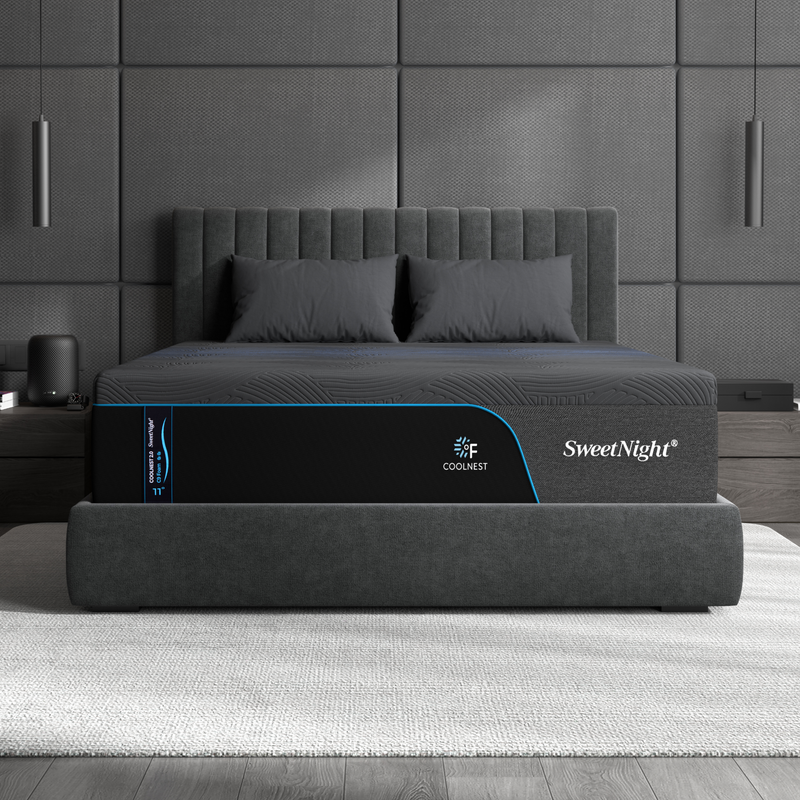
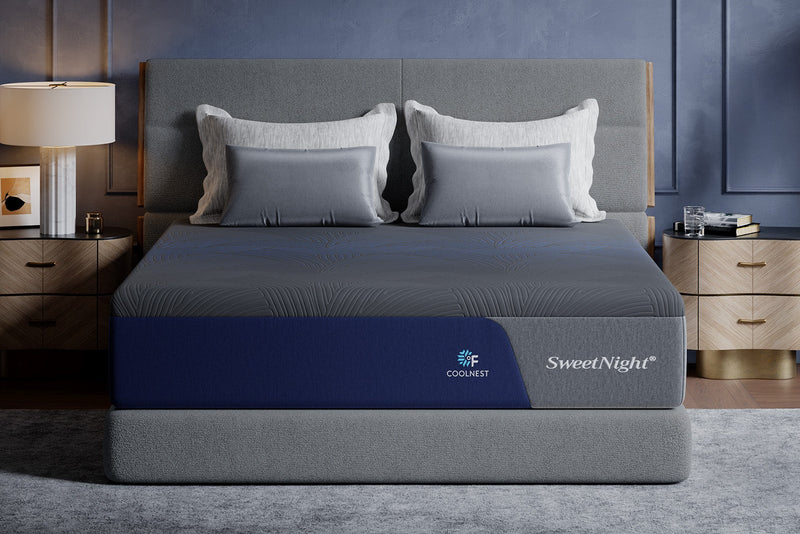
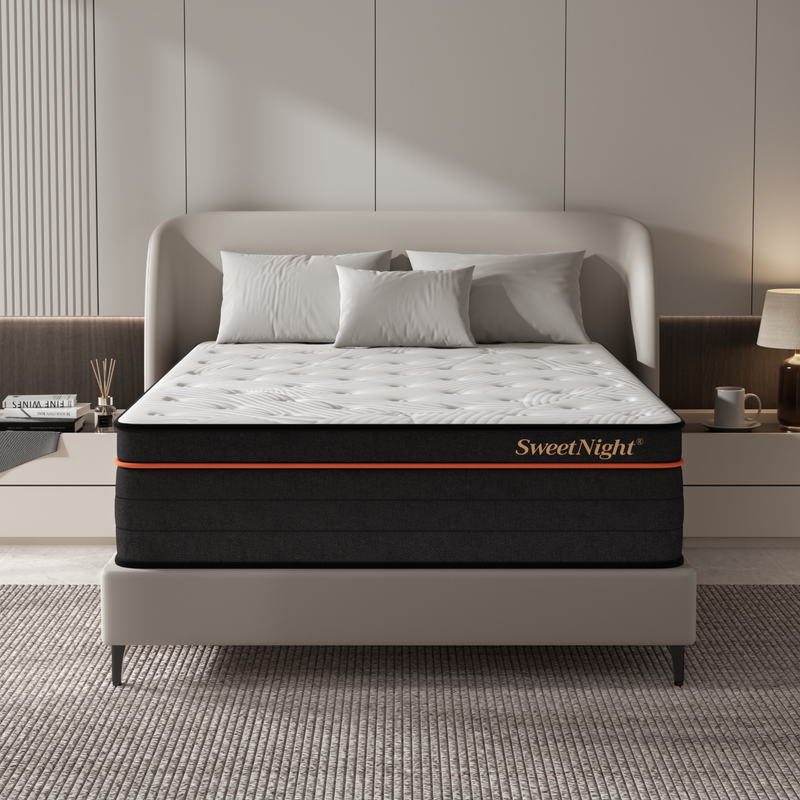
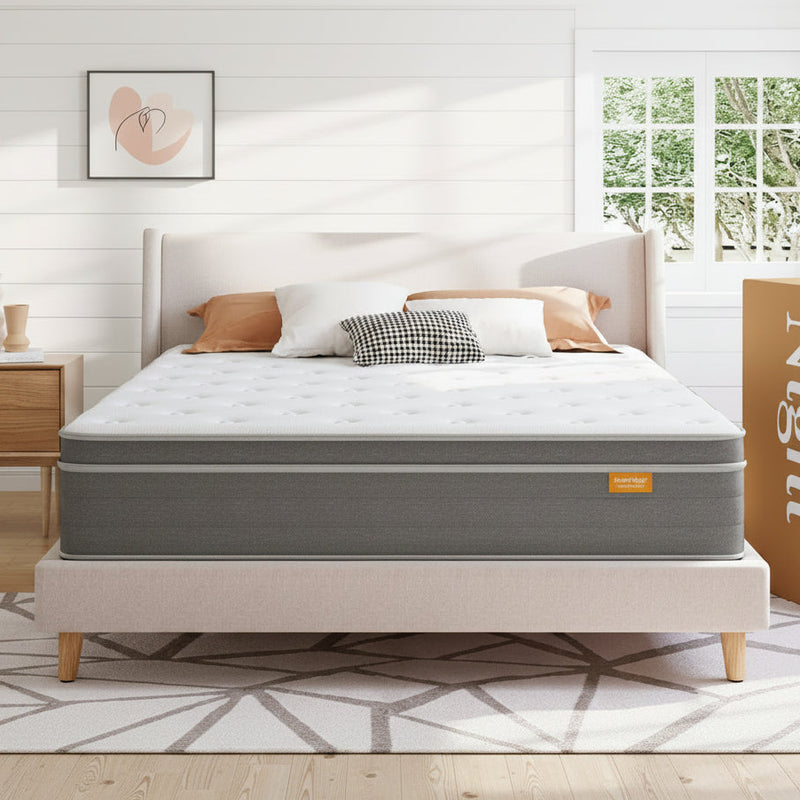
If you tend to sleep hot on top of everything else, look for a medium-firm build with real cooling engineering rather than just a firmer feel. SweetNight's CoolNest® Ultra with its 7-zone support core pairs firmer lumbar zoning with a cooler sleep surface, so your hips stay lifted while the foam resists softening from body heat. That combination tackles the two things that make a bed feel too soft at once: weak midsection support and heat-driven sinking.

How to Choose a Supportive Mattress for Back Pain
When fixes fall short and you are ready to replace, shop for support first and softness second. A genuinely supportive mattress keeps your spine aligned regardless of how plush the top feels, and that alignment is what actually protects your back. Look for a dense, high-quality support core, zoned firmness that puts extra reinforcement under the lumbar region, and a comfort layer sized to your weight rather than the softest option on the floor.
If back pain is your main driver, prioritize models built for exactly that. The best mattress for back pain combines firm lumbar support with just enough surface give to relieve pressure at the shoulders and hips. Avoid the temptation to buy the plushest bed in the store because it feels amazing for five minutes. That short-term comfort is exactly what leads to the long-term soreness you are trying to escape in the first place.
Weight should steer your firmness pick. Heavier sleepers who found their last bed too soft usually need to go a full step firmer than average recommendations suggest, because they compress everything more. A firmer mattress gives their body a stable base instead of letting them bottom out. Lighter sleepers can stay closer to medium. Match the firmness to how much you actually sink, and test it in your real sleep position, not sitting on the edge.
When to Replace a Too-Soft Mattress Instead of Fixing It
There comes a point where pouring money into fixes costs more than a new bed and works worse. If your mattress is more than seven to ten years old, has visible body-shaped dips, and feels soft and lumpy no matter what you put on it, the core is done. A topper can mask that for a few months, but you are sleeping on a failing structure and your body knows it every morning. That is replacement territory, not repair territory.
Watch for the tell-tale signs that toppers and foundations cannot cure: waking up sore day after day, sagging you can see and feel, and the sense that you have to climb out of a hole to get up. If you also find yourself sleeping better in hotel beds or on a friend's couch, your mattress has quietly become the problem. At that stage, the smartest money goes toward a new supportive bed rather than another patch.
When you do replace it, use everything this too-soft experience taught you. You now know your weight and position demand more support than the plush bed gave, so buy accordingly and lean firmer than you think you want. Take advantage of a real sleep trial so you can judge the bed over weeks, not minutes, in the store. Get the firmness right this time and you trade years of morning stiffness for the deep, aligned sleep a soft bed was never going to deliver.