





























You lie down at the end of the day and instead of sinking into something that lets you exhale, you're met with a surface that pushes back like a padded floor. Your shoulders and hips feel it first, then your lower back starts to complain by morning, and you wake up stiff wondering when your bed turned into a plank. Whether the mattress has always felt this hard or it's crept up on you over the years, "why is my bed so firm and what can I actually do about it" is one of the most searched sleep frustrations out there.
The reassuring part is that a too-firm mattress is one of the more solvable problems, and you have a whole ladder of options before you resign yourself to replacing the bed. Some are free, some cost a little, and some do mean shopping for a better fit, but knowing why your mattress feels too firm tells you exactly which fix to reach for. Here's what's really behind that rock-hard feeling and the full range of solutions, from tonight's tweaks to a genuinely softer bed.
What Makes a Mattress Feel Too Firm
Firmness is how hard or soft the surface feels when you press into it, and a too-firm mattress is one that pushes back harder than your body wants, refusing to give at the points where you need cushioning. The core of the problem is usually a comfort layer that's too thin or too dense to cradle your shoulders and hips, so instead of settling into the bed, you feel like you're perched on top of it with your pressure points bearing the load.
It helps to separate firmness from support, because people mix them up constantly. Support is whether the bed keeps your spine in healthy alignment, while firmness is just the surface feel. A mattress can be very firm yet still fail to support you properly, and a softer bed can support you beautifully. When your bed feels too firm, the issue is usually the surface comfort, not the deep support, and that distinction shapes which solution will actually help.
The feel also depends heavily on the match between the bed and your body. The same mattress that a heavy back sleeper calls "perfectly supportive" a light side sleeper calls "brutally hard," and both are right about their own experience. So "too firm" isn't a fixed property of the mattress alone, it's the relationship between the surface and the person on it. Sorting out whether your bed is objectively firm or just wrong for your body and position is the first step toward fixing it.
It's worth noticing when the firmness became a problem, because the timing points to the cause. A bed that felt hard from day one is likely a straightforward mismatch between the mattress and your body. A bed that got harder over months or years is usually a comfort layer wearing out. And a bed that only feels like a plank in winter or for the first twenty minutes is probably a temperature effect. Each of those has a different fix, so pinning down the pattern before you spend money keeps you from throwing a topper at a problem that a warmer room or a new foundation would solve.
Why an Older Mattress Can Feel Firmer Over Time
It sounds backward, since beds are supposed to soften with age, but an older mattress can genuinely start feeling harder in the spots that matter. What's usually happening is that the plush comfort layers on top wear down and compress permanently, thinning out until you're lying closer to the dense support core beneath. The cushioning that used to cradle you flattens, so the firmer base underneath comes through and the whole bed reads as harder than it once did.
This often shows up unevenly, which makes it more noticeable. The areas where you lie every night, your hips, shoulders, and torso, break down first, so those spots lose their give while the edges stay plusher, and you end up with a firm, worn channel right where you sleep. People describe it as the bed "developing a hard spot" or feeling like they're bottoming out onto something rigid, and that's exactly the comfort layer giving out over the support core.
Age also changes your body's tolerance for firmness. Joints get more sensitive, circulation matters more, and pressure that a younger body shrugged off starts causing numbness and aching. So a bed can feel firmer both because it physically changed and because you did. If your mattress is well past its prime, roughly seven to ten years for many beds, a firm, worn-out feel is often a sign it's nearing the end rather than a problem a topper can fully rescue.
How Your Sleep Position Changes How Firm a Bed Feels
The same mattress feels firm to one person and perfect to another largely because of how they sleep, and position is the biggest driver. Side sleepers press their shoulders and hips into the bed at sharp, concentrated points, so they need the surface to give and cushion those zones. On a firm bed, side sleepers feel it pushing hard against the shoulder and hip, which reads as painful and can leave an arm numb or an ache deep in the joint by morning.
Back and stomach sleepers spread their weight more evenly across the surface, so they generally tolerate, and often prefer, a firmer feel that keeps the spine from bowing and the hips from sinking. That's why a bed one partner loves can feel like concrete to the other if they sleep in different positions. If you're a dedicated side sleeper and your mattress feels punishing, the firmness may genuinely not suit your position rather than being something you can simply get used to.
Side sleepers are the group most likely to end up fighting a too-firm bed, because their pressure points need more room to sink than firmer surfaces allow. If that's you and no amount of adjusting helps, looking at a mattress for side sleepers designed to cradle the shoulder and hip can be the real fix, since those beds are built around the exact pressure relief a firm mattress denies you. Matching firmness to your position is often the difference between waking sore and waking rested.

Why Body Weight Affects How Firm Your Mattress Feels
Firmness isn't just about the mattress, it's about how much you sink into it, and that comes down to weight. Lighter people don't compress a mattress much, so they don't reach the softer, cushioning depth of the comfort layers and experience the surface as firmer than a heavier person would on the identical bed. A 130-pound sleeper can call a mattress rock-hard while a 220-pound sleeper on the same model finds it just right.
That's why firmness ratings only tell you so much, since they're calibrated to an average body, and the further you are from that average the more the felt firmness shifts. If you're on the lighter side, you'll perceive most beds as firmer than the label suggests and you generally do better with softer surfaces that let you sink in enough to relieve pressure. Heavier sleepers need more support and often find plush beds too soft, which flips the whole equation.
Weight interacts with position, too, and the two together explain most "why is this so hard" complaints. A light side sleeper is the perfect storm for a too-firm experience: little sinkage plus sharp pressure points on a surface that won't give. A heavy back sleeper is the opposite. Before you blame the bed alone, factor in both your weight and how you sleep, because the mattress might be fine for the average person and simply mismatched to your particular body.
This also explains the constant firmness arguments between partners who share a bed. If one of you is lighter and sleeps on your side while the other is heavier and sleeps on their back, the exact same mattress will honestly feel too hard to one and just right to the other, with neither of you wrong. Recognizing that the firmness is relative, not absolute, changes the conversation from "this bed is defective" to "this bed doesn't match my body," which is a far more fixable framing and points you toward solutions built around your weight and position rather than the mattress alone.
How a Cold Room Makes a Memory Foam Mattress Feel Firmer
If your firmness complaint is seasonal or shows up worst in the first few minutes, temperature might be the hidden culprit. Memory foam is heat-reactive by design, softening and molding as it warms to your body and stiffening when it's cold. In a chilly bedroom, especially in winter, a foam bed can feel dramatically harder than it does once it warms up, purely because the material hasn't reached the temperature where it turns pliable.
This catches a lot of people off guard, because they judge the bed cold and conclude it's too firm, when really it just needs body heat to relax. It's also why a foam mattress can feel like a board for the first twenty minutes and then start cradling you once you've warmed a body-shaped patch into it. A memory foam mattress softening as it warms is the material working as designed, not a defect.

You can work with this. Nudge the thermostat up a couple of degrees, add a mattress protector that holds a little warmth, or simply give the surface time to warm under you each night before you judge how firm it truly is. If your bedroom runs cold, that alone can be making a perfectly reasonable foam bed feel harder than it is. Cold foam and firm foam are easy to confuse, so rule out temperature before you decide the mattress is the problem.
Why Your Bed Frame or Foundation Adds to the Firmness
People rarely suspect the base, but what's under your mattress changes how firm it feels more than you'd expect. A rigid, solid platform or a slatted foundation with tightly spaced, unyielding slats gives the mattress zero flex, so all the firmness transfers straight through to you. Put the same mattress on a base with a touch of give and the surface feels noticeably more forgiving, because the whole system can respond to your weight.
Foundations that are too hard are a common and overlooked reason a bed feels harder than it should. Swapping a plywood board for properly spaced slats, or making sure your slats aren't so widely spaced that the mattress sags between them, can meaningfully change the feel without touching the mattress itself. It's worth confirming your setup matches what the mattress maker recommends before you spend money on toppers or a new bed, since a mismatched base can sabotage an otherwise fine mattress.
The fix here is often cheap or free. Check whether your slats are spaced correctly, whether a rigid board is making everything feel like concrete, and whether the frame is doing what the mattress was designed to sit on. Getting the foundation right is one of the first things to rule out, because it's far cheaper than a topper and far, far cheaper than a new bed, and it occasionally solves the whole too-firm problem on its own.
Placing a mattress on the floor is the extreme version of this, and it's a common mistake. The floor gives zero flex, so it makes any mattress feel as firm as it possibly can while also blocking airflow underneath and inviting moisture problems. If you've been sleeping on a bed set directly on the ground or on a solid slab of plywood and it feels punishingly hard, the base is doing a lot of that, and simply moving to a proper foundation with a little give can soften the whole experience before you touch the mattress itself.
Simple Solutions to Soften a Too-Firm Mattress
Before spending real money, several low-cost moves can take the edge off a firm bed. If the mattress is relatively new, give it a proper break-in, since foam and hybrid beds soften over the first few weeks of use as the materials flex for the first time. Sleep on it nightly, walk across it, and press firmly over the whole surface during the day to work the layers faster than sleeping alone would. Warmth speeds this up, so a warmer room helps foam relax.
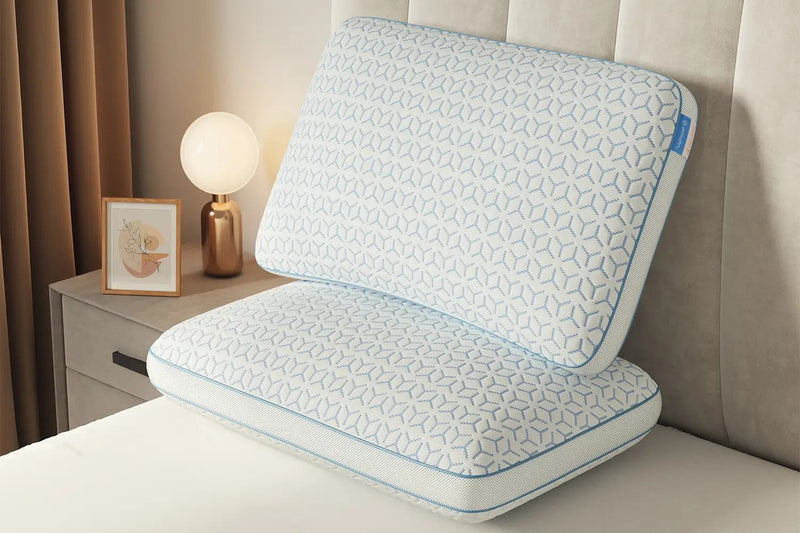
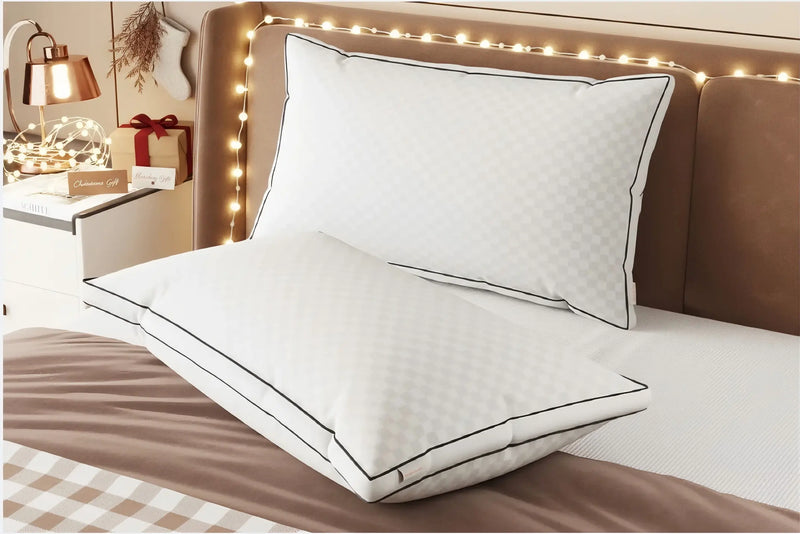
Dial in the setup around the bed, too. Fix a too-rigid foundation, get your slat spacing right, and pay attention to your pillow, since the wrong pillow height on a firm bed throws off your neck alignment and makes the whole thing feel worse as your body braces against the bad angle all night. Rotating the mattress head-to-foot can also even out wear that's making certain areas feel harder than others.
Layering soft bedding on top adds a little cushioning as a stopgap, though it won't transform a genuinely hard bed. A plush mattress pad, a thick quilted cover, or a wool topper can soften the immediate surface feel enough to help while you decide on a bigger fix. These simple solutions are worth exhausting first, because sometimes a firm bed just needs a fair break-in, the right base, and a better pillow rather than a replacement. If they only partly help, the next step up is the proven one.
When a Mattress Topper Solves a Firm Mattress
A soft mattress topper is the single most effective way to soften a too-firm bed without replacing it. A plush memory foam or down-alternative topper, usually two to four inches thick, lays a cushioning layer over the hard surface that cradles your shoulders and hips while the firm mattress underneath keeps supporting your spine. For side sleepers stuck on a firm bed, a good topper can be the difference between waking up sore and sleeping straight through.
Toppers shine when the underlying mattress is supportive but just too hard on the surface, which is the most common version of the too-firm problem. You get back the pressure relief you were missing without giving up the spinal support a firm core provides, and you spend a fraction of what a new mattress costs. This is the workaround the mattress forums recommend over and over for exactly this situation, and for good reason, since it targets the surface-feel issue directly.
Know the limits, though. A topper won't rescue a bed that's fundamentally wrong for your body, sagging, or worn out, because it can't rebuild support that's already gone. Match the thickness to how far off the bed feels: a slightly-too-firm mattress needs less topper than one that feels like concrete, and going too thick can leave you sinking. Choose a plush topper for maximum softening or a medium one to take just a little bite out of the firmness. Done right, it can turn a bed you were ready to ditch into one you actually like.
Choosing a Softer Mattress for Pressure Relief
If you've broken in the bed, fixed the base, and tried a topper and it's still too hard, the honest answer may be that the mattress is simply the wrong firmness for you, and choosing again with your body in mind saves you from repeating the whole ordeal. Side sleepers and lighter people usually need more surface give, and shopping a soft mattress built for pressure relief points you toward beds that cushion shoulders and hips instead of fighting them all night.

If you don't want to overcorrect into something that feels like quicksand, a medium-firm mattress gives cushioning at the surface while still supporting your spine, which suits a lot of combination sleepers who move between their side and back. It's the safest middle ground when you know firm was too much but you're nervous about going all the way soft, and it's where a large share of sleepers land once they understand their own preference.
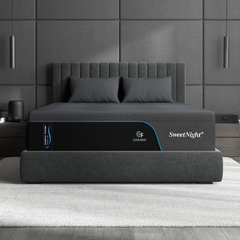
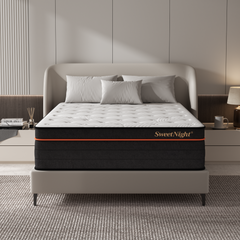
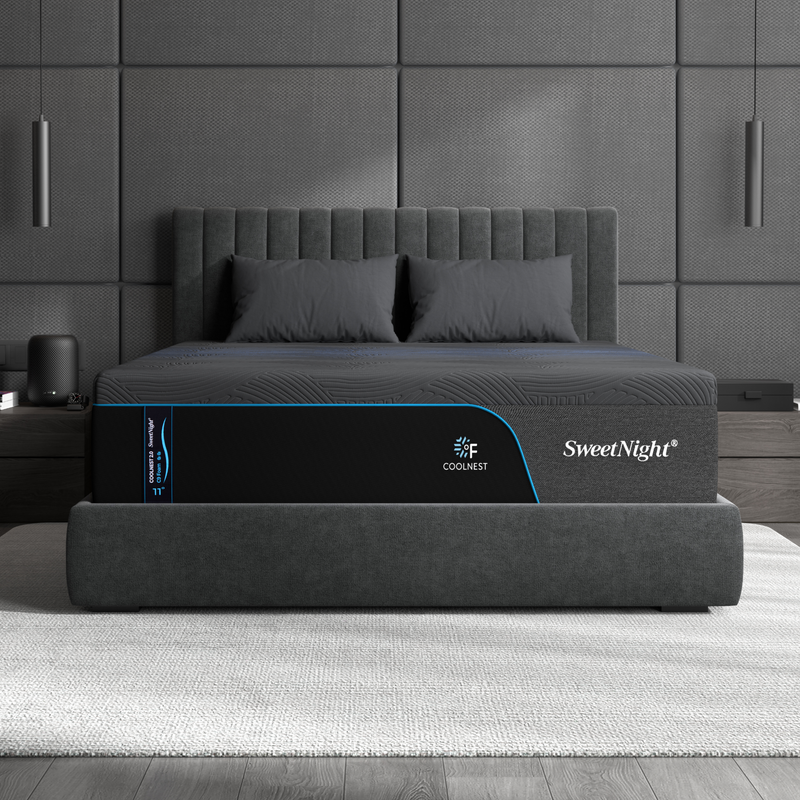
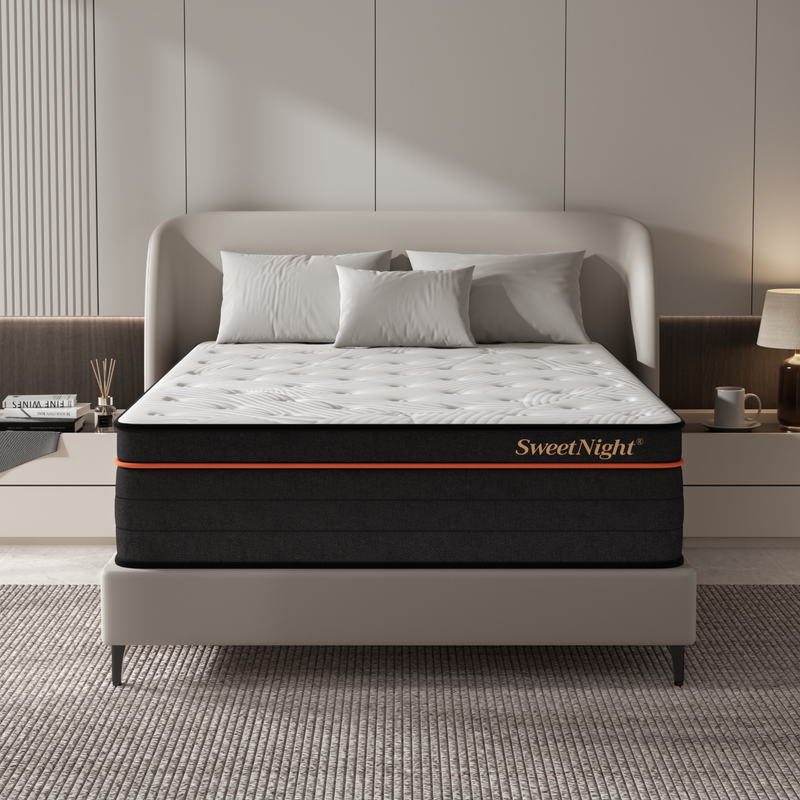
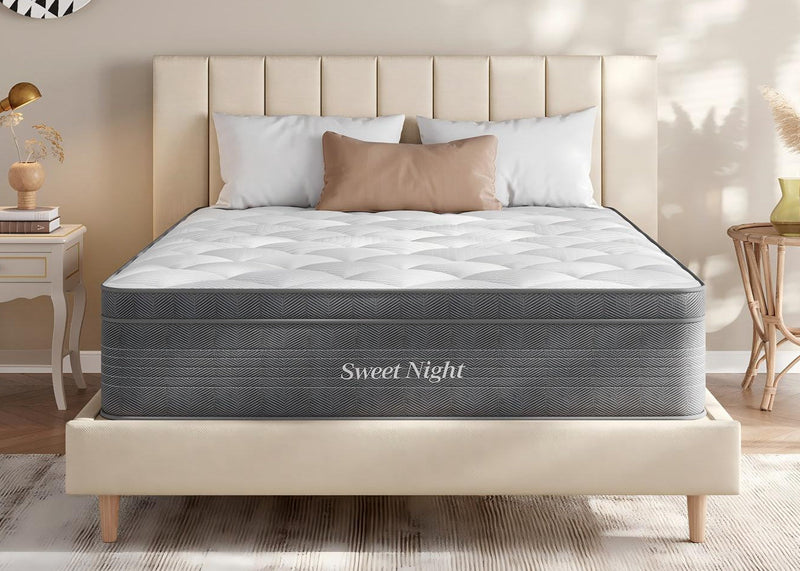
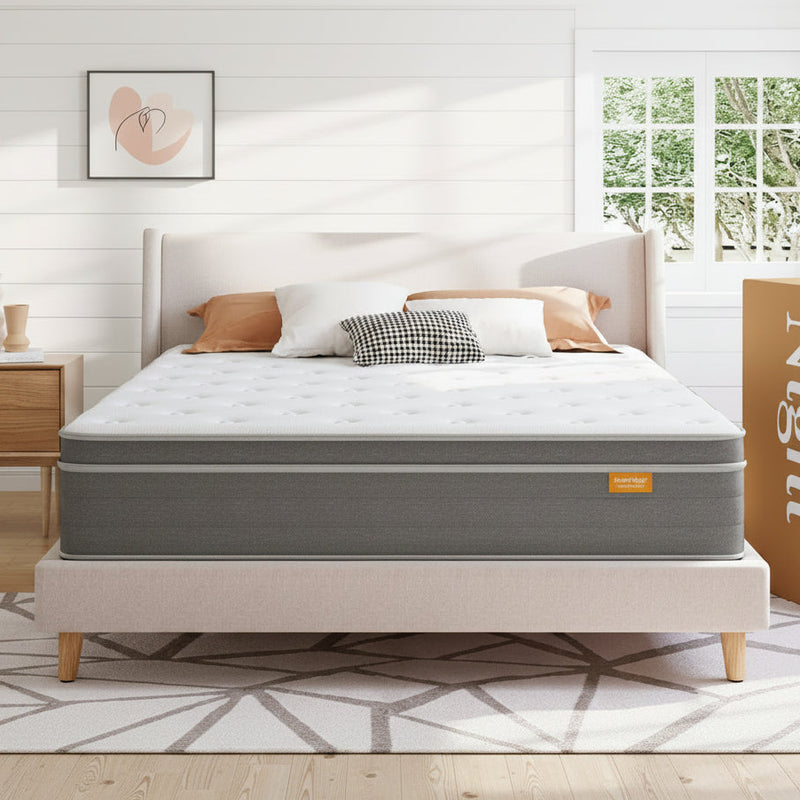
If you want real pressure relief without giving up support or running hot at night, the plush-contouring 7-zone memory foam mattress layers cushioning comfort over a zoned support core, so it hugs your pressure points without turning into a board or letting your hips sag. Matching firmness to your sleep style and weight up front is how you avoid the too-firm trap entirely, so your next bed feels like relief the first night instead of another gamble you have to fix.

When a Too-Firm Mattress Is Beyond Fixing
Sometimes no fix is worth chasing, and recognizing that saves you money and more bad nights. If the mattress is old and worn, with the comfort layer compressed down to the hard core, no topper rebuilds what's gone, and you're better off replacing it than patching it. Visible sagging, permanent body impressions, or a surface that's rigid in some spots and shot in others are signs the bed has reached the end, not a firmness you can tune.
The other beyond-fixing case is a plain mismatch that won't budge. If you wake with sharp pressure in your shoulders and hips, if your arm goes numb, if you feel perched on top of the bed rather than settled into it, and if a topper only half-helps, the firmness is likely wrong for your body and position rather than something time or accessories will cure. That's about your anatomy, and no amount of waiting changes how you're built or how you sleep.
The clean way to decide is to run the ladder in order: break it in, fix the foundation, sort your pillow, try a topper, and give each a fair shot. If you climb the whole ladder and the bed is still too hard for comfortable, pain-free sleep, trust that pattern over hope. A new mattress in the right firmness for your weight and position isn't a failure, it's the fix, and choosing it deliberately means the too-firm problem doesn't follow you into your next bed.
Keep the takeaway simple. A too-firm feeling usually has a specific, findable cause: a worn comfort layer, a mismatch with your weight or position, a cold room, or a rigid base, and most of those have a cheap fix you can try tonight. Work through them in order from free to expensive, let each one prove itself, and you'll either rescue the bed you have or learn exactly what to look for in the next one. Either outcome ends the stiff mornings, which is the whole point.